

Free Meemu Atoll Travel Guide & Mobile App
Explore Meemu Atoll with free travel guides. Discover regional history, expert tips, proposed trips, and audio guides on web or mobile app.


Explore Meemu Atoll in the Maldives for coral reefs, island communities, diving, fishing and a quieter perspective on ocean life.
Read more about Meemu Atoll
When is the best time to visit Meemu Atoll?
Best: January–March · 30°C| Month | High (°C) | Rainfall (mm) |
|---|---|---|
| January (best) | 30 | 100 |
| February (best) | 30 | 80 |
| March (best) | 30 | 90 |
| April | 30 | 110 |
| May | 31 | 150 |
| June | 30 | 160 |
| July | 30 | 150 |
| August | 30 | 160 |
| September | 30 | 170 |
| October | 30 | 180 |
| November | 29 | 160 |
| December | 29 | 150 |
Getting to and around Meemu Atoll
How to get there
Transportation
Best attractions in Meemu Atoll
Meemu Atoll’s attractions are primarily marine and community-based. Coral reefs, lagoons and channels provide settings for guided diving, snorkelling, fishing, kayaking and sunset cruises, with the exact visibility and wildlife changing according to season, tide and weather. Operators may encounter reef fish, rays, turtles and larger pelagic species, but sightings are never guaranteed and should be conducted without touching or feeding animals. On land, walks through Muli, Kolhufushi, Mulah, Naalaafushi, Dhiggaru and Veyvah reveal compact island settlements, mosques, boatyards, palms and everyday coastal life. Beaches and sandbanks are best experienced with local guidance, since currents and access can change. Visitors interested in Maldivian culture can combine a guesthouse stay with fishing trips, traditional food, craft demonstrations or conversations about the 2004 tsunami and the continuing importance of the sea. Resort islands in the atoll provide organised water sports and marine excursions, while inhabited islands offer a more direct understanding of local routines. The pleasure lies less in a long list of built attractions than in the relationship between reef, lagoon, settlement and boat.
-
Tourist attraction
Sandbank
Discover the tranquil paradise of Sandbank near Thinadhoo, Maldives, where crystal-clear waters meet soft sands for an unforgettable beach experience.
-
Tourist attraction
Vaavu Shipwreck
Discover the underwater beauty of the Vaavu Shipwreck in the Maldives, a vibrant marine ecosystem perfect for diving and snorkeling enthusiasts.
-
Tourist attraction
Hulhidoo Beach
Discover the serenity of Hulhidoo Beach, a stunning destination in the Maldives, perfect for relaxation and adventure amid breathtaking natural beauty.
-
Tourist attraction
Tree of Wishes
Discover the Tree of Wishes in Dhidhdhoo, a tranquil attraction where visitors can tie their hopes to a magnificent tree amidst the beauty of the Maldives.


Best landmarks in Meemu Atoll
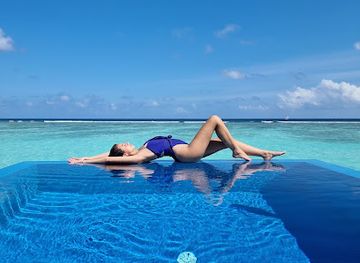
Meemu Atoll’s most meaningful landmarks are often modest and functional rather than monumental. Muli, the atoll capital, is an important civic and social centre, while the mosques of inhabited islands express the enduring place of Islam in Maldivian community life. Harbour walls, jetties and boatyards are equally characteristic physical markers, showing how each settlement faces the lagoon and maintains links with neighbouring islands. Across Kolhufushi, Mulah, Naalaafushi, Dhiggaru and Veyvah, coconut groves, low coral-stone buildings and narrow island lanes create a recognisable atoll landscape. The surrounding reef ring and its channels are natural landmarks in their own right: they determine navigation, fishing grounds, beach formation and the shape of settlement. Shorelines affected by the 2004 tsunami also carry historical significance, although they are living communities rather than formal monuments. No single castle or grand civic building defines Meemu; its identity is read through the relationship between mosque, harbour, settlement, lagoon and open ocean.
-
Resort hotel
Villa Park, Maldives
Experience a lush Maldivian paradise with vibrant marine life, diverse dining, and thrilling activities at Villa Park, South Ari Atoll.
-
Resort hotel
Kandima Maldives
Experience the Maldives differently at Kandima: stylish stays, diverse dining, and endless activities on a vibrant tropical island paradise.
-
 Resort hotel
LUX South Ari Atoll
Experience luxury in the Maldives at LUX South Ari Atoll: dive into vibrant marine life, relax in overwater villas, and embrace eco-conscious travel.
-
Island
Maldive Islands
Discover the Maldives: An exquisite escape with pristine beaches, turquoise waters, and unmatched luxury in the heart of the Indian Ocean.


Explore Meemu Atoll on the map
Plan your trip on one map. See where the top cities, national parks and sights are, and book hotels and experiences in a few clicks.
Best hotels in Meemu Atoll
Best restaurants in Meemu Atoll
Dining in Meemu Atoll reflects Maldivian reliance on tuna, reef fish, coconut, rice, chilli and curry spices. In inhabited-island cafés and guesthouses, visitors may encounter preparations such as mas huni, a breakfast mixture of tuna, coconut, onion and chilli, along with fish curries, flatbreads, rice dishes and savoury snacks such as varieties of fihunu mas and fish-filled pastries. Menus are usually practical rather than extensive, and meals are often arranged in advance for guesthouse guests or boat excursions. Resort restaurants generally provide broader international choices alongside Maldivian dishes, while local establishments offer the more informal experience of tea, short eats and home-style cooking. Fresh fish is central, but availability depends on landings, weather and supply boats; responsible visitors should ask how seafood is sourced. Alcohol is available only in licensed resort environments, not in ordinary cafés or shops on inhabited islands. Carrying dietary information in advance is sensible because remote-island kitchens may need time to plan alternatives.
-
Italian
Al Pontile
Experience authentic Italian cuisine in Fenfushi with fresh ingredients and delightful flavors at Al Pontile.
-
Restaurant
Maaniya Restaurant
Experience exquisite Maldivian flavors at Maaniya Restaurant in Fenfushi, where culinary artistry meets warm hospitality.
-
Restaurant
Vani Coffee Shop
Discover Vani Coffee Shop in Fenfushi - where exquisite coffee meets breathtaking views in paradise.
-
Resort hotel
Baglioni Maldives - Luxury All Inclusive Resort
Experience unparalleled luxury at Baglioni Maldives - your ultimate all-inclusive escape in paradise.


Best bars in Meemu Atoll
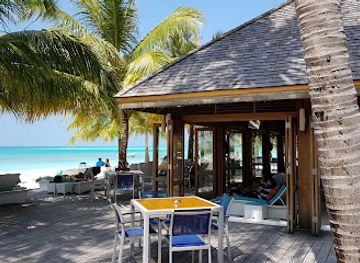
Meemu Atoll does not have a conventional nightclub circuit. On inhabited islands, evenings usually centre on tea shops, cafés, guesthouse dining, family visits and quiet walks, with social life shaped by community routines and Islamic customs. Resorts provide the principal licensed settings for alcohol, including lounges, beach bars and occasional organised music or entertainment, but their atmosphere and schedule vary by property and season. After dark, the atoll is often better suited to stargazing, listening to the lagoon, joining a night-fishing trip or discussing marine life with a local guide than to late-night clubbing. Visitors should not expect alcohol or bars on local islands, and should dress and behave respectfully when returning through community areas. Boat-based evening activities require particular care: use operators with appropriate safety equipment and do not enter the water at night without professional guidance.
-
Hotel
Cinnamon Hakuraa Huraa Maldives
Experience the ultimate luxury and tranquility at Cinnamon Hakuraa Huraa Maldives, where pristine beaches meet exceptional hospitality in a tropical paradise.
-
Bar
Mekunu Bar
Discover the vibrant Mekunu Bar in Fenfushi – the perfect spot for refreshing drinks and lively nightlife in the Maldives.
-
Bar
Meeru Kakuni Bar & Game Room
Discover the ultimate relaxation and entertainment at Meeru Kakuni Bar & Game Room, where vibrant energy meets tropical bliss in the heart of the Maldives.
-
Restaurant
Blu, Niyama Private Islands Maldives
Discover the exquisite flavors of Blu at Niyama Private Islands, Maldives—a luxurious dining experience with stunning ocean views.



Best nightclubs in Meemu Atoll
Meemu Atoll does not have a conventional nightclub circuit. On inhabited islands, evenings usually centre on tea shops, cafés, guesthouse dining, family visits and quiet walks, with social life shaped by community routines and Islamic customs. Resorts provide the principal licensed settings for alcohol, including lounges, beach bars and occasional organised music or entertainment, but their atmosphere and schedule vary by property and season. After dark, the atoll is often better suited to stargazing, listening to the lagoon, joining a night-fishing trip or discussing marine life with a local guide than to late-night clubbing. Visitors should not expect alcohol or bars on local islands, and should dress and behave respectfully when returning through community areas. Boat-based evening activities require particular care: use operators with appropriate safety equipment and do not enter the water at night without professional guidance.
-
Bar
Mekunu Bar
Discover the vibrant Mekunu Bar in Fenfushi, where tropical drinks, lively entertainment, and a welcoming atmosphere await every visitor.
-
Bar
The Nautilus
Discover the charm of The Nautilus, a tranquil bar in the heart of Atoll, where vibrant cocktails meet breathtaking views.
-
Bar
Beach Club at Kandima
Experience the ultimate beachside retreat at the Beach Club at Kandima, where breathtaking views and exquisite cocktails await.
-
Bar
Pool Bar
Experience relaxation at its finest at the Pool Bar in Fenfushi, where stunning views and refreshing drinks await every visitor.



Best shops in Meemu Atoll
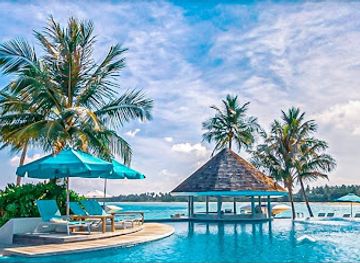
Shopping in Meemu Atoll is small-scale and practical rather than centred on malls or designer retail. Shops on inhabited islands stock everyday provisions, snacks, toiletries, clothing and basic travel supplies, while guesthouses and resorts may offer a limited selection of souvenirs. Useful locally associated purchases include packaged coconut products, Maldivian snacks, printed textiles and small handicrafts, although availability varies and not every item is made on the island where it is sold. Visitors may find better choice in Malé before or after travelling to the atoll, but should avoid buying coral, turtle shell, shells or other marine material, whose collection and trade harm reefs and may be illegal. Fresh fish and locally prepared food can sometimes be arranged through guesthouses or community contacts rather than bought as conventional souvenirs. Cash in Maldivian rufiyaa is helpful for small shops, and visitors should ask permission before photographing artisans, boats, homes or market-style displays.
-
Grocery store
Sai Mart
Explore the vibrant flavors of Feeali at Sai Mart, your local grocery store offering fresh products and unique Maldivian treats.
-
Clothing store
MA Textiles
Discover the essence of Maldivian craftsmanship at MA Textiles, where vibrant colors and unique designs come together.
-
Cosmetics store
Dhon Muraka Collection
Discover beauty at Dhon Muraka Collection, where local charm meets global cosmetics in the heart of Dhiggaru, Maldives.
-
Shopping mall
Inthihaa Store
Discover authentic Maldivian culture and unique souvenirs at Inthihaa Store, the premier shopping destination in Muli.


Get your free copy of our complete guide to Meemu Atoll, delivered straight to you.
Everything on this page, from attractions and restaurants to essentials and local phrases, in one PDF you can read offline, print or share.
Already have an account? Sign in
Your Meemu Atoll guide is ready.
We'll send it to · Not you? Sign out

Getting your guide ready…
We are putting together a fresh copy of the Meemu Atoll guide. This can take up to a minute.
This can take a few moments. If your browser asks, choose Allow so the download can start. You'll find the guide in your Downloads folder.
Nothing happened? Download it again
Sorry, the guide is taking longer than usual. Please try again in a minute, or get it by email instead.
Meemu Atoll essentials
Currency and Payment
Safety
Emergency Situations
Do's and Don'ts
Local Tips
History of Meemu Atoll
Early Island Settlement and Buddhist Maldives
The islands of Meemu Atoll formed part of the wider Maldivian island world settled by seafaring communities from the Indian Ocean region. Before the conversion to Islam, the Maldives followed Buddhist traditions influenced by South Asian cultural networks. Physical evidence is unevenly preserved because coral-stone buildings, climate and later construction have altered many early sites, but the broader archaeological record shows that the atolls were inhabited and connected through maritime exchange long before modern tourism.
The Conversion to Islam, c. 1153
The Maldives traditionally dates its conversion to Islam to 1153, during the reign of Sultan Mohamed al-Adil. Islam reshaped political authority, law, burial customs, architecture and everyday life across the atolls, including Meemu. Mosques and coral-stone building traditions became important features of island settlements, while religious links with ports around the Indian Ocean strengthened. Contemporary visitors encounter this legacy in the prominence of mosques, Islamic festivals and the social customs of inhabited islands.
Atoll Communities and Maritime Trade
For centuries, Meemu’s islands were connected by sailing routes carrying people, dried fish, coconuts and other goods between atolls and regional ports. Island communities depended on seasonal knowledge of currents, monsoon winds and reef passages. Dhonis served as fishing vessels, cargo boats and passenger craft, making seamanship central to economic and social life. Although modern engines and communications have altered the rhythm of travel, inter-island transport and fishing remain visible reminders of this maritime heritage.
Sultanate, Colonial Influence and the Modern State
The Maldivian sultanate experienced growing European influence from the sixteenth century, when Portuguese forces briefly occupied Malé, followed by periods of regional and later British involvement. The islands retained their own political traditions while external powers influenced trade and diplomacy. In 1965 the Maldives became independent, and the country became a republic in 1968. Meemu Atoll subsequently developed within the national administrative system, with Muli serving as its capital and administrative centre.
Fishing, Coconuts and Changing Island Livelihoods
Fishing has long been the principal economic foundation of Maldivian atoll communities, with pole-and-line tuna fishing especially important nationally. In Meemu, fishing, coconut use, small-scale trade and inter-island services have traditionally complemented one another. Improved harbours, engines, roads on larger islands and telecommunications have changed how goods and people move, but the sea still governs access and employment. Tourism has added new opportunities while also making communities more attentive to reef health and coastal resources.
The 2004 Indian Ocean Tsunami
The Indian Ocean tsunami of 26 December 2004 affected low-lying islands throughout the Maldives, including communities in Meemu Atoll. Flooding damaged homes, infrastructure, vegetation and freshwater supplies, exposing the vulnerability of coral islands to extreme ocean events. Recovery involved rebuilding and adaptation, while the disaster became part of local memory and national planning. Its legacy is visible in continuing attention to shoreline protection, emergency preparedness and the fragility of atoll environments.
Tourism and Environmental Awareness
Maldives tourism expanded from the first resort openings in the 1970s, initially concentrating around the capital and northern and central atolls. Meemu later became part of the country’s wider resort and marine-tourism economy, while inhabited-island guesthouses created additional ways to visit. Tourism has brought employment and infrastructure but also raises questions about waste, freshwater, coral damage and equitable access to resources. Today, responsible diving, reef monitoring and careful coastal management are important parts of the atoll’s future.
Meemu Atoll in Photos
Browse through our photo collection highlighting the charm and character of the destination.
Neighbouring regions of Meemu Atoll
The closest regions to Meemu Atoll, if you have time for more than one.
-

-
-

-
-


Swipe for more regions
Explore more

Explore more of Maldives
Experience the unparalleled beauty of the Maldives, where pristine beaches, luxurious resorts, and vibrant marine life create the perfect tropical getaway.
Explore Maldives