

Free Faafu Atoll Travel Guide & Mobile App
Explore Faafu Atoll with free travel guides. Discover regional history, expert tips, proposed trips, and audio guides on web or mobile app.


Faafu Atoll in the Maldives offers coral reefs, quiet inhabited islands, diving, fishing and a slower Indian Ocean escape away from Malé.
Read more about Faafu Atoll
When is the best time to visit Faafu Atoll?
Best: January–March · 31°C| Month | High (°C) | Rainfall (mm) |
|---|---|---|
| January (best) | 31 | 75 |
| February (best) | 31 | 60 |
| March (best) | 31 | 90 |
| April | 32 | 120 |
| May | 32 | 150 |
| June | 32 | 180 |
| July | 32 | 170 |
| August | 32 | 170 |
| September | 32 | 180 |
| October | 31 | 200 |
| November | 31 | 190 |
| December | 31 | 130 |
Getting to and around Faafu Atoll
How to get there
Transportation
Best attractions in Faafu Atoll
Faafu Atoll's attractions are predominantly marine and environmental. House reefs, outer reefs and sheltered lagoons provide opportunities for guided snorkelling, scuba diving, kayaking, stand-up paddleboarding and fishing, with sightings of reef fish, rays, turtles and other Indian Ocean wildlife possible but never guaranteed. Dive planning should take account of currents, visibility and the experience level of participants. Resort islands generally offer organised water sports, reef excursions, sandbank trips and sunset cruises, while inhabited islands such as Nilandhoo, Magoodhoo, Dharanboodhoo, Feeali and Biledhdoo provide a more grounded view of local island life. Visitors can walk among coconut palms, observe fishing boats and explore compact community settlements, provided they behave respectfully. Uninhabited islands and sandbanks are best visited with local operators who understand tides and landing conditions. The atoll has fewer conventional museums, monumental ruins or large family attractions than Malé and the major resort centres, but that is part of its character: its principal experiences come from reefs, lagoons, open-water travel and the contrast between a working island community and a deliberately secluded resort.
-
Tourist attraction
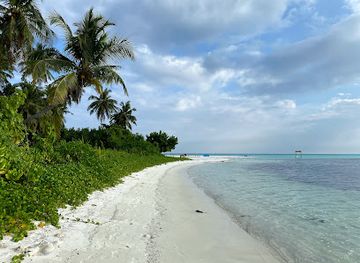
Dhangethi Moon Swing
Experience the breathtaking beauty of the Maldives at Dhangethi Moon Swing, where adventure meets tranquility in paradise.
-
Tourist attraction
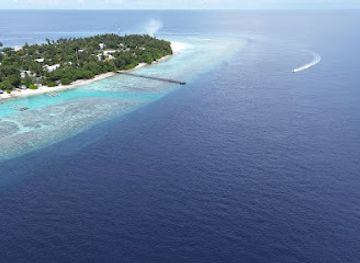
Omadhoo Faalan
Explore Omadhoo Faalan, a Maldivian paradise with crystal-clear waters and vibrant marine life, perfect for adventure and relaxation.
-
Tourist attraction
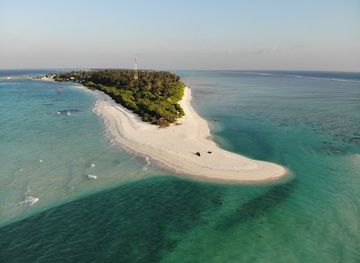
Fenfushee Thun'di
Experience the serene beauty and vibrant culture of Fenfushee Thun'di, a captivating tourist attraction in the Maldives.
-
Tourist attraction
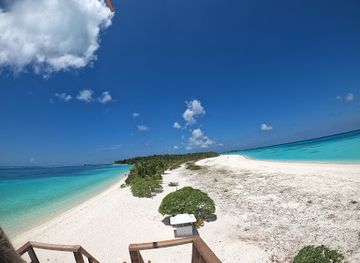
Observation point
Experience the unparalleled beauty of Maamigili from the Observation Point, offering breathtaking views and a serene atmosphere amidst nature.
Best landmarks in Faafu Atoll
Faafu Atoll's most distinctive landmarks are natural rather than monumental. The ring of reef, the contrasting colours of shallow lagoon and deep ocean, and the narrow channels through which boats enter and leave are defining features of its geography. Sandbanks and small uninhabited islands change in appearance with tides and weather, while coconut-lined settlements on islands such as Nilandhoo and Magoodhoo show how communities occupy very limited land. Local mosques and cemeteries are important cultural landmarks on inhabited islands, although many have been rebuilt or adapted over time and should be visited with appropriate respect. Fishing boats, jetties and working harbours also form part of the atoll's everyday visual identity, revealing its continuing relationship with the sea. Rather than a concentration of castles or grand civic buildings, Faafu's sense of place comes from the meeting of reef ecology, Islamic island communities and a maritime landscape that remains visible in almost every journey between islands.
-
Resort hotel
Villa Park, Maldives
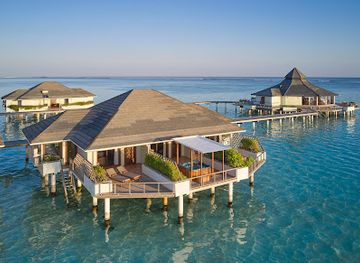
Discover the enchanting beauty of Villa Park in the Maldives, a luxurious resort perfect for relaxation, adventure, and unforgettable memories.
-
Resort hotel
Sun Siyam Vilu Reef
Experience the ultimate luxury at Sun Siyam Vilu Reef, a breathtaking resort hotel in the Maldives offering stunning views, exceptional amenities, and unmatched tranquility.
-
 Resort hotel
LUX South Ari Atoll
Discover the ultimate tropical getaway at LUX South Ari Atoll, where luxury meets nature in the stunning Maldives.
-
Resort hotel
Conrad Maldives Rangali Island
Experience the luxury and tranquility of Conrad Maldives Rangali Island, where pristine beaches and world-class amenities create an unforgettable escape.
Explore Faafu Atoll on the map
Plan your trip on one map. See where the top cities, national parks and sights are, and book hotels and experiences in a few clicks.
Best hotels in Faafu Atoll
Best restaurants in Faafu Atoll
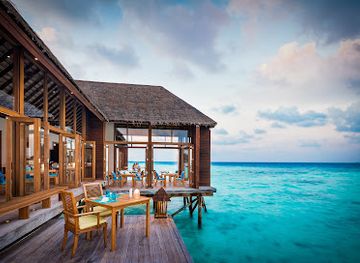
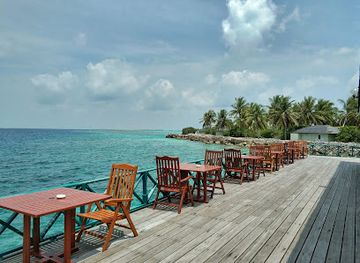
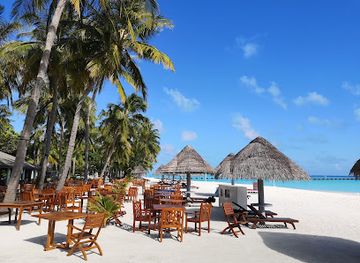
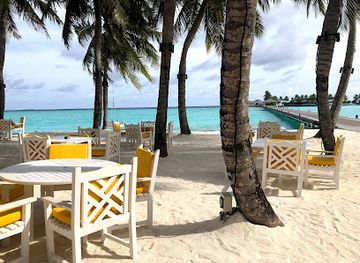
Dining in Faafu Atoll is shaped by the distinction between resorts and inhabited islands. Resort restaurants usually combine international menus with Maldivian dishes, seafood, grilled fish, rice, curries, coconut-based preparations and fresh fruit, sometimes adding themed dinners or locally influenced tasting menus. On inhabited islands, small cafés and home-style kitchens are more likely to serve straightforward Maldivian food such as mas huni, tuna preparations, fish curry, rice, roshi flatbread and sweet or savoury snacks made with coconut. Menus and opening arrangements can be limited, so visitors should not expect a restaurant district or extensive choice outside resort properties. Fish is central to the local culinary tradition, while imported ingredients are common because island supply chains depend on boats and national distribution networks. Travellers seeking an authentic meal should arrange it through a hotel, licensed guide or host rather than approaching private homes uninvited.
-
Italian
Al Pontile
Experience authentic Italian flavors at Al Pontile in Fenfushi – where every dish tells a story.
-
Restaurant
Maaniya Restaurant
Discover authentic Maldivian cuisine at Maaniya Restaurant in Fenfushi - where fresh flavors meet warm hospitality.
-
Restaurant
Vani Coffee Shop
Discover Vani Coffee Shop in Fenfushi: A tranquil haven for delicious coffee and local cuisine amidst stunning Maldivian beauty.
-
Restaurant
Filitheyo Island Resort
Experience luxury and adventure at Filitheyo Island Resort – a tropical paradise in the Maldives with stunning beaches and world-class amenities.
Best bars in Faafu Atoll
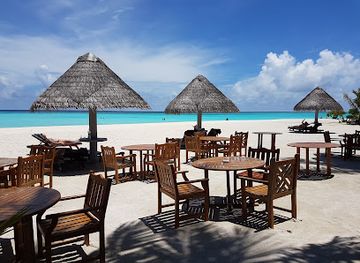
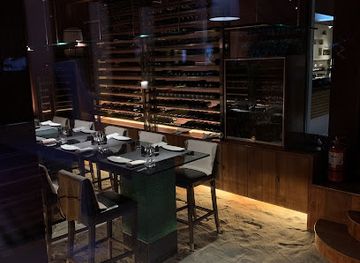
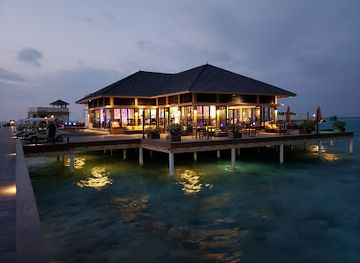
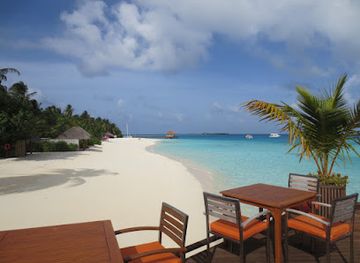
Faafu Atoll does not have a large independent nightclub scene. Evening life on inhabited islands generally centres on cafés, family visits, community spaces and quiet walks rather than late-night entertainment. Alcohol is not sold on local inhabited islands, in accordance with Maldivian law, but licensed resorts may serve it to guests in designated restaurants and bars. Resort evenings can include sunset drinks, live music, cultural performances, quizzes, film nights or small gatherings, depending on the property and season. The emphasis is usually on the lagoon, dining and conversation rather than large venues or all-night dancing. Visitors should check resort arrangements before assuming that a particular entertainment programme will be available, and should avoid bringing alcohol ashore to local islands.
-
Bar
Mekunu Bar
Experience the vibrant nightlife of Fenfushi at Mekunu Bar, where refreshing drinks meet a welcoming atmosphere in a tropical paradise.
-
Bar
Cheese & Wine Bar
Experience the perfect blend of gourmet cheeses and fine wines in a tropical paradise at the Cheese & Wine Bar in the Conrad Maldives.
-
Restaurant
Azzuro
Experience the culinary delights of Azzuro, where Maldivian flavors meet stunning ocean views in a serene atmosphere.
-
Restaurant
The Aqua
Experience exquisite dining at The Aqua in Meedhoo, where local flavors meet international cuisine in a stunning tropical setting.
Best nightclubs in Faafu Atoll
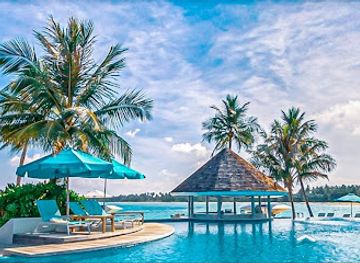
Faafu Atoll does not have a large independent nightclub scene. Evening life on inhabited islands generally centres on cafés, family visits, community spaces and quiet walks rather than late-night entertainment. Alcohol is not sold on local inhabited islands, in accordance with Maldivian law, but licensed resorts may serve it to guests in designated restaurants and bars. Resort evenings can include sunset drinks, live music, cultural performances, quizzes, film nights or small gatherings, depending on the property and season. The emphasis is usually on the lagoon, dining and conversation rather than large venues or all-night dancing. Visitors should check resort arrangements before assuming that a particular entertainment programme will be available, and should avoid bringing alcohol ashore to local islands.
-
Bar
Mekunu Bar
Discover the vibrant Mekunu Bar in Fenfushi, Maldives – a perfect blend of relaxation and exhilarating nightlife.
-
Bar
The Nautilus
Experience the serene beauty of The Nautilus, a premier bar in the Atoll, offering exquisite cocktails and stunning views to create unforgettable memories.
-
Bar
The Whale Bar
Experience luxury and relaxation at The Whale Bar on Vommuli Island, where exquisite cocktails meet stunning ocean views.
-
Bar
Beach Club at Kandima
Discover the vibrant Beach Club at Kandima, where stunning ocean views meet refreshing cocktails in the heart of Male'.


Best shops in Faafu Atoll
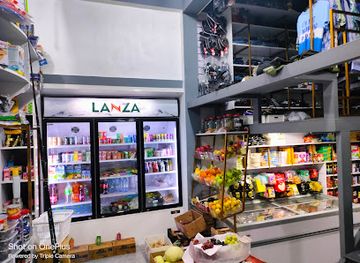
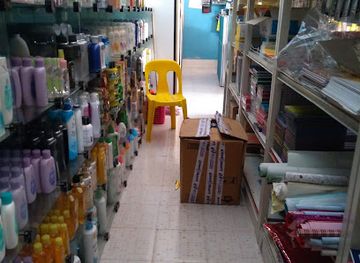
Shopping in Faafu Atoll is modest and practical rather than centred on large retail areas. Small shops on inhabited islands sell everyday provisions, drinks, toiletries and basic clothing, while resort boutiques may offer swimwear, postcards, jewellery, crafts and branded holiday goods. Depending on local availability, visitors may find coconut-based products, woven items, small woodcrafts or locally made souvenirs, though selection is limited and not every island has a regular market. Maldivian snacks, packaged foods and fishing-related products are more likely purchases than luxury goods. Resort bills and imported products can be expensive because supplies travel by sea or air, so compare prices before buying. For meaningful souvenirs, choose responsibly made crafts or locally produced foods and avoid coral, shells, turtle products and anything taken from the reef or beach.
-
Grocery store
Sai Mart
Discover the taste of Feeali at Sai Mart, your friendly grocery store for local flavors and essential supplies during your island adventure.
-
Store
Good options
Explore the vibrant local store in Magoodhoo for authentic souvenirs and a taste of island culture.
-
Supermarket
Faafu Atoll Store
Explore local flavors and essentials at Faafu Atoll Store, a vibrant supermarket in the heart of Nilandhoo, Faafu Atoll.
-
General store
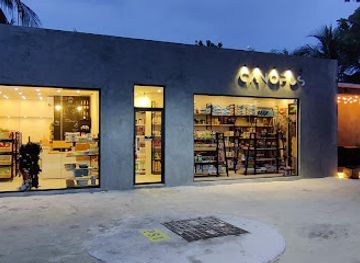
Canopus
Experience the heart of Feeali at Canopus, your go-to general store for local goods and warm hospitality in the Maldives.
Get your free copy of our complete guide to Faafu Atoll, delivered straight to you.
Everything on this page, from attractions and restaurants to essentials and local phrases, in one PDF you can read offline, print or share.
Already have an account? Sign in
Your Faafu Atoll guide is ready.
We'll send it to · Not you? Sign out

Getting your guide ready…
We are putting together a fresh copy of the Faafu Atoll guide. This can take up to a minute.
This can take a few moments. If your browser asks, choose Allow so the download can start. You'll find the guide in your Downloads folder.
Nothing happened? Download it again
Sorry, the guide is taking longer than usual. Please try again in a minute, or get it by email instead.
Faafu Atoll essentials
Currency and Payment
Safety
Emergency Situations
Do's and Don'ts
Local Tips
History of Faafu Atoll
Early Settlement and Buddhist Maldives
The islands of Faafu Atoll formed part of the wider settlement network of the Maldives long before modern tourism. Communities developed around freshwater lenses, coconut cultivation, fishing and access to the atoll's reef channels. Before the conversion to Islam, the Maldivian archipelago followed Buddhism and maintained maritime links across the Indian Ocean. Physical evidence is often fragmentary because coral construction, storms and later building have altered many island sites, but settlement patterns and archaeological remains across the Maldives point to a long period of seafaring exchange and island adaptation.
Conversion to Islam in the Twelfth Century
The Maldives converted to Islam in the twelfth century, a transformation that reshaped political authority, burial customs, architecture and public life throughout the archipelago, including Faafu Atoll. Islam became closely connected with the organisation of island communities and the authority of successive sultanates. On Faafu's inhabited islands, mosques and cemeteries remain among the most visible expressions of this historical change, although many buildings have been repaired or rebuilt over time. The atoll's contemporary social life continues to reflect this Islamic heritage.
Atoll Communities and Maritime Trade
For centuries, Faafu Atoll belonged to a dispersed maritime world in which islands exchanged fish, coconuts, rope, timber, food and boat services. Atoll communities relied on sailing routes through reef passes and lagoons, while Maldives-wide trade connected the islands with South Asia, Arabia and other Indian Ocean ports. Local knowledge of currents, monsoon winds and reef navigation was essential. Fishing and boatbuilding therefore became not merely economic activities but practical traditions that helped sustain settlement on small, widely separated islands.
Sultanate, Colonial Influence and the Modern State
Faafu Atoll was governed within the changing political structures of the Maldivian sultanate and later the country created under British protection. Although colonial influence was lighter here than in major port centres, national administration gradually introduced new systems of education, communication and public services. The Maldives became independent in 1965 and a republic in 1968. These changes brought Faafu's islands more firmly into a centralised national framework while leaving many aspects of daily life dependent on local councils, family networks and maritime transport.
Fishing, Coconut and Island Livelihoods
Traditional livelihoods in Faafu Atoll have centred on pole-and-line fishing, reef and lagoon resources, coconut products, small-scale cultivation and boat-related work. Tuna fishing in particular became an important part of the wider Maldivian economy, supported by techniques adapted to local waters. As national infrastructure improved, island communities gained greater access to schools, health services, telecommunications and imported goods. Nevertheless, the physical limits of small islands and the cost of transport continue to influence employment, food supply and the balance between local work and opportunities elsewhere.
Tourism and Environmental Awareness
Resort tourism expanded in the Maldives from the 1970s and eventually reached selected islands and reefs in Faafu Atoll. The atoll's tourism identity has developed around privacy, diving, snorkelling, fishing and lagoon landscapes rather than dense urban entertainment. Tourism has brought employment and transport links, but it also places pressure on coral reefs, freshwater supplies, waste management and coastal stability. Today, the condition of the marine environment remains central to both local livelihoods and the visitor economy, making responsible reef use and careful coastal management especially significant.
Faafu Atoll in Photos
Browse through our photo collection highlighting the charm and character of the destination.
Neighbouring regions of Faafu Atoll
The closest regions to Faafu Atoll, if you have time for more than one.
-

-
-

-

-


Swipe for more regions
Explore more

Explore more of Maldives
Experience the unparalleled beauty of the Maldives, where pristine beaches, luxurious resorts, and vibrant marine life create the perfect tropical getaway.
Explore Maldives