

Free Thaa Atoll Travel Guide & Mobile App
Explore Thaa Atoll with free travel guides. Discover regional history, expert tips, proposed trips, and audio guides on web or mobile app.


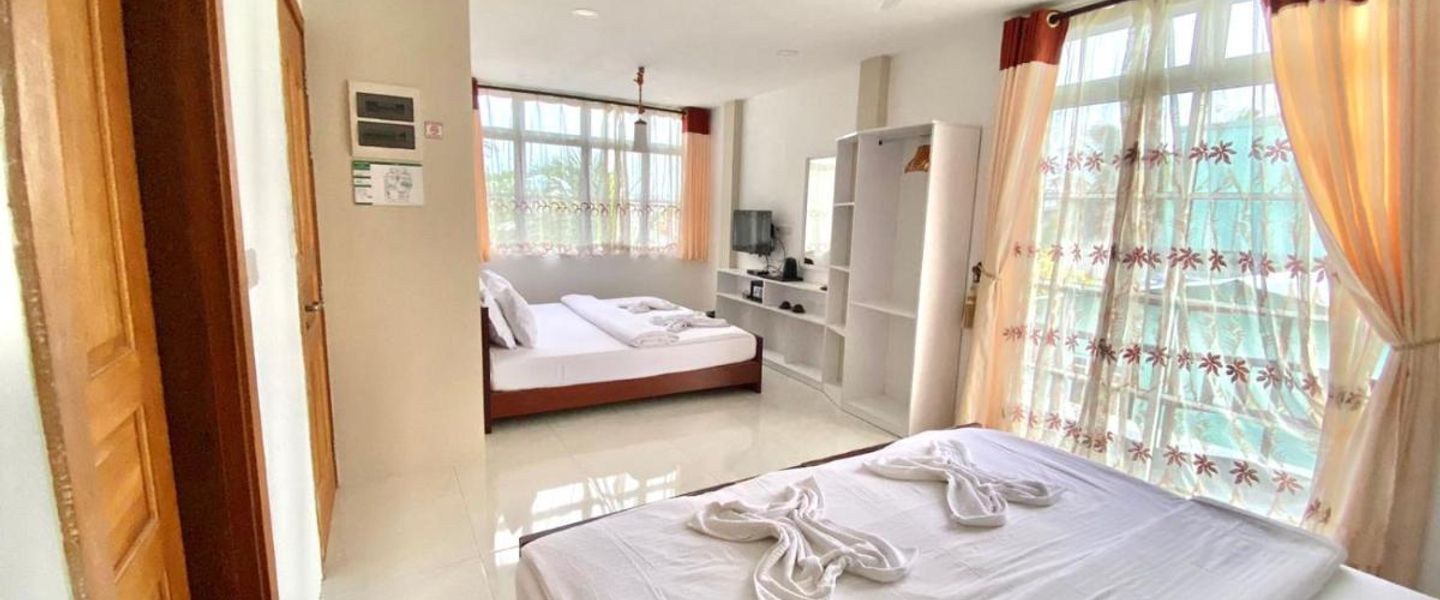


Thaa Atoll pairs remote Maldivian islands, clear lagoons, reef diving and local island life with a quieter alternative to Malé’s resort circuit.
Read more about Thaa Atoll
When is the best time to visit Thaa Atoll?
Best: January–March · 29–30°C| Month | High (°C) | Rainfall (mm) |
|---|---|---|
| January (best) | 29 | 75 |
| February (best) | 30 | 65 |
| March (best) | 30 | 90 |
| April | 31 | 130 |
| May | 30 | 200 |
| June | 30 | 200 |
| July | 30 | 200 |
| August | 30 | 200 |
| September | 30 | 200 |
| October | 30 | 250 |
| November | 30 | 200 |
| December | 29 | 150 |
Getting to and around Thaa Atoll
How to get there
Transportation
Best attractions in Thaa Atoll
Thaa Atoll’s main attractions are marine and community-based rather than a concentration of ticketed monuments. Coral reefs, lagoon channels and outer reef slopes support snorkelling, diving, fishing excursions and boat trips, with visibility and wildlife changing according to monsoon, tide and current. Operators may encounter reef fish, turtles, rays and seabirds, but sightings are naturally variable. Resort islands provide organised water sports and guided marine activities, while guesthouses on inhabited islands offer a closer view of local harbours, streets, mosques and everyday island routines. Thimarafushi is the practical starting point for exploring the atoll by air and sea, and Veymandhoo, Dhiyadhoo, Guraidhoo and other inhabited communities provide different perspectives on settlement and livelihoods. Uninhabited islands and sandbanks can be visited only with suitable arrangements, consideration for nesting and marine habitats, and careful waste management. The atoll is also well suited to slow activities such as sunset cruises, lagoon swimming, birdwatching and walks beneath coconut palms. Visitors seeking museums or large cultural complexes will find fewer formal institutions than in Malé; Thaa’s interest lies in its seascapes, working islands and the contrast between local communities and private resort environments.
-
 Resort hotel
Kuredu Island Resort & Spa
Discover the enchanting Kuredu Island Resort & Spa, where luxury meets the pristine beauty of the Maldives for an unforgettable vacation experience.
-
Park
Rasfannu
Explore the tranquility of Rasfannu, a beautiful park in Malé featuring an artificial beach, perfect for relaxation and cultural experiences.
-
Restaurant
Ithaa Undersea Restaurant
Discover Ithaa Undersea Restaurant, a unique dining experience beneath the waves of the Maldives, blending exquisite seafood with stunning underwater views.
-
Island
Guraidhoo
Discover the tranquility of Guraidhoo, a hidden island paradise in the Maldives known for its stunning beaches and rich local culture.


Best landmarks in Thaa Atoll
Thaa Atoll’s most recognisable landmarks are its natural maritime features and the modest built environments of its inhabited islands. The atoll’s lagoon edge, reef passes and outer coral reefs define its geography more powerfully than any single monument, creating changing patterns of turquoise shallows, surf and ocean channels. Thimarafushi Airport is a practical modern landmark and an important point of connection between the atoll and the capital region. On inhabited islands such as Veymandhoo, Dhiyadhoo, Guraidhoo and Kinbidhoo, mosque compounds, compact streets, harbour walls, boat sheds and coconut-lined shorelines express the form of contemporary Maldivian settlement. Their significance is social and geographical rather than monumental: they show how communities organise life around boats, fishing and limited land. Traditional coral-stone and coral-based architecture, where preserved or incorporated into later buildings, also recalls the materials used across the historic Maldives. Resort islands provide a contrasting landscape of landscaped paths, jetties and villas, while uninhabited islands and sandbanks act as natural reference points for boat journeys. These places are best appreciated with local guidance, since shorelines, channels and exposed sandbanks change with tides, storms and long-term coastal processes.
-
Hotel
Taj Coral Reef Resort & Spa
Discover paradise at Taj Coral Reef Resort & Spa, Maldives: luxury villas, vibrant reefs, and unforgettable experiences await on Hembadhu Island.
-
Resort hotel
Medhufushi Island Resort
Experience tranquility and luxury at Medhufushi Island Resort, Maldives: pristine beaches, turquoise waters, and unforgettable moments await.
-
Park
Rasfannu
Escape to Malé's Rasfannu: An artificial beach offering relaxation, recreation, and stunning ocean views for families and travelers.
-
City park
Republic Square
Experience the heart of Malé at Republic Square: a vibrant hub of culture, recreation, and national pride in the Maldives' capital.


Explore Thaa Atoll on the map
Plan your trip on one map. See where the top cities, national parks and sights are, and book hotels and experiences in a few clicks.
Best hotels in Thaa Atoll
Best restaurants in Thaa Atoll
Dining in Thaa Atoll reflects the wider Maldivian reliance on tuna, reef fish, coconut, rice, chilli, lime and curry leaves, with recipes varying between households and islands. On inhabited islands, small cafés and guesthouse kitchens may serve dishes such as mas huni, fish curries, rice, roshi and fried or grilled seafood, while afternoon snacks can include savoury pastries and coconut-based bites. Resort restaurants offer broader international menus alongside Maldivian dishes, with seafood, tropical fruit and contemporary interpretations of local flavours often prominent. Meal arrangements are particularly useful on remote islands, where choice is limited and supplies arrive by boat. Visitors should mention allergies clearly and ask about ingredients in curries, marinades and sauces. Fresh fish is an important part of the food culture, but sustainability varies by species and provider, so responsible operators and accommodation kitchens are preferable. On local islands, modest cafés provide a more everyday setting than resort dining rooms, although opening times and menus can change with availability.
-
Restaurant
Black Anchor Restaurant
Experience exquisite Maldivian cuisine at Black Anchor Restaurant in Thoddoo – where fresh flavors meet breathtaking views.
-
Restaurant
5.8 Undersea Restaurant
Experience fine dining like never before at 5.8 Undersea Restaurant in the Maldives - where exquisite cuisine meets breathtaking underwater views.
-
Restaurant
Flavour Restaurant
Experience exquisite flavors and breathtaking views at Flavour Restaurant in Male', where every meal becomes a celebration.
-
Restaurant
Blu, Niyama Private Islands Maldives
Experience exquisite dining at Blu in Niyama Private Islands Maldives with breathtaking views and culinary delights.


Best bars in Thaa Atoll
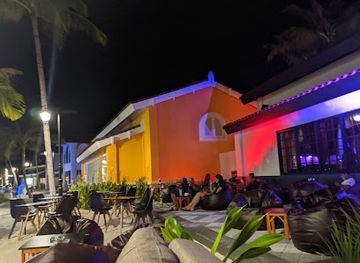
Nightlife in Thaa Atoll is generally low-key and divided between licensed resort venues and the quieter evening life of inhabited islands. Resorts may offer bars, sunset drinks, occasional live music, themed dinners or informal entertainment, but schedules and facilities vary by property. On local islands, evenings usually centre on cafés, guesthouses, family visits and harbour areas rather than nightclubs; alcohol is not generally available in ordinary community settings. Some visitors enjoy a night fishing trip, a quiet beach walk where permitted, or simply watching the stars away from major urban light pollution. Respect local norms on inhabited islands and do not carry alcohol into communities where it is not permitted. Because boats and excursions finish according to weather, tides and safety decisions, evening plans should remain flexible rather than being built around a fixed nightlife programme.
-
Restaurant
Blu, Niyama Private Islands Maldives
Experience the exquisite flavors of the Maldives at Blu, where culinary artistry meets breathtaking ocean views in a luxurious setting.
-
Bar
Thundi Bar
Experience the essence of the Maldives at Thundi Bar, where tropical drinks meet stunning ocean views in a vibrant, welcoming atmosphere.
-
Bar
The Nautilus
Experience the enchanting atmosphere of The Nautilus, a vibrant bar in Atoll, perfect for cocktails, socializing, and stunning sunset views.
-
Bar
Hulhangu/Captain's Bar- Main Bar
Experience the perfect blend of relaxation and vibrant nightlife at Hulhangu/Captain's Bar in the Maldives, where every sip is a tropical escape.


Best nightclubs in Thaa Atoll
Nightlife in Thaa Atoll is generally low-key and divided between licensed resort venues and the quieter evening life of inhabited islands. Resorts may offer bars, sunset drinks, occasional live music, themed dinners or informal entertainment, but schedules and facilities vary by property. On local islands, evenings usually centre on cafés, guesthouses, family visits and harbour areas rather than nightclubs; alcohol is not generally available in ordinary community settings. Some visitors enjoy a night fishing trip, a quiet beach walk where permitted, or simply watching the stars away from major urban light pollution. Respect local norms on inhabited islands and do not carry alcohol into communities where it is not permitted. Because boats and excursions finish according to weather, tides and safety decisions, evening plans should remain flexible rather than being built around a fixed nightlife programme.
-
Bar
Thila Bar
Experience the enchanting atmosphere of Thila Bar on Hondaafushi Island, where relaxation meets vibrant island nightlife.
-
Lounge
Island Lounge Maldives
Experience the tranquil ambiance and delightful cuisine at Island Lounge Maldives, the perfect retreat in Malé for relaxation and socializing.
-
Lounge
Manta Lounge
Manta Lounge in Huraa: Your serene escape for tropical drinks and delightful bites amidst stunning island views.
-
Grill
Kandu Grill
Experience the finest grill and seafood dishes at Kandu Grill, where luxury meets the natural beauty of North Malé Atoll.



Best shops in Thaa Atoll
Shopping in Thaa Atoll is small-scale and practical rather than centred on large retail districts. On inhabited islands, local shops stock snacks, drinks, household goods, clothing and basic travel supplies, while guesthouses may help arrange purchases of packaged Maldivian foods or locally made items. Island markets are less formal than the large markets of Malé, and availability depends on supply boats and the size of the community. Visitors may find handicrafts, woven items, wooden products or souvenirs through accommodation providers, but should ask about provenance rather than assuming that every item is locally produced. Resort boutiques generally offer clothing, beach equipment, jewellery and branded keepsakes at prices set for an international clientele. Good regional purchases include sealed Maldivian food products, responsibly sourced crafts and useful items from independent island shops; avoid coral, shells, turtle products and anything taken from the reef. Carry reusable bags and remember that remote islands have limited waste and recycling capacity, making low-packaging purchases the more considerate choice.
-
Shopping mall
The Marina CROSSROADS Maldives
Discover a vibrant shopping, dining, and entertainment experience at The Marina CROSSROADS Maldives, perfectly set against a stunning natural backdrop.
-
Art gallery
Oevaali Art Shop
Explore the vibrant Oevaali Art Shop in Malé, a unique destination for exquisite Maldivian art and handcrafted souvenirs.
-
Boutique
Island Bazaar
Explore Island Bazaar in Malé for authentic Maldivian art and crafts, a must-visit boutique for unique souvenirs celebrating local heritage.
-
Souvenir store
Island Gift
Explore Island Gift, a charming souvenir store in Maafushi, offering unique handcrafted treasures that capture the spirit of the Maldives.


Get your free copy of our complete guide to Thaa Atoll, delivered straight to you.
Everything on this page, from attractions and restaurants to essentials and local phrases, in one PDF you can read offline, print or share.
Already have an account? Sign in
Your Thaa Atoll guide is ready.
We'll send it to · Not you? Sign out

Getting your guide ready…
We are putting together a fresh copy of the Thaa Atoll guide. This can take up to a minute.
This can take a few moments. If your browser asks, choose Allow so the download can start. You'll find the guide in your Downloads folder.
Nothing happened? Download it again
Sorry, the guide is taking longer than usual. Please try again in a minute, or get it by email instead.
Thaa Atoll essentials
Currency and Payment
Safety
Emergency Situations
Do's and Don'ts
Local Tips
History of Thaa Atoll
Early island settlement and Buddhist Maldives
The islands of Thaa Atoll formed part of the wider settlement network of the Maldives long before written records became extensive. Communities developed around freshwater lenses, coconut palms, sailing routes and productive reefs. Archaeological traces across the country indicate a substantial Buddhist period before the conversion to Islam, although individual atoll evidence is not always fully documented for visitors. The survival of ancient mounds, reused building material and traditional settlement patterns elsewhere in the Maldives helps place Thaa within a much older Indian Ocean culture.
Conversion to Islam and the island sultanate
The Maldives adopted Islam in the twelfth century, traditionally dated to 1153, and Thaa’s communities subsequently became part of the Muslim sultanate centred on Malé. Islam influenced law, education, burial customs, architecture and public life, while island society continued to depend on maritime skills and local resources. Coral stone, timber and thatch were adapted to new religious and domestic buildings. On inhabited islands today, mosque compounds and the organisation of village life remain visible reminders of this long Islamic period.
Indian Ocean trade and seafaring communities
For centuries, Thaa Atoll occupied a position within the sailing routes linking the central Maldives with neighbouring atolls and the wider Indian Ocean. Coconut products, dried fish and other marine resources moved through inter-island networks, while vessels, navigational knowledge and seasonal winds connected communities to Malé and beyond. The atoll’s geography encouraged self-sufficient island settlements but never isolated them completely. Contemporary fishing boats, harbour activity and the continued importance of sea transport reflect this maritime inheritance.
Colonial influence and the modern Maldivian state
Portuguese intervention in the sixteenth century and later Dutch and British influence affected the Maldives primarily through control of regional trade and political relationships rather than through extensive settlement in every atoll. The islands remained governed through the Maldivian sultanate, with local communities retaining their own economic and social routines. After the Maldives became a British protected state in the nineteenth century and gained independence in 1965, administrative links between distant atolls and the national government gradually intensified.
Fishing, coconut production and island livelihoods
Until the expansion of international tourism, fishing and coconut-based activities were central to the economic life of Thaa Atoll. Skipjack tuna fishing, reef fishing, boat repair and the preparation of copra connected households to both local consumption and national trade. Island economies also depended on inter-island exchange and public-sector employment. Although tourism now provides new opportunities, these older livelihoods remain culturally significant and continue to shape the skills, food traditions and working landscapes encountered on inhabited islands.
Tourism and improved connections
Tourism transformed the Maldivian economy from the 1970s onwards, initially concentrating on islands nearer the capital and international airport. Thaa Atoll entered the tourism map more gradually, as domestic aviation, improved harbour infrastructure and resort investment made its distant reefs more accessible. The opening of Thimarafushi Airport strengthened its role as a gateway, while resorts and guesthouses introduced new forms of employment and marine recreation. The present challenge is to balance visitor access with reef conservation, freshwater protection and the character of local communities.
Thaa Atoll in Photos
Browse through our photo collection highlighting the charm and character of the destination.
Neighbouring regions of Thaa Atoll
The closest regions to Thaa Atoll, if you have time for more than one.
-
-

-
-

-


Swipe for more regions
Explore more

Explore more of Maldives
Experience the unparalleled beauty of the Maldives, where pristine beaches, luxurious resorts, and vibrant marine life create the perfect tropical getaway.
Explore Maldives