

Gan Island Travel Guide - Free Web & App
Your ultimate guide to Gan Island. Discover top landmarks, proposed trips, and local tips. Free on the web or via the Evendo companion app.


Gan Island, Maldives, pairs Addu Atoll’s wartime heritage with lagoon swimming, diving, cycling, tropical nature and access to southern island culture.
Island Landscape and Southern Setting
Gan Island lies in Addu Atoll, the Maldives’ southernmost atoll, close to the Equator and separated from Malé by a considerable stretch of the Indian Ocean. The island is elongated and low-lying, with coconut palms, dense tropical vegetation, sandy shorelines and shallow lagoon waters shaping its character. Its location gives visitors a different perspective on the Maldives: less centred on a single private resort island and more closely connected with an inhabited atoll, local communities and a network of linked islands.Read more about Gan Island
History and Local Character
Exploring Addu Atoll
When is the best time to visit Gan Island?
Best: January–March · 29–30°C| Month | High (°C) | Rainfall (mm) |
|---|---|---|
| January (best) | 29 | 88 |
| February (best) | 29 | 54 |
| March (best) | 30 | 54 |
| April | 30 | 94 |
| May | 30 | 206 |
| June | 30 | 221 |
| July | 30 | 208 |
| August | 30 | 187 |
| September | 30 | 214 |
| October | 30 | 257 |
| November | 29 | 297 |
| December | 29 | 179 |
Getting to and around Gan Island
How to get there
Transportation
Best attractions in Gan Island
Gan’s principal attractions combine tropical scenery with an unusually visible modern history. The island’s long runway and former RAF infrastructure provide a distinctive backdrop for walks and cycling, although aviation and restricted-area rules must be respected. Shorelines around Gan offer views across the lagoon and opportunities for swimming, snorkelling and arranging dives or boat excursions through local tourism businesses. Causeways connect the island with Feydhoo, Maradhoo and Hithadhoo, allowing visitors to explore village streets, mosques, coastal vegetation and the varied community life of Addu City. Hithadhoo, the largest of the linked islands, is also home to Addu Nature Park, where wetland, mangrove and coastal environments can be experienced with local guidance. Marine excursions may reveal reef life, pelagic species and the wide waters around the atoll, while fishing trips and island tours provide a more active connection with southern Maldivian life than a stay confined to the beach.
-
Park
Feydhoo Rashikeda Athiri
Discover the serene beauty of Feydhoo Rashikeda Athiri, a tranquil park in Addu City, perfect for relaxation and cultural immersion.
-
Park
Feydhoo Park
Discover the tranquil beauty of Feydhoo Park in Addu City, a perfect retreat for relaxation and experiencing local Maldivian culture.
-
Tourist attraction
Dolphin Point
Experience the breathtaking beauty of Dolphin Point, where playful dolphins meet pristine waters in Addu City, Maldives.
-
Park
S3 Park
Discover the serene beauty of S3 Park in Addu City, a perfect escape for nature lovers and families seeking relaxation amidst lush landscapes.


Best landmarks in Gan Island
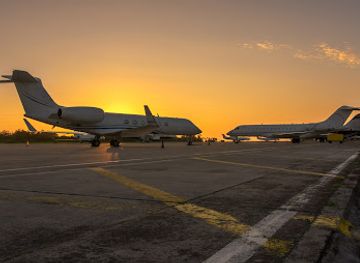
Gan’s most distinctive landmark is the former RAF airfield, whose broad runway and surviving military-era structures recall the island’s strategic role in the Indian Ocean during the Cold War. The airfield later became Gan International Airport, linking the southern atoll with the rest of the Maldives. The causeways to Feydhoo, Maradhoo and Hithadhoo are important modern features, transforming movement between communities that were historically connected mainly by boat. Around them, the lagoon, reef edge and low sandy coastline express the physical character of Addu Atoll, while the coconut-lined interior reflects generations of island cultivation and settlement. On nearby Hithadhoo, the wetlands and mangrove landscapes of Addu Nature Park provide a conservation landmark rather than a monumental one, illustrating the ecological variety of the atoll. Religious buildings and village spaces across Addu City remain significant cultural landmarks, but should be visited with appropriate local respect.
-
Island
Gan
Explore Gan Island: Where history meets natural beauty in the Maldives' southernmost atoll. Discover beaches, reefs, and WWII relics.

Explore Gan Island on the map
Plan your trip on one map. See where the top attractions, landmarks, restaurants and hotels are, and book hotels and experiences in a few clicks.
Best hotels in Gan Island
Best restaurants in Gan Island
Dining on Gan is centred on hotels, guesthouses and locally run cafés rather than a large independent restaurant district. Menus commonly draw on Maldivian staples such as mas huni, garudhiya, fihunu mas, rice, flatbreads, coconut and fresh fish, alongside familiar international dishes for visitors. Equator Village, occupying the former air-station area, is one of the island’s established accommodation and dining bases, while other meals may be arranged through individual guesthouses or resorts. The connected islands of Addu City provide additional local eateries and small shops, although opening patterns and menus can vary. Seafood, chilli, lime and coconut are particularly characteristic of southern island cooking, and visitors should ask accommodation staff where residents eat when seeking a more local meal. Vegetarian and special dietary requirements are best communicated in advance, especially outside larger tourist properties.
-
Restaurant
Salt Water Restaurant
Experience exquisite dining at Salt Water Restaurant in Addu City—where local Maldivian flavors meet breathtaking ocean views.
-
 Cafe
Foodinos
Discover delectable dishes and inviting ambiance at Foodinos in Addu City - your go-to spot for local and international flavors.

Best bars in Gan Island
Gan does not have a major nightclub district or a busy late-night entertainment scene. Evening life is generally quiet, with drinks and socialising concentrated in authorised hotel or resort areas, guesthouse dining spaces and occasional informal gatherings in the wider Addu community. Alcohol is restricted in the Maldives and is not normally available in ordinary village shops or cafés, so visitors should use only licensed tourist establishments where it is offered. The most characteristic evenings involve a sunset by the lagoon, a meal featuring local seafood or a quiet walk near the accommodation area. Visitors seeking a lively urban nightlife environment will not find one on Gan; the island’s appeal lies in its relaxed pace, local atmosphere and access to the sea.
-
Lounge
Gan International Airport Executive Lounge
Experience unparalleled comfort at Gan International Airport Executive Lounge, your serene escape in the heart of Addu City.

Best nightclubs in Gan Island
Gan does not have a major nightclub district or a busy late-night entertainment scene. Evening life is generally quiet, with drinks and socialising concentrated in authorised hotel or resort areas, guesthouse dining spaces and occasional informal gatherings in the wider Addu community. Alcohol is restricted in the Maldives and is not normally available in ordinary village shops or cafés, so visitors should use only licensed tourist establishments where it is offered. The most characteristic evenings involve a sunset by the lagoon, a meal featuring local seafood or a quiet walk near the accommodation area. Visitors seeking a lively urban nightlife environment will not find one on Gan; the island’s appeal lies in its relaxed pace, local atmosphere and access to the sea.
-
Lounge
Gan International Airport Executive Lounge
Discover tranquility and luxury at Gan International Airport Executive Lounge, your perfect travel retreat in the Maldives.
Best shops in Gan Island
Shopping on Gan is modest and practical, with small island shops supplying everyday necessities, snacks, drinks, clothing and basic travel items rather than a broad selection of specialist retail. Visitors may find locally made food products, dried fish, coconut-based goods or small souvenirs through accommodation providers and community businesses, while a wider range of purchases is more likely in the larger settlements of Addu City. The southern atoll is associated with fishing, coconut cultivation and handmade domestic products, but permanent craft markets should not be assumed. Shops near the airport and accommodation areas can be useful for essentials, although stock and payment methods vary. Travellers looking for Maldivian souvenirs may find better choice in Malé or at larger resort properties, while buying directly from local businesses on Gan supports the community without turning the island into a conventional shopping destination.
-
Souvenir store
JAZEERAA SOUVENIRS
Discover unique Maldivian crafts and swimwear at Jazeeraa Souvenirs in Addu City, the perfect place to find your travel mementos.
-
Smart shop
Blue pineapple
Explore the vibrant artistry of Blue Pineapple in Addu City, where unique Maldivian crafts and warm hospitality await every visitor.
-
Grocery store
Win Some
Explore a world of local and international flavors at Win Some, Feydhoo's top grocery store offering fresh produce and unique souvenirs.
-
General store
Authentic Maldives Addu City
Explore Addu City: The Authentic Heart of the Maldives with Rich Culture, Breathtaking Beaches, and Unique Local Experiences.


Get your free copy of our complete guide to Gan Island, delivered straight to you.
Everything on this page, from attractions and restaurants to essentials and local phrases, in one PDF you can read offline, print or share.
Already have an account? Sign in
Your Gan Island guide is ready.
We'll send it to · Not you? Sign out

Getting your guide ready…
We are putting together a fresh copy of the Gan Island guide. This can take up to a minute.
This can take a few moments. If your browser asks, choose Allow so the download can start. You'll find the guide in your Downloads folder.
Nothing happened? Download it again
Sorry, the guide is taking longer than usual. Please try again in a minute, or get it by email instead.
Gan Island essentials
Currency and Payment
Safety
Emergency Situations
Do's and Don'ts
Local Tips
From Eve
Local phrases worth knowing
You don't need to get them perfect. A few words go a long way, and locals appreciate the effort.
Basics
| English | Local | Say it |
|---|---|---|
| Hello | މިއަރސް | [miar] |
| Goodbye | މިއަރސް | [miar] |
| Yes | އާ | [aa] |
| No | ނު | [nu] |
| Please/You're welcome | ޝެޓަރާ | [yedaraa] |
| Thank you | ޝާންތަލްގެއާ | [yannalgeaa] |
| Excuse me/Sorry | އެކެން | [eken] |
| How are you? | ކޮށިދުވާ | [koshi vaa] |
| Fine. And you? | ކިހިދަވާ. އެކޫއްވާ | [kihiyavaa. eken vaa] |
| Do you speak English? | އެކެން އެނގާވާތެއާ? | [eken angaavaa?] |
| I don't understand | އައިންތެއާ | [ainageaa] |
Eating & Drinking
| English | Local | Say it |
|---|---|---|
| I'd like to see the menu, please | މަންއާ މެނުން ކެއިންގެއާ | [maane menun kemanageaa] |
| I don't eat meat | މަންއާ ކަނޑާނާތެއާ | [maane kandhaanageaa] |
| Cheers! | މަން | [maan] |
| I would like to pay, please | މަންއާ ދިއޭންގެއާ | [maane dhiyangeaa] |
Emergencies
| English | Local | Say it |
|---|---|---|
| Help! | ހާތަލު | [haalhu] |
| Go away! | ގޯ ދިތަލު | [goy dhalhu] |
| Call the Police! | ޕޮލިސް އައިނުޚުއާ | [polis angaave] |
| Call a doctor! | ޑޯކިޓޮއާ އައިނުޚުއާ | [doktaro angaave] |
| I'm lost | މަންއާ ނިއެވާ | [maane niyavaa] |
| I'm ill | މަންއާ ދެއަތެއާ | [maane deyaageaa] |
Shopping
| English | Local | Say it |
|---|---|---|
| I'd like to buy... | މަންއާ ކައްނާ... | [maane keuna...] |
| I'm just looking | މަންއާ ކަނޑާންތެއާ | [maane kandhaanageaa] |
| How much is it? | އައި އެނގާވާ? | [ai angaavaa?] |
| That's too expensive | ތައިމަން މަނުތެއާ | [vaime maandageaa] |
| Can you lower the price? | އައި ކަކިންގާވާ? | [ai kakinageaa?] |
Time & Numbers
| English | Local | Say it |
|---|---|---|
| What time is it? | އައި ކަކިންގާވާ? | [ai kakinageaa?] |
| It's one o'clock | އެނގާން އެ އެނގާ | [angavaa e angavaa] |
| Half past (10) | އެނގާ ބަސްޓަސް (އެނގާ) | [angavaa basadas (angavaa)] |
| Morning | މާވިނެއާ | [maainaeaa] |
| Afternoon | އެޕާކާނެއާ | [epaakanaeaa] |
| Evening | މާވާނެއާ | [maavaanaeaa] |
| Yesterday | އިއްސާއި | [eisai] |
| Today | އިއެކާތެއާ | [eikadhaageaa] |
| Tomorrow | އިއްކާދާތެއާ | [eikadhaadhaageaa] |
| 1 | އެނގާ | [angavaa] |
| 2 | ދިން | [dhen] |
| 3 | ބަސް | [bas] |
| 4 | ދުވަސް | [dhuvas] |
| 5 | ފަސް | [fas] |
| 6 | މަސް | [mas] |
| 7 | ނަސް | [nas] |
| 8 | ދިވަޒް | [dhevas] |
| 9 | ސާއް | [sai] |
| 10 | އެނގާ | [angavaa] |
Transport & Directions
| English | Local | Say it |
|---|---|---|
| Where's a/the...? | އައި އެނގާވާ? | [ai angaavaa?] |
| What's the address? | އައި އެނގާވާ? | [ai angaavaa?] |
| Can you show me (on the map)? | އައި ކަކިންގާވާ? | [ai kakinageaa?] |
| When's the next (bus)? | މަންއާ އެނގާވާ? | [maane angavaa?] |
| A ticket (to ....) | އެނގާ ދިއެވާ (އައި ....) | [angavaa dhiyavaa (ai ....)] |
History of Gan Island
Atoll Formation and Early Settlement
Gan is part of Addu Atoll, a coral atoll formed through long geological processes that left a ring of reef islands, shallow lagoons and channels around a central lagoon. Human settlement in Addu developed through fishing, coconut cultivation, seafaring and trade, as in other Maldivian atolls. The island communities were historically connected by the sea and shared cultural traditions, while their livelihoods depended closely on seasonal weather, reef resources and the productive waters surrounding the atoll.
Addu Communities Before the Airfield
Before the construction of the modern airport, Gan was an inhabited island within a closely connected atoll society. Coconut palms, breadfruit, fishing grounds and lagoon channels formed part of the working landscape, and neighbouring islands such as Feydhoo, Maradhoo and Hithadhoo maintained their own communities while remaining linked through family, trade and religious life. The low, flat terrain and sheltered waters shaped settlement patterns and encouraged movement by boat between the islands.
The British Base on Gan
Britain established a military presence on Gan during the post-war period, and the Royal Air Force developed the island as an air station in the 1950s. RAF Gan served as a strategic facility during the Cold War, supporting aircraft operations and communications across the Indian Ocean. The base brought roads, utilities, institutional buildings and a substantial runway to an island previously defined mainly by village life and subsistence activities, leaving a lasting physical and social imprint on Addu.
From Military Station to Civil Airport
The British military presence ended in 1976, after which the former airfield and associated infrastructure entered a new phase. Civilian aviation gradually became central to Gan’s future, and the runway was adapted for Gan International Airport. Some former service buildings and the broad airfield landscape remain reminders of the military era, while tourism and transport have connected the island more closely with the rest of the Maldives and with visitors seeking the southern atolls.
Modern Addu and Conservation
Gan now forms part of the wider urban and administrative network of Addu City, linked to neighbouring islands by causeways and bridges. Tourism has developed through hotels, guesthouses, diving and marine excursions, but everyday island life remains visible beyond the visitor facilities. Conservation has also become increasingly important, particularly around reefs, wetlands and mangrove habitats such as those represented by Addu Nature Park on nearby Hithadhoo. The island’s current identity therefore combines aviation history, local community life and marine tourism.
Gan Island in Photos
Browse through our photo collection highlighting the charm and character of the destination.
Neighbouring destination travel guides
The closest destinations to Gan Island, if you have time for more than one.
-

-

-

-

-


Swipe for more destinations
Explore more

Explore more of Seenu Atoll
Explore Seenu Atoll in southern Maldives for connected island communities, reef excursions, wetlands, Maldivian food and British-era history.
Explore Seenu Atoll
Explore more of Maldives
Experience the unparalleled beauty of the Maldives, where pristine beaches, luxurious resorts, and vibrant marine life create the perfect tropical getaway.
Explore Maldives