

Thinadhoo Island, Maldives Travel Guide
Discover Thinadhoo Island in the Maldives, where pristine beaches, vibrant coral reefs, and authentic island culture await to offer you an unforgettable tropical getaway.
Thinadhoo Island, nestled in the heart of the Maldives, is a paradise for those seeking pristine beaches, crystal-clear waters, and vibrant marine life. This stunning island is part of the Vaavu Atoll, renowned for its untouched beauty and serene ambiance. Visitors are greeted with warm hospitality and the opportunity to experience authentic Maldivian culture. The island is a haven for snorkelers and divers, offering some of the best underwater experiences in the Maldives. The coral reefs around Thinadhoo are teeming with colorful fish, playful dolphins, and graceful manta rays. For those who prefer to stay above water, the island's white sandy beaches provide a perfect setting for relaxation and sunbathing. Beyond its natural beauty, Thinadhoo Island offers a variety of activities and excursions. Tourists can explore the local village to get a taste of island life, enjoy a traditional Maldivian meal, or take a boat trip to nearby uninhabited islands. Whether you are looking for adventure or tranquility, Thinadhoo Island promises an unforgettable escape into nature's lap.

Know before you go
Hi, I'm Eve. Here are a few practical things to know before exploring Thinadhoo Island.
- Respect local customs and dress modestly when visiting the village.
- Bring reef-safe sunscreen to protect the delicate marine life.
- Plan your visit between November and April for the best weather.
- Cash is preferred in local shops and markets. Bring enough USD or Maldivian Rufiyaa.
- Stay hydrated and carry a reusable water bottle to minimize plastic waste.
Explore Thinadhoo Island: Things to Do, Places to Eat, Hotels & More
Handpicked recommendations for top attractions, local dining, accommodations, and more

Best attractions in Thinadhoo Island
Top-rated picks
Best Attractions

Kaadedhdhoo Airport Children Park
Experience the tranquil beauty of Kaadedhdhoo Airport Children Park, a perfect family retreat amidst the lush landscapes of Madaveli.

GA. Maamendhoo Thundi
Experience the breathtaking beauty and tranquility of GA. Maamendhoo Thundi in the Maldives, a perfect escape for relaxation and adventure.

Olhuvaali (Hulhedhdhoo)
Explore the tranquil beauty of Olhuvaali (Hulhedhdhoo), a hidden gem in the Maldives, perfect for relaxation and cultural experiences.

Eco Park
Immerse yourself in the tranquility of Eco Park, a vibrant natural retreat in Hoandedhdhoo, perfect for relaxation and reconnecting with nature.

Best landmarks in Thinadhoo Island
Top-rated picks
Best Landmarks
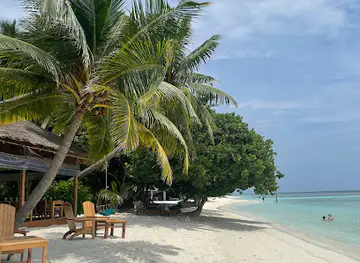
Thinadhoo Beach
Escape to Thinadhoo Beach: Pristine sands, turquoise waters, and vibrant marine life in the heart of the Maldives.

Thinadhoo
Discover the tranquil beauty of Thinadhoo, Maldives: pristine beaches, vibrant reefs, and authentic island life await.

Aqua paradise Pvt Ltd
Explore the vibrant marine life at Aqua Paradise Pvt Ltd, a captivating aquarium in Thinadhoo showcasing the wonders of Maldives' underwater ecosystems.

Benhaage Guesthouse
Discover the charm of Thinadhoo at Benhaage Guesthouse: cozy comfort, local culture, and stunning natural beauty await!

Best restaurants in Thinadhoo Island
Top-rated picks
Best Restaurants

Black Anchor Restaurant
Experience culinary excellence at Black Anchor Restaurant in Thoddoo with fresh seafood and Italian specialties in a charming setting.

Astro
Discover authentic Maldivian flavors at Astro in Thoddoo – where fresh ingredients meet warm hospitality.

M6M Restaurant
Experience luxury dining at M6M Restaurant in Malé - where exquisite flavors meet stunning ambiance in the heart of the Maldives.

Thun’di Cafe - The Island Restaurant
Experience authentic Maldivian flavors at Thun’di Cafe on Guraidhoo Island - where every meal tells a story.

Best bars in Thinadhoo Island
Top-rated picks
Best Bars

Zimmerman Restaurant
Savor the authentic taste of the Maldives at Zimmerman Restaurant, where local flavors and warm hospitality come together.

Gosiya
Discover the authentic flavors of the Maldives at Gosiya, a cozy restaurant in Thinadhoo offering delicious local cuisine.

Beach Bar
Experience the ultimate beachside relaxation at the Beach Bar, where breathtaking sunsets meet delightful tropical drinks.

Zayobi
Discover the flavors of the Maldives at Zayobi, a culinary haven in Thinadhoo offering fresh seafood and international delights.

Best nightclubs in Thinadhoo Island
Top-rated picks
Best Nightclubs

ROBINSON MALDIVES
Discover the ultimate luxury escape at ROBINSON MALDIVES, where pristine beaches meet exceptional hospitality in a tropical paradise.
Raffles Maldives Meradhoo Resort
Discover the allure of Raffles Maldives Meradhoo Resort, where luxury meets tranquility in the heart of the Maldives, offering an unparalleled escape for discerning travelers.

Overwater Bar
Experience the serene beauty of Overwater Bar in Thinadhoo, where tropical landscapes meet refreshing drinks for a perfect getaway.

Beach Bar
Experience the magic of the Maldives at Beach Bar, where stunning sunsets and refreshing cocktails create unforgettable moments.

Best shops in Thinadhoo Island
Top-rated picks
Best Shops

The Marina CROSSROADS Maldives
Experience luxury shopping, exquisite dining, and vibrant entertainment at The Marina CROSSROADS Maldives, your tropical paradise in the heart of the Maldives.

Oevaali Art Shop
Explore Oevaali Art Shop in Malé for unique Maldivian art, handcrafted souvenirs, and a glimpse into the vibrant local culture.

Bright Store
Explore the vibrant selection at Bright Store in Thoddoo, the ideal supermarket for tourists seeking local products and essential supplies.

New View Manadhoo
Discover the charm of New View Manadhoo, a local shopping haven in Noonu Atoll, Maldives, offering unique crafts, snacks, and a taste of island culture.

Explore Thinadhoo Island on the Map
A handpicked selection of must-see spots in Thinadhoo Island, mapped for you.
Thinadhoo Island Essentials
-
Thinadhoo Island is located in the Vaavu Atoll, Maldives. The nearest international airport is Velana International Airport in Malé. From Malé, you can take a domestic flight to Kaadedhdhoo Airport, followed by a speedboat transfer to Thinadhoo Island. Alternatively, you can take a direct speedboat from Malé to Thinadhoo, which takes around 3 to 4 hours.
-
Once on Thinadhoo Island, getting around is relatively easy. The island is small enough to explore on foot or by bicycle. For longer trips, speedboats and ferries connect Thinadhoo to other islands in the Vaavu Atoll. Local guesthouses often provide transportation services for trips and excursions.
-
The official currency in Maldives is the Maldivian Rufiyaa (MVR). Credit cards are widely accepted in most hotels, restaurants, and shops on Thinadhoo Island. However, it is advisable to carry some cash for smaller establishments and local markets. ATMs are available, but it is recommended to withdraw sufficient cash in Malé before traveling to the island.
-
Thinadhoo Island is generally a safe destination for tourists. However, it is always wise to take standard precautions. Avoid walking alone at night in unfamiliar areas and keep an eye on your belongings in crowded places. The crime rate is low, but petty theft can occur, so stay vigilant and aware of your surroundings.
-
In case of emergency, dial 119 for police assistance and 102 for medical emergencies. Thinadhoo Island has a local police station and a health center for minor medical issues. For serious health emergencies, it is recommended to have travel insurance that covers medical evacuations. Pharmacies are available for over-the-counter medications.
-
Fashion: Do dress modestly, especially when visiting local villages. Avoid wearing revealing clothing. Religion: Do respect local customs and traditions. Always cover your shoulders and knees when visiting mosques. Public Transport: Do be respectful and give up your seat to elderly passengers. Don't eat or drink on public transport. Greetings: Do greet people with a warm smile or a nod. A handshake is not always customary. Eating & Drinking: Do try local Maldivian cuisine and accept food offerings graciously. Don't refuse hospitality, as it is considered impolite.
-
To experience Thinadhoo Island like a local, visit the local markets where you can buy fresh produce and traditional Maldivian goods. Engage with locals, as they are often friendly and willing to share stories about the island's history and culture. Don't miss the opportunity to explore the vibrant coral reefs and marine life by snorkeling or diving. For a unique experience, participate in a traditional fishing trip with local fishermen.
When is the best time to visit Thinadhoo Island?
Useful Local Phrases for Thinadhoo Island
You don't need to speak the language perfectly. Even learning a few simple words can make conversations warmer—and locals usually appreciate the effort.
— Eve

Here are the phrases I use most often in Thinadhoo Island. Try a few—you'll be surprised how far they go! 😊
❤️
-
- Helloދުވެހިރު
[Dhivehi ruh] - Goodbyeކަޅުން
[Kanin] - Yesއާ
[Ae] - Noނު
[No] - Please/You're welcomeކައިނަކުރު
[Kainakur] - Thank youއެވެދުރު
[Evaahur] - Excuse me/Sorryދުވެގާ
[Dhivega] - How are you?ތަކްވާން އަފާރަރުން
[Kihene afaharraan] - Fine. And you?ކަލައި. އެތަލައި?
[Kalai. Ekalai?] - Do you speak English?އެތަން ފަރާފަން ބައްގިން?
[Evan farahfan bagein?] - I don't understandއަނބުއައިން
[Anbuiin]
- Helloދުވެހިރު
-
- I'd like to see the menu, pleaseމެނައި ބަޑަކް އަދާރުން
[Menda badakur adhurann] - I don't eat meatމެނައި ރުގުރި ނުފައް
[Menda rughuri nofai] - Cheers!ކެކެރަތަރު!
[Kekuradur!] - I would like to pay, pleaseމެނައި ޕޭކުރުން
[Menda poakurann]
- I'd like to see the menu, pleaseމެނައި ބަޑަކް އަދާރުން
-
- Help!ކަލު!
[Kelu!] - Go away!ކުލަން!
[Kulann!] - Call the Police!ޕޮލިކަދް ކުލަން!
[Poaliku kulann!] - Call a doctor!ޑޯކޭރު ކުލަން!
[Dokyar kulann!] - I'm lostމެނައި ފުލަ
[Menda fula] - I'm illމެނައި ޑަކުން
[Menda dakun]
- Help!ކަލު!
-
- I'd like to buy...މެނައި ބައިލްއަކުރުން
[Menda bilakuurann] - I'm just lookingމެނައި ކަލަރު ކުލަން
[Menda kalarr kulann] - How much is it?އަދާރަތް ބައްގިން?
[Adhuradu bagein?] - That's too expensiveމެނައި ބަޑު ދުވެހިރު
[Menda badu dhivehuru] - Can you lower the price?ބައްގިން އެކުރަތުން?
[Bagein akuradun?]
- I'd like to buy...މެނައި ބައިލްއަކުރުން
-
- What time is it?އަދާރަކު ވާނައި?
[Adhuraku vain?] - It's one o'clockއިތުގެ އާއިތުގެ
[Ithuge aithuge] - Half past (10)ހޭލް ޕަސްޓަސ
[Hil pasdhas] - Morningމިއަދުތައް
[Mithadhuve] - Afternoonއެކުލަން
[Ekalann] - Eveningކެކުޅުތައް
[Kekanadhuve] - Yesterdayއެގަސްތައް
[Evasadhuve] - Todayމެނައި
[Menda] - Tomorrowމެނައިތައް
[Mendadhuve] - 1އާ
[Ae] - 2ދިއަދަ
[Dhiadha] - 3ތިހި
[Vihi] - 4ދަގަ
[Dhaa] - 5ހުސި
[Hasi] - 6މާރު
[Maru] - 7ފޮއް
[Foi] - 8ހަރު
[Haru] - 9އަސި
[Ahi] - 10ބަސްޓަސ
[Basdhas]
- What time is it?އަދާރަކު ވާނައި?
-
- Where's a/the...?ލިއޭން އަދަން...?
[Liune adan?] - What's the address?އަދާރަދު އަދަން?
[Adhuradhu adan?] - Can you show me (on the map)?ބައްގިން އެކުރަތުން (މަޕުން)?
[Bagein akuradun (mapun)?] - When's the next (bus)?އެކުލަން އަތުރަކާއި (ބަސް)?
[Ekalann avurakahai (bas)?] - A ticket (to ....)ޓިކެޓިކުލަން (.... އަދަން)
[Dikadikulann (.... adan)]
- Where's a/the...?ލިއޭން އަދަން...?
History of Thinadhoo Island
-
Thinadhoo Island, located in the Gaafu Dhaalu Atoll, has a history that dates back to ancient times. It is believed that the Maldivian archipelago, including Thinadhoo, was settled by seafarers from neighboring regions such as India, Sri Lanka, and the Arabian Peninsula. These early settlers brought with them their own cultures and traditions, which have since melded into the unique Maldivian identity.
-
In the 16th century, the Portuguese arrived in the Maldives, including Thinadhoo, as part of their efforts to control the Indian Ocean trade routes. Their occupation was marked by efforts to convert the local population to Christianity and to control the valuable trade in cowry shells, which were used as currency in many parts of Asia and Africa. The Portuguese rule, however, was short-lived and met with resistance from the local population.
-
Following the expulsion of the Portuguese, the Maldives saw the rise of the Utheemu Dynasty. This period is significant for Thinadhoo as it was during this time that the island became an important center for political and social activities. The leaders from this dynasty contributed to the rebuilding of the nation and the re-establishment of Islamic practices and traditions.
-
In the late 19th century, the Maldives became a British protectorate. While the British influence was more administrative and less intrusive in the daily lives of the Maldivians, it brought about significant changes in the governance and infrastructure of the islands. Thinadhoo, like other islands, saw improvements in education, health, and trade during this period.
-
One of the most notable events in the recent history of Thinadhoo is the Thinadhoo Revolt of 1958. The island's residents, dissatisfied with the central government's policies and actions, rose in rebellion. This revolt was part of a larger movement in the southern atolls seeking greater autonomy. The revolt was eventually suppressed, but it left a lasting impact on the political landscape of the Maldives.
-
In recent decades, Thinadhoo has seen rapid development, transforming from a traditional fishing village to a bustling island with modern amenities. With the growth of tourism in the Maldives, Thinadhoo has also become a popular destination for visitors seeking to experience its natural beauty and rich cultural heritage. The island now boasts a range of facilities, including resorts, restaurants, and recreational activities, making it a significant player in the Maldivian tourism industry.
Neighbouring destination travel guides
Browse our curated selection of top destinations, scenic points, and must-visit spots in the area.


Your all‑in‑one travel companion app
Explore expert travel guides, compare and book tours, experiences, hotels, and more—all from the palm of your hand. Download now for seamless trip planning wherever your wanderlust takes you.


Explore More of Maldives

Looking beyond Thinadhoo Island? Discover Maldives for broader travel guides, local hot-spots, and regional highlights.
Explore MaldivesThinadhoo Island in Photos
Browse through our photo collection highlighting the charm and character of the destination.



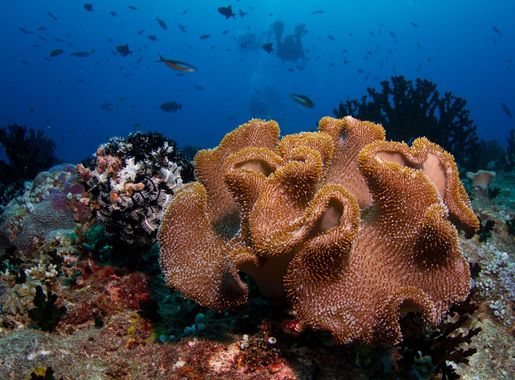


Thinadhoo Island: The Jewel of the Maldives
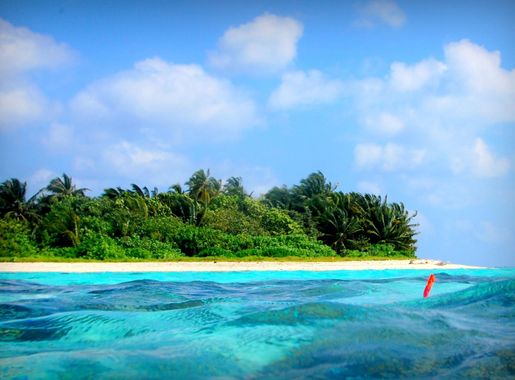
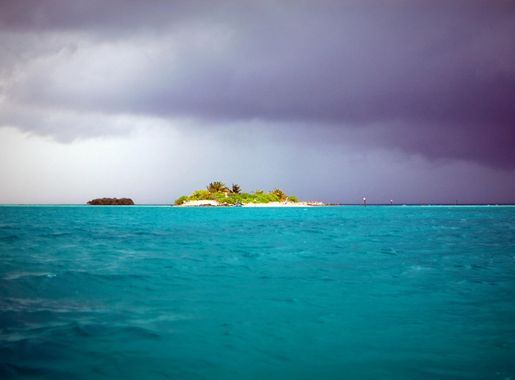
Thinadhoo Island, nestled in the heart of the Maldives, is a paradise for those seeking pristine beaches, crystal-clear waters, and vibrant marine life. This stunning island is part of the Vaavu Atoll, renowned for its untouched beauty and serene ambiance. Visitors are greeted with warm hospitality and the opportunity to experience authentic Maldivian culture. The island is a haven for snorkelers and divers, offering some of the best underwater experiences in the Maldives. The coral reefs around Thinadhoo are teeming with colorful fish, playful dolphins, and graceful manta rays. For those who prefer to stay above water, the island's white sandy beaches provide a perfect setting for relaxation and sunbathing. Beyond its natural beauty, Thinadhoo Island offers a variety of activities and excursions. Tourists can explore the local village to get a taste of island life, enjoy a traditional Maldivian meal, or take a boat trip to nearby uninhabited islands. Whether you are looking for adventure or tranquility, Thinadhoo Island promises an unforgettable escape into nature's lap.