

Free Seenu Atoll Travel Guide & Mobile App
Explore Seenu Atoll with free travel guides. Discover regional history, expert tips, proposed trips, and audio guides on web or mobile app.


Explore Seenu Atoll in southern Maldives for connected island communities, reef excursions, wetlands, Maldivian food and British-era history.
Read more about Seenu Atoll
When is the best time to visit Seenu Atoll?
Best: January–March · 30°C| Month | High (°C) | Rainfall (mm) |
|---|---|---|
| January (best) | 30 | 68 |
| February (best) | 30 | 51 |
| March (best) | 30 | 62 |
| April | 31 | 102 |
| May | 31 | 145 |
| June | 31 | 160 |
| July | 30 | 139 |
| August | 30 | 154 |
| September | 31 | 169 |
| October | 31 | 240 |
| November | 30 | 200 |
| December | 30 | 110 |
Getting to and around Seenu Atoll
How to get there
Transportation
Destinations in Seenu Atoll
Resorts, valleys and scenic spots worth a trip of their own.
-

-

-


Swipe for more destinations
Best attractions in Seenu Atoll
Seenu Atoll’s attractions combine marine recreation with the less polished, more inhabited character of a southern Maldivian community. Snorkelling, diving, fishing trips and lagoon excursions are the main water-based activities, with reefs, channels and sandbanks offering different conditions according to weather and tides. Addu Nature Park on Hithadhoo provides a contrasting inland experience, with mangrove habitats, wetlands, boardwalks or trails where available, kayaking and opportunities to observe wetland birds and other wildlife. The connected western islands are well suited to cycling and informal exploration through palm-lined roads, villages and coastal viewpoints. Gan’s former British military landscape adds historical interest, although access to individual buildings and areas should be confirmed locally. Visitors can also explore local mosques and island settlements respectfully, join community-based activities, or arrange guided trips to less accessible parts of the atoll. The region rewards a slower itinerary: its appeal lies less in a concentration of ticketed attractions than in the combination of lagoon ecology, everyday island life, historic infrastructure and southern geography.
-
Historical landmark
Tsunami Monument
Visit the Tsunami Monument in Malé, a powerful tribute to resilience and history in the heart of the Maldives, offering serene views and reflection.
-
Nature preserve
Addu Nature Park
Explore the enchanting Addu Nature Park, a serene ecological park in the Maldives, perfect for nature lovers and adventure seekers.
-
Tourist attraction
Sea of Stars
Experience the breathtaking beauty of the Sea of Stars in Vaadhoo, Maldives, where bioluminescent waters create a magical night-time spectacle.
-
Park
Fuvahmulah Nature Park
Discover the tranquility of Fuvahmulah Nature Park, a serene escape in the Maldives with lush landscapes and vibrant wildlife.


Best landmarks in Seenu Atoll
Gan’s former British naval and air-station landscape is Seenu Atoll’s most distinctive modern landmark, with the runway, planned roads and surviving base-related structures reflecting the strategic importance once assigned to this remote southern island. Not every building is open to visitors, and the area should be explored with local permission. Hithadhoo’s Addu Nature Park provides a different kind of landmark: its wetlands, mangroves and freshwater habitats reveal the ecological structure behind the settled island and distinguish Seenu Atoll from a purely beach-oriented destination. The causeways linking Gan, Feydhoo, Maradhoo and Hithadhoo are also notable pieces of infrastructure, joining communities across the atoll’s shallow lagoon. Local mosques, village streets and coastal edges are less monumental but help express the region’s continuing Islamic and island identity. Across the atoll, the broad lagoon itself is a geographical landmark, defining transport, fishing, settlement and the views encountered from the connected islands.
-
 Resort hotel
Shangri-La's Villingili Resort & Spa, Maldives
Experience luxurious seclusion at Shangri-La's Villingili Resort & Spa, Maldives, offering pristine beaches, lush landscapes, and world-class amenities.
-
Resort hotel
Canareef Resort Maldives
Discover the Maldives' southern charm at Canareef Resort: pristine beaches, cultural immersion, and luxurious relaxation in Addu Atoll.
-
City park
Republic Square
Experience the heart of Maldivian culture and history at Republic Square, a vibrant gathering place in the center of Malé.
-
Resort hotel
South Palm Maldives
Escape to South Palm Maldives: A tranquil haven in Addu Atoll with luxurious villas, pristine beaches, and the Maldives' first floating spa.


Explore Seenu Atoll on the map
Plan your trip on one map. See where the top cities, national parks and sights are, and book hotels and experiences in a few clicks.
Best hotels in Seenu Atoll
Best restaurants in Seenu Atoll
Dining in Seenu Atoll centres on Maldivian home-style cooking, small cafés, guesthouse kitchens and restaurants serving both local and familiar international dishes. Fresh tuna is central to many meals and may appear in curries, grilled preparations, rice dishes, salads and savoury snacks, alongside coconut, chilli, lime, onions and aromatic spices. Fish soup, flatbreads, rice and short-eat pastries are common parts of the wider Maldivian food tradition, while local menus may also include reef fish or seasonal produce. Gan, Feydhoo, Maradhoo and Hithadhoo offer the broadest choice, with more limited options on smaller inhabited islands. Guesthouses often provide the best route to pre-arranged Maldivian meals, particularly when visitors want to try regional cooking rather than standard resort menus. Dining is generally informal and early by international nightlife standards, so it is sensible to check meal arrangements before making a long journey between islands.
-
Cafe
Suvadive Cafe
Discover local flavors at Suvadive Cafe in Addu City - where every meal tells a story.
-
Restaurant
Kilhi Restaurant
Discover exquisite Maldivian flavors at Kilhi Restaurant on Herathera Island – where every meal is a tropical escape.
-
Restaurant
Vilu Restaurant & Bar
Discover unparalleled dining at Vilu Restaurant & Bar in Conrad Maldives, where exquisite cuisine meets breathtaking ocean views.
-
Restaurant
Palm Village
Discover exquisite flavors at Palm Village, where local cuisine meets vibrant atmosphere in Addu City.



Best bars in Seenu Atoll
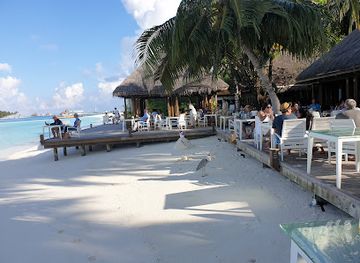
Seenu Atoll does not have a large conventional nightclub scene. On inhabited islands, evenings are more likely to centre on tea shops, cafés, guesthouse restaurants, waterfront walks and informal gatherings, with live entertainment or organised events depending on the establishment and season. Alcohol is generally unavailable on local inhabited islands under Maldivian regulations, while resort properties operate under separate tourism arrangements. Gan and the connected western islands provide the widest choice of places to eat and sit out after dark, but the atmosphere remains relaxed rather than club-focused. Night-time boat trips and marine excursions should only be undertaken through properly organised operators, and visitors should avoid treating quiet residential areas as entertainment districts. The region’s evening character is best understood through food, conversation and the cooler air after sunset.
-
Bar
Mekunu Bar
Experience the vibrant atmosphere of Mekunu Bar in Fenfushi, where refreshing drinks and lively social gatherings await you.
-
Restaurant
Suvadive Cafe
Experience the rich flavors of Maldivian cuisine at Suvadive Cafe, where every meal is a delightful culinary journey.
-
Restaurant
Kilhi Restaurant
Experience the rich flavors of Maldivian cuisine at Kilhi Restaurant, nestled in the serene Herathera Island Resort.
-
Restaurant
Palm Village
Discover the flavors of the Maldives at Palm Village, a restaurant offering authentic cuisine in the heart of Addu City.


Best nightclubs in Seenu Atoll
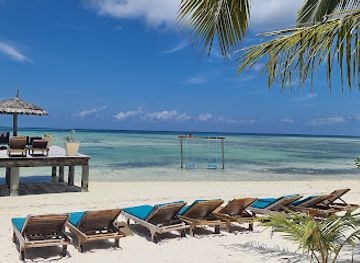
Seenu Atoll does not have a large conventional nightclub scene. On inhabited islands, evenings are more likely to centre on tea shops, cafés, guesthouse restaurants, waterfront walks and informal gatherings, with live entertainment or organised events depending on the establishment and season. Alcohol is generally unavailable on local inhabited islands under Maldivian regulations, while resort properties operate under separate tourism arrangements. Gan and the connected western islands provide the widest choice of places to eat and sit out after dark, but the atmosphere remains relaxed rather than club-focused. Night-time boat trips and marine excursions should only be undertaken through properly organised operators, and visitors should avoid treating quiet residential areas as entertainment districts. The region’s evening character is best understood through food, conversation and the cooler air after sunset.
-
Bar
Mekunu Bar
Experience the vibrant nightlife at Mekunu Bar in Fenfushi, where delicious drinks and lively entertainment await every visitor.
-
Bar
Beach Bar
Experience the vibrant atmosphere and stunning ocean views at Beach Bar, the ultimate tropical getaway in Addu City.
-
Lounge
Manta Lounge
Discover tranquility at Manta Lounge, where refreshing drinks and a serene atmosphere await in the beautiful island of Huraa, Maldives.
-
Lounge
Gan International Airport Executive Lounge
Discover comfort and tranquility at Gan International Airport Executive Lounge, your perfect retreat before the next adventure.



Best shops in Seenu Atoll
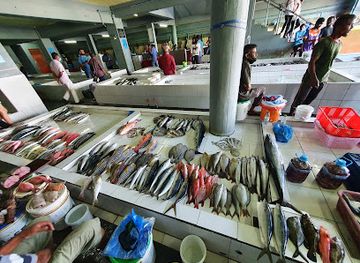
Shopping in Seenu Atoll is primarily local and practical rather than centred on large retail complexes. Hithadhoo, Gan, Feydhoo and Maradhoo have the broadest selection of small shops, groceries, clothing, phone services and household goods, while smaller islands offer a narrower range. Visitors can look for packaged Maldivian snacks, dried or preserved fish products, coconut-based items and modest locally produced souvenirs, although availability varies. Guesthouses and community tourism operators may help arrange purchases from local makers or fishermen, but visitors should not assume that every island has a formal craft market. Avoid buying coral, shells or products made from protected marine life. For gifts, textiles, small handicrafts, spice blends and food products are generally more responsible choices, provided they comply with airline and Maldivian customs rules. Gan is convenient for last-minute purchases before departure, but it is wise to obtain specialist diving, boat or outdoor equipment before arriving if it is essential.
-
Shopping mall
Fish Market
Discover the vibrant Fish Market in Malé, where fresh seafood and local culture blend in a lively experience for every traveler.
-
Shopping mall
The Marina CROSSROADS Maldives
Explore shopping, dining, and entertainment at The Marina CROSSROADS Maldives, the ultimate destination for relaxation and adventure in the tropics.
-
Supermarket
Bright Store
Bright Store in Thoddoo offers a delightful shopping experience with local and international products for all your needs.
-
Boutique
Island Bazaar
Discover authentic Maldivian crafts and souvenirs at Island Bazaar, the ultimate boutique destination in Malé for unique treasures.


Get your free copy of our complete guide to Seenu Atoll, delivered straight to you.
Everything on this page, from attractions and restaurants to essentials and local phrases, in one PDF you can read offline, print or share.
Already have an account? Sign in
Your Seenu Atoll guide is ready.
We'll send it to · Not you? Sign out

Getting your guide ready…
We are putting together a fresh copy of the Seenu Atoll guide. This can take up to a minute.
This can take a few moments. If your browser asks, choose Allow so the download can start. You'll find the guide in your Downloads folder.
Nothing happened? Download it again
Sorry, the guide is taking longer than usual. Please try again in a minute, or get it by email instead.
Seenu Atoll essentials
Currency and Payment
Safety
Emergency Situations
Do's and Don'ts
Local Tips
From Eve
Local phrases worth knowing
You don't need to get them perfect. A few words go a long way, and locals appreciate the effort.
Basics
| English | Local | Say it |
|---|---|---|
| Hello | Aasalaam alaikum | [ah-sah-lahm ah-lay-kum] |
| Goodbye | Khudha hithukih | [khoo-dah hee-thoo-kee] |
| Yes | Aah | [ah] |
| No | Naah | [nah] |
| Please/You’re welcome | Thibaageh thibaageh | [thee-bah-geh thee-bah-geh] |
| Thank you | Shukuriyaa | [shoo-koo-ree-yah] |
| Excuse me/Sorry | Maaf kurey | [mahf koo-ray] |
| How are you? | Thibaageh kihineiy? | [thee-bah-geh kee-hee-nay] |
| Fine. And you? | Thibaageh thibaageh, thibaageh kihineiy? | [thee-bah-geh thee-bah-geh, thee-bah-geh kee-hee-nay] |
| Do you speak English? | Inglezi kihineiy? | [in-gleh-zee kee-hee-nay] |
| I don't understand | Thibaageh thibaageh kihineh | [thee-bah-geh thee-bah-geh kee-hee-neh] |
Eating & Drinking
| English | Local | Say it |
|---|---|---|
| I’d like to see the menu, please | Masakih menu kihineiy, thibaageh | [mah-sah-kee menu kee-hee-nay, thee-bah-geh] |
| I don’t eat meat | Gahi mas thibaageh kihineh | [gah-hee mahs thee-bah-geh kee-hee-neh] |
| Cheers! | Kihineh! | [kee-hee-neh] |
| I would like to pay, please | Masakih thibaageh thibaageh, thibaageh | [mah-sah-kee thee-bah-geh thee-bah-geh] |
Emergencies
| English | Local | Say it |
|---|---|---|
| Help! | Hithu! | [hee-thoo] |
| Go away! | Hithuh dhiri! | [hee-thoo dhir-ee] |
| Call the Police! | Policeh dhiri! | [poh-lee-seh dhir-ee] |
| Call a doctor! | Doctorh dhiri! | [dok-tor dhir-ee] |
| I’m lost | Thibaageh dhathuru | [thee-bah-geh dah-thoo-roo] |
| I’m ill | Masakih dhathuru | [mah-sah-kee dah-thoo-roo] |
Shopping
| English | Local | Say it |
|---|---|---|
| I’d like to buy... | Masakih boruhugeh kihineiy... | [mah-sah-kee boh-roo-hoo-geh kee-hee-nay] |
| I’m just looking | Masakih thibaageh kihineh | [mah-sah-kee thee-bah-geh kee-hee-neh] |
| How much is it? | Thibaageh kihineiy? | [thee-bah-geh kee-hee-nay] |
| That’s too expensive | Thibaageh giyathun dhathuru | [thee-bah-geh gee-yah-thun dah-thoo-roo] |
| Can you lower the price? | Thibaageh giyathun kamukih? | [thee-bah-geh gee-yah-thun kah-moo-kee] |
Time & Numbers
| English | Local | Say it |
|---|---|---|
| What time is it? | Thibaageh kihineiy? | [thee-bah-geh kee-hee-nay] |
| It’s one o’clock | Thibaageh dhaairaah | [thee-bah-geh dhah-ee-rah] |
| Half past (10) | Dhaalukih (10) | [dhah-loo-kee (10)] |
| Morning | Bodu hithi | [boh-doo hee-thee] |
| Afternoon | Bodu thibaageh | [boh-doo thee-bah-geh] |
| Evening | Bodu hithu | [boh-doo hee-thoo] |
| Yesterday | Thibaageh dhumugeh | [thee-bah-geh dhum-oo-geh] |
| Today | Thibaageh hulhuneh | [thee-bah-geh hul-hoo-neh] |
| Tomorrow | Thibaageh hithun | [thee-bah-geh hee-thoon] |
| 1 | Thaa | [thah] |
| 2 | Dhi | [dhee] |
| 3 | Thalhu | [thal-hoo] |
| 4 | Hithuh | [hee-thoo] |
| 5 | Haa | [hah] |
| 6 | Nai | [nai] |
| 7 | Thah | [thah] |
| 8 | Thalu | [tha-loo] |
| 9 | Nuh | [nuh] |
| 10 | Dharu | [dah-roo] |
Transport & Directions
| English | Local | Say it |
|---|---|---|
| Where's a/the...? | Kihineh...? | [kee-hee-neh] |
| What's the address? | Thibaageh adhris? | [thee-bah-geh ah-dhrees] |
| Can you show me (on the map)? | Thibaageh dhihun kihineiy (map), | [thee-bah-geh dhee-hoon kee-hee-nay (map)] |
| When's the next (bus)? | Thibaageh baajjeh kihineiy? | [thee-bah-geh bah-jay kee-hee-nay] |
| A ticket (to ....) | Bajjeh (to ....) | [bah-jay (to ....)] |
History of Seenu Atoll
Early settlement and the southern atoll environment
Seenu Atoll developed within the wider settlement history of the Maldives, where island communities depended on coconut cultivation, fishing, seafaring and exchange between atolls. The atoll’s position at the southern end of the archipelago placed it along maritime routes linking the Maldives with the wider Indian Ocean. Archaeological evidence across the country indicates earlier Buddhist and pre-Islamic cultural phases before the islands’ conversion to Islam, although surviving remains in Seenu Atoll are often less monumental than the better-known historic sites of Malé. Its enduring history is therefore especially visible in settlement patterns, mosque traditions, boat culture and the relationship between communities and the lagoon.
Islamic sultanate and island communities
Following the conversion of the Maldives to Islam in the twelfth century, Seenu Atoll became part of the island sultanate administered through local communities and appointed officials. Islam shaped village life, architecture, education, funerary customs and the rhythm of public activity. Fishing and coconut products remained important, while knowledge of currents, reefs and monsoon conditions supported travel between islands. As in other Maldivian atolls, authority was not experienced only through the capital; local chiefs, religious figures, boat owners and extended families played practical roles in organising life across dispersed settlements.
British naval and air base on Gan, 1941–1976
During the Second World War, Britain established a naval facility on Gan, using the island’s position in the southern Indian Ocean. The site later became a Royal Air Force station and acquired runways, roads, accommodation and other infrastructure on a scale unusual for a remote Maldivian atoll. British personnel and local residents interacted through employment, trade and services, bringing new economic opportunities as well as a foreign military presence. The base continued after Maldivian independence and finally closed in 1976. Its former land and buildings remain an important part of Seenu Atoll’s modern historical landscape.
The United Suvadive Republic, 1959–1963
Seenu Atoll was central to the United Suvadive Republic, a short-lived separatist administration formed in 1959 by leaders in the southern atolls of Addu, Huvadhu and Fuvahmulah. The movement reflected longstanding grievances about distance from Malé, local autonomy and the political relationship between the southern communities and the central government. Addu became its principal centre, and the episode remains a significant chapter in Maldivian political history. The republic was dissolved in 1963 after the southern atolls were brought back under the authority of the Maldivian state.
Independence and the end of the foreign-base era
The Maldives became independent from Britain in 1965, but the British base on Gan continued to operate for another decade. Its closure in 1976 marked the end of a major foreign military presence and forced the local economy to adjust after years in which the base had provided employment and infrastructure. Gan’s airport and transport links later helped sustain the atoll’s connections with the rest of the country. The transition contributed to the region’s contemporary character, where an internationally influenced past coexists with Maldivian island institutions and community life.
Environmental conservation and contemporary tourism
In recent decades, Seenu Atoll has increasingly combined community-based tourism with efforts to protect wetlands, mangroves and nearshore ecosystems. Addu Nature Park has helped focus attention on the ecological value of Hithadhoo’s wetlands and on activities such as guided nature walks, kayaking and birdwatching. Guesthouses, diving services and local restaurants have expanded the visitor economy without replacing the atoll’s inhabited-island character. Contemporary Seenu Atoll is consequently shaped by three overlapping legacies: traditional island livelihoods, the infrastructure of the British base and a growing interest in sustainable marine and wetland tourism.
Seenu Atoll in Photos
Browse through our photo collection highlighting the charm and character of the destination.
Neighbouring regions of Seenu Atoll
The closest regions to Seenu Atoll, if you have time for more than one.
-

-

-

-

-


Swipe for more regions
Explore more

Explore more of Maldives
Experience the unparalleled beauty of the Maldives, where pristine beaches, luxurious resorts, and vibrant marine life create the perfect tropical getaway.
Explore Maldives