

Hithadhoo Island Travel Guide - Free Web & App
Your ultimate guide to Hithadhoo Island. Discover top landmarks, proposed trips, and local tips. Free on the web or via the Evendo companion app.


Discover Hithadhoo Island in the Maldives: A perfect blend of natural beauty, marine life, and vibrant local culture, far from the commercialized tourist spots.
Read more about Hithadhoo Island
When is the best time to visit Hithadhoo Island?
Best: January–March · 32°C| Month | High (°C) | Rainfall (mm) |
|---|---|---|
| January (best) | 32 | 90 |
| February (best) | 32 | 55 |
| March (best) | 32 | 65 |
| April | 32 | 110 |
| May | 32 | 160 |
| June | 32 | 175 |
| July | 32 | 190 |
| August | 32 | 195 |
| September | 32 | 185 |
| October | 32 | 155 |
| November | 32 | 125 |
| December | 32 | 105 |
Getting to and around Hithadhoo Island
How to get there
Transportation
Best attractions in Hithadhoo Island
Hithadhoo Island in Maldives offers visitors a unique blend of natural beauty and cultural experiences. From pristine white sandy beaches and crystal-clear turquoise waters perfect for snorkeling and diving, to lush greenery and vibrant marine life, the island is a paradise for nature lovers. Explore the traditional Maldivian way of life by visiting the local markets, mosques, and historical sites. Don't miss the chance to sample delicious Maldivian cuisine and immerse yourself in the laid-back island lifestyle. Whether you're looking for relaxation or adventure, Hithadhoo Island has something for everyone.
-
Tourist attraction
Kanbihaa Beach
Explore the tranquil beauty of Kanbihaa Beach, a hidden gem in Addu City, Maldives, perfect for relaxation and adventure.
-
Tourist attraction
The heart of Addu
Explore the Heart of Addu, a vibrant cultural hub in the Maldives, blending history, stunning landscapes, and local charm for an unforgettable experience.
Best landmarks in Hithadhoo Island
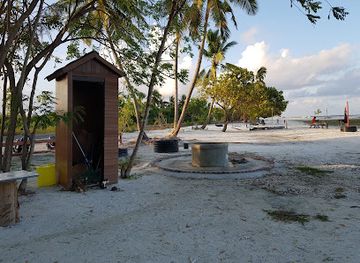
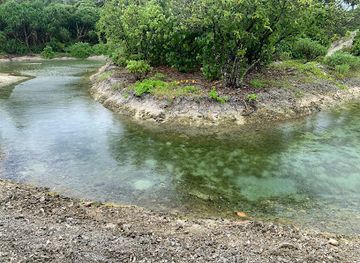
Hithadhoo Island in Maldives offers visitors a unique blend of natural beauty and cultural heritage. From stunning white sandy beaches and crystal-clear turquoise waters perfect for snorkeling and diving, to historical landmarks such as the Old Mosque and the Hithadhoo Regional Library, there is something for everyone to enjoy. Take a leisurely stroll along the bustling streets lined with colorful buildings, sample the local cuisine at the vibrant markets, or simply relax and soak up the laid-back island atmosphere. With its mix of picturesque landscapes and rich history, Hithadhoo Island is a must-visit destination for any traveler looking for a truly unforgettable experience.
-
Nature preserve
Addu Nature Park
Discover Addu Nature Park: Explore lush wetlands, mangrove forests, and diverse birdlife in the Maldives' southernmost atoll.
-
 Island
Hithadhoo
Discover Hithadhoo, Addu City: A vibrant island blending local culture, historical sites, and natural beauty in the heart of the Maldives.
-
Hiking area
Hithadhoo Nere
Explore the serene hiking trails of Hithadhoo Nere in Addu City, Maldives, where nature meets adventure in breathtaking landscapes.
-
Tourist attraction
The heart of Addu
Discover Addu City's essence: culture, history, and natural beauty converge in this Maldivian heartland. An authentic island experience awaits.
Explore Hithadhoo Island on the map
Plan your trip on one map. See where the top attractions, landmarks, restaurants and hotels are, and book hotels and experiences in a few clicks.
Best hotels in Hithadhoo Island
Best restaurants in Hithadhoo Island
Hithadhoo Island offers a diverse dining scene that showcases the flavors of Maldivian cuisine alongside international delicacies. Visitors can indulge in fresh seafood dishes at beachfront restaurants, savor traditional Maldivian curries at local eateries, and enjoy fusion cuisine at upscale dining establishments. From casual cafes to fine dining venues, the island's culinary offerings cater to every palate, promising a gastronomic adventure that perfectly complements the tropical paradise setting.
-
Restaurant
Equator Cuisine
Discover authentic Maldivian flavors at Equator Cuisine in Addu City - a must-visit restaurant for every traveler.

Best bars in Hithadhoo Island
The nightlife scene of Hithadhoo Island offers a unique blend of laid-back beachfront bars and vibrant nightclubs, providing visitors with a variety of options to enjoy after the sun goes down. From sipping cocktails under the stars at intimate beach bars to dancing the night away to live music and DJs at lively nightclubs, there is something for everyone. The warm ocean breeze, stunning views, and welcoming atmosphere create the perfect setting for a memorable night out on this picturesque island.
-
Bar
Beach Bar
Discover the enchanting Beach Bar in Addu City, where stunning ocean views, refreshing cocktails, and a vibrant atmosphere create the perfect tropical escape.

Best nightclubs in Hithadhoo Island
The nightlife scene of Hithadhoo Island offers a unique blend of laid-back beachfront bars and vibrant nightclubs, providing visitors with a variety of options to enjoy after the sun goes down. From sipping cocktails under the stars at intimate beach bars to dancing the night away to live music and DJs at lively nightclubs, there is something for everyone. The warm ocean breeze, stunning views, and welcoming atmosphere create the perfect setting for a memorable night out on this picturesque island.
-
Island
Hithadhoo
Explore Hithadhoo Island: Authentic Maldivian culture, stunning beaches, and vibrant local life await in Addu City.
-
Hotel
Clovebeach
Experience the ultimate beachfront escape at Clovebeach in Addu City, where luxury meets nature in perfect harmony.
Get your free copy of our complete guide to Hithadhoo Island, delivered straight to you.
Everything on this page, from attractions and restaurants to essentials and local phrases, in one PDF you can read offline, print or share.
Already have an account? Sign in
Your Hithadhoo Island guide is ready.
We'll send it to · Not you? Sign out

Getting your guide ready…
We are putting together a fresh copy of the Hithadhoo Island guide. This can take up to a minute.
This can take a few moments. If your browser asks, choose Allow so the download can start. You'll find the guide in your Downloads folder.
Nothing happened? Download it again
Sorry, the guide is taking longer than usual. Please try again in a minute, or get it by email instead.
Hithadhoo Island essentials
Currency and Payment
Safety
Emergency Situations
Do's and Don'ts
Local Tips
History of Hithadhoo Island
Ancient Origins and Early Settlement
Hithadhoo Island, located in the Addu Atoll, has a rich history that dates back to ancient times. Archaeological evidence suggests that the island was settled over a millennium ago, with early settlers engaging in fishing and agriculture. The island's strategic location made it a significant hub for maritime trade routes in the Indian Ocean.
Portuguese Occupation
In the 16th century, the Maldives, including Hithadhoo Island, came under Portuguese control. The Portuguese sought to dominate the Indian Ocean trade and spread Christianity. However, their rule was short-lived and met with local resistance, culminating in their expulsion in 1573.
British Protectorate Era
The Maldives became a British protectorate in the late 19th century. Hithadhoo Island saw significant changes during this period, including the introduction of modern infrastructure and education. The British influence is still evident in the island's administrative structures and public buildings.
World War II and the Addu Atoll
During World War II, the British established a military base in the Addu Atoll, including Hithadhoo Island, to safeguard Allied shipping routes in the Indian Ocean. The island's lagoon served as a crucial refueling station for British naval vessels. The remnants of this military presence can still be observed today.
Independence and Modern Development
The Maldives gained independence from British rule in 1965. Since then, Hithadhoo Island has undergone significant development, with improvements in transportation, healthcare, and education. The island has evolved into a vibrant community while preserving its traditional culture and heritage.
Cultural Heritage and Traditions
Hithadhoo Island is known for its rich cultural heritage, including traditional music, dance, and crafts. The island's inhabitants celebrate various local festivals, such as Eid and the annual 'Fanditha' festival, which showcase their unique customs and practices. Visitors can immerse themselves in these vibrant cultural experiences.
Hithadhoo Island in Photos
Browse through our photo collection highlighting the charm and character of the destination.
Neighbouring destination travel guides
The closest destinations to Hithadhoo Island, if you have time for more than one.
-

-

-

-

-


Swipe for more destinations
Explore more

Explore more of Seenu Atoll
Explore Seenu Atoll in southern Maldives for connected island communities, reef excursions, wetlands, Maldivian food and British-era history.
Explore Seenu Atoll
Explore more of Maldives
Experience the unparalleled beauty of the Maldives, where pristine beaches, luxurious resorts, and vibrant marine life create the perfect tropical getaway.
Explore Maldives