

Addu City Travel Guide - Free Web & App
Your ultimate guide to Addu City. Discover top landmarks, proposed trips, and local tips. Free on the web or via the Evendo companion app.


Addu City, Maldives, combines tropical islands, WWII heritage, coral reefs, wetlands, cycling routes and local Maldivian culture in the far south.
A Southern Island City
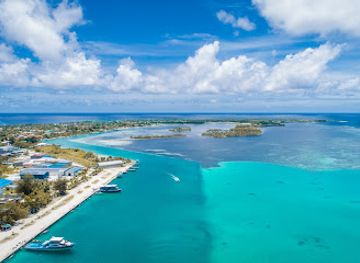
Addu City occupies the Maldives’ southernmost atoll, close to the Equator and far from the more heavily visited resorts of North Malé Atoll. Rather than a single urban centre, it is a chain of inhabited and historically connected islands: Hithadhoo, Maradhoo, Feydhoo, Gan, Hulhudhoo and Meedhoo. Causeways and roads link much of the settled area, giving Addu a distinctive identity as an island city spread across a lagoon rather than concentrated on one island.Read more about Addu City
Wetlands, Reefs and Ocean Life
Island Heritage and Local Life
When is the best time to visit Addu City?
Best: January–March · 30–31°C| Month | High (°C) | Rainfall (mm) |
|---|---|---|
| January (best) | 30 | 83 |
| February (best) | 30 | 59 |
| March (best) | 31 | 77 |
| April | 31 | 197 |
| May | 31 | 197 |
| June | 31 | 172 |
| July | 31 | 147 |
| August | 31 | 197 |
| September | 31 | 172 |
| October | 31 | 255 |
| November | 31 | 228 |
| December | 30 | 199 |
Getting to and around Addu City
How to get there
Transportation
Best attractions in Addu City
Addu Nature Park in Hithadhoo introduces visitors to the atoll’s wetlands, mangroves, channels and coastal habitats, with opportunities for walking, kayaking and wildlife observation where locally arranged access permits. Around Gan, former British military infrastructure provides a rare historical dimension within the Maldives, while the island’s roads and shoreline are well suited to relaxed cycling. The settled islands of Feydhoo, Maradhoo and Hithadhoo offer everyday scenes of Maldivian life, local cafés and mosques rather than a conventional sightseeing circuit. Offshore, Addu’s lagoon and outer reefs are the principal natural attraction, supporting snorkelling, diving and boat trips in suitable conditions. The British Loyalty wreck, lying in Addu Atoll, is a notable dive site for experienced divers visiting with qualified operators. Hulhudhoo and Meedhoo provide a quieter extension to the city, although reaching them requires planning a local boat transfer.
-
Tourist attraction
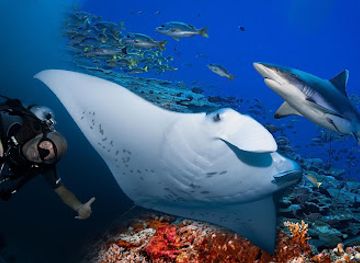
Addu Manta Point
Discover the underwater beauty of Addu Manta Point, home to magnificent manta rays and vibrant coral reefs in the Maldives.
-
Nature preserve
Rahdhebai Fandna
Explore the tranquil beauty of Rahdhebai Fandna, a nature preserve in Addu City, Maldives, perfect for wildlife enthusiasts and nature lovers.
-
Tourist attraction
Sunset view
Discover the mesmerizing sunset views in Addu City, where vibrant colors paint the sky and tranquility reigns supreme, perfect for every traveler.
-
Tourist attraction
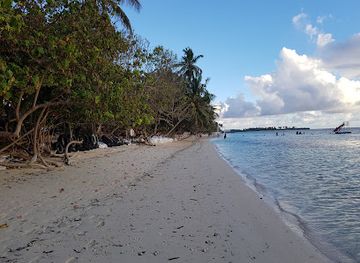
Gauken'di Beach view Point
Discover the breathtaking beauty of Gauken'di Beach View Point in Addu City, where stunning ocean views and serene sunsets await every traveler.
Best landmarks in Addu City
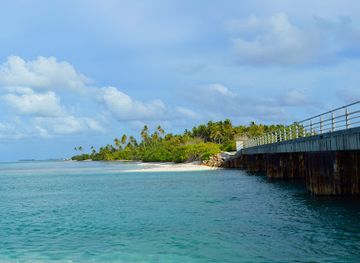
Addu’s defining landmark is its broad coral atoll and lagoon, whose enclosed waters, reef channels and low island chain create the city’s distinctive geography. The wetlands of Hithadhoo, including areas interpreted through Addu Nature Park, are important natural landmarks because they reveal the freshwater, mangrove and coastal environments that support life beyond the beaches. Gan’s former British military buildings, roads and airfield landscape form the city’s most significant modern historical landmark group, recalling the island’s wartime and Cold War-era role. The causeways linking Gan, Feydhoo, Maradhoo and Hithadhoo are also central to Addu’s identity, joining settlements that remain separate islands in physical and cultural terms. Offshore wrecks and coral reefs are marine landmarks experienced through diving rather than from land, with access dependent on local operators and sea conditions.
-
Historical landmark
Bon'doge
Discover the historical significance and tranquil beauty of Bon'doge, a captivating landmark in Addu City, Maldives.
-
Historical landmark
Savaheli
Discover the historical charm of Savaheli in Addu City, Maldives - where culture meets captivating architecture.
-
Park
Feydhoo Rashikeda Athiri
Explore the natural beauty and cultural richness of Feydhoo Rashikeda Athiri, a serene park in Addu City perfect for relaxation and local experiences.
-
Park
Maradhoo Rashikede Park
Discover the tranquility of Maradhoo Rashikede Park in Addu City, where lush landscapes and serene vibes create a perfect escape for tourists.
Explore Addu City on the map
Plan your trip on one map. See where the top attractions, landmarks, restaurants and hotels are, and book hotels and experiences in a few clicks.
Best hotels in Addu City
Best restaurants in Addu City
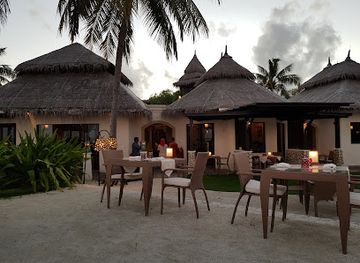
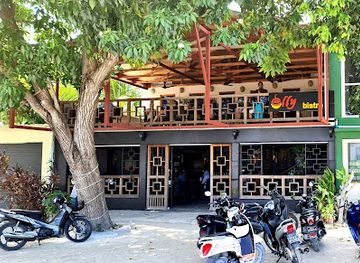
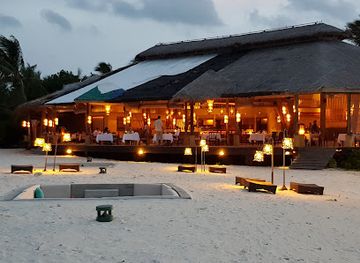
Dining in Addu City is centred on local cafés, small restaurants and hotel kitchens in Hithadhoo, Feydhoo, Maradhoo and Gan rather than a large resort-style restaurant scene. Maldivian cooking commonly features tuna and other seafood, rice, coconut, chilli, curry leaves and aromatic spice blends, with dishes such as mas huni, fish curry, roshi and spicy snacks appearing in everyday meals. Gan and the main inhabited areas offer the broadest choice, while visitors staying on quieter islands may need to rely on accommodation meals or arrange food in advance. Resort and guesthouse kitchens may provide international dishes alongside Maldivian food, but menus and service can vary. Fish is often linked directly to local fishing culture, and simple meals in neighbourhood cafés can offer a more representative taste of Addu than imported resort dining.
-
Restaurant
Palm Village
Experience authentic Maldivian cuisine at Palm Village – where tradition meets flavor in a breathtaking tropical setting.
-
Restaurant
Dr. Ali Khayarbadi
Experience exquisite dining at Dr. Ali Khayarbadi in Addu City - where local flavors meet exceptional service.
-
Restaurant
Elly Bistro
Experience the vibrant flavors at Elly Bistro in Addu City - where local charm meets culinary excellence.
-
Restaurant
Fashala Resturant
Experience exquisite Maldivian flavors at Fashala Restaurant in Addu City, where culinary art meets breathtaking views.

Best bars in Addu City
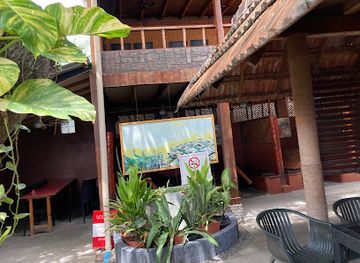
Addu City is not a nightclub destination, and evening life is generally quiet, local and shaped by island routines. In inhabited communities, visitors may find cafés, hotel lounges and informal places serving tea, coffee, soft drinks and light food, while guesthouses can help arrange a relaxed evening or local cultural interaction. Alcohol is not ordinarily available in local island communities under Maldivian regulations, although designated resort facilities operate under separate arrangements. After dark, the appeal lies more in an unhurried walk, conversation, stargazing or the sound of the lagoon than in organised entertainment. Cultural events and community gatherings may occur during festivals or special occasions, but they should not be assumed to run on a regular schedule or to be open to visitors without local guidance.
-
Restaurant
Palm Village
Experience the best of Maldivian and international cuisine at Palm Village, a culinary treasure in Addu City.
-
Restaurant
Q Corner
Discover the culinary delights of Q Corner in Addu City, where local flavors meet international cuisine in a vibrant dining atmosphere.
-
Coffee shop
NODY'S COFFEE
Discover NODY'S COFFEE in Addu City, where exceptional brews meet a cozy atmosphere, perfect for relaxation and socializing.
-
Cafe
Just Tea
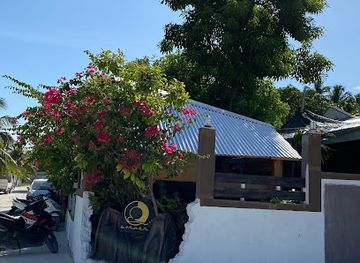
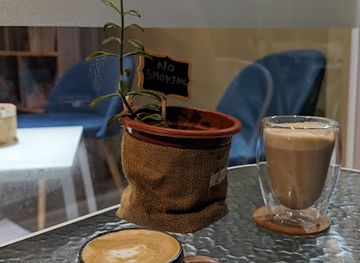
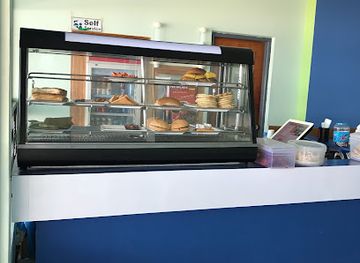
Discover the soothing experience of Just Tea, a cozy cafe in Addu City offering a delightful selection of teas and snacks in a serene setting.
Best nightclubs in Addu City
Addu City is not a nightclub destination, and evening life is generally quiet, local and shaped by island routines. In inhabited communities, visitors may find cafés, hotel lounges and informal places serving tea, coffee, soft drinks and light food, while guesthouses can help arrange a relaxed evening or local cultural interaction. Alcohol is not ordinarily available in local island communities under Maldivian regulations, although designated resort facilities operate under separate arrangements. After dark, the appeal lies more in an unhurried walk, conversation, stargazing or the sound of the lagoon than in organised entertainment. Cultural events and community gatherings may occur during festivals or special occasions, but they should not be assumed to run on a regular schedule or to be open to visitors without local guidance.
-
 Resort hotel
Shangri-La's Villingili Resort & Spa, Maldives
Experience unparalleled luxury and natural beauty at Shangri-La's Villingili Resort & Spa in the stunning Maldives.
-
Restaurant
Palm Village
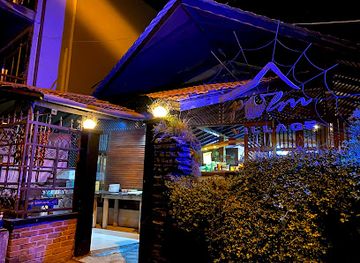
Experience the best of Maldivian cuisine at Palm Village, a culinary gem in Addu City offering traditional dishes and warm hospitality.
-
Atoll
Addu Atoll
Addu Atoll: A hidden gem in the Maldives, where stunning beaches meet vibrant culture and adventure awaits at every corner.
-
Lounge
Gan International Airport Executive Lounge
Discover the comfort of Gan International Airport Executive Lounge, a peaceful retreat with top-notch amenities for travelers in Addu City.

Best shops in Addu City
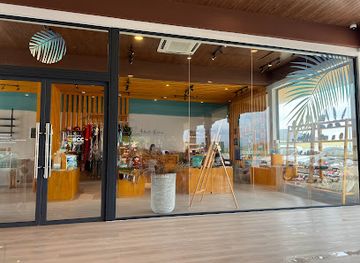
Shopping in Addu City is practical and local rather than extensive, with general shops, small markets and independent businesses concentrated in Hithadhoo and the other populated island communities. Visitors can look for Maldivian snacks, dried or prepared fish products, coconut-based foods and everyday goods, while guesthouses may help arrange locally made items or small souvenirs. Gan has additional visitor-oriented services because of the airport and tourism activity, but it is not a large commercial centre. Traditional handicrafts and island-made products are not displayed in a single permanent shopping district, so availability varies between communities and seasons. For specialist souvenirs, a broader selection is usually found in Malé or established resort shops, whereas Addu is more suitable for buying simple provisions and experiencing the retail life of a southern Maldivian city.
-
General store
Authentic Maldives Addu City
Experience the vibrant culture and stunning landscapes of Addu City, Maldives, a hidden paradise waiting to be explored.
-
General store
Line One Mart
Explore the vibrant offerings of Line One Mart in Addu City, a general store rich with local products and cultural treasures.
Get your free copy of our complete guide to Addu City, delivered straight to you.
Everything on this page, from attractions and restaurants to essentials and local phrases, in one PDF you can read offline, print or share.
Already have an account? Sign in
Your Addu City guide is ready.
We'll send it to · Not you? Sign out

Getting your guide ready…
We are putting together a fresh copy of the Addu City guide. This can take up to a minute.
This can take a few moments. If your browser asks, choose Allow so the download can start. You'll find the guide in your Downloads folder.
Nothing happened? Download it again
Sorry, the guide is taking longer than usual. Please try again in a minute, or get it by email instead.
Addu City essentials
Currency and Payment
Safety
Emergency Situations
Do's and Don'ts
Local Tips
From Eve
Local phrases worth knowing
You don't need to get them perfect. A few words go a long way, and locals appreciate the effort.
Basics
| English | Local | Say it |
|---|---|---|
| Hello | ދެވެހި | [Dhivehi] |
| Goodbye | މިއީނިއް | [Miandhu] |
| Yes | އާ | [Ae] |
| No | ނު | [No] |
| Please/You're welcome | އަލަދުވާ/މިނިވުމާއް | [Alaahadhu/Minivumeh] |
| Thank you | ޝަޤުން | [Shukuriyya] |
| Excuse me/Sorry | އަފުލަބު/ޝަޤުން | [Aafathulhu/Shukuriyya] |
| How are you? | ކަލްވަނަމަކޮޅު? | [Kihineymaakee?] |
| Fine. And you? | ބައިނަކޮޅު. ކަލްވަނަމަކޮޅު? | [Baakeeh. Kihineymaakee?] |
| Do you speak English? | އެމަލައި އެނގާދޭ? | [Emmelee ingeydha?] |
| I don't understand | ވަތަރުންނަވެއް | [Vaharuvaane] |
Eating & Drinking
| English | Local | Say it |
|---|---|---|
| I'd like to see the menu, please | މީނަކަ ދާނަޣު ދިވަޅުމާއް | [Miadhu menu dhevahamaa] |
| I don't eat meat | އަތަރު ކުއިނަ ނަބާދަނުން | [Vaharu kihnegi nabhathan] |
| Cheers! | ކިރިސް! | [Kirih!] |
| I would like to pay, please | މީނަކަ ޕަތްބަލުގެއް | [Miadhu fahubalaage] |
Emergencies
| English | Local | Say it |
|---|---|---|
| Help! | އިޔާތި! | [Iyaadi!] |
| Go away! | ކިޖަވި! | [Kihavai!] |
| Call the Police! | ޕޮލިކިސް ކިކާއަން! | [Police kiyaanu!] |
| Call a doctor! | ޑޮކޯއައި ކިކާއަން! | [Dokturu kiyaanu!] |
| I'm lost | މީނަކި ދިވާނު | [Miadi vahange] |
| I'm ill | މީނަކި ކިލުނުވެއް | [Miadi kihlunvaane] |
Shopping
| English | Local | Say it |
|---|---|---|
| I'd like to buy... | މީނަކަ ކުއިނައެއް | [Miadhu kihaanee] |
| I'm just looking | މީނަކަ ކަޅުގެއް | [Miadhu kalage] |
| How much is it? | ކަލޮކޮއާ? | [Kihakee?] |
| That's too expensive | މީނަކަ ވަރަނދިވާނު | [Miadhu varan dhivehinge] |
| Can you lower the price? | ކިކުއާ ނެބެވޭކުއާ? | [Kikey nebahaykee?] |
Time & Numbers
| English | Local | Say it |
|---|---|---|
| What time is it? | ކަލޮކޮއާ? | [Kihakee?] |
| It's one o'clock | އެނގިރޮކޮއާ | [Enginurolakee] |
| Half past (10) | މަދް ޕާސްޓޮއާ (މާދޮ) | [Madhu paaufaa (madhu)] |
| Morning | މަދުވާ | [Maadhah] |
| Afternoon | ދޭއިވާ | [Dhiveh] |
| Evening | އެފުވާ | [Efu] |
| Yesterday | ފައިވާނު | [Faihvaane] |
| Today | މީނަކު | [Miadu] |
| Tomorrow | މިއީނަ | [Miandu] |
| 1 | އާ | [Ae] |
| 2 | ދިއާ | [Dhi] |
| 3 | ބިއާ | [Bee] |
| 4 | ބީއާ | [Bee] |
| 5 | ބައިއާ | [Baai] |
| 6 | ހެއިއާ | [Heyi] |
| 7 | ޖޭއިއާ | [Veyi] |
| 8 | ހިހިއާ | [Hihi] |
| 9 | ސާނާއާ | [Saanai] |
| 10 | މާދޮ | [Madhu] |
Transport & Directions
| English | Local | Say it |
|---|---|---|
| Where's a/the...? | މީނަކު... | [Miadu...] |
| What's the address? | ކަލައި ދިންޖާއަން? | [Kihiney fangeynu?] |
| Can you show me (on the map)? | ކިކުއާ މިކަޕާނަލަބުން? | [Kikey mikaapaluban?] |
| When's the next (bus)? | އިސަތައިން ވެކި އަނަނަވާ? | [Isaadhu vakeh aneh?] |
| A ticket (to ....) | ކިކާކިކޭރިއާ (އާމީޏަ) | [Kiyaakiree (aimaithee)] |
History of Addu City
An Atoll Shaped by the Sea
Addu developed on a ring of coral islands surrounding a broad lagoon, a geological setting shared by the Maldives’ atolls. The islands’ soils, freshwater lenses, wetlands and coastal vegetation created a limited but productive environment for settlement. Their position near the Equator and along Indian Ocean routes also made the atoll an important southern stopping point within the wider maritime world of the Maldives. The physical separation between islands encouraged seafaring, fishing and exchange, while the lagoon supplied sheltered waters for boats and supported the communities that gradually formed the present city.
Settlement and Southern Island Life
For centuries, Addu’s communities depended on fishing, coconut cultivation, boatbuilding, small-scale agriculture and trade between the islands. Hithadhoo became the principal population centre, while Maradhoo, Feydhoo, Gan, Hulhudhoo and Meedhoo developed their own village identities and local institutions. Islam has been central to community life since its establishment in the Maldives, expressed through mosques, religious practice and social customs. Traditional island life was closely tied to the lagoon, reefs and seasonal movement of people and goods, creating cultural connections that remain visible despite later urban development.
Gan and the British Base
Gan became the most internationally significant island in Addu during the Second World War, when Britain established a military presence in the atoll. The Royal Air Force developed facilities there as part of its Indian Ocean network, taking advantage of the island’s position and surrounding lagoon. After the war, Britain maintained a major air and communications station, and the base shaped employment, infrastructure and contact between Addu residents and the outside world. Military roads, buildings and other remnants of this period continue to form an important layer of the city’s modern heritage.
The End of the Base Era
The British station on Gan closed in the 1970s as Britain reduced its east-of-Suez commitments, bringing a major change to Addu’s economy and daily life. Facilities associated with the base were transferred to Maldivian use, while former service infrastructure gradually acquired new civic, transport and commercial roles. The closure ended a distinctive period in which a remote Maldivian atoll had been connected to a large foreign military system. Gan’s airport and surviving structures now help visitors understand this transition from strategic outpost to civilian island destination.
Addu City and Contemporary Conservation
Addu Atoll became a city in the modern administrative system of the Maldives, reflecting its population, connected settlements and regional importance. Roads and causeways have strengthened links between the islands, while Gan International Airport has improved access to the southern atolls. At the same time, wetlands, mangroves, reefs and seagrass areas have become increasingly important to conservation and tourism planning. Addu Nature Park represents an effort to interpret and protect the atoll’s terrestrial and wetland environments, alongside marine activities that depend on healthy coral ecosystems.
Addu City in Photos
Browse through our photo collection highlighting the charm and character of the destination.
Neighbouring destination travel guides
The closest destinations to Addu City, if you have time for more than one.
-

-

-

-

-


Swipe for more destinations
Explore more

Explore more of Seenu Atoll
Explore Seenu Atoll in southern Maldives for connected island communities, reef excursions, wetlands, Maldivian food and British-era history.
Explore Seenu Atoll
Explore more of Maldives
Experience the unparalleled beauty of the Maldives, where pristine beaches, luxurious resorts, and vibrant marine life create the perfect tropical getaway.
Explore Maldives