

Free Haa Alif Atoll Travel Guide & Mobile App
Explore Haa Alif Atoll with free travel guides. Discover regional history, expert tips, proposed trips, and audio guides on web or mobile app.


Explore Haa Alif Atoll for Utheemu’s royal history, coral reefs, local island life and quieter northern Maldivian waters.
Read more about Haa Alif Atoll
When is the best time to visit Haa Alif Atoll?
Best: January–March · 29–30°C| Month | High (°C) | Rainfall (mm) |
|---|---|---|
| January (best) | 29 | 76 |
| February (best) | 30 | 51 |
| March (best) | 30 | 77 |
| April | 31 | 127 |
| May | 31 | 223 |
| June | 30 | 167 |
| July | 30 | 167 |
| August | 30 | 194 |
| September | 30 | 251 |
| October | 30 | 232 |
| November | 30 | 208 |
| December | 29 | 239 |
Getting to and around Haa Alif Atoll
How to get there
Transportation
Best attractions in Haa Alif Atoll
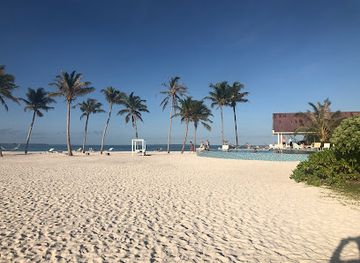
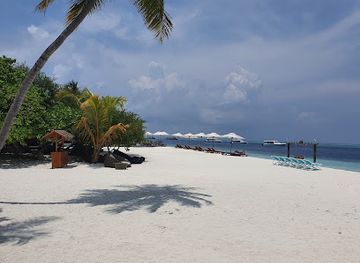
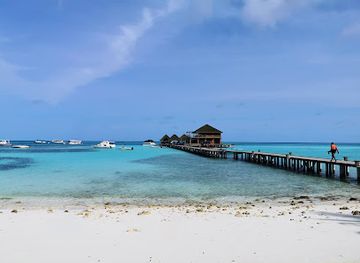
Haa Alif Atoll’s attractions are shaped by its reef geography, dispersed island communities and distinguished northern history. Utheemu Ganduvaru on Utheemu is the principal heritage visit, offering an insight into traditional timber architecture and the island’s connection with Sultan Mohamed Thakurufaanu. Other inhabited islands provide a more everyday perspective through harbours, mosques, home gardens, small cafés and local guesthouses rather than formal tourist complexes. The marine environment is the atoll’s largest recreational asset: snorkelling, scuba diving, fishing, sunset cruises and sandbank excursions reveal coral formations, lagoon channels and the life of the surrounding reefs. Resorts on private islands can provide structured watersports and boat excursions, while guesthouses on local islands offer a more community-based base for exploring nearby waters. Beaches are often quiet, but conditions vary between exposed ocean shores and sheltered lagoon edges. Visitors interested in wildlife should rely on responsible local operators, since sightings of rays, turtles, reef fish and other marine life are seasonal and never guaranteed. The region is best experienced slowly, with time for both organised water activities and unplanned observation of northern island life.
-
Island
Manafaru
Explore the unspoiled beauty of Manafaru Island, a hidden paradise in the Maldives known for its stunning beaches and vibrant marine life.
-
SCUBA tour agency
Vashafaru Dive & Water Sports
Explore the stunning underwater paradise of the Maldives with exclusive diving experiences at Vashafaru Dive & Water Sports.
-
Island
Vashafaru
Discover Vashafaru, a tranquil island in the Maldives, where authentic local culture meets stunning natural beauty and welcoming hospitality.
-
Island
Baarah
Experience the tranquil charm of Baarah Island in the Maldives, where pristine beaches meet vibrant culture for an unforgettable escape.
Explore Haa Alif Atoll on the map
Plan your trip on one map. See where the top cities, national parks and sights are, and book hotels and experiences in a few clicks.
Best hotels in Haa Alif Atoll
Best restaurants in Haa Alif Atoll
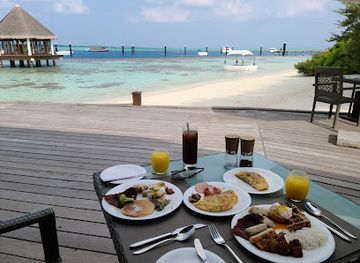
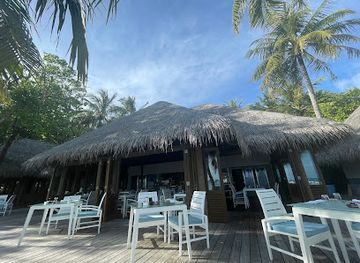
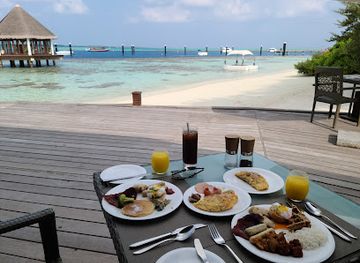
Dining in Haa Alif Atoll ranges from resort restaurants with international menus to guesthouse meals, cafés and small local eateries on inhabited islands. Maldivian cooking commonly centres on rice, tuna and other fish, coconut, chilli, lime and curry leaves, with dishes such as mas huni, fish curries, grilled seafood and savoury snacks appearing in different forms. Breakfasts may include shredded smoked tuna with coconut and flatbread, while tea shops provide short eats and sweet or milky tea during the day. Resort kitchens offer a wider choice, including seafood, vegetarian dishes and familiar international food, but prices and availability reflect the logistics of importing supplies to a remote atoll. On local islands, restaurant choice is limited and meals may need to be ordered in advance through a guesthouse. Alcohol is not served on inhabited islands under Maldivian regulations, although licensed resorts can offer it. Visitors should mention dietary requirements early and avoid wasting food or bottled water, both of which require significant transport to the far north.
-
Restaurant
Matheefaru Restaurant
Experience exquisite Maldivian cuisine with stunning ocean views at Matheefaru Restaurant in Dhonakulhi.
-
Restaurant
Sunset Pool Cafe
Experience exquisite seafood dining against breathtaking Maldivian sunsets at Sunset Pool Cafe on Utheemu Island.
-
Grill
Meeru Bar
Experience exquisite grill cuisine amidst breathtaking views at Meeru Bar in the stunning Maldives.
-
Restaurant
Mannam Cafe & Restaurant
Experience the vibrant flavors and stylish ambiance at Mannam Cafe & Restaurant in Kulhudhuffushi, Maldives – a culinary haven for every traveler.
Best bars in Haa Alif Atoll
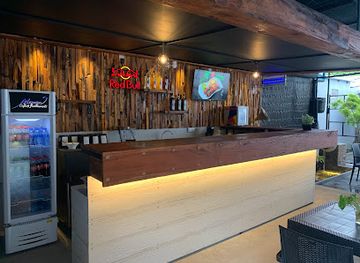
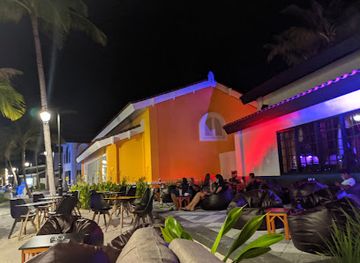
Haa Alif Atoll does not have a conventional nightclub circuit. Evening life on inhabited islands is centred on guesthouse dining rooms, cafés, tea shops, harbour walks, family gatherings and occasional community events, with the atmosphere generally quiet after dinner. Licensed private resorts provide the region’s principal bar culture, including lounges, beach settings, music and evening entertainment, although the exact offer varies by property and season. Alcohol is prohibited on inhabited local islands, so it should not be expected in Dhidhdhoo, Utheemu or other community settlements. Instead, visitors can spend evenings on organised night-fishing trips, watching the sunset from a boat, stargazing away from bright urban lights or talking with hosts about island life. Respect local prayer times and community routines, and keep noise low near homes and religious buildings. The appeal of Haa Alif after dark lies in its maritime quiet and clear northern skies rather than late-night venues.
-
 Resort hotel
Hideaway Beach Resort & Spa Maldives
Experience luxury and tranquility at Hideaway Beach Resort & Spa Maldives, your perfect island escape with pristine beaches and world-class amenities.
-
Restaurant
Vilu Restaurant & Bar
Experience culinary artistry and breathtaking ocean views at Vilu Restaurant & Bar in the heart of the Maldives.
-
Restaurant
Matheefaru Restaurant
Discover culinary excellence at Matheefaru Restaurant, where Maldivian flavors meet international cuisine amidst stunning ocean views.
-
Hotel
Hideaway Water vilas
Discover the tranquil beauty of Hideaway Water Villas in Utheemu, Maldives - a serene retreat with luxurious accommodations and stunning ocean views.

Best nightclubs in Haa Alif Atoll
Haa Alif Atoll does not have a conventional nightclub circuit. Evening life on inhabited islands is centred on guesthouse dining rooms, cafés, tea shops, harbour walks, family gatherings and occasional community events, with the atmosphere generally quiet after dinner. Licensed private resorts provide the region’s principal bar culture, including lounges, beach settings, music and evening entertainment, although the exact offer varies by property and season. Alcohol is prohibited on inhabited local islands, so it should not be expected in Dhidhdhoo, Utheemu or other community settlements. Instead, visitors can spend evenings on organised night-fishing trips, watching the sunset from a boat, stargazing away from bright urban lights or talking with hosts about island life. Respect local prayer times and community routines, and keep noise low near homes and religious buildings. The appeal of Haa Alif after dark lies in its maritime quiet and clear northern skies rather than late-night venues.
-
Bar
Thila Bar
Experience tropical bliss at Thila Bar on Hondaafushi Island, where refreshing drinks meet stunning beachfront views.
-
Grill
Meeru Bar
Discover the ultimate dining experience at Meeru Bar in the Maldives, where grilled delights meet stunning ocean views.
-
Lounge
Island Lounge Maldives
Experience the vibrant ambiance and tropical cocktails at Island Lounge Maldives, the perfect spot for relaxation and socializing.
-
Lounge
Manta Lounge
Discover tranquility at Manta Lounge in Huraa, where exquisite cocktails and serene views create the perfect escape in the Maldives.
Best shops in Haa Alif Atoll
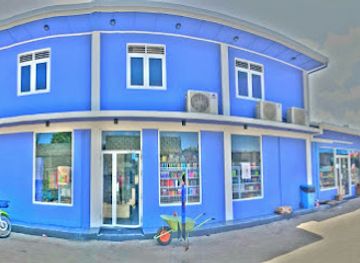
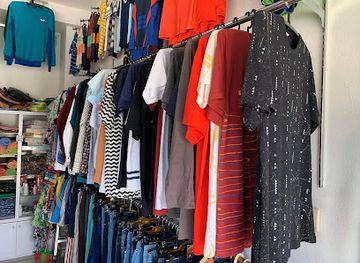
Shopping in Haa Alif Atoll is modest and locally focused rather than centred on large retail districts. Inhabited islands have small general shops, cafés and market-style outlets selling daily necessities, snacks, drinks and household goods, while resort boutiques offer a limited selection of clothing, gifts and travel items. Useful local purchases may include packaged Maldivian foods, dried or preserved fish products, coconut-based items and small handicrafts, although provenance and quality vary and visitors should avoid buying anything made from protected marine life or coral. Utheemu and other community islands may have independent workshops or home-based craft activity, but availability is not as predictable as in Malé. Guesthouses can often suggest reputable local makers and arrange purchases directly. Carrying modest rufiyaa is helpful for small transactions, and opening arrangements may be informal, especially outside the main administrative settlements. The most meaningful souvenirs are usually lightweight products made by local artisans or photographs and memories of the atoll, rather than shells, coral or wildlife collected from the reefs.
-
Shopping mall
Dhanbukuri
Discover the vibrant shopping experience at Dhanbukuri in Ihavandhoo, where local culture meets commerce in a lively setting.
-
Clothing store
Bellacy
Explore Bellacy in Hoarafushi for trendy clothing and unique accessories, capturing the essence of Maldivian style in every piece.
-
Hardware store
Sea View
Experience local life at Sea View, a charming hardware store in Hoarafushi, Maldives, offering tools, supplies, and a glimpse into community spirit.
-
Store
Home Collection
Explore Home Collection in Ihavandhoo for unique Maldivian crafts, souvenirs, and essentials that embody the island's vibrant culture.
Get your free copy of our complete guide to Haa Alif Atoll, delivered straight to you.
Everything on this page, from attractions and restaurants to essentials and local phrases, in one PDF you can read offline, print or share.
Already have an account? Sign in
Your Haa Alif Atoll guide is ready.
We'll send it to · Not you? Sign out

Getting your guide ready…
We are putting together a fresh copy of the Haa Alif Atoll guide. This can take up to a minute.
This can take a few moments. If your browser asks, choose Allow so the download can start. You'll find the guide in your Downloads folder.
Nothing happened? Download it again
Sorry, the guide is taking longer than usual. Please try again in a minute, or get it by email instead.
Haa Alif Atoll essentials
Currency and Payment
Safety
Emergency Situations
Do's and Don'ts
Local Tips
From Eve
Local phrases worth knowing
You don't need to get them perfect. A few words go a long way, and locals appreciate the effort.
Basics
| English | Local | Say it |
|---|---|---|
| Hello | Assalamu Alaikum | [As-salamu alaykum] |
| Goodbye | Allah hafiz | [Allah hafiz] |
| Yes | Udha | [Udha] |
| No | Naa | [Naa] |
| Please/You're welcome | Thibaage thibaageh | [Thibaage thibaageh] |
| Thank you | Shukuriyaa | [Shukuriyaa] |
| Excuse me/Sorry | Maaf thibaageh | [Maaf thibaageh] |
| How are you? | Thibaageh kihineiy? | [Thibaageh kihineiy?] |
| Fine. And you? | Thibaageh miadhu kihineiy? | [Thibaageh miadhu kihineiy?] |
| Do you speak English? | Inglish dhihun thibaageh? | [Inglish dhihun thibaageh?] |
| I don't understand | Thibaageh dhari kihineiy | [Thibaageh dhari kihineiy] |
Eating & Drinking
| English | Local | Say it |
|---|---|---|
| I'd like to see the menu, please | Thibaageh menu thibaageh miadhu kihineiy | [Thibaageh menu thibaageh miadhu kihineiy] |
| I don't eat meat | Thibaageh mas hithun dhari kihineiy | [Thibaageh mas hithun dhari kihineiy] |
| Cheers! | Kihineiy! | [Kihineiy!] |
| I would like to pay, please | Thibaageh thibaageh dhathuru kihineiy | [Thibaageh thibaageh dhathuru kihineiy] |
Emergencies
| English | Local | Say it |
|---|---|---|
| Help! | Thibaageh hithun! | [Thibaageh hithun!] |
| Go away! | Hithun dhana! | [Hithun dhana!] |
| Call the Police! | Police dhihun! | [Police dhihun!] |
| Call a doctor! | Doctor dhihun! | [Doctor dhihun!] |
| I'm lost | Thibaageh dhari kihineiy | [Thibaageh dhari kihineiy] |
| I'm ill | Thibaageh thibaageh baajjeh | [Thibaageh thibaageh baajjeh] |
Shopping
| English | Local | Say it |
|---|---|---|
| I'd like to buy... | Thibaageh ... kihineiy | [Thibaageh ... kihineiy] |
| I'm just looking | Thibaageh miadhu kihineiy | [Thibaageh miadhu kihineiy] |
| How much is it? | Kihineiy thibaageh miadhu dhana? | [Kihineiy thibaageh miadhu dhana?] |
| That's too expensive | Thibaageh dhana miadhu | [Thibaageh dhana miadhu] |
| Can you lower the price? | Thibaageh dhana thibaageh miadhu kihineiy? | [Thibaageh dhana thibaageh miadhu kihineiy?] |
Time & Numbers
| English | Local | Say it |
|---|---|---|
| What time is it? | Kihineiy kihineiy? | [Kihineiy kihineiy?] |
| It's one o'clock | Thibaageh ekku kihineiy | [Thibaageh ekku kihineiy] |
| Half past (10) | Dhekunu (10) | [Dhekunu (10)] |
| Morning | Baajjeh | [Baajjeh] |
| Afternoon | Thibaageh jehey | [Thibaageh jehey] |
| Evening | Thibaageh dhehey | [Thibaageh dhehey] |
| Yesterday | Dheh thibaageh | [Dheh thibaageh] |
| Today | Thibaageh thibaageh | [Thibaageh thibaageh] |
| Tomorrow | Thibaageh maa thibaageh | [Thibaageh maa thibaageh] |
| 1 | Ekku | [Ekku] |
| 2 | Dhi | [Dhi] |
| 3 | Thun | [Thun] |
| 4 | Ney | [Ney] |
| 5 | Thih | [Thih] |
| 6 | Vey | [Vey] |
| 7 | Haa | [Haa] |
| 8 | Hath | [Hath] |
| 9 | Neyth | [Neyth] |
| 10 | Dhuva | [Dhuva] |
Transport & Directions
| English | Local | Say it |
|---|---|---|
| Where's a/the...? | Kihineiy ...? | [Kihineiy ...?] |
| What's the address? | Thibaageh address kihineiy? | [Thibaageh address kihineiy?] |
| Can you show me (on the map)? | Thibaageh map thibaageh kihineiy? | [Thibaageh map thibaageh kihineiy?] |
| When's the next (bus)? | Thibaageh bus kihineiy? | [Thibaageh bus kihineiy?] |
| A ticket (to ....) | Thibaageh ticket (to ...) | [Thibaageh ticket (to ...)] |
History of Haa Alif Atoll
Early settlement and the Buddhist Maldives
The islands of Haa Alif Atoll formed part of the wider settlement history of the Maldives, where communities adapted to narrow coral islands, freshwater limitations and a maritime economy. Before the conversion to Islam in the twelfth century, the Maldivian archipelago followed Buddhist traditions, and archaeological remains elsewhere in the northern atolls indicate the importance of earlier settlement networks. In Haa Alif, later building and occupation have obscured much of the early archaeological record, but the atoll’s position near northern sea routes helped connect its islands with wider movements of people and goods across the Indian Ocean.
The conversion to Islam and island sultanates
The Maldives adopted Islam in the twelfth century, a transformation that shaped political authority, architecture, law and daily life across every atoll. In Haa Alif, mosques, burial grounds, traditional island leadership and the organisation of settlements reflect this long Islamic heritage. Religious buildings were commonly constructed and repaired using local timber, coral stone and imported materials, while atoll communities developed their own relationships with scholars, boatmen and ruling families. The Islamic era did not erase earlier maritime connections; instead, it placed northern Maldivian islands within a new political and commercial order centred on the sultanate.
Utheemu and Sultan Mohamed Thakurufaanu
Utheemu is closely associated with Sultan Mohamed Thakurufaanu, one of the most important figures in Maldivian history. In the sixteenth century, he led resistance to Portuguese control and is remembered for helping restore Maldivian sovereignty after a period of foreign domination. Utheemu Ganduvaru, a traditional timber palace on Utheemu, is linked with the Thakurufaanu family and offers a tangible connection with this period. The site’s significance is both political and architectural: it illustrates the scale and materials of elite island residences before modern construction transformed the appearance of Maldivian settlements.
Maritime trade, fishing and inter-island society
For centuries, Haa Alif’s communities depended on the sea for far more than food. Fishing, coconut products, boatbuilding and the movement of people between islands connected the atoll with Malé and with trading routes across the Indian Ocean. Dhonis, the traditional Maldivian boats, enabled travel through lagoons and between reef passages, while island communities maintained distinctive skills in carpentry, net making and the preparation of preserved fish. Although modern engines, telecommunications and air transport have changed the pace of life, fishing and maritime knowledge remain important elements of Haa Alif’s social and economic identity.
The British protectorate and the modern state
In the late nineteenth century, the Maldives became a British protectorate while retaining its sultanate and internal administration. The arrangement linked the islands more closely to British Indian Ocean networks without turning the Maldives into a conventional colony. After independence in 1965 and the establishment of the republic in 1968, national administration, education, communications and transport gradually expanded across the atolls. Haa Alif’s present administrative structure, including Dhidhdhoo as its capital, belongs to this modern period of state-building, when remote northern communities became more closely connected to national institutions.
Tourism and contemporary northern development
Maldives tourism began in the central atolls in the 1970s and later extended to more distant regions, including the far north. Haa Alif now combines private resort islands with inhabited islands where guesthouses and small tourism businesses offer access to reefs and local culture. Airports, improved harbour facilities, mobile communications and inter-island transport have reduced the atoll’s isolation, although distances and weather still shape everyday travel. The contemporary challenge is to balance tourism and infrastructure development with lagoon ecology, freshwater resources, waste management and the cultural character of island communities.
Haa Alif Atoll in Photos
Browse through our photo collection highlighting the charm and character of the destination.
Neighbouring regions of Haa Alif Atoll
The closest regions to Haa Alif Atoll, if you have time for more than one.
-

-

-

-

-


Swipe for more regions

