

Free Haa Dhaalu Atoll Travel Guide & Mobile App
Explore Haa Dhaalu Atoll with free travel guides. Discover regional history, expert tips, proposed trips, and audio guides on web or mobile app.


Explore Haa Dhaalu Atoll for coral reefs, mangroves, island communities, northern Maldivian culture and quieter ocean-based adventures.
Read more about Haa Dhaalu Atoll
When is the best time to visit Haa Dhaalu Atoll?
Best: December–February · 30°C| Month | High (°C) | Rainfall (mm) |
|---|---|---|
| January (best) | 30 | 100 |
| February (best) | 30 | 75 |
| March | 30 | 100 |
| April | 31 | 150 |
| May | 31 | 200 |
| June | 31 | 200 |
| July | 31 | 175 |
| August | 31 | 150 |
| September | 31 | 175 |
| October | 30 | 200 |
| November | 30 | 150 |
| December (best) | 30 | 100 |
Getting to and around Haa Dhaalu Atoll
How to get there
Transportation
Best attractions in Haa Dhaalu Atoll
Haa Dhaalu's attractions are primarily environmental and community-based. Hanimaadhoo combines a long island shoreline with village roads, coconut groves and access to snorkelling, diving, fishing and dolphin excursions. Kulhudhuffushi offers a more urban experience, with a busy harbour, local shops and the island's notable mangrove environment, where guided visits can introduce the relationship between wetlands, reefs and settlement. Dhidhdhoo and smaller inhabited islands provide opportunities for respectful walks through residential areas, visits to harbours and conversations about fishing and island life when arranged through local hosts. Offshore reefs are the main draw for water enthusiasts, with visibility and marine life varying according to season and site. Visitors can also look for guesthouse-led cooking, fishing or handicraft experiences rather than expecting a large concentration of formal museums or theme attractions. The region's appeal lies in combining reef time with an understanding of how northern Maldivian communities work, worship and travel. Environmental conditions should be treated as part of the experience: coral, mangroves, beaches and lagoons are living systems, not merely scenery.
-
Historical landmark
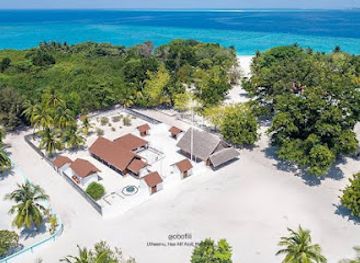
Utheemu Gan'duvaru
Discover Utheemu Gan'duvaru, a historical landmark in the Maldives, rich in culture and heritage, perfect for history enthusiasts and curious travelers.
-
Tourist attraction
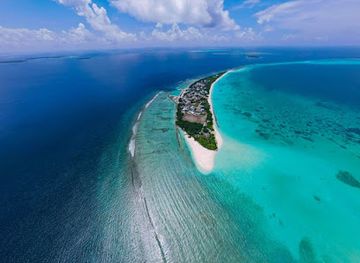
Bikini Beach
Discover Bikini Beach in Vashafaru, a tropical paradise offering stunning views, vibrant atmosphere, and thrilling water sports in the Maldives.
-
Tourist attraction
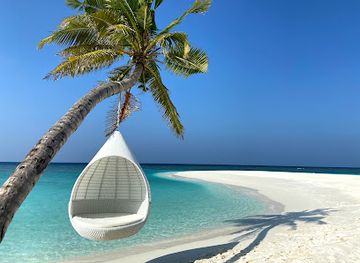
North point
Experience the serene beauty of North Point in Thakandhoo, a tranquil escape in the Maldives perfect for relaxation and exploration.
-
Tourist attraction
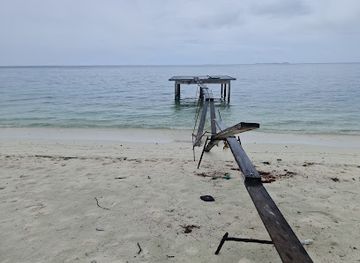
Heydi Feydi Jetty
Discover the serene beauty of Heydi Feydi Jetty in Uligan, Maldives—your gateway to adventure and tranquility in paradise.
Explore Haa Dhaalu Atoll on the map
Plan your trip on one map. See where the top cities, national parks and sights are, and book hotels and experiences in a few clicks.
Best hotels in Haa Dhaalu Atoll
Best restaurants in Haa Dhaalu Atoll
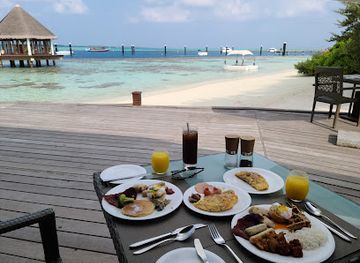
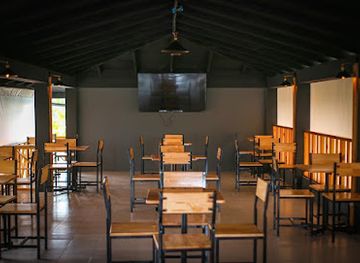
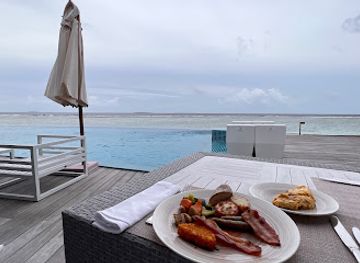
Dining in Haa Dhaalu is centred on Maldivian home cooking, guesthouse meals, cafés and a smaller number of hotel and resort restaurants rather than a large independent restaurant scene. Tuna is central to many savoury dishes and may appear with rice, coconut, chilli, curry leaves or flatbreads; short eats such as filled pastries and fish-based snacks are common accompaniments to tea. Kulhudhuffushi and Hanimaadhoo offer the widest choice of cafés and everyday meals, while smaller islands may require visitors to arrange food through their accommodation. Fresh fish, coconut and locally prepared curries provide a stronger sense of place than imported international menus. Resorts and eco-oriented hotels may supplement Maldivian dishes with familiar European and Asian cooking, but advance notice is useful for dietary requirements. Alcohol is not part of the social setting on inhabited islands and is generally restricted to licensed resort environments.
-
Restaurant
Matheefaru Restaurant
Discover exquisite Maldivian cuisine at Matheefaru Restaurant, where every meal is a feast for the senses amidst stunning ocean views.
-
Restaurant
Break Time Cafe’ & Restaurent
Experience culinary bliss at Break Time Cafe’ & Restaurant in Hanimaadhoo – where local flavors meet international cuisine.
-
Restaurant
Sunset Pool Cafe
Experience exquisite seafood dining with stunning sunset views at Sunset Pool Cafe on Utheemu Island in Maldives.
-
Grill
Meeru Bar
Discover culinary bliss at Meeru Bar in the Maldives—where exquisite grilled dishes meet stunning ocean views.
Best bars in Haa Dhaalu Atoll
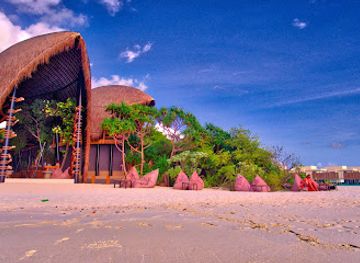
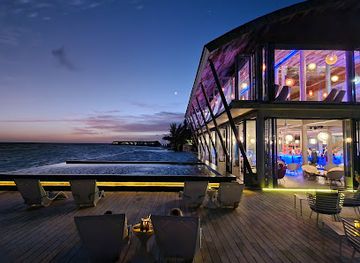
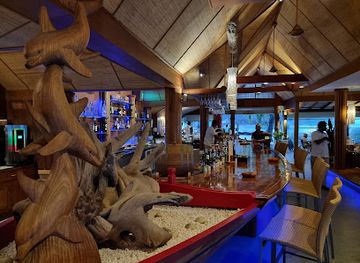
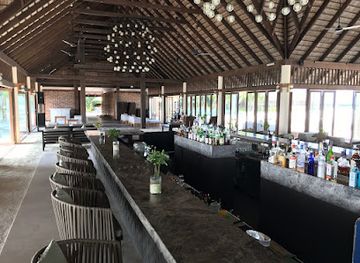
Haa Dhaalu does not have a conventional nightclub circuit. On inhabited islands, evenings generally revolve around cafés, family visits, harbour walks, football, conversation and guesthouse dining rather than late-night entertainment. Hanimaadhoo and Kulhudhuffushi have the broadest selection of local cafés, although opening arrangements and menus can change. Some accommodation providers organise informal cultural evenings, fishing excursions or quiet gatherings, while resort properties may offer a bar, sunset drinks and occasional music for guests. Alcohol is not available in ordinary island cafés and is generally confined to licensed resort settings. The atmosphere is better suited to stargazing, listening to the sea and enjoying a slow meal than to clubbing, and visitors should respect residential quiet, Islamic customs and early working hours in local communities.
-
Bar
Haali Bar (Sunset Bar)
Experience the enchanting sunsets at Haali Bar, a premier bar in Dhigali Maldives offering exquisite cocktails and stunning ocean views.
-
Bar
Laguna Bar Kuramathi
Experience the tropical charm of Laguna Bar Kuramathi, where relaxation meets stunning ocean views and delightful drinks.
-
Bar
Fung Bar
Experience the vibrant atmosphere of Fung Bar in Rasdhoo, where expertly crafted cocktails and lively entertainment await you.
-
Bar
Thundi Bar
Discover the vibrant Thundi Bar in Rasdhoo, where exquisite cocktails meet stunning views and an inviting atmosphere under the Maldives' starry skies.
Best nightclubs in Haa Dhaalu Atoll
Haa Dhaalu does not have a conventional nightclub circuit. On inhabited islands, evenings generally revolve around cafés, family visits, harbour walks, football, conversation and guesthouse dining rather than late-night entertainment. Hanimaadhoo and Kulhudhuffushi have the broadest selection of local cafés, although opening arrangements and menus can change. Some accommodation providers organise informal cultural evenings, fishing excursions or quiet gatherings, while resort properties may offer a bar, sunset drinks and occasional music for guests. Alcohol is not available in ordinary island cafés and is generally confined to licensed resort settings. The atmosphere is better suited to stargazing, listening to the sea and enjoying a slow meal than to clubbing, and visitors should respect residential quiet, Islamic customs and early working hours in local communities.
-
Bar
Thila Bar
Thila Bar: A Tropical Retreat on Hondaafushi Island Offering Exquisite Drinks and Breathtaking Views.
-
Grill
Meeru Bar
Experience the exquisite grilled flavors of Meeru Bar in the Maldives, where culinary delights meet breathtaking ocean views.
-
Lounge
JA Manafaru - Utheemu Gallery
Discover the serene beauty of JA Manafaru - Utheemu Gallery, a luxurious lounge showcasing Maldivian culture and art.
-
Night club
Reyva
Experience electrifying nightlife at Reyva, Nolhivaranfaru's premier night club with vibrant music and incredible cocktails.
Best shops in Haa Dhaalu Atoll
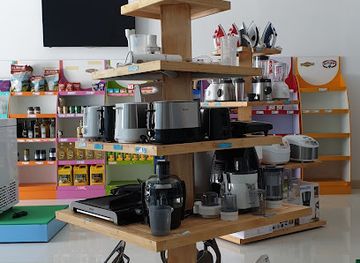
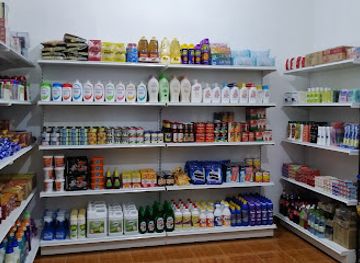
Shopping in Haa Dhaalu is practical and locally focused rather than centred on major retail complexes. Kulhudhuffushi has the broadest range of shops and services, while Hanimaadhoo and other inhabited islands offer small groceries, general stores, cafés and modest outlets selling household goods, clothing and travel necessities. Visitors may find packaged Maldivian snacks, dried or preserved fish products, coconut-based items and small locally made souvenirs, although selection varies and many goods are imported. Local markets and harbour areas are useful for observing everyday commerce, but they are not permanent tourist bazaars with fixed opening patterns. Guesthouses can sometimes suggest craftspeople or arrange informal purchases directly from residents. Avoid buying coral, shells or products made from protected marine life. For a wider choice of gifts, resort shops and Malé provide more reliable retail options, but Haa Dhaalu's strongest shopping experience is seeing how island communities obtain and exchange ordinary goods.
-
Shopping mall
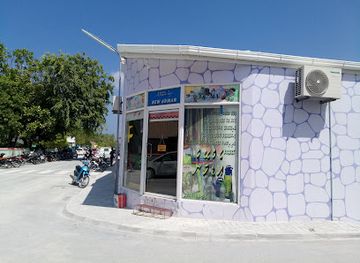
New Adman
Explore New Adman in Kulhudhuffushi, a vibrant shopping mall offering local crafts, contemporary fashion, and a taste of Maldivian culture.
-
Grocery store
Satheyka Plus
Discover quality groceries and unique finds at Satheyka Plus, your go-to store in Kulhudhuffushi for all essentials and specialties.
-
Shopping mall
STO Kulhudhuffushi Shop
Experience local Maldivian culture through shopping at the vibrant STO Kulhudhuffushi Shop, offering unique crafts and popular brands.
-
Shopping mall
Cirrus Mart
Explore Cirrus Mart in Vaikaradhoo for a unique shopping experience blending local culture and modern retail.

Get your free copy of our complete guide to Haa Dhaalu Atoll, delivered straight to you.
Everything on this page, from attractions and restaurants to essentials and local phrases, in one PDF you can read offline, print or share.
Already have an account? Sign in
Your Haa Dhaalu Atoll guide is ready.
We'll send it to · Not you? Sign out

Getting your guide ready…
We are putting together a fresh copy of the Haa Dhaalu Atoll guide. This can take up to a minute.
This can take a few moments. If your browser asks, choose Allow so the download can start. You'll find the guide in your Downloads folder.
Nothing happened? Download it again
Sorry, the guide is taking longer than usual. Please try again in a minute, or get it by email instead.
Haa Dhaalu Atoll essentials
Currency and Payment
Safety
Emergency Situations
Do's and Don'ts
Local Tips
History of Haa Dhaalu Atoll
Early settlement and Buddhist-era Maldives
The islands of Haa Dhaalu formed part of the wider settlement world of the Maldives long before written records became extensive. Seafaring communities used the atoll's reefs and channels for fishing, inter-island travel and exchange, while coconut products and other marine resources supported everyday life. Across the archipelago, archaeological traces indicate a pre-Islamic Buddhist period, although the low-lying islands have preserved fewer monumental remains than larger South Asian sites. In Haa Dhaalu, the most enduring legacy of this earlier period is the continuity of settlement, boat knowledge and maritime adaptation rather than a single monumental ruin.
The conversion to Islam and island society
The Maldives adopted Islam in the twelfth century, transforming religious practice, political authority and patterns of community life across the archipelago, including Haa Dhaalu. Mosques became central landmarks on inhabited islands, while Islamic learning and customary law shaped social organisation. The conversion did not erase older maritime practices: fishing, coconut cultivation, boatbuilding and inter-island trade continued under the new religious framework. Present-day island life, from mosque attendance to modest dress and communal customs, reflects this long historical development as part of the Maldivian national tradition.
Sultanate-era maritime networks
For centuries, Haa Dhaalu's islands were connected to the Maldivian sultanate through tribute, administration and movement by sailing vessel. The atoll's position in the northern archipelago placed it within routes linking fishing grounds and island communities with the capital region and, indirectly, with wider Indian Ocean commerce. Copra, coconut fibre, dried fish and other products were valuable in an economy organised around the sea. Harbours and boat landings therefore mattered as much as roads, and many contemporary settlements still face the lagoon or channel that historically provided their principal route of communication.
Colonial influence and the modern state
Maldives became a British protected state in the late nineteenth century while retaining its sultanate and internal institutions. The arrangement brought greater involvement in regional maritime administration and foreign relations but did not turn Haa Dhaalu into a conventional mainland colony. After independence in 1965 and the establishment of the republic in 1968, national government expanded services across the atolls. Schools, councils, public health provision and improved communications gradually altered island life, while fishing and family networks remained important foundations of local society.
Fishing, coconut production and changing livelihoods
Traditional livelihoods in Haa Dhaalu have combined pole-and-line tuna fishing, reef fishing, coconut cultivation and the processing of coconut fibre. These activities required detailed knowledge of currents, seasons and reef passages, and they encouraged strong links between neighbouring islands. In the modern period, employment in government, education, transport, tourism and construction has broadened the local economy. Even where commercial work has changed, harbours, fishing boats, drying areas and coconut landscapes continue to make the atoll's relationship with the sea visible.
Air links and contemporary tourism
The development of Hanimaadhoo International Airport and Kulhudhuffushi Airport marked an important change in Haa Dhaalu's connection with the rest of the Maldives. Air travel reduced reliance on long sea journeys for residents and made northern community tourism more accessible to visitors. Guesthouses, eco-oriented accommodation and excursions now complement established island industries rather than replacing them entirely. Tourism remains closely tied to reef health, beach conditions and reliable transport, giving environmental stewardship and climate resilience particular importance in the atoll's future.
Haa Dhaalu Atoll in Photos
Browse through our photo collection highlighting the charm and character of the destination.
Neighbouring regions of Haa Dhaalu Atoll
The closest regions to Haa Dhaalu Atoll, if you have time for more than one.
-

-

-

-

-


Swipe for more regions
Explore more

Explore more of Maldives
Experience the unparalleled beauty of the Maldives, where pristine beaches, luxurious resorts, and vibrant marine life create the perfect tropical getaway.
Explore Maldives