

Free Bamako District Travel Guide & Mobile App
Explore Bamako District with free travel guides. Discover regional history, expert tips, proposed trips, and audio guides on web or mobile app.


Bamako District combines Niger River scenery, Malian music, museums, markets and urban culture in the country’s south-western capital.
Read more about Bamako District
When is the best time to visit Bamako District?
Best: December–February · 30–33°C| Month | High (°C) | Rainfall (mm) |
|---|---|---|
| January (best) | 30 | 0 |
| February (best) | 33 | 0 |
| March | 36 | 1 |
| April | 38 | 5 |
| May | 37 | 15 |
| June | 33 | 50 |
| July | 30 | 150 |
| August | 30 | 200 |
| September | 32 | 100 |
| October | 34 | 30 |
| November | 33 | 2 |
| December (best) | 30 | 0 |
Getting to and around Bamako District
How to get there
Transportation
Top city travel guides in Bamako District
The cities of Bamako District, and the easiest places to base yourself.

Swipe for more cities
Best attractions in Bamako District
Bamako’s attractions are primarily urban and cultural rather than a collection of grand monuments. The National Museum of Mali is the essential starting point for understanding the country’s archaeology, textiles and artistic traditions, while cultural centres, galleries and performance spaces reflect the capital’s continuing importance in Malian music and the arts. Markets such as Marché Rose offer an intense introduction to commerce, craft goods and daily life, though they require alertness and sensitivity when taking photographs. The Niger River provides changing views across the city and supports fishing, gardening and local transport, but riverside activities should be arranged with trusted local guidance. The hills around Point G and Koulouba offer a different perspective on the capital, although access and security should be checked before setting out. Mosques, public squares, craft workshops and neighbourhood streets reveal layers of religious, political and commercial life, while the city’s restaurants and music venues provide a contemporary counterpoint to its museums. Bamako is also a practical place to arrange carefully managed excursions elsewhere in Mali, but attractions beyond the district should not be treated as casual day trips given current security and transport conditions.
-
Heritage museum
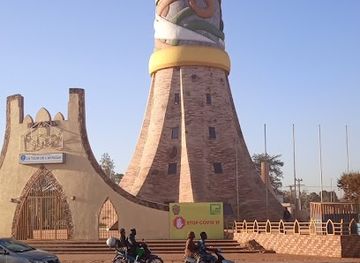
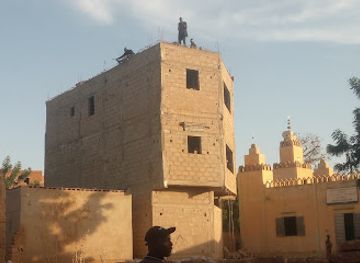
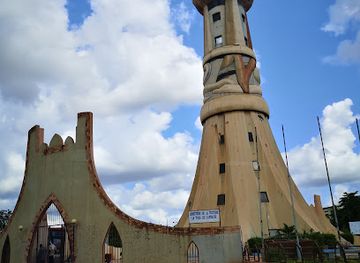
Tower Of Africa
Discover the Tower of Africa in Bamako, a heritage museum celebrating unity, culture, and breathtaking views of the Malian landscape.
-
Tourist attraction
Mali National Park.
Experience the rich biodiversity and serene landscapes of Mali National Park, a must-visit destination near Bamako for nature lovers and adventurers.
-
Tourist attraction
ZOO NATIONAL DU MALI
Discover the vibrant wildlife and conservation efforts at Zoo National du Mali in Bamako, a must-visit for families and nature lovers alike.
-
Tourist attraction
National Museum
Explore the National Museum of Bamako, a hub of Mali's rich cultural heritage, showcasing art and artifacts that tell the story of its diverse history.


Best landmarks in Bamako District
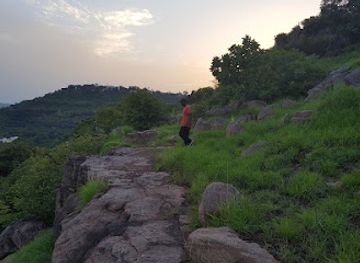
The Niger River is Bamako’s defining geographical landmark, dividing and connecting the capital while supporting transport, fishing and riverside cultivation. Its bridges and banks provide some of the city’s most recognisable urban views, although visitors should seek local advice before stopping in isolated areas. Point G and the Koulouba hills form a rocky backdrop to the capital and help explain its setting between river plains and elevated ground. The National Museum of Mali is an important contemporary landmark as well as a cultural institution, with architecture and collections devoted to the country’s long artistic and archaeological history. Bamako’s Grand Mosque is a prominent religious building, but non-Muslim visitors should ask about appropriate access and dress before approaching or entering. Public monuments and government buildings around the central districts express the political history of independent Mali, while markets and older commercial streets provide a more everyday urban identity. These landmarks are best understood together: the river represents geography, the hills define the setting, and the civic, religious and cultural buildings reflect Bamako’s role as national capital.
-
Stadium
26th of March Stadium
Explore the vibrant spirit of Mali at the 26th of March Stadium, a hub of sports and culture in the heart of Bamako.
-
Heritage museum
Tower Of Africa
Discover Mali's heritage at the Tower of Africa: art, history, and panoramic views await in Bamako's iconic landmark.
-
National park
Mali National Park.
Discover nature and culture in Mali's premier national park, a green escape near Bamako.
-
Grocery store
Shopreate Libre Service
Experience local flavors and everyday essentials at Shopreate Libre Service, your go-to grocery store in Bamako's vibrant Badalabougou neighborhood.
Explore Bamako District on the map
Plan your trip on one map. See where the top cities, national parks and sights are, and book hotels and experiences in a few clicks.
Best hotels in Bamako District
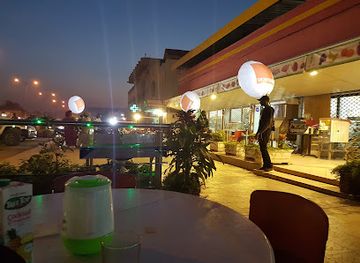
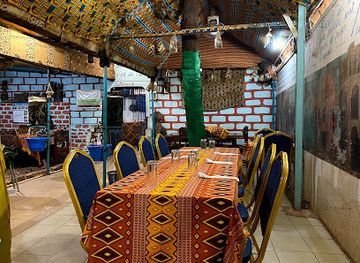
Best restaurants in Bamako District
Bamako’s dining scene combines everyday Malian cooking with French, West African and international influences. Rice served with sauces, tô made from millet or other grains, fonio, grilled meat, chicken, river fish and fried plantain are widely encountered, while cafés and bakeries reflect the country’s French colonial legacy. Street food and small local restaurants can provide the most direct introduction to ordinary eating habits, but visitors should choose busy, well-regarded establishments, ensure food is thoroughly cooked and take care with untreated water and ice. In central and more affluent neighbourhoods, restaurants serve regional dishes alongside Lebanese, French and other international cuisines. Tea remains an important social drink, and fresh fruit juices are common, though hygiene standards vary. Markets and food stalls are useful for seeing produce from Mali’s agricultural zones, including grains, vegetables and mangoes when in season. Tipping is not governed by a single regional rule; a modest amount for attentive service is appreciated where appropriate.
-
Restaurant
Amandine by Sel & Miel
Experience authentic Malian cuisine at Amandine by Sel & Miel - where every dish tells a story of flavor and tradition.
-
Restaurant
Alimentation Restaurant Siby
Savor authentic Malian dishes at Alimentation Restaurant Siby in Bamako - where every meal tells a story.
-
Restaurant
LE SAVANA
Discover authentic Malian cuisine at Le Savana in Bamako - where every dish tells a story.
-
Restaurant
Resto Bafing
Experience the true flavors of Mali at Resto Bafing – where authentic cuisine meets warm hospitality in Bamako.

Best bars in Bamako District
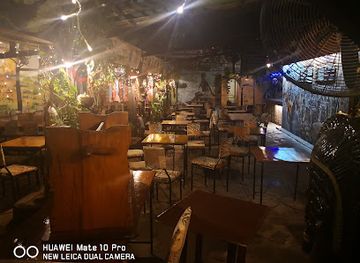
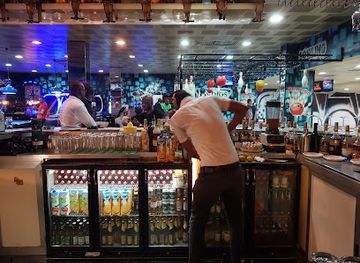
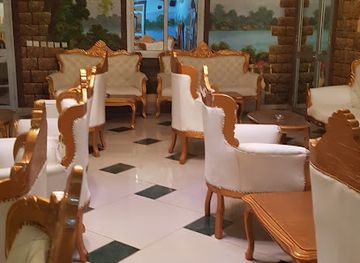
Bamako’s evening life is centred more on restaurants, music venues, cultural events and neighbourhood maquis than on a single concentrated club district. A maquis is an informal bar or eatery, often associated with grilled food, conversation and music, while larger hotels and established urban venues may offer live performances or dancing. Malian music is central to the city’s cultural identity, with traditional instruments and modern styles appearing in varying combinations. Nightlife arrangements and venue status can change, and security conditions make late movement a serious consideration. Visitors should use trusted transport, avoid walking through unfamiliar areas after dark and check locally whether a performance is taking place. Alcohol is available in some venues, but it is not necessary to participate in Bamako’s evening culture: tea, food, conversation and music are equally important parts of the city’s social life.
-
Restaurant
Le Byblos
Discover Le Byblos in Bamako: A unique blend of Lebanese dining, bowling, and nightlife for an unforgettable experience.
-
Lounge
B Lounge
Experience the vibrant nightlife of Bamako at B Lounge, where chic ambiance meets delicious drinks and live entertainment.
-
Lounge
B Lounge Golf
Discover the sophisticated charm of B Lounge Golf in Bamako, where relaxation meets vibrant nightlife and exquisite drink options await.
-
Bar
Bla Bla Bar
Discover the vibrant nightlife at Bla Bla Bar in Bamako, where local flavors and lively music create an unforgettable experience.


Best nightclubs in Bamako District
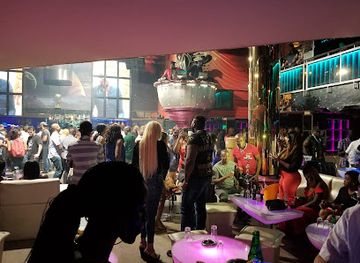
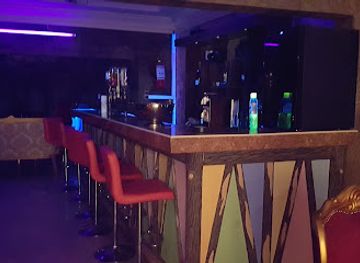
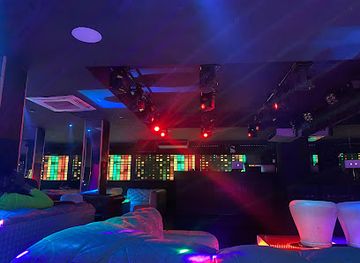
Bamako’s evening life is centred more on restaurants, music venues, cultural events and neighbourhood maquis than on a single concentrated club district. A maquis is an informal bar or eatery, often associated with grilled food, conversation and music, while larger hotels and established urban venues may offer live performances or dancing. Malian music is central to the city’s cultural identity, with traditional instruments and modern styles appearing in varying combinations. Nightlife arrangements and venue status can change, and security conditions make late movement a serious consideration. Visitors should use trusted transport, avoid walking through unfamiliar areas after dark and check locally whether a performance is taking place. Alcohol is available in some venues, but it is not necessary to participate in Bamako’s evening culture: tea, food, conversation and music are equally important parts of the city’s social life.
-
Disco club
Le Byblos
Experience the pulse of Bamako at Le Byblos, a dynamic disco club and Lebanese restaurant offering unforgettable nightlife, bowling, and hookah.
-
Lounge
B Lounge
Experience the vibrant nightlife of Bamako at B Lounge, a stylish retreat offering delicious cocktails and a lively atmosphere.
-
Night club
IBIZA CLUB
Discover the electrifying nightlife of Bamako at Ibiza Club, where music and dance come together in an unforgettable experience.
-
Night club
Éclipse
Experience the vibrant nightlife of Bamako at Éclipse, a premier night club where music, dance, and culture converge in an unforgettable atmosphere.

Best shops in Bamako District
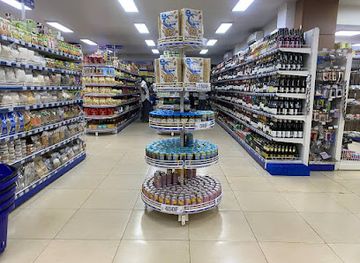
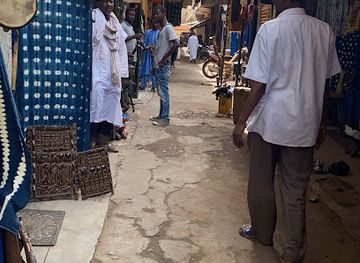
Shopping in Bamako ranges from large open markets and busy commercial streets to craft workshops, boutiques and food sellers. Marché Rose and nearby central markets are associated with cloth, household goods, jewellery, leatherwork and imported merchandise, while smaller craft outlets may offer textiles, carved objects, baskets, metalwork and contemporary Malian designs. Quality and provenance vary, so shoppers should ask what materials were used and whether an item is locally made. Bargaining is customary in many informal markets, but it should be conducted politely and without blocking busy trading spaces. Tailors can make garments from colourful West African fabrics, although visitors need to allow time for fittings and completion. Regional foods such as dried produce, spices, grains and tea are also sold, subject to customs and import restrictions in the traveller’s destination country. The district has modern supermarkets and hotel shops for practical purchases, but its most distinctive retail experiences are found in market commerce, local textiles and handmade goods rather than conventional luxury shopping.
-
Supermarket
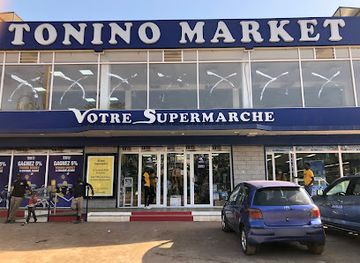
Supermarché Tonino Market
Experience the vibrant culture and culinary diversity at Supermarché Tonino Market, Bamako's premier supermarket for locals and tourists alike.
-
Supermarket
Tonino market hippodrome
Experience the rich flavors and vibrant culture at Tonino Market Hippodrome in Bamako, Mali, a must-visit supermarket for tourists.
-
Market
Ngolonina Artisan Market
Explore the Ngolonina Artisan Market in Bamako for unique crafts, local flavors, and a taste of Malian culture.
-
 Shopping mall
Artisanat Bamako Mali
Discover the vibrant culture of Mali at Artisanat Bamako, a premier shopping mall showcasing exquisite handcrafted goods and local artistry.
Get your free copy of our complete guide to Bamako District, delivered straight to you.
Everything on this page, from attractions and restaurants to essentials and local phrases, in one PDF you can read offline, print or share.
Already have an account? Sign in
Your Bamako District guide is ready.
We'll send it to · Not you? Sign out

Getting your guide ready…
We are putting together a fresh copy of the Bamako District guide. This can take up to a minute.
This can take a few moments. If your browser asks, choose Allow so the download can start. You'll find the guide in your Downloads folder.
Nothing happened? Download it again
Sorry, the guide is taking longer than usual. Please try again in a minute, or get it by email instead.
Bamako District essentials
Currency and Payment
Safety
Emergency Situations
Do's and Don'ts
Local Tips
From Eve
Local phrases worth knowing
You don't need to get them perfect. A few words go a long way, and locals appreciate the effort.
Basics
| English | Local | Say it |
|---|---|---|
| Hello | N'ba | [N'ba] |
| Goodbye | A bien tot | [A bye-an to] |
| Yes | Oui | [Wee] |
| No | Non | [Noh] |
| Please/You're welcome | S'il vous plaît | [Seel voo pleh] |
| Thank you | Merci | [Mehr-see] |
| Excuse me/Sorry | Pardon | [Par-don] |
| How are you? | Comment ça va? | [Koh-mahn sah vah] |
| Fine. And you? | Bien. Et toi? | [Byen. Eh twa] |
| Do you speak English? | Parlez-vous anglais? | [Par-lay voo ahn-glay] |
| I don't understand | Je ne comprends pas | [Zhuh nuh kom-prahn pah] |
Eating & Drinking
| English | Local | Say it |
|---|---|---|
| I'd like to see the menu, please | Je voudrais voir le menu, s'il vous plaît | [Zhuh voo-dray vwar luh meh-nu, seel voo pleh] |
| I don't eat meat | Je ne mange pas de viande | [Zhuh nuh mahnj pah duh vyahnd] |
| Cheers! | Santé! | [Sahn-tay] |
| I would like to pay, please | Je voudrais payer, s'il vous plaît | [Zhuh voo-dray pay-ay, seel voo pleh] |
Emergencies
| English | Local | Say it |
|---|---|---|
| Help! | Au secours! | [Oh se-kour] |
| Go away! | Allez-vous-en! | [Ah-lay voo-zahn] |
| Call the Police! | Appelez la police! | [Ah-peh-lay lah po-lees] |
| Call a doctor! | Appelez un docteur! | [Ah-peh-lay uhn dok-teur] |
| I'm lost | Je suis perdu | [Zhuh swee pair-doo] |
| I'm ill | Je suis malade | [Zhuh swee mah-lahd] |
Shopping
| English | Local | Say it |
|---|---|---|
| I'd like to buy... | Je voudrais acheter... | [Zhuh voo-dray ah-sheh-tay] |
| I'm just looking | Je regarde juste | [Zhuh reh-gard zhust] |
| How much is it? | C'est combien? | [Say kom-byen] |
| That's too expensive | C'est trop cher | [Say tro shair] |
| Can you lower the price? | Pouvez-vous baisser le prix? | [Poo-vay voo beh-say luh pree] |
Time & Numbers
| English | Local | Say it |
|---|---|---|
| What time is it? | Quelle heure est-il? | [Kel uhr eh-teel] |
| It's one o'clock | Il est une heure | [Eel eh oon uhr] |
| Half past (10) | Dix heures et demie | [Deeze uhr eh duh-mee] |
| Morning | Matin | [Mah-tan] |
| Afternoon | Après-midi | [Ah-pray mee-dee] |
| Evening | Soir | [Swahr] |
| Yesterday | Hier | [Ee-air] |
| Today | Aujourd'hui | [Oh-zhoor-dwee] |
| Tomorrow | Demain | [Duh-man] |
| 1 | Un | [Uhn] |
| 2 | Deux | [Duh] |
| 3 | Trois | [Twah] |
| 4 | Quatre | [Katr] |
| 5 | Cinq | [Sank] |
| 6 | Six | [Seez] |
| 7 | Sept | [Set] |
| 8 | Huit | [Wheet] |
| 9 | Neuf | [Nuhf] |
| 10 | Dix | [Deez] |
Transport & Directions
| English | Local | Say it |
|---|---|---|
| Where's a/the...? | Où est un/une...? | [Oo eh uhn/oon] |
| What's the address? | Quelle est l'adresse? | [Kel eh l'adress] |
| Can you show me (on the map)? | Pouvez-vous me montrer (sur la carte)? | [Poo-vay voo meh mon-tray (sur lah kart)] |
| When's the next (bus)? | Quand est le prochain (bus)? | [Kahn eh luh pro-shain (boos)] |
| A ticket (to ....) | Un billet (pour ....) | [Uhn bee-yay (poor ....)] |
History of Bamako District
Early settlement along the Niger
The Bamako area developed beside an important stretch of the Niger River, whose water, fish, floodplain agriculture and crossing points supported settlement long before the modern capital emerged. Oral traditions associate the city’s early formation with the Niaré, a ruling family linked to the settlement of the area. Archaeological evidence from the wider Niger basin demonstrates a much older history of habitation, farming, craft production and regional exchange, although modern Bamako’s dense urban form has obscured much of the earlier landscape.
Bamako within the empires of the western Sudan
The territory around present-day Bamako lay within the broad cultural and commercial world shaped by the Ghana, Mali and later Songhai empires, even though the city was not the capital of those states. Trade, Islam, scholarship and political authority travelled along networks connecting the Niger basin with the inland delta, the Sahel and forest regions farther south. These connections helped establish the linguistic, religious and commercial diversity that continues to characterise Mali’s capital.
French conquest and colonial administration
French forces took control of Bamako in the late nineteenth century, incorporating it into French Sudan. The settlement became an administrative and military centre, and colonial planning introduced government compounds, roads, schools and new commercial arrangements alongside existing communities. French rule also redirected regional trade and imposed systems of taxation and labour. The contrast between colonial-era institutions and older urban and commercial patterns remains visible in parts of central Bamako.
The railway and the growth of a regional capital
The railway linking Bamako with the Senegalese port of Dakar reached the city in the early twentieth century, strengthening its role as a centre for administration and exchange. The line connected the interior to Atlantic trade, encouraged migration and helped move agricultural products and imported goods. Bamako’s population and built-up area expanded around these new transport and administrative functions, laying foundations for the capital’s later economic importance.
Independence and the Republic of Mali
Mali became independent from France in 1960, with Bamako as its national capital. The new state developed ministries, educational institutions, cultural organisations and public monuments in the district, while the city became a meeting place for citizens from across the country. Government employment and national infrastructure accelerated urban growth. The period also strengthened Bamako’s role in promoting Malian music, arts, historical scholarship and the preservation of national heritage.
Urban expansion after the late twentieth century
From the late twentieth century onwards, Bamako expanded rapidly as people moved to the capital for education, employment, trade and public services. New neighbourhoods spread across both banks of the Niger and beyond the older administrative core, while traffic, housing pressure, drainage and waste management became major urban challenges. The six communes of Bamako District now contain a varied mixture of established markets, formal institutions, informal commerce, industrial activity and rapidly developing residential areas.
Contemporary cultural and political centre
Bamako remains the centre of Mali’s political life and one of West Africa’s important hubs for music and cultural production. Its museums, concert venues, artistic associations and independent creative spaces connect local traditions with contemporary forms. At the same time, political instability and insecurity affecting parts of Mali have influenced tourism, transport and cultural programming. Visitors encounter a capital whose cultural energy persists, but whose travel conditions require careful, current risk assessment.
Bamako District in Photos
Browse through our photo collection highlighting the charm and character of the destination.
Neighbouring regions of Bamako District
The closest regions to Bamako District, if you have time for more than one.
-

-

-

-

-


Swipe for more regions
Explore more

Explore more of Mali
Discover Mali: A blend of ancient history, vibrant cultures, and breathtaking landscapes awaits you in this West African gem.
Explore Mali