

Free Ségou Region Travel Guide & Mobile App
Explore Ségou Region with free travel guides. Discover regional history, expert tips, proposed trips, and audio guides on web or mobile app.


Ségou Region pairs Niger River landscapes with Bambara history, irrigated plains, pottery, market towns and Mali’s central cultural heritage.
Read more about Ségou Region
When is the best time to visit Ségou Region?
Best: November–January · 32–34°C| Month | High (°C) | Rainfall (mm) |
|---|---|---|
| January (best) | 32 | 0 |
| February | 35 | 0 |
| March | 39 | 1 |
| April | 42 | 4 |
| May | 43 | 12 |
| June | 39 | 30 |
| July | 36 | 80 |
| August | 36 | 120 |
| September | 37 | 60 |
| October | 37 | 20 |
| November (best) | 34 | 3 |
| December (best) | 32 | 1 |
Getting to and around Ségou Region
How to get there
Transportation
Top city travel guides in Ségou Region
The cities of Ségou Region, and the easiest places to base yourself.

Swipe for more cities
Destinations in Ségou Region
Resorts, valleys and scenic spots worth a trip of their own.
-

-


Swipe for more destinations
Best attractions in Ségou Region
The principal attractions of Ségou Region arise from the meeting of river, history and agriculture. In Ségou, visitors can explore older quarters, Niger-side streets, local craft workshops and buildings reflecting both Bambara traditions and the colonial period. Nearby Sekoro offers historical context for the earlier Ségou political centre, while the river provides opportunities to observe fishing, farming and everyday transport rather than a fully developed excursion infrastructure. Markala is associated with the Niger’s dams, canals and irrigated agricultural landscape, and Niono provides a useful entry point for understanding the Office du Niger scheme and rice cultivation. San and other market towns reveal the region’s commercial links between farming communities, herders and urban centres. Pottery, weaving, music and oral history are important cultural attractions, although access to workshops and performances should be arranged sensitively and confirmed locally. Rural travel requires particular caution because distances are long, services are sparse and security conditions can vary. The region is better suited to carefully organised cultural, historical and landscape travel than to an independent, activity-packed itinerary.
-
Artistic handicrafts
Le NDOMO
Explore Le NDOMO in Segou, Mali - a vibrant marketplace of artistic handicrafts that showcases the rich culture and craftsmanship of the region.
-
Market
Centre Soroble
Discover the vibrant culture and craftsmanship of Mali at Centre Soroble, a lively market and art gallery in Segou.
-
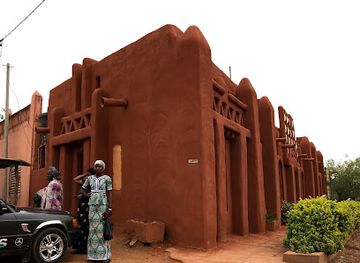
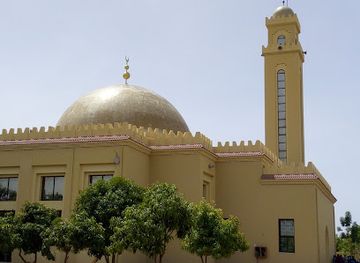
Mosque
Grande Mosquée de Ségou
Explore the Grande Mosquée de Ségou, a stunning representation of Mali's Islamic heritage and architectural beauty, situated in the heart of Ségou.
-
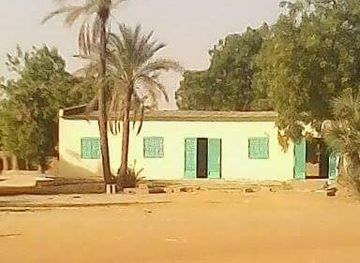
Mosque
Mosquée Djouma Missiri Zogofina
Discover the serene beauty and cultural significance of Mosquée Djouma Missiri Zogofina in Segou, a must-visit spiritual landmark in Mali.
Best landmarks in Ségou Region
The Niger River is Ségou Region’s defining natural landmark, shaping settlement, farming, transport and the visual character of Ségou. The city’s older quarters and colonial-era streets provide a layered urban landscape in which mud-brick forms, painted façades and administrative architecture stand close to the water. Sekoro, associated with the earlier Ségou royal centre, is an important historical landmark because it connects the modern city with the Bambara kingdom’s political past. The region’s mosques and community buildings reflect Sahelian Islamic architectural traditions, although visitors should seek permission before entering or photographing religious sites. At Markala, the dam and associated canals represent a major twentieth-century intervention in the Niger’s flow and remain symbols of Mali’s agricultural development. Around Niono, the engineered channels and irrigated fields of the Office du Niger form a large-scale cultural landscape rather than a single monument. These places are significant because they show how political power, religious life, river management and food production have repeatedly reorganised the region.
-
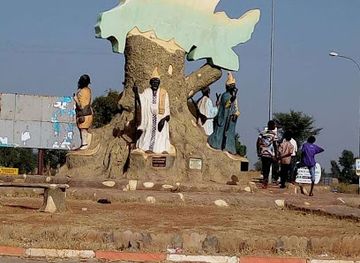
Observation deck
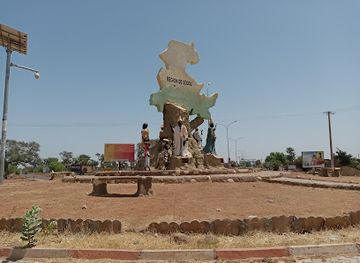
Monument des Rois de Ségou
Discover the history and panoramic views at the Monument des Rois de Ségou, a cultural landmark in Mali.
-
Historical landmark
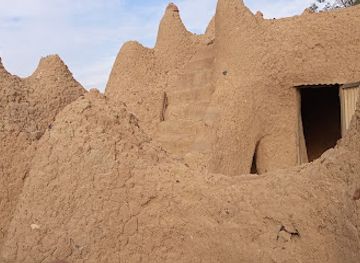
Ségou sébougou
Explore Ségou Sébougou, a captivating landmark in Mali, showcasing the region's rich cultural heritage and historical significance.
Explore Ségou Region on the map
Plan your trip on one map. See where the top cities, national parks and sights are, and book hotels and experiences in a few clicks.
Best hotels in Ségou Region
Best restaurants in Ségou Region
Dining in Ségou Region reflects the staples of the middle Niger and the wider Sahel: rice, millet, sorghum, fish, vegetables and sauces flavoured with onion, chilli or locally available ingredients. In Ségou, modest restaurants, cafés and hotel dining rooms generally provide the widest choice, while smaller towns offer simpler meals linked to market days and local produce. Freshwater fish from the Niger may appear alongside rice dishes, grilled meat, brochettes and bean-based preparations, with seasonal vegetables more abundant around irrigated areas such as Niono. Tea is an important part of social life, and sweet drinks made from local grains or fruit may be available. Visitors should choose busy, well-managed establishments, eat food that is thoroughly cooked and use treated or bottled water. Markets are useful for seeing regional food commerce, but hygiene standards and availability vary. Culinary traditions are shared across much of Mali, while the region’s particular character comes from its river fish, rice-growing zones and agricultural exchange between floodplain and dryland communities.
-
Hotel
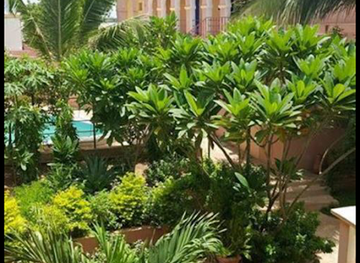
Hôtel Vue de l'Esplanade
Discover relaxation and exquisite local cuisine at Hôtel Vue de l'Esplanade in Segou - where comfort meets Malian hospitality.
-
Hotel
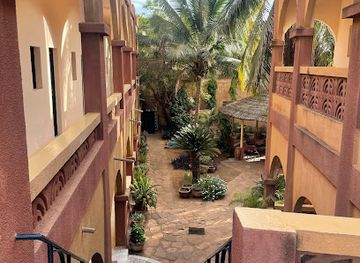
Hotel Le Djoliba
Discover the charm of Segou with comfortable stays at Hotel Le Djoliba - your gateway to exploring Mali's rich culture.
-
Restaurant
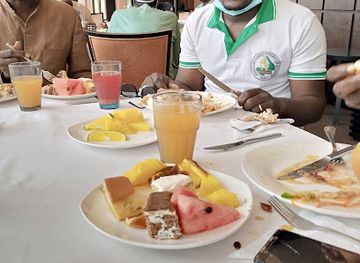
La Terrasse
Experience authentic Malian cuisine at La Terrasse in Segou - where local flavors meet warm hospitality.
-
Bar
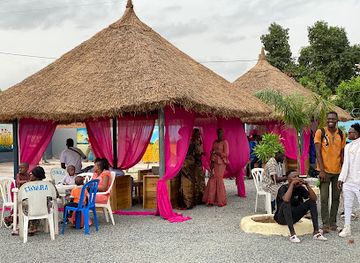
DIABOUGOU
Experience the vibrant nightlife at Diabougou in Segou - a cultural bar blending local flavors with lively entertainment.
Best bars in Ségou Region
Ségou Region does not have a large, internationally oriented nightclub scene. Evening social life is concentrated in Ségou and centres on hotel restaurants, cafés, modest bars, tea gatherings and occasional live music rather than a dense entertainment district. In smaller towns such as Markala, Niono and San, nightlife is more likely to consist of local eateries, informal social spaces and early-evening market activity. Alcohol is available in some licensed establishments, but visitors should respect the preferences of Muslim communities and avoid public intoxication. Security concerns make night travel particularly inadvisable, and venues, events and opening arrangements can change without notice. Traditional music, storytelling and cultural performances may be more significant to the region’s evening life than purpose-built clubs, but any public performance should be checked locally and approached with sensitivity. Travellers should return to their accommodation before late hours and follow current security advice rather than treating nightlife as a major independent activity.
-
Restaurant
Restaurant Table des Princes
Discover authentic Malian flavors at Restaurant Table des Princes, an affordable gem in Médine, perfect for food lovers and cultural explorers.
-
Restaurant
La Terrasse
Discover La Terrasse in Segou: where local flavors meet international cuisine in a vibrant dining atmosphere.
-
Restaurant
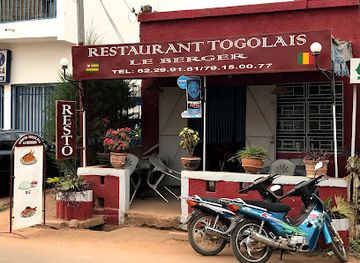
Restaurant Togolais Le Berger
Experience the rich flavors of Togolese cuisine at Restaurant Togolais Le Berger in Segou, where culture meets culinary delight.
-
Bar
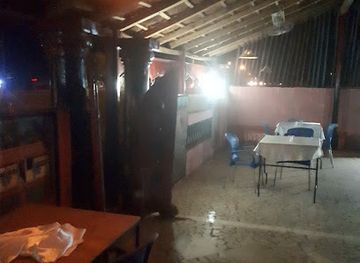
DIABOUGOU
Experience the lively nightlife of Segou at Diabougou, a vibrant bar offering local drinks, music, and a welcoming atmosphere.
Best nightclubs in Ségou Region
Ségou Region does not have a large, internationally oriented nightclub scene. Evening social life is concentrated in Ségou and centres on hotel restaurants, cafés, modest bars, tea gatherings and occasional live music rather than a dense entertainment district. In smaller towns such as Markala, Niono and San, nightlife is more likely to consist of local eateries, informal social spaces and early-evening market activity. Alcohol is available in some licensed establishments, but visitors should respect the preferences of Muslim communities and avoid public intoxication. Security concerns make night travel particularly inadvisable, and venues, events and opening arrangements can change without notice. Traditional music, storytelling and cultural performances may be more significant to the region’s evening life than purpose-built clubs, but any public performance should be checked locally and approached with sensitivity. Travellers should return to their accommodation before late hours and follow current security advice rather than treating nightlife as a major independent activity.
-
Night club
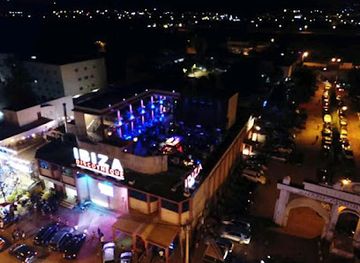
IBIZA CLUB
Dive into Bamako's nightlife at Ibiza Club, where electrifying music and dance create unforgettable nights in the heart of Mali's capital.
-
Bar
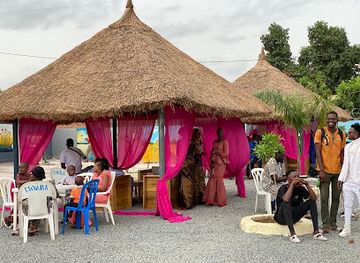
DIABOUGOU
Discover the vibrant atmosphere of Diabougou, a lively bar in Segou, Mali, perfect for socializing and enjoying local drinks.
-
Night club
FANA VILLE
Dive into the heart of Fana's nightlife at Fana Ville, where vibrant music and an electrifying atmosphere await every visitor.
-
Night club
Château Rouge Night Club
Experience the vibrant nightlife of Ségou at Château Rouge Night Club, where great music and a lively atmosphere await.


Best shops in Ségou Region
Shopping in Ségou is centred on markets, small independent shops and workshops rather than large modern retail complexes. Visitors may find locally made pottery, woven textiles, baskets, leather goods, carved objects and decorative items associated with Bambara artistic traditions, although quality and authenticity vary between sellers. Ségou’s craft activity is particularly associated with pottery and textile work, and purchases are best made directly from established workshops or through a trusted local guide when possible. Food markets provide rice, millet, grains, dried fish, seasonal vegetables and other products from the Niger floodplain and irrigated farming zones. Niono and Markala have more practical market cultures, serving surrounding agricultural communities rather than functioning principally as shopping destinations. Bargaining is customary in many markets but should be polite and realistic. Carry cash, protect purchases from dust and heat, and check customs restrictions before exporting antiques, wildlife products or archaeological-looking objects. Handicrafts and packaged regional foods are generally more appropriate souvenirs than unprovenanced historic artefacts.
-
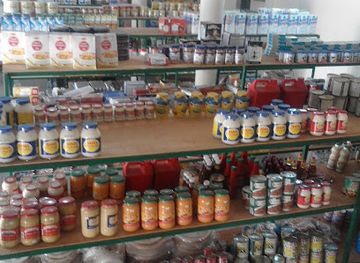
Supermarket
Bazaar self-service
Immerse yourself in local culture at Bazaar Self-Service, a vibrant supermarket in Segou offering diverse products and a unique shopping experience.
-
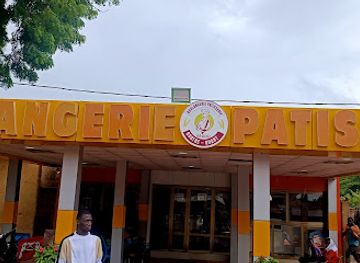
Bakery
Quatres quarts
Experience the authentic flavors of Mali at Quatres Quarts Bakery in Segou, where every bite is a celebration of local culinary heritage.
-
Shopping mall
Boutique Goulanbe
Discover local crafts, savor authentic cuisine, and experience the vibrant culture at Boutique Goulanbe, Ségou's premier shopping destination.
-
Produce market
Marché Pelengana Nord (soukouni)
Discover the heart of Ségou at Marché Pelengana Nord, a vibrant produce market showcasing the best of Malian culture and agriculture.
Get your free copy of our complete guide to Ségou Region, delivered straight to you.
Everything on this page, from attractions and restaurants to essentials and local phrases, in one PDF you can read offline, print or share.
Already have an account? Sign in
Your Ségou Region guide is ready.
We'll send it to · Not you? Sign out

Getting your guide ready…
We are putting together a fresh copy of the Ségou Region guide. This can take up to a minute.
This can take a few moments. If your browser asks, choose Allow so the download can start. You'll find the guide in your Downloads folder.
Nothing happened? Download it again
Sorry, the guide is taking longer than usual. Please try again in a minute, or get it by email instead.
Ségou Region essentials
Currency and Payment
Safety
Emergency Situations
Do's and Don'ts
Local Tips
From Eve
Local phrases worth knowing
You don't need to get them perfect. A few words go a long way, and locals appreciate the effort.
Basics
| English | Local | Say it |
|---|---|---|
| Hello | N'ka k'an | [N'ka k'an] |
| Goodbye | N'ka fɔ | [N'ka fɔ] |
| Yes | Awa | [Awa] |
| No | Ayi | [Ayi] |
| Please/You're welcome | Tɔgɔma | [Tɔgɔma] |
| Thank you | I ni ce | [I ni ce] |
| Excuse me/Sorry | N'ka fisa | [N'ka fisa] |
| How are you? | I ni sogoma? | [I ni sogoma?] |
| Fine. And you? | N'ka fɔ. I ni sogoma? | [N'ka fɔ. I ni sogoma?] |
| Do you speak English? | I bɔra English? | [I bɔra English?] |
| I don't understand | N'ka fɔlɔ | [N'ka fɔlɔ] |
Eating & Drinking
| English | Local | Say it |
|---|---|---|
| I'd like to see the menu, please | N'ka tɛ menu la, tɔgɔma | [N'ka tɛ menu la, tɔgɔma] |
| I don't eat meat | N'ka tɛ nyama | [N'ka tɛ nyama] |
| Cheers! | N'ka tɔgɔma! | [N'ka tɔgɔma!] |
| I would like to pay, please | N'ka tɛ kɔrɔ, tɔgɔma | [N'ka tɛ kɔrɔ, tɔgɔma] |
Emergencies
| English | Local | Say it |
|---|---|---|
| Help! | Fɔlɔ! | [Fɔlɔ!] |
| Go away! | Tɛ kɔ! | [Tɛ kɔ!] |
| Call the Police! | Kɔrɔ Police la! | [Kɔrɔ Police la!] |
| Call a doctor! | Kɔrɔ dokita la! | [Kɔrɔ dokita la!] |
| I'm lost | N'ka fɔlɔ | [N'ka fɔlɔ] |
| I'm ill | N'ka bɔlɔ | [N'ka bɔlɔ] |
Shopping
| English | Local | Say it |
|---|---|---|
| I'd like to buy... | N'ka tɛ sɔ... | [N'ka tɛ sɔ...] |
| I'm just looking | N'ka sɔgɔ | [N'ka sɔgɔ] |
| How much is it? | I sisan fɛ? | [I sisan fɛ?] |
| That's too expensive | O bɛ sisan kɛ | [O bɛ sisan kɛ] |
| Can you lower the price? | I tɛ bɛn fɛ? | [I tɛ bɛn fɛ?] |
Time & Numbers
| English | Local | Say it |
|---|---|---|
| What time is it? | Kɛnɛ tɛmɛ fɛ? | [Kɛnɛ tɛmɛ fɛ?] |
| It's one o'clock | O bɛ kelen | [O bɛ kelen] |
| Half past (10) | N'ka tɛmɛ kɛlɛ (10) | [N'ka tɛmɛ kɛlɛ (10)] |
| Morning | Dɔloni | [Dɔloni] |
| Afternoon | Tɛmɛ | [Tɛmɛ] |
| Evening | Sɔgɔ | [Sɔgɔ] |
| Yesterday | Kɛnɛ | [Kɛnɛ] |
| Today | N'ka kɛnɛ | [N'ka kɛnɛ] |
| Tomorrow | N'ka kɛnɛ kelen | [N'ka kɛnɛ kelen] |
| 1 | Kelen | [Kelen] |
| 2 | Duo | [Duo] |
| 3 | Tati | [Tati] |
| 4 | N'i | [N'i] |
| 5 | Togon | [Togon] |
| 6 | Wolo | [Wolo] |
| 7 | Saba | [Saba] |
| 8 | Wulu | [Wulu] |
| 9 | Togo | [Togo] |
| 10 | Kɛnɛ | [Kɛnɛ] |
Transport & Directions
| English | Local | Say it |
|---|---|---|
| Where's a/the...? | Fɔlɔ bɛ...? | [Fɔlɔ bɛ...?] |
| What's the address? | I bɛ fɔlɔ la? | [I bɛ fɔlɔ la?] |
| Can you show me (on the map)? | I tɛ bɔ n'ka (map la)? | [I tɛ bɔ n'ka (map la)?] |
| When's the next (bus)? | Kɛnɛ tɛmɛ fɛ (bus)? | [Kɛnɛ tɛmɛ fɛ (bus)?] |
| A ticket (to ....) | Kɔnɔ (to ....) | [Kɔnɔ (to ....)] |
History of Ségou Region
Early Niger River Settlement and Trade
The Niger and its floodplains have supported settlement, farming, fishing and regional exchange for centuries. Communities in the Ségou area benefited from fertile soils and access to river transport, while links with the inland Niger Delta connected central Mali to wider commercial networks. Rice, millet, sorghum, livestock, fish and craft products circulated through market towns. Although the region’s later political history is often associated with the Bambara kingdoms, its cultural landscape was shaped by older movements of people, trade and Islamic learning across the western Sahel.
The Bambara Kingdom of Ségou
The Bambara kingdom centred on Ségou emerged during the eighteenth century and became one of the most influential states in the middle Niger region. Its rulers, traditionally associated with the founding lineage of Biton Coulibaly and the later Diarra dynasty, controlled agricultural territory, river traffic and important commercial routes. Sekoro, near present-day Ségou, is linked with the earlier royal centre. The kingdom’s political legacy remains visible in regional oral traditions, historical memory and the continuing prominence of Ségou as a centre of Bambara culture.
Toucouleur Expansion in the Nineteenth Century
In the nineteenth century, the Toucouleur leader al-Hajj Umar Tall expanded eastwards from the upper Senegal region. His forces captured Ségou in 1861, ending the Bambara kingdom’s independence and incorporating the city into a larger Islamic empire. The conquest altered political authority, military organisation and religious life along the Niger. The period was marked by competition among established ruling houses, Islamic reformers and regional communities, leaving a complex historical inheritance rather than a single uniform transition.
French Conquest and Colonial Administration
French forces took control of Ségou in the 1890s, and the area became part of French Sudan within French West Africa. Colonial rule introduced new administrative structures, military routes, taxation and commercial policies, while existing agricultural and social systems continued in modified form. Ségou’s location on the Niger helped maintain its regional importance, and colonial buildings and street patterns remain part of the city’s visible architectural legacy. The colonial period also intensified the integration of the region into export-oriented and centrally administered economic networks.
The Office du Niger and Irrigated Agriculture
Beginning in the 1930s, the colonial administration developed the Office du Niger irrigation scheme, using water from the Niger to increase rice and other agricultural production. The system is concentrated chiefly around the Niono area and depends on dams, canals, seasonal flows and organised farming communities. Its history includes ambitious development plans, labour and land pressures, and later reforms after independence. Today the irrigated zone is one of the most important agricultural landscapes in Mali, contrasting strongly with the region’s rain-fed farming and pastoral areas.
Independence and Contemporary Ségou
Mali became independent from French rule in 1960, and Ségou Region continued to serve as an important agricultural, administrative and cultural area. Modern development has been shaped by population growth, irrigation, urban expansion, river management and movements between rural communities and towns. Ségou’s reputation for music, pottery, textiles and historical traditions has supported cultural tourism, while insecurity across Mali since the 2010s has disrupted travel, events and local economies. Contemporary life therefore combines deep regional traditions with substantial political and security challenges.
Ségou Region in Photos
Browse through our photo collection highlighting the charm and character of the destination.
Neighbouring regions of Ségou Region
The closest regions to Ségou Region, if you have time for more than one.
-

-

-

-

-


Swipe for more regions
Explore more

Explore more of Mali
Discover Mali: A blend of ancient history, vibrant cultures, and breathtaking landscapes awaits you in this West African gem.
Explore Mali