

Free Sikasso Region Travel Guide & Mobile App
Explore Sikasso Region with free travel guides. Discover regional history, expert tips, proposed trips, and audio guides on web or mobile app.


Explore Sikasso Region in southern Mali for Kénédougou history, wooded savannah, rural markets, caves, waterfalls and distinctive local food.
Read more about Sikasso Region
When is the best time to visit Sikasso Region?
Best: November–January · 30–31°C| Month | High (°C) | Rainfall (mm) |
|---|---|---|
| January (best) | 31 | 0 |
| February | 33 | 1 |
| March | 37 | 3 |
| April | 39 | 12 |
| May | 38 | 48 |
| June | 34 | 80 |
| July | 31 | 160 |
| August | 31 | 182 |
| September | 32 | 116 |
| October | 33 | 28 |
| November (best) | 31 | 5 |
| December (best) | 30 | 1 |
Getting to and around Sikasso Region
How to get there
Transportation
Top city travel guides in Sikasso Region
The cities of Sikasso Region, and the easiest places to base yourself.

Swipe for more cities
Destinations in Sikasso Region
Resorts, valleys and scenic spots worth a trip of their own.

Swipe for more destinations
Best attractions in Sikasso Region
Sikasso Region’s attractions centre on history, rural landscapes and living agricultural culture rather than a dense circuit of formal visitor facilities. In Sikasso city, the remains and historical memory of the Tata introduce the former Kingdom of Kénédougou, while Mamelon and other elevated points help explain the capital’s strategic setting. South-west of the city, the Missirikoro caves offer sandstone formations associated with local spiritual traditions and are best visited with regional guidance. Seasonal cascades around Farako and other rural watercourses are most rewarding when rainfall has replenished them, although access can become difficult in the wettest months. The wider region includes market towns, cultivated savannah, mango-growing areas and the Wassoulou cultural zone around Yanfolila, where music and oral traditions are important parts of local identity. Visitors interested in everyday life may find markets, grain trading, shea processing and cotton-growing landscapes as significant as conventional monuments. Facilities, interpretation and transport to rural sites are limited, so attractions are better approached as locally arranged excursions than as a fully signposted tourism route.
-
Heritage museum
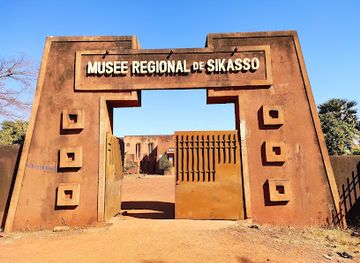
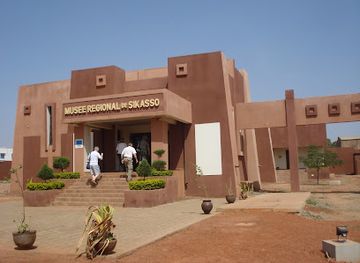
Musée Régional de Sikasso
Explore the heart of Malian culture at the Musée Régional de Sikasso, a heritage museum that showcases the rich history and traditions of the region.
-
 Mosque
Mosque Castle
Explore the Mosque Castle in Sikasso, a stunning architectural marvel that embodies Mali's rich Islamic heritage and cultural vibrancy.
-
Mosque
Sikasso
Discover the spiritual and cultural essence of Sikasso, Mali, with its stunning mosque, vibrant markets, and rich history waiting to be explored.

Best landmarks in Sikasso Region
The most important landmark in Sikasso Region is the Tata of Sikasso, the historic defensive enclosure associated with the Kingdom of Kénédougou and the city’s resistance to French conquest in 1898. Much of the original earthen complex has been lost or altered, but its surviving traces and commemorative importance make it central to the region’s historical identity. Nearby Mamelon hill is another recognisable feature of Sikasso, offering a way to read the city’s strategic topography and its relationship with surrounding plains. At Missirikoro, sandstone caves form a natural and culturally significant landmark south-west of the capital; their meaning is inseparable from local traditions, so visitors should follow guidance about access and conduct. Farako’s seasonal watercourses and cascades provide a contrasting natural landmark when water levels permit. Across the region, red-earth roads, wooded savannah and cultivated horizons are less monumental but reveal the environmental setting that has supported Kénédougou, farming communities and regional trade for centuries.
-
Heritage museum
Musée Régional de Sikasso
Discover the rich cultural heritage of the Sikasso region at the Musée Régional, showcasing artifacts, music, and traditions.
-
Mosque
Mosque Castle
Discover the architectural beauty and spiritual significance of the Mosque Castle, an iconic landmark in Sikasso, Mali.
-
Mosque
Sikasso
Discover the architectural marvel and cultural heart of Sikasso at the stunning Mosque, a symbol of Malian heritage.
-
Bed & breakfast
Centre Culturel Sénoufo
Explore the traditions and artistry of the Senufo people at the Centre Culturel in Sikasso, Mali.

Explore Sikasso Region on the map
Plan your trip on one map. See where the top cities, national parks and sights are, and book hotels and experiences in a few clicks.
Best hotels in Sikasso Region
Best restaurants in Sikasso Region
Dining in Sikasso Region is closely connected to southern Mali’s farming economy. Tô, a firm millet or maize staple served with a sauce, is common, as are rice dishes, bean preparations, grilled meat and chicken with locally varied seasonings. In and around Sikasso, markets and small restaurants may offer mangoes, vegetables, groundnuts and shea-based products, while roadside cooking can include brochettes and fried snacks. Rural inns and family-run eateries generally provide simpler meals than the larger establishments in the regional capital. Food associated with the wider Malian tradition, including richly seasoned sauces and rice-based dishes, sits alongside ingredients particularly abundant in the south, such as maize, mangoes and shea. Drink choices commonly include sweet tea, bottled soft drinks and local non-alcoholic refreshments; availability varies outside towns. Visitors should choose busy, well-kept food stalls, carry drinking water and allow time for meals, which may be prepared after ordering rather than served immediately.
-
Restaurant
Kenedougou Restaurant
Experience the rich flavors of Mali at Kenedougou Restaurant in Sikasso, where authentic cuisine meets warm hospitality.
-
Restaurant
Restaurant Arc-en-ciel (Le nid)
Discover the vibrant flavors of Mali at Restaurant Arc-en-ciel in Sikasso—where every meal is a celebration of local cuisine.
-
Restaurant
Restaurant Climadiaro
Experience authentic Malian cuisine at Restaurant Climadiaro in Bougouni – where every dish tells a story.
-
Restaurant
Majestic Restaurant Glacier
Discover the flavors of Mali at Majestic Restaurant Glacier - where every dish tells a story and every bite is an experience.

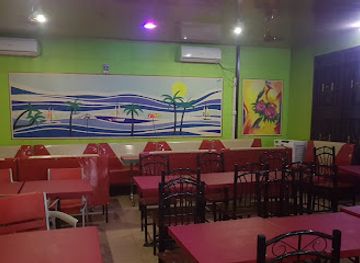
Best bars in Sikasso Region
Nightlife in Sikasso Region is modest and concentrated in Sikasso city and the larger market towns. Evening social life is more likely to centre on cafés, restaurants, tea stalls, relaxed bars and small venues with recorded music than on a large nightclub circuit. Live music and local performance traditions have particular cultural importance in the south, especially within the wider Wassoulou sphere, but events and venues change and should be confirmed locally. In rural districts, the evening usually winds down earlier, with hospitality, conversation and community gatherings taking precedence over organised nightlife. Visitors should avoid wandering after dark, use transport arranged through trusted contacts and respect local expectations around photography and alcohol. During religious periods or in more conservative communities, public drinking and loud behaviour may be viewed unfavourably. The most dependable evening experience is generally a meal, music or conversation in a recognised town venue rather than a search for a dedicated club scene.
-
Bar
ANA Bar
Discover the cultural heartbeat of Fourou at ANA Bar, where vibrant drinks and lively atmosphere await every visitor.
-
Restaurant
Empire
Discover the flavors of Sikasso at Empire, where local cuisine meets warm hospitality in a cozy setting.
-
African
Ss
Experience the authentic taste of Africa at Bougouni's beloved restaurant, where every meal is a celebration of culture and flavor.
-
Bar
Chigata
Experience the vibrant nightlife at Chigata, a lively bar in Kangare offering a selection of local drinks and a welcoming atmosphere.


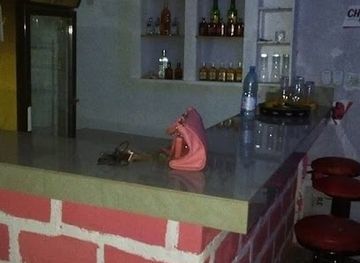
Best nightclubs in Sikasso Region
Nightlife in Sikasso Region is modest and concentrated in Sikasso city and the larger market towns. Evening social life is more likely to centre on cafés, restaurants, tea stalls, relaxed bars and small venues with recorded music than on a large nightclub circuit. Live music and local performance traditions have particular cultural importance in the south, especially within the wider Wassoulou sphere, but events and venues change and should be confirmed locally. In rural districts, the evening usually winds down earlier, with hospitality, conversation and community gatherings taking precedence over organised nightlife. Visitors should avoid wandering after dark, use transport arranged through trusted contacts and respect local expectations around photography and alcohol. During religious periods or in more conservative communities, public drinking and loud behaviour may be viewed unfavourably. The most dependable evening experience is generally a meal, music or conversation in a recognised town venue rather than a search for a dedicated club scene.
-
Bar
La regaline
Experience the vibrant nightlife of Sikasso at La Regaline, a lively bar known for its refreshing drinks and cultural atmosphere.
-
Pub
Zignasso sikasso
Discover the heart of Sikasso's nightlife at Zignasso, a lively pub with local flavors and vibrant culture.
-
Bar
Diatigula
Discover the vibrant nightlife at Diatigula in Sikasso, where local drinks and lively music create an unforgettable experience.
Best shops in Sikasso Region
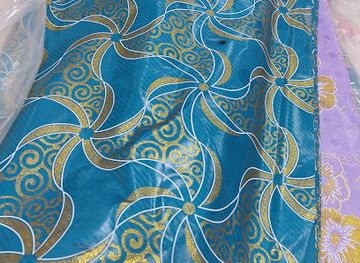
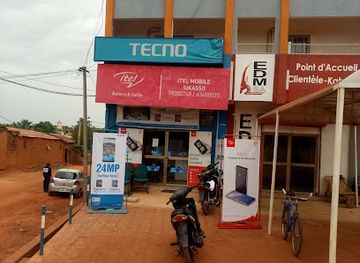
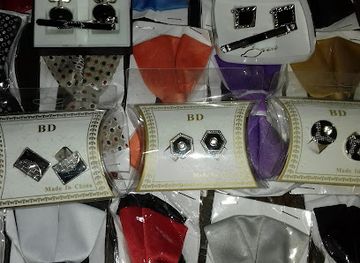
Shopping in Sikasso Region is primarily market-based, with Sikasso city providing the widest choice of foodstuffs, household goods, clothing and locally traded produce. Market stalls may feature mangoes and other seasonal crops, grains, groundnuts, shea butter and processed shea products, while cotton is an important part of the regional economy even when it is not presented as a tourist souvenir. Smaller towns such as Koutiala, Bougouni and Yanfolila have their own trading rhythms, often linked to agricultural production and weekly markets; current market days should be confirmed locally. Visitors may find woven textiles, baskets, leather items, carved objects and practical craftwork, but quality and provenance vary, so buying directly from makers or reputable sellers is preferable. Bargaining is customary in many markets, although food prices and everyday necessities may be less negotiable. Carry cash in small denominations and ask before photographing stalls, goods or artisans.
-
Shopping mall
Grand marché
Explore Grand Marché in Bougouni for a unique blend of shopping, local culture, and delicious cuisine in a vibrant marketplace setting.
-
Shopping mall
CANAL + STORE SIKASSO
Experience the vibrant shopping scene at CANAL + STORE SIKASSO, where modernity meets local culture in the heart of Mali.
-
Shopping mall
OUONOGO STYLE ET CRÉATION
Explore OUONOGO STYLE ET CRÉATION in Sikasso for a unique shopping experience, blending local culture with diverse retail options.
-
Shopping mall
Entreprise Skb
Experience the heart of Bougouni at Enterprise Skb, where shopping meets local culture and culinary delights.


Get your free copy of our complete guide to Sikasso Region, delivered straight to you.
Everything on this page, from attractions and restaurants to essentials and local phrases, in one PDF you can read offline, print or share.
Already have an account? Sign in
Your Sikasso Region guide is ready.
We'll send it to · Not you? Sign out

Getting your guide ready…
We are putting together a fresh copy of the Sikasso Region guide. This can take up to a minute.
This can take a few moments. If your browser asks, choose Allow so the download can start. You'll find the guide in your Downloads folder.
Nothing happened? Download it again
Sorry, the guide is taking longer than usual. Please try again in a minute, or get it by email instead.
Sikasso Region essentials
Currency and Payment
Safety
Emergency Situations
Do's and Don'ts
Local Tips
From Eve
Local phrases worth knowing
You don't need to get them perfect. A few words go a long way, and locals appreciate the effort.
Basics
| English | Local | Say it |
|---|---|---|
| Hello | N'ka kɛ | [n'kah keh] |
| Goodbye | N'ka sɔrɔ | [n'kah so-roh] |
| Yes | Aye | [ah-yeh] |
| No | Ayi | [ah-yee] |
| Please/You're welcome | Tɛlɛ | [teh-leh] |
| Thank you | M'biɛrɛ | [m'bee-eh-reh] |
| Excuse me/Sorry | Tɔrɔ | [toh-roh] |
| How are you? | I ni ce? | [ee nee cheh] |
| Fine. And you? | N'tɛ, i ni ce? | [n-teh, ee nee cheh] |
| Do you speak English? | I bɛ English? | [ee beh English] |
| I don't understand | N'na fɔ | [n-nah foh] |
Eating & Drinking
| English | Local | Say it |
|---|---|---|
| I'd like to see the menu, please | N'ka fɔlɛ menu, tɛlɛ | [n'kah foh-leh menu, teh-leh] |
| I don't eat meat | N'na kɔrɔ | [n-nah koh-roh] |
| Cheers! | Sukɔ! | [soo-koh] |
| I would like to pay, please | N'ka fɛɛrɛ, tɛlɛ | [n'kah feh-reh, teh-leh] |
Emergencies
| English | Local | Say it |
|---|---|---|
| Help! | Kɔ! | [koh] |
| Go away! | Sɔrɔ kɔ! | [so-roh koh] |
| Call the Police! | Fɔlɛ Polisi! | [foh-leh poh-lee-see] |
| Call a doctor! | Fɔlɛ dɔktɛr! | [foh-leh dohk-tehr] |
| I'm lost | N'na bɛgɛ | [n-nah beh-geh] |
| I'm ill | N'na tɛrɛ | [n-nah teh-reh] |
Shopping
| English | Local | Say it |
|---|---|---|
| I'd like to buy... | N'ka tɛgɛ... | [n'kah teh-geh] |
| I'm just looking | N'na jɛgɛ | [n-nah jeh-geh] |
| How much is it? | I bɛ kɔrɔ na? | [ee beh koh-roh nah] |
| That's too expensive | I bɛ kɔrɔ tɛmɛ | [ee beh koh-roh teh-meh] |
| Can you lower the price? | I bɛ tɛmɛ kɔrɔ? | [ee beh teh-meh koh-roh] |
Time & Numbers
| English | Local | Say it |
|---|---|---|
| What time is it? | Kɛnɛ dɔ? | [keh-neh doh] |
| It's one o'clock | O kɔlɔ kɛnɛ | [oh koh-loh keh-neh] |
| Half past (10) | Dɔnbɛn (10) | [dohn-behn (10)] |
| Morning | Fɔlɛ | [foh-leh] |
| Afternoon | Dɔnbɛn | [dohn-behn] |
| Evening | Dɔndɔ | [dohn-doh] |
| Yesterday | Kɛnɛsɛm | [keh-neh-sehm] |
| Today | N'na kɛnɛ | [n-nah keh-neh] |
| Tomorrow | Kɛnɛ kɔnɔ | [keh-neh koh-noh] |
| 1 | Kɛnɛ | [keh-neh] |
| 2 | Fɔ | [foh] |
| 3 | Tati | [tah-tee] |
| 4 | Nye | [nyeh] |
| 5 | Tɛ | [teh] |
| 6 | Wolo | [woh-loh] |
| 7 | Wulu | [woo-loo] |
| 8 | Kɛnɛn | [keh-neh-neh] |
| 9 | Tɔ | [toh] |
| 10 | Tɛmɛ | [teh-meh] |
Transport & Directions
| English | Local | Say it |
|---|---|---|
| Where's a/the...? | N'ka kɛnɛ ...? | [n'kah keh-neh ...?] |
| What's the address? | Kɛnɛ fɔ? | [keh-neh foh?] |
| Can you show me (on the map)? | I bɛ fɔlɛ mɛn (n'ka map)? | [ee beh foh-leh men (n'kah map)?] |
| When's the next (bus)? | Kɛnɛ tɛgɛ (bus)? | [keh-neh teh-geh (bus)?] |
| A ticket (to ....) | Kɛnɛ kɔrɔ (to ...) | [keh-neh koh-roh (to ...)] |
History of Sikasso Region
Early settlement and the southern savannah
The southern part of present-day Mali has long supported settled farming, hunting and regional exchange in a wetter savannah environment than the country’s northern zones. Communities developed around the cultivation of millet, sorghum, rice and later maize, while forest products such as shea and trade goods moved between the inland savannah and areas farther south. Archaeological evidence across the wider region points to long-established occupation, although many smaller sites are not developed for tourism. This agricultural and trading foundation helped make the Sikasso area an important meeting ground between different cultural and commercial networks.
The rise of Kénédougou
From the eighteenth century, the Kingdom of Kénédougou emerged in the area centred on Sikasso and became one of the major political powers of the southern western Sudan. Its rulers governed through alliances, military strength and control of movement across routes linking present-day Mali, Burkina Faso and Côte d’Ivoire. Sikasso served as the kingdom’s capital and grew as a centre of authority and exchange. The kingdom’s history is associated especially with the Traoré dynasty, whose political legacy remains visible in the city’s historical sites and in local accounts of resistance.
Tiéba Traoré and the Tata of Sikasso
Tiéba Traoré, who ruled Kénédougou in the nineteenth century, strengthened Sikasso and developed its defensive system. The tata was a large earthen enclosure incorporating walls, gates and protected settlements, reflecting the military pressures of the period as well as the political importance of the capital. Sikasso’s location near competing states and active trading routes made defence particularly significant. Surviving traces are less extensive than the original complex, but the tata remains a powerful symbol of Kénédougou statecraft and of the city’s role in precolonial regional history.
Babemba Traoré and French conquest, 1898
After Tiéba’s death, his brother Babemba Traoré continued to rule Kénédougou during a period of intensifying French expansion in West Africa. French forces besieged Sikasso in 1898, and the city eventually fell after prolonged resistance. Babemba died rather than submit, according to the established historical account, and the destruction of the capital ended Kénédougou’s independence. The episode is central to Sikasso’s public memory and illustrates the wider military and political transformation that brought the region into French Sudan, later part of French West Africa.
Colonial administration and agricultural change
Under French rule, the Sikasso area was incorporated into a colonial system that reorganised administration, taxation, labour and trade. Roads and communications were developed chiefly to serve official control and the movement of agricultural products. Cash-crop production expanded over time, with cotton becoming especially important in the region’s economy, while food cultivation remained fundamental to household livelihoods. Colonial boundaries and institutions altered older political networks without erasing local identities. Many of the region’s present-day patterns of market exchange and transport still reflect this combination of precolonial routes and colonial infrastructure.
Independence and the modern agricultural region
Mali became independent in 1960, and Sikasso Region developed as one of the country’s principal agricultural zones. Cotton, cereals, mangoes, shea and other products support farming, processing and trade, while Sikasso city functions as a regional service centre. Growth has brought new roads, schools, markets and administrative institutions, although access remains uneven across rural districts. Contemporary Sikasso is therefore shaped by both long-standing farming systems and modern commercial agriculture. Its position near Burkina Faso and Côte d’Ivoire also gives cross-border conditions continuing importance for trade, mobility and security.
Sikasso Region in Photos
Browse through our photo collection highlighting the charm and character of the destination.
Neighbouring regions of Sikasso Region
The closest regions to Sikasso Region, if you have time for more than one.
-

-

-

-

-


Swipe for more regions
Explore more

Explore more of Mali
Discover Mali: A blend of ancient history, vibrant cultures, and breathtaking landscapes awaits you in this West African gem.
Explore Mali