

Free Koulikoro Region Travel Guide & Mobile App
Explore Koulikoro Region with free travel guides. Discover regional history, expert tips, proposed trips, and audio guides on web or mobile app.


Explore Mali's Koulikoro Region for Niger River landscapes, Mande heritage, rocky Manding country, rural markets and historic Kangaba.
Read more about Koulikoro Region
When is the best time to visit Koulikoro Region?
Best: November–January · 30–33°C| Month | High (°C) | Rainfall (mm) |
|---|---|---|
| January (best) | 31 | 0 |
| February | 34 | 0 |
| March | 38 | 2 |
| April | 40 | 10 |
| May | 40 | 24 |
| June | 38 | 75 |
| July | 34 | 150 |
| August | 34 | 200 |
| September | 34 | 100 |
| October | 35 | 30 |
| November (best) | 33 | 3 |
| December (best) | 30 | 0 |
Getting to and around Koulikoro Region
How to get there
Transportation
Top city travel guides in Koulikoro Region
The cities of Koulikoro Region, and the easiest places to base yourself.

Swipe for more cities
Destinations in Koulikoro Region
Resorts, valleys and scenic spots worth a trip of their own.
-

-


Swipe for more destinations
Best attractions in Koulikoro Region
Koulikoro Region's attractions are principally cultural landscapes, historic communities and outdoor settings rather than a dense collection of formal museums. Koulikoro itself offers access to the Niger and a useful perspective on river commerce, while the southern districts lead into the Manding country of rocky hills, cultivated valleys and traditional settlements. Kangaba is the region's most important cultural destination, associated with Mande history, oral tradition and the Kamablon, a sacred meeting place whose significance is best explained by a local guide. Around Siby, granite formations and elevated viewpoints create opportunities for walking and landscape photography where conditions allow. Markets in Dioila and other towns reveal the region's agricultural economy, with grain, livestock and locally made goods changing hands. The Niger floodplain and seasonal wetlands support farming and birdlife, although access is dependent on weather and local advice. Travellers should not expect a standardised tourism infrastructure: many places have no formal interpretation, reliable signage or regular visitor services. Security assessment, permission from communities and careful transport planning are essential parts of any excursion.
-
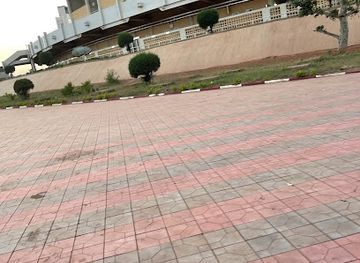
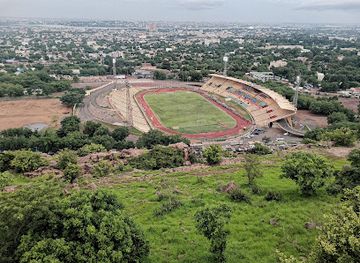
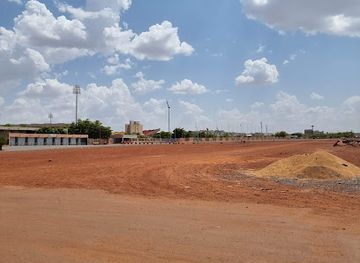
Stadium
26th of March Stadium
Immerse yourself in the vibrant atmosphere of the 26th of March Stadium in Bamako, where the spirit of football comes alive with every match.
-
Stadium
Modibo Keita Sports Stadium
Discover the Modibo Keita Sports Stadium in Bamako, a vibrant hub for sports and culture, where the spirit of Mali comes alive through thrilling events.
-
Market
Marché de Fadjiguila
Explore the vibrant Marché de Fadjiguila in Bamako for an authentic taste of Malian culture, crafts, and cuisine amidst a lively market atmosphere.
-
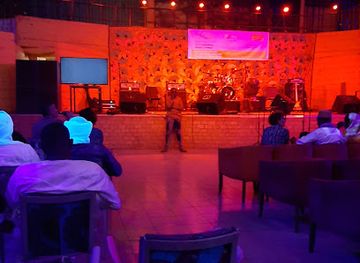
Cultural center
Complexe Culturel BlonBa
Discover the vibrant arts and rich cultural heritage at Complexe Culturel BlonBa in Bamako, Mali - a must-visit for every traveler.
Best landmarks in Koulikoro Region
The Niger River is Koulikoro Region's defining natural landmark, particularly around Koulikoro town where its broad channel, riverbank activity and seasonal changes explain the settlement's historic importance. In Kangaba, the Kamablon is a landmark of exceptional cultural significance: more than a building, it represents the authority of Mande oral tradition, communal memory and traditional consultation. The Manding escarpments and granite outcrops around Siby form the region's most recognisable natural scenery, rising above cultivated plains and village roads. Further north, the transition towards Nara's Sahelian environment provides a contrasting geographical landmark, with drier vegetation and open horizons. Traditional banco compounds, mosques and market structures in older settlements can also be visually important, although their condition and accessibility vary. These places should be approached as living cultural and environmental sites rather than simply as photographic backdrops; local permission, a guide and sensitivity to religious or ceremonial restrictions are essential.
-
Stadium
26th of March Stadium
Mali's largest stadium, a symbol of national pride and a key venue for sports and historical events in Bamako.
-
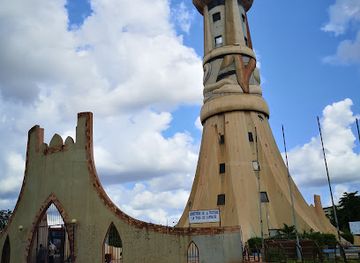
Heritage museum
Tower Of Africa
Discover Mali's heritage and breathtaking views at Bamako's iconic Tower of Africa, a symbol of unity and cultural richness.
-
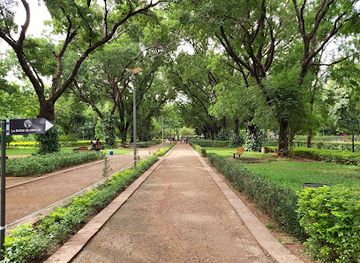
National park
Mali National Park.
Discover Bamako's green heart: Explore nature, culture, and recreation at Mali National Park, a refreshing escape for all.
-
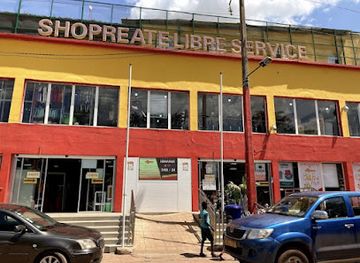
Grocery store
Shopreate Libre Service
Experience local life at Shopreate Libre Service in Bamako: Fresh produce, traditional baked goods, and a taste of Malian culture await!
Explore Koulikoro Region on the map
Plan your trip on one map. See where the top cities, national parks and sights are, and book hotels and experiences in a few clicks.
Best hotels in Koulikoro Region
Best restaurants in Koulikoro Region
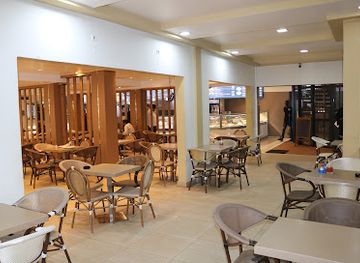
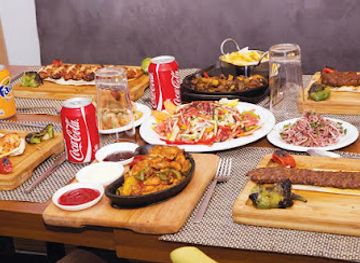
Dining in Koulikoro Region is grounded in household cooking, market produce and the staples of the wider Malian Sahel and savannah. Rice, millet, sorghum, maize and fonio may appear alongside sauces made with vegetables, leaves, groundnuts or baobab, while grilled meat, fish from the Niger and brochettes are common in towns when available. Tô, a firm cereal-based dish served with sauce, is an important regional and national food, and rice dishes reflect the influence of the Niger valley and broader West African cooking. In Koulikoro and larger market towns, modest restaurants, cafés and roadside eateries provide the most accessible meals; rural areas may offer food mainly through guesthouses or advance arrangements. Seasonal fruit, including mangoes in the wetter south, adds variety. Bottled or treated water is advisable, and visitors should choose busy establishments where food turnover is good.
-
Restaurant
Relax
Savor authentic Lebanese flavors at Relax in Bamako - an unforgettable dining experience awaits!
-
American
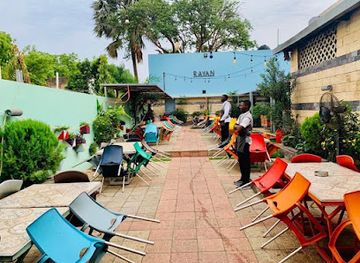
RAYAN
Savor authentic American cuisine at RAYAN, Bamako's top destination for comfort food lovers.
-
Restaurant
Bko Fried Chicken & More
Experience delicious fried chicken and delightful pastries at Bko Fried Chicken & More in Bamako—a culinary delight for every traveler.
-
Restaurant
Resto Bafing
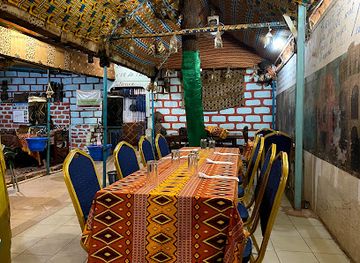
Experience authentic Malian flavors at Resto Bafing in Bamako, where every dish tells a story.
Best bars in Koulikoro Region
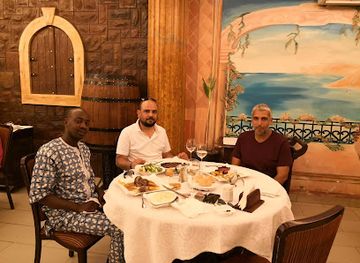
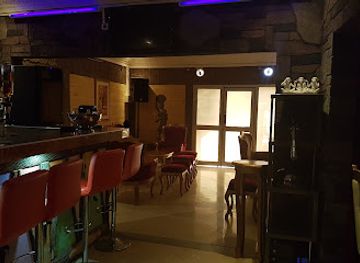
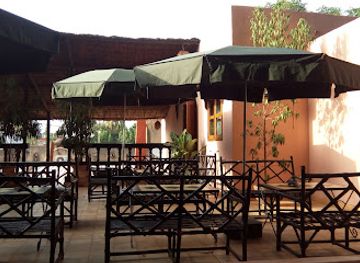
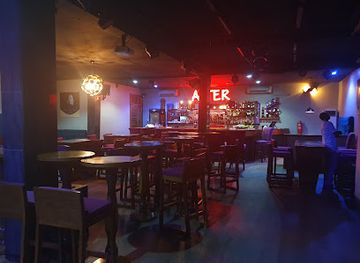
Nightlife in Koulikoro Region is restrained and concentrated in larger towns, with evening life more commonly centred on tea, conversation, cafés, restaurants, family compounds and occasional live music than on a large club scene. Koulikoro has the region's most developed selection of places to eat and socialise, while Dioila and other administrative centres may have modest bars or music venues whose operation can change. In rural districts, darkness, limited electricity and security concerns mean that evenings are generally quiet and visitors should return to their accommodation early. Alcohol is available in some licensed businesses, but it is not central to local hospitality and should be consumed discreetly. Do not photograph nightlife, performances or patrons without permission, and confirm safe transport before going out.
-
Restaurant
Le Byblos
Experience the lively fusion of Lebanese cuisine, bowling, and nightlife at Le Byblos in Bamako, where every visit is a celebration.
-
Lounge
B Lounge
Discover the vibrant nightlife of Bamako at B Lounge, where relaxation meets entertainment in a stylish setting.
-
Bar
Bla Bla Bar
Discover the vibrant atmosphere of Bla Bla Bar in Bamako, where local culture meets a lively nightlife experience.
-
Lounge
After Bamako Resto & Lounge
Experience the vibrant nightlife and culinary delights at After Bamako Resto & Lounge, a top spot for relaxation and entertainment in Bamako.
Best nightclubs in Koulikoro Region
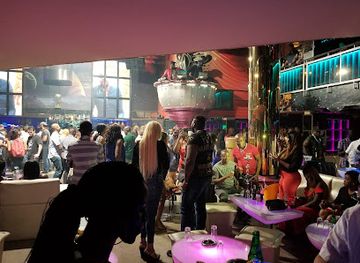
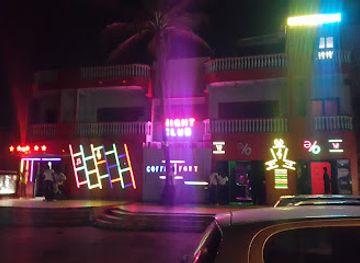
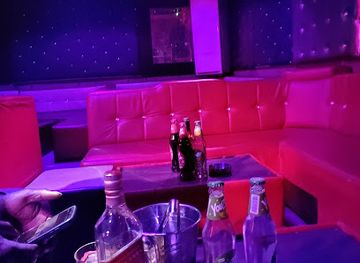
Nightlife in Koulikoro Region is restrained and concentrated in larger towns, with evening life more commonly centred on tea, conversation, cafés, restaurants, family compounds and occasional live music than on a large club scene. Koulikoro has the region's most developed selection of places to eat and socialise, while Dioila and other administrative centres may have modest bars or music venues whose operation can change. In rural districts, darkness, limited electricity and security concerns mean that evenings are generally quiet and visitors should return to their accommodation early. Alcohol is available in some licensed businesses, but it is not central to local hospitality and should be consumed discreetly. Do not photograph nightlife, performances or patrons without permission, and confirm safe transport before going out.
-
Disco club
Le Byblos
Discover the heart of Bamako's nightlife at Le Byblos, where music, food, and fun come together in an unforgettable experience.
-
Night club
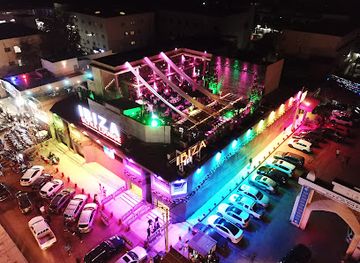
IBIZA CLUB
Experience Bamako's nightlife at Ibiza Club, a vibrant night club where music, dance, and culture collide in an unforgettable atmosphere.
-
Night club
Éclipse
Experience the vibrant nightlife of Bamako at Éclipse, where music and culture collide for an unforgettable evening.
-
Night club
Elysee Boite De Nuit
Experience the vibrant nightlife of Bamako at Elysee Boite De Nuit, where music, dance, and local culture converge for an unforgettable evening.
Best shops in Koulikoro Region
Shopping in Koulikoro Region is primarily a market experience rather than a conventional retail one. Koulikoro, Kangaba, Dioila and other larger settlements have stalls selling grain, vegetables, fruit, household goods, clothing and everyday craft products, while weekly markets in smaller towns connect farming communities with traders. Useful purchases may include locally grown produce, dried foods, woven items, leather goods, baskets and simple metal or woodwork, though quality and availability vary by market and season. Mande cultural motifs appear in some textiles and craft objects, but not every item sold as traditional has a clearly local origin, so ask questions and buy directly from makers where possible. Carry cash in small CFA denominations, bargain politely when a price is clearly negotiable, and avoid purchasing archaeological objects, sacred items, wildlife products or anything that may have been taken from a protected cultural site.
-
Supermarket
Kiki Shop Market
Explore the bustling Kiki Shop Market for a taste of local culture, fresh produce, and unique artisanal goods in the heart of Mali.
-
Supermarket
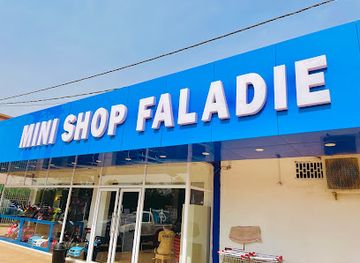
Mini shop Mali
Discover local flavors and essentials at Mini Shop Mali, a vibrant supermarket in the heart of Bamako, Mali.
-
Shopping mall
AGENCE CANAL+ KKORO BA
Explore AGENCE CANAL+ KKORO BA: A vibrant shopping mall in Mali offering unique boutiques, delicious eateries, and local cultural events.
-
Clothing store
Sirani Shopping
Experience the vibrant fashion scene at Sirani Shopping in Bamako, where local styles meet international trends for an unforgettable shopping experience.



Get your free copy of our complete guide to Koulikoro Region, delivered straight to you.
Everything on this page, from attractions and restaurants to essentials and local phrases, in one PDF you can read offline, print or share.
Already have an account? Sign in
Your Koulikoro Region guide is ready.
We'll send it to · Not you? Sign out

Getting your guide ready…
We are putting together a fresh copy of the Koulikoro Region guide. This can take up to a minute.
This can take a few moments. If your browser asks, choose Allow so the download can start. You'll find the guide in your Downloads folder.
Nothing happened? Download it again
Sorry, the guide is taking longer than usual. Please try again in a minute, or get it by email instead.
Koulikoro Region essentials
Currency and Payment
Safety
Emergency Situations
Do's and Don'ts
Local Tips
From Eve
Local phrases worth knowing
You don't need to get them perfect. A few words go a long way, and locals appreciate the effort.
Basics
| English | Local | Say it |
|---|---|---|
| Hello | N'ka kene | [N'kah keh-neh] |
| Goodbye | N'ka soro | [N'kah soh-roh] |
| Yes | Ee | [Eh] |
| No | Ayi | [Ah-yee] |
| Please/You're welcome | I ni ce | [Ee nee cheh] |
| Thank you | I ni baara | [Ee nee bah-rah] |
| Excuse me/Sorry | Mali | [Mah-lee] |
| How are you? | N'ko fô? | [N'koh foh?] |
| Fine. And you? | N'ka fô. I ni fô? | [N'kah foh. Ee nee foh?] |
| Do you speak English? | I ka fo angla? | [Ee kah foh ahn-glah?] |
| I don't understand | N'ka fô yé | [N'kah foh yeh] |
Eating & Drinking
| English | Local | Say it |
|---|---|---|
| I'd like to see the menu, please | N'ka fo kelen, i ni ce | [N'kah foh keh-len, ee nee cheh] |
| I don't eat meat | N'ka fô tîgè | [N'kah foh tee-geh] |
| Cheers! | Sey, se | [Sey, seh] |
| I would like to pay, please | N'ka fo ka bô, i ni ce | [N'kah foh kah boh, ee nee cheh] |
Emergencies
| English | Local | Say it |
|---|---|---|
| Help! | Tè! | [Teh!] |
| Go away! | N'ka bô | [N'kah boh] |
| Call the Police! | Bèyé la Police! | [Beh-yeh lah Poh-lees!] |
| Call a doctor! | Bèyé la dôn | [Beh-yeh lah dohn] |
| I'm lost | N'ka fô sô | [N'kah foh soh] |
| I'm ill | N'ka fô yé | [N'kah foh yeh] |
Shopping
| English | Local | Say it |
|---|---|---|
| I'd like to buy... | N'ka fo bô... | [N'kah foh boh...] |
| I'm just looking | N'ka fô kelen | [N'kah foh keh-len] |
| How much is it? | I be kô? | [Ee beh koh?] |
| That's too expensive | I be kô fô | [Ee beh koh foh] |
| Can you lower the price? | I ka tîgè kô? | [Ee kah tee-geh koh?] |
Time & Numbers
| English | Local | Say it |
|---|---|---|
| What time is it? | Kô tîgè n'ka? | [Koh tee-geh n'kah?] |
| It's one o'clock | N'ka tîgè kelen | [N'kah tee-geh keh-len] |
| Half past (10) | N'ka fô tîgè sô | [N'kah foh tee-geh soh] |
| Morning | Dô | [Doh] |
| Afternoon | N'ka sô | [N'kah soh] |
| Evening | Dô sô | [Doh soh] |
| Yesterday | Kô bô | [Koh boh] |
| Today | Kô bô | [Koh boh] |
| Tomorrow | Kô kelen | [Koh keh-len] |
| 1 | Kelen | [Kehl-en] |
| 2 | Dô | [Doh] |
| 3 | Tîgè | [Tee-geh] |
| 4 | N'ka | [N'kah] |
| 5 | Sô | [Soh] |
| 6 | Sô kelen | [Soh keh-len] |
| 7 | Dô kelen | [Doh keh-len] |
| 8 | Tîgè kelen | [Tee-geh keh-len] |
| 9 | N'ka kelen | [N'kah keh-len] |
| 10 | Sô kelen | [Soh keh-len] |
Transport & Directions
| English | Local | Say it |
|---|---|---|
| Where's a/the...? | N'ka kô...? | [N'kah koh...?] |
| What's the address? | Kô n'ka dôn? | [Koh n'kah dohn?] |
| Can you show me (on the map)? | I ka fo kelen n'ka (dô)? | [Ee kah foh keh-len n'kah (doh)?] |
| When's the next (bus)? | Kô tîgè n'ka (bus)? | [Koh tee-geh n'kah (boos)?] |
| A ticket (to ....) | N'ka fo tîgè (dô....) | [N'kah foh tee-geh (doh....)] |
History of Koulikoro Region
Early Mande settlement and ironworking
The lands around the Manding plateau and upper Niger were occupied and cultivated long before the rise of the medieval Mali Empire. Communities developed farming, fishing, trade and ironworking traditions suited to the river valleys and savannah. Archaeological evidence across the wider Mande world points to long-term settlement and technological knowledge, although individual sites in Koulikoro Region are not always formally developed for visitors. The combination of fertile floodplain, upland farms and routes towards the Guinea highlands helped make the area an important base for later Mande political and cultural expansion.
Kangaba and the formation of Mande political tradition
Kangaba is strongly associated with the early history and collective memory of the Mande peoples. It is traditionally linked with the Keita dynasty and with the political traditions that developed around the founding of the Mali Empire. The exact boundary between written history, oral tradition and later interpretation is complex, but Kangaba's importance is substantial: it remains a place where histories are transmitted through hereditary specialists, community ceremonies and sacred sites. The Kamablon, a traditional council structure in Kangaba, symbolises this continuing relationship between place, authority and oral knowledge.
The Mali Empire and the Mande world
During the thirteenth to fifteenth centuries, the Mali Empire became one of West Africa's major powers. Its influence extended across extensive territories linked by gold, salt, agricultural production and trans-Saharan commerce. The region around Kangaba formed part of the political and cultural heartland of the Mande world, while the Niger served as a major corridor for communication and movement. The empire is particularly associated with rulers such as Sundiata Keita and Mansa Musa, though their realms were far larger than modern Koulikoro Region. Mande languages, political customs and oral traditions remain important legacies.
Islamic scholarship and regional trade
Islam spread through trade, clerical networks and political connections across the western Sudan over several centuries. In Koulikoro Region, Islamic practice developed alongside older Mande social institutions and local religious traditions rather than replacing them uniformly. Niger River routes and overland tracks connected settlements with larger centres of commerce and learning, while market towns linked agricultural producers with traders moving between the savannah and Sahel. Mosques, Quranic education and family traditions of scholarship became part of the region's cultural landscape, alongside customary institutions and oral history.
Nineteenth-century state formation and resistance
The nineteenth century brought intensified competition among regional states and military leaders. The Toucouleur Empire under El Hadj Umar Tall expanded through parts of the western Sudan, while Samory Toure built a powerful state and resisted French conquest from a base further south and east. The landscapes of the upper Niger and Mande were affected by these struggles, including movements of people, political realignment and disruption of trade. The exact experience varied from district to district, but the period helped shape the political geography encountered by French forces at the end of the century.
French conquest and colonial infrastructure
French forces incorporated the area into French Sudan during the late nineteenth century after prolonged military campaigns and negotiations. Colonial administration reorganised existing polities, taxation and labour, while Christian missionary activity remained more limited than in some other parts of West Africa. Koulikoro's position on the Niger gave it strategic and commercial value, and river transport was later complemented by railway infrastructure linking the port with the interior and, through wider regional connections, with the Senegalese coast. Colonial rule altered trade patterns and administration without erasing Mande institutions or local agricultural practices.
Independence, agriculture and contemporary change
Mali became independent in 1960, and Koulikoro Region subsequently developed through a mixture of agricultural modernisation, public administration, river commerce and expanding road connections. Cotton, cereals, groundnuts and livestock remain important to different parts of the region, with production shaped by rainfall, market access and national economic policy. Towns such as Koulikoro and Dioila have grown as administrative and commercial centres, while Nara reflects the region's transition towards the Sahel. Contemporary challenges include climatic pressure, limited infrastructure and insecurity, alongside enduring cultural vitality.
Koulikoro Region in Photos
Browse through our photo collection highlighting the charm and character of the destination.
Neighbouring regions of Koulikoro Region
The closest regions to Koulikoro Region, if you have time for more than one.
-

-

-

-

-


Swipe for more regions
Explore more

Explore more of Mali
Discover Mali: A blend of ancient history, vibrant cultures, and breathtaking landscapes awaits you in this West African gem.
Explore Mali