

Mandé, Mali Travel Guide
Discover Mandé, the cradle of the Mali Empire, where history, culture, and nature converge to create an unforgettable travel experience.
Mandé, located in the southwestern region of Mali, is a treasure trove of history and culture. As the birthplace of the great Mali Empire, Mandé offers a captivating journey into the past. The legacy of the empire, known for its wealth and influence, is still evident in the region's traditions and landmarks. Visitors can explore ancient ruins, visit vibrant markets, and experience the rich oral traditions that have been passed down through generations. One of the highlights of Mandé is the town of Kangaba, the cultural and spiritual center of the Mandé people. Here, tourists can visit the sacred sites and learn about the deep-rooted customs that define the community. The annual Kamabolon ceremony, a traditional festival that celebrates the history and unity of the Mandé people, is a must-see event for anyone visiting during that time. Nature lovers will also find plenty to admire in Mandé. The area is surrounded by beautiful landscapes, including the Niger River and the Manding Mountains. These natural wonders provide opportunities for hiking, bird watching, and enjoying the serene beauty of the countryside. Whether you're a history buff, a cultural enthusiast, or a nature seeker, Mandé offers a unique and enriching experience.

Know before you go
Hi, I'm Eve. Here are a few practical things to know before exploring Mandé.
- Visit during the Kamabolon ceremony in Kangaba to witness traditional Mandé culture and festivities.
- Hire a local guide to explore the ancient ruins and learn about the rich history of the Mali Empire.
- Bring comfortable walking shoes for exploring the natural landscapes and historical sites.
- Respect local customs and traditions, especially when visiting sacred sites.
Top City Travel Guides in Mandé
The cities of Mandé, and the easiest places to base yourself.

Explore Mandé: Things to Do, Places to Eat, Hotels & More
Handpicked recommendations for top attractions, local dining, accommodations, and more

Top Attractions & Sightseeing in Mandé
Top-rated picks
Best Attractions

Great Mosque of Djenne
Explore the Great Mosque of Djenne, the world's largest mud-brick building and a UNESCO World Heritage site, embodying the rich culture and history of Mali.

Cathedral of the Sacred Heart of Bamako
Discover the breathtaking beauty and spiritual tranquility of the Cathedral of the Sacred Heart of Bamako, a must-visit historical landmark in Mali.

Bandiagara Escarpment
Explore the breathtaking Bandiagara Escarpment in Mali, a UNESCO World Heritage site known for its stunning landscapes and rich Dogon culture.

Best landmarks in Mandé
Top-rated picks
Best Landmarks

Mali National Park.
Discover Bamako's green heart: Mali National Park offers nature trails, cultural events, and a peaceful escape in the city center.

Grande Mosquée de Bamako
A prominent religious landmark in Bamako, showcasing Saudi Arabian architectural influences and Malian Islamic heritage.

ZOO NATIONAL DU MALI
Discover Mali's wildlife at Bamako's Zoo National, a family-friendly destination promoting conservation and education.

National Museum
Explore Mali's rich cultural heritage through art, artifacts, and historical exhibits at the National Museum in Bamako. A journey through Malian history awaits!

Best restaurants in Mandé
Top-rated picks
Best Restaurants
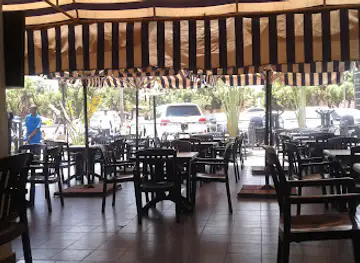
Amandine by Sel & Miel
Experience the best of French pastry culture at Amandine by Sel & Miel in Bamako - where every bite tells a story.

Relax
Discover authentic Malian cuisine at Relax in Bamako—where flavor meets hospitality in a vibrant setting.

Bamako Kitchen
Experience authentic Malian cuisine at Bamako Kitchen in Bamako - a culinary journey through flavors and traditions.

LE SAVANA
Discover the essence of Malian cuisine at Le Savana - a vibrant restaurant and bar in Bamako offering delightful flavors in an inviting atmosphere.

Best bars in Mandé
Top-rated picks
Best Bars

Le Byblos
Experience the best of Lebanese cuisine and vibrant nightlife at Le Byblos, a must-visit destination in Bamako.

LE SAVANA
Discover the heart of Bamako at Le Savana, where local flavors meet vibrant nightlife in a welcoming atmosphere.

B Lounge
Discover B Lounge, a vibrant hotspot in Bamako, where relaxation meets energetic nightlife in a stylish atmosphere.

B Lounge Golf
Experience the vibrant atmosphere and refreshing drinks at B Lounge Golf in Bamako, a stylish retreat for tourists and locals alike.

Best nightclubs in Mandé
Top-rated picks
Best Nightclubs

Le Byblos
Discover the vibrant nightlife of Bamako at Le Byblos, where Lebanese cuisine meets disco energy and diverse entertainment options.

IBIZA CLUB
Discover the pulse of Bamako's nightlife at Ibiza Club, where vibrant music and a lively atmosphere create unforgettable nights.

Éclipse
Dive into Bamako's vibrant nightlife at Éclipse, a premier night club where music and culture come alive.

Baramundi
Experience the vibrant nightlife of Bamako at Baramundi, a dynamic disco club where music, dance, and culture collide.

Best shops in Mandé
Top-rated picks
Best Shops

Grand Marche
Discover the heart of Mali at Grand Marche, Bamako's vibrant market filled with local crafts, delicious food, and cultural experiences.

Sébénikoro sougou (Sébénikoro market)
Discover the essence of Bamako at Sébénikoro Market, a lively marketplace filled with local foods, crafts, and vibrant culture in Mali.

CHINA MALL HOLDING
Discover the vibrant shopping experience at China Mall Holding in Bamako, where local culture meets modern retail in a unique marketplace.

Sodishop
Discover the best of Mali's e-commerce at Sodishop in Bamako, where local traditions meet modern shopping.

Explore Mandé on the Map
A handpicked selection of must-see spots in Mandé, mapped for you.
Mandé Essentials
-
Mandé is located in the Koulikoro Region of Mali. The nearest international airport is Modibo Keita International Airport in Bamako, approximately 80 kilometers away. From Bamako, you can take a taxi or hire a private car to Mandé. The journey typically takes around 1.5 to 2 hours by road. There are no direct public transport options, so arranging a private vehicle or taxi from Bamako is the most convenient method of travel.
-
Within Mandé, transportation options are limited. Taxis and private car hires are the most common methods of getting around. It is advisable to negotiate fares in advance. For those who enjoy a more immersive experience, renting a bicycle is also an option. However, be prepared for varying road conditions. Walking can also be pleasant, especially for short distances within the village areas.
-
The official currency in Mali is the West African CFA Franc (XOF). Credit card facilities are not widely available in Mandé, so it is essential to carry enough cash for your transactions. ATMs are scarce in the region, and it is advisable to withdraw sufficient cash in Bamako before traveling to Mandé. Ensure you have small denominations, as larger bills can be difficult to change.
-
Mandé is generally safe for tourists, but it is essential to exercise standard precautions. Avoid traveling alone at night and stay aware of your surroundings. Petty crimes like pickpocketing can occur, particularly in crowded areas and local markets. Certain areas in and around Mandé may have higher crime rates, so it is advisable to check for travel advisories and consult with locals about safe areas to visit.
-
In case of emergency, dial 17 for the police and 15 for medical emergencies. The nearest medical facilities are in Bamako, so it is crucial to have travel insurance that covers medical emergencies. For minor health issues, local pharmacies may have basic medications. Always carry a basic first-aid kit, and familiarize yourself with the location of the nearest embassy or consulate.
-
Fashion: Do dress conservatively; both men and women should avoid wearing revealing clothing. Lightweight, long-sleeved clothing is appropriate. Religion: Do respect local customs and traditions. When visiting religious sites, remove your shoes and dress modestly. Public Transport: Do be courteous and give way to elderly passengers. Public transport options are limited, so private hires are recommended. Greetings: Do greet people with a handshake and use the right hand for giving and receiving items. Eating & Drinking: Do try local cuisine and accept food offerings graciously. Don’t eat with your left hand, as it is considered impolite.
-
To experience Mandé like a local, visit the local markets where you can buy fresh produce and traditional Malian goods. Engage with the locals, who are often friendly and willing to share stories about the area's history and culture. Don't miss visiting the historical sites related to the Mandé Empire, including the ancient town of Kangaba. Participating in local festivals and traditional music events can provide a deeper understanding of Mandé's rich cultural heritage.
When is the best time to visit Mandé?
Useful Local Phrases for Mandé
You don't need to speak the language perfectly. Even learning a few simple words can make conversations warmer—and locals usually appreciate the effort.
— Eve

Here are the phrases I use most often in Mandé. Try a few—you'll be surprised how far they go! 😊
❤️
-
- HelloI ni ce
[ee nee che] - GoodbyeA jaara
[ah jah-rah] - YesEe
[ay] - NoAla
[ah-lah] - Please/You're welcomeTana
[tah-nah] - Thank youI ni ce fô
[ee nee che foh] - Excuse me/SorryN'ka fô
[n'kah foh] - How are you?N'ka kɛ?
[n'kah keh] - Fine. And you?N'ka kɛ, n'ka kɛ a?
[n'kah keh, n'kah keh ah] - Do you speak English?I bɛ English?
[ee beh English] - I don't understandN'ka fɛ
[n'kah feh]
- HelloI ni ce
-
- I'd like to see the menu, pleaseN'ka fɛ ka menu, tana
[n'kah feh kah meh-noo, tah-nah] - I don't eat meatN'ka fɛ jigi
[n'kah feh jee-gee] - Cheers!Sakudugu!
[sah-koo-doo-goo] - I would like to pay, pleaseN'ka fɛ ka bɔ, tana
[n'kah feh kah boh, tah-nah]
- I'd like to see the menu, pleaseN'ka fɛ ka menu, tana
-
- Help!N'ka fɔ!
[n'kah foh] - Go away!Bɔ a bɛ!
[bo ah beh] - Call the Police!Fɔlɔ bɔ bɛ!
[foh-loh bo beh] - Call a doctor!Fɔlɔ bɔ kɔnɔ!
[foh-loh bo koh-no] - I'm lostN'ka fɛ ka jɛ
[n'kah feh kah jeh] - I'm illN'ka fɛ ka sɔgɔ
[n'kah feh kah soh-goh]
- Help!N'ka fɔ!
-
- I'd like to buy...N'ka fɛ ka tɔ...
[n'kah feh kah toh] - I'm just lookingN'ka fɛ ka jɛ
[n'kah feh kah jeh] - How much is it?I bɛ fɛ?
[ee beh feh] - That's too expensiveO bɛ tɛdɛ
[oh beh teh-deh] - Can you lower the price?I bɛ tɔrɔ fɛ?
[ee beh toh-roh feh]
- I'd like to buy...N'ka fɛ ka tɔ...
-
- What time is it?A bɛ fɛ kɛ?
[ah beh feh keh] - It's one o'clockA bɛ kɛ 1
[ah beh keh 1] - Half past (10)Kɛ 10 kɔ
[keh 10 koh] - MorningKɛnɛ
[keh-neh] - AfternoonDugukolo
[doo-goo-koh-loh] - EveningDugukolo sɔrɔ
[doo-goo-koh-loh soh-roh] - YesterdayKɛnɛ bɔ
[keh-neh boh] - TodayKɛnɛ bɔ kɛ
[keh-neh boh keh] - TomorrowKɛnɛ bɔ yèrè
[keh-neh boh yeh-reh] - 1Kɛ
[keh] - 2Duo
[doo-oh] - 3Tati
[tah-tee] - 4Niyɛ
[nee-yeh] - 5Tanan
[tah-nahn] - 6Folo
[foh-loh] - 7Saba
[sah-bah] - 8Sankɔ
[sahn-koh] - 9Togo
[toh-goh] - 10Ten
[tehn]
- What time is it?A bɛ fɛ kɛ?
-
- Where's a/the...?Fɛ n'à...?
[feh nah] - What's the address?I bɛ nɛnɛ?
[ee beh neh-neh] - Can you show me (on the map)?I bɛ fɔlɔ mɛn (sɔrɔ)?
[ee beh foh-loh men (soh-roh)] - When's the next (bus)?Kɔnɔ bɛ fɛ bɛ?
[koh-no beh feh beh] - A ticket (to ....)Bɔ kɔrɔ (kɛ ...)
[bo koh-roh (keh ...)]
- Where's a/the...?Fɛ n'à...?
History of Mandé
-
Mandé, in the southwestern region of Mali, is steeped in history dating back to ancient times. The Mandé people, believed to have settled in the region around 3000 BCE, are among the oldest inhabitants. Early settlements were established along the fertile banks of the Niger River, fostering an environment conducive to agriculture and trade.
-
Between the 4th and 11th centuries, the Mandé region became a part of the powerful Ghana Empire. Known for its wealth derived from gold mining and trans-Saharan trade, the empire connected Mandé with North African and Middle Eastern cultures. This era saw the emergence of complex social structures and the spread of Islam.
-
In the 13th century, the Mali Empire rose to prominence under the leadership of Sundiata Keita, a Mandé prince. The empire, with its capital at Niani near Mandé, became one of the largest and wealthiest in African history. It controlled significant trade routes and was renowned for its cultural and intellectual centers, including Timbuktu and Djenné.
-
One of the most famous rulers of the Mali Empire was Mansa Musa, who reigned from 1312 to 1337. Under his rule, Mandé and the broader Mali Empire reached unprecedented heights of wealth and influence. Mansa Musa's legendary pilgrimage to Mecca in 1324 showcased the empire's wealth and solidified its place in the global consciousness.
-
By the late 14th century, internal strife and external pressures began to weaken the Mali Empire. Successive invasions by the Mossi, Tuareg, and Songhai gradually eroded its power. Despite this decline, Mandé remained an area of significant cultural heritage and retained its importance in regional trade networks.
-
In the late 19th century, the Mandé region, along with the rest of Mali, was colonized by the French. This period saw the imposition of new administrative structures and the exploitation of local resources. The impact of colonization was profound, affecting traditional governance, culture, and economies.
-
Mali gained independence from France in 1960, leading to a renewed sense of national identity and cultural revival in Mandé. The region continues to be celebrated for its rich history, traditional music, and craftsmanship. Today, Mandé is a vibrant area that attracts visitors eager to explore its historical sites and experience its enduring cultural legacy.
Neighbouring Regions of Mandé
The closest regions to Mandé, if you have time for more than one.


Your all‑in‑one travel companion app
Explore expert travel guides, compare and book tours, experiences, hotels, and more—all from the palm of your hand. Download now for seamless trip planning wherever your wanderlust takes you.


Explore More of Mali

Looking beyond Mandé? Discover Mali for broader travel guides, local hot-spots, and regional highlights.
Explore MaliMandé in Photos
Browse through our photo collection highlighting the charm and character of the destination.


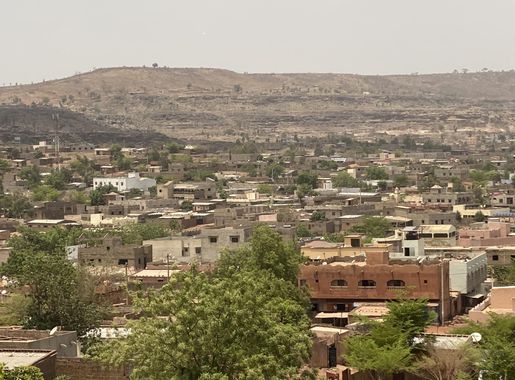


Mandé: The Heartbeat of Mali's Cultural Heritage
Mandé, located in the southwestern region of Mali, is a treasure trove of history and culture. As the birthplace of the great Mali Empire, Mandé offers a captivating journey into the past. The legacy of the empire, known for its wealth and influence, is still evident in the region's traditions and landmarks. Visitors can explore ancient ruins, visit vibrant markets, and experience the rich oral traditions that have been passed down through generations. One of the highlights of Mandé is the town of Kangaba, the cultural and spiritual center of the Mandé people. Here, tourists can visit the sacred sites and learn about the deep-rooted customs that define the community. The annual Kamabolon ceremony, a traditional festival that celebrates the history and unity of the Mandé people, is a must-see event for anyone visiting during that time. Nature lovers will also find plenty to admire in Mandé. The area is surrounded by beautiful landscapes, including the Niger River and the Manding Mountains. These natural wonders provide opportunities for hiking, bird watching, and enjoying the serene beauty of the countryside. Whether you're a history buff, a cultural enthusiast, or a nature seeker, Mandé offers a unique and enriching experience.