

Free Bandiagara Escarpment Travel Guide & Mobile App
Explore Bandiagara Escarpment with free travel guides. Discover regional history, expert tips, proposed trips, and audio guides on web or mobile app.


Explore the Bandiagara Escarpment’s Dogon villages, Tellem heritage and sandstone cliffs only when Mali’s security conditions and local guidance permit.
Read more about Bandiagara Escarpment
When is the best time to visit Bandiagara Escarpment?
Best: November–January · 29–32°C| Month | High (°C) | Rainfall (mm) |
|---|---|---|
| January (best) | 30 | 1 |
| February | 32 | 2 |
| March | 37 | 3 |
| April | 39 | 5 |
| May | 42 | 20 |
| June | 40 | 50 |
| July | 37 | 80 |
| August | 37 | 70 |
| September | 37 | 40 |
| October | 36 | 20 |
| November (best) | 32 | 3 |
| December (best) | 29 | 1 |
Getting to and around Bandiagara Escarpment
How to get there
Transportation
Best attractions in Bandiagara Escarpment
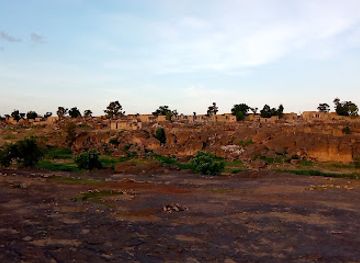
The Bandiagara Escarpment’s attractions form a cultural landscape rather than a conventional collection of venues. Its sandstone cliffs, ledges and ravines provide the geological setting, while Dogon villages display mud-plastered compounds, granaries, cultivated plots and meeting structures adapted to steep terrain. Rock shelters and elevated dwellings associated with the Tellem archaeological legacy add historical depth, although many locations require permission and careful conservation. Walking routes once linked cliff settlements and offered views across the plains, but they are not currently suitable for casual independent visitors because of insecurity, rough terrain and limited emergency support. The wider heritage experience includes locally guided discussions of architecture, farming, oral traditions and ritual life, with the important proviso that sacred knowledge and ceremonies are not public attractions. Bandiagara town has historically functioned as an access and administrative centre, while communities near the southern section, including Sangha, became associated with cultural tourism. Current conditions may prevent access to all of these places, and no visitor should assume that a route described in older literature remains open. The UNESCO-listed landscape is best understood as a living environment whose villages, fields and archaeological remains require community consent, not as an open-air museum.
-
Tourist attraction
Iréli Niéné
Experience the cultural richness and natural beauty of Iréli Niénéné in Sangha Ogol Leye, a hidden gem in Mali perfect for curious travelers.
-
Tourist attraction
Inndarou
Experience the enchanting Inndarou in Dourou, Mali, where natural beauty meets rich cultural heritage, perfect for adventurous travelers.
-
Tourist attraction
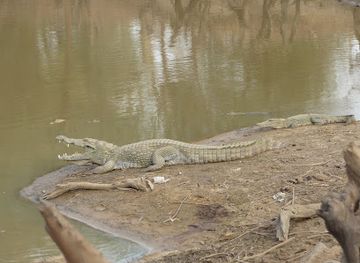
Mare sacrée aux crocodiles
Experience the enchanting Mare sacrée aux crocodiles in Sangha Ogol Leye, Mali, where nature and tradition beautifully intertwine.

Explore Bandiagara Escarpment on the map
Plan your trip on one map. See where the top cities, national parks and sights are, and book hotels and experiences in a few clicks.
Best hotels in Bandiagara Escarpment
Best restaurants in Bandiagara Escarpment
The escarpment has no dependable restaurant circuit for international travellers, and food arrangements have historically been simple, local and closely tied to village hospitality or small accommodation providers. Meals in the wider Dogon area commonly reflect Sahelian staples such as millet and sorghum, prepared with sauces, vegetables or pulses when available, alongside rice and seasonal produce. Regional cooking is shaped by a dry climate and limited water, so menus should not be approached with expectations of extensive choice or imported ingredients. In Bandiagara and other larger settlements, basic eateries and food sellers have traditionally provided more practical options than remote villages, but availability and safety conditions can change sharply. Visitors should not assume that refrigeration, potable water or dietary alternatives will be reliable. Where travel is officially permitted, arrange meals in advance, carry safe drinking water and respect household customs when offered food. Purchasing produce or prepared food should be done through fair, locally agreed transactions rather than intrusive bargaining.
-
Restaurant
Satimbe
Discover authentic Malian cuisine at Satimbe in Bandiagara, where local flavors meet warm hospitality for an unforgettable dining experience.
-
Restaurant
Restaurant tumon barra
Experience authentic Malian cuisine at Restaurant Tumon Barra in Bandiagara – where flavor meets tradition.
Best bars in Bandiagara Escarpment
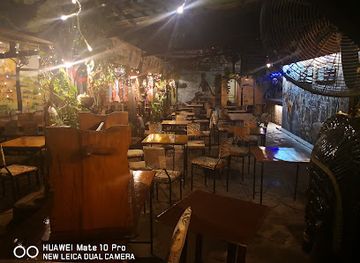
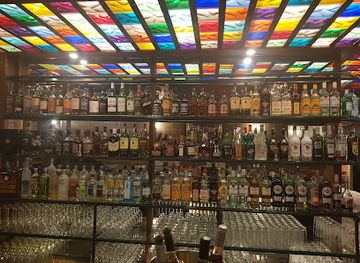
The Bandiagara Escarpment does not have a significant nightclub scene. Evening life in villages has traditionally centred on household gatherings, community events and conversation rather than commercial nightlife, while any modest bars or cafés in larger settlements are subject to changing security and operating conditions. Alcohol may not be appropriate in every community, and visitors should follow local guidance rather than assuming that drinking is part of the cultural experience. Earlier tourist circuits sometimes offered evenings in guesthouses or organised cultural performances, but these arrangements should not be treated as currently available or safe. Night travel is particularly inadvisable because roads and tracks are poorly lit, communications are limited and security risks increase after dark. If travel becomes viable in future, the most respectful evening experience will be a pre-arranged, community-approved cultural encounter, not an unannounced visit to private gatherings or ritual activities.
-
Bar
LE SAVANA
Discover Le Savana in Bamako, where vibrant energy meets delectable cuisine in a lively bar and restaurant setting.
-
Bar
Bla Bla Bar
Discover the lively ambiance and local flavors at Bla Bla Bar, a vibrant spot in Bamako perfect for unwinding and socializing.
-
Restaurant
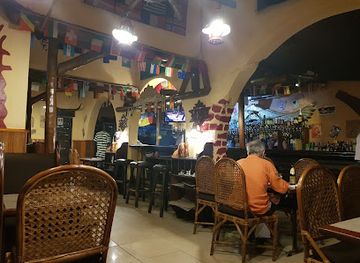
Appaloosa
Experience the vibrant flavors of Mali at Appaloosa, where local cuisine meets a lively atmosphere in the heart of Bamako.
-
Restaurant
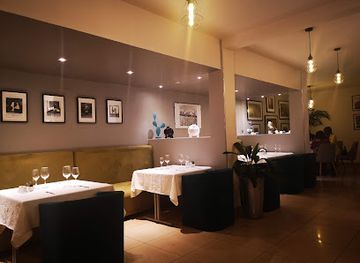
Le 365
Discover the heart of Bamako through its flavors at Le 365, where traditional Malian dishes meet contemporary culinary artistry.
Best shops in Bandiagara Escarpment
Shopping around the Bandiagara Escarpment is modest and locally oriented rather than commercial or luxury-focused. In Bandiagara and other larger settlements, visitors may historically have found small markets and craft sellers offering woven goods, leatherwork, carved objects, jewellery and practical household items, while villages may produce textiles, baskets or pottery according to local skills and demand. The cultural meaning of Dogon masks and ritual objects makes casual purchase especially problematic: archaeological material, sacred objects and items presented as ceremonial should never be removed from the region, and export rules may be strict. Choose ordinary crafts through transparent, locally approved channels, pay a fair price and avoid pressuring makers to sell objects that belong to families or communal institutions. Foodstuffs such as millet-based products and locally produced goods may be available in markets, but supply is seasonal and irregular. Because insecurity has disrupted tourism and commerce, do not rely on shopping as a planned part of a current itinerary; prioritise community consent and conservation over souvenirs.
-
Clothing store
Iba Design
Discover the vibrant fashion scene at Iba Design, a premier clothing store in Bamako showcasing high-quality Malian styles.
-
Produce market
Marché De Konna
Explore the vibrant Marché De Konna, a lively produce market in Mali, filled with fresh local flavors and cultural experiences.
-
Supermarket
Market Of Mori
Experience the local flavors and vibrant culture at the Market of Mori, a bustling supermarket in Damada offering fresh produce and unique crafts.
-
 Grocery store
Guindo shop
Experience authentic Malian culture and flavors at Guindo Shop in Sevare - your destination for local groceries and handmade crafts.

Get your free copy of our complete guide to Bandiagara Escarpment, delivered straight to you.
Everything on this page, from attractions and restaurants to essentials and local phrases, in one PDF you can read offline, print or share.
Already have an account? Sign in
Your Bandiagara Escarpment guide is ready.
We'll send it to · Not you? Sign out

Getting your guide ready…
We are putting together a fresh copy of the Bandiagara Escarpment guide. This can take up to a minute.
This can take a few moments. If your browser asks, choose Allow so the download can start. You'll find the guide in your Downloads folder.
Nothing happened? Download it again
Sorry, the guide is taking longer than usual. Please try again in a minute, or get it by email instead.
Bandiagara Escarpment essentials
Currency and Payment
Safety
Emergency Situations
Do's and Don'ts
Local Tips
From Eve
Local phrases worth knowing
You don't need to get them perfect. A few words go a long way, and locals appreciate the effort.
Basics
| English | Local | Say it |
|---|---|---|
| Hello | Nya | [Nyah] |
| Goodbye | A dogon | [Ah doh-gon] |
| Yes | Aye | [Eye] |
| No | Ala | [Ah-lah] |
| Please/You're welcome | Fɔɔrɔ | [Foh-roh] |
| Thank you | Mɔgɔ bɛɛ | [Maw-goh beh] |
| Excuse me/Sorry | N'touma | [En-too-mah] |
| How are you? | I ni ce? | [Ee nee che?] |
| Fine. And you? | Nye bɛ, i ni ce? | [Nye beh, ee nee che?] |
| Do you speak English? | I bɛ sɔrɔ English? | [Ee beh so-roh English?] |
| I don't understand | N'ka fɔ | [En-kah foh] |
Eating & Drinking
| English | Local | Say it |
|---|---|---|
| I'd like to see the menu, please | N bɛ sɔgɔ tɛrɛ, fɔɔrɔ | [En beh so-goh tay-ray, foh-roh] |
| I don't eat meat | N'ka nɛ bɔ | [En-kah neh boh] |
| Cheers! | À la santé! | [Ah lah sahn-tay!] |
| I would like to pay, please | N bɛ fɔlɔ, fɔɔrɔ | [En beh foh-loh, foh-roh] |
Emergencies
| English | Local | Say it |
|---|---|---|
| Help! | Sikuru! | [See-kuru!] |
| Go away! | K'a fɔ! | [Kah foh!] |
| Call the Police! | N bɛ sɔgɔ Poliisi! | [En beh so-goh Poh-lee-see!] |
| Call a doctor! | N bɛ sɔgɔ dɔktɛr! | [En beh so-goh dock-ter!] |
| I'm lost | N bɛ fɔlɔ | [En beh foh-loh] |
| I'm ill | N bɛ sɔrɔ | [En beh so-roh] |
Shopping
| English | Local | Say it |
|---|---|---|
| I'd like to buy... | N bɛ tɛgɛ... | [En beh tay-geh...] |
| I'm just looking | N bɛ sɔ | [En beh so] |
| How much is it? | I fɔlɔ nɛ? | [Ee foh-loh neh?] |
| That's too expensive | I tɛgɛ bɔ fɔlɔ | [Ee tay-geh boh foh-loh] |
| Can you lower the price? | I bɛ tɛmɛ fɔlɔ? | [Ee beh tay-meh foh-loh?] |
Time & Numbers
| English | Local | Say it |
|---|---|---|
| What time is it? | I ni kɛ? | [Ee nee keh?] |
| It's one o'clock | I kɛ 1 | [Ee keh 1] |
| Half past (10) | Kɛlɛ 10 | [Keh-leh 10] |
| Morning | Dɔɔ | [Doh] |
| Afternoon | N'ka kɛnɛ | [En-kah keh-neh] |
| Evening | Sɔgɔ | [So-goh] |
| Yesterday | Kɛlɛ | [Keh-leh] |
| Today | Kɛlɛ bɛ | [Keh-leh beh] |
| Tomorrow | Kɛlɛ sira | [Keh-leh see-rah] |
| 1 | 1 | [1] |
| 2 | 2 | [2] |
| 3 | 3 | [3] |
| 4 | 4 | [4] |
| 5 | 5 | [5] |
| 6 | 6 | [6] |
| 7 | 7 | [7] |
| 8 | 8 | [8] |
| 9 | 9 | [9] |
| 10 | 10 | [10] |
Transport & Directions
| English | Local | Say it |
|---|---|---|
| Where's a/the...? | N'ko fɛ...? | [En-koh feh...?] |
| What's the address? | I fɛ kɛ? | [Ee feh keh?] |
| Can you show me (on the map)? | I bɛ sɔgɔ mɛ (tɛrɛ)? | [Ee beh so-goh meh (tay-ray)?] |
| When's the next (bus)? | I bɛ sɔgɔ kɔrɔ (bus)? | [Ee beh so-goh koh-roh (bus)?] |
| A ticket (to ....) | N bɛ tɛgɛ (kɔ...) | [En beh tay-geh (koh...)] |
History of Bandiagara Escarpment
Early Settlement and the Tellem Legacy
Rock shelters, cliff-side dwellings and burial places around the escarpment preserve evidence of communities commonly identified in the archaeological literature as the Tellem. The chronology and interpretation of these remains are complex, but they demonstrate long-term adaptation to the cliffs before the emergence of the Dogon settlements familiar today. Buildings and burial sites in elevated niches also reveal how the escarpment offered protection, storage possibilities and a distinctive relationship between settlement and rock. Visitors should remember that many remains are culturally sensitive and should not be treated as sites for unauthorised exploration.
Dogon Settlement of the Escarpment
Dogon communities established villages across the escarpment and adjoining plateau and plains over several centuries, developing forms of architecture and agriculture suited to a dry, rugged environment. Oral traditions, local histories and scholarly accounts describe movements and interactions with neighbouring peoples rather than a single simple migration story. Village organisation, granaries, lineage compounds and meeting structures reflect social systems that vary from one community to another. The continuing presence of Dogon communities is central to the escarpment’s significance as a living cultural landscape.
Islamic and Regional Networks
The escarpment was never isolated from the wider Sahel. Trade, religious scholarship, migration and political relationships connected its communities with settlements across the Niger Basin and the inland routes of present-day Mali. Dogon religious traditions developed alongside contact with Muslim communities and other neighbouring peoples, producing a region marked by exchange as well as cultural distinction. The broader history of the Mopti area was also shaped by the rise and reach of regional states, including the Mali and Songhai empires, although the escarpment did not function as a single imperial capital.
French Colonial Rule and Administrative Change
French expansion into the western Sudan in the late nineteenth and early twentieth centuries brought the escarpment within colonial administrative structures that later formed part of French Sudan. Colonial authorities mapped, taxed and governed communities through an external system, while roads and administrative centres altered older patterns of regional connection. Bandiagara became an important administrative reference point in the territory, but colonial control did not erase local institutions, languages or land-use practices. The period also shaped many of the categories through which outside visitors and researchers subsequently described Dogon society.
Ethnographic Attention and Cultural Representation
During the twentieth century, the escarpment attracted researchers, artists, photographers and cultural travellers, particularly through influential ethnographic work on Dogon cosmology, architecture and ritual life. This attention helped bring international recognition but also encouraged simplified or romanticised portrayals of Dogon culture. Local communities have never been merely subjects of observation: they have negotiated tourism, scholarship, religious change and economic pressures on their own terms. Understanding the region today requires distinguishing documented local traditions from interpretations imposed by outsiders.
Heritage Recognition and Contemporary Crisis
The Cliffs of Bandiagara were inscribed on the UNESCO World Heritage List in 1989 for their cultural landscape, architecture and environmental setting. Heritage recognition increased international visibility and supported conservation interest, while tourism provided income for some guides, accommodation providers and craft producers. Since the 2010s, armed conflict and insecurity across central Mali have severely disrupted travel, damaged livelihoods and caused displacement. These conditions have also affected the practical preservation of cultural heritage, making security, community consent and responsible documentation more important than visitor numbers.
Bandiagara Escarpment in Photos
Browse through our photo collection highlighting the charm and character of the destination.
Neighbouring regions of Bandiagara Escarpment
The closest regions to Bandiagara Escarpment, if you have time for more than one.
-

-

-

-

-


Swipe for more regions
Explore more

Explore more of Mali
Discover Mali: A blend of ancient history, vibrant cultures, and breathtaking landscapes awaits you in this West African gem.
Explore Mali