

Free Macina Travel Guide & Mobile App
Explore Macina with free travel guides. Discover regional history, expert tips, proposed trips, and audio guides on web or mobile app.


Macina in central Mali reveals Niger floodplains, seasonal farming, river commerce and the historical legacy of the Massina Empire.
Read more about Macina
When is the best time to visit Macina?
Best: November–January · 29–32°C| Month | High (°C) | Rainfall (mm) |
|---|---|---|
| January (best) | 30 | 1 |
| February | 33 | 1 |
| March | 37 | 2 |
| April | 40 | 4 |
| May | 41 | 15 |
| June | 39 | 30 |
| July | 37 | 50 |
| August | 36 | 70 |
| September | 36 | 50 |
| October | 35 | 15 |
| November (best) | 32 | 4 |
| December (best) | 29 | 1 |
Getting to and around Macina
How to get there
Transportation
Destinations in Macina
Resorts, valleys and scenic spots worth a trip of their own.

Swipe for more destinations
Best attractions in Macina
Macina's attractions are primarily environmental, cultural and historical rather than purpose-built for tourism. The Niger and its associated floodplain provide the central experience: depending on the season, visitors may see rice fields, grazing areas, fishing activity, narrow channels and broad expanses of shallow water. Any boat outing must be locally arranged and assessed for both navigation and security. Macina town's markets offer a view of the local economy, where rice, fish, grain and livestock are more significant than tourist goods. The wider historical Macina landscape is associated with Fulani settlement, Bozo fishing communities and long-established exchanges among farmers, pastoralists and traders. Sites connected with the Massina Empire, including Hamdallahi, are culturally important but lie outside contemporary Macina Cercle and should not be treated as nearby casual excursions. There is little conventional visitor infrastructure: museums, marked trails, formal wildlife facilities and reliable guided tours are limited. The area's real significance lies in observing how communities adapt to seasonal water, pasture and agricultural cycles, always with permission and through trusted local arrangements.
-
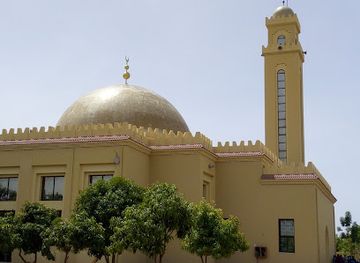
Mosque
Grande Mosquée de Bamako
Discover the Grande Mosquée de Bamako, an architectural gem and cultural hub that embodies Mali's rich heritage and spiritual essence.
-
National museum
National Museum
Discover the vibrant cultural tapestry of Mali at the National Museum of Bamako, where history and art converge in an unforgettable experience.

Best landmarks in Macina
-
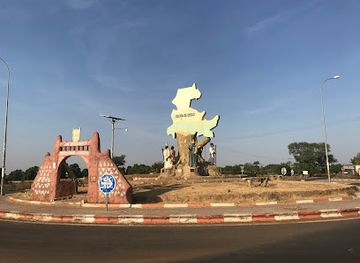
Observation deck
Monument des Rois de Ségou
Discover Ségou's royal legacy at this iconic monument, offering panoramic views and a glimpse into the region's rich cultural heritage.
-
Artistic handicrafts
Le NDOMO
Discover traditional Malian artistry and support local artisans at Le NDOMO in Ségou, a hub for cultural preservation and economic empowerment.
-
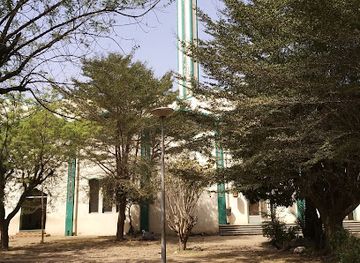
Mosque
Grande Mosquée de Ségou
Discover the architectural marvel of Grande Mosquée de Ségou, a symbol of faith and cultural heritage in the heart of Mali.
-
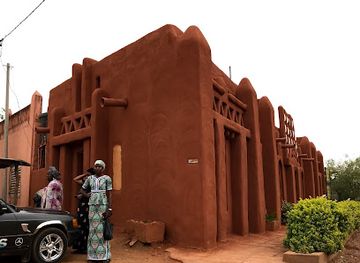
Mosque
Mali
Discover the historical Mali Mosque in Segou, a beautiful example of Sudanese architecture and a window into Mali's cultural heritage.
Explore Macina on the map
Plan your trip on one map. See where the top cities, national parks and sights are, and book hotels and experiences in a few clicks.
Best hotels in Macina
Best restaurants in Macina
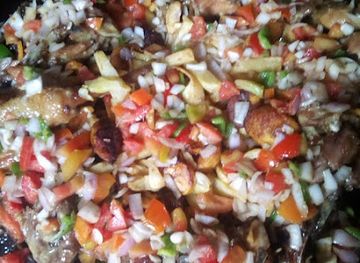
Dining in Macina is informal and closely connected to the river and floodplain economy. Local meals may include rice, millet-based dishes, sauces, beans, seasonal vegetables and fish, while meat and poultry are available where supply permits. Freshwater fish is particularly associated with the Niger and its wetlands, although availability varies by season and conservation or household needs. Markets and small eating places generally provide more reliable opportunities for local food than a developed restaurant scene, and visitors should not expect menus in European languages or consistent opening times. In private homes, shared meals may be offered as part of hospitality; accept respectfully when practical and follow the host's lead regarding washing, seating and eating customs. Bottled or treated water is essential, and uncooked food should be approached cautiously. Tea is commonly part of social life across Mali, while imported drinks and specialised international cuisine are limited outside larger regional centres.
-
Restaurant
Hôtel Welingara
Discover authentic Malian cuisine in Djenne at Hôtel Welingara – where tradition meets flavor in every dish.
-
Restaurant
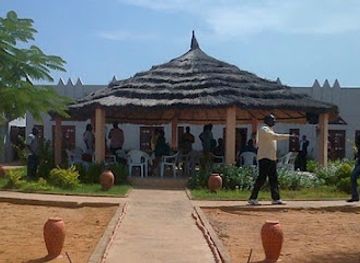
restaurant moderne
Experience authentic Malian cuisine at Restaurant Moderne, where local flavors meet warm hospitality in the heart of Niono.
-
Restaurant
RESTAURANT DE L' AMITIÉ
Discover authentic Malian flavors at Restaurant de L'Amitié in Niono - a culinary haven for tourists seeking local delicacies.
-
Restaurant
Restaurant Le Fleuve
Discover authentic Malian cuisine at Restaurant Le Fleuve in Djenne - where every meal tells a story.
Best bars in Macina
Macina does not have a significant nightclub or organised evening-entertainment scene. Social life is more likely to centre on family compounds, market areas, tea gatherings and modest local eateries, with evenings shaped by heat, daylight and security conditions. Alcohol is not central to public life, and visitors should respect the predominantly Muslim context by avoiding conspicuous drinking and following local advice. In larger Malian towns, some hotels and restaurants may offer more conventional evening facilities, but these are not a dependable feature of Macina itself. Travel after dark is particularly inadvisable because roads, floodplain tracks, communications and security conditions can all be difficult. Any evening visit, meal or community gathering should be arranged through a trusted local host rather than improvised.
-
Restaurant
Le Byblos
Discover the vibrant fusion of Lebanese cuisine, bowling, and nightlife at Le Byblos in Bamako, a unique destination for every traveler.
-
Bar
LE SAVANA
Discover the lively blend of culture and cuisine at Le Savana, a must-visit bar and restaurant in Bamako, Mali, perfect for unwinding and socializing.
-
Bar
Bla Bla Bar
Experience the vibrant nightlife of Bamako at Bla Bla Bar, where locals and travelers gather for refreshing drinks and lively conversations.
-
Restaurant
Appaloosa
Experience the vibrant culinary scene of Bamako at Appaloosa, where delicious flavors and lively atmosphere await.
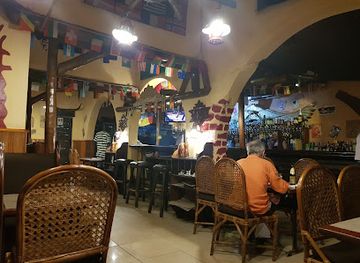
Best nightclubs in Macina
Macina does not have a significant nightclub or organised evening-entertainment scene. Social life is more likely to centre on family compounds, market areas, tea gatherings and modest local eateries, with evenings shaped by heat, daylight and security conditions. Alcohol is not central to public life, and visitors should respect the predominantly Muslim context by avoiding conspicuous drinking and following local advice. In larger Malian towns, some hotels and restaurants may offer more conventional evening facilities, but these are not a dependable feature of Macina itself. Travel after dark is particularly inadvisable because roads, floodplain tracks, communications and security conditions can all be difficult. Any evening visit, meal or community gathering should be arranged through a trusted local host rather than improvised.
-
Disco club
Le Byblos
Experience the vibrant nightlife at Le Byblos, a disco club in Bamako offering Lebanese cuisine, bowling, and hookah in a lively ambiance.
-
Night club
IBIZA CLUB
Discover the vibrant nightlife of Bamako at Ibiza Club, the ultimate destination for energetic music and unforgettable parties.
-
Night club
Éclipse
Dive into the heart of Bamako's nightlife at Éclipse, where music, dance, and local culture come alive in an unforgettable experience.
-
Disco club
Baramundi
Discover Baramundi, Bamako's disco club where vibrant music and energetic crowds create an unforgettable nightlife experience.
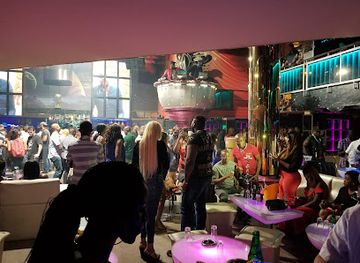

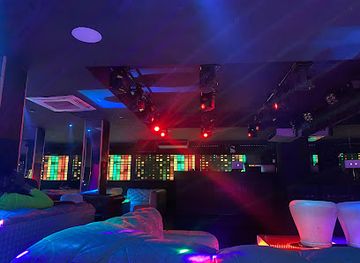
Best shops in Macina
Shopping in Macina is concentrated in local markets and small trading areas rather than dedicated visitor districts. Rice, grain, fish, livestock, household goods, clothing and practical farm or fishing equipment reflect the surrounding economy. Travellers may find locally produced woven items, leather goods or simple craftwork, but availability is irregular and should not be assumed. The most appropriate purchases are often regional food products or modest handmade objects bought directly and respectfully, with prices agreed clearly. Carry cash in small CFA-franc denominations, as card payments are unlikely and market infrastructure is basic. Ségou, outside Macina, provides a broader range of shops and services for provisioning, while Bamako offers Mali's largest selection of crafts and contemporary retail. Avoid buying archaeological objects, old manuscripts, wildlife products or items presented as historic without proper provenance, since their trade may be illegal or harmful to cultural heritage.
-
Shopping mall
Mali MAG
Discover Mali MAG, a bustling shopping mall in Bamako offering local crafts, international brands, diverse dining options, and family-friendly entertainment.
-
Supermarket
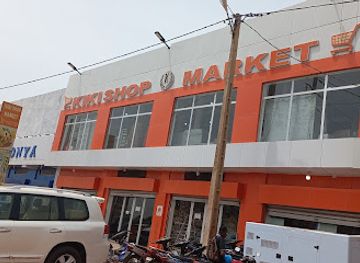
Kiki Shop Market
Discover local flavors and unique souvenirs at Kiki Shop Market, your one-stop destination for authentic Malian products.
-
Clothing store
Mali Chic
Explore Mali Chic in Bamako: Your destination for authentic Malian fashion and contemporary styles that celebrate the essence of local culture.
-
Shopping mall
Centre Commercial
Experience the lively shopping scene at Centre Commercial in Niono, a hub for unique finds and local flavors.
Get your free copy of our complete guide to Macina, delivered straight to you.
Everything on this page, from attractions and restaurants to essentials and local phrases, in one PDF you can read offline, print or share.
Already have an account? Sign in
Your Macina guide is ready.
We'll send it to · Not you? Sign out

Getting your guide ready…
We are putting together a fresh copy of the Macina guide. This can take up to a minute.
This can take a few moments. If your browser asks, choose Allow so the download can start. You'll find the guide in your Downloads folder.
Nothing happened? Download it again
Sorry, the guide is taking longer than usual. Please try again in a minute, or get it by email instead.
Macina essentials
Currency and Payment
Safety
Emergency Situations
Do's and Don'ts
Local Tips
From Eve
Local phrases worth knowing
You don't need to get them perfect. A few words go a long way, and locals appreciate the effort.
Basics
| English | Local | Say it |
|---|---|---|
| Hello | N'ko | [n'ko] |
| Goodbye | N'ko tuma | [n'ko tumah] |
| Yes | Waaw | [wah-wah] |
| No | Ayi | [ah-yee] |
| Please/You're welcome | Fè bènè | [feh beh-neh] |
| Thank you | M'baraka | [m'ba-ra-ka] |
| Excuse me/Sorry | Kace | [ka-chay] |
| How are you? | N'te wuli? | [n-teh woo-lee] |
| Fine. And you? | M'baraka. I na? | [m'ba-ra-ka. ee nah?] |
| Do you speak English? | I ka sùbá English? | [ee kah soo-bah English?] |
| I don't understand | N'ka fôlô | [n-kah fo-lo] |
Eating & Drinking
| English | Local | Say it |
|---|---|---|
| I'd like to see the menu, please | N'ka fâlè menu, fè bènè | [n-kah fah-leh meh-noo, feh beh-neh] |
| I don't eat meat | N'ka sôkô furu | [n-kah so-koh foo-roo] |
| Cheers! | Tèèma! | [teh-mah] |
| I would like to pay, please | N'ka fâlè sâbâ, fè bènè | [n-kah fah-leh sah-bah, feh beh-neh] |
Emergencies
| English | Local | Say it |
|---|---|---|
| Help! | Tèèma! | [teh-mah] |
| Go away! | Ayi bô! | [ah-yee boh!] |
| Call the Police! | N'ka bô kàmbè! | [n-kah boh kahm-beh!] |
| Call a doctor! | N'ka bô dɔkita! | [n-kah boh doh-kee-tah!] |
| I'm lost | N'ka fôlô | [n-kah fo-lo] |
| I'm ill | N'ka sôkô | [n-kah so-koh] |
Shopping
| English | Local | Say it |
|---|---|---|
| I'd like to buy... | N'ka fâlè tɔɔ... | [n-kah fah-leh toh-oh] |
| I'm just looking | N'ka fôlô bô | [n-kah fo-lo boh] |
| How much is it? | Kô n'ka fô? | [koh n-kah fo?] |
| That's too expensive | Ayi kô baara | [ah-yee koh bah-rah] |
| Can you lower the price? | I ka fôwô kô bô? | [ee kah fo-woh koh boh?] |
Time & Numbers
| English | Local | Say it |
|---|---|---|
| What time is it? | Kôsi n'ka tɛɛ? | [koh-see n-kah teh?] |
| It's one o'clock | N'ka tɛɛ kelen | [n-kah teh keh-len] |
| Half past (10) | Kô n'ka fôlô (10) | [koh n-kah fo-lo (10)] |
| Morning | N'na | [n-nah] |
| Afternoon | N'kɔrɔ | [n-koh-roh] |
| Evening | N'kɔrɔ furu | [n-koh-roh foo-roo] |
| Yesterday | Kôsi | [koh-see] |
| Today | N'ka tɛɛ | [n-kah teh] |
| Tomorrow | N'ka tɛɛ n'kɔn | [n-kah teh n-kohn] |
| 1 | Kelen | [keh-len] |
| 2 | Folo | [fo-lo] |
| 3 | Tati | [tah-tee] |
| 4 | Nye | [nyeh] |
| 5 | Doni | [doh-nee] |
| 6 | N'kɔɔ | [n-koh-oh] |
| 7 | Wulu | [woo-loo] |
| 8 | Saba | [sah-bah] |
| 9 | Tulu | [too-loo] |
| 10 | Sankɔ | [sahn-koh] |
Transport & Directions
| English | Local | Say it |
|---|---|---|
| Where's a/the...? | N'ko fô...? | [n-koh fo...?] |
| What's the address? | Kô tɛlɛ? | [koh teh-leh?] |
| Can you show me (on the map)? | I ka sôgô mɔgɔ (fô bî?) | [ee kah so-goh mo-goh (foh bee?)] |
| When's the next (bus)? | Kô n'ka tɛɛ (kôsi)? | [koh n-kah teh (koh-see)?] |
| A ticket (to ....) | N'ka sôgô kô (fô ...) | [n-kah so-goh koh (fo ...)] |
History of Macina
Early Niger floodplain societies
The Middle Niger has supported settled communities, fishing economies, farming and pastoral movement for many centuries. Seasonal flooding created fertile land for rice and other crops, while channels and wetlands provided fish and transport routes. Archaeological traditions in the wider inland delta, including the important settlement history associated with Djenné-Djeno, demonstrate the long development of urban, craft and trading societies in central Mali. The Macina landscape formed part of this wider riverine world, where access to water and pasture shaped settlement patterns and encouraged interaction between agricultural, fishing and herding communities.
Islamic scholarship and trans-Sahelian trade
From the medieval period, the Niger corridor connected communities in present-day Mali with trading networks extending across the western Sahel and the Sahara. Islam spread through commerce, scholarship and political relationships, while local societies retained varied religious and social practices. The broader Middle Niger became known for centres of learning, markets and specialist craft production. Macina's later historical identity grew from this combination of river agriculture, pastoral mobility, Islamic authority and trade rather than from a single settlement alone.
The rise of the Massina Empire, early nineteenth century
In the early nineteenth century, Seku Amadu established the Massina Empire in the wider Inner Niger Delta. Sometimes described as a Fulani Muslim state, it organised political authority, religious life and agricultural production around the floodplain. Hamdallahi, the imperial capital, was built outside modern Macina Cercle in present-day Mopti Region, but the empire governed and influenced territory across the historical Macina area. Its legacy remains important in discussions of Islamic reform, Fulani political history, land management and the relationship between riverain farming and pastoralism.
Colonial conquest and administrative change
French forces extended control over the Middle Niger during the late nineteenth century, incorporating the region into French West Africa. Colonial rule altered political authority, taxation, trade routes and systems of land administration, while existing communities and local institutions continued to shape daily life. Administrative boundaries introduced during and after the colonial period do not correspond exactly to the older historical meaning of Macina. Modern Macina is part of Mali's Ségou Region, whereas much of the cultural and historical Macina landscape crosses into neighbouring administrative regions.
Independence and the modern Niger economy
Mali became independent in 1960, and the Macina area continued to depend on the Niger's seasonal rhythms. Rice cultivation expanded in parts of the floodplain, alongside fishing, livestock keeping, millet production and local commerce. Roads, irrigation initiatives and state administration changed the balance between mobile and settled livelihoods, although rainfall and flood levels remained decisive. The region's markets and transport links continue to connect farming villages with larger centres such as Ségou and Mopti.
Environmental pressure and insecurity in the twenty-first century
The Niger floodplain faces continuing pressures from variable rainfall, changing flood patterns, competition over land and water, and population growth. Since the 2010s, insecurity across central and northern Mali has also affected travel, trade, public administration and humanitarian access. These conditions have made the wider Inner Niger Delta far less accessible to international visitors than it was during earlier cultural-tourism eras. Contemporary travel planning must therefore consider security and community consent alongside the region's environmental and historical importance.
Macina in Photos
Browse through our photo collection highlighting the charm and character of the destination.
Neighbouring regions of Macina
The closest regions to Macina, if you have time for more than one.
-

-

-

-

-


Swipe for more regions
Explore more

Explore more of Mali
Discover Mali: A blend of ancient history, vibrant cultures, and breathtaking landscapes awaits you in this West African gem.
Explore Mali