

Free Mopti Region Travel Guide & Mobile App
Explore Mopti Region with free travel guides. Discover regional history, expert tips, proposed trips, and audio guides on web or mobile app.


Mopti Region combines the Niger Delta, Djenné’s earthen heritage and Dogon landscapes, but severe insecurity demands careful official advice.
Read more about Mopti Region
When is the best time to visit Mopti Region?
Best: November–January · 31–33°C| Month | High (°C) | Rainfall (mm) |
|---|---|---|
| January (best) | 31 | 0 |
| February | 33 | 0 |
| March | 37 | 0 |
| April | 40 | 1 |
| May | 42 | 2 |
| June | 37 | 6 |
| July | 33 | 12 |
| August | 32 | 15 |
| September | 35 | 10 |
| October | 34 | 3 |
| November (best) | 33 | 0 |
| December (best) | 31 | 0 |
Getting to and around Mopti Region
How to get there
Transportation
Destinations in Mopti Region
Resorts, valleys and scenic spots worth a trip of their own.

Swipe for more destinations
Best attractions in Mopti Region
Mopti Region’s attractions are defined by the relationship between water, mud-brick architecture, escarpment landscapes and living communities rather than by a large concentration of conventional visitor facilities. In Mopti, the meeting of the Niger and Bani, the historic port area and the city’s markets illustrate the importance of river commerce, fishing and floodplain livelihoods. Djenné offers one of the most significant earthen urban environments in West Africa, including its celebrated Great Mosque and surrounding historic quarters, although access and security must be checked before any visit. Around Bandiagara, the escarpment and associated Dogon cultural landscapes combine cliffs, terraces, settlements and distinctive building traditions. The Inland Niger Delta is also important for birdlife, fishing and seasonal agriculture, while Douentza and the wider eastern part of the region lead towards drier Sahelian landscapes. These experiences are currently constrained by severe insecurity, restricted roads and limited tourism infrastructure, so they should be regarded as potential heritage subjects rather than readily available excursions.
-
Tourist attraction
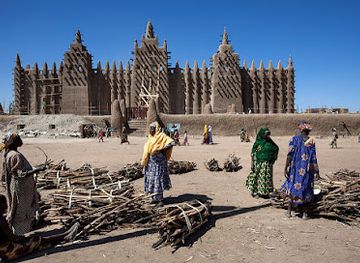
Great Mosque of Djenne
Discover the Great Mosque of Djenne, a UNESCO World Heritage Site, and the largest mud-brick structure in the world, rich in cultural and architectural significance.
-
 Tourist attraction
Bar madisson
Experience the vibrant culture and lively atmosphere at Bar Madisson, a must-visit tourist attraction in Sevare, Mali, perfect for socializing and sampling local flavors.
-
Agricole Camarala Garden
Discover the tranquil beauty of Agricole Camarala Garden in Fatoma, where vibrant flora and peaceful pathways create a serene escape for nature lovers.
-
Garden
Ali Tchokari Peace Corps Garden Project
Discover serenity and sustainability at the Ali Tchokari Peace Corps Garden Project in Fatoma, a vibrant space promoting environmental awareness and community connection.
Best landmarks in Mopti Region
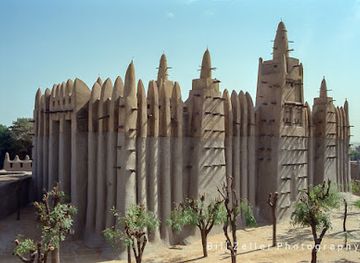
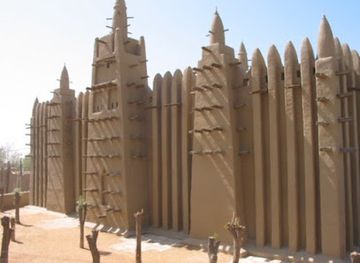
The Great Mosque of Djenné is the region’s most recognisable architectural landmark, its monumental banco, or sun-dried mud, walls expressing techniques adapted to the climate and maintained through communal rebuilding traditions. Djenné’s surrounding historic townscape is equally important, with narrow streets and multi-storey earthen houses forming a coherent urban environment. The Bandiagara Escarpment provides Mopti Region’s defining natural landmark: a long sandstone cliff and plateau edge whose caves, terraces, settlements and granaries are associated with the cultural landscapes of Dogon communities. Mopti’s riverfront and port area have symbolic importance because the city developed at the meeting of the Niger and Bani, where boats, fishing and commerce shaped its identity. The Inland Niger Delta itself is a seasonal geographical landmark rather than a single monument, changing from flooded waterways and wetlands to open pasture and cultivated ground. All such places require current security clearance and respectful, locally guided access.
-
Mosque
Grand Mosque of Mopti
Discover the majestic Grand Mosque of Mopti, a stunning example of Sudanese architecture and a symbol of Mali's rich cultural heritage.
-
Mosque
Grande Mosquée de Taïkiri
Discover the architectural and spiritual heart of Mopti at the Grande Mosquée de Taïkiri, a stunning example of Sudano-Sahelian design.
-
Handicraft
Mopti Mali
Explore the rich handicraft traditions and vibrant culture of Mopti, Mali, where every market stall tells a unique story of artistry.
-
Mosque
Grande Mosquée de Mopti-Sud
Discover the architectural beauty and cultural significance of the Grande Mosquée de Mopti-Sud, a symbol of Islamic heritage in Mali.
Explore Mopti Region on the map
Plan your trip on one map. See where the top cities, national parks and sights are, and book hotels and experiences in a few clicks.
Best hotels in Mopti Region
Best restaurants in Mopti Region
Food in Mopti Region reflects the resources of the Inland Niger Delta, the Sahel and the farming communities around the plateau. Rice is especially important in floodplain areas, often served with fish, vegetables or a savoury sauce, while millet and sorghum remain central to everyday cooking farther from the main waterways. Freshwater fish, including locally caught species, has long been part of the regional economy, although availability and hygiene standards vary. In towns, visitors may encounter brochettes, rice dishes, bean preparations, onions and seasonal vegetables, as well as sweet tea and locally made dairy products. Djenné and Mopti traditionally offer the widest choice of simple cafés, market food and informal restaurants, while rural areas have few dependable dining facilities. Under present security conditions, eating arrangements must be planned through trusted local contacts, with attention to safe drinking water, thoroughly cooked food and dietary contingencies.
-
Restaurant
Zeina café
Discover Zeina Café in Sevare - where authentic Malian cuisine meets welcoming ambiance and delightful flavors.
-
Restaurant
Restaurant Damou
Discover authentic Malian flavors at Restaurant Damou – where every meal is a celebration of local culinary traditions.
-
Restaurant
Restaurant Bar Bozo
Experience authentic Malian flavors at Restaurant Bar Bozo in Mopti – where vibrant cuisine meets warm hospitality.
-
Restaurant
Yeredeme
Experience authentic Malian cuisine at Yeredeme in Mopti—where every dish tells a story.
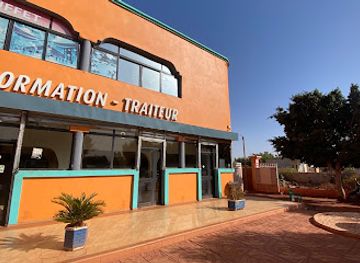
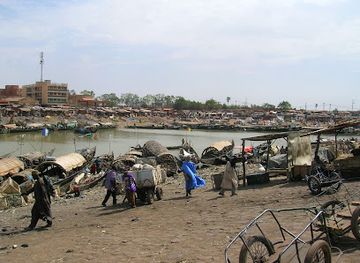
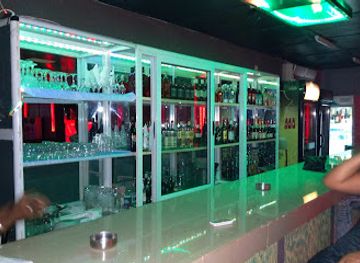
Best bars in Mopti Region
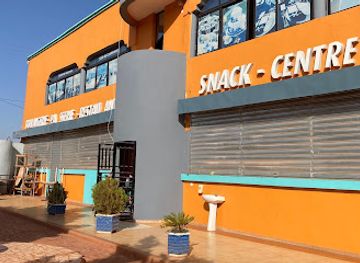
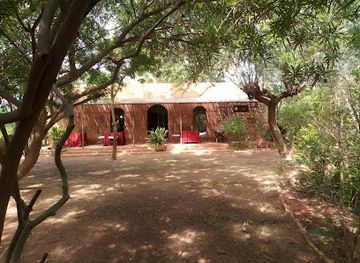
Mopti Region does not have a dependable, large-scale nightclub circuit, and evening life has traditionally centred on tea stalls, cafés, restaurants, market activity, family compounds and occasional music in larger towns. Mopti and Sévaré have historically offered more informal evening options than smaller settlements, while rural communities follow local social and religious patterns rather than a commercial nightlife timetable. Alcohol availability varies and should never be assumed, particularly in conservative communities or areas affected by conflict. Current insecurity, curfews, power interruptions and restrictions on movement make night-time activity especially limited. Visitors travelling for essential purposes should remain in secure accommodation after dark and avoid treating local evening gatherings as tourist entertainment without explicit permission and reliable security advice.
-
Restaurant
Zeina café
Experience the heart of Sevare at Zeina Café, where local flavors and international dishes meet in a cozy setting.
-
Resort hotel
Ambedjele Resort hotel restaurant
Experience the essence of Malian hospitality at Ambedjele Resort Hotel Restaurant, where local flavors meet serene luxury in Mopti.
-
Bar
Bar Chateau
Experience the vibrant nightlife and local charm at Bar Chateau in the heart of Santoro, a perfect stop for all travelers.
-
Bar
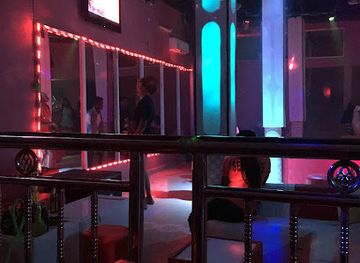
Venise Night Club
Dive into the pulsating nightlife of Venise Night Club, where music, dance, and culture collide in Sevare, Mali.
Best nightclubs in Mopti Region
Mopti Region does not have a dependable, large-scale nightclub circuit, and evening life has traditionally centred on tea stalls, cafés, restaurants, market activity, family compounds and occasional music in larger towns. Mopti and Sévaré have historically offered more informal evening options than smaller settlements, while rural communities follow local social and religious patterns rather than a commercial nightlife timetable. Alcohol availability varies and should never be assumed, particularly in conservative communities or areas affected by conflict. Current insecurity, curfews, power interruptions and restrictions on movement make night-time activity especially limited. Visitors travelling for essential purposes should remain in secure accommodation after dark and avoid treating local evening gatherings as tourist entertainment without explicit permission and reliable security advice.
-
Disco club
Byblos Disco
Discover the heart of Sevare's nightlife at Byblos Disco, where energetic music and an inviting atmosphere await your arrival.
-
Night club
Fiesta Club
Fiesta Club: Discover Sévaré's vibrant nightlife with electrifying music and a lively atmosphere that promises unforgettable nights.
-
Disco club
Refuge Night Club/Mopti
Dive into the vibrant nightlife of Mopti at Refuge Night Club, a premier destination for unforgettable music and dance experiences.
-
Night club
VIP club
Discover the energetic nightlife of Sevare at VIP Club, where music, dance, and vibrant socializing come together for an unforgettable experience.

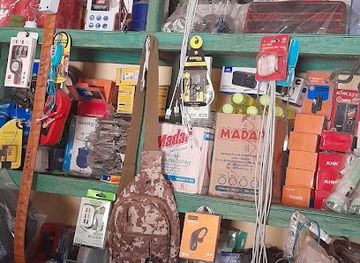
Best shops in Mopti Region
Shopping in Mopti Region has traditionally focused on markets, locally produced food, practical household goods, textiles, leatherwork, pottery and objects connected with fishing, farming and pastoral life. Mopti’s markets and port-related commerce reflect its role as a meeting point for river communities and inland traders, while Djenné is associated with earthen architecture, woven goods and craft traditions. Across the region, visitors may encounter dyed cloth, baskets, wooden objects, jewellery and carved items, but quality, provenance and ethical circumstances should be considered carefully. Do not buy archaeological material, sacred objects or wildlife products, and ask before photographing artisans or market stalls. Availability changes with insecurity, supply routes and market closures, so dependable souvenirs should not be assumed. When travel is authorised, buying directly and respectfully from recognised craftspeople is preferable to encouraging the removal of heritage objects.
-
Shopping mall
Boutique Halimatou Bello et fils
Discover unique Malian craftsmanship at Boutique Halimatou Bello et Fils, where vibrant culture meets exceptional shopping in Mopti.
-
Shopping mall
Cyber Café Doumbo
Experience the fusion of local culture and modern shopping at Cyber Café Doumbo in Douentza, Mali.
-
Supermarket
Market Of Mori
Discover the vibrant Market of Mori in Damada, where local produce, artisanal goods, and cultural experiences await every tourist.
-
Shopping mall
Sigu Te Mogo Son
Experience the heart of Mopti at Sigu Te Mogo Son, a shopping mall blending local culture with vibrant commerce.

Get your free copy of our complete guide to Mopti Region, delivered straight to you.
Everything on this page, from attractions and restaurants to essentials and local phrases, in one PDF you can read offline, print or share.
Already have an account? Sign in
Your Mopti Region guide is ready.
We'll send it to · Not you? Sign out

Getting your guide ready…
We are putting together a fresh copy of the Mopti Region guide. This can take up to a minute.
This can take a few moments. If your browser asks, choose Allow so the download can start. You'll find the guide in your Downloads folder.
Nothing happened? Download it again
Sorry, the guide is taking longer than usual. Please try again in a minute, or get it by email instead.
Mopti Region essentials
Currency and Payment
Safety
Emergency Situations
Do's and Don'ts
Local Tips
From Eve
Local phrases worth knowing
You don't need to get them perfect. A few words go a long way, and locals appreciate the effort.
Basics
| English | Local | Say it |
|---|---|---|
| Hello | N'ko | [N'ko] |
| Goodbye | Ala ka bɔ | [Ala ka bɔ] |
| Yes | Iye | [Iye] |
| No | Ala | [Ala] |
| Please/You're welcome | S'il vous plaît/De rien | [S'il vous plaît/De rien] |
| Thank you | M'asi | [M'asi] |
| Excuse me/Sorry | Fɔlɔ | [Fɔlɔ] |
| How are you? | N'ta fɛ? | [N'ta fɛ?] |
| Fine. And you? | N'ka fɛ. I ni kɛ? | [N'ka fɛ. I ni kɛ?] |
| Do you speak English? | I bɔ English? | [I bɔ English?] |
| I don't understand | N'ka tɛ | [N'ka tɛ] |
Eating & Drinking
| English | Local | Say it |
|---|---|---|
| I'd like to see the menu, please | M'ba tigi bɛn, s'il vous plaît | [M'ba tigi bɛn, s'il vous plaît] |
| I don't eat meat | N'ka fɔ nyama | [N'ka fɔ nyama] |
| Cheers! | Sikolo! | [Sikolo!] |
| I would like to pay, please | M'ba tigi bɔ, s'il vous plaît | [M'ba tigi bɔ, s'il vous plaît] |
Emergencies
| English | Local | Say it |
|---|---|---|
| Help! | Sikolo! | [Sikolo!] |
| Go away! | Fɔlɔ! | [Fɔlɔ!] |
| Call the Police! | Tigi Polisi! | [Tigi Polisi!] |
| Call a doctor! | Tigi dokita! | [Tigi dokita!] |
| I'm lost | N'ka bɔ fɔ | [N'ka bɔ fɔ] |
| I'm ill | N'ka sɔrɔ | [N'ka sɔrɔ] |
Shopping
| English | Local | Say it |
|---|---|---|
| I'd like to buy... | M'ba tigi fɛ... | [M'ba tigi fɛ...] |
| I'm just looking | N'ka fɛ bɔ | [N'ka fɛ bɔ] |
| How much is it? | I tɔgɔ kɛnɛn? | [I tɔgɔ kɛnɛn?] |
| That's too expensive | I tɔgɔ bɛɛ fɛ | [I tɔgɔ bɛɛ fɛ] |
| Can you lower the price? | I tɛ bɛɛ kɛnɛn? | [I tɛ bɛɛ kɛnɛn?] |
Time & Numbers
| English | Local | Say it |
|---|---|---|
| What time is it? | Bɔ kɛlɛ fɛ? | [Bɔ kɛlɛ fɛ?] |
| It's one o'clock | N'i kelen | [N'i kelen] |
| Half past (10) | Kelen kɛlɛ (10) | [Kelen kɛlɛ (10)] |
| Morning | Furu | [Furu] |
| Afternoon | Dɔɔ | [Dɔɔ] |
| Evening | Fɛgɛ | [Fɛgɛ] |
| Yesterday | Kɔfɛ | [Kɔfɛ] |
| Today | N'ka fɔ | [N'ka fɔ] |
| Tomorrow | Kɔnɔ | [Kɔnɔ] |
| 1 | Kelen | [Kelen] |
| 2 | Duo | [Duo] |
| 3 | Tati | [Tati] |
| 4 | N'na | [N'na] |
| 5 | Tɔn | [Tɔn] |
| 6 | Woolu | [Woolu] |
| 7 | N'kɔrɔ | [N'kɔrɔ] |
| 8 | N'na fɛgɛ | [N'na fɛgɛ] |
| 9 | N'na tati | [N'na tati] |
| 10 | N'na kelen | [N'na kelen] |
Transport & Directions
| English | Local | Say it |
|---|---|---|
| Where's a/the...? | I tɔgɔ... kɛn? | [I tɔgɔ... kɛn?] |
| What's the address? | Kɛnɛ bɛn? | [Kɛnɛ bɛn?] |
| Can you show me (on the map)? | I tɛ tigi n'ka (map la)? | [I tɛ tigi n'ka (map la)?] |
| When's the next (bus)? | Kɛnɛ bɛ n'ka (bus)? | [Kɛnɛ bɛ n'ka (bus)?] |
| A ticket (to ....) | Tiki (kɔ ...) | [Tiki (kɔ ...)] |
History of Mopti Region
Ancient Settlement and the Inland Niger Delta
The Inland Niger Delta has supported settled communities, fishing, floodplain agriculture and pastoral movement for many centuries. Seasonal flooding created a productive but changeable environment in which villages and trading centres developed around channels, levees and higher ground. Archaeological evidence from the wider delta, including the important settlement of Djenné-Djeno, demonstrates early urban development and long-distance exchange well before the rise of the great medieval empires. Ironworking, pottery, rice cultivation and trade helped establish the central delta as a major cultural and economic zone linking the savannah with the Sahel.
Djenné and the Medieval Trading World
Djenné became one of the most important commercial and religious centres of the western Sudan. Its position near the inland waterways connected it with agricultural settlements, gold-producing areas to the south and trans-Saharan routes to the north. The city’s prosperity was supported by merchants, scholars, craftspeople and river transport, while its distinctive earthen architecture developed in response to local materials and climate. Djenné-Djeno, the earlier settlement nearby, helps show that urban life in the area has a much longer history than the later medieval city.
Mali Empire and Songhai Influence
The central Niger basin was shaped by the expansion of the Mali Empire and later by Songhai power. Control of river crossings, agricultural lands and commercial routes brought political importance to towns in and around the present Mopti Region. Islam spread through rulers, merchants and scholars, while older religious practices continued within local societies. The region’s connections with centres such as Timbuktu and Gao were commercial and intellectual as well as political, although those cities lie outside Mopti Region. Changing imperial frontiers left a legacy of mixed cultural, linguistic and religious influences.
The Bandiagara Plateau and Dogon Settlements
Communities living around the Bandiagara Escarpment developed settlement patterns adapted to cliffs, plateaux, narrow valleys and limited water resources. Dogon societies were never isolated from wider regional history: farming, trade, migration, Islamic influence and relations with neighbouring peoples all affected the area over time. Cliffside granaries, terraces, shrines and earthen houses became visible expressions of local adaptation. The escarpment and its associated cultural landscape later attracted extensive archaeological and anthropological attention, though outside interpretation has sometimes simplified the region’s diverse and changing communities.
French Conquest and Colonial Administration
French forces incorporated the central regions of present-day Mali into French West Africa during the late nineteenth and early twentieth centuries. Colonial administration altered systems of taxation, labour, transport and political authority, while military posts and roads strengthened external control over river and overland routes. The French also classified and governed local communities through administrative categories that did not always reflect established relationships. Colonial economic policies affected agriculture and commerce, and the period left institutional and architectural traces that remained relevant after Mali gained independence in 1960.
Independence, Dams and Changing River Economies
After independence, the Niger and Bani waterways remained central to Mali’s food production, transport and pastoral economy. Irrigation schemes, including those associated with the Office du Niger farther west, influenced regional agriculture, while changing rainfall, river levels and land-use pressures affected the Inland Niger Delta. Mopti continued to function as a transport and trading centre, linking fishing communities, farmers, herders and merchants. Population movement and competition over land and water also became important background factors in the region’s later social and political tensions.
Conflict and the Disruption of Tourism
From the early 2010s, armed conflict and insecurity spread through northern and central Mali, affecting Mopti Region particularly severely. Violence, displacement, banditry, communal tensions and the presence of extremist groups disrupted roads, markets, education, heritage management and tourism. Several destinations once visited by international travellers became inaccessible or unsafe, and cultural sites faced damage, neglect or restrictions. The region’s historical importance has not diminished, but contemporary conditions mean that heritage travel must be considered alongside civilian safety, local consent and the serious risk of kidnapping or armed attack.
Mopti Region in Photos
Browse through our photo collection highlighting the charm and character of the destination.
Neighbouring regions of Mopti Region
The closest regions to Mopti Region, if you have time for more than one.
-

-

-

-

-


Swipe for more regions
Explore more

Explore more of Mali
Discover Mali: A blend of ancient history, vibrant cultures, and breathtaking landscapes awaits you in this West African gem.
Explore Mali