

Free Jaluit Atoll Travel Guide & Mobile App
Explore Jaluit Atoll with free travel guides. Discover regional history, expert tips, proposed trips, and audio guides on web or mobile app.


Jaluit Atoll in the Marshall Islands combines lagoon landscapes, wartime history, marine conservation and living Marshallese island culture.
Read more about Jaluit Atoll
When is the best time to visit Jaluit Atoll?
Best: January–March · 29°C| Month | High (°C) | Rainfall (mm) |
|---|---|---|
| January (best) | 29 | 200 |
| February (best) | 29 | 180 |
| March (best) | 29 | 190 |
| April | 30 | 200 |
| May | 30 | 210 |
| June | 30 | 220 |
| July | 30 | 230 |
| August | 30 | 240 |
| September | 30 | 230 |
| October | 30 | 220 |
| November | 30 | 210 |
| December | 29 | 200 |
Getting to and around Jaluit Atoll
How to get there
Transportation
Explore Jaluit Atoll on the map
Plan your trip on one map. See where the top cities, national parks and sights are, and book hotels and experiences in a few clicks.
Best hotels in Jaluit Atoll
Best restaurants in Jaluit Atoll
Dining on Jaluit is intimate and limited, with food generally organised through accommodation providers, households or small local arrangements rather than a developed restaurant scene. Meals may include rice, tinned or imported provisions, fish, shellfish where locally permitted, chicken, breadfruit when available, pandanus and coconut-based ingredients. Fresh catch and produce vary according to season, weather, household supply and conservation practices, so visitors should not assume that a particular dish will be available every day. Copra and coconut remain important to the atoll's agricultural identity, while reef fishing connects food directly to lagoon knowledge and local stewardship. Visitors should arrange meals in advance, mention dietary requirements early and carry suitable supplementary snacks. In contrast with Majuro, Jaluit has few opportunities for café culture, international menus or spontaneous restaurant-hopping. Accepting a home-style meal or locally prepared food is best done with respect for household customs, agreed payment and available ingredients rather than expectations formed by resort destinations.
-
Restaurant
Tide Table Restaurant & Lounge
Discover exquisite local flavors at Tide Table Restaurant & Lounge in Majuro – where ocean views meet culinary delight.
-
Restaurant
Toeak Bar and Grill
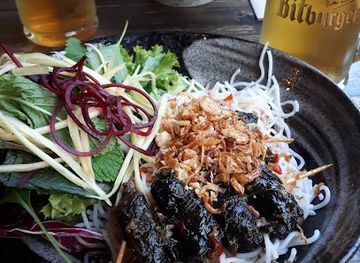
Experience authentic Marshallese cuisine at Toeak Bar and Grill in Majuro Atoll - where flavor meets island hospitality.
-
Takeout Restaurant
Yummy
Experience authentic Marshallese cuisine at Yummy, a top-rated takeout restaurant in Majuro Atoll offering delightful local flavors.
-
Restaurant
Island Star
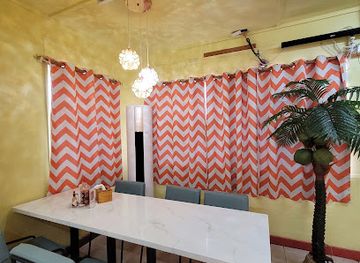
Discover the flavors of Majuro Atoll at Island Star, where local cuisine meets international flair in a stunning setting.
Best bars in Jaluit Atoll
Jaluit has no substantial nightclub circuit, and evening life is centred on homes, community gatherings, churches, conversation and the small-scale social life of the settlements. Visitors may find informal opportunities to share food or talk with residents, but these depend on invitation, local custom and the rhythm of the community rather than advertised entertainment. There are no dependable assumptions about late opening hours, specialist cocktail bars, live-music programmes or extensive alcohol supplies. Alcohol should be consumed discreetly and in accordance with local expectations, particularly near churches, families and public events. After dark, practical considerations matter: lighting can be limited, paths may be uneven, and moving around unfamiliar islets or shorelines is unsafe without local guidance. The most characteristic evening experience is the quiet atmosphere of an inhabited atoll, with the lagoon, wind and night sky providing the setting rather than a commercial nightlife district.
-
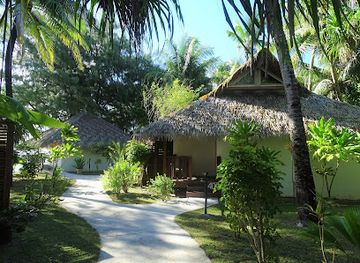
Hotel
Marshall Islands Resort
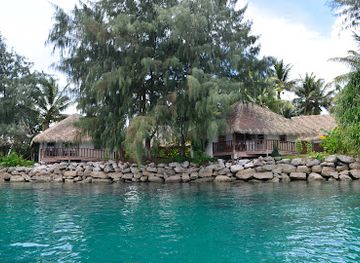
Discover tranquility and adventure at the Marshall Islands Resort, a tropical paradise in the Majuro Atoll with stunning views and vibrant activities.
-
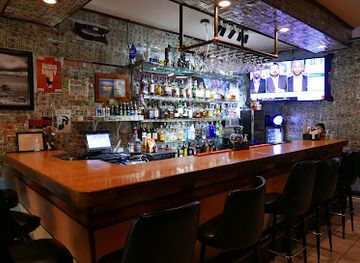
Restaurant
Tide Table Restaurant & Lounge
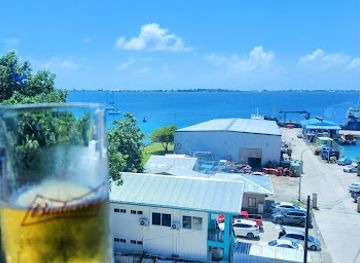
Experience the best of local and international cuisine at Tide Table Restaurant & Lounge, offering stunning ocean views and a warm atmosphere in Majuro.
-
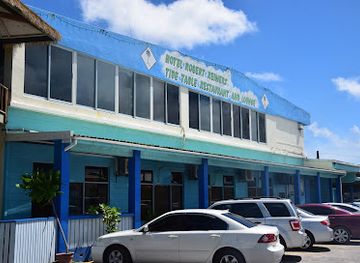
Hotel
Hotel Robert Reimers
Discover the charm of Majuro Atoll at Hotel Robert Reimers, where comfort meets local culture in the heart of the Marshall Islands.
-
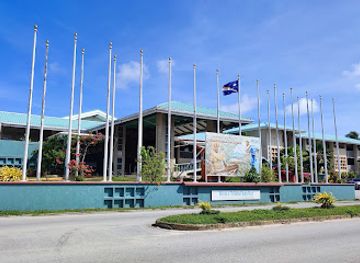
International airport
Amata Kabua International Airport
Experience the welcoming charm of Amata Kabua International Airport, your gateway to the stunning beauty of the Marshall Islands.
Best nightclubs in Jaluit Atoll
Jaluit has no substantial nightclub circuit, and evening life is centred on homes, community gatherings, churches, conversation and the small-scale social life of the settlements. Visitors may find informal opportunities to share food or talk with residents, but these depend on invitation, local custom and the rhythm of the community rather than advertised entertainment. There are no dependable assumptions about late opening hours, specialist cocktail bars, live-music programmes or extensive alcohol supplies. Alcohol should be consumed discreetly and in accordance with local expectations, particularly near churches, families and public events. After dark, practical considerations matter: lighting can be limited, paths may be uneven, and moving around unfamiliar islets or shorelines is unsafe without local guidance. The most characteristic evening experience is the quiet atmosphere of an inhabited atoll, with the lagoon, wind and night sky providing the setting rather than a commercial nightlife district.
-
Night club
Marshall Islands Club
Discover the vibrant nightlife at Marshall Islands Club - a lively night club in Majuro Atoll that promises great music and unforgettable experiences.
Best shops in Jaluit Atoll
Shopping on Jaluit is limited to practical local supplies rather than a retail district. Small stores may carry basic food, drinks and household necessities, but stocks depend on shipping and air services, so visitors should not rely on finding specialist equipment, medicines or a broad choice of souvenirs. Local purchases may include woven items, handmade crafts, coconut products or food prepared by households, although availability varies and should never be assumed. The most meaningful regional products are connected with Marshallese material culture and atoll life, including weaving and locally made objects, but visitors should ask about prices, ownership and permission before photographing or buying anything with cultural significance. Do not remove coral, shells, archaeological material or wartime objects as souvenirs. Bring sufficient cash in US dollars, and consider buying directly from makers or community contacts when a sale is clearly offered. For a wider range of shopping, visitors generally need to use Majuro rather than Jaluit.
-
Hotel
Marshall Islands Resort
Discover the allure of the Marshall Islands Resort, where luxury meets nature in a tropical paradise.
-
Supermarket
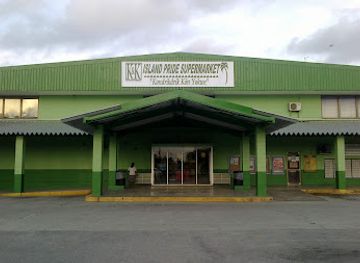
K&K Island Pride Supermarket
Explore local flavors at K&K Island Pride Supermarket, your go-to destination for fresh produce and unique Marshallese products in Majuro Atoll.
-
Hotel
Hotel Robert Reimers
Discover the beauty of the Marshall Islands with a stay at Hotel Robert Reimers, where comfort meets island charm.
-
International airport
Amata Kabua International Airport
Discover the beauty of the Marshall Islands through Amata Kabua International Airport, your gateway to paradise in the Pacific.


Get your free copy of our complete guide to Jaluit Atoll, delivered straight to you.
Everything on this page, from attractions and restaurants to essentials and local phrases, in one PDF you can read offline, print or share.
Already have an account? Sign in
Your Jaluit Atoll guide is ready.
We'll send it to · Not you? Sign out

Getting your guide ready…
We are putting together a fresh copy of the Jaluit Atoll guide. This can take up to a minute.
This can take a few moments. If your browser asks, choose Allow so the download can start. You'll find the guide in your Downloads folder.
Nothing happened? Download it again
Sorry, the guide is taking longer than usual. Please try again in a minute, or get it by email instead.
Jaluit Atoll essentials
Currency and Payment
Safety
Emergency Situations
Do's and Don'ts
Local Tips
From Eve
Local phrases worth knowing
You don't need to get them perfect. A few words go a long way, and locals appreciate the effort.
Basics
| English | Local | Say it |
|---|---|---|
| Hello | Iakwe | [E-yakwe] |
| Goodbye | Kommool | [Koh-mool] |
| Yes | E | [Eh] |
| No | Aolep | [Ah-oh-lep] |
| Please/You're welcome | Yokwe | [Yoh-kweh] |
| Thank you | Kommool tata | [Koh-mool tah-tah] |
| Excuse me/Sorry | Iakwe, am maron | [E-yakwe, ahm mah-ron] |
| How are you? | Eja an? | [Eh-jah ahn] |
| Fine. And you? | Eja, ej jab? | [Eh-jah, ehj jahb] |
| Do you speak English? | Eja eok walok in English? | [Eh-jah eh-ok wah-lok in In-g-lish] |
| I don't understand | Ejjit eok emman | [Eh-jit eh-ok em-man] |
Eating & Drinking
| English | Local | Say it |
|---|---|---|
| I'd like to see the menu, please | Ejjit eok wōt menu, yokwe | [Eh-jit eh-ok woh-t meh-new, yoh-kweh] |
| I don't eat meat | Ejjit eok im jab meat | [Eh-jit eh-ok eem jahb meet] |
| Cheers! | Iakwe! | [E-yakwe!] |
| I would like to pay, please | Ejjit eok wōt pa, yokwe | [Eh-jit eh-ok woh-t pah, yoh-kweh] |
Emergencies
| English | Local | Say it |
|---|---|---|
| Help! | Ejjit! | [Eh-jit!] |
| Go away! | Ejjit emman! | [Eh-jit em-man!] |
| Call the Police! | Ejjit ej jab Police! | [Eh-jit eh-j jahb Po-lees!] |
| Call a doctor! | Ejjit ej jab doctor! | [Eh-jit eh-j jahb dok-tor!] |
| I'm lost | Ejjit eok emman | [Eh-jit eh-ok em-man] |
| I'm ill | Ejjit eok emman | [Eh-jit eh-ok em-man] |
Shopping
| English | Local | Say it |
|---|---|---|
| I'd like to buy... | Ejjit eok wōt bar... | [Eh-jit eh-ok woh-t bar...] |
| I'm just looking | Ejjit eok just looking | [Eh-jit eh-ok just looking] |
| How much is it? | Eja etal? | [Eh-jah eh-tal?] |
| That's too expensive | Ejjit emman etal | [Eh-jit em-man eh-tal] |
| Can you lower the price? | Eja eok jab etal? | [Eh-jah eh-ok jahb eh-tal?] |
Time & Numbers
| English | Local | Say it |
|---|---|---|
| What time is it? | Eja etal? | [Eh-jah eh-tal?] |
| It's one o'clock | Eja itok wōt | [Eh-jah ee-tok woh-t] |
| Half past (10) | Half past (10) | [Half past (10)] |
| Morning | Mōne | [Mo-neh] |
| Afternoon | Wōt | [Woh-t] |
| Evening | Jab | [Jab] |
| Yesterday | Jab etal | [Jab eh-tal] |
| Today | Jab bar | [Jab bar] |
| Tomorrow | Jab bar etal | [Jab bar eh-tal] |
| 1 | Ikk | [Eek] |
| 2 | Jab | [Jab] |
| 3 | Tōn | [Tōn] |
| 4 | Jab iikk | [Jab eek] |
| 5 | Jab tōn | [Jab tōn] |
| 6 | Jab jībōn | [Jab jee-bon] |
| 7 | Jab jībōn jab | [Jab jee-bon jahb] |
| 8 | Jab jībōn jab jab | [Jab jee-bon jahb jahb] |
| 9 | Jab jībōn jab jab jab | [Jab jee-bon jahb jahb jahb] |
| 10 | Jab jībōn jab jab jab jab | [Jab jee-bon jahb jahb jahb jahb] |
Transport & Directions
| English | Local | Say it |
|---|---|---|
| Where's a/the...? | Ija a/the...? | [Ee-jah a/the...?] |
| What's the address? | Ija etal iwōt? | [Ee-jah eh-tal ee-wōt?] |
| Can you show me (on the map)? | Eja eok jab wōt (on the map)? | [Eh-jah eh-ok jahb woh-t (on the map)?] |
| When's the next (bus)? | Ija etal jab (bus)? | [Ee-jah eh-tal jahb (bus)?] |
| A ticket (to ....) | Ikk jab (to ....) | [Eek jahb (to ....)] |
History of Jaluit Atoll
Ancient Marshallese Settlement and Ocean Navigation
Jaluit's human history belongs to the wider settlement of the Marshall Islands by skilled seafaring communities who navigated widely across the central Pacific. Atoll societies developed around lagoon fishing, coconut cultivation, breadfruit where conditions allowed, and intricate networks of kinship and exchange. Marshallese navigators traditionally interpreted swells, stars, winds and wave patterns to travel between distant atolls. Although many early archaeological details are difficult to separate by individual atoll, Jaluit's island communities formed part of this long maritime tradition, which remains central to understanding how people live in a dispersed reef environment.
Chiefly Authority and Atoll Society
Before European colonial rule, Jaluit was organised through Marshallese systems of land, lineage and chiefly authority. Rights to islands, coconut groves, fishing grounds and other resources were embedded in customary relationships rather than based solely on individual ownership. The lagoon connected communities while also requiring careful knowledge of particular reefs and passages. These structures were altered by foreign administration, Christianity, commercial activity and later American governance, but customary landholding and family authority continue to influence everyday life and access across the atoll.
German Protectorate and the Jaluit Company
Germany established a protectorate over the Marshall Islands in 1885, and Jaluit became a key centre of colonial administration and commercial activity. The Jaluit Gesellschaft, or Jaluit Company, was involved in trading and copra production, linking the atoll to wider commercial networks. Copra, the dried meat of the coconut, became an important export and reshaped labour and land use across the islands. German influence was limited in physical scale but significant in formalising colonial control, trade administration and the region's connection with overseas markets.
Japanese Administration, 1914–1944
Japan took control of the Marshall Islands from Germany during the First World War and received a League of Nations mandate after the conflict. Jaluit served as the administrative centre for Japan's South Seas Mandate in the Marshall Islands, giving it a political importance that far exceeded its land area. Japanese officials, workers and military personnel expanded installations and infrastructure, while Marshallese communities experienced new forms of labour, schooling, regulation and economic integration. Buildings and wartime remains visible around the atoll reflect this period, although many have deteriorated in the tropical climate.
Second World War and the Japanese Base
During the Second World War, Jaluit became a Japanese military base with air and naval facilities. Its position within a sheltered lagoon made it useful for operations and supply, but the atoll was exposed to Allied air and naval attacks. Bombing damaged installations and disrupted civilian life, while shortages and wartime controls placed pressure on local communities. The remaining bunkers, concrete foundations, wreckage and other military traces are historical evidence rather than recreational props. Their condition varies, and visitors should approach them only with local guidance.
American Administration and the Trust Territory
United States forces took control of the Marshall Islands in 1944, and the islands subsequently became part of the United Nations Trust Territory of the Pacific Islands administered by the United States. Political and social life changed through new systems of education, public administration, health provision and economic support. Jaluit's former prominence as the colonial capital declined as administrative concentration shifted elsewhere, especially towards Majuro. The period also brought the wider political developments that eventually led to the self-government and national independence arrangements of the modern Republic of the Marshall Islands.
Conservation and Contemporary Jaluit
In the late twentieth century, international recognition of Jaluit's ecological importance helped place its lagoon, reef and terrestrial habitats within a conservation framework. The Jaluit Atoll Biosphere Reserve reflects the relationship between environmental protection and continued human use rather than a wilderness without residents. Contemporary Jaluit faces familiar atoll pressures, including limited freshwater, waste management challenges, coastal erosion, changing marine conditions and the practical cost of importing supplies. Its future depends on both community stewardship and wider national and international support.
Jaluit Atoll in Photos
Browse through our photo collection highlighting the charm and character of the destination.
Neighbouring regions of Jaluit Atoll
The closest regions to Jaluit Atoll, if you have time for more than one.
-

-

-

-
-


Swipe for more regions
Explore more

Explore more of Marshall Islands
Discover the untouched beauty and rich cultural heritage of the Marshall Islands, a Pacific paradise offering pristine beaches, vibrant marine life, and historical treasures.
Explore Marshall Islands