

Free Namdrik Atoll Travel Guide & Mobile App
Explore Namdrik Atoll with free travel guides. Discover regional history, expert tips, proposed trips, and audio guides on web or mobile app.


Namdrik Atoll offers lagoon excursions, reef landscapes and an intimate Marshallese outer-island experience shaped by community and sea.
Read more about Namdrik Atoll
Getting to and around Namdrik Atoll
How to get there
Transportation
Explore Namdrik Atoll on the map
Plan your trip on one map. See where the top cities, national parks and sights are, and book hotels and experiences in a few clicks.
Best hotels in Namdrik Atoll
Best restaurants in Namdrik Atoll
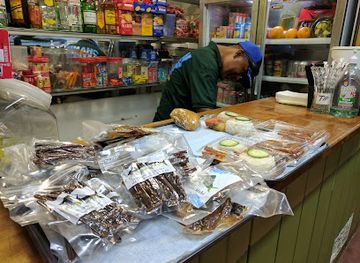
Namdrik does not have a conventional restaurant scene, and visitors should arrange meals with a host or accommodation provider before arrival. Food is likely to reflect the wider Marshallese outer-island diet, combining locally caught fish and other seafood with coconut, breadfruit, pandanus, taro where available and imported staples such as rice, tinned foods and flour. Fresh supplies can be irregular because they depend on shipping, flights, weather and household resources. Shared meals may be an important part of hospitality, but visitors should not presume that food can be purchased at any time or that dietary requirements can be met without advance notice. Carrying suitable non-perishable snacks is sensible, particularly for delayed travel or boat excursions. There are no established food quarters or dependable café circuit to explore; the culinary experience is instead connected to households, fishing, local ingredients and the logistics of living on a remote atoll. Visitors should avoid wasting food or fresh water and should clarify whether meals are included in their arrangements.
-
Restaurant
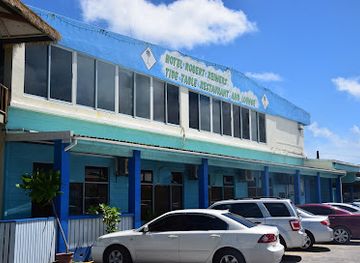
Tide Table Restaurant & Lounge
Discover authentic Pacific cuisine at Tide Table Restaurant & Lounge in Majuro—where fresh seafood meets stunning ocean views.
-
Restaurant
Toeak Bar and Grill
Discover Toeak Bar and Grill in Majuro Atoll – where exquisite local flavors meet stunning ocean views for an unforgettable dining experience.
-
Restaurant
Island Star
Discover Island Star: A top dining destination in Majuro Atoll offering fresh seafood and authentic Marshallese cuisine amidst stunning ocean views.
-
Restaurant
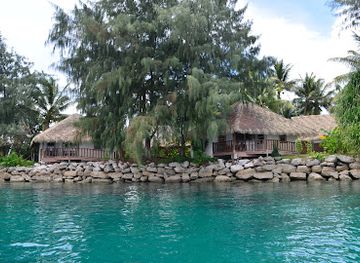
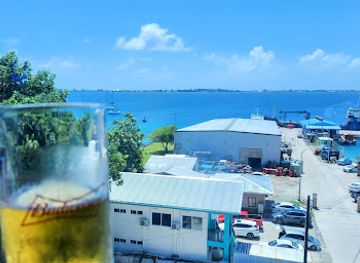
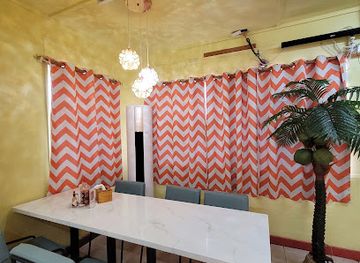
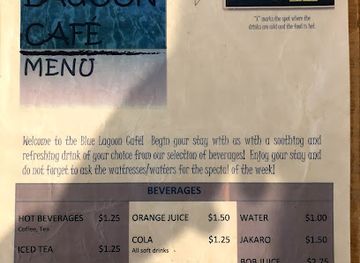
Blue Lagoon Restaurant
Experience exquisite dining with stunning lagoon views at Blue Lagoon Restaurant in Majuro Atoll - a culinary delight in paradise.
Best bars in Namdrik Atoll
Namdrik has no established nightclub district and should not be approached as a commercial nightlife destination. Evening life is generally quiet and community-based, centred on homes, conversation, family gatherings and local social occasions rather than late-opening bars. Visitors may spend the evening walking only where lighting and local advice make it appropriate, watching the lagoon, sharing a meal or discussing the day with hosts. Alcohol should be handled discreetly and in accordance with local expectations; it should never be assumed that it is appropriate at a community event or in public. Electricity, lighting and mobile coverage may be limited, so bring a torch and do not depend on streaming entertainment. Any music, celebration or gathering is likely to be occasional and locally organised rather than a scheduled tourist event.
-
Hotel
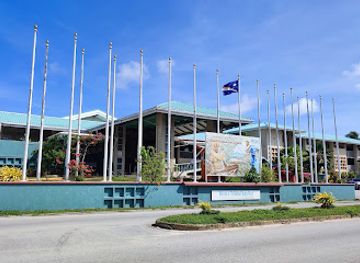
Marshall Islands Resort
Experience the beauty and tranquility of the Marshall Islands Resort, your tropical paradise in the heart of the Pacific.
-
Restaurant
Tide Table Restaurant & Lounge
Experience the vibrant flavors of the Pacific at Tide Table Restaurant & Lounge, where fresh local cuisine meets stunning ocean views.
-
Hotel
Hotel Robert Reimers
Discover the charm of the Marshall Islands at Hotel Robert Reimers, your serene getaway in Majuro with stunning ocean views and local hospitality.
-
Hotel
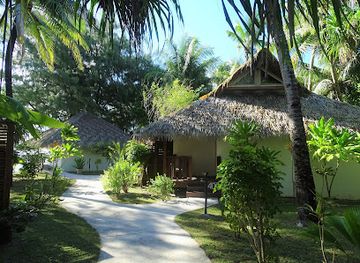
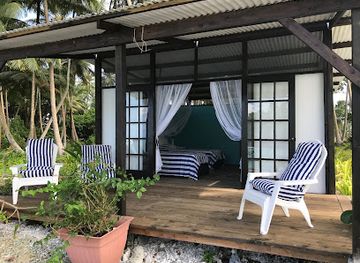
Private Island Boutique Resort Bikendrik Island Hideaway, Marshall Islands
Experience the ultimate tropical getaway at Bikendrik Island Hideaway, a luxurious boutique resort in the stunning Marshall Islands.
Best nightclubs in Namdrik Atoll
Namdrik has no established nightclub district and should not be approached as a commercial nightlife destination. Evening life is generally quiet and community-based, centred on homes, conversation, family gatherings and local social occasions rather than late-opening bars. Visitors may spend the evening walking only where lighting and local advice make it appropriate, watching the lagoon, sharing a meal or discussing the day with hosts. Alcohol should be handled discreetly and in accordance with local expectations; it should never be assumed that it is appropriate at a community event or in public. Electricity, lighting and mobile coverage may be limited, so bring a torch and do not depend on streaming entertainment. Any music, celebration or gathering is likely to be occasional and locally organised rather than a scheduled tourist event.
-
Night club
Marshall Islands Club
Discover the vibrant nightlife of the Marshall Islands at the energetic Marshall Islands Club, where culture and music come alive.

Best shops in Namdrik Atoll
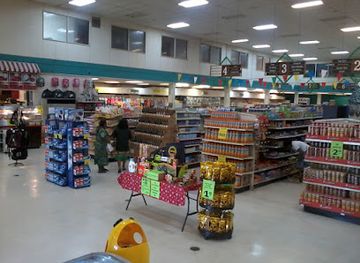
Shopping in Namdrik is limited and practical, with no conventional high street, shopping centre or dependable souvenir market. Small local stores, where operating, may carry basic household goods, drinks and packaged food, but supplies and opening arrangements can change with shipments and flights. Visitors should bring essential toiletries, medicines, snacks, batteries and other specialist items from Majuro or their international departure point. Locally made handicrafts, woven items, coconut products or other small goods may sometimes be available through households or community contacts, but they should be bought respectfully and without bargaining aggressively over labour-intensive work. Ask before photographing or handling crafts, and confirm whether an item is for sale rather than simply being displayed or used. The most appropriate purchases are locally offered products that can be transported without damage and do not involve coral, shells, protected wildlife or archaeological material.
-
Hotel
Marshall Islands Resort
Discover the tranquility and beauty of the Marshall Islands at the tranquil Marshall Islands Resort, your perfect getaway in the Pacific.
-
Supermarket
K&K Island Pride Supermarket
Explore the vibrant culture and flavors of the Marshall Islands at K&K Island Pride Supermarket, your go-to destination for local products and unique souvenirs.
-
Hotel
Hotel Robert Reimers
Experience the serene beauty of the Marshall Islands at Hotel Robert Reimers, your gateway to Majuro Atoll's stunning landscapes and rich culture.
-
International airport
Amata Kabua International Airport
Discover the beauty of the Marshall Islands through Amata Kabua International Airport, your gateway to tropical adventures and stunning landscapes.

Get your free copy of our complete guide to Namdrik Atoll, delivered straight to you.
Everything on this page, from attractions and restaurants to essentials and local phrases, in one PDF you can read offline, print or share.
Already have an account? Sign in
Your Namdrik Atoll guide is ready.
We'll send it to · Not you? Sign out

Getting your guide ready…
We are putting together a fresh copy of the Namdrik Atoll guide. This can take up to a minute.
This can take a few moments. If your browser asks, choose Allow so the download can start. You'll find the guide in your Downloads folder.
Nothing happened? Download it again
Sorry, the guide is taking longer than usual. Please try again in a minute, or get it by email instead.
Namdrik Atoll essentials
Currency and Payment
Safety
Emergency Situations
Do's and Don'ts
Local Tips
From Eve
Local phrases worth knowing
You don't need to get them perfect. A few words go a long way, and locals appreciate the effort.
Basics
| English | Local | Say it |
|---|---|---|
| Hello | Yokwe | [yoh-kweh] |
| Goodbye | Aolep | [ah-oh-lep] |
| Yes | Em | [em] |
| No | Aole | [ah-oh-leh] |
| Please/You’re welcome | Iakwe | [ee-ah-kweh] |
| Thank you | Komol tata | [koh-mol tah-tah] |
| Excuse me/Sorry | Ij jor | [ee-j jor] |
| How are you? | Ejjab eok? | [eh-jahb eh-ok] |
| Fine. And you? | Ij jor. Ejjab eok? | [ee-j jor eh-jahb eh-ok] |
| Do you speak English? | Ejjab aolep ian English? | [eh-jahb ah-oh-lep ee-an English] |
| I don’t understand | Ij jor imaro | [ee-j jor ee-mah-roh] |
Eating & Drinking
| English | Local | Say it |
|---|---|---|
| I’d like to see the menu, please | Ij wōr bōk menu, iakwe | [ee-j woh-r boh-k meh-noo ee-ah-kweh] |
| I don’t eat meat | Ij jor eat meat | [ee-j jor eet meet] |
| Cheers! | Iakwe! | [ee-ah-kweh] |
| I would like to pay, please | Ij wōr bōk pay, iakwe | [ee-j woh-r boh-k pay ee-ah-kweh] |
Emergencies
| English | Local | Say it |
|---|---|---|
| Help! | Ijjab! | [ee-jahb] |
| Go away! | Wōt ak! | [woh-t ahk] |
| Call the Police! | Wōt bōk Police! | [woh-t boh-k poh-lees] |
| Call a doctor! | Wōt bōk doctor! | [woh-t boh-k dok-tor] |
| I’m lost | Ij jān ian | [ee-j jah-n ee-an] |
| I’m ill | Ij jān imaro | [ee-j jah-n ee-mah-roh] |
Shopping
| English | Local | Say it |
|---|---|---|
| I’d like to buy... | Ij wōr bōk jān... | [ee-j woh-r boh-k jah-n] |
| I’m just looking | Ij jān jān | [ee-j jah-n jah-n] |
| How much is it? | Ejjab aole e? | [eh-jahb ah-oh-leh eh] |
| That’s too expensive | Ejjab jān jān | [eh-jahb jah-n jah-n] |
| Can you lower the price? | Ejjab aole mūj price? | [eh-jahb ah-oh-leh moo-j price] |
Time & Numbers
| English | Local | Say it |
|---|---|---|
| What time is it? | Ejjab aole jān? | [eh-jahb ah-oh-leh jah-n] |
| It’s one o’clock | Ij wōr jān o’clock | [ee-j woh-r jah-n oh-clock] |
| Half past (10) | Jān bōk (10) | [jah-n boh-k (10)] |
| Morning | Jān | [jah-n] |
| Afternoon | Jān jān | [jah-n jah-n] |
| Evening | Jān jān | [jah-n jah-n] |
| Yesterday | Jān jān | [jah-n jah-n] |
| Today | Jān jān | [jah-n jah-n] |
| Tomorrow | Jān jān | [jah-n jah-n] |
| 1 | 1 | [1] |
| 2 | 2 | [2] |
| 3 | 3 | [3] |
| 4 | 4 | [4] |
| 5 | 5 | [5] |
| 6 | 6 | [6] |
| 7 | 7 | [7] |
| 8 | 8 | [8] |
| 9 | 9 | [9] |
| 10 | 10 | [10] |
Transport & Directions
| English | Local | Say it |
|---|---|---|
| Where's a/the...? | Ejjab aole ...? | [eh-jahb ah-oh-leh ...?] |
| What's the address? | Ejjab aole address? | [eh-jahb ah-oh-leh ah-dress] |
| Can you show me (on the map)? | Ejjab aole jān (i wōt)? | [eh-jahb ah-oh-leh jah-n (ee woh-t)?] |
| When's the next (bus)? | Ejjab aole next (bus)? | [eh-jahb ah-oh-leh next (bus)?] |
| A ticket (to ....) | A ticket (to ....) | [A ticket (to ....)] |
History of Namdrik Atoll
Micronesian settlement and atoll society
Namdrik was settled as part of the wider Marshall Islands by Micronesian voyagers who developed sophisticated knowledge of stars, winds, currents, reefs and island resources. On a small atoll, social organisation depended on extended family relationships, customary authority, fishing grounds and the careful distribution of scarce land and fresh water. Marshallese language, customary obligations, canoe knowledge and forms of land tenure remain important to understanding Namdrik today, even as modern communications and migration have changed outer-island life.
European contact and Spanish claims
European navigators reached the Marshall Islands during the age of Pacific exploration, although outside contact initially had limited effect on daily life in remote atolls such as Namdrik. Spain later asserted a claim over the islands, but effective colonial administration was slight. The atoll’s distance from major ports meant that local communities continued to rely primarily on their own institutions, maritime skills and subsistence economy rather than on sustained European settlement.
German administration and copra trade
Germany established colonial authority in the Marshall Islands in the late nineteenth century, and the islands became part of German New Guinea. The commercial economy centred largely on copra, the dried meat of the coconut, which could be collected in outer atolls and exported through trading networks. This period connected Namdrik more firmly to international commerce while reinforcing the importance of coconut palms, shipping contacts and imported goods in the local economy.
Japanese rule in the mandated islands
After the First World War, Japan administered the Marshall Islands under a League of Nations mandate. Japanese influence expanded through schools, administration, commerce and strategic development, though the experience varied between urban centres and distant atolls. During the Second World War, the Marshall Islands became a theatre of military operations between Japan and the United States. The conflict brought disruption and wider geopolitical importance to a region whose communities had previously experienced colonial rule mainly through trade and administration.
United States administration and the Trust Territory
Following the Second World War, the Marshall Islands were administered by the United States as part of the Trust Territory of the Pacific Islands under a United Nations trusteeship. New forms of schooling, public administration, health provision and transport developed, but outer atolls continued to face long distances and uneven access to services. The period also connected Namdrik more closely with Majuro and other population centres, encouraging migration while leaving village and atoll communities central to social identity.
Self-government and contemporary outer-island life
The Marshall Islands became self-governing in free association with the United States under the Compact of Free Association, with independence in 1986. Modern Namdrik reflects both continuity and change: customary relationships, fishing and community obligations remain significant, while residents also depend on imported food, public funding, communications and links to Majuro. Climate change has added a major contemporary pressure, as sea-level rise, coastal erosion, saltwater intrusion and stronger storms threaten the narrow land and freshwater resources on which atoll life depends.
Namdrik Atoll in Photos
Browse through our photo collection highlighting the charm and character of the destination.
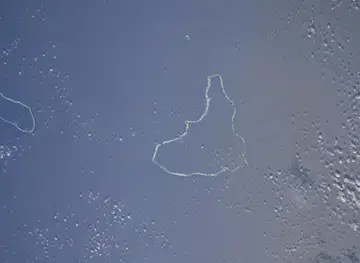
Neighbouring regions of Namdrik Atoll
The closest regions to Namdrik Atoll, if you have time for more than one.
-

-

-

-
-


Swipe for more regions
Explore more

Explore more of Marshall Islands
Discover the untouched beauty and rich cultural heritage of the Marshall Islands, a Pacific paradise offering pristine beaches, vibrant marine life, and historical treasures.
Explore Marshall Islands