

Free Namu Atoll Travel Guide & Mobile App
Explore Namu Atoll with free travel guides. Discover regional history, expert tips, proposed trips, and audio guides on web or mobile app.


Namu Atoll offers remote Marshallese island life, reef and lagoon scenery, traditional communities and quiet Pacific travel far from resort crowds.
Read more about Namu Atoll
When is the best time to visit Namu Atoll?
Best: January–March · 30–31°C| Month | High (°C) | Rainfall (mm) |
|---|---|---|
| January (best) | 30 | 120 |
| February (best) | 31 | 110 |
| March (best) | 31 | 115 |
| April | 32 | 125 |
| May | 32 | 130 |
| June | 33 | 135 |
| July | 33 | 140 |
| August | 33 | 145 |
| September | 32 | 140 |
| October | 32 | 135 |
| November | 31 | 130 |
| December | 31 | 125 |
Getting to and around Namu Atoll
How to get there
Transportation
Explore Namu Atoll on the map
Plan your trip on one map. See where the top cities, national parks and sights are, and book hotels and experiences in a few clicks.
Best hotels in Namu Atoll
Best restaurants in Namu Atoll
Dining on Namu Atoll is centred on household and community cooking rather than a restaurant industry. Meals may draw on locally caught fish, coconut, breadfruit, pandanus and other foods available seasonally, supplemented by rice, tinned goods and supplies brought from larger islands. Preparation and availability depend on weather, fishing success, transport and family arrangements, so visitors should organise meals with their host before arrival. Freshwater and refrigeration are limited resources, and imported food can be costly. A shared meal is best approached as a social and cultural exchange, with clear agreement about payment or contributions where appropriate. There is no established fine-dining scene or dependable choice of cafés and takeaways; travellers requiring special diets should bring suitable backup provisions and explain their needs in advance. Local produce and seafood should be accepted respectfully and used conservatively, since supplies support residents as well as visitors.
-
Restaurant
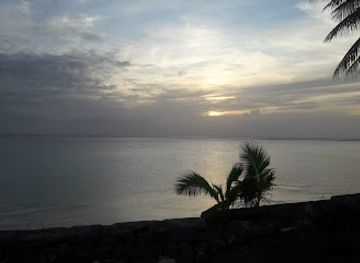
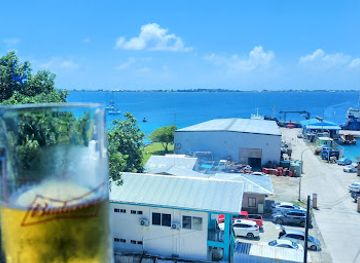
Tide Table Restaurant & Lounge
Discover exquisite dining with stunning ocean views at Tide Table Restaurant & Lounge in Majuro Atoll.
-
Barbecue
Outrigger Bar & Grill
Experience exquisite barbecue flavors in the heart of Kwajalein Atoll at Outrigger Bar & Grill - where every bite is a taste of paradise.
-
Restaurant
Toeak Bar and Grill
Discover culinary delights at Toeak Bar and Grill in Majuro - where local flavors meet international flair in a stunning oceanfront setting.
-
Restaurant
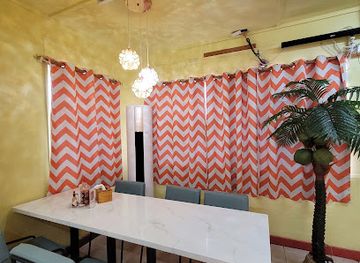
Island Star
Discover authentic Marshallese cuisine alongside international favorites at Island Star in Majuro Atoll - where every meal is a celebration.

Best bars in Namu Atoll
Namu Atoll does not have a conventional bar or nightclub scene. Evening life is more likely to centre on households, churches, community gatherings, conversation and the quiet routines of an island settlement than on commercial entertainment. Visitors should not expect late opening venues, live-music schedules or reliable supplies of alcoholic drinks. If alcohol is available, its use should remain discreet and guided by local expectations, particularly near churches and family spaces. After dark, the absence of street lighting makes a torch essential, while the lagoon, stars and shoreline provide a natural setting for quiet observation rather than organised nightlife. Any evening visit between communities should be arranged with a trusted local boat operator and completed with careful attention to weather, tides and visibility.
-
Hotel
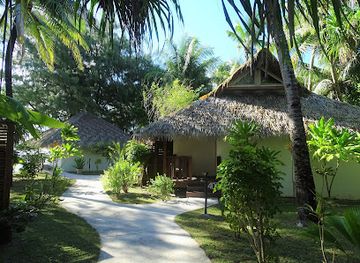
Marshall Islands Resort
Discover the perfect blend of luxury and adventure at the Marshall Islands Resort, your gateway to exploring the stunning beauty of the Marshall Islands.
-
Restaurant
Tide Table Restaurant & Lounge
Explore the vibrant culinary scene of the Marshall Islands at Tide Table Restaurant & Lounge, where local flavors meet stunning ocean views.
-
Hotel
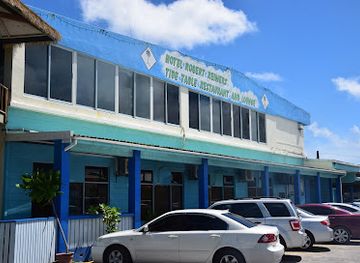
Hotel Robert Reimers
Discover the charm and comfort of Hotel Robert Reimers, your perfect getaway in the stunning Marshall Islands.
-
Bar
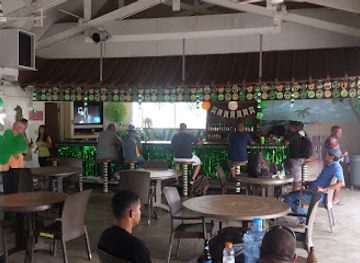
Oceanview Club aka Snake Pit
Discover the vibrant Oceanview Club on Kwajalein Atoll, where refreshing drinks and stunning ocean views create an unforgettable experience.
Best nightclubs in Namu Atoll
Namu Atoll does not have a conventional bar or nightclub scene. Evening life is more likely to centre on households, churches, community gatherings, conversation and the quiet routines of an island settlement than on commercial entertainment. Visitors should not expect late opening venues, live-music schedules or reliable supplies of alcoholic drinks. If alcohol is available, its use should remain discreet and guided by local expectations, particularly near churches and family spaces. After dark, the absence of street lighting makes a torch essential, while the lagoon, stars and shoreline provide a natural setting for quiet observation rather than organised nightlife. Any evening visit between communities should be arranged with a trusted local boat operator and completed with careful attention to weather, tides and visibility.
-
Bar
Oceanview Club aka Snake Pit
Experience the vibrant nightlife at Oceanview Club, a must-visit bar in Kwajalein Atoll, offering stunning views and affordable drinks.
-
Night club
Marshall Islands Club
Discover the vibrant nightlife at Marshall Islands Club, where local culture meets electrifying rhythms and unforgettable moments.

Best shops in Namu Atoll
Shopping on Namu Atoll is limited to small community provisions and locally exchanged goods rather than a retail district. Visitors should buy essential supplies before leaving Majuro or another major gateway, including medicines, toiletries, batteries, snacks and specialist equipment. Small shops, where operating, may stock only a narrow selection of imported basics and may not accept cards. Locally made items may include woven handicrafts, food products or practical objects connected with island life, but availability varies and should not be assumed. Ask permission before purchasing culturally significant objects, and never buy coral, shells, archaeological material or items taken from the reef. Fairly priced handicrafts and directly purchased local produce can provide useful support when acquired through respectful, transparent arrangements. Shopping in Namu is therefore less about souvenirs than about preparing responsibly, buying modestly and recognising the limited supply chain on which the community depends.
-
Hotel
Marshall Islands Resort
Discover the enchanting beauty of Marshall Islands Resort, your perfect getaway in Majuro Atoll, offering comfort, adventure, and tropical serenity.
-
Supermarket
K&K Island Pride Supermarket
Explore the flavors of Majuro at K&K Island Pride Supermarket, where local produce meets international delights.
-
Hotel
Hotel Robert Reimers
Discover tranquility and local charm at Hotel Robert Reimers, your ideal base for exploring Majuro Atoll in the Marshall Islands.
-
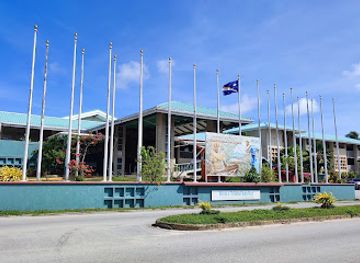
International airport
Amata Kabua International Airport
Amata Kabua International Airport: Your gateway to the pristine beauty and vibrant culture of the Marshall Islands.

Get your free copy of our complete guide to Namu Atoll, delivered straight to you.
Everything on this page, from attractions and restaurants to essentials and local phrases, in one PDF you can read offline, print or share.
Already have an account? Sign in
Your Namu Atoll guide is ready.
We'll send it to · Not you? Sign out

Getting your guide ready…
We are putting together a fresh copy of the Namu Atoll guide. This can take up to a minute.
This can take a few moments. If your browser asks, choose Allow so the download can start. You'll find the guide in your Downloads folder.
Nothing happened? Download it again
Sorry, the guide is taking longer than usual. Please try again in a minute, or get it by email instead.
Namu Atoll essentials
Currency and Payment
Safety
Emergency Situations
Do's and Don'ts
Local Tips
From Eve
Local phrases worth knowing
You don't need to get them perfect. A few words go a long way, and locals appreciate the effort.
Basics
| English | Local | Say it |
|---|---|---|
| Hello | Yokwe | [Yok-weh] |
| Goodbye | Aolep | [A-oh-lep] |
| Yes | E | [Eh] |
| No | Aole | [A-oh-leh] |
| Please/You're welcome | Yokwe | [Yok-weh] |
| Thank you | Kommol tata | [Koh-mol tah-tah] |
| Excuse me/Sorry | Ejjab | [Eh-jab] |
| How are you? | Iakwe? | [E-yah-kweh] |
| Fine. And you? | Jebwe. Iakwe? | [Jeb-weh. E-yah-kweh] |
| Do you speak English? | Ejjab an English? | [Eh-jab ahn In-glish] |
| I don't understand | Ejjab in jela | [Eh-jab in jeh-lah] |
Eating & Drinking
| English | Local | Say it |
|---|---|---|
| I'd like to see the menu, please | Ejjab in jela jek, kommol | [Eh-jab in jeh-lah jek, koh-mol] |
| I don't eat meat | Ejjab in jela n̄an | [Eh-jab in jeh-lah n̄ahn] |
| Cheers! | Kommol tata! | [Koh-mol tah-tah] |
| I would like to pay, please | Ejjab in jela ael, kommol | [Eh-jab in jeh-lah ah-el, koh-mol] |
Emergencies
| English | Local | Say it |
|---|---|---|
| Help! | Jebwe! | [Jeb-weh!] |
| Go away! | Jibwe! | [Jib-weh!] |
| Call the Police! | Jebwe an Police! | [Jeb-weh ahn Po-lees!] |
| Call a doctor! | Jebwe an doktor! | [Jeb-weh ahn dok-tor!] |
| I'm lost | Ejjab in jela jek jek | [Eh-jab in jeh-lah jek jek] |
| I'm ill | Ejjab in jela n̄an | [Eh-jab in jeh-lah n̄ahn] |
Shopping
| English | Local | Say it |
|---|---|---|
| I'd like to buy... | Ejjab in jela jek... | [Eh-jab in jeh-lah jek...] |
| I'm just looking | Ejjab in jela jek elap | [Eh-jab in jeh-lah jek eh-lahp] |
| How much is it? | Ejjab in jela en? | [Eh-jab in jeh-lah en?] |
| That's too expensive | Ejjab elap jek er | [Eh-jab eh-lahp jek air] |
| Can you lower the price? | Ejjab an jela jek en? | [Eh-jab ahn jeh-lah jek en?] |
Time & Numbers
| English | Local | Say it |
|---|---|---|
| What time is it? | Ejjab in jela jek? | [Eh-jab in jeh-lah jek?] |
| It's one o'clock | Ejjab in jela jek iuk | [Eh-jab in jeh-lah jek ee-ook] |
| Half past (10) | Ejjab in jela jek alep (10) | [Eh-jab in jeh-lah jek ah-lep (10)] |
| Morning | M̧aļe | [Mah-leh] |
| Afternoon | Bōk | [Bohk] |
| Evening | Jebwe | [Jeb-weh] |
| Yesterday | Bōk bar | [Bohk bar] |
| Today | Bōk | [Bohk] |
| Tomorrow | Bōk bar | [Bohk bar] |
| 1 | I | [Ee] |
| 2 | Jeb | [Jeb] |
| 3 | Jek | [Jek] |
| 4 | Jel | [Jel] |
| 5 | M̧on | [Mon] |
| 6 | Jebwe | [Jeb-weh] |
| 7 | Jeb | [Jeb] |
| 8 | Jek | [Jek] |
| 9 | Jel | [Jel] |
| 10 | Jebwe | [Jeb-weh] |
Transport & Directions
| English | Local | Say it |
|---|---|---|
| Where's a/the...? | Where's a/the...? | [Where's a/the...?] |
| What's the address? | Ejjab in jela jek jek? | [Eh-jab in jeh-lah jek jek?] |
| Can you show me (on the map)? | Ejjab an jela in jela (in jek)? | [Eh-jab ahn jeh-lah in jeh-lah (in jek)?] |
| When's the next (bus)? | Ejjab in jela jek jek (bus)? | [Eh-jab in jeh-lah jek jek (bus)?] |
| A ticket (to ....) | A jek (to ....) | [A jek (to ....)] |
History of Namu Atoll
Marshallese Settlement and Seafaring Traditions
Namu Atoll forms part of the wider Marshallese world created by generations of ocean voyagers who settled the atolls and developed detailed knowledge of currents, winds, stars, reef passages and seasonal conditions. Land and lagoon resources were organised through customary relationships, chiefly authority and extended families. Traditional navigation, canoe building, fishing and the cultivation of coconut and breadfruit were not isolated skills but interconnected ways of sustaining life on narrow coral islands. Although modern transport and imported goods have altered daily routines, these inherited relationships with the sea remain central to Namu's identity.
Spanish Claims and German Colonial Rule
European powers claimed the Marshall Islands from the sixteenth century, but sustained colonial administration came later. Spain asserted sovereignty before transferring its Micronesian interests to Germany in the late nineteenth century. German rule tied the atolls more closely to overseas commercial networks, especially the copra trade, in which dried coconut became the principal export. The colonial period introduced new administrative and religious structures while leaving local land tenure and community authority highly significant. Coconut production and the movement of goods through island networks continued to influence the economy of atolls such as Namu.
Japanese Administration and the Second World War
Japan took control of the Marshall Islands during the First World War and later incorporated them into its South Seas administration under a League of Nations mandate. Japanese influence expanded through schools, administration, commerce and military planning. During the Second World War, the Marshall Islands became a strategic theatre in the Pacific, although the intensity of military activity differed between atolls. The war brought occupation, disruption of food supplies, forced labour and the wider destruction associated with conflict. Reminders of this period may survive in memories, scattered remains and altered settlement patterns, but visitors should not assume that every atoll contains preserved battlefield sites.
United States Administration after 1944
United States forces captured the Marshall Islands in 1944, ending Japanese administration and beginning a new period of American control. After the war, the islands were administered by the United States as part of the Trust Territory of the Pacific Islands. Government services, schooling, public health and transport developed within this framework, while island communities experienced increased movement towards administrative centres and overseas destinations. The nuclear testing programme was conducted at Bikini and Enewetak atolls, not at Namu, but its political, environmental and social consequences shaped the modern history of the Marshall Islands as a whole.
Self-Government and the Compact Era
The Marshall Islands adopted a constitution and became self-governing in 1979, followed by independence in free association with the United States under the Compact of Free Association in 1986. This arrangement established the Republic of the Marshall Islands as a sovereign country while maintaining important economic, migration, defence and assistance links with the United States. For remote atolls such as Namu, national self-government brought representation within the modern republic but did not remove the practical challenges of distance, limited infrastructure and dependence on transport connections with Majuro.
Contemporary Environmental and Social Change
In recent decades, Namu and other Marshallese atolls have faced the combined effects of outward migration, imported goods, rising costs, storm damage, coastal erosion and concern about freshwater security. Climate change is especially consequential in places where land is only slightly above sea level and settlement space is limited. Communities continue to maintain churches, family obligations, fishing practices and local political relationships while adapting to changing economic conditions. This ongoing balance between customary life, national services and environmental vulnerability is an important part of Namu's contemporary story.
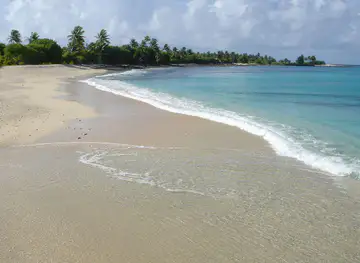
Namu Atoll in Photos
Browse through our photo collection highlighting the charm and character of the destination.
Neighbouring regions of Namu Atoll
The closest regions to Namu Atoll, if you have time for more than one.
-
-

-

-

-


Swipe for more regions

