

Wotho Atoll, Marshall Islands Travel Guide
Discover the untouched beauty and rich culture of Wotho Atoll in the Marshall Islands, a serene paradise perfect for relaxation, adventure, and cultural immersion.
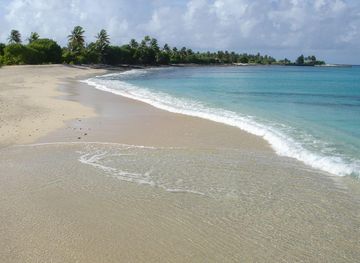
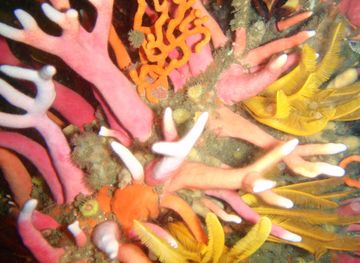
Wotho Atoll is a serene haven in the Marshall Islands. It is known for its stunning natural beauty and peaceful atmosphere. This remote atoll offers a unique experience for those looking to escape the hustle and bustle of everyday life. The crystal-clear waters surrounding Wotho Atoll are perfect for snorkeling and diving. You can explore vibrant coral reefs teeming with marine life. The white sandy beaches provide an idyllic setting for relaxation and sunbathing. The atoll is also a great spot for birdwatching, with many native species to observe. Cultural enthusiasts will enjoy learning about the local customs and traditions of the Marshallese people. Wotho Atoll is a place where you can experience the rich heritage of the islands. The warm and welcoming locals are always happy to share their stories and way of life with visitors. Wotho Atoll is not just about beauty and culture; it is also a place of adventure. Kayaking and fishing are popular activities here. The tranquility of the atoll makes it an ideal location for those seeking a peaceful retreat in nature.

Know before you go
Hi, I'm Eve. Here are a few practical things to know before exploring Wotho Atoll.
- Pack light and breathable clothing as the climate is tropical and humid.
- Bring your own snorkeling and diving gear; rentals may not be available.
- Carry cash as credit card facilities are limited.
- Respect local customs and traditions, and always ask for permission before taking photos of locals.
- Ensure you have enough supplies, including food and water, as amenities are limited.

Best restaurants in Wotho Atoll
Top-rated picks
Best Restaurants

Tide Table Restaurant & Lounge
Experience culinary delights at Tide Table Restaurant & Lounge in Majuro - savor fresh seafood and local flavors with breathtaking ocean views.

Toeak Bar and Grill
Discover Toeak Bar and Grill: A culinary gem in Majuro Atoll offering exquisite local cuisine with breathtaking ocean views.

Island Star
Experience authentic Marshallese cuisine at Island Star – where delightful flavors meet stunning ocean views.

Blue Lagoon Restaurant
Discover exquisite local cuisine with stunning lagoon views at Blue Lagoon Restaurant in Majuro Atoll.

Best bars in Wotho Atoll
Top-rated picks
Best Bars

Turtle Bay Resort
Discover the beauty of Turtle Bay Resort, where luxury meets adventure on Oahu's stunning North Shore, surrounded by breathtaking ocean views.

Hard Rock Cafe
Discover the vibrant dining experience at Hard Rock Cafe Honolulu, where American cuisine meets rock 'n' roll memorabilia in an electrifying atmosphere.

Waikiki Brewing Company - Waikiki
Experience the vibrant flavors of Hawaii at Waikiki Brewing Company, where craft beer meets delicious cuisine in a lively atmosphere.

Beach House by Roy Yamaguchi
Discover the flavors of Hawaii at Beach House by Roy Yamaguchi, where organic ingredients meet stunning ocean views for a unique dining experience.

Best nightclubs in Wotho Atoll
Top-rated picks
Best Nightclubs

Oceanview Club aka Snake Pit
Discover the laid-back charm of Oceanview Club, a tropical bar in Kwajalein Atoll, where refreshing drinks meet stunning ocean views.

Marshall Islands Club
Discover the heart of Majuro's nightlife at the Marshall Islands Club, where music, dance, and local culture come alive in a vibrant setting.

Best shops in Wotho Atoll
Top-rated picks
Best Shops

Turtle Bay Resort
Discover the ultimate Hawaiian getaway at Turtle Bay Resort, where luxury meets nature on Oahu's breathtaking North Shore.

Kauaʻi Coffee Company
Explore the enchanting world of Hawaiian coffee at Kauaʻi Coffee Company, where flavors, tours, and gifts blend in a lush tropical paradise.

Kona Boys, Inc.
Explore the beauty of Hawaii with Kona Boys, Inc., your premier surf shop and adventure center for unforgettable aquatic experiences.

Marshall Islands Resort
Discover the tranquil beauty of Marshall Islands Resort, where luxury meets the natural wonders of Majuro Atoll.

Explore Wotho Atoll on the Map
A handpicked selection of must-see spots in Wotho Atoll, mapped for you.
Wotho Atoll Essentials
-
Wotho Atoll is located in the Marshall Islands, in the central Pacific Ocean. The primary way to get to Wotho Atoll is by flying into Amata Kabua International Airport (MAJ) in Majuro, the capital of the Marshall Islands. From Majuro, you can take a domestic flight to Wotho Atoll. Air travel within the Marshall Islands is primarily serviced by Air Marshall Islands, which operates flights to various atolls including Wotho. It’s advisable to check the flight schedules in advance as they can be infrequent.
-
Wotho Atoll is small and doesn't have a developed public transportation system. Most visitors get around on foot or by boat, which is the primary mode of transportation between the different islands of the atoll. For longer distances or inter-atoll travel, you may need to arrange for a private boat. It’s helpful to coordinate with your accommodation provider for transportation options. Bicycles can also be rented for easier navigation of the larger islands within the atoll.
-
The official currency in the Marshall Islands is the United States Dollar (USD). Credit cards are not widely accepted on Wotho Atoll, so it is essential to carry enough cash for your entire stay. ATMs are available in Majuro, but there are no banking facilities on Wotho Atoll. It's a good idea to withdraw cash before leaving Majuro to ensure you have sufficient funds for your trip.
-
Wotho Atoll is generally a safe destination for tourists. Crime rates are low, and the local community is welcoming. However, as with any travel destination, it is advisable to take standard precautions. Avoid walking alone at night and keep an eye on your personal belongings. There are no specific high-crime areas targeting tourists, but it's always best to stay vigilant and aware of your surroundings.
-
In case of an emergency, it is important to know that medical facilities on Wotho Atoll are limited. For serious medical emergencies, evacuation to a hospital in Majuro may be necessary. It is recommended to have comprehensive travel insurance that covers medical emergencies and evacuation. For minor health issues, there are basic medical supplies available, but it’s advisable to bring your own first-aid kit. In case of any emergency, contact the local authorities or your accommodation provider for assistance.
-
Fashion: Do dress modestly, especially when visiting local communities. Avoid wearing revealing clothing. Religion: Do respect local customs and traditions. Remove your shoes before entering homes and certain communal spaces. Public Transport: Do arrange transportation in advance, as options are limited. Be respectful and patient. Greetings: Do greet people with a smile and a respectful nod. A simple 'hello' or 'yokwe' (hello in Marshallese) is appreciated. Eating & Drinking: Do try local dishes and accept food offerings graciously. Don't refuse hospitality, as it is considered impolite.
-
To experience Wotho Atoll like a local, engage with the community and participate in traditional activities such as fishing and weaving. Visit local markets to purchase handmade crafts and fresh produce. Learning a few basic phrases in Marshallese can go a long way in building rapport with the locals. Don't miss out on the opportunity to explore the natural beauty of the atoll, including snorkeling in the clear lagoons and enjoying the pristine beaches. Respect the local environment and adhere to sustainable tourism practices to preserve the natural beauty of Wotho Atoll.
When is the best time to visit Wotho Atoll?
Useful Local Phrases for Wotho Atoll
You don't need to speak the language perfectly. Even learning a few simple words can make conversations warmer—and locals usually appreciate the effort.
— Eve

Here are the phrases I use most often in Wotho Atoll. Try a few—you'll be surprised how far they go! 😊
❤️
-
- HelloIakwe
[ee-ah-kweh] - GoodbyeAolep
[ah-oh-lep] - YesEjjab
[eh-jahb] - NoAolep
[ah-oh-lep] - Please/You're welcomeTama
[tah-mah] - Thank youKomol tata
[koh-mohl tah-tah] - Excuse me/SorryEjjab
[eh-jahb] - How are you?Bwij in?
[bwee-j in] - Fine. And you?Iokwe. Ij in?
[ee-oh-kweh. eej in] - Do you speak English?Aen ejjabar English?
[ah-en eh-jah-bar English] - I don't understandEjjab in jorren
[eh-jahb in jo-ren]
- HelloIakwe
-
- I'd like to see the menu, pleaseJijak in kwoj, tama
[jee-jak in kwoj, tah-mah] - I don't eat meatEjjab in raan
[eh-jahb in rahn] - Cheers!Mokta!
[mohk-tah] - I would like to pay, pleaseJijak in kwoj, tama
[jee-jak in kwoj, tah-mah]
- I'd like to see the menu, pleaseJijak in kwoj, tama
-
- Help!Jab in!
[jahb in] - Go away!Jab in jorren!
[jahb in jo-ren] - Call the Police!Jab in Police!
[jahb in poh-lees] - Call a doctor!Jab in dokta!
[jahb in dok-tah] - I'm lostEjjab in kejmij
[eh-jahb in keh-mee] - I'm illEjjab in raan
[eh-jahb in rahn]
- Help!Jab in!
-
- I'd like to buy...Jijak in jorren...
[jee-jak in jo-ren] - I'm just lookingEjjab in kwoj
[eh-jahb in kwoj] - How much is it?Ejjab in wot?
[eh-jahb in wot] - That's too expensiveEjjab in wot ian
[eh-jahb in wot ee-an] - Can you lower the price?Ko im jab in wot?
[koh im jahb in wot]
- I'd like to buy...Jijak in jorren...
-
- What time is it?Ejjab in kwoj in?
[eh-jahb in kwoj in] - It's one o'clockEjjab in juon kwoj
[eh-jahb in joo-on kwoj] - Half past (10)Jab in pweij (10)
[jahb in pweh-eej] - MorningBwij
[bwee-j] - AfternoonBwij im
[bwee-j im] - EveningJab im
[jahb im] - YesterdayIban
[ee-bahn] - TodayBwij in
[bwee-j in] - TomorrowJab in
[jahb in] - 1Juon
[joo-on] - 2Jil
[jeel] - 3Jijet
[jee-jet] - 4Jeej
[jeej] - 5Jel
[jehl] - 6Jeb
[jehb] - 7Jebet
[jeh-bet] - 8Jebej
[jeh-beh] - 9Jeboj
[jeh-boh] - 10Jebl
[jeh-bl]
- What time is it?Ejjab in kwoj in?
-
- Where's a/the...?Ejjab in ...?
[eh-jahb in ...?] - What's the address?Ejjab in kwoj in?
[eh-jahb in kwoj in] - Can you show me (on the map)?Ko im jab in (map)?
[koh im jahb in (map)] - When's the next (bus)?Ejjab in kwoj jab (bus)?
[eh-jahb in kwoj jahb (bus)] - A ticket (to ....)Ejjab in kwoj (to ...)
[eh-jahb in kwoj (to ...)]
- Where's a/the...?Ejjab in ...?
History of Wotho Atoll
-
Wotho Atoll, part of the Marshall Islands, has a rich history of indigenous settlement. The earliest inhabitants were Micronesian navigators who arrived over 2,000 years ago. These settlers developed a unique culture deeply connected to the ocean, relying on fishing, canoe building, and traditional navigation techniques. The social structure was organized into matrilineal clans, and oral traditions played a significant role in preserving their history and customs.
-
The first recorded European contact with Wotho Atoll occurred in the 16th century during the age of exploration. Spanish explorers were among the first to sight the atoll, but it wasn't until the 18th century that more detailed encounters occurred. British and German traders and missionaries later visited the atoll, bringing with them new technologies and religious influences that began to alter the traditional way of life.
-
In the late 19th century, Wotho Atoll became part of the German colonial empire in the Pacific. Germany's primary interest in the Marshall Islands was economic, focusing on copra production. The German administration established trade routes and introduced new agricultural practices, which had a lasting impact on the local economy and lifestyle. The German influence is still evident in the atoll's architecture and some cultural practices.
-
Following World War I, the League of Nations mandated Wotho Atoll to Japan. During this period, the Japanese government implemented infrastructure projects and further developed the atoll's copra industry. However, the occupation also brought about strict regulations and significant cultural changes. The local population experienced a mix of economic benefits and challenges due to the Japanese administration's policies.
-
World War II brought significant upheaval to Wotho Atoll. The atoll was strategically important, and the United States occupied it during the Pacific campaign. After the war, Wotho Atoll, along with the rest of the Marshall Islands, came under American administration as part of the Trust Territory of the Pacific Islands. This period saw significant American influence on local governance, education, and infrastructure development.
-
Wotho Atoll became part of the Republic of the Marshall Islands when the nation gained independence in 1986. Since then, the atoll has navigated the challenges of modernization while striving to preserve its cultural heritage. Today, Wotho Atoll is a blend of traditional Marshallese culture and contemporary influences. The atoll's history is celebrated through local festivals, traditional crafts, and the continued practice of ancient navigation techniques.
Neighbouring Regions of Wotho Atoll
The closest regions to Wotho Atoll, if you have time for more than one.



Your all‑in‑one travel companion app
Explore expert travel guides, compare and book tours, experiences, hotels, and more—all from the palm of your hand. Download now for seamless trip planning wherever your wanderlust takes you.


Explore More of Marshall Islands

Looking beyond Wotho Atoll? Discover Marshall Islands for broader travel guides, local hot-spots, and regional highlights.
Explore Marshall IslandsWotho Atoll in Photos
Browse through our photo collection highlighting the charm and character of the destination.


Wotho Atoll: Hidden Gem of the Marshall Islands
Wotho Atoll is a serene haven in the Marshall Islands. It is known for its stunning natural beauty and peaceful atmosphere. This remote atoll offers a unique experience for those looking to escape the hustle and bustle of everyday life. The crystal-clear waters surrounding Wotho Atoll are perfect for snorkeling and diving. You can explore vibrant coral reefs teeming with marine life. The white sandy beaches provide an idyllic setting for relaxation and sunbathing. The atoll is also a great spot for birdwatching, with many native species to observe. Cultural enthusiasts will enjoy learning about the local customs and traditions of the Marshallese people. Wotho Atoll is a place where you can experience the rich heritage of the islands. The warm and welcoming locals are always happy to share their stories and way of life with visitors. Wotho Atoll is not just about beauty and culture; it is also a place of adventure. Kayaking and fishing are popular activities here. The tranquility of the atoll makes it an ideal location for those seeking a peaceful retreat in nature.