

Free Ralik Chain Travel Guide & Mobile App
Explore Ralik Chain with free travel guides. Discover regional history, expert tips, proposed trips, and audio guides on web or mobile app.


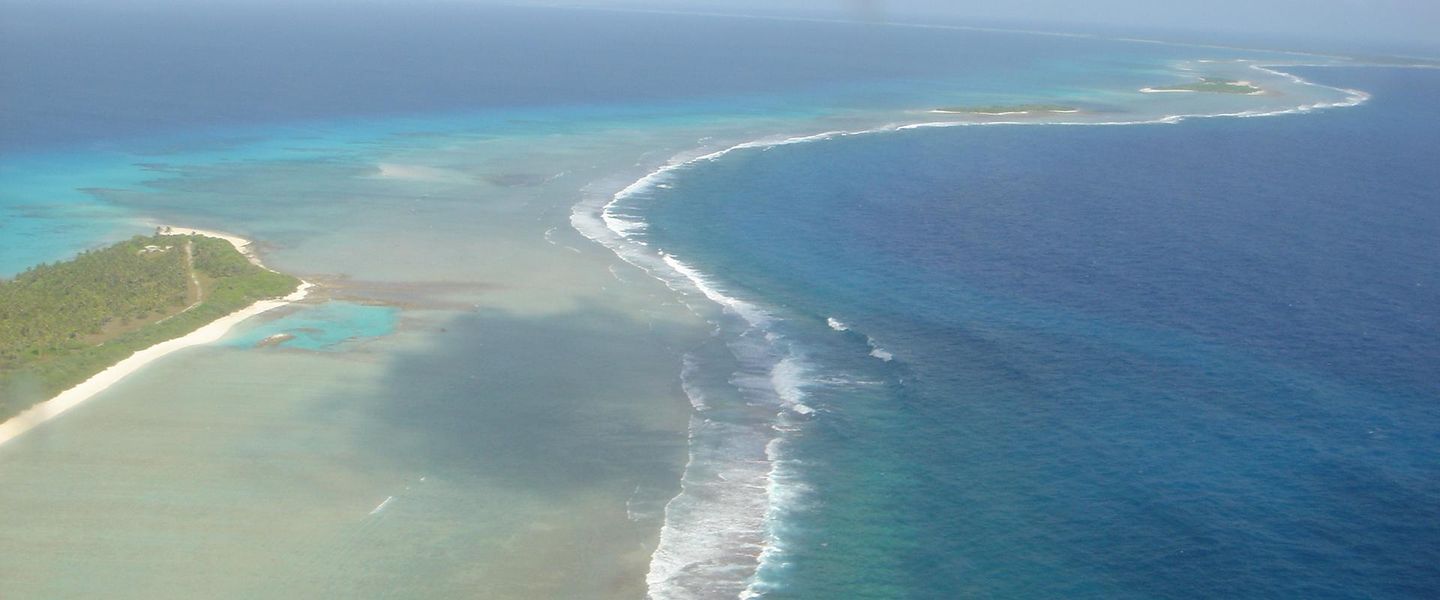


Explore the Marshall Islands' Ralik Chain for coral atolls, lagoon life, Marshallese culture and confronting nuclear-history sites.
Read more about Ralik Chain
When is the best time to visit Ralik Chain?
Best: January–March · 29°C| Month | High (°C) | Rainfall (mm) |
|---|---|---|
| January (best) | 29 | 220 |
| February (best) | 29 | 200 |
| March (best) | 29 | 220 |
| April | 29 | 240 |
| May | 29 | 280 |
| June | 29 | 280 |
| July | 29 | 280 |
| August | 29 | 280 |
| September | 29 | 280 |
| October | 29 | 300 |
| November | 29 | 260 |
| December | 29 | 240 |
Getting to and around Ralik Chain
How to get there
Transportation
Best landmarks in Ralik Chain
Bikini Atoll is the Ralik Chain's most powerful landmark, not simply for its turquoise lagoon and reef system but for the physical evidence of nuclear testing and the continuing absence of its displaced community. The atoll's heritage significance is international, while access to islands, wrecks and contaminated areas remains controlled. Enewetak Atoll carries a related but separate history, with testing-era structures and the Runit Dome, a large concrete containment structure associated with nuclear-clean-up waste; visitors require permission and should follow all safety instructions. Kwajalein Lagoon is a major geographical landmark, a vast enclosed body of water framed by low coral islands and shaped by both Marshallese settlement and strategic military use. Jaluit's lagoon and former colonial importance give it a distinctive historical identity, while the narrow islets of Ailinglaplap, Likiep, Ebon and Namdrik express the characteristic scale and fragility of atoll landscapes. Churches, cemeteries, canoe houses and community meeting places are often locally important landmarks, but should be visited with permission rather than treated as open-air exhibits.
-
 Beach
Beach Black
Discover the stunning black sands and crystal-clear waters of Beach Black in Kwajalein Atoll, a hidden paradise for every traveler.
Explore Ralik Chain on the map
Plan your trip on one map. See where the top cities, national parks and sights are, and book hotels and experiences in a few clicks.
Best hotels in Ralik Chain
Best restaurants in Ralik Chain
Dining in the Ralik Chain is closely tied to household cooking, local hospitality and the practical limits of island supply. Fresh fish, coconut, breadfruit, pandanus, taro and locally grown produce appear in different combinations, while imported rice, tinned goods, flour and frozen foods are also important, particularly on smaller atolls. In larger settlements such as Ebeye and Jaluit, visitors may find simple cafés, takeaway counters or informal meals arranged through accommodation and local contacts, but the choice is limited and opening arrangements can change. Outer-island visitors should not expect a restaurant district; pre-arranged meals, shared community food and provisions brought from a larger centre are more realistic. Marshallese feasts and gatherings are significant social occasions, so accept invitations respectfully and ask about customary practices. Carry snacks and drinking-water reserves when travelling between atolls, and notify hosts of dietary or medical requirements well in advance.
-
Home goods store
Ralik Store
Discover unique finds at Ralik Store in Kwajalein Atoll – your ultimate destination for home goods and local treasures.

Best bars in Ralik Chain
Nightlife in the Ralik Chain is modest and community-centred rather than based on a major club scene. In the more populated areas, small bars, hotel facilities or informal social venues may offer the chance to meet residents, but availability, licensing and opening arrangements vary. Ebeye and Jaluit have more evening activity than remote atolls, while outer-island nights generally revolve around family gatherings, church events, conversation, music and community occasions. Visitors should not assume that alcohol is available everywhere, and public drinking can be inappropriate in villages or near religious settings. Kava-style expectations should not be imported from other Pacific countries: local customs and refreshments are distinctively Marshallese. A torch, modest clothing and respect for quiet residential areas are more useful than plans for late-night entertainment.
-
Restaurant
Tide Table Restaurant & Lounge
Discover the culinary delights of the Marshall Islands at Tide Table Restaurant & Lounge, where fresh seafood meets breathtaking ocean views.
-
Barbecue
Outrigger Bar & Grill
Discover the culinary delights of the Marshall Islands at Outrigger Bar & Grill, where barbecue meets breathtaking scenery.
-
Restaurant
Toeak Bar and Grill
Experience the flavors of the Marshall Islands at Toeak Bar and Grill, where local cuisine meets a vibrant atmosphere in Majuro.
-
Bar
Jitak En Likatu Bar
Discover the lively spirit of Majuro Atoll at Jitak En Likatu Bar, where local flavor meets vibrant nightlife.


Best nightclubs in Ralik Chain
Nightlife in the Ralik Chain is modest and community-centred rather than based on a major club scene. In the more populated areas, small bars, hotel facilities or informal social venues may offer the chance to meet residents, but availability, licensing and opening arrangements vary. Ebeye and Jaluit have more evening activity than remote atolls, while outer-island nights generally revolve around family gatherings, church events, conversation, music and community occasions. Visitors should not assume that alcohol is available everywhere, and public drinking can be inappropriate in villages or near religious settings. Kava-style expectations should not be imported from other Pacific countries: local customs and refreshments are distinctively Marshallese. A torch, modest clothing and respect for quiet residential areas are more useful than plans for late-night entertainment.
-
Night club
Marshall Islands Club
Dive into the vibrant nightlife of the Marshall Islands Club, where island rhythms and local culture come alive for an unforgettable experience.
Best shops in Ralik Chain
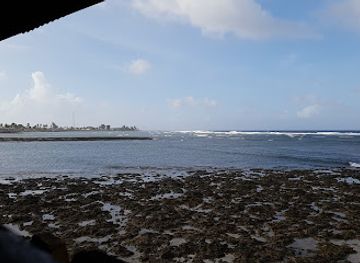
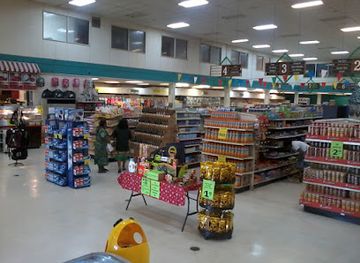
Shopping in the Ralik Chain is limited, practical and strongly dependent on which atoll is being visited. Ebeye and Jaluit offer the broadest access to small shops and everyday supplies, while remote islands may have only modest stores with irregular stock. Visitors can look for woven pandanus mats, baskets, fans and other handmade items, although availability reflects local production rather than a permanent souvenir market. Marshallese handicrafts should be purchased directly from makers or trusted local contacts, with respectful permission before photographing work or people. Packaged coconut products, local food items and simple island crafts may be available, but transport and import restrictions should be checked before taking organic materials abroad. The region is not a luxury-shopping destination; its most appropriate purchases are useful goods, locally made crafts and food bought in a way that benefits the community without depleting scarce supplies.
-
Supermarket
K&K Island Pride Supermarket
Discover local flavors and essentials at K&K Island Pride Supermarket in Majuro Atoll, a vibrant shopping destination for all travelers.
-
Souvenir store
Elefa Handicraft Shop
Explore Elefa Handicraft Shop in Majuro Atoll for unique souvenirs reflecting the rich culture and artistry of the Marshall Islands.
-
Home goods store
Ralik Store
Experience the vibrant culture of Kwajalein Atoll at Ralik Store, your go-to destination for unique home goods, clothing, and local treasures.
-
Craft store
Micronesian Handicrafts Shop
Explore the vibrant Micronesian Handicrafts Shop for unique handcrafted treasures that embody the rich culture of the Marshall Islands.


Get your free copy of our complete guide to Ralik Chain, delivered straight to you.
Everything on this page, from attractions and restaurants to essentials and local phrases, in one PDF you can read offline, print or share.
Already have an account? Sign in
Your Ralik Chain guide is ready.
We'll send it to · Not you? Sign out

Getting your guide ready…
We are putting together a fresh copy of the Ralik Chain guide. This can take up to a minute.
This can take a few moments. If your browser asks, choose Allow so the download can start. You'll find the guide in your Downloads folder.
Nothing happened? Download it again
Sorry, the guide is taking longer than usual. Please try again in a minute, or get it by email instead.
Ralik Chain essentials
Currency and Payment
Safety
Emergency Situations
Do's and Don'ts
Local Tips
From Eve
Local phrases worth knowing
You don't need to get them perfect. A few words go a long way, and locals appreciate the effort.
Basics
| English | Local | Say it |
|---|---|---|
| Hello | Yokwe | [yoh-kweh] |
| Goodbye | Aolep | [ah-oh-lep] |
| Yes | E | [eh] |
| No | Aolep | [ah-oh-lep] |
| Please/You're welcome | Iokwe | [ee-oh-kweh] |
| Thank you | Komol tata | [koh-mohl tah-tah] |
| Excuse me/Sorry | Kommol | [kohm-mohl] |
| How are you? | Bwe emman? | [bweh eh-mahn] |
| Fine. And you? | Jab in, bwe emman? | [jahb in, bweh eh-mahn] |
| Do you speak English? | Ije ikij imwe? | [ee-jeh ee-kee-ji eem-weh] |
| I don't understand | Ejjab in ak ijen | [eh-jahb in ahk ee-jen] |
Eating & Drinking
| English | Local | Say it |
|---|---|---|
| I'd like to see the menu, please | Jab in kaje in menu, iokwe | [jahb in kah-jeh in meh-noo, ee-oh-kweh] |
| I don't eat meat | Ejjab in eban etal | [eh-jahb in eh-bahn eh-tahl] |
| Cheers! | Iokwe! | [ee-oh-kweh] |
| I would like to pay, please | Jab in kaje in ba, iokwe | [jahb in kah-jeh in bah, ee-oh-kweh] |
Emergencies
| English | Local | Say it |
|---|---|---|
| Help! | Ejjab! | [eh-jahb] |
| Go away! | Jab in jor! | [jahb in jor] |
| Call the Police! | Jab in kaje in Police! | [jahb in kah-jeh in poh-lees] |
| Call a doctor! | Jab in kaje in doctor! | [jahb in kah-jeh in dok-tor] |
| I'm lost | Ejjab in jor | [eh-jahb in jor] |
| I'm ill | Ejjab in imat | [eh-jahb in ee-maht] |
Shopping
| English | Local | Say it |
|---|---|---|
| I'd like to buy... | Jab in kaje in juon... | [jahb in kah-jeh in joo-ohn] |
| I'm just looking | Ejjab in kaje emon | [eh-jahb in kah-jeh eh-mohn] |
| How much is it? | Bwe emman in? | [bweh eh-mahn in] |
| That's too expensive | Ejjab in jab in etal | [eh-jahb in jahb in eh-tahl] |
| Can you lower the price? | Ejjab in ke emon in juon? | [eh-jahb in keh eh-mohn in joo-ohn] |
Time & Numbers
| English | Local | Say it |
|---|---|---|
| What time is it? | Bwe emman in? | [bweh eh-mahn in] |
| It's one o'clock | Ejjab in juon o'clock | [eh-jahb in joo-ohn oh-clock] |
| Half past (10) | Bwe jor in (10) | [bweh jor in (ten)] |
| Morning | Bwe jep | [bweh jehp] |
| Afternoon | Bwe imat | [bweh ee-maht] |
| Evening | Bwe jor | [bweh jor] |
| Yesterday | Bwe an | [bweh ahn] |
| Today | Bwe in | [bweh in] |
| Tomorrow | Bwe jor in | [bweh jor in] |
| 1 | Juon | [joo-ohn] |
| 2 | Ruo | [roo-oh] |
| 3 | Jeb | [jehb] |
| 4 | Jep | [jehp] |
| 5 | Lai | [lah-ee] |
| 6 | Jek | [jehk] |
| 7 | Jeb | [jehb] |
| 8 | Jeb | [jehb] |
| 9 | Jeb | [jehb] |
| 10 | Jeb | [jehb] |
Transport & Directions
| English | Local | Say it |
|---|---|---|
| Where's a/the...? | Bwe emman in ... ? | [bweh eh-mahn in ... ?] |
| What's the address? | Bwe emman in address? | [bweh eh-mahn in ah-dress?] |
| Can you show me (on the map)? | Ejjab in ke kaje in (map)? | [eh-jahb in keh kah-jeh in (map)?] |
| When's the next (bus)? | Bwe emman in next (bus)? | [bweh eh-mahn in next (bus)?] |
| A ticket (to ....) | Ejjab in ticket (to ...) | [eh-jahb in ti-ket (to ...)] |
History of Ralik Chain
Micronesian settlement and ocean navigation
The atolls of the Ralik Chain were settled by Micronesian voyagers whose knowledge of stars, swells, winds, currents and bird movements made sustained life on remote coral islands possible. Marshallese society developed through networks of kinship, chiefly authority, land rights and inter-atoll exchange rather than around large urban centres. Traditional outrigger canoes, pandanus weaving, fishing techniques and oral histories remain important expressions of this maritime heritage. The environment required careful management of scarce freshwater, taro pits, coconut palms, breadfruit and lagoon resources, shaping customs that still influence community life.
European contact and German administration
European ships began visiting the Marshalls in the sixteenth century, although sustained outside influence came later through traders, missionaries and colonial administrators. Germany established control over the islands in the late nineteenth century, incorporating the Marshall Islands into its wider Pacific empire. Jaluit became a significant administrative and commercial centre, linking copra production and shipping with regional trade. German rule altered political and economic relationships without replacing the importance of traditional landholding and chiefly authority. Remnants of this colonial period are most visible through historical accounts, mission buildings and the former importance of Jaluit rather than through extensive preserved architecture.
Japanese rule and the Pacific War
Japan took control of the Marshall Islands during the First World War and later administered them under a League of Nations mandate. Its influence expanded through schools, communications, commercial networks and military construction. During the Second World War, the atolls became part of Japan's Pacific defensive system and were attacked by United States forces. Jaluit, Kwajalein and other strategic locations experienced military occupation, bombardment and wartime disruption. The period brought profound hardship for Marshallese communities and left concrete, airfield and wartime-remnant traces in places where later development has not removed them.
United States occupation and the Trust Territory
United States forces captured or occupied key atolls during the Pacific War, including Kwajalein and Enewetak, and the islands subsequently became part of the United Nations Trust Territory of the Pacific Islands administered by the United States. Strategic facilities expanded around Kwajalein, while Marshallese residents faced restrictions, relocations and major changes to local economies. The trust period also introduced new education, health and administrative systems, but political authority remained external. Its legacy is especially clear in the different levels of access and development between military-controlled areas, settled communities and remote outer atolls.
Nuclear testing at Bikini and Enewetak, 1946–1958
The United States conducted a series of nuclear tests in the Marshall Islands after relocating the populations of Bikini and Enewetak. Bikini Atoll became the site of Operation Crossroads in 1946 and later tests, including the 1954 Castle Bravo explosion, while Enewetak hosted further tests between 1948 and 1958. The testing devastated islands, contaminated land and food systems, and caused long-term displacement. Bikini Atoll is now recognised as a UNESCO World Heritage cultural site because its landscape documents the beginning of the nuclear age, but access and habitation remain tightly constrained and its history must be understood through the experiences of the displaced communities.
Independence and the Compact era
The Marshall Islands became a sovereign republic in 1986 under the Compact of Free Association with the United States, later renewed with amended agreements. Independence brought formal self-government while retaining close economic, defence and migration ties with the United States. In the Ralik Chain, Kwajalein remains strategically important because of the United States Army's missile-testing and space-tracking facilities, whose presence affects land use, access and local employment. At the same time, outer atolls continue to manage limited infrastructure, population movement and dependence on imported goods.
Climate pressure and cultural continuity
In the contemporary Ralik Chain, climate change has intensified concern about coastal erosion, saltwater intrusion, drought, food security and the future habitability of low-lying islands. These pressures interact with older legacies of relocation and uneven public services. Marshallese communities continue to sustain voyaging knowledge, church life, weaving, fishing, oral history and customary relationships to land despite substantial migration abroad. The region's present-day story is therefore not only one of environmental vulnerability, but also of political advocacy, cultural continuity and community-led efforts to preserve an ocean-based identity.
Ralik Chain in Photos
Browse through our photo collection highlighting the charm and character of the destination.
Neighbouring regions of Ralik Chain
The closest regions to Ralik Chain, if you have time for more than one.
-

-

-

-
-


Swipe for more regions
Explore more

Explore more of Marshall Islands
Discover the untouched beauty and rich cultural heritage of the Marshall Islands, a Pacific paradise offering pristine beaches, vibrant marine life, and historical treasures.
Explore Marshall Islands