

Free Lib Island Travel Guide & Mobile App
Explore Lib Island with free travel guides. Discover regional history, expert tips, proposed trips, and audio guides on web or mobile app.


Lib Island in the Marshall Islands offers remote atoll landscapes, Marshallese community life and a quiet Pacific journey for prepared travellers.
Read more about Lib Island
When is the best time to visit Lib Island?
Best: December–February · 29°C| Month | High (°C) | Rainfall (mm) |
|---|---|---|
| January (best) | 29 | 100 |
| February (best) | 29 | 95 |
| March | 29 | 110 |
| April | 29 | 120 |
| May | 30 | 130 |
| June | 30 | 140 |
| July | 30 | 145 |
| August | 30 | 140 |
| September | 30 | 130 |
| October | 30 | 120 |
| November | 29 | 110 |
| December (best) | 29 | 100 |
Getting to and around Lib Island
How to get there
Transportation
Best attractions in Lib Island
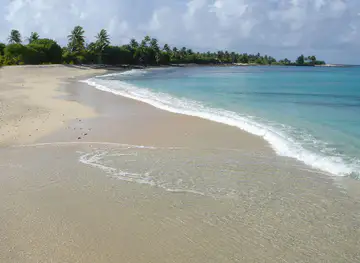
Lib’s attractions are primarily environmental and cultural rather than purpose-built for tourism. The island’s low coral terrain, coconut palms, sandy shoreline and reef waters provide the setting for quiet walks, informal swimming where locally considered safe, fishing and observation of everyday island life. The surrounding seascape is more significant than any formal collection of monuments, although reef conditions and access vary with weather and tides. Visitors may gain the most from learning about canoe travel, fishing practices, food preparation and community routines through locally arranged conversations rather than independent exploration. There are no extensive museums, amusement facilities or developed resort activities, and the scarcity of services is part of the destination’s character. The village, church or other community buildings should be viewed respectfully and only with permission. Birdlife, coastal vegetation and changing light across the lagoon or open ocean can interest travellers accustomed to slower nature-based journeys, but Lib should not be marketed as a guaranteed diving or wildlife site without current local advice. The most meaningful experiences come from combining careful environmental observation with respectful contact in a living Marshallese community.
-
Museum
Alele Museum and Public Library
Explore the rich heritage of the Marshall Islands at the Alele Museum and Public Library, where history and culture come to life.

Best landmarks in Lib Island
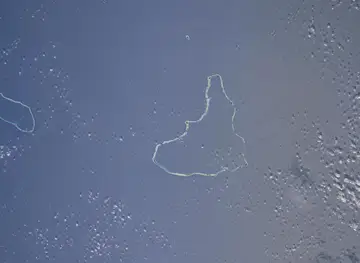
Lib’s most significant landmarks are the island itself and the features that express its relationship with the surrounding ocean. The narrow coral landform, coconut-fringed shore and reef edge define the physical limits of the community and illustrate the environmental conditions under which Marshallese islanders live. Any village church, meeting place, cemetery, traditional canoe or other community structure may carry importance, but these are living places rather than open-air attractions and should be approached only with local permission. The airstrip is a practical landmark, linking Lib to the national transport network when service is available, while the shoreline and boat landing areas express the island’s continuing dependence on marine travel. Unlike larger atolls, Lib has no widely known castle, monumental civic building or famous archaeological complex to frame a sightseeing circuit. Its value is found in the continuity of a small inhabited atoll, the visible relation between settlement and reef, and the broad Pacific horizon that has shaped local travel, food and identity for generations.
-
Museum
Alele Museum and Public Library
Explore the Heritage of the Marshall Islands at Alele Museum: A Cultural Treasure Awaits You.
-
Island
Lib
Explore the tranquil beauty and vibrant marine life of Lib Island, a hidden gem in the Marshall Islands perfect for relaxation and adventure.
-
 Historical landmark
Marshallese ship
Discover the captivating Marshallese shipwreck at Majuro Atoll, a historical landmark that reveals the maritime heritage of the Marshall Islands.


Explore Lib Island on the map
Plan your trip on one map. See where the top cities, national parks and sights are, and book hotels and experiences in a few clicks.
Best hotels in Lib Island
Best restaurants in Lib Island
Lib does not have a developed restaurant scene, and visitors should not expect cafés, hotels or a choice of menus. Food is generally connected to household hospitality, locally caught fish, coconut, breadfruit, pandanus, taro and other imported staples available when supply boats or aircraft arrive. The balance between local produce and imported food changes with season, weather and transport reliability. Travellers staying with residents or using locally arranged accommodation should clarify in advance whether meals are included and should bring suitable snacks and any dietary essentials. Meals may be simple and communal, with sharing carrying greater significance than presentation. Do not assume that fresh food can be purchased every day, and ask before taking or photographing food prepared for a household or gathering. Bringing a modest, useful contribution for a host can be appropriate when agreed beforehand, but visitors should avoid distributing sweets or goods indiscriminately to children. Lib offers no carefully curated culinary itinerary; its food experience lies in understanding how a remote atoll depends on fishing, coconut, subsistence gardens, imported provisions and the timing of transport.
-
Hotel
Marshall Islands Resort
Experience island tranquility at Marshall Islands Resort—your gateway to adventure and relaxation in Majuro Atoll.
-
Restaurant
Tide Table Restaurant & Lounge
Experience exquisite dining at Tide Table Restaurant & Lounge with breathtaking ocean views and a menu celebrating local flavors.
-
Hotel
Hotel Robert Reimers
Discover comfort and local charm at Hotel Robert Reimers, your gateway to the breathtaking beauty of Majuro Atoll.
-
Restaurant
Toeak Bar and Grill
Experience exquisite dining at Toeak Bar and Grill in Majuro Atoll, where local flavors meet tropical vibes amidst stunning ocean views.

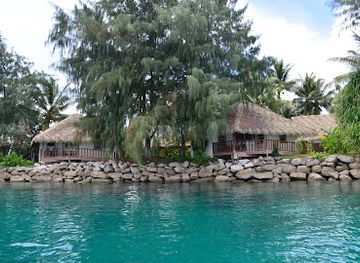


Best bars in Lib Island
Lib has no established nightclub district or commercial entertainment quarter. Evening life is more likely to centre on homes, family visits, churches, community gatherings and informal conversation than on licensed bars. Alcohol should not be assumed to be available, and visitors should respect local expectations about drinking, noise and conduct. After dark, the island’s limited lighting can make walking difficult, while the open shoreline requires caution because reef edges, currents and uneven ground are not always easy to see. A quiet evening may instead involve watching the sunset, observing the night sky or listening to local stories when invited. Any gathering should be approached through a resident or local contact rather than by entering private spaces uninvited. The absence of nightlife is not a deficiency to be remedied; it reflects the scale of the community and the practical realities of a remote atoll.
-
Hotel
Marshall Islands Resort
Discover the paradise of Marshall Islands Resort, where relaxation meets adventure amidst breathtaking ocean views and warm island hospitality.
-
Restaurant
Tide Table Restaurant & Lounge
Discover the best of Marshall Islands cuisine at Tide Table Restaurant & Lounge, where fresh seafood meets island charm.
-
Hotel
Hotel Robert Reimers
Experience the serene beauty of Majuro Atoll at Hotel Robert Reimers, where comfort meets the charm of the Marshall Islands.
-
Bar
Oceanview Club aka Snake Pit
Discover the vibrant and welcoming Oceanview Club in Kwajalein Atoll, where breathtaking ocean views meet a lively bar atmosphere.
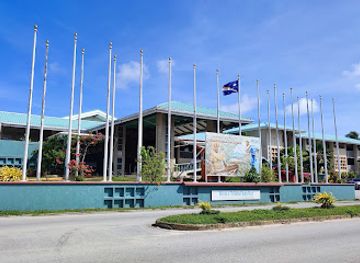


Best nightclubs in Lib Island
Lib has no established nightclub district or commercial entertainment quarter. Evening life is more likely to centre on homes, family visits, churches, community gatherings and informal conversation than on licensed bars. Alcohol should not be assumed to be available, and visitors should respect local expectations about drinking, noise and conduct. After dark, the island’s limited lighting can make walking difficult, while the open shoreline requires caution because reef edges, currents and uneven ground are not always easy to see. A quiet evening may instead involve watching the sunset, observing the night sky or listening to local stories when invited. Any gathering should be approached through a resident or local contact rather than by entering private spaces uninvited. The absence of nightlife is not a deficiency to be remedied; it reflects the scale of the community and the practical realities of a remote atoll.
-
Bar
Oceanview Club aka Snake Pit
Experience the vibrant nightlife at Oceanview Club, a lively bar in the heart of Kwajalein Atoll, offering stunning ocean views and a welcoming atmosphere.
-
Night club
Kwajalein Yacht Club
Discover the vibrant nightlife and stunning lagoon views at Kwajalein Yacht Club, a premier destination in the Marshall Islands.
-
Island
Lib
Explore the untouched beauty of Lib Island, a serene paradise in the Marshall Islands with stunning beaches and vibrant marine life.
-
Night club
Marshall Islands Club
Discover the lively nightlife at Marshall Islands Club, a vibrant destination for entertainment, drinks, and socializing in Majuro.
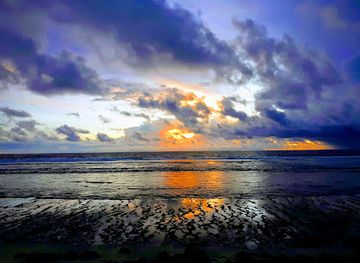


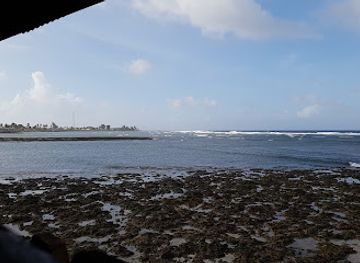
Best shops in Lib Island
Shopping on Lib is extremely limited and should not be a central reason for travelling there. There is unlikely to be a dependable market, supermarket or specialist craft shop, and visitors should bring essential personal supplies from a larger centre such as Majuro before continuing to the island. Locally available goods may include basic household provisions, fish or seasonal produce, but supply depends on transport and household circumstances. If residents offer woven items, food products or small handmade souvenirs, purchase them respectfully and agree a price without aggressive bargaining. Ask whether materials were gathered sustainably and whether an item may legally be taken out of the country. Do not remove shells, coral, historic objects or other natural materials from the shoreline. For a more reliable selection of Marshallese handicrafts, books and locally made products, visitors generally need to shop in Majuro or another larger population centre outside Lib rather than expect a retail infrastructure on the island.
-
Hotel
Marshall Islands Resort
Experience the tranquil beauty and adventure of the Marshall Islands Resort, your perfect tropical getaway in Majuro Atoll.
-
Supermarket
K&K Island Pride Supermarket
Explore the best of local cuisine and island living at K&K Island Pride Supermarket in Majuro Atoll.
-
Grocery store
Surfway Grocery Store
Explore the flavors of Kwajalein Atoll at Surfway Grocery Store, your go-to spot for groceries and local essentials.
-
Supermarket
EZ Price Mart
Discover the heart of local shopping at EZ Price Mart, where tourists find everything from fresh produce to unique local goods in Majuro Atoll.


Get your free copy of our complete guide to Lib Island, delivered straight to you.
Everything on this page, from attractions and restaurants to essentials and local phrases, in one PDF you can read offline, print or share.
Already have an account? Sign in
Your Lib Island guide is ready.
We'll send it to · Not you? Sign out

Getting your guide ready…
We are putting together a fresh copy of the Lib Island guide. This can take up to a minute.
This can take a few moments. If your browser asks, choose Allow so the download can start. You'll find the guide in your Downloads folder.
Nothing happened? Download it again
Sorry, the guide is taking longer than usual. Please try again in a minute, or get it by email instead.
Lib Island essentials
Currency and Payment
Safety
Emergency Situations
Do's and Don'ts
Local Tips
From Eve
Local phrases worth knowing
You don't need to get them perfect. A few words go a long way, and locals appreciate the effort.
Basics
| English | Local | Say it |
|---|---|---|
| Hello | Yokwe | [yoh-kweh] |
| Goodbye | Aolep | [ah-oh-lep] |
| Yes | E | [eh] |
| No | Aolep | [ah-oh-lep] |
| Please/You're welcome | Ejjab | [eh-jahb] |
| Thank you | Komol tata | [koh-mohl tah-tah] |
| Excuse me/Sorry | Ij jab | [eej jahb] |
| How are you? | Ejjab im? | [eh-jahb eem] |
| Fine. And you? | Ejjab. Ejjab im? | [eh-jahb. eh-jahb eem] |
| Do you speak English? | Ejjab eṃṃan English? | [eh-jahb eh-muh-an English] |
| I don't understand | Aen jab eṃṃan | [ah-en jahb eh-muh-an] |
Eating & Drinking
| English | Local | Say it |
|---|---|---|
| I'd like to see the menu, please | Ejjab jikin menu, ejjab. | [eh-jahb jee-kin meh-noo, eh-jahb.] |
| I don't eat meat | Aen jab wōt. | [ah-en jahb woh-t.] |
| Cheers! | Kōjbar! | [kohj-bar!] |
| I would like to pay, please | Ejjab jikin kōj, ejjab. | [eh-jahb jee-kin kohj, eh-jahb.] |
Emergencies
| English | Local | Say it |
|---|---|---|
| Help! | Kōjbar! | [kohj-bar!] |
| Go away! | Jab aolep! | [jahb ah-oh-lep!] |
| Call the Police! | Kōjbar Police! | [kohj-bar Police!] |
| Call a doctor! | Kōjbar doctor! | [kohj-bar doctor!] |
| I'm lost | Aen jab kōjbar. | [ah-en jahb kohj-bar.] |
| I'm ill | Aen jab wōt. | [ah-en jahb woh-t.] |
Shopping
| English | Local | Say it |
|---|---|---|
| I'd like to buy... | Ejjab jikin buy... | [eh-jahb jee-kin buy...] |
| I'm just looking | Aen jikin an. | [ah-en jee-kin ahn.] |
| How much is it? | Ejjab aolep? | [eh-jahb ah-oh-lep?] |
| That's too expensive | Ijjab aolep jek. | [ee-jahb ah-oh-lep jehk.] |
| Can you lower the price? | Ejjab kōmān aolep? | [eh-jahb koh-mahn ah-oh-lep?] |
Time & Numbers
| English | Local | Say it |
|---|---|---|
| What time is it? | Ejjab yāo? | [eh-jahb yah-oh?] |
| It's one o'clock | Ejjab juon yāo. | [eh-jahb joo-on yah-oh.] |
| Half past (10) | Ejjab aōk (10). | [eh-jahb ah-ook (10).] |
| Morning | Mōn. | [mohn.] |
| Afternoon | Aōn. | [ah-ohn.] |
| Evening | Jea. | [jeh-ah.] |
| Yesterday | Jebōt. | [jeh-boht.] |
| Today | Jebōt im. | [jeh-boht eem.] |
| Tomorrow | Jebōt an. | [jeh-boht ahn.] |
| 1 | Juon | [joo-on] |
| 2 | Jek | [jehk] |
| 3 | Jit | [jeet] |
| 4 | Jeb | [jehb] |
| 5 | Jel | [jehl] |
| 6 | Jem | [jehm] |
| 7 | Jik | [jeek] |
| 8 | Jit | [jeet] |
| 9 | Jem | [jehm] |
| 10 | Jek | [jehk] |
Transport & Directions
| English | Local | Say it |
|---|---|---|
| Where's a/the...? | Ejjab aolep ...? | [eh-jahb ah-oh-lep ...?] |
| What's the address? | Ejjab aolep address? | [eh-jahb ah-oh-lep ad-dress?] |
| Can you show me (on the map)? | Ejjab kōmān jikin (map)? | [eh-jahb koh-mahn jee-kin (map)?] |
| When's the next (bus)? | Ejjab aolep next (bus)? | [eh-jahb ah-oh-lep next (bus)?] |
| A ticket (to ....) | Ejjab ticket (to ....) | [eh-jahb ti-ket (to ....)] |
History of Lib Island
Ancient Marshallese settlement and navigation
The Marshall Islands were settled by Austronesian voyagers who developed highly accomplished traditions of open-ocean navigation. Marshallese navigators used stars, winds, currents, wave patterns and knowledge passed through families and specialist schools to travel between widely separated atolls. Lib’s culture belongs to this wider maritime civilisation, in which land, reef and ocean were understood as an interconnected territory. Archaeological evidence across the archipelago is often limited by the small, shifting nature of coral islands, so oral history and continuing cultural practice remain essential to understanding the region’s past.
European encounters and Spanish claims
European ships began recording the Marshall Islands during the sixteenth century, although these encounters did not immediately create a sustained colonial presence. Spanish navigators charted parts of the archipelago and asserted a nominal claim, but the islands remained governed through Marshallese chiefly systems and local communities. For Lib, as for many remote atolls, distant imperial claims had less immediate effect than the established relationships among families, reefs and neighbouring islands. Regular foreign administration arrived only much later, after commercial and strategic interest in the region increased.
German administration and copra commerce
Germany established control over the Marshall Islands in the late nineteenth century, incorporating the islands into its wider Pacific colonial empire. The export of copra, dried coconut flesh used to produce oil, became an important element of the colonial economy and altered patterns of trade and administration. On small islands such as Lib, coconut production connected households to commercial networks while leaving local land tenure and community authority highly significant. The period also brought missionaries, traders and new forms of schooling and administration, though their effects varied considerably from one atoll to another.
Japanese mandate and the Second World War
Following the First World War, Japan administered the Marshall Islands under a League of Nations mandate and developed military and communications facilities across Micronesia. The Second World War brought severe disruption to the archipelago, including shortages, military movements and the wider conflict between Japan and the United States. Remote islands were affected differently according to their strategic position, and Lib did not become one of the best-known battlefields. The period nevertheless formed part of the wider wartime transformation of Marshallese society and regional transport.
American administration and nuclear-era change
After the Second World War, the United States administered the Marshall Islands through the Trust Territory of the Pacific Islands. From 1946 to 1958, the United States conducted atmospheric nuclear tests at Bikini and Enewetak Atolls, causing displacement, radiation exposure and enduring political and health consequences for Marshallese communities. Lib was not the principal testing site, but the nuclear era affected the country as a whole through migration, governance, public debate and environmental concern. The period also brought expanded American influence, new institutions and greater dependence on external systems of supply.
Self-government and the modern Republic
The Marshall Islands adopted a constitution in 1979 and entered into a Compact of Free Association with the United States in 1986, becoming a sovereign republic. These changes gave the country responsibility for its own government while preserving close economic, defence and migration ties with the United States. For remote communities such as Lib, national independence has existed alongside practical reliance on central services, imported goods and irregular transport. Contemporary island life also reflects the pressures of climate change, rising seas, freshwater insecurity and the high cost of maintaining infrastructure on small atolls.
Lib Island in Photos
Browse through our photo collection highlighting the charm and character of the destination.
Neighbouring regions of Lib Island
The closest regions to Lib Island, if you have time for more than one.
-

-

-

-
-


Swipe for more regions
Explore more

Explore more of Marshall Islands
Discover the untouched beauty and rich cultural heritage of the Marshall Islands, a Pacific paradise offering pristine beaches, vibrant marine life, and historical treasures.
Explore Marshall Islands