
Lae Atoll, Marshall Islands Travel Guide
Discover Lae Atoll in the Marshall Islands: A secluded tropical paradise offering white-sand beaches, crystal-clear waters, and a rich cultural heritage.
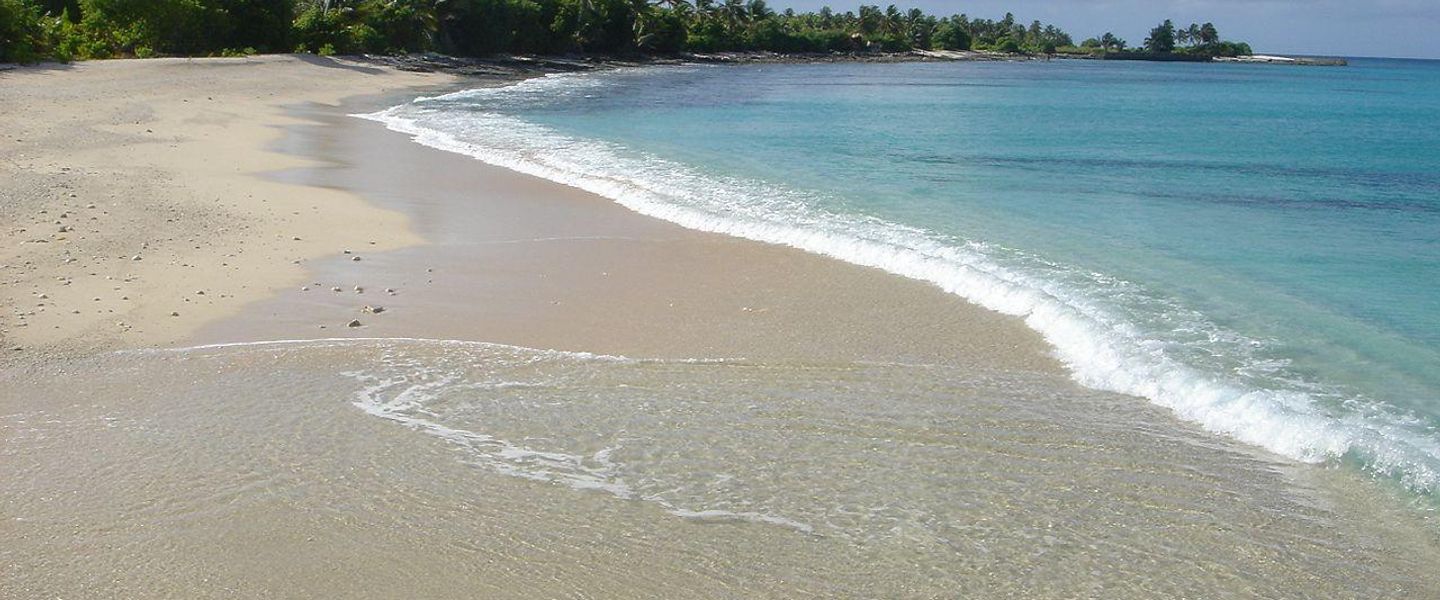
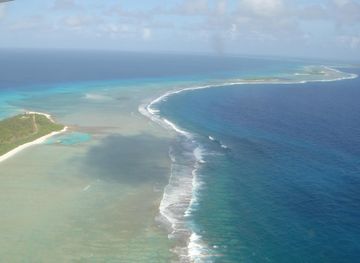
Lae Atoll, located in the Marshall Islands, is a paradise waiting to be discovered. This remote atoll offers pristine white-sand beaches, crystal-clear turquoise waters, and a serene atmosphere that is perfect for relaxation and adventure seekers alike. The atoll consists of 17 islets, each offering its unique charm and beauty. Whether you want to explore the vibrant marine life through snorkeling and diving, or simply bask in the sun on one of the secluded beaches, Lae Atoll has something for everyone. The rich cultural heritage of the Marshallese people is evident in Lae Atoll. Visitors can experience traditional Marshallese hospitality, learn about the local customs, and enjoy delicious local cuisine. The atoll's small population ensures an intimate and authentic experience, far removed from the hustle and bustle of more commercialized tourist destinations. Nature enthusiasts will be thrilled with the diverse flora and fauna that call Lae Atoll home. From the lush vegetation on the islets to the colorful coral reefs teeming with marine life, the natural beauty of Lae Atoll is truly awe-inspiring. Bird watchers will also find a haven here, with numerous species of birds inhabiting the atoll. A visit to Lae Atoll is not just a vacation; it is an opportunity to connect with nature and experience a way of life that is both simple and fulfilling.

Know before you go
Hi, I'm Eve. Here are a few practical things to know before exploring Lae Atoll.
- The best time to visit is during the dry season from May to October, when the weather is most favorable.
- Pack light and breathable clothing, as the climate is warm and humid year-round.
- Bring your own snorkeling and diving gear, as rental options may be limited on the atoll.
- Respect local customs and traditions, and always ask for permission before taking photos of local residents.
- There are limited accommodation options, so it is advisable to book in advance.
Explore Lae Atoll: Things to Do, Places to Eat, Hotels & More
Handpicked recommendations for top attractions, local dining, accommodations, and more

Top Attractions & Sightseeing in Lae Atoll
Top-rated picks
Best Attractions

Funagogoʻiliʻili Beach
Discover the breathtaking beauty of Funagogoʻiliʻili Beach, a hidden gem in Tuvalu, perfect for relaxation, adventure, and stunning sunsets.

Bokanbotin
Discover the tranquil beauty of Bokanbotin, a stunning garden oasis in Majuro Atoll, ideal for nature lovers and peaceful escapes.

Mejato
Explore Mejato Island, a tranquil paradise in Kwajalein Atoll, known for its stunning beaches and vibrant marine life, perfect for relaxation and adventure.
Beach Black
Experience the enchanting beauty of Beach Black in Kwajalein Atoll, where serenity meets stunning natural landscapes and unforgettable adventures await.

Best landmarks in Lae Atoll
Top-rated picks
Best Landmarks

Wreck of German cruiser Prinz Eugen
Discover the haunting beauty of the Wreck of the German cruiser Prinz Eugen in Kwajalein Atoll, a historical dive site rich in marine life and World War II history.

Marshall Islands Resort
Experience the enchanting charm of the Marshall Islands Resort, a tropical paradise perfect for relaxation and adventure in the heart of Majuro Atoll.

Emon Beach
Discover the serenity of Emon Beach, a tropical paradise in the Kwajalein Atoll with stunning views, vibrant marine life, and unforgettable adventures.

K&K Island Pride Supermarket
Explore K&K Island Pride Supermarket in Majuro Atoll for fresh produce, local snacks, and an authentic taste of Marshallese culture.

Best restaurants in Lae Atoll
Top-rated picks
Best Restaurants

Tide Table Restaurant & Lounge
Experience the flavors of Majuro at Tide Table Restaurant & Lounge—where fresh seafood meets stunning ocean views.

Private Island Boutique Resort Bikendrik Island Hideaway, Marshall Islands
Experience luxury and tranquility at Bikendrik Island Hideaway, your ultimate private island retreat in the Marshall Islands.

Outrigger Bar & Grill
Experience authentic barbecue delights amidst stunning ocean views at Outrigger Bar & Grill in Kwajalein Atoll.

Toeak Bar and Grill
Discover culinary treasures at Toeak Bar and Grill in Majuro Atoll, where local flavors meet breathtaking views.

Best bars in Lae Atoll
Top-rated picks
Best Bars

Marshall Islands Resort
Discover serenity and adventure at the Marshall Islands Resort, where stunning landscapes and luxurious accommodations await.
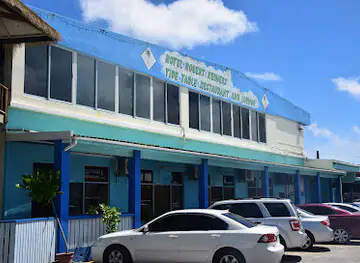
Tide Table Restaurant & Lounge
Discover the vibrant flavors of the Marshall Islands at Tide Table Restaurant & Lounge, where local cuisine meets warm hospitality.

Hotel Robert Reimers
Discover the charm of Majuro with a comfortable stay at Hotel Robert Reimers, your gateway to the stunning Marshall Islands.

Oceanview Club aka Snake Pit
Experience the vibrant atmosphere and stunning ocean views at Oceanview Club in Kwajalein Atoll, a must-visit bar for tourists seeking relaxation.

Best nightclubs in Lae Atoll
Top-rated picks
Best Nightclubs

Oceanview Club aka Snake Pit
Discover the vibrant atmosphere of the Oceanview Club in Kwajalein Atoll, where stunning views meet unforgettable experiences.

Kwajalein Yacht Club
Discover the vibrant nightlife and stunning views at Kwajalein Yacht Club, the ultimate night club experience in the Marshall Islands.

Marshall Islands Club
Discover the vibrant nightlife of the Marshall Islands Club, where music and culture come together for an unforgettable experience in Majuro.

Harry's Bar
Experience the vibrant culture and laid-back charm of the Marshall Islands at Harry's Bar, your go-to destination for refreshing drinks and social gatherings.

Best shops in Lae Atoll
Top-rated picks
Best Shops

K&K Island Pride Supermarket
Explore the vibrant K&K Island Pride Supermarket, your gateway to local flavors and everyday life in the Marshall Islands.

Tide Table Restaurant & Lounge
Experience the taste of the Marshall Islands at Tide Table Restaurant & Lounge, where fresh seafood and local cuisine meet a vibrant atmosphere.

Alele Museum and Public Library
Explore the rich cultural heritage of the Marshall Islands at Alele Museum and Public Library, a must-visit for history enthusiasts and curious travelers.

Surfway Grocery Store
Discover local flavors and essentials at Surfway Grocery Store in Kwajalein Atoll, your go-to grocery destination for fresh produce and unique ingredients.

Explore Lae Atoll on the Map
A handpicked selection of must-see spots in Lae Atoll, mapped for you.
Lae Atoll Essentials
-
Lae Atoll is located in the Marshall Islands, part of the Ratak Chain. The closest international airport is Amata Kabua International Airport in Majuro. From Majuro, you can take a domestic flight operated by Air Marshall Islands to Lae Atoll. These flights are limited, so it is advisable to book well in advance. Alternatively, private boats and charters are also available for hire, though this option can be more expensive and time-consuming.
-
Transportation within Lae Atoll is limited. Since the atoll is small, most visitors find that walking or bicycling are the best ways to get around. Local boats are available for inter-island travel within the atoll. There are no car rental services, and taxis are non-existent due to the small size of the atoll.
-
The official currency in the Marshall Islands is the United States Dollar (USD). Credit card acceptance is very limited, and ATMs are scarce, so it is essential to carry enough cash for your entire stay. Ensure you have small denominations as larger bills may be difficult to change.
-
Lae Atoll is generally safe for tourists, with low crime rates. However, it is always advisable to take standard precautions such as keeping an eye on your belongings and not leaving valuables unattended. There are no specific areas with high crime rates targeting tourists, but it is always best to stay vigilant.
-
In case of an emergency, contact the local authorities or the nearest health facility. The Marshall Islands have limited medical facilities, so it is crucial to have comprehensive travel insurance that covers medical emergencies and evacuation. For serious medical issues, evacuation to Majuro or even further afield may be necessary.
-
Fashion: Do dress modestly, especially when interacting with locals or visiting religious sites. Avoid revealing clothing. Religion: Do respect local customs and traditions, including religious practices. Public Transport: Do be respectful if you use local boats, and always ask for permission before boarding. Greetings: Do greet people with a friendly wave or a handshake. Local customs often involve more casual greetings. Eating & Drinking: Do try local foods and accept hospitality graciously. Don't waste food, as resources can be limited on the atoll.
-
To experience Lae Atoll like a local, engage with residents and participate in community events. Try to learn a few phrases in Marshallese, which can go a long way in building rapport. Visit the local markets for fresh produce and handmade crafts. Fishing and snorkeling are popular activities that offer a glimpse into the local way of life.
When is the best time to visit Lae Atoll?
Useful Local Phrases for Lae Atoll
You don't need to speak the language perfectly. Even learning a few simple words can make conversations warmer—and locals usually appreciate the effort.
— Eve

Here are the phrases I use most often in Lae Atoll. Try a few—you'll be surprised how far they go! 😊
❤️
-
- HelloIakwe
[ee-ah-kweh] - GoodbyeAolep
[ah-oh-lep] - YesE
[eh] - NoAk
[ahk] - Please/You're welcomeBwijan
[bwee-jahn] - Thank youKommol
[kohm-mohl] - Excuse me/SorryBwijin
[bwee-jeen] - How are you?Ejjab?
[eh-jahb] - Fine. And you?Ejjab. Ejjab ak?
[eh-jahb. eh-jahb ahk] - Do you speak English?E am ean English?
[eh ahm ehn ehn-glish] - I don't understandIok e an jorain
[ee-ohk eh ahn jo-ryn]
- HelloIakwe
-
- I'd like to see the menu, pleaseIakwe an jorain menju, bijan
[ee-ah-kweh ahn jo-ryn men-joo, bwee-jahn] - I don't eat meatIok e an jorain bwij
[ee-ohk eh ahn jo-ryn bwee] - Cheers!Mwijan!
[mwee-jahn] - I would like to pay, pleaseIakwe an jorain pwe, bijan
[ee-ah-kweh ahn jo-ryn pweh, bwee-jahn]
- I'd like to see the menu, pleaseIakwe an jorain menju, bijan
-
- Help!Jorain!
[jo-ryn] - Go away!Jeb jab!
[jehb jahb] - Call the Police!Karin ean police!
[kah-rin eh-ahn po-lees] - Call a doctor!Karin ean doctor!
[kah-rin eh-ahn dohk-tor] - I'm lostIok e an jorain
[ee-ohk eh ahn jo-ryn] - I'm illIok e an jorain
[ee-ohk eh ahn jo-ryn]
- Help!Jorain!
-
- I'd like to buy...Iakwe an jorain ...
[ee-ah-kweh ahn jo-ryn ...] - I'm just lookingIok e an jorain
[ee-ohk eh ahn jo-ryn] - How much is it?Ejjab e bwij?
[eh-jahb eh bwee?] - That's too expensiveEjjab ak e bwij jorain
[eh-jahb ahk eh bwee jo-ryn] - Can you lower the price?E am jorain ean jorain?
[eh ahm jo-ryn eh-ahn jo-ryn?]
- I'd like to buy...Iakwe an jorain ...
-
- What time is it?Ejjab ean jorain?
[eh-jahb eh-ahn jo-ryn?] - It's one o'clockEjjab ean juon jorain
[eh-jahb eh-ahn joo-ohn jo-ryn] - Half past (10)Ejjab ean wot jorain
[eh-jahb eh-ahn woht jo-ryn] - MorningEjjab
[eh-jahb] - AfternoonEjjab
[eh-jahb] - EveningEjjab
[eh-jahb] - YesterdayJeb jeb
[jehb jehb] - TodayJeb
[jehb] - TomorrowJeb
[jehb] - 1Juon
[joo-ohn] - 2Ruo
[roo-oh] - 3Jilu
[jee-loo] - 4Jeb
[jehb] - 5Jeb
[jehb] - 6Jeb
[jehb] - 7Jeb
[jehb] - 8Jeb
[jehb] - 9Jeb
[jehb] - 10Jeb
[jehb]
- What time is it?Ejjab ean jorain?
-
- Where's a/the...?Kij ean ...?
[kee-j eh-ahn ...?] - What's the address?Ejjab ean jorain?
[eh-jahb eh-ahn jo-ryn?] - Can you show me (on the map)?E am kijen ean ...?
[eh ahm kee-jen eh-ahn ...?] - When's the next (bus)?Ejjab ean jorain ...?
[eh-jahb eh-ahn jo-ryn ...?] - A ticket (to ....)Ean tiket (to ....)
[eh-ahn tee-ket (to ....)]
- Where's a/the...?Kij ean ...?
History of Lae Atoll
-
Lae Atoll, like many other atolls in the Marshall Islands, was first settled by Micronesian navigators over 2,000 years ago. These early settlers developed a robust culture based on fishing, canoe building, and intricate navigation techniques. They lived in harmony with the ocean, relying on its resources for their sustenance and spiritual practices. Archaeological findings, including traditional tools and pottery, provide a glimpse into the lives of these early inhabitants.
-
The first recorded European contact with Lae Atoll occurred in the 16th century when Spanish explorers navigated through the Pacific. However, it was not until the 19th century that the atoll saw more frequent visits from European traders and missionaries. These interactions brought significant changes to the local way of life, including the introduction of Christianity, new trade goods, and different governance structures.
-
In the late 19th century, Lae Atoll, along with the rest of the Marshall Islands, came under German colonial rule. The Germans established copra (dried coconut) plantations, which became a major economic activity. This period also saw the introduction of Western education and healthcare, which had lasting impacts on the island's social fabric. German influence in the region continued until the outbreak of World War I.
-
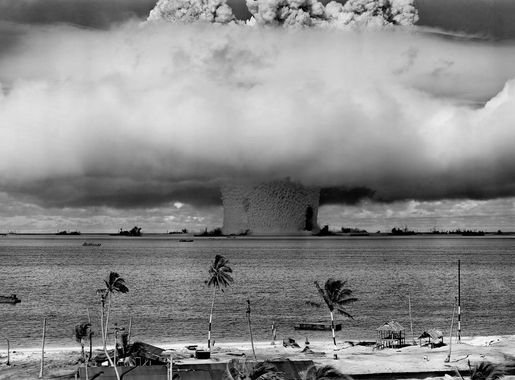
Following World War I, the League of Nations granted Japan a mandate over the Marshall Islands, including Lae Atoll. During World War II, the atoll was fortified by the Japanese military as part of their strategic defense network in the Pacific. The war brought significant hardships to the local population, including forced labor and resource shortages. Remnants of Japanese fortifications and bunkers can still be found on the atoll, serving as historical reminders of this turbulent period.
-
After World War II, Lae Atoll came under the administration of the United States as part of the Trust Territory of the Pacific Islands. This period saw infrastructure development, including the construction of schools, hospitals, and airstrips. The American influence also brought about changes in political structures and the gradual modernization of local society. In 1986, the Marshall Islands gained independence, and Lae Atoll became part of the newly sovereign nation.
-
Today, Lae Atoll is a vibrant community that blends traditional Marshallese culture with modern influences. The atoll's economy is primarily based on subsistence agriculture, fishing, and copra production. Efforts to preserve and promote the local culture are evident in community activities, festivals, and educational programs. Visitors to Lae Atoll can experience the rich history and warm hospitality of its people while exploring the natural beauty of this remote paradise.
Neighbouring Regions of Lae Atoll
The closest regions to Lae Atoll, if you have time for more than one.




Your all‑in‑one travel companion app
Explore expert travel guides, compare and book tours, experiences, hotels, and more—all from the palm of your hand. Download now for seamless trip planning wherever your wanderlust takes you.


Explore More of Marshall Islands

Looking beyond Lae Atoll? Discover Marshall Islands for broader travel guides, local hot-spots, and regional highlights.
Explore Marshall IslandsLae Atoll in Photos
Browse through our photo collection highlighting the charm and character of the destination.




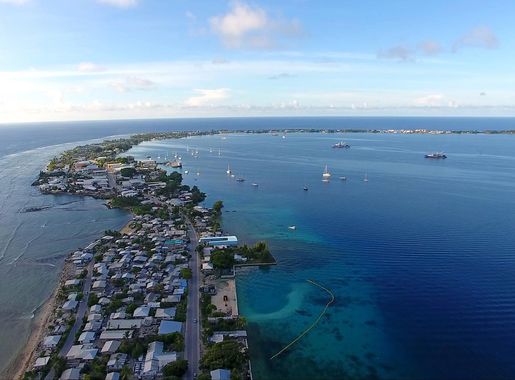


Lae Atoll: A Hidden Gem in the Pacific
Lae Atoll, located in the Marshall Islands, is a paradise waiting to be discovered. This remote atoll offers pristine white-sand beaches, crystal-clear turquoise waters, and a serene atmosphere that is perfect for relaxation and adventure seekers alike. The atoll consists of 17 islets, each offering its unique charm and beauty. Whether you want to explore the vibrant marine life through snorkeling and diving, or simply bask in the sun on one of the secluded beaches, Lae Atoll has something for everyone. The rich cultural heritage of the Marshallese people is evident in Lae Atoll. Visitors can experience traditional Marshallese hospitality, learn about the local customs, and enjoy delicious local cuisine. The atoll's small population ensures an intimate and authentic experience, far removed from the hustle and bustle of more commercialized tourist destinations. Nature enthusiasts will be thrilled with the diverse flora and fauna that call Lae Atoll home. From the lush vegetation on the islets to the colorful coral reefs teeming with marine life, the natural beauty of Lae Atoll is truly awe-inspiring. Bird watchers will also find a haven here, with numerous species of birds inhabiting the atoll. A visit to Lae Atoll is not just a vacation; it is an opportunity to connect with nature and experience a way of life that is both simple and fulfilling.