
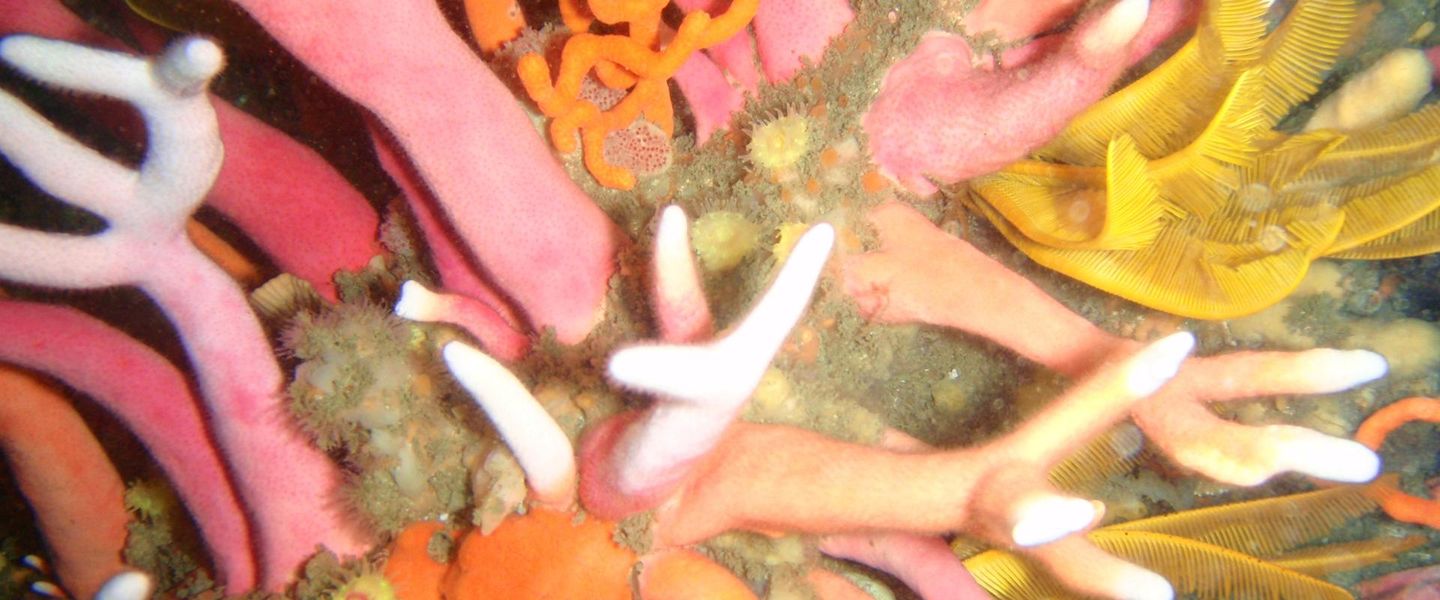
Rongelap Atoll, Marshall Islands Travel Guide
Discover the untouched beauty of Rongelap Atoll in the Marshall Islands, with pristine beaches, vibrant marine life, and a rich cultural heritage.
Rongelap Atoll is one of the most secluded and untouched paradises in the Pacific Ocean. Located in the Marshall Islands, this atoll offers pristine white sandy beaches, crystal clear waters, and an abundance of marine life. The natural beauty of Rongelap is unmatched, making it a perfect destination for those looking to escape the hustle and bustle of city life and immerse themselves in nature. The atoll is made up of 61 islets, each offering its own unique charm and beauty. Visitors can explore the lush vegetation, hike along scenic trails, and discover hidden lagoons. The marine life around Rongelap is spectacular, with vibrant coral reefs teeming with colorful fish, making it a prime spot for snorkeling and diving. The waters are also home to several species of sea turtles, dolphins, and even occasional sightings of whales. Rongelap Atoll has a rich cultural history that is waiting to be explored. The local Marshallese people are warm and welcoming, eager to share their traditions and stories. Visitors can learn about traditional crafts, music, and dances, providing a deeper understanding of the island's heritage. Despite its remote location, Rongelap has a small but growing eco-tourism infrastructure, ensuring that visitors can enjoy their stay while preserving the natural environment.

Know before you go
Hi, I'm Eve. Here are a few practical things to know before exploring Rongelap Atoll.
- Pack plenty of sunscreen and insect repellent as the tropical climate can be intense.
- Respect local customs and traditions, and always ask for permission before taking photographs of people.
- Bring your own snorkeling or diving gear to fully enjoy the underwater world.
- There are limited accommodation options, so book your stay well in advance.
- Cash is preferred for transactions, and there are no ATMs on the atoll.

Best restaurants in Rongelap Atoll
Top-rated picks
Best Restaurants

Tide Table Restaurant & Lounge
Discover the culinary delights of Majuro at Tide Table Restaurant & Lounge - where local flavors meet breathtaking views.

Toeak Bar and Grill
Experience the vibrant flavors of Majuro Atoll at Toeak Bar and Grill, where fresh seafood meets island charm in an unforgettable dining experience.

Blue Lagoon Restaurant
Experience exquisite local flavors and stunning lagoon views at Blue Lagoon Restaurant in Majuro Atoll.

Best bars in Rongelap Atoll
Top-rated picks
Best Bars

Marshall Islands Resort
Discover the beauty and tranquility of the Marshall Islands at the luxurious Marshall Islands Resort, your perfect tropical getaway.
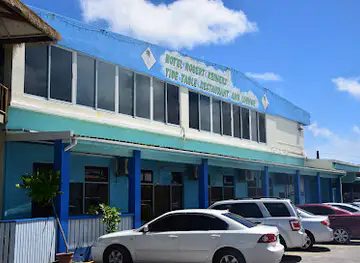
Tide Table Restaurant & Lounge
Discover the culinary delights of the Marshall Islands at Tide Table Restaurant & Lounge, where fresh seafood meets stunning ocean views.

Hotel Robert Reimers
Discover the charm and beauty of Hotel Robert Reimers, your serene getaway in Majuro Atoll, Marshall Islands, blending comfort with unique local experiences.

Amata Kabua International Airport
Experience the charm of Amata Kabua International Airport, your gateway to exploring the breathtaking beauty of the Marshall Islands.

Best shops in Rongelap Atoll
Top-rated picks
Best Shops

Marshall Islands Resort
Discover the serene beauty of Majuro Atoll at Marshall Islands Resort, where stunning lagoon views and tropical charm await.

K&K Island Pride Supermarket
Discover the essence of island life at K&K Island Pride Supermarket, where local flavors meet international favorites in the heart of Majuro Atoll.

Hotel Robert Reimers
Experience the serene beauty and warm hospitality of Hotel Robert Reimers, your ideal retreat in the stunning Marshall Islands.

Amata Kabua International Airport
Discover the beauty of the Marshall Islands starting from Amata Kabua International Airport, your gateway to tropical paradise.

Explore Rongelap Atoll on the Map
A handpicked selection of must-see spots in Rongelap Atoll, mapped for you.
Rongelap Atoll Essentials
-
Reaching Rongelap Atoll typically involves multiple steps due to its remote location in the Marshall Islands. The nearest international airport is Amata Kabua International Airport in Majuro, the capital of the Marshall Islands. From Majuro, visitors need to arrange a charter flight or boat transfer to Rongelap Atoll. It's advisable to coordinate with local tour operators or the Rongelap Atoll Local Government for the most reliable transport options.
-
Once on Rongelap Atoll, transportation options are limited. The atoll is small enough to explore on foot. For longer distances or to visit other parts of the atoll, you may need to arrange boat transportation with local providers. There are no formal public transport systems, so planning ahead is essential.
-
The official currency in the Marshall Islands is the United States Dollar (USD). Credit card facilities are very limited on Rongelap Atoll, so it is crucial to carry sufficient cash. Ensure you withdraw enough cash in Majuro before traveling to Rongelap, as there are no ATMs on the atoll.
-
Rongelap Atoll is generally a safe destination with low crime rates. However, standard travel precautions are recommended. Keep an eye on your belongings and avoid leaving valuables unattended. There are no specific areas with high crime rates targeting tourists, but it's always wise to stay cautious and aware of your surroundings.
-
In case of an emergency, contact the local authorities or your tour operator for immediate assistance. The atoll has limited medical facilities, so it's advisable to have comprehensive travel insurance that includes medical evacuation coverage. For minor health issues, bring necessary medications and first aid supplies as local resources may be limited.
-
Fashion: Do dress modestly, especially when interacting with locals. Lightweight, breathable clothing is recommended. Religion: Do respect local customs and traditions. Always ask for permission before entering sacred sites. Public Transport: Since there is no formal public transport, plan to walk or arrange private transport. Greetings: Do greet people with a friendly smile and a simple 'hello.' Eating & Drinking: Do try local dishes and accept food offerings graciously. Don't waste food, as resources are limited.
-
To experience Rongelap Atoll like a local, engage with the community and participate in traditional activities. Visit local markets to buy handmade crafts and fresh produce. Try fishing with the locals or join a traditional cooking session. Respect the environment by minimizing waste and avoiding plastic use.
When is the best time to visit Rongelap Atoll?
Useful Local Phrases for Rongelap Atoll
You don't need to speak the language perfectly. Even learning a few simple words can make conversations warmer—and locals usually appreciate the effort.
— Eve

Here are the phrases I use most often in Rongelap Atoll. Try a few—you'll be surprised how far they go! 😊
❤️
-
- HelloYokwe
[yoh-kweh] - GoodbyeAolep
[ah-oh-lep] - YesE
[eh] - NoAolep
[ah-oh-lep] - Please/You’re welcomeIakwe
[ee-ah-kweh] - Thank youKommol tata
[kohm-mol tah-tah] - Excuse me/SorryTōrō
[toh-roh] - How are you?Ejjab e?
[eh-jahb eh] - Fine. And you?Jab et, ejjab e?
[jahb eht, eh-jahb eh] - Do you speak English?Ejjab enej in English?
[eh-jahb eh-nehj in in-glish] - I don't understandEjjeḷeḷā
[eh-ji-leh-lah]
- HelloYokwe
-
- I’d like to see the menu, pleaseIakwe ejjeḷeḷān aō menū
[ee-ah-kweh eh-ji-leh-lah-ahn ah-oh meh-noo] - I don't eat meatEjjeḷeḷān eat meat
[eh-ji-leh-lah-ahn eet meet] - Cheers!Mōnō
[moh-noh] - I would like to pay, pleaseIakwe ejjeḷeḷān aō pay
[ee-ah-kweh eh-ji-leh-lah-ahn ah-oh pay]
- I’d like to see the menu, pleaseIakwe ejjeḷeḷān aō menū
-
- Help!Kommol!
[kohm-mol] - Go away!Kōmō!
[koh-moh] - Call the Police!Kōl Police!
[koh-l poh-lees] - Call a doctor!Kōl doctor!
[koh-l dok-tor] - I’m lostEjjeḷeḷān in jān
[eh-ji-leh-lah-ahn in jahn] - I’m illEjjeḷeḷān in jānō
[eh-ji-leh-lah-ahn in jah-noh]
- Help!Kommol!
-
- I’d like to buy...Iakwe ejjeḷeḷān aō borrow...
[ee-ah-kweh eh-ji-leh-lah-ahn ah-oh bor-row] - I’m just lookingEjjab ekā
[eh-jahb eh-kah] - How much is it?Ejjab eḷap?
[eh-jahb eh-lahp] - That’s too expensiveEjjab ān aolep
[eh-jahb ahn ah-oh-lep] - Can you lower the price?Ejjab eḷap ān eṃmā?
[eh-jahb eh-lahp ahn eh-mmah]
- I’d like to buy...Iakwe ejjeḷeḷān aō borrow...
-
- What time is it?Ejjab eḷap e?
[eh-jahb eh-lahp eh] - It’s one o'clockEjjeḷeḷān ōtō
[eh-ji-leh-lah-ahn oh-toh] - Half past (10)Ejjab eḷap 10
[eh-jahb eh-lahp ten] - MorningJab jān
[jahb jahn] - AfternoonJab ḷōm
[jahb lohm] - EveningJab ḷōm jān
[jahb lohm jahn] - YesterdayEjjab kōn
[eh-jahb kohn] - TodayEjjab jān
[eh-jahb jahn] - TomorrowEjjab ḷōm
[eh-jahb lohm] - 1Tōn
[tohn] - 2Ḷe
[leh] - 3Tā
[tah] - 4Eō
[eh-oh] - 5Jab
[jahb] - 6Tō
[toh] - 7Jā
[jah] - 8Iō
[ee-oh] - 9Jāro
[jah-roh] - 10Jāto
[jah-toh]
- What time is it?Ejjab eḷap e?
-
- Where's a/the...?Ejjab eḷap aō ...?
[eh-jahb eh-lahp ah-oh] - What’s the address?Ejjab eḷap address?
[eh-jahb eh-lahp ah-dress] - Can you show me (on the map)?Ejjab eḷap aō show (in map)?
[eh-jahb eh-lahp ah-oh show (in map)] - When’s the next (bus)?Ejjab eḷap next (bus)?
[eh-jahb eh-lahp next (bus)] - A ticket (to ...)Aō ticket (to ...)
[ah-oh ti-ket (to ...)]
- Where's a/the...?Ejjab eḷap aō ...?
History of Rongelap Atoll
-
Rongelap Atoll has been inhabited by the Marshallese people for thousands of years. Evidence of ancient settlement, including traditional navigation techniques and subsistence practices, reflects a deep connection to the ocean and the land. The atoll's rich cultural heritage is rooted in the traditions and customs passed down through generations.
-
The first recorded European contact with Rongelap Atoll occurred in the early 19th century, when explorers and traders began to venture into the Pacific Ocean. The arrival of these outsiders brought significant changes to the local way of life, including the introduction of new goods and the spread of Christianity.
-
During World War II, the Marshall Islands, including Rongelap Atoll, were occupied by Japanese forces. The islands became strategically important, and the local population experienced hardships due to wartime activities. After the war, the Marshall Islands came under the administration of the United States as part of the Trust Territory of the Pacific Islands.
-
One of the most significant events in Rongelap Atoll's history was the U.S. nuclear testing program conducted in the Marshall Islands during the 1940s and 1950s. Rongelap Atoll was affected by radioactive fallout from the 1954 Castle Bravo test, one of the largest nuclear detonations ever conducted. The inhabitants were exposed to high levels of radiation, leading to long-term health and environmental consequences.
-
Following the Castle Bravo test, the residents of Rongelap Atoll were evacuated to other islands. In the years that followed, they struggled with displacement and sought compensation and redress for the damages caused by the nuclear testing. In the 1980s, some residents returned to Rongelap, but concerns about residual radiation and its effects on health and the environment remained.
-
Despite the challenges faced by the community, the people of Rongelap have worked to preserve and revive their cultural heritage. Efforts to document traditional knowledge, practices, and oral histories have been undertaken to ensure that future generations can connect with their ancestral roots. Cultural festivals and educational programs celebrate the resilience and rich traditions of the Rongelapese people.
-
In recent years, there have been efforts to rehabilitate the environment of Rongelap Atoll. These initiatives include the cleanup of radioactive contamination, sustainable development projects, and the protection of marine and terrestrial ecosystems. The goal is to create a safe and healthy environment for the residents and to restore the natural beauty of the atoll.
Neighbouring Regions of Rongelap Atoll
The closest regions to Rongelap Atoll, if you have time for more than one.


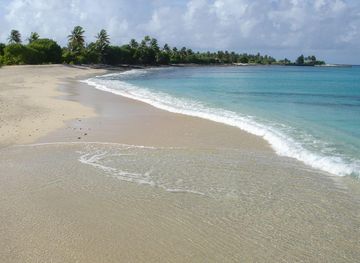


Your all‑in‑one travel companion app
Explore expert travel guides, compare and book tours, experiences, hotels, and more—all from the palm of your hand. Download now for seamless trip planning wherever your wanderlust takes you.


Explore More of Marshall Islands

Looking beyond Rongelap Atoll? Discover Marshall Islands for broader travel guides, local hot-spots, and regional highlights.
Explore Marshall IslandsRongelap Atoll in Photos
Browse through our photo collection highlighting the charm and character of the destination.
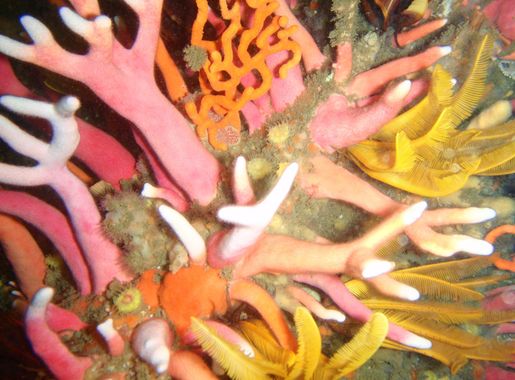
Rongelap Atoll: A Hidden Gem in the Marshall Islands
Rongelap Atoll is one of the most secluded and untouched paradises in the Pacific Ocean. Located in the Marshall Islands, this atoll offers pristine white sandy beaches, crystal clear waters, and an abundance of marine life. The natural beauty of Rongelap is unmatched, making it a perfect destination for those looking to escape the hustle and bustle of city life and immerse themselves in nature. The atoll is made up of 61 islets, each offering its own unique charm and beauty. Visitors can explore the lush vegetation, hike along scenic trails, and discover hidden lagoons. The marine life around Rongelap is spectacular, with vibrant coral reefs teeming with colorful fish, making it a prime spot for snorkeling and diving. The waters are also home to several species of sea turtles, dolphins, and even occasional sightings of whales. Rongelap Atoll has a rich cultural history that is waiting to be explored. The local Marshallese people are warm and welcoming, eager to share their traditions and stories. Visitors can learn about traditional crafts, music, and dances, providing a deeper understanding of the island's heritage. Despite its remote location, Rongelap has a small but growing eco-tourism infrastructure, ensuring that visitors can enjoy their stay while preserving the natural environment.