

Free Bethesda Travel Guide & Mobile App
Plan your Bethesda trip with Evendo. Get free guides to top attractions, restaurants, hotels, and bars. Web access or download the mobile app.


Bethesda, Maryland blends public art, diverse dining, historic landmarks, Capital Crescent Trail adventures and easy access to Washington, DC.
A Washington-Area Centre with Its Own Character
Bethesda occupies a wooded, well-connected corner of southern Montgomery County, Maryland, just northwest of Washington, DC. Although many visitors use it as a convenient base for the capital, Bethesda has an identity of its own: a walkable central district of restaurants, independent shops, public art and leafy residential streets shaped by old transport routes and post-war suburban growth. The Red Line connects downtown Bethesda with Washington, while the Capital Crescent Trail follows a former railway corridor towards Georgetown and Silver Spring.Read more about Bethesda
Culture, Medicine and Public Life
Green Routes and Nearby Experiences
When is the best time to visit Bethesda?
Best: May–June, September · 24–30°C| Month | High (°C) | Rainfall (mm) |
|---|---|---|
| January | 7 | 71 |
| February | 8 | 66 |
| March | 13 | 88 |
| April | 19 | 83 |
| May (best) | 24 | 97 |
| June (best) | 30 | 91 |
| July | 32 | 103 |
| August | 32 | 95 |
| September (best) | 27 | 90 |
| October | 20 | 87 |
| November | 14 | 82 |
| December | 8 | 82 |
Getting to and around Bethesda
How to get there
Transportation
Best attractions in Bethesda
Bethesda's principal attractions combine urban culture with accessible green space. Bethesda Row and the surrounding streets form a walkable centre of independent shops, restaurants, cinemas, cafés and public art, while the Bethesda Arts & Entertainment District adds murals, sculptures and cultural events to the commercial landscape. The Capital Crescent Trail offers a different kind of sightseeing, following a former railway corridor through leafy sections towards Silver Spring and Georgetown. The Bethesda Trolley Trail provides another local route with historical links to the old electric railway. Nearby Glen Echo Park, in the neighbouring community of Glen Echo, preserves the atmosphere of a former amusement park and now supports arts programmes, workshops and performances. Strathmore, in North Bethesda, is a major nearby arts venue with concerts and exhibitions. The National Institutes of Health campus is significant for its scientific history, though access to federal facilities is controlled and should not be treated as ordinary sightseeing.
-
Live Music
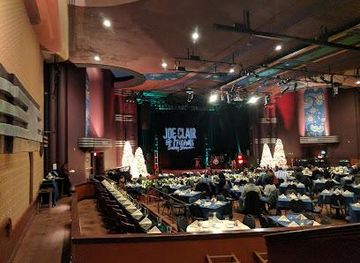
Bethesda Theater
Discover the heart of Bethesda's nightlife at the Bethesda Theater, where live music meets exquisite dining in a vibrant atmosphere.
6 min drive · 2.1 km from city centre
-
Tourist attraction
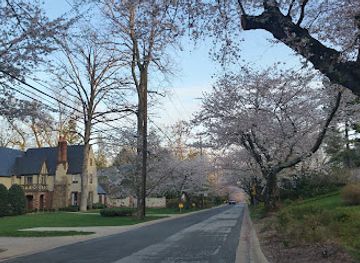
Little Falls Stream Valley Park
Explore the tranquil beauty of Little Falls Stream Valley Park in Bethesda, Maryland, a perfect escape for nature lovers and outdoor adventurers.
12 min drive · 3.9 km from city centre
-
Tourist attraction
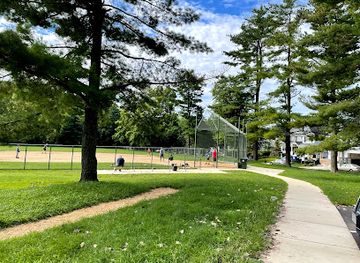
Fleming Local Park
Experience the natural beauty of Fleming Local Park in Bethesda, Maryland - a perfect blend of serenity, recreation, and family-friendly fun.
11 min drive · 3.7 km from city centre
-
Historical landmark
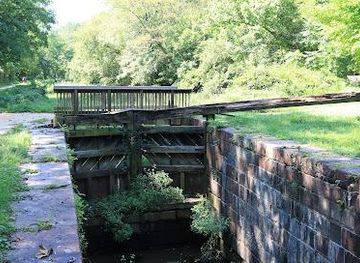
C&O Canal Lock 8
Explore the historical charm of C&O Canal Lock 8 in Cabin John, Maryland, where nature meets America's rich canal heritage.
12 min drive · 4.0 km from city centre
Best landmarks in Bethesda
Bethesda's landmarks reflect religious beginnings, federal power, medical history and twentieth-century suburban development. The Bethesda Meeting House gave the community its name and remains an important reference point in local history, while the nearby National Institutes of Health campus represents Bethesda's international role in biomedical research; its federal buildings and grounds are not uniformly open for casual public exploration. Walter Reed National Military Medical Center is another defining institutional landmark, occupying a substantial campus with national significance in military medicine. The Bethesda Theatre, a historic cinema building in the central district, recalls the area's development as a regional entertainment centre. The remaining character of the old electric railway corridor, now experienced through the Capital Crescent Trail and Bethesda Trolley Trail, is a less monumental but important landmark of suburban transport history. Public sculpture and murals throughout downtown add a contemporary layer to this built heritage.
-
Shopping mall
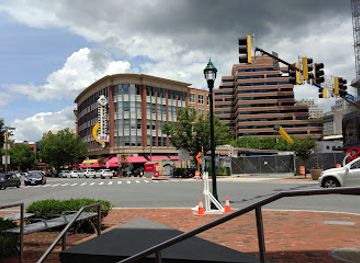
Bethesda Row
Discover Bethesda Row, a vibrant shopping and dining destination in the heart of Bethesda, MD, where culture and community meet in a delightful setting.
6 min drive · 2.0 km from city centre
-
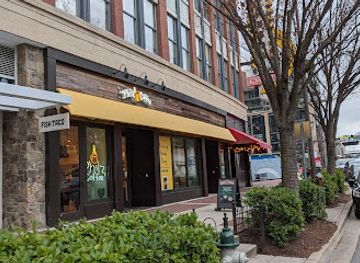
Restaurant
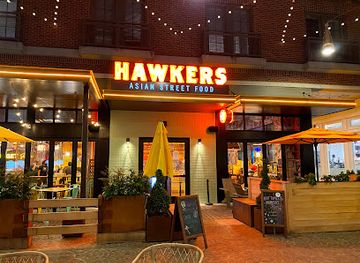
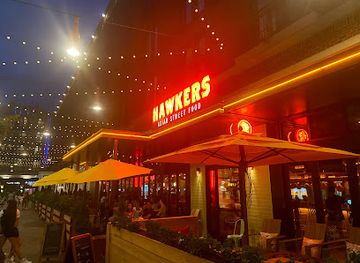
Hawkers Asian Street Food
Discover the vibrant flavors of Asia at Hawkers Asian Street Food in Bethesda, where every dish tells a story of tradition and street food culture.
6 min drive · 1.9 km from city centre
-
Live Music
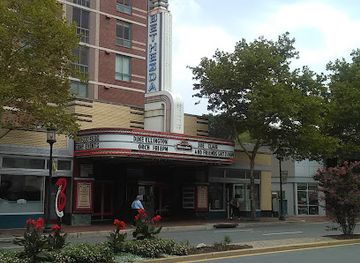
Bethesda Theater
Discover the vibrant world of live music and delicious dining at Bethesda Theater, a cultural hub in the heart of Bethesda, MD.
6 min drive · 2.1 km from city centre
-
American
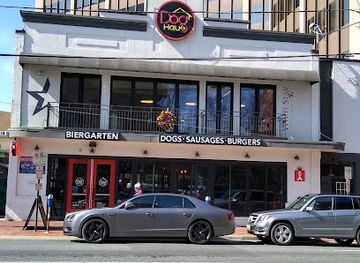
Dog Haus Bethesda - Burgers - Beer - Bourbon
Experience gourmet hot dogs, burgers, and craft beer at Dog Haus Bethesda, a must-visit American eatery in vibrant Woodmont Triangle.
6 min drive · 2.0 km from city centre
Explore Bethesda on the map
Plan your Bethesda trip on one map. See where the top attractions, landmarks, restaurants, bars and hotels are, find what's near where you're staying, and book hotels and experiences in a few clicks.
Best hotels in Bethesda
Best restaurants in Bethesda
Bethesda's dining scene reflects the Washington area's international population and affluent, highly mobile suburban culture. Bethesda Row, Bethesda Avenue, Norfolk Avenue and the Woodmont Triangle contain a dense selection of restaurants, cafés, bakeries and casual places to eat, with cuisines ranging from contemporary American and Mid-Atlantic fare to Mediterranean, East Asian, Latin American and South Asian cooking. Seafood and seasonal produce connect many menus with the wider Chesapeake and Mid-Atlantic region, while strong international communities bring Ethiopian, Korean, Indian and other traditions to the local table. Coffee shops and quick-service restaurants suit the daytime office population, whereas evening dining is concentrated around the central pedestrian-friendly streets. The Bethesda Central Farm Market, when operating, adds farmers' produce, baked goods and prepared foods in a more community-oriented setting.
-
American
Woodmont Grill
Experience the best of American cuisine at Woodmont Grill in Bethesda - where exquisite flavors meet vibrant ambiance.
6 min drive · 2.0 km from city centre
-
Restaurant
Hawkers Asian Street Food
Experience the vibrant taste of Asia at Hawkers Asian Street Food - a culinary journey through authentic street fare in Bethesda.
6 min drive · 1.9 km from city centre
-
New American
Seasons 52
Discover the essence of seasonal dining at Seasons 52 in North Bethesda—where fresh ingredients meet fine cuisine.
19 min drive · 6.3 km from city centre
-
Mexican
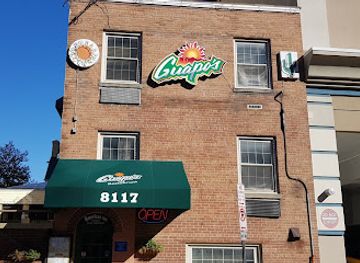
Guapo's Restaurant
Experience authentic Mexican cuisine at Guapo's Restaurant in Bethesda – where vibrant flavors meet a welcoming atmosphere.
6 min drive · 2.0 km from city centre
Best bars in Bethesda
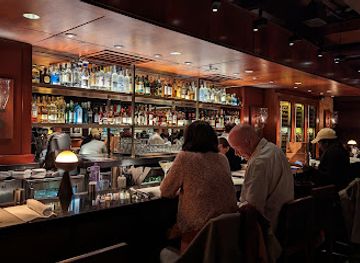
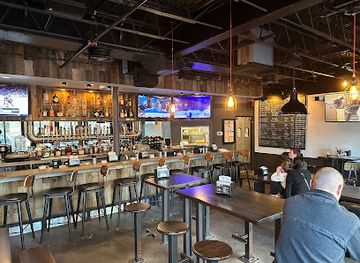
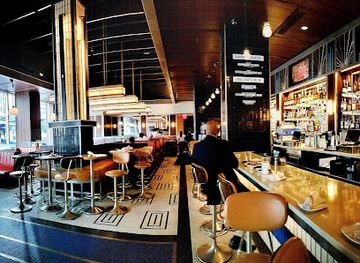
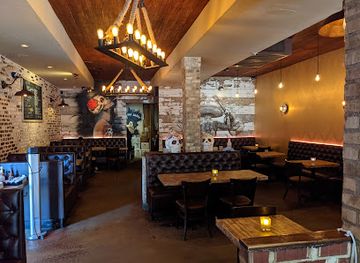
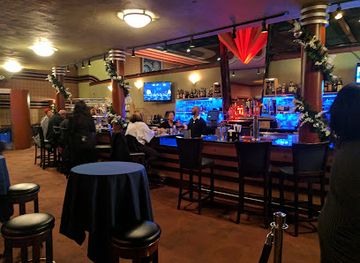
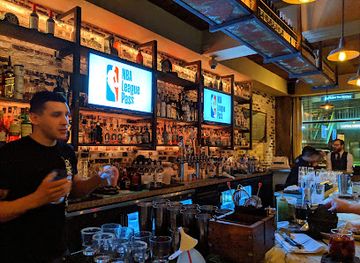
Bethesda's evening life is more social and restaurant-led than club-focused, with the busiest concentration around Bethesda Row, Bethesda Avenue, Norfolk Avenue and Woodmont Triangle. Wine bars, cocktail lounges, breweries and relaxed neighbourhood bars attract residents after work, while many restaurants provide a lively setting for a later meal. The Bethesda Theatre and nearby cultural venues contribute to an evening programme of cinema and performance, and the Bethesda Arts & Entertainment District periodically hosts exhibitions, public events and live cultural programming. Larger concerts and theatrical productions can be found at Strathmore in North Bethesda, while Glen Echo Park presents arts events in a more historic setting. Nightlife is generally polished and suburban rather than all-night or warehouse-oriented, so visitors should expect a varied evening of dining, drinks, film and performance rather than a dense nightclub circuit.
-
American
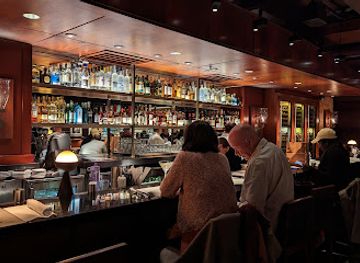
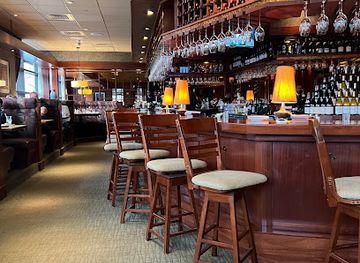
Woodmont Grill
Discover Woodmont Grill: A premier destination for American cuisine and sushi in Bethesda, Maryland, featuring handcrafted cocktails and a vibrant atmosphere.
6 min drive · 2.0 km from city centre
-
American
Dog Haus Bethesda - Burgers - Beer - Bourbon
Discover Dog Haus Bethesda, where gourmet hot dogs, burgers, and an extensive beer selection redefine the American dining experience.
6 min drive · 2.0 km from city centre
-
Bar
Silver
Discover Silver, Bethesda's premier bar and restaurant for delicious American cuisine and vibrant vegan options in a lively atmosphere.
6 min drive · 2.2 km from city centre
-
Mexican
Gringos & Mariachis
Discover the vibrant taste of Mexico at Gringos & Mariachis, where authentic flavors meet a lively atmosphere in Bethesda, MD.
5 min drive · 1.7 km from city centre
Best nightclubs in Bethesda
Bethesda's evening life is more social and restaurant-led than club-focused, with the busiest concentration around Bethesda Row, Bethesda Avenue, Norfolk Avenue and Woodmont Triangle. Wine bars, cocktail lounges, breweries and relaxed neighbourhood bars attract residents after work, while many restaurants provide a lively setting for a later meal. The Bethesda Theatre and nearby cultural venues contribute to an evening programme of cinema and performance, and the Bethesda Arts & Entertainment District periodically hosts exhibitions, public events and live cultural programming. Larger concerts and theatrical productions can be found at Strathmore in North Bethesda, while Glen Echo Park presents arts events in a more historic setting. Nightlife is generally polished and suburban rather than all-night or warehouse-oriented, so visitors should expect a varied evening of dining, drinks, film and performance rather than a dense nightclub circuit.
-
Live Music
Bethesda Theater
Immerse yourself in the lively sounds of Bethesda Theater, a perfect blend of live music and exquisite dining in the heart of Bethesda.
6 min drive · 2.1 km from city centre
-
Mexican
Gringos & Mariachis
Discover the vibrant flavors of Mexico at Gringos & Mariachis, where mouthwatering tacos and creative cocktails await in Bethesda's Woodmont Triangle.
5 min drive · 1.7 km from city centre
-
Seafood
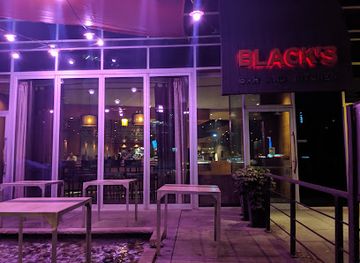
Black's Bar & Kitchen
Experience the finest seafood and American cuisine at Black's Bar & Kitchen in Bethesda, where every meal is a culinary adventure.
6 min drive · 2.0 km from city centre
-
Bar
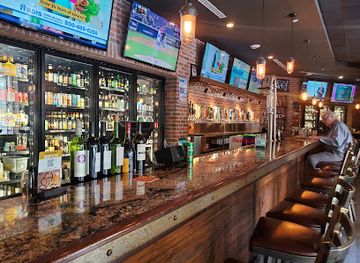
World of Beer
Explore a world of flavors at World of Beer in Bethesda, where craft brews and a vibrant atmosphere await every visitor.
7 min drive · 2.2 km from city centre
Best shops in Bethesda
Shopping in Bethesda is concentrated in several connected central districts rather than one enclosed retail centre. Bethesda Row and Bethesda Avenue combine national brands with independent boutiques, beauty businesses, cafés and lifestyle shops, while Woodmont Triangle offers smaller retailers and a more local street atmosphere. Wisconsin Avenue provides a longer commercial spine with everyday services, specialist shops and restaurants. The Bethesda Central Farm Market, when in season, is useful for regional produce, baked goods, flowers and prepared foods rather than conventional souvenirs. Visitors seeking gifts can look for local art, books, food products and small-batch crafts associated with the area's creative community. The retail character is contemporary and suburban, but the walkable streets, public art and regular community events make browsing feel integrated with Bethesda's wider cultural life.
-
Gift shop
Westfield Montgomery
Explore Westfield Montgomery: A premier shopping destination in Bethesda, Maryland, featuring top brands, dining, and entertainment for all ages.
14 min drive · 4.8 km from city centre
-
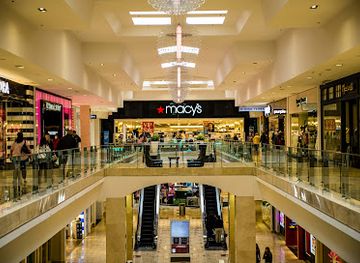
Shopping mall
Bethesda Row
Explore Bethesda Row: A dynamic shopping and dining destination in Maryland, offering unique boutiques, diverse eateries, and vibrant outdoor experiences.
6 min drive · 2.0 km from city centre
-
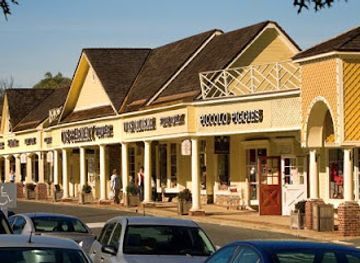
Shopping mall
Wildwood Shopping Center
Discover a shopping paradise at Wildwood Shopping Center in Bethesda, MD - a blend of retail, dining, and relaxation awaits you!
13 min drive · 4.2 km from city centre
-
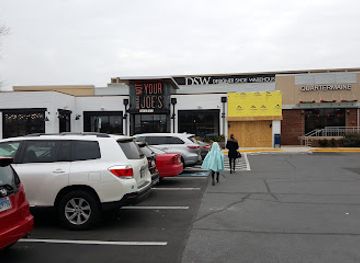
Shopping mall
Georgetown Square
Experience the charm of Georgetown Square - a vibrant shopping mall in Bethesda, Maryland with unique shops, dining, and community events.
13 min drive · 4.4 km from city centre
Get your free copy of our complete guide to Bethesda, delivered straight to you.
Everything on this page, from attractions and restaurants to essentials and local phrases, in one PDF you can read offline, print or share.
Already have an account? Sign in
Your Bethesda guide is ready.
We'll send it to · Not you? Sign out

Getting your guide ready…
We are putting together a fresh copy of the Bethesda guide. This can take up to a minute.
This can take a few moments. If your browser asks, choose Allow so the download can start. You'll find the guide in your Downloads folder.
Nothing happened? Download it again
Sorry, the guide is taking longer than usual. Please try again in a minute, or get it by email instead.
Bethesda essentials
Currency and Payment
Safety
Emergency Situations
Do's and Don'ts
Local Tips
From Eve
Local phrases worth knowing
You don't need to get them perfect. A few words go a long way, and locals appreciate the effort.
Basics
| English | Local | Say it |
|---|---|---|
| Hello | Hey | [hey] |
| Goodbye | See ya | [see ya] |
| Yes | Yep | [yep] |
| No | Nah | [nah] |
| Please/You're welcome | Please/No problem | [please/no problem] |
| Thank you | Thanks | [thanks] |
| Excuse me/Sorry | Sorry | [sorry] |
| How are you? | How you doin'? | [how you doin'] |
| Fine. And you? | I'm good. You? | [I'm good. You?] |
| Do you speak English? | You speak English? | [you speak English?] |
| I don't understand | I don't get it | [I don't get it] |
Eating & Drinking
| English | Local | Say it |
|---|---|---|
| I'd like to see the menu, please | Can I see the menu? | [can I see the menu?] |
| I don't eat meat | I'm vegetarian | [I'm vegetarian] |
| Cheers! | Cheers! | [Cheers!] |
| I would like to pay, please | Check, please | [check, please] |
Emergencies
| English | Local | Say it |
|---|---|---|
| Help! | Help! | [help!] |
| Go away! | Get lost! | [get lost!] |
| Call the Police! | Call the cops! | [call the cops!] |
| Call a doctor! | Get a doctor! | [get a doctor!] |
| I'm lost | I'm lost | [I'm lost] |
| I'm ill | I'm sick | [I'm sick] |
Shopping
| English | Local | Say it |
|---|---|---|
| I'd like to buy... | I wanna buy... | [I wanna buy...] |
| I'm just looking | Just browsing | [just browsing] |
| How much is it? | How much? | [how much?] |
| That's too expensive | Too pricey | [too pricey] |
| Can you lower the price? | Can you do better? | [can you do better?] |
Time & Numbers
| English | Local | Say it |
|---|---|---|
| What time is it? | What's the time? | [what's the time?] |
| It's one o'clock | It's one | [it's one] |
| Half past (10) | Ten thirty | [ten thirty] |
| Morning | Morning | [morning] |
| Afternoon | Afternoon | [afternoon] |
| Evening | Evening | [evening] |
| Yesterday | Yesterday | [yesterday] |
| Today | Today | [today] |
| Tomorrow | Tomorrow | [tomorrow] |
| 1 | One | [one] |
| 2 | Two | [two] |
| 3 | Three | [three] |
| 4 | Four | [four] |
| 5 | Five | [five] |
| 6 | Six | [six] |
| 7 | Seven | [seven] |
| 8 | Eight | [eight] |
| 9 | Nine | [nine] |
| 10 | Ten | [ten] |
Transport & Directions
| English | Local | Say it |
|---|---|---|
| Where's a/the...? | Where's the...? | [where's the...?] |
| What's the address? | What's the address? | [what's the address?] |
| Can you show me (on the map)? | Can you show me? | [can you show me?] |
| When's the next (bus)? | When's the next bus? | [when's the next bus?] |
| A ticket (to ....) | One ticket, please | [one ticket, please] |
History of Bethesda
The Meeting House and Bethesda Name
Bethesda takes its name from the Bethesda Meeting House, a Presbyterian congregation established in the early nineteenth century along the route now associated with Old Georgetown Road. The name refers to the Pool of Bethesda mentioned in the New Testament. Before urban development, the area was rural farmland in Montgomery County, connected by local roads to Georgetown, Rockville and other settlements. The meeting house served as both a religious institution and a geographical reference point, giving a scattered community a shared name that eventually became attached to the growing suburban centre.
Turnpikes, Farms and Early Commerce
During the nineteenth century, Bethesda remained largely rural, with farms, small businesses and roadside services developing around the major routes between Washington and Rockville. The Rockville Pike improved movement through the area and helped connect local agricultural production with urban markets. Small settlements were shaped by churches, schools, mills and stores rather than by a concentrated city centre. This countryside setting explains why mature trees, large institutional grounds and remnants of older road alignments still influence Bethesda's landscape despite its later transformation into a dense metropolitan district.
The Trolley Brings Suburban Growth
Electric railway service changed Bethesda's prospects in the 1890s, when the Washington and Rockville Electric Railway linked communities along the Rockville Pike corridor with Washington. The trolley made commuting more practical and encouraged residential development, although Bethesda remained less urbanised than the capital for decades. Rail access also strengthened commercial activity around the transport routes and established a pattern that continues today: Bethesda's fortunes have long been tied to convenient connections with Washington. Parts of the former railway alignment later became associated with the Capital Crescent Trail.
Scientific and Military Institutions
Bethesda's twentieth-century identity was reshaped by large federal institutions. The National Institutes of Health developed its Bethesda campus in the 1930s, becoming a major centre for biomedical research and attracting scientists, medical professionals and international visitors. The Naval Medical Center Bethesda opened in 1938 and later became part of Walter Reed National Military Medical Center, reinforcing the area's importance in American military medicine. These institutions brought employment, expertise and national visibility while occupying substantial landscaped campuses that distinguish Bethesda from a conventional commercial suburb.
Post-War Suburb to Urban District
After the Second World War, population growth in the Washington metropolitan region accelerated Bethesda's conversion from a rural settlement into a prosperous suburban community. Apartment buildings, offices, schools and shopping areas expanded along Wisconsin Avenue and Old Georgetown Road, while successive waves of residents gave the area a more international cultural character. The opening of Bethesda Metro station in 1984 strengthened its connection with Washington and encouraged denser development near the centre. Contemporary Bethesda combines this layered suburban history with arts programming, public sculpture, medical research and a walkable restaurant district.
Bethesda in Photos
Browse through our photo collection highlighting the charm and character of the destination.
Cities near Bethesda
The closest cities to Bethesda, if you have time for more than one stop.
-

-

-

-

-


Swipe for more cities
Explore more

Explore more of Maryland
Discover Maryland, where coastal charm meets rich history and outdoor adventure. Experience the best of the East Coast in this small but diverse state.
Explore Maryland