

Free Columbia Travel Guide & Mobile App
Plan your Columbia trip with Evendo. Get free guides to top attractions, restaurants, hotels, and bars. Web access or download the mobile app.


Columbia, Maryland blends innovative planned-community design, lakeside trails, arts venues, historic sites and easy access to Baltimore and Washington.
A Deliberately Designed Community
Columbia is a distinctive planned community in central Maryland, positioned between Baltimore and Washington, DC, in the wooded landscape of Howard County. Established in 1967 by developer James Rouse, it was conceived not simply as a collection of houses but as a connected network of villages, neighbourhood centres, schools, parks, paths and lakes. Its design aimed to bring people of different backgrounds together and to place everyday services within reach of residential areas. The result is a destination with a character unlike that of a conventional American city: spacious, green and carefully organised, yet supported by substantial cultural and commercial facilities.Read more about Columbia
Lakes, Villages and Cultural Life
When is the best time to visit Columbia?
Best: May–June, September · 22–27°C| Month | High (°C) | Rainfall (mm) |
|---|---|---|
| January | 4 | 76 |
| February | 5 | 66 |
| March | 10 | 86 |
| April | 16 | 86 |
| May (best) | 22 | 93 |
| June (best) | 27 | 99 |
| July | 29 | 105 |
| August | 28 | 104 |
| September (best) | 25 | 89 |
| October | 18 | 81 |
| November | 12 | 79 |
| December | 6 | 84 |
Getting to and around Columbia
How to get there
Transportation
Best attractions in Columbia
Columbia’s attractions reflect its planned-community character rather than a dense historic core. Lake Kittamaqundi is the natural starting point, with a lakeside setting beside the town centre and routes towards Merriweather Post Pavilion, one of the region’s established outdoor concert venues. The Mall in Columbia provides a substantial commercial and social centre, while nearby public art, open lawns and community spaces illustrate the emphasis placed on shared amenities. At Blandair Regional Park, former agricultural land has been reshaped into a broad recreational landscape with paths, sports facilities and open views. Historic Oakland Manor offers a tangible link to the rural estate that preceded Columbia’s creation, and the Columbia Art Center contributes exhibitions and hands-on creative programming. The village centres, including Wilde Lake and Oakland Mills, are attractions in their own right for visitors interested in twentieth-century planning, landscaped neighbourhoods and the relationship between housing, services and green space.
-
Shopping mall
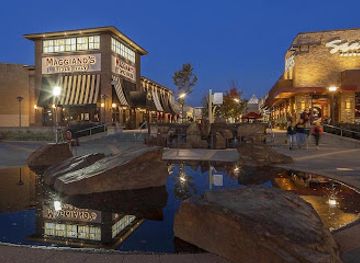
The Mall in Columbia
Discover a shopping haven at The Mall in Columbia, Maryland, featuring diverse retail options, dining delights, and exciting entertainment for all ages.
5 min drive · 1.6 km from city centre
-
Tourist attraction
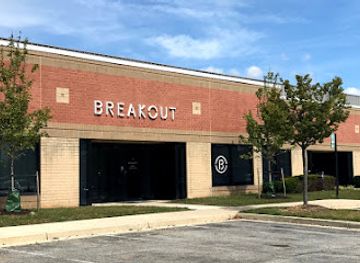
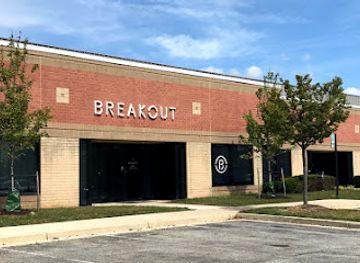
Breakout Games - Baltimore (Columbia)
Dive into immersive adventure at Breakout Games - Baltimore (Columbia), where teamwork and mystery await you in thrilling escape rooms.
15 min drive · 5.0 km from city centre
-
Amphitheater
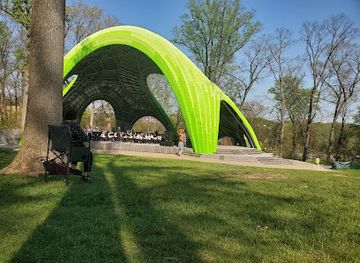
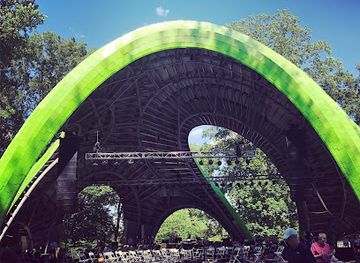
Merriweather Post Pavilion
Experience world-class music in the stunning outdoor setting of Merriweather Post Pavilion, a premier amphitheater in Columbia, Maryland.
11 min walk · 0.9 km from city centre
-
Recreation center
Stumpy's Hatchet House
Discover the excitement of axe throwing at Stumpy's Hatchet House in Columbia, Maryland, where fun meets friendly competition in a vibrant atmosphere.
10 min drive · 3.4 km from city centre

Best landmarks in Columbia
Columbia’s most meaningful landmarks represent its social vision and planned landscape rather than a long-established civic skyline. Lake Kittamaqundi is the community’s best-known symbolic feature, bordered by public spaces and the central commercial district. Merriweather Post Pavilion is an architectural and cultural landmark whose open-air stage has hosted major performances since Columbia’s founding era. Historic Oakland Manor, an early nineteenth-century house preserved within the modern community, connects today’s planned settlement with Howard County’s agricultural past. The village centres and their surrounding pedestrian pathways are also significant, embodying the original principle that neighbourhood shops, schools, recreation and shared open space should be integrated into daily life. Blandair Regional Park, shaped from historic estate land, demonstrates how Columbia’s landscape has continued to absorb new public uses while retaining traces of earlier landholding patterns.
-
Shopping mall
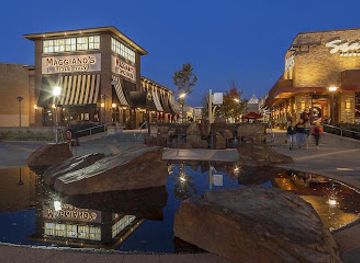
The Mall in Columbia
Discover The Mall in Columbia, a vibrant shopping hub featuring diverse stores, dining options, and entertainment for an unforgettable experience.
5 min drive · 1.6 km from city centre
-
Escape room center
Breakout Games - Baltimore (Columbia)
Experience the Ultimate Adventure at Breakout Games - Baltimore, Maryland’s Leading Escape Room Destination for Thrilling Challenges and Fun.
15 min drive · 5.0 km from city centre
-
Amphitheater
Merriweather Post Pavilion
Experience the magic of live music at Merriweather Post Pavilion, Columbia's premier outdoor amphitheater, surrounded by scenic beauty and vibrant energy.
11 min walk · 0.9 km from city centre
-
Park
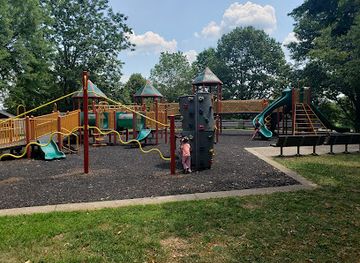
Centennial Park
Explore the natural beauty and recreational charm of Centennial Park, the perfect family-friendly destination in Ellicott City, Maryland.
13 min drive · 4.4 km from city centre
Explore Columbia on the map
Plan your Columbia trip on one map. See where the top attractions, landmarks, restaurants, bars and hotels are, find what's near where you're staying, and book hotels and experiences in a few clicks.
Neighbourhoods in Columbia
-

-

-


Swipe for more neighbourhoods
Best hotels in Columbia
Best restaurants in Columbia
Columbia’s dining scene mirrors Howard County’s suburban diversity, with restaurants and cafés concentrated around The Mall in Columbia, Snowden Square, Dobbin Center and other village and commercial centres. Visitors can find American casual dining alongside Indian, Korean, Chinese, Japanese, Mediterranean, Middle Eastern and Latin American cooking, reflecting the area’s internationally minded population. Independent cafés and bakeries provide informal stops between walks, while larger shopping districts offer a broad range of familiar and specialist cuisines. The city does not have one defining historic dish or a single traditional food quarter; its culinary identity lies instead in variety, convenience and the way global cooking has become part of everyday life. Farmers’ markets and seasonal community events can add locally produced food, baked goods and prepared specialities, though vendors and schedules vary throughout the year.
-
Indian
Royal Taj Restaurant
Discover authentic Indian cuisine at Royal Taj Restaurant in Columbia, MD - where every dish tells a story of flavor and tradition.
16 min drive · 5.3 km from city centre
-
American
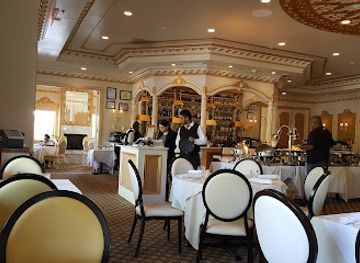
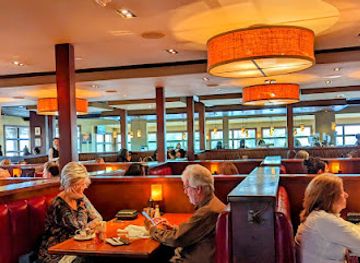
Glenwood's (formerly Stanford Grill)
Experience exquisite American cuisine at Glenwood's in Columbia - where culinary excellence meets inviting ambiance.
12 min drive · 3.9 km from city centre
-
Steak
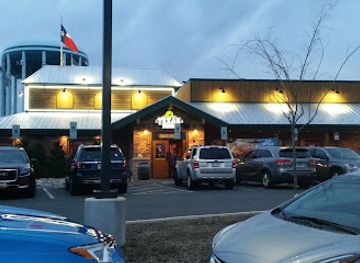
Texas Roadhouse
Experience mouthwatering steaks and authentic American cuisine at Texas Roadhouse in Columbia – where great food meets vibrant atmosphere.
12 min drive · 4.0 km from city centre
-
Gastropub
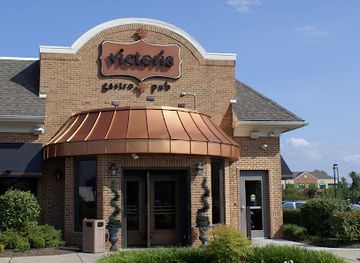
Victoria Gastro Pub
Discover the vibrant flavors of America at Victoria Gastro Pub – where classic meets contemporary in a lively gastropub setting.
15 min drive · 5.2 km from city centre
Best bars in Columbia
Columbia’s evening life is centred more on concerts, restaurants, community events and relaxed bars than on a concentrated nightclub district. Merriweather Post Pavilion is the defining venue after dark, hosting large outdoor performances in a wooded setting near the lakefront and drawing audiences from across the Baltimore–Washington region. Around Town Center and The Mall in Columbia, visitors find places for casual drinks, dinner and socialising, while smaller village centres tend to be quieter and neighbourhood-oriented. Cinemas, arts programming and seasonal festivals provide alternatives to drinking, and the Columbia Festival of the Arts adds an important cultural dimension when scheduled. Major performances can transform traffic and parking patterns, so the atmosphere around the venue may be considerably busier than Columbia’s generally spacious suburban layout suggests.
-
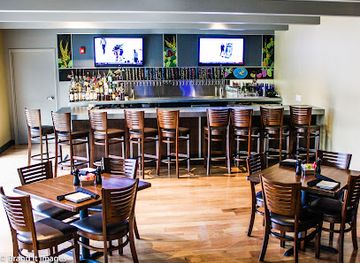
Gastropub
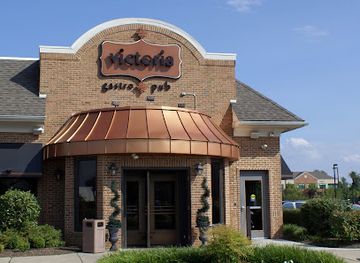
Victoria Gastro Pub
Discover the vibrant flavors of American cuisine in a British-inspired gastropub atmosphere at Victoria Gastro Pub in Columbia, MD.
15 min drive · 5.2 km from city centre
-
American
The Ale House Columbia
Discover The Ale House Columbia: A perfect blend of American cuisine, live music, and a vibrant atmosphere for an unforgettable dining experience.
10 min drive · 3.4 km from city centre
-
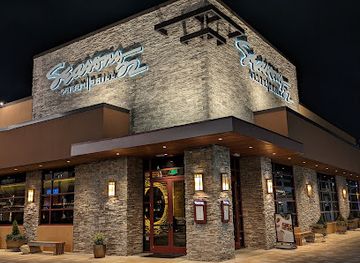
New American
Seasons 52
Discover the essence of seasonal dining at Seasons 52, where fresh ingredients meet a sophisticated atmosphere in Columbia, MD.
5 min drive · 1.6 km from city centre
-
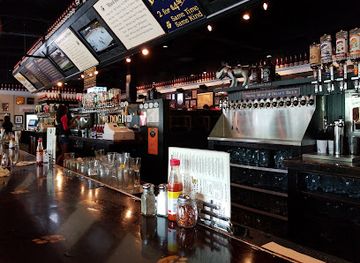
Pizza
Pub Dog Pizza & Drafthouse
Savor mouthwatering pizza and craft beer at Pub Dog Pizza & Drafthouse, a Columbia hotspot for food lovers.
11 min drive · 3.6 km from city centre
Best nightclubs in Columbia
Columbia’s evening life is centred more on concerts, restaurants, community events and relaxed bars than on a concentrated nightclub district. Merriweather Post Pavilion is the defining venue after dark, hosting large outdoor performances in a wooded setting near the lakefront and drawing audiences from across the Baltimore–Washington region. Around Town Center and The Mall in Columbia, visitors find places for casual drinks, dinner and socialising, while smaller village centres tend to be quieter and neighbourhood-oriented. Cinemas, arts programming and seasonal festivals provide alternatives to drinking, and the Columbia Festival of the Arts adds an important cultural dimension when scheduled. Major performances can transform traffic and parking patterns, so the atmosphere around the venue may be considerably busier than Columbia’s generally spacious suburban layout suggests.
-
American
The Ale House Columbia
Experience vibrant American cuisine and live music at The Ale House Columbia, a must-visit destination for food and entertainment lovers.
10 min drive · 3.4 km from city centre
-
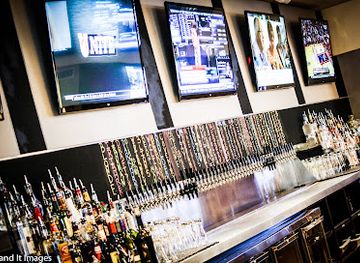
Bar
Nottingham's Tavern
Discover Nottingham's Tavern in Columbia, MD - a lively bar with karaoke, live music, pool tables, and sports viewing for an unforgettable night out.
12 min drive · 4.0 km from city centre
-
Pub
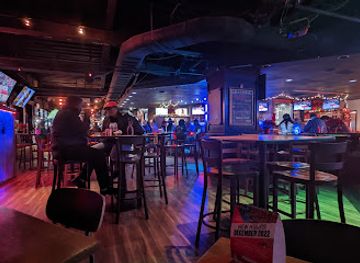
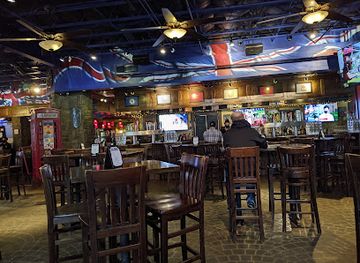
Union Jack's Columbia
Experience the charm of a traditional British pub in Columbia, Maryland, at Union Jack's - where great food and lively atmosphere meet.
16 min walk · 1.3 km from city centre
-
Sports bar
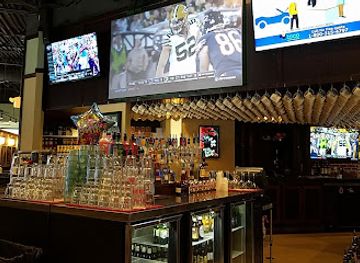
The Greene Turtle Sports Bar & Grille
Experience the ultimate sports bar atmosphere at The Greene Turtle Sports Bar & Grille in Columbia, Maryland, where great food meets thrilling sports action.
11 min drive · 3.7 km from city centre
Best shops in Columbia
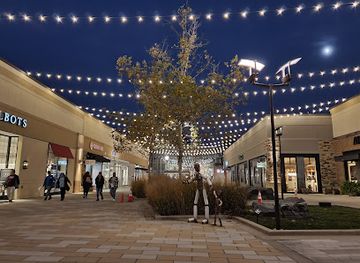
Shopping in Columbia is concentrated at The Mall in Columbia and the surrounding Town Center, where national retailers, department-store-style outlets, cafés and restaurants form the community’s principal commercial hub. Additional retail clusters at Snowden Square, Dobbin Center and village centres provide groceries, specialist services, independent businesses and everyday shopping rather than a traditional pedestrian market district. Visitors looking for distinctive local goods are more likely to find them at seasonal farmers’ markets, arts events and community fairs than in a historic craft quarter. Books, design-led gifts, locally made food and handmade work may appear through temporary stalls or cultural programmes, while the large shopping areas offer practical purchases and contemporary American retail. Columbia’s shopping character reflects its planned suburban structure: accessible, dispersed and closely tied to neighbourhood services and community gathering places.
-
Shopping mall
The Mall in Columbia
Explore The Mall in Columbia, a vibrant shopping haven filled with diverse stores, delectable dining options, and exciting entertainment for all ages.
5 min drive · 1.6 km from city centre
-
Shopping mall
Dobbin Center
Discover the Dobbin Center, Columbia's premier shopping mall with diverse stores, delicious dining, and a vibrant atmosphere for the perfect shopping experience.
11 min drive · 3.6 km from city centre
-
Department store
Macy's
Discover Macy's in Columbia, MD – a premier shopping destination offering fashion, beauty, and home essentials for every visitor.
5 min drive · 1.7 km from city centre
-
Shopping mall
Columbia Crossing
Explore Columbia Crossing: A dynamic shopping destination featuring diverse stores, delicious dining, and exciting entertainment in Columbia, Maryland.
12 min drive · 3.9 km from city centre
Get your free copy of our complete guide to Columbia, delivered straight to you.
Everything on this page, from attractions and restaurants to essentials and local phrases, in one PDF you can read offline, print or share.
Already have an account? Sign in
Your Columbia guide is ready.
We'll send it to · Not you? Sign out

Getting your guide ready…
We are putting together a fresh copy of the Columbia guide. This can take up to a minute.
This can take a few moments. If your browser asks, choose Allow so the download can start. You'll find the guide in your Downloads folder.
Nothing happened? Download it again
Sorry, the guide is taking longer than usual. Please try again in a minute, or get it by email instead.
Columbia essentials
Currency and Payment
Safety
Emergency Situations
Do's and Don'ts
Local Tips
From Eve
Local phrases worth knowing
You don't need to get them perfect. A few words go a long way, and locals appreciate the effort.
Basics
| English | Local | Say it |
|---|---|---|
| Hello | Hola | [OH-lah] |
| Goodbye | Adiós | [ah-DYOHSS] |
| Yes | Sí | [see] |
| No | No | [noh] |
| Please/You're welcome | Por favor/De nada | [pohr fah-VOR/deh NAH-dah] |
| Thank you | Gracias | [GRAH-syahss] |
| Excuse me/Sorry | Perdón/Lo siento | [pehr-DOHN/loh SYEHN-toh] |
| How are you? | ¿Cómo estás? | [KOH-moh ehs-TAHS] |
| Fine. And you? | Bien. ¿Y tú? | [BYEHN. ee too] |
| Do you speak English? | ¿Hablas inglés? | [AH-blahss een-GLEHS] |
| I don't understand | No entiendo | [noh ehn-TYEHN-doh] |
Eating & Drinking
| English | Local | Say it |
|---|---|---|
| I'd like to see the menu, please | Me gustaría ver el menú, por favor | [meh goos-tah-REE-ah vehr ehl MEH-noo, pohr fah-VOR] |
| I don't eat meat | No como carne | [noh KOH-moh KAHR-neh] |
| Cheers! | ¡Salud! | [sah-LOOD] |
| I would like to pay, please | Me gustaría pagar, por favor | [meh goos-tah-REE-ah pah-GAHR, pohr fah-VOR] |
Emergencies
| English | Local | Say it |
|---|---|---|
| Help! | ¡Ayuda! | [ah-YOO-dah] |
| Go away! | ¡Vete! | [VEH-teh] |
| Call the Police! | ¡Llama a la policía! | [YAH-mah ah lah poh-lee-SEE-ah] |
| Call a doctor! | ¡Llama a un médico! | [YAH-mah ah oon MEH-dee-koh] |
| I'm lost | Estoy perdido | [ehs-TOY pehr-DEE-doh] |
| I'm ill | Estoy enfermo | [ehs-TOY ehn-FEHR-moh] |
Shopping
| English | Local | Say it |
|---|---|---|
| I'd like to buy... | Me gustaría comprar... | [meh goos-tah-REE-ah kohm-PRAR] |
| I'm just looking | Solo estoy mirando | [SOH-loh ehs-TOY mee-RAHN-doh] |
| How much is it? | ¿Cuánto cuesta? | [KWAHN-toh KWEHS-tah] |
| That's too expensive | Eso es muy caro | [EH-soh ehs mwee KAH-roh] |
| Can you lower the price? | ¿Puedes bajar el precio? | [PWEH-dehs BAH-hahr ehl PREE-syoh] |
Time & Numbers
| English | Local | Say it |
|---|---|---|
| What time is it? | ¿Qué hora es? | [keh OR-ah ehs] |
| It's one o'clock | Es la una | [ehs lah OO-nah] |
| Half past (10) | Media (10) | [MEH-dyah (DEE-ehss)] |
| Morning | Mañana | [MAH-nyah] |
| Afternoon | Tarde | [TAHR-deh] |
| Evening | Noche | [NOH-cheh] |
| Yesterday | Ayer | [AH-yehr] |
| Today | Hoy | [HOY] |
| Tomorrow | Mañana | [MAH-nyah] |
| 1 | Uno | [OO-noh] |
| 2 | Dos | [DOHS] |
| 3 | Tres | [TREHS] |
| 4 | Cuatro | [KWAH-troh] |
| 5 | Cinco | [SEEN-koh] |
| 6 | Seis | [SAYSS] |
| 7 | Siete | [SYEH-teh] |
| 8 | Ocho | [OH-choh] |
| 9 | Nueve | [NWEH-veh] |
| 10 | Diez | [DYEHSS] |
Transport & Directions
| English | Local | Say it |
|---|---|---|
| Where's a/the...? | ¿Dónde está el/la...? | [DOHN-deh ehs-TAH ehl/lah] |
| What's the address? | ¿Cuál es la dirección? | [KWAHL ehs lah dee-rehk-SYOHN] |
| Can you show me (on the map)? | ¿Puedes mostrarme (en el mapa)? | [PWEH-dehs mohs-TRAHR-meh (ehn ehl MAH-pah)] |
| When's the next (bus)? | ¿Cuándo es el próximo (autobús)? | [KWAHN-doh ehs ehl PROH-ksee-moh (ow-TOH-boos)] |
| A ticket (to ....) | Un boleto (para ....) | [oon boh-LEH-toh (PAH-rah)] |
History of Columbia
The Land Before Columbia
The land that became Columbia lay in the historic Patuxent River region, where Indigenous peoples lived, travelled and hunted long before European settlement. During the colonial period, the area developed as an agricultural landscape of farms, mills and country estates rather than as a concentrated town. Oakland Manor, an early nineteenth-century house associated with the Snowden family, is one of the clearest surviving reminders of this rural past. By the twentieth century, the land was increasingly affected by suburban growth in the Baltimore–Washington corridor, creating the conditions for a large-scale experiment in planned development.
James Rouse’s New Community
In the 1960s, developer James Rouse and his planning team proposed a new community in Howard County that would avoid the racial and economic separation common in American suburban development. Rouse acquired and assembled thousands of acres, and Columbia was formally launched in 1967. The plan organised development into villages, with neighbourhood centres, schools, employment areas, recreational land and a hierarchy of roads intended to reduce dependence on through-traffic. Housing was varied in type and price, while the preservation of woodland, streams and farmland remnants was treated as an essential part of the design rather than an afterthought.
Villages, Lakes and Social Planning
Columbia’s first villages, including Wilde Lake, Oakland Mills and Harper’s Choice, took shape from the late 1960s onwards. Their layouts combined clustered housing with open land, pathways and community facilities, while artificial lakes such as Wilde Lake and Lake Kittamaqundi supplied both recreation and a strong visual identity. The community’s social ambitions were expressed through interfaith and civic institutions, integrated neighbourhoods and shared facilities. Although the original ideal encountered the practical pressures of suburban growth, Columbia became an influential example of American new-community planning and a significant destination for families moving into the expanding Baltimore–Washington region.
Culture and the Columbia Association
As Columbia grew, the Columbia Association developed into a major steward of its shared spaces, pathways, pools, community facilities and village amenities. The community also acquired a cultural profile through venues and events that reached beyond the immediate neighbourhood. Merriweather Post Pavilion opened in 1967 and became an important outdoor concert venue, while the Columbia Festival of the Arts and other civic programmes reinforced the idea that cultural activity belonged at the centre of community life. Shopping, offices, schools and recreation expanded around the villages, giving Columbia a more complex identity than a purely residential suburb.
A Mature Community
In the twenty-first century, Columbia has continued to evolve while retaining the framework of its original plan. The lakefront and Town Center have gained denser commercial and residential development, while village centres and extensive green corridors preserve the settlement’s dispersed structure. New housing, redevelopment and transport pressures have prompted continuing debate about growth, affordability and the balance between planned identity and metropolitan expansion. Columbia remains unincorporated rather than an incorporated municipality, and its civic life is administered through Howard County alongside community organisations. Its enduring significance lies in the way urban design, social ideals and landscape were conceived as a single project.
Columbia in Photos
Browse through our photo collection highlighting the charm and character of the destination.
Cities near Columbia
The closest cities to Columbia, if you have time for more than one stop.
-

-

-

-

-


Swipe for more cities
Explore more

Explore more of Maryland
Discover Maryland, where coastal charm meets rich history and outdoor adventure. Experience the best of the East Coast in this small but diverse state.
Explore Maryland