

Free Silver Spring Travel Guide & Mobile App
Plan your Silver Spring trip with Evendo. Get free guides to top attractions, restaurants, hotels, and bars. Web access or download the mobile app.


Silver Spring, Maryland blends DC-area arts, live music, historic neighbourhoods, parks, international dining and easy urban access in a walkable community.
A Downtown with Many Faces
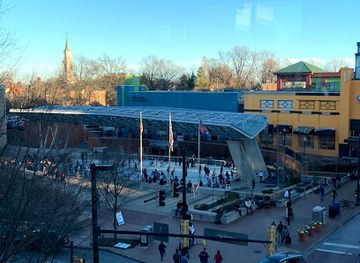
Silver Spring occupies a lively corner of Montgomery County, Maryland, just north of Washington, DC. Its compact centre combines apartment-lined streets, independent shops, public art, cinemas, concert venues and restaurants reflecting the area's international population. Ellsworth Place, Veterans Plaza and the Silver Spring Civic Building form the modern heart of downtown, while nearby Fenton Village and Georgia Avenue offer a more local, small-business atmosphere.Read more about Silver Spring
Culture and Community
Green Corridors and Historic Edges
When is the best time to visit Silver Spring?
Best: May, September–October · 21–28°C| Month | High (°C) | Rainfall (mm) |
|---|---|---|
| January | 7 | 75 |
| February | 8 | 70 |
| March | 14 | 85 |
| April | 19 | 90 |
| May (best) | 24 | 100 |
| June | 29 | 100 |
| July | 32 | 105 |
| August | 32 | 95 |
| September (best) | 28 | 90 |
| October (best) | 21 | 85 |
| November | 14 | 75 |
| December | 8 | 80 |
Getting to and around Silver Spring
How to get there
Transportation
Best attractions in Silver Spring
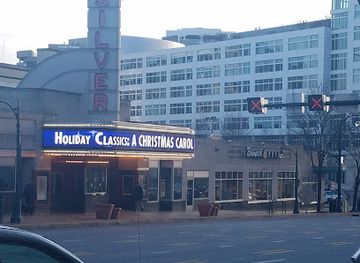
Silver Spring's principal attractions combine urban culture with accessible green space. The AFI Silver Theatre and Cultural Center occupies a restored historic cinema and presents independent, international and repertory films in an architecturally distinctive setting. Nearby Veterans Plaza and the Silver Spring Civic Building form a public events space used for performances, festivals and community gatherings, while the Fillmore Silver Spring adds a major live-music venue in a repurposed commercial building. For outdoor exploration, Sligo Creek Park follows a wooded stream through the community, with trails, bridges, play areas and picnic spots. The National Park Seminary in Forest Glen offers a glimpse of the area's resort and institutional past through an unusual group of historic buildings, although it is primarily a residential complex rather than a conventional museum. Woodside Urban Park and Jesup Blair Park provide smaller, quieter spaces for walking, play and local events.
-
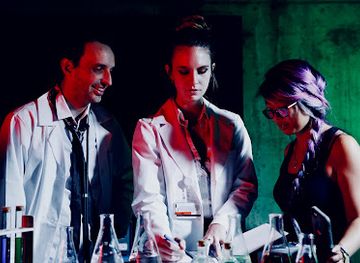
Escape room center
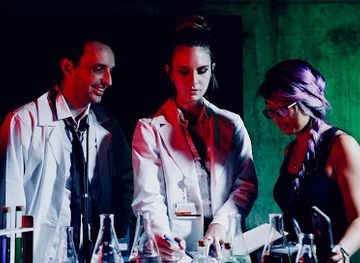
Big Escape Rooms
Experience the thrill of teamwork and mystery at Big Escape Rooms in Silver Spring, where every room offers a unique challenge and adventure.
10 min walk · 0.8 km from city centre
-
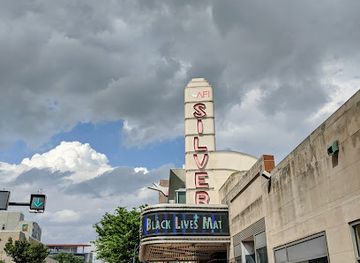
Movie theater
AFI Silver Theatre and Cultural Center
Experience the magic of cinema at AFI Silver Theatre and Cultural Center, a historic venue blending film, culture, and community in Silver Spring, Maryland.
11 min walk · 0.9 km from city centre
-
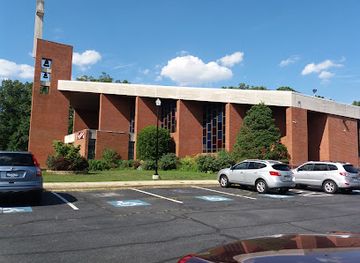
Tourist attraction
Saint Camillus Church
Discover peace and architectural beauty at Saint Camillus Church, a serene Catholic church in Silver Spring, Maryland, perfect for reflection and cultural appreciation.
10 min drive · 3.4 km from city centre
-
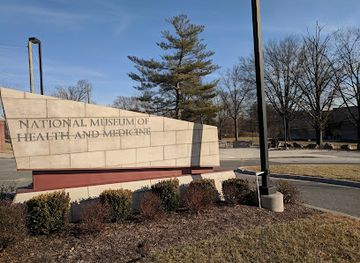
Tourist attraction
National Museum of Health and Medicine
Discover the fascinating evolution of medicine at the National Museum of Health and Medicine, a unique attraction in Silver Spring, Maryland.
9 min drive · 2.9 km from city centre
Best landmarks in Silver Spring
Silver Spring's landmarks express its evolution from estate country to railway suburb and contemporary urban centre. The AFI Silver Theatre and Cultural Center is a notable surviving cinema building, associated with the area's twentieth-century commercial development and now adapted as a major film institution. The Silver Spring station represents the transport infrastructure that enabled suburban growth, with modern Metrorail and MARC services continuing the railway connection established in the nineteenth century. The National Park Seminary in Forest Glen preserves a distinctive ensemble of former resort and educational buildings, whose varied architecture reflects changing uses over time. The Silver Spring Civic Building and Veterans Plaza mark the present-day civic core, while Blair-related sites and names recall Francis Preston Blair's nineteenth-century estate and the spring from which the community took its name. Together these places make the city's layered development visible.
-
Shopping mall
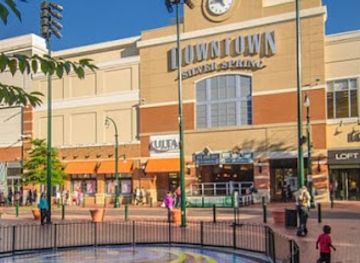
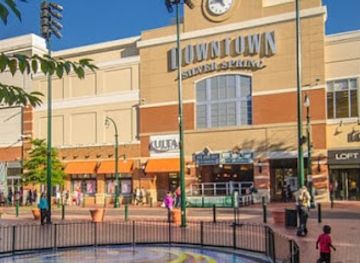
Downtown Silver Spring
Explore the vibrant community of Downtown Silver Spring, where shopping, dining, and entertainment come together in a lively atmosphere.
12 min walk · 0.9 km from city centre
-
Live Music
The Fillmore Silver Spring
The Fillmore Silver Spring: A premier live music venue offering diverse concerts, vibrant events, and a taste of local culture in Maryland.
11 min walk · 0.9 km from city centre
-
Shopping mall
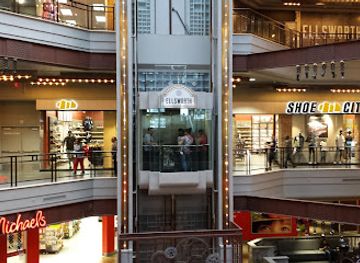
Ellsworth Place
Explore Ellsworth Place, a bustling shopping mall in Silver Spring, MD, featuring diverse stores, delicious dining, and exciting entertainment for all ages.
10 min walk · 0.8 km from city centre
-
Escape room center
Big Escape Rooms
Experience thrilling adventures at Big Escape Rooms in Silver Spring, MD. Solve puzzles and escape in an immersive environment perfect for all ages.
10 min walk · 0.8 km from city centre
Explore Silver Spring on the map
Plan your Silver Spring trip on one map. See where the top attractions, landmarks, restaurants, bars and hotels are, find what's near where you're staying, and book hotels and experiences in a few clicks.
Best hotels in Silver Spring
Best restaurants in Silver Spring
Silver Spring's dining scene reflects the Washington region's international population and the city's history as a meeting point between suburban neighbourhoods and the capital. Restaurants around downtown, Fenton Village and Georgia Avenue range from casual cafés and bakeries to establishments serving Ethiopian, Salvadoran, Korean, Indian, Middle Eastern, Latin American and other cuisines. Tacos, pupusas, grilled meats, noodle dishes and vegetarian specialities sit alongside American comfort food and contemporary interpretations of regional cooking. Food shopping is also part of the experience, with international groceries and specialist stores supplying ingredients rarely found in conventional suburban supermarkets. Ellsworth Place and the streets near the Metro station provide convenient dining before events, while Fenton Village rewards slower browsing among independent businesses. The area is better understood through its range of family-run and globally influenced food traditions than through a single signature dish.
-
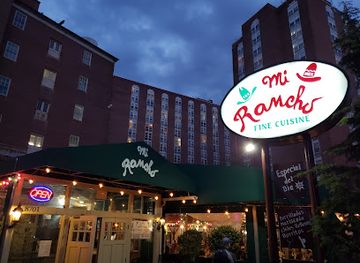
Mexican
Mi Rancho
Discover authentic Mexican cuisine at Mi Rancho in Silver Spring - where vibrant flavors meet a lively atmosphere.
14 min walk · 1.1 km from city centre
-
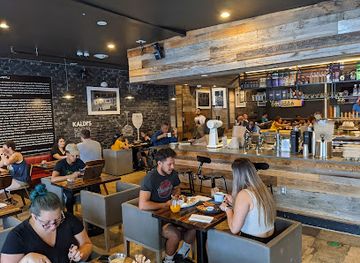
Coffee shop
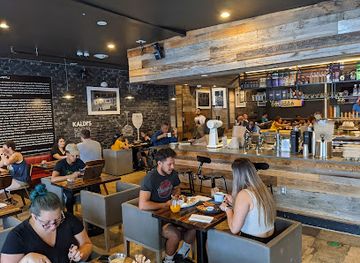
Kaldi’s Social House Silver Spring
Discover Kaldi’s Social House in Silver Spring - your cozy destination for exceptional coffee, delicious brunches, and vibrant community vibes.
17 min walk · 1.3 km from city centre
-
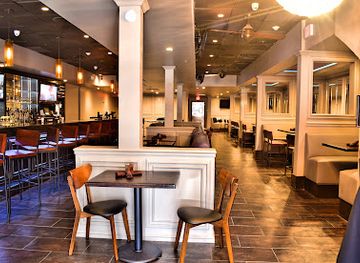
Restaurant
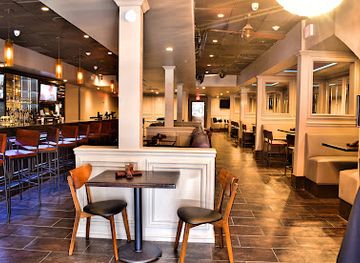
The Society Restaurant & Lounge
Discover exquisite dining at The Society Restaurant & Lounge in Silver Spring – where culinary excellence meets vibrant nightlife.
16 min walk · 1.2 km from city centre
-
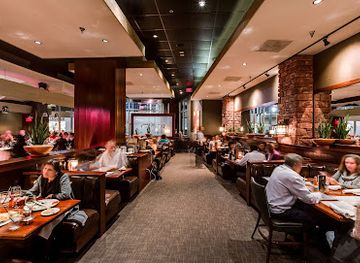
Grill
Copper Canyon Grill
Experience delectable American cuisine at Copper Canyon Grill in Silver Spring—where every meal is crafted with care and flavor.
12 min walk · 1.0 km from city centre
Best bars in Silver Spring
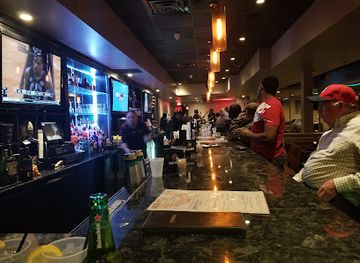
Silver Spring's evening life is centred more on live music, cinema, restaurants and community events than on a dense nightclub district. The Fillmore Silver Spring hosts touring bands and performers in a large venue near the central transport hub, while the AFI Silver Theatre provides an evening programme of international, independent and classic films. Bars and casual drinking venues cluster around downtown, Ellsworth Place and Fenton Village, offering settings that range from relaxed neighbourhood conversation to busier pre- and post-performance gatherings. Local festivals and public events can bring music and social activity to Veterans Plaza, and Washington's wider cultural scene is accessible by Red Line. Visitors should expect different rhythms across the week: Silver Spring is lively after performances and during events, but many residential streets become quiet rather than turning into an all-night entertainment quarter.
-
Bar
Kaldi’s Social House Silver Spring
Discover the warmth of Kaldi’s Social House in Silver Spring, where delicious coffee, delightful brunches, and a vibrant atmosphere await.
17 min walk · 1.3 km from city centre
-
Bar
The Society Restaurant & Lounge
Discover the perfect blend of fine dining and nightlife at The Society Restaurant & Lounge in Downtown Silver Spring.
16 min walk · 1.2 km from city centre
-
Grill
Copper Canyon Grill
Savor the essence of American cuisine at Copper Canyon Grill in Silver Spring, where deliciousness meets a welcoming atmosphere.
12 min walk · 1.0 km from city centre
-
American
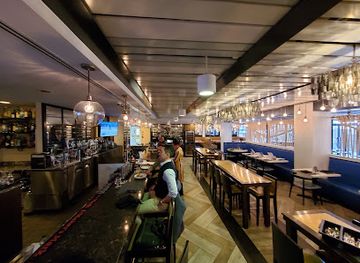
All Set Restaurant & Bar
Experience the best of American and seafood cuisine at All Set Restaurant & Bar in Downtown Silver Spring, where flavor meets elegance.
11 min walk · 0.9 km from city centre
Best nightclubs in Silver Spring
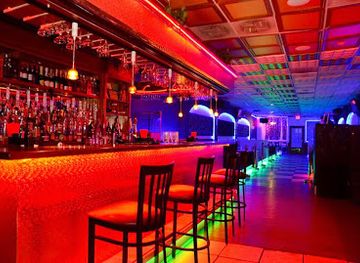
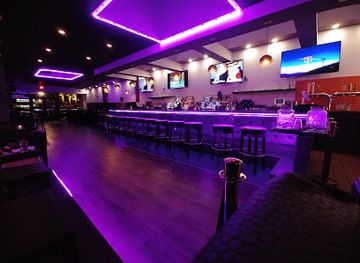
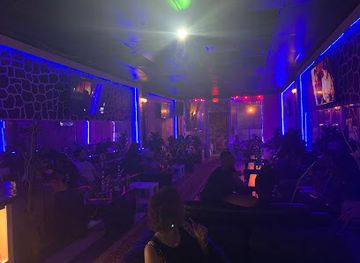
Silver Spring's evening life is centred more on live music, cinema, restaurants and community events than on a dense nightclub district. The Fillmore Silver Spring hosts touring bands and performers in a large venue near the central transport hub, while the AFI Silver Theatre provides an evening programme of international, independent and classic films. Bars and casual drinking venues cluster around downtown, Ellsworth Place and Fenton Village, offering settings that range from relaxed neighbourhood conversation to busier pre- and post-performance gatherings. Local festivals and public events can bring music and social activity to Veterans Plaza, and Washington's wider cultural scene is accessible by Red Line. Visitors should expect different rhythms across the week: Silver Spring is lively after performances and during events, but many residential streets become quiet rather than turning into an all-night entertainment quarter.
-
Bar
The Society Restaurant & Lounge
Experience vibrant nightlife and exquisite dining at The Society Restaurant & Lounge in Silver Spring, Maryland—a true culinary gem.
16 min walk · 1.2 km from city centre
-
Lounge
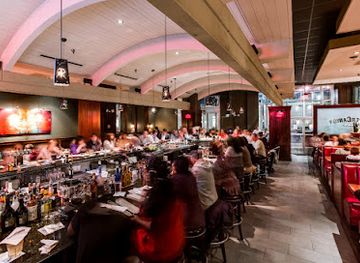
Gulf Lounge
Experience the vibrant atmosphere of Gulf Lounge in Silver Spring, where stylish decor meets a diverse drink selection for a perfect night out.
17 min walk · 1.4 km from city centre
-
Bar
Palisades Lounge
Experience the lively ambiance of Palisades Lounge, where great American cuisine meets vibrant nightlife in Downtown Silver Spring, MD.
16 min walk · 1.3 km from city centre
-
Hookah bar
Diversity Hooka lounge
Discover the ultimate chill experience at Diversity Hookah Lounge in Silver Spring, MD, where relaxation meets vibrant social energy.
6 min drive · 2.0 km from city centre
Best shops in Silver Spring
Shopping in Silver Spring ranges from everyday retail and independent businesses to international food stores and small specialist outlets. Ellsworth Place, beside the central civic and entertainment area, provides a conventional indoor retail setting, while Fenton Village and the streets around Georgia Avenue offer locally oriented shops, cafés, salons and services. International groceries are particularly useful for discovering ingredients and packaged foods connected with the community's Latin American, African, Asian and Middle Eastern influences. The area is not primarily a luxury-shopping destination; its appeal lies in the mixture of practical retail, independent businesses, prepared foods and neighbourhood browsing. Visitors may find distinctive gifts, books, clothing and edible souvenirs among smaller retailers, though stock and opening patterns vary. Public events and seasonal markets can add temporary stalls to the downtown experience without defining the area's permanent shopping landscape.
-
Shopping mall
Downtown Silver Spring
Explore Downtown Silver Spring, a lively shopping mall featuring a diverse array of shops, dining, and local cultural events in the heart of Maryland.
12 min walk · 0.9 km from city centre
-
Shopping mall
Ellsworth Place
Explore the vibrant Ellsworth Place in Silver Spring, where shopping, dining, and entertainment come together in a modern setting.
10 min walk · 0.8 km from city centre
-
Shopping mall
Hillandale Shopping Center
Explore Hillandale Shopping Center: A dynamic shopping experience in Silver Spring, MD with a variety of stores and delightful dining options.
13 min drive · 4.3 km from city centre
-
Shopping mall
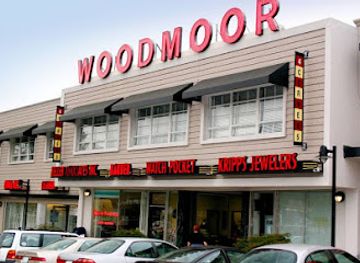
Woodmoor Shopping Center
Explore Woodmoor Shopping Center in Silver Spring, MD - your go-to destination for shopping, dining, and community events.
6 min drive · 2.1 km from city centre
Get your free copy of our complete guide to Silver Spring, delivered straight to you.
Everything on this page, from attractions and restaurants to essentials and local phrases, in one PDF you can read offline, print or share.
Already have an account? Sign in
Your Silver Spring guide is ready.
We'll send it to · Not you? Sign out

Getting your guide ready…
We are putting together a fresh copy of the Silver Spring guide. This can take up to a minute.
This can take a few moments. If your browser asks, choose Allow so the download can start. You'll find the guide in your Downloads folder.
Nothing happened? Download it again
Sorry, the guide is taking longer than usual. Please try again in a minute, or get it by email instead.
Silver Spring essentials
Currency and Payment
Safety
Emergency Situations
Do's and Don'ts
Local Tips
From Eve
Local phrases worth knowing
You don't need to get them perfect. A few words go a long way, and locals appreciate the effort.
Basics
| English | Local | Say it |
|---|---|---|
| Hello | Hey | [hey] |
| Goodbye | Later | [lay-ter] |
| Yes | Yeah | [yah] |
| No | Nah | [na] |
| Please/You're welcome | Please/No problem | [pleez/no prob-lem] |
| Thank you | Thanks | [thanks] |
| Excuse me/Sorry | Excuse me/Sorry | [ex-cuse me/sor-ry] |
| How are you? | How are you? | [how are you] |
| Fine. And you? | Good. You? | [good. you?] |
| Do you speak English? | You speak English? | [you speak english] |
| I don't understand | I don't get it | [i don't get it] |
Eating & Drinking
| English | Local | Say it |
|---|---|---|
| I'd like to see the menu, please | Can I see the menu, please | [can i see the menu, please] |
| I don't eat meat | I don't eat meat | [i don't eat meat] |
| Cheers! | Cheers! | [cheers] |
| I would like to pay, please | I want to pay, please | [i want to pay, please] |
Emergencies
| English | Local | Say it |
|---|---|---|
| Help! | Help! | [help] |
| Go away! | Go away! | [go away] |
| Call the Police! | Call the cops! | [call the cops] |
| Call a doctor! | Call a doctor! | [call a doctor] |
| I'm lost | I'm lost | [i'm lost] |
| I'm ill | I'm sick | [i'm sick] |
Shopping
| English | Local | Say it |
|---|---|---|
| I'd like to buy... | I want to buy... | [i want to buy] |
| I'm just looking | I'm just looking | [i'm just looking] |
| How much is it? | How much does it cost? | [how much does it cost] |
| That's too expensive | That's too pricey | [that's too pricey] |
| Can you lower the price? | Can you lower the price? | [can you lower the price] |
Time & Numbers
| English | Local | Say it |
|---|---|---|
| What time is it? | What time is it? | [what time is it] |
| It's one o'clock | It's one o'clock | [it's one o'clock] |
| Half past (10) | Ten thirty | [ten thirty] |
| Morning | Morning | [morning] |
| Afternoon | Afternoon | [afternoon] |
| Evening | Evening | [evening] |
| Yesterday | Yesterday | [yesterday] |
| Today | Today | [today] |
| Tomorrow | Tomorrow | [tomorrow] |
| 1 | One | [one] |
| 2 | Two | [two] |
| 3 | Three | [three] |
| 4 | Four | [four] |
| 5 | Five | [five] |
| 6 | Six | [six] |
| 7 | Seven | [seven] |
| 8 | Eight | [eight] |
| 9 | Nine | [nine] |
| 10 | Ten | [ten] |
Transport & Directions
| English | Local | Say it |
|---|---|---|
| Where's a/the...? | Where's the...? | [where's the] |
| What's the address? | What's the address? | [what's the address] |
| Can you show me (on the map)? | Can you show me (on the map)? | [can you show me (on the map)] |
| When's the next (bus)? | When's the next (bus)? | [when's the next (bus)] |
| A ticket (to ....) | A ticket (to ....) | [a ticket (to)] |
History of Silver Spring
Piscataway Homeland and Colonial Settlement
The area now called Silver Spring lies within the traditional homeland of the Piscataway people, whose communities occupied the broader Potomac and Chesapeake region before European colonisation. During the colonial period, land in what became Montgomery County was surveyed, divided into plantations and farms, and connected to nearby settlements by established roads. The landscape was rural for much of its early history, shaped by streams, woodland and agricultural clearings rather than a concentrated town centre. Later development would follow transport routes and estate boundaries, transforming this dispersed setting into a suburban community while leaving traces in roads, parks and surviving historic properties.
Francis Preston Blair and Silver Spring
Silver Spring takes its name from a spring on the estate of Francis Preston Blair, a journalist, political adviser and prominent Washington figure. Blair acquired the property in the 1840s and named it Silver Spring after the silvery appearance he associated with the water. The Blair family maintained a substantial presence in the area, and the estate helped give the locality a recognisable identity beyond its surrounding farms. The spring itself no longer forms the centre of public life, but Blair-related names and historic sites connect modern Silver Spring with the nineteenth-century estate landscape.
Railways Create a Community
The arrival of the Metropolitan Branch of the Baltimore and Ohio Railroad in 1873, followed by the opening of the Silver Spring station in 1878, altered the area's prospects. Rail access linked local residents and landowners more closely with Washington and encouraged subdivision, commerce and commuting. Silver Spring developed gradually as a station community rather than as a single planned colonial town. Roads, shops and houses accumulated around the railway, while nearby estates and rural land were progressively incorporated into the expanding metropolitan landscape. The railway remains central to the area's identity through the modern MARC station and Washington Metro connection.
Suburban Growth and Civic Institutions
During the early twentieth century, Silver Spring grew as Washington expanded beyond the District of Columbia. Residential subdivisions, schools, churches and commercial streets replaced much of the former countryside, and electric streetcar and road connections strengthened links with the capital. The National Park Seminary, originally developed as a resort and later used for educational purposes, reflects the area's changing institutional history. By the mid-twentieth century, Silver Spring had become a substantial suburban centre with a major commercial role, drawing shoppers and workers from surrounding communities as well as residents of its own neighbourhoods.
Postwar Change and Urban Renewal
Silver Spring's commercial prominence continued after the Second World War, but later decades brought competition from regional shopping centres, changing retail patterns and vacant or underused sites. The construction of the Washington Metro's Red Line station in 1978 reinforced the area's regional accessibility, while public and private redevelopment gradually reshaped the centre. The former downtown retail landscape evolved into a mixed-use district of offices, housing, restaurants, arts venues and public spaces. Current Silver Spring reflects these layers: an older railway suburb, a diverse Washington-area community and a revitalised centre that still contains reminders of earlier commercial and residential eras.
Silver Spring in Photos
Browse through our photo collection highlighting the charm and character of the destination.
Cities near Silver Spring
The closest cities to Silver Spring, if you have time for more than one stop.
-

-

-

-

-


Swipe for more cities
Explore more

Explore more of Maryland
Discover Maryland, where coastal charm meets rich history and outdoor adventure. Experience the best of the East Coast in this small but diverse state.
Explore Maryland