

Free Merrimack Valley Travel Guide & Mobile App
Explore Merrimack Valley with free travel guides. Discover regional history, expert tips, proposed trips, and audio guides on web or mobile app.


Explore Massachusetts's Merrimack Valley for Lowell's textile heritage, Lawrence's immigrant history, Haverhill culture, river trails and wooded countryside.
Read more about Merrimack Valley
When is the best time to visit Merrimack Valley?
Best: May–June, September · 21–26°C| Month | High (°C) | Rainfall (mm) |
|---|---|---|
| January | 3 | 90 |
| February | 4 | 85 |
| March | 9 | 95 |
| April | 16 | 95 |
| May (best) | 21 | 95 |
| June (best) | 26 | 90 |
| July | 29 | 100 |
| August | 29 | 100 |
| September (best) | 24 | 95 |
| October | 17 | 100 |
| November | 10 | 95 |
| December | 6 | 100 |
Getting to and around Merrimack Valley
How to get there
Transportation
Top city travel guides in Merrimack Valley
The cities of Merrimack Valley, and the easiest places to base yourself.

Swipe for more cities
Destinations in Merrimack Valley
Resorts, valleys and scenic spots worth a trip of their own.
-
-
-


Swipe for more destinations
Best attractions in Merrimack Valley
The Merrimack Valley's attractions combine industrial heritage with accessible outdoor spaces and local cultural institutions. Lowell National Historical Park is the centrepiece, interpreting the city's canals, textile mills, boardinghouses and immigrant communities through museums, historic buildings and seasonal programmes. Lawrence Heritage State Park focuses on the city's textile history and the Merrimack's industrial power, while Haverhill offers the Museum of Printing and a historic downtown shaped by shoe manufacturing. In Andover, the Addison Gallery of American Art presents a major collection associated with Phillips Academy, and the Stevens-Coolidge House and Gardens provides a more domestic view of regional history. Conservation areas such as Ward Reservation, Great Brook Farm State Park and the Northern Middlesex Canalway offer walking, open fields and woodland close to the urban corridor. The Spicket River Greenway provides an important urban trail in Lawrence. Attractions are dispersed rather than concentrated in one resort district, so visitors should plan by town and allow for driving or local transport between museums, trails and former mill areas.
-
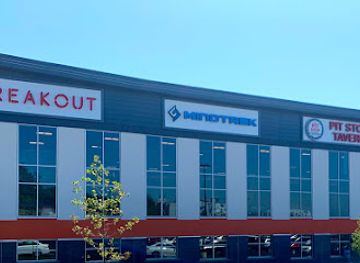
Escape room center
Breakout Games
Discover thrilling escape room adventures at Breakout Games Marlborough, where teamwork and fun collide in a race against time.
-
Park
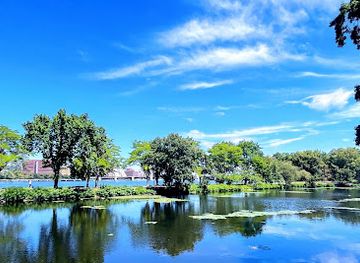
Charles River Esplanade
Explore the Charles River Esplanade, Boston's urban paradise featuring scenic views, recreational activities, and vibrant community events.
-
Historical place museum
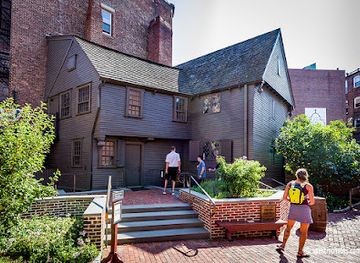
The Paul Revere House
Discover the rich history of America at The Paul Revere House, a captivating museum in Boston's historic North End.
-
Historical place
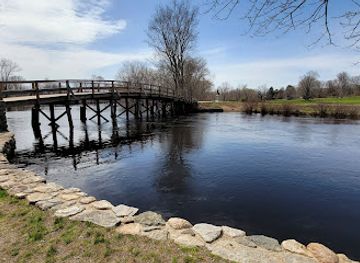
Minute Man National Historical Park
Discover the birthplace of American independence at Minute Man National Historical Park, a scenic blend of history and nature in Lincoln, Massachusetts.
Best landmarks in Merrimack Valley
-
Monument
Bunker Hill Monument
Explore the Bunker Hill Monument, a historic landmark that commemorates a pivotal battle in the American Revolution with stunning views and rich heritage.
-
Historical landmark
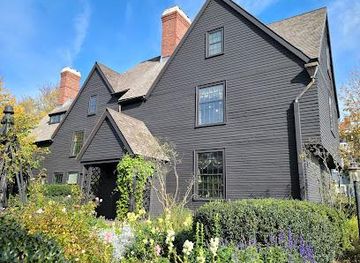
The House of the Seven Gables
Experience the rich history and literary charm of The House of the Seven Gables in Salem, Massachusetts, where history meets literature in a stunning coastal setting.
-
 Historical place museum
The Paul Revere House
Explore the rich history of the American Revolution at The Paul Revere House, a historical museum in Boston's North End.
-
Historical place
Lowell National Historical Park Visitor Center
Discover the heart of America's Industrial Revolution at the Lowell National Historical Park Visitor Center, where history comes alive.

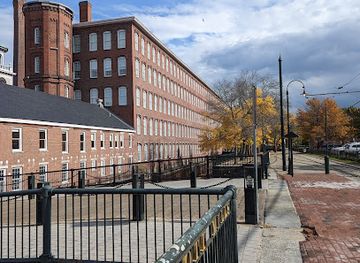
Explore Merrimack Valley on the map
Plan your trip on one map. See where the top cities, national parks and sights are, and book hotels and experiences in a few clicks.
Best hotels in Merrimack Valley
Best restaurants in Merrimack Valley
Dining in the Merrimack Valley reflects the successive communities drawn to its mills, factories and schools. Lowell is particularly known for Portuguese, Cambodian, Brazilian and other Southeast Asian and Latin American foodways, with informal restaurants, bakeries and markets alongside New England diners and contemporary cafés. Lawrence has a strong Dominican, Puerto Rican, Peruvian, Central American and broader Latin American presence, as well as long-established immigrant-owned businesses. Haverhill's downtown offers independent restaurants, cafés, bars and bakeries in and around former commercial and industrial buildings. Across the region, expect pizza, seafood, burgers and traditional American fare as well as food linked to the valley's newer communities. Farmers' markets and farm stands are most useful in the warmer months, when local produce, cider and baked goods appear more widely. Restaurant hours can vary between urban centres and smaller towns, so checking directly is sensible, especially outside peak evening periods.
-
Irish pub
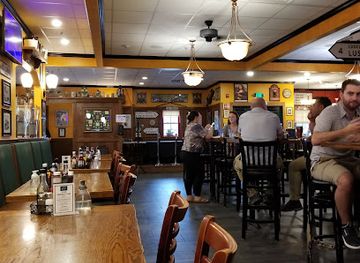
The Irish Cottage
Discover The Irish Cottage in Methuen: A lively pub serving authentic Irish cuisine with live music in a welcoming atmosphere.
-
Restaurant
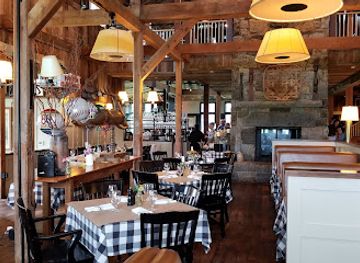
Gibbet Hill Grill
Experience culinary excellence at Gibbet Hill Grill in Groton, where stunning views meet mouthwatering steakhouse dishes.
-
Bar
The Rail Trail Flatbread Co.
Discover unique flatbreads and delicious American cuisine at The Rail Trail Flatbread Co., Hudson's favorite gastropub offering fresh flavors in a cozy setting.
-
American
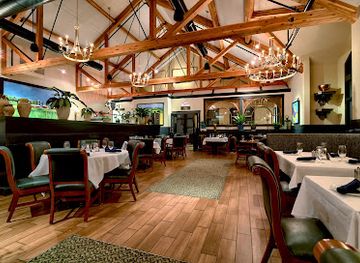
Copper Door
Discover Copper Door in Bedford - where American cuisine meets exceptional service in an inviting atmosphere.

Best bars in Merrimack Valley
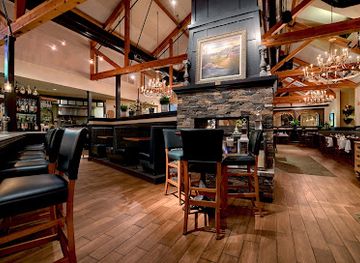
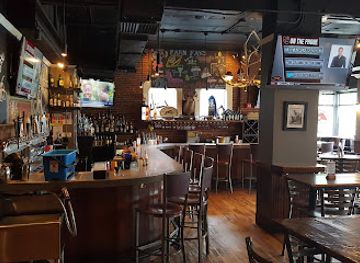
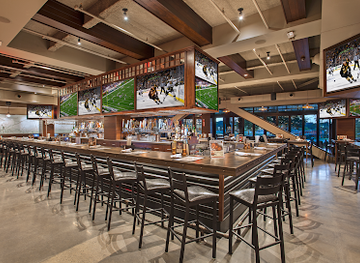
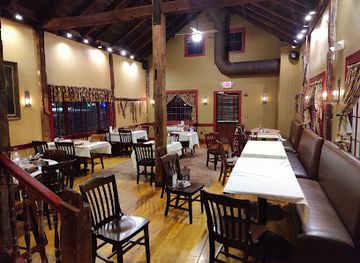
Evening life in the Merrimack Valley is concentrated in Lowell, Lawrence and Haverhill rather than spread across the countryside. Lowell has traditional pubs, breweries, restaurant bars, live music and performance venues, with activity often linked to its historic downtown and cultural calendar. Lawrence's evening scene is more closely tied to restaurants, Latin American social venues, neighbourhood bars and occasional live entertainment than to a large nightclub district. Haverhill has a compact downtown with pubs, cocktail-focused bars, cafés and small music venues, making it one of the easier places for a walkable night out. In smaller towns, evening culture generally centres on taverns, restaurants and community events. Closing times, entertainment schedules and business status change, so visitors should check current arrangements rather than rely on old listings. Alcohol is not necessary to experience the region's evening life, which also includes theatre, music and seasonal cultural programmes.
-
American
Copper Door
Savor the essence of American cuisine at Copper Door with a delightful menu and inviting atmosphere in Bedford, NH.
-
Grill
The Farm Bar and Grille
Discover the taste of local flavors at The Farm Bar and Grille, a vibrant dining spot in Manchester offering fresh dishes and a lively bar scene.
-
American
Tavern in the Square
Experience the vibrant flavors of American cuisine at Tavern in the Square, a must-visit dining destination in Lowell, Massachusetts.
-
Restaurant
The Common Man Merrimack
Experience the essence of New Hampshire dining at The Common Man Merrimack, featuring local flavors in a cozy atmosphere.
Best nightclubs in Merrimack Valley
Evening life in the Merrimack Valley is concentrated in Lowell, Lawrence and Haverhill rather than spread across the countryside. Lowell has traditional pubs, breweries, restaurant bars, live music and performance venues, with activity often linked to its historic downtown and cultural calendar. Lawrence's evening scene is more closely tied to restaurants, Latin American social venues, neighbourhood bars and occasional live entertainment than to a large nightclub district. Haverhill has a compact downtown with pubs, cocktail-focused bars, cafés and small music venues, making it one of the easier places for a walkable night out. In smaller towns, evening culture generally centres on taverns, restaurants and community events. Closing times, entertainment schedules and business status change, so visitors should check current arrangements rather than rely on old listings. Alcohol is not necessary to experience the region's evening life, which also includes theatre, music and seasonal cultural programmes.
-
Night club
Vincent's Nightclub
Vincent's Nightclub offers an electrifying nightlife experience with dance, music, and vibrant entertainment in Randolph, Massachusetts.
-
Night club
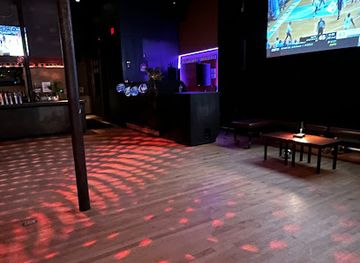
Middlesex
Experience the vibrant nightlife of Middlesex, a top night club in Cambridge, featuring energetic music and stunning light displays for an unforgettable night.
-
Night club
Bijou Nightclub
Experience the vibrant nightlife at Bijou Nightclub in Downtown Boston, where electrifying music and luxurious ambiance await you.
-
Night club
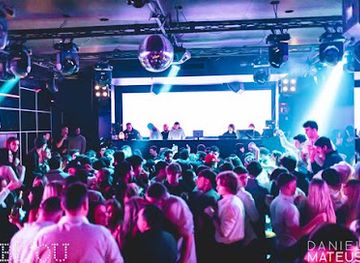
Venu Nightclub
Discover the electrifying nightlife at Venu Nightclub in Boston - where music, dancing, and unforgettable memories collide!


Best shops in Merrimack Valley
Shopping is primarily local and town-based, with the strongest contrasts found between Lowell's multicultural commercial streets, Lawrence's neighbourhood businesses and Haverhill's revitalised downtown. Lowell is a good place to look for Southeast Asian, Portuguese, Brazilian and Latin American groceries, prepared foods, bakeries and imported products, as well as independent booksellers, galleries and small specialist shops. Lawrence offers locally oriented food stores, bakeries, clothing businesses and everyday retail rather than a conventional tourist shopping quarter. Haverhill's central streets include independent shops, cafés, offices and galleries in historic commercial buildings, with antiques and locally made goods appearing alongside practical retail. Farm stands and seasonal markets around the valley sell produce, cider, baked goods and preserves, while museum shops provide books and historically themed gifts connected with the textile and labour past. For large-scale mainstream shopping, visitors generally use suburban retail areas along major roads rather than the historic centres.
-
Shopping mall
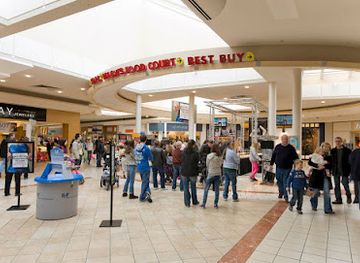
The Mall of New Hampshire
Explore The Mall of New Hampshire: A shopping haven with diverse stores, delightful dining, and vibrant community events in Manchester, NH.
-
Shopping mall
Somerset Plaza
Explore Somerset Plaza in Nashua, NH, a bustling shopping center with diverse stores, delightful dining, and vibrant entertainment options for every tourist.
-
Outlet mall
Merrimack Premium Outlets
Discover unbeatable deals on top brands at Merrimack Premium Outlets, where shopping meets savings in New Hampshire.
-
Business center
Merrimack Village Center
Discover the vibrant shopping and dining experience at Merrimack Village Center, where local charm meets diverse retail options.

Get your free copy of our complete guide to Merrimack Valley, delivered straight to you.
Everything on this page, from attractions and restaurants to essentials and local phrases, in one PDF you can read offline, print or share.
Already have an account? Sign in
Your Merrimack Valley guide is ready.
We'll send it to · Not you? Sign out

Getting your guide ready…
We are putting together a fresh copy of the Merrimack Valley guide. This can take up to a minute.
This can take a few moments. If your browser asks, choose Allow so the download can start. You'll find the guide in your Downloads folder.
Nothing happened? Download it again
Sorry, the guide is taking longer than usual. Please try again in a minute, or get it by email instead.
Merrimack Valley essentials
Currency and Payment
Safety
Emergency Situations
Do's and Don'ts
Local Tips
From Eve
Local phrases worth knowing
You don't need to get them perfect. A few words go a long way, and locals appreciate the effort.
Basics
| English | Local | Say it |
|---|---|---|
| Hello | Hey | [hey] |
| Goodbye | See ya | [see yah] |
| Yes | Yeah | [yeh] |
| No | Nah | [nah] |
| Please/You're welcome | No problem | [no prob] |
| Thank you | Thanks | [thanks] |
| Excuse me/Sorry | Sorry | [sorry] |
| How are you? | How ya doin'? | [how yah doin'?] |
| Fine. And you? | Good. You? | [good. you?] |
| Do you speak English? | You speak English? | [ya speak English?] |
| I don't understand | I don't get it | [I don't get it] |
Eating & Drinking
| English | Local | Say it |
|---|---|---|
| I'd like to see the menu, please | Can I see the menu? | [can I see the menu?] |
| I don't eat meat | I’m a vegetarian | [I'm a vegetarian] |
| Cheers! | Cheers! | [cheers] |
| I would like to pay, please | Can I get the check? | [can I get the check?] |
Emergencies
| English | Local | Say it |
|---|---|---|
| Help! | Help! | [help] |
| Go away! | Get lost! | [get lost] |
| Call the Police! | Call the cops! | [call the cops] |
| Call a doctor! | Get a doctor! | [get a doctor] |
| I'm lost | I'm lost | [I'm lost] |
| I'm ill | I'm not feeling well | [I'm not feeling well] |
Shopping
| English | Local | Say it |
|---|---|---|
| I'd like to buy... | I wanna buy... | [I wanna buy...] |
| I'm just looking | Just browsing | [just browsing] |
| How much is it? | How much? | [how much?] |
| That's too expensive | That's pricey | [that's pricey] |
| Can you lower the price? | Can you cut the price? | [can you cut the price?] |
Time & Numbers
| English | Local | Say it |
|---|---|---|
| What time is it? | What time? | [what time?] |
| It's one o'clock | It's one | [it's one] |
| Half past (10) | Half past ten | [half past ten] |
| Morning | Morning | [morning] |
| Afternoon | Afternoon | [afternoon] |
| Evening | Evening | [evening] |
| Yesterday | Yesterday | [yesterday] |
| Today | Today | [today] |
| Tomorrow | Tomorrow | [tomorrow] |
| 1 | One | [one] |
| 2 | Two | [two] |
| 3 | Three | [three] |
| 4 | Four | [four] |
| 5 | Five | [five] |
| 6 | Six | [six] |
| 7 | Seven | [seven] |
| 8 | Eight | [eight] |
| 9 | Nine | [nine] |
| 10 | Ten | [ten] |
Transport & Directions
| English | Local | Say it |
|---|---|---|
| Where's a/the...? | Where's the...? | [where's the...?] |
| What's the address? | What's the address? | [what's the address?] |
| Can you show me (on the map)? | Can you show me? | [can you show me?] |
| When's the next (bus)? | When's the next bus? | [when's the next bus?] |
| A ticket (to ....) | A ticket to... | [a ticket to...] |
History of Merrimack Valley
Indigenous Merrimack River Communities
Before English colonisation, the Merrimack River supported Indigenous communities whose seasonal movements, fishing, farming and trading networks connected the river to inland New England and the coast. The Pennacook and related communities are especially associated with the upper Merrimack, while Pawtucket people lived around the falls and river junctions near present-day Lowell. The name Merrimack is generally understood to derive from an Algonquian term associated with the river. Epidemics, warfare, land loss and colonial pressure severely disrupted Indigenous life, but Native history remains fundamental to understanding the valley's geography and place names.
English Settlement and River Agriculture, Seventeenth–Eighteenth Centuries
English settlement expanded along the lower Merrimack during the seventeenth century, creating farming communities, mills and river crossings in places that later became Lowell, Andover, Haverhill and surrounding towns. Haverhill was incorporated in 1640, while Andover dates from the same broad period. The river supplied water for small-scale industry, but the region remained predominantly agricultural before industrial capital and engineering transformed the falls and channels in the nineteenth century. Historic meetinghouses, cemeteries, village streets and surviving farm landscapes preserve fragments of this earlier settlement pattern.
Lowell and the Rise of Integrated Textile Manufacturing
Lowell was founded in the 1820s as a planned industrial city using the Merrimack's power through an extensive canal system. The Boston Manufacturing Company and later corporations concentrated spinning, weaving and finishing in large brick complexes, attracting young women from New England farms and, increasingly, immigrant workers. Boardinghouses, churches, schools and dense housing developed around the mills. Lowell became a model of American industrialisation, but its labour force faced demanding conditions and changing wages. The surviving canals and mill buildings now form the core of Lowell National Historical Park.
Lawrence, the Great Stone Dam and Industrial Immigration
Lawrence was established in the 1840s by industrial interests seeking to harness the Merrimack on a large scale. The Great Stone Dam and associated canals powered enormous textile mills, producing woollen and cotton goods and drawing workers from Ireland, French Canada, Italy, Eastern Europe, the Middle East and later Latin America. The city's dense streets and mill architecture reflect this rapid growth. Lawrence became one of the most industrially diverse places in New England, with neighbourhood institutions, mutual-aid societies and religious buildings shaped by successive waves of immigration.
Haverhill's Shoe Industry and Commercial Expansion
Haverhill developed a major shoe-manufacturing economy during the nineteenth and early twentieth centuries. Small workshops grew into factories that supplied markets across the United States, encouraging commercial construction, worker housing and the expansion of rail connections. The industry also attracted immigrant labour and helped establish Haverhill as an important urban centre on the upper Merrimack. Although much production later moved away, the city's downtown buildings, former factories and local museums preserve evidence of a manufacturing culture that differed from Lowell's textile concentration.
The 1912 Bread and Roses Strike
In January 1912, textile workers in Lawrence struck after a reduction in working hours resulted in lower weekly pay. The walk-out brought together workers speaking many languages and involving women and children as well as men. Led locally by the Industrial Workers of the World, the strike lasted several months and attracted national attention through demonstrations, arrests, relief efforts and debates about industrial conditions. Its eventual settlement improved wages and became a landmark in American labour history. Lawrence's surviving mills, streets and heritage institutions help visitors connect the event to the city in which it occurred.
Deindustrialisation, Immigration and Urban Renewal
After the Second World War, textile and shoe production declined as companies relocated or closed, leaving vacant mills and economic hardship across the valley. Urban renewal altered parts of Lowell, Lawrence and Haverhill, while highways and suburban growth changed patterns of work and residence. From the late twentieth century, historic preservation, adaptive reuse and heritage tourism began to give former industrial buildings new roles. At the same time, newer immigrant communities from Southeast Asia, Latin America and elsewhere reshaped neighbourhoods, businesses, religious institutions and food cultures, making contemporary diversity a defining part of the region.
Merrimack Valley in Photos
Browse through our photo collection highlighting the charm and character of the destination.
Neighbouring regions of Merrimack Valley
The closest regions to Merrimack Valley, if you have time for more than one.
-

-

-
-

-


Swipe for more regions
Explore more

Explore more of Massachusetts
Discover Massachusetts: A blend of rich history, stunning landscapes, and vibrant culture. From Boston's historic sites to Cape Cod's beaches, it's the heart of New England.
Explore Massachusetts