

Free Lowell Travel Guide & Mobile App
Plan your Lowell trip with Evendo. Get free guides to top attractions, restaurants, hotels, and bars. Web access or download the mobile app.


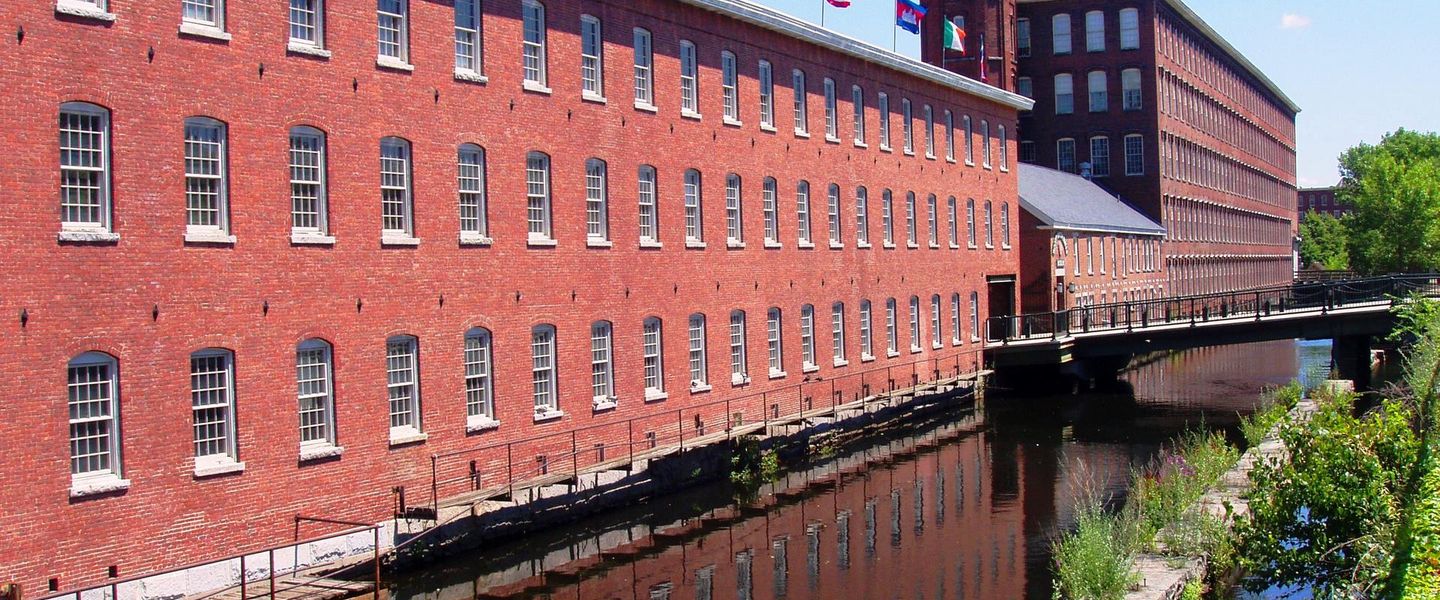


Lowell, Massachusetts blends textile-mill history, canal-side museums, immigrant culture, arts and river walks in a distinctive Merrimack Valley city.
A City Shaped by Water and Industry
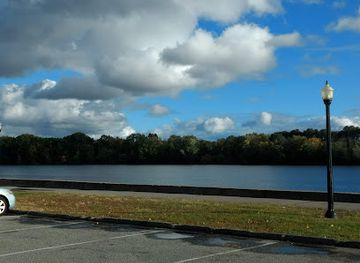
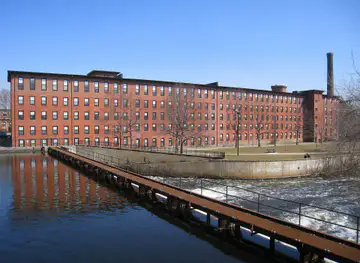
Lowell stands in the Merrimack Valley of northeastern Massachusetts, where the Merrimack and Concord rivers helped create one of the most important industrial cities in nineteenth-century America. Its historic core is defined by brick mills, canals, bridges and worker housing, while the surrounding streets reveal a city shaped by successive waves of immigration and urban change. Lowell National Historical Park preserves this industrial landscape, allowing visitors to trace how waterpower, machinery and labour transformed a former farming area into a centre of textile production.Read more about Lowell
Mill Architecture and Cultural Life
Rivers, Parks and Neighbourhoods
When is the best time to visit Lowell?
Best: June–August · 24–27°C| Month | High (°C) | Rainfall (mm) |
|---|---|---|
| January | 2 | 79 |
| February | 3 | 71 |
| March | 9 | 89 |
| April | 14 | 93 |
| May | 20 | 91 |
| June (best) | 24 | 88 |
| July (best) | 27 | 88 |
| August (best) | 26 | 90 |
| September | 22 | 89 |
| October | 15 | 94 |
| November | 8 | 100 |
| December | 4 | 93 |
Getting to and around Lowell
How to get there
Transportation
Best attractions in Lowell
Lowell National Historical Park is the city’s central attraction, combining visitor exhibits with preserved canals, mill buildings, historic boarding houses and interpretive journeys through the industrial district. The Boott Cotton Mills Museum brings textile production to life with operating machinery and explanations of factory labour. Canal walks and seasonal boat or trolley experiences reveal how water was engineered into a power system, while the Mill No. 5 complex offers an atmospheric example of adaptive reuse. At Western Avenue Studios, former mill floors are occupied by working artists and galleries, creating a contemporary counterpart to Lowell’s industrial heritage. The Whistler House Museum of Art, birthplace of James McNeill Whistler, provides a more intimate encounter with nineteenth-century art and domestic architecture. The Cambodian Cultural Council and local community events offer insight into the city’s modern multicultural identity, while the Merrimack River and nearby paths provide quieter spaces beyond the brick mill core.
-
Park
Lowell National Historical Park Visitor Center
Explore the heart of America's Industrial Revolution at the Lowell National Historical Park Visitor Center, where history comes alive.
16 min walk · 1.3 km from city centre
-
Shopping mall
Mill No. 5
Explore the vibrant Mill No. 5 in Lowell, MA, where shopping meets culture in a unique setting filled with boutiques, cafes, and a retro movie theater.
11 min walk · 0.9 km from city centre
-
Tourist attraction
Shedd Park
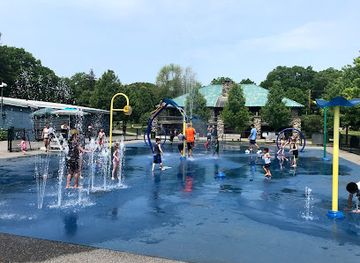
Experience the natural beauty and recreational charm of Shedd Park, a perfect oasis for relaxation and outdoor fun in Lowell, Massachusetts.
7 min drive · 2.3 km from city centre
-
Bowling alley
Bowlero Lowell
Experience thrilling bowling, delicious dining, and vibrant entertainment at Bowlero Lowell, the ultimate destination for fun in Massachusetts.
10 min drive · 3.5 km from city centre
Best landmarks in Lowell
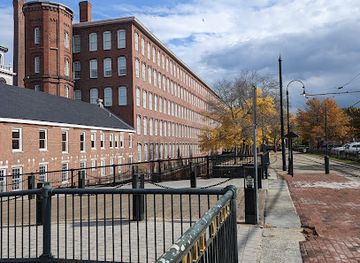
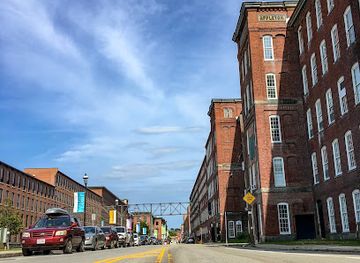
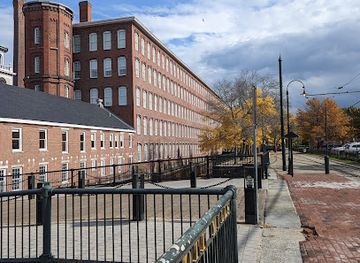
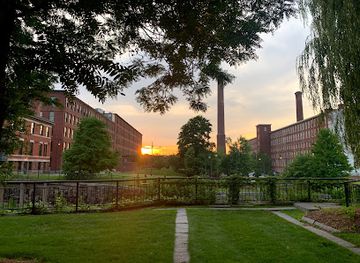
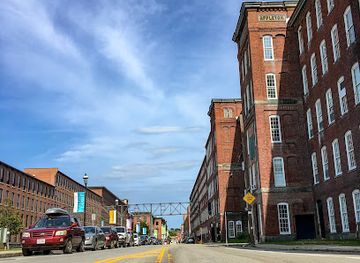
Lowell’s most characteristic landmarks are the engineering and civic structures that made its industrial economy possible. The Pawtucket Canal, Merrimack Canal and related waterworks express the city’s nineteenth-century approach to industrial power, while the Boott Mills and adjacent brick factory buildings preserve the scale of textile manufacturing. The Boarding House Park area recalls the supervised accommodation once provided for mill operatives. The Lowell Memorial Auditorium, built as a civic memorial, remains an important public building, and the Mogan Cultural Center interprets the experiences of immigrant communities within the city’s industrial history. The Whistler House Museum of Art adds a domestic and artistic landmark through the birthplace of James McNeill Whistler. Lowell Cemetery, with historic graves and landscaped grounds, provides another layer of civic memory, linking prominent residents and local history to the city’s changing social landscape.
-
Historical place
Lowell National Historical Park Visitor Center
Explore Lowell National Historical Park, where the history of America's industrial revolution comes alive amidst scenic landscapes and engaging exhibits.
16 min walk · 1.3 km from city centre
-
Arena
Tsongas Center
Discover the excitement of Tsongas Center in Lowell, MA, a hub for sports, concerts, and unforgettable events in a historic city.
6 min drive · 1.9 km from city centre
-
Shopping mall
Mill No. 5
Explore Mill No. 5 in Lowell, MA: A vibrant fusion of shopping, dining, and entertainment within a historic setting.
11 min walk · 0.9 km from city centre
-
State park
Lowell Heritage State Park
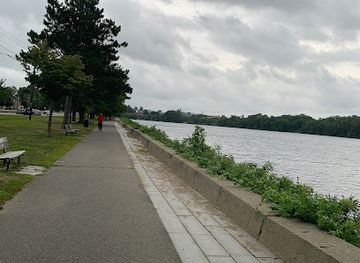
Experience the beauty and history of Lowell Heritage State Park, where nature meets the rich industrial legacy of Massachusetts.
7 min drive · 2.3 km from city centre
Explore Lowell on the map
Plan your Lowell trip on one map. See where the top attractions, landmarks, restaurants, bars and hotels are, find what's near where you're staying, and book hotels and experiences in a few clicks.
Neighbourhoods in Lowell

Swipe for more neighbourhoods
Best hotels in Lowell
Best restaurants in Lowell
Lowell’s dining scene reflects the migration that built and renewed the city, with Cambodian cuisine particularly prominent alongside Portuguese, Greek, Irish-American, Brazilian and broader Southeast Asian influences. Cambodian restaurants and markets introduce dishes shaped by herbs, fermented ingredients, rice, noodles and the culinary traditions of the Mekong region, while Portuguese establishments draw on seafood, grilled meats, soups and sweet pastries. Downtown cafés, bakeries and casual restaurants occupy former commercial and mill buildings, and food businesses around the city often serve local communities as much as visitors. The city’s geography also encourages a practical New England relationship with seafood and warming comfort food, while its immigrant population keeps the culinary landscape varied. Restaurant clusters are spread across Lowell rather than confined to one formal dining quarter, making neighbourhood exploration useful when seeking specific cuisines.
-
American
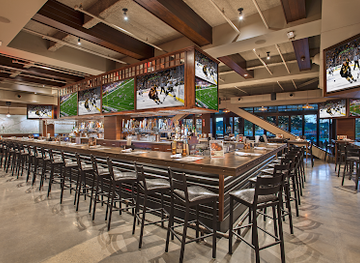
Tavern in the Square
Discover Tavern in the Square: A vibrant American restaurant & bar serving delicious food and drinks in Lowell's lively atmosphere.
7 min drive · 2.3 km from city centre
-
Breakfast
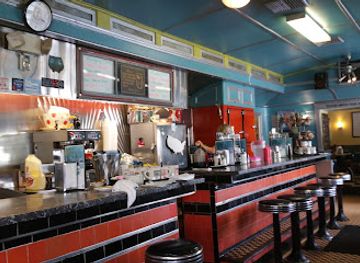
Four Sisters Owl Diner
Discover the charm of Four Sisters Owl Diner in Lowell—your go-to spot for delicious breakfasts served with warmth and hospitality.
9 min walk · 0.7 km from city centre
-
New England
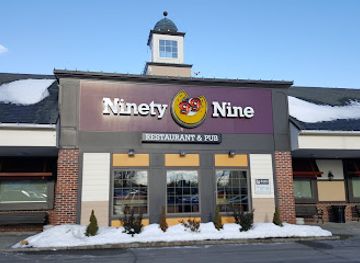
99 Restaurants
Discover the heart of New England cuisine at 99 Restaurants in Lowell - where delicious food meets warm hospitality.
6 min drive · 2.0 km from city centre
-
Vietnamese
Pho 88 Restaurant
Experience the authentic taste of Vietnam at Pho 88 Restaurant in Lowell - where every bowl tells a delicious story.
11 min drive · 3.6 km from city centre
Best bars in Lowell
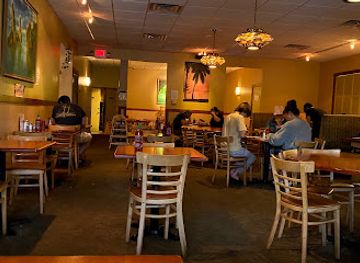
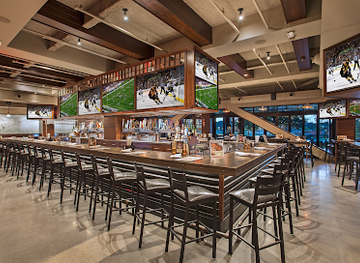
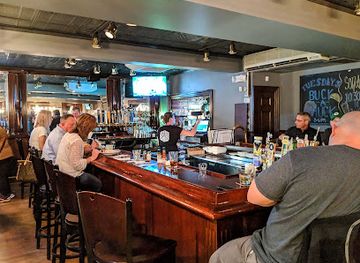
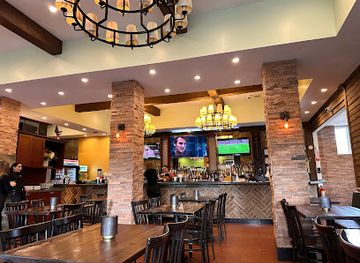
Lowell’s evening scene is more intimate than that of nearby Boston, with nightlife concentrated around downtown bars, restaurants, small performance spaces and events linked to the city’s arts community. Former mill buildings and historic commercial streets provide settings for live music, stand-up comedy, theatre and gallery programmes, while Western Avenue Studios may host exhibitions or artist events at selected times. Traditional bars and casual venues offer social evenings without the scale of a major club district, and the city’s restaurants contribute much of the after-dark activity. Cultural festivals and community celebrations can bring music, dance and food into public spaces, particularly during warmer months. Opening patterns and event schedules vary, so evening plans depend on current local listings rather than a continuous late-night circuit.
-
American
Tavern in the Square
Savor the flavors of American cuisine at Tavern in the Square, a vibrant restaurant in Lowell, Massachusetts, perfect for food lovers and families.
7 min drive · 2.3 km from city centre
-
Bar
Cobblestones of Lowell
Discover Cobblestones of Lowell - a vibrant bar and restaurant offering delicious American cuisine and a vintage atmosphere in the heart of Lowell, Massachusetts.
18 min walk · 1.5 km from city centre
-
Bar
Gary's Restaurant and Bar
Discover a unique fusion of Latin American cuisine and lively bar culture at Gary's Restaurant and Bar in Lowell, Massachusetts.
18 min walk · 1.5 km from city centre
-
Irish pub
Old Court Irish Pub And Restaurant
Discover the charm of Old Court Irish Pub in Lowell, where authentic Irish cuisine meets lively entertainment in a welcoming atmosphere.
18 min walk · 1.4 km from city centre

Best nightclubs in Lowell
Lowell’s evening scene is more intimate than that of nearby Boston, with nightlife concentrated around downtown bars, restaurants, small performance spaces and events linked to the city’s arts community. Former mill buildings and historic commercial streets provide settings for live music, stand-up comedy, theatre and gallery programmes, while Western Avenue Studios may host exhibitions or artist events at selected times. Traditional bars and casual venues offer social evenings without the scale of a major club district, and the city’s restaurants contribute much of the after-dark activity. Cultural festivals and community celebrations can bring music, dance and food into public spaces, particularly during warmer months. Opening patterns and event schedules vary, so evening plans depend on current local listings rather than a continuous late-night circuit.
-
Bar
Smokehouse Tavern
Experience the best of American cuisine and nightlife at Smokehouse Tavern in Lowell, Massachusetts, where great food meets vibrant entertainment.
17 min walk · 1.4 km from city centre
-
Cocktail bar
Blue Shamrock
Discover the Blue Shamrock, Lowell's lively cocktail bar where good drinks and great company come together in a vibrant setting.
17 min walk · 1.3 km from city centre
-
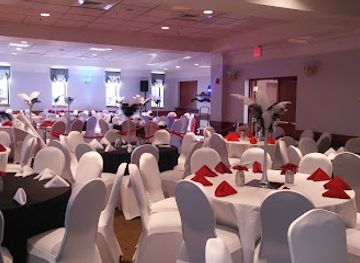
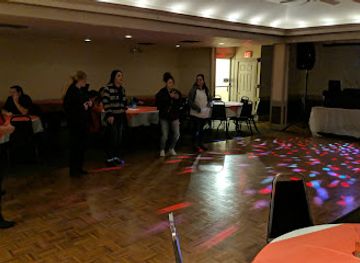
Bar
Portugese American Club Inc
Discover the Portuguese American Club Inc—an energetic bar in Lowell, MA, perfect for enjoying drinks, dancing, and cultural events.
12 min walk · 1.0 km from city centre
-
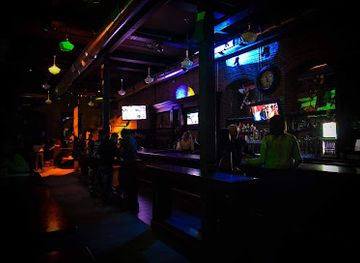
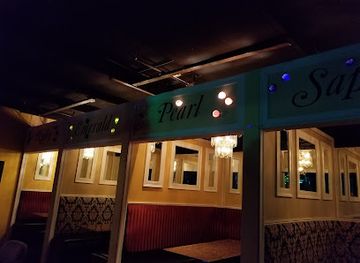
Club
The Knickerbocker Club
Experience electrifying nightlife at The Knickerbocker Club in Lowell, MA, where vibrant music meets delightful cocktails for an unforgettable evening.
8 min drive · 2.7 km from city centre
Best shops in Lowell
Shopping in Lowell is closely connected to its multicultural communities, independent businesses and repurposed industrial buildings rather than to a single luxury retail district. Downtown streets contain cafés, small shops, arts organisations and practical local businesses, while Cambodian and other Asian markets provide ingredients, prepared foods and specialist products that reflect the city’s contemporary population. Western Avenue Studios offers opportunities to encounter paintings, ceramics, jewellery, textiles and other work directly associated with local artists, sometimes through open studios or exhibitions. Visitors may also find regional food products, baked goods and craft items at community events and seasonal markets. The historic mill setting gives retail a distinctive context: former manufacturing spaces now support creative production and small enterprise, making shopping part of Lowell’s wider story of industrial reuse rather than a separate commercial experience.
-
Shopping mall
Mill No. 5
Discover the eclectic mix of shops, cafes, and indie films at Mill No. 5, the cultural heart of Lowell, Massachusetts.
11 min walk · 0.9 km from city centre
-
Business center
Sunrise Shopping Center
Explore Lowell's Sunrise Shopping Center: a vibrant hub for shopping and dining with diverse options for every taste.
11 min drive · 3.6 km from city centre
-
Shopping mall
Meadow Brook Center
Explore the dynamic Meadow Brook Center for shopping, dining, and entertainment in Lowell, Massachusetts.
16 min walk · 1.2 km from city centre
-
Department store
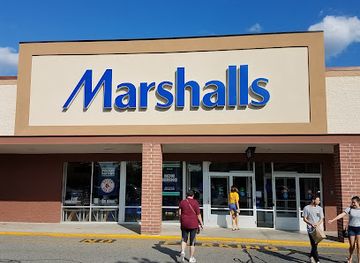
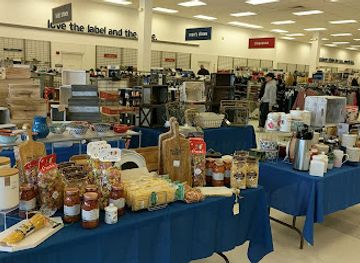
Marshalls
Explore Marshalls in Lowell, MA for unbeatable deals on fashion and home essentials, where every visit reveals new treasures.
11 min drive · 3.7 km from city centre
Get your free copy of our complete guide to Lowell, delivered straight to you.
Everything on this page, from attractions and restaurants to essentials and local phrases, in one PDF you can read offline, print or share.
Already have an account? Sign in
Your Lowell guide is ready.
We'll send it to · Not you? Sign out

Getting your guide ready…
We are putting together a fresh copy of the Lowell guide. This can take up to a minute.
This can take a few moments. If your browser asks, choose Allow so the download can start. You'll find the guide in your Downloads folder.
Nothing happened? Download it again
Sorry, the guide is taking longer than usual. Please try again in a minute, or get it by email instead.
Lowell essentials
Currency and Payment
Safety
Emergency Situations
Do's and Don'ts
Local Tips
From Eve
Local phrases worth knowing
You don't need to get them perfect. A few words go a long way, and locals appreciate the effort.
Basics
| English | Local | Say it |
|---|---|---|
| Hello | Hey | [hey] |
| Goodbye | Later | [lay-ter] |
| Yes | Yeah | [yeh] |
| No | Nah | [nah] |
| Please/You're welcome | Please/No problem | [pleez/no prob-lem] |
| Thank you | Thanks | [thanks] |
| Excuse me/Sorry | Sorry | [sor-ry] |
| How are you? | How ya doin'? | [how ya doin'] |
| Fine. And you? | Good. You? | [good. yoo?] |
| Do you speak English? | Ya speak English? | [ya speak ing-lish?] |
| I don't understand | I don't get it | [I don't get it] |
Eating & Drinking
| English | Local | Say it |
|---|---|---|
| I'd like to see the menu, please | Can I check out the menu? | [can I chek out the menu?] |
| I don't eat meat | I'm vegetarian | [I'm ve-ji-tear-i-an] |
| Cheers! | Cheers! | [cheers!] |
| I would like to pay, please | I'll pay now, please | [I'll pay now, please] |
Emergencies
| English | Local | Say it |
|---|---|---|
| Help! | Help! | [help!] |
| Go away! | Go away! | [go away!] |
| Call the Police! | Call the cops! | [call the cops!] |
| Call a doctor! | Call a doc! | [call a doc!] |
| I'm lost | I'm lost | [I'm lost] |
| I'm ill | I'm sick | [I'm sik] |
Shopping
| English | Local | Say it |
|---|---|---|
| I'd like to buy... | I wanna buy... | [I wanna buy...] |
| I'm just looking | Just browsing | [just brows-ing] |
| How much is it? | How much? | [how much?] |
| That's too expensive | Too pricey | [too prye-see] |
| Can you lower the price? | Can you bring it down? | [can you bring it down?] |
Time & Numbers
| English | Local | Say it |
|---|---|---|
| What time is it? | What time is it? | [what time is it?] |
| It's one o'clock | It's one | [it's one] |
| Half past (10) | Half past ten | [half past ten] |
| Morning | Morning | [mor-ning] |
| Afternoon | Afternoon | [af-ter-noon] |
| Evening | Evening | [ee-ven-ing] |
| Yesterday | Yesterday | [yes-ter-day] |
| Today | Today | [to-day] |
| Tomorrow | Tomorrow | [to-mor-row] |
| 1 | One | [wun] |
| 2 | Two | [too] |
| 3 | Three | [three] |
| 4 | Four | [four] |
| 5 | Five | [five] |
| 6 | Six | [six] |
| 7 | Seven | [sev-en] |
| 8 | Eight | [ate] |
| 9 | Nine | [nine] |
| 10 | Ten | [ten] |
Transport & Directions
| English | Local | Say it |
|---|---|---|
| Where's a/the...? | Where's the...? | [where's the...?] |
| What's the address? | What's the address? | [what's the address?] |
| Can you show me (on the map)? | Can you show me (on the map)? | [can you show me (on the map)?] |
| When's the next (bus)? | When's the next (bus)? | [when's the next (bus)?] |
| A ticket (to ....) | A ticket (to ....) | [a ticket (to ....)] |
History of Lowell
Indigenous Merrimack Valley
Before Lowell’s industrial development, the Merrimack Valley was home to Indigenous peoples, including the Pennacook, whose communities depended on the river, its tributaries and surrounding forests. The falls at Pawtucket were an important geographic feature and a source of power long before the city’s canals were constructed. European settlement brought farming, trade and changing patterns of land ownership, while epidemics, conflict and colonial expansion severely disrupted Indigenous life. The landscape later chosen for Lowell already possessed the water routes and elevation changes that would make intensive manufacturing possible.
Founding of Lowell
Lowell was established in the 1820s by investors associated with the Boston Manufacturing Company, who sought to apply waterpower and mechanised production to textile manufacturing. The city was incorporated in 1826 and named for Francis Cabot Lowell, an industrialist involved in the development of integrated cotton production. Engineers built canals to divert water from the Merrimack River, creating the power system for a group of large mills. Unlike many earlier mill villages, Lowell was planned as a substantial industrial city, with organised streets, boarding houses and commercial facilities built around factory production.
Mill Girls and Industrial Labour
During the nineteenth century, Lowell’s textile mills employed large numbers of young women from New England farms, later joined by immigrant workers and their families. The so-called Lowell mill girls lived in company boarding houses and worked long hours in spinning and weaving rooms. Their wages and working conditions prompted early labour protest, including the 1834 and 1836 strikes by female operatives. The city therefore became important not only for textile production but also for the history of industrial labour, women’s employment and debates about factory regulation in the United States.
Immigration and Urban Growth
As industrialisation expanded, Lowell attracted Irish, French Canadian, Greek, Portuguese, Jewish and other immigrant communities. Their churches, mutual-aid organisations, shops and neighbourhood institutions gave the city a layered cultural identity that remains visible in its architecture and food traditions. The mills continued to dominate the local economy through the late nineteenth and early twentieth centuries, but competition from southern states and changing industrial conditions weakened New England textile manufacturing. The social networks formed during this period nevertheless continued to shape Lowell after many factories had closed.
Deindustrialisation and Preservation
Textile production declined sharply in Lowell during the twentieth century, bringing unemployment, vacant mills and pressure for urban redevelopment. Rather than demolishing the entire industrial district, local preservationists and public authorities promoted adaptive reuse and historical interpretation. Lowell National Historical Park was created in 1978 to preserve and explain the city’s canals, mills, worker housing and industrial story. Former factories have since accommodated museums, studios, offices and educational institutions, making the surviving industrial infrastructure part of the city’s contemporary civic and cultural life.
A Multicultural Contemporary City
Late twentieth- and early twenty-first-century Lowell saw new migration, particularly from Cambodia, alongside established Portuguese, Greek, Irish, French Canadian and other communities. Cambodian Americans became a major presence in civic, commercial and cultural life, and the city has been recognised for its Cambodian cultural heritage. Annual events, community organisations, restaurants and places of worship express this continuing transformation. Today, Lowell’s identity combines preserved industrial heritage with a living, multicultural population, showing that its history is not only housed in museums but also carried through neighbourhoods, businesses and public traditions.
Lowell in Photos
Browse through our photo collection highlighting the charm and character of the destination.
Cities near Lowell
The closest cities to Lowell, if you have time for more than one stop.
-
-

-

-

-


Swipe for more cities
Explore more

Explore more of Massachusetts
Discover Massachusetts: A blend of rich history, stunning landscapes, and vibrant culture. From Boston's historic sites to Cape Cod's beaches, it's the heart of New England.
Explore Massachusetts