

Free Middlesex County Travel Guide & Mobile App
Explore Middlesex County with free travel guides. Discover regional history, expert tips, proposed trips, and audio guides on web or mobile app.


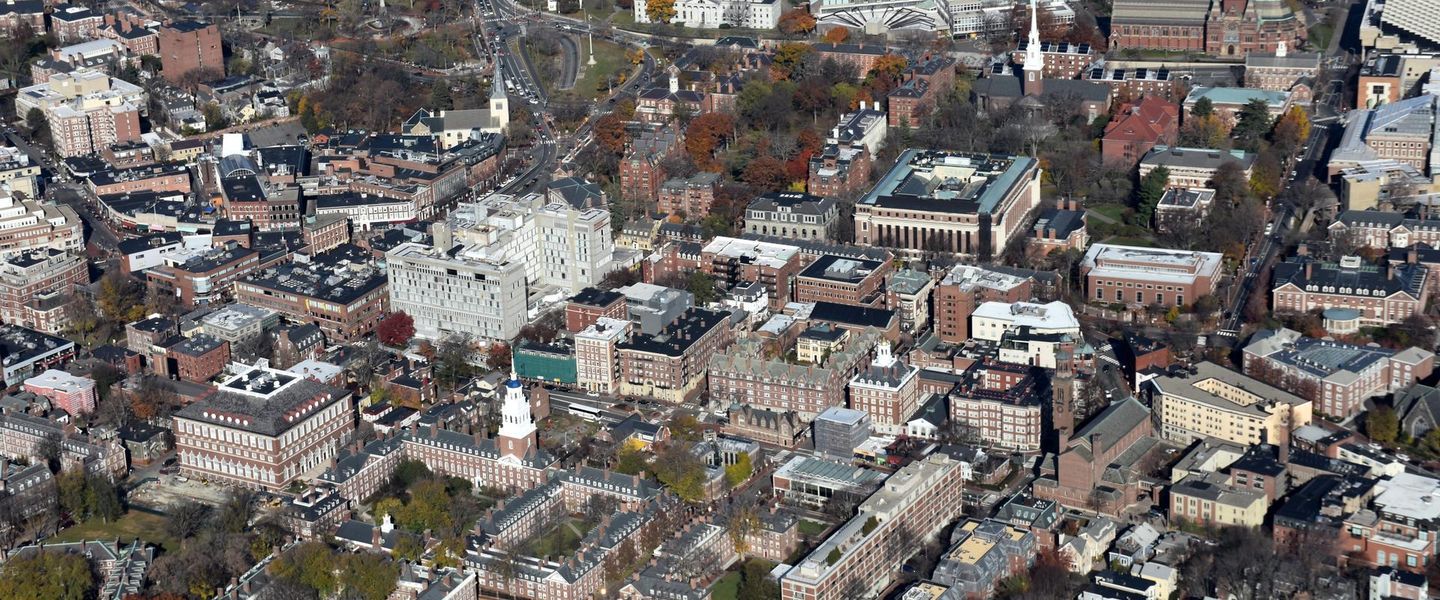


Explore Middlesex County, Massachusetts, for Revolutionary landmarks, university cities, mill-town heritage, wooded trails and diverse New England dining.
Read more about Middlesex County
Getting to and around Middlesex County
How to get there
Transportation
Top city travel guides in Middlesex County
The cities of Middlesex County, and the easiest places to base yourself.
-

-
-
-
-


Swipe for more cities
Destinations in Middlesex County
Resorts, valleys and scenic spots worth a trip of their own.
-

-
-


Swipe for more destinations
Best attractions in Middlesex County
Middlesex County's attractions range from metropolitan culture to protected landscapes and carefully preserved historic districts. Cambridge offers major university museums, architectural walks, bookshops and public cultural institutions, while Somerville contributes galleries, performance spaces and a strong independent arts scene. In the county's historic west, Minute Man National Historical Park interprets the opening of the Revolutionary War through fields, roads and buildings around Lexington, Lincoln and Concord. Concord adds literary history, including the wider Walden landscape and sites associated with Emerson, Thoreau, Alcott and Hawthorne. Lowell National Historical Park presents canals, mills and workers' quarters as a substantial industrial-history experience. Outdoor visitors can explore the Middlesex Fells Reservation, the Assabet River Rail Trail and numerous local conservation areas, while family-oriented options include ponds, farm visits and seasonal public programmes. The appeal lies in the contrast: dense university neighbourhoods, former factory cities and quiet river valleys all occur within one county, but they are best explored through separate, geographically realistic excursions.
-
Museum
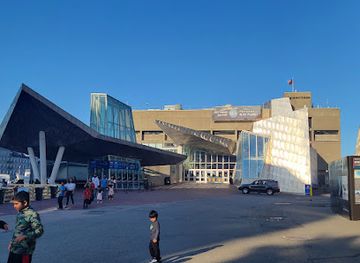
Museum of Science
Discover the wonders of science and technology at Boston's premier Museum of Science, featuring interactive exhibits and engaging attractions for all ages.
-
Aquarium
New England Aquarium
Discover marine wonders at the New England Aquarium, a top tourist attraction in Boston, featuring diverse exhibits and immersive experiences for all ages.
-
Art museum
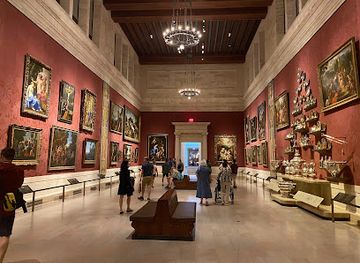
Museum of Fine Arts, Boston
Explore the Museum of Fine Arts in Boston, where art meets history across diverse cultures and eras, creating an unforgettable experience for all visitors.
-
History museum
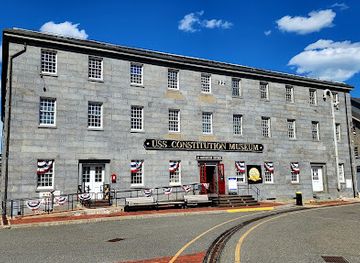
USS Constitution Museum
Discover America's naval legacy at the USS Constitution Museum in Charlestown, where history comes alive through engaging exhibits and interactive experiences.
Best landmarks in Middlesex County
Middlesex County's best-known landmarks express its revolutionary, literary, industrial and metropolitan identities. Lexington's Battle Green marks the site where colonial militia and British regulars clashed on 19 April 1775, while Concord's Old North Bridge is associated with the first American victory of the Revolutionary War. Minute Man National Historical Park links these places through a larger historic landscape rather than a single monument. Walden Pond is both a natural landmark and a cultural one, its woods and shore inseparable from Thoreau's writing. In Lowell, the brick mill buildings, canals and factory infrastructure form an extensive industrial landmarkscape on the Merrimack River. Cambridge's Harvard Yard and surrounding historic university buildings are among the county's most recognisable urban places, while the Massachusetts Institute of Technology campus presents a contrasting modern architectural identity. The Middlesex Fells Reservation provides a geographical landmark close to the metropolitan core, with rocky ridges, water bodies and wooded views that distinguish the county from the denser streets to the east.
-
Historical landmark
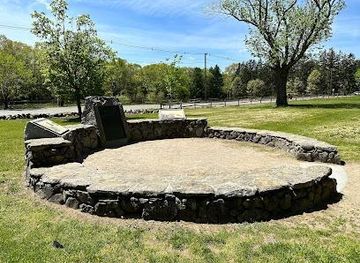
Paul Revere Capture Site
Discover the Paul Revere Capture Site, a key historical landmark in Lincoln, Massachusetts, celebrating the spirit of American independence and heritage.
-
Historical landmark
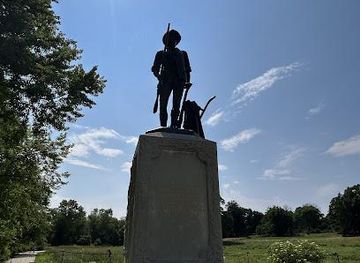
Minute Man National Historical Park
Discover the essence of American history at Minute Man National Historical Park, where the Revolutionary War comes to life in beautiful Concord, Massachusetts.
Explore Middlesex County on the map
Plan your trip on one map. See where the top cities, national parks and sights are, and book hotels and experiences in a few clicks.
Best hotels in Middlesex County
Best restaurants in Middlesex County
Dining in Middlesex County reflects both New England traditions and the county's international population. Seafood, clam chowder, lobster rolls, fried clams and oysters appear widely, while long-established diners, bakeries and public-market-style food halls offer familiar regional fare. Concord and the surrounding towns have cafés, farm-to-table cooking and restaurants that draw on nearby produce, whereas Lowell is particularly notable for Vietnamese, Cambodian and other Southeast Asian food alongside Portuguese and wider immigrant influences. Cambridge and Somerville provide a broad range of South Asian, East Asian, Middle Eastern, Latin American, European and contemporary American restaurants, from informal cafés to ambitious dining rooms. Farm stands and seasonal markets are useful for apples, berries, vegetables, maple products and baked goods, especially in the western part of the county. Tipping for table service is customary in the United States, and reservations can be sensible for popular restaurants in Cambridge and Somerville.
-
Brazilian
Fogo de Chão Brazilian Steakhouse
Discover Fogo de Chão: An exquisite Brazilian steakhouse offering a unique Rodizio dining experience with savory grilled meats and fresh salads.
-
Restaurant
Gibbet Hill Grill
Discover exquisite dining at Gibbet Hill Grill, where local flavors meet stunning views in Groton's premier steakhouse.
-
Italian
Carmelina's
Experience authentic Italian cuisine at Carmelina's in Boston's North End—where tradition meets taste in every delightful dish.
-
New England
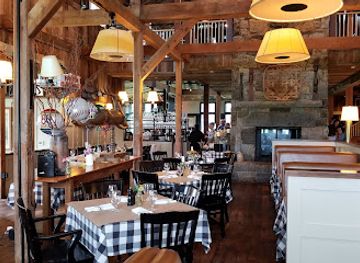
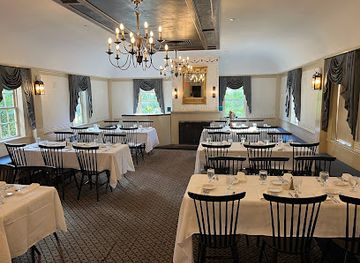
Longfellow's Wayside Inn
Discover Longfellow's Wayside Inn: A historic dining destination blending exquisite cuisine with rich New England heritage.

Best bars in Middlesex County
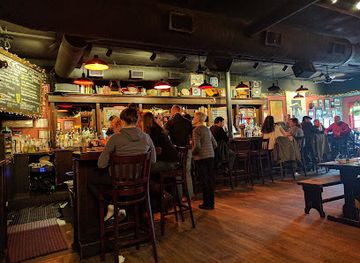
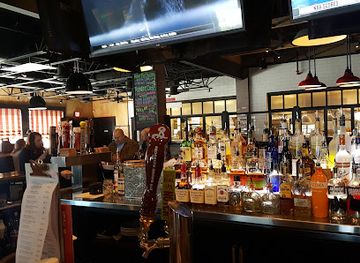
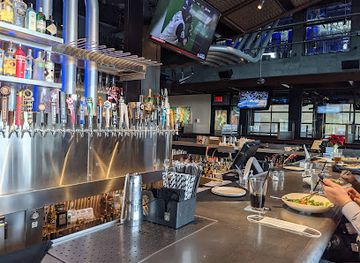
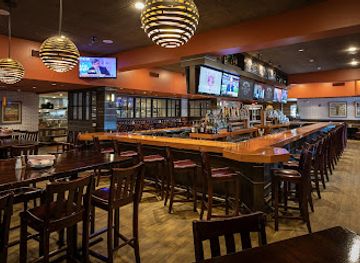
Evening life varies sharply across Middlesex County. Cambridge and Somerville have the largest concentration of bars, breweries, cocktail rooms, music venues, comedy spaces and late-evening restaurants, with activity often shaped by university terms and local arts calendars. Lowell combines neighbourhood pubs, restaurants, cultural events and occasional live music with a more compact urban nightlife. Concord, Lexington and the smaller western towns are quieter, with evenings generally centred on restaurants, traditional pubs, hotel bars and community performances rather than large clubs. Waltham has a substantial restaurant and bar scene serving its business, student and residential population. Craft beer is widely available, but alcohol is not central to every evening; cinemas, theatres, concerts, galleries and seasonal public events provide important alternatives. Transport becomes less frequent later at night, so plan a safe return before going out.
-
Irish pub
The Burren
Experience the heart of Irish culture at The Burren—enjoy traditional food, live music, and a welcoming atmosphere in Somerville.
-
American
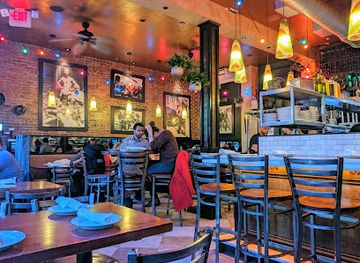
Red Heat Tavern
Discover the charm of American dining at Red Heat Tavern in Wilmington, where delicious food meets a family-friendly atmosphere.
-
Bar
Yard House
Experience the vibrant atmosphere of Yard House in Burlington, MA, where craft beer meets delicious New American cuisine in a lively gastropub setting.
-
American
Copper House Tavern
Experience vibrant American cuisine at Copper House Tavern, a charming eatery in Waltham's historic district, perfect for casual dining and events.
Best nightclubs in Middlesex County
Evening life varies sharply across Middlesex County. Cambridge and Somerville have the largest concentration of bars, breweries, cocktail rooms, music venues, comedy spaces and late-evening restaurants, with activity often shaped by university terms and local arts calendars. Lowell combines neighbourhood pubs, restaurants, cultural events and occasional live music with a more compact urban nightlife. Concord, Lexington and the smaller western towns are quieter, with evenings generally centred on restaurants, traditional pubs, hotel bars and community performances rather than large clubs. Waltham has a substantial restaurant and bar scene serving its business, student and residential population. Craft beer is widely available, but alcohol is not central to every evening; cinemas, theatres, concerts, galleries and seasonal public events provide important alternatives. Transport becomes less frequent later at night, so plan a safe return before going out.
-
Middle Eastern
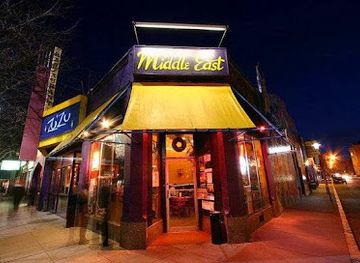
Middle East Restaurant and Club
Discover the best Middle Eastern and American cuisine at Middle East Restaurant and Club in Cambridge, where vibrant flavors meet nightlife.
-
Pub
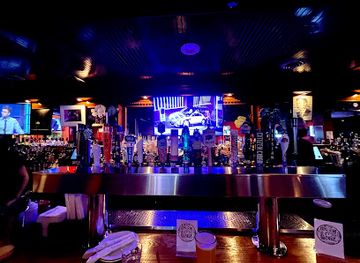
The Phoenix Landing
Discover the vibrant atmosphere of The Phoenix Landing, a premier pub and sports bar in Cambridge offering great food, drinks, and entertainment.
-
Night club
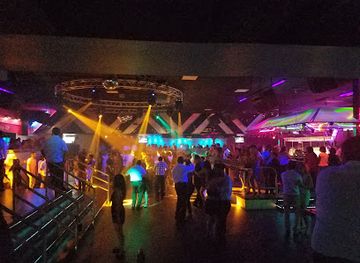
Vincent's Nightclub
Discover Randolph's vibrant nightlife at Vincent's Nightclub, where dance and entertainment create unforgettable moments.
-
Night club
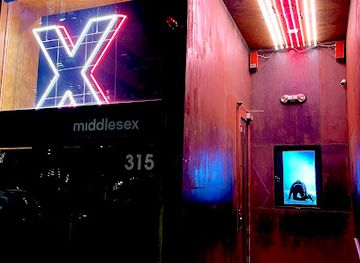
Middlesex
Discover the electrifying nightlife at Middlesex, a premier night club in Cambridge, where amazing music and vibrant atmosphere create unforgettable nights.
Best shops in Middlesex County
Shopping in Middlesex County ranges from independent urban streets to produce stands and specialist businesses in historic towns. Cambridge and Somerville have bookshops, record shops, galleries, design stores, clothing boutiques and food retailers, particularly around their established commercial centres and university neighbourhoods. Lexington and Concord combine national retailers with independent shops, antiques, books, crafts and historically themed goods, while Lowell's downtown offers small businesses, galleries and shops connected with its multicultural community. Western Middlesex has farm stands, orchards and seasonal markets where visitors can buy apples, berries, vegetables, maple products, baked goods and locally made provisions. CambridgeSide and other larger retail complexes provide conventional shopping, but a more distinctive county experience comes from independent food shops, contemporary craft, art and used books. Check seasonal opening arrangements for farm businesses and markets, and remember that sales tax is often added at the till rather than included in displayed prices.
-
Shopping mall
Middlesex Commons
Discover the bustling Middlesex Commons in Burlington, MA - your ultimate shopping and dining destination with diverse options and family-friendly fun.
-
Outlet mall
Merrimack Premium Outlets
Discover incredible savings and premium brands at Merrimack Premium Outlets, the ultimate shopping destination in New Hampshire.
-
Shopping mall
Shops at Saugus
Discover a vibrant shopping experience at the Shops at Saugus, where retail therapy meets dining delights in Massachusetts.
-
Department store
Target
Discover the ultimate shopping experience at Target in Leominster, where variety meets convenience in a vibrant department store setting.


Get your free copy of our complete guide to Middlesex County, delivered straight to you.
Everything on this page, from attractions and restaurants to essentials and local phrases, in one PDF you can read offline, print or share.
Already have an account? Sign in
Your Middlesex County guide is ready.
We'll send it to · Not you? Sign out

Getting your guide ready…
We are putting together a fresh copy of the Middlesex County guide. This can take up to a minute.
This can take a few moments. If your browser asks, choose Allow so the download can start. You'll find the guide in your Downloads folder.
Nothing happened? Download it again
Sorry, the guide is taking longer than usual. Please try again in a minute, or get it by email instead.
Middlesex County essentials
Currency and Payment
Safety
Emergency Situations
Do's and Don'ts
Local Tips
From Eve
Local phrases worth knowing
You don't need to get them perfect. A few words go a long way, and locals appreciate the effort.
Basics
| English | Local | Say it |
|---|---|---|
| Hello | Hey | [hey] |
| Goodbye | See ya | [see yah] |
| Yes | Yeah | [yeh] |
| No | Nope | [nohp] |
| Please/You're welcome | No problem | [no prob-lum] |
| Thank you | Thanks | [thangs] |
| Excuse me/Sorry | Excuse me | [ex-kyoos mee] |
| How are you? | How's it going? | [how's it go-ihng] |
| Fine. And you? | Good. You? | [guhd. you?] |
| Do you speak English? | You speak English? | [you speak ing-glish?] |
| I don't understand | I don't get it | [I don't get it] |
Eating & Drinking
| English | Local | Say it |
|---|---|---|
| I'd like to see the menu, please | Can I see the menu? | [can I see the men-yoo?] |
| I don't eat meat | I don't do meat | [I don't do meet] |
| Cheers! | Cheers! | [cheers] |
| I would like to pay, please | Can I get the check? | [can I get the chek?] |
Emergencies
| English | Local | Say it |
|---|---|---|
| Help! | Help! | [help] |
| Go away! | Leave me alone! | [leave me alone] |
| Call the Police! | Call the cops! | [call the cops] |
| Call a doctor! | Get me a doctor! | [get me a doctor] |
| I'm lost | I'm lost | [I'm lost] |
| I'm ill | I'm not feeling well | [I'm not feeling well] |
Shopping
| English | Local | Say it |
|---|---|---|
| I'd like to buy... | I want to buy... | [I want to buy...] |
| I'm just looking | Just browsing | [just brow-sing] |
| How much is it? | What's the price? | [what's the prys?] |
| That's too expensive | That's way too much | [that's way too much] |
| Can you lower the price? | Can you bring the price down? | [can you bring the prys down?] |
Time & Numbers
| English | Local | Say it |
|---|---|---|
| What time is it? | What time is it? | [what time is it?] |
| It's one o'clock | It's 1 o'clock | [it's one o'clock] |
| Half past (10) | Half past 10 | [half past ten] |
| Morning | Morning | [morning] |
| Afternoon | Afternoon | [afternoon] |
| Evening | Evening | [evening] |
| Yesterday | Yesterday | [yesterday] |
| Today | Today | [today] |
| Tomorrow | Tomorrow | [tomorrow] |
| 1 | One | [one] |
| 2 | Two | [two] |
| 3 | Three | [three] |
| 4 | Four | [four] |
| 5 | Five | [five] |
| 6 | Six | [six] |
| 7 | Seven | [seven] |
| 8 | Eight | [eight] |
| 9 | Nine | [nine] |
| 10 | Ten | [ten] |
Transport & Directions
| English | Local | Say it |
|---|---|---|
| Where's a/the...? | Where's a...? | [where's a...?] |
| What's the address? | What's the address? | [what's the ad-dress?] |
| Can you show me (on the map)? | Can you show me the map? | [can you show me the map?] |
| When's the next (bus)? | When's the next bus? | [when's the next bus?] |
| A ticket (to ....) | A ticket to... | [a ticket to...] |
History of Middlesex County
Indigenous Homelands and Early Colonial Settlement
Before English colonisation, the area now known as Middlesex County was inhabited by Indigenous peoples including the Massachusett and Pawtucket, with communities using the rivers, forests and wetlands for travel, fishing, farming and hunting. English settlement expanded during the seventeenth century, establishing towns such as Cambridge, Concord and Woburn. Colonial landholding, agriculture and town government transformed existing landscapes and displaced Indigenous communities through disease, conflict, land seizures and unequal agreements. Surviving place names, archaeological evidence and continuing Indigenous presence form an important context for understanding the county's colonial history.
The Revolutionary War Begins, 1775
Middlesex County is central to the opening of the American Revolutionary War. On 19 April 1775, British troops marched from Boston towards Concord to seize military supplies, encountering colonial militia at Lexington and later fighting at Concord's North Bridge and along the return route. The events spread through the towns and roads of eastern Middlesex and helped turn political resistance into armed conflict. Minute Man National Historical Park preserves sections of this landscape, while Lexington's Battle Green and Concord's historic sites interpret the competing perspectives and continuing significance of the day.
Transcendentalism and Concord's Literary Circle
During the nineteenth century, Concord became a major centre of American literary and intellectual life. Ralph Waldo Emerson lived and worked at the Old Manse and later at his Concord home, while Henry David Thoreau wrote about nature, civil disobedience and simple living after spending time at Walden Pond. Louisa May Alcott, Nathaniel Hawthorne and other writers were also associated with the town. Their work gave Concord an international cultural influence that remains visible in historic houses, collections, walking routes and the protected landscape around Walden.
Waterpower, Canals and the Lowell Mills
The Merrimack River powered one of the most important industrial developments in early nineteenth-century America. Lowell was planned around canals that diverted river water to textile mills, creating a large manufacturing centre linked to national markets. The mills employed successive waves of workers, including young women from New England farms and later immigrants from Europe and elsewhere. Industrialisation brought wealth and urban growth but also demanding labour conditions and social inequality. Lowell National Historical Park preserves mills, canals, workers' housing and interpretive sites that explain this transformation.
Railways, Manufacturing and Suburban Growth
Railway expansion in the nineteenth century connected Middlesex towns with Boston, Lowell, Worcester and wider markets, accelerating the movement of people and goods. Manufacturing developed along rivers and transport corridors in places including Waltham, Marlborough, Framingham and Maynard, while older agricultural communities gradually became commuter settlements. The arrival of streetcars and later widespread car ownership encouraged suburban growth. Former factory buildings, rail trails and compact historic centres still reveal how transport and industry reshaped the county.
Universities, Research and the Modern Technology Economy
The eastern county's universities and research institutions helped make Middlesex a major centre of education, science and innovation. Harvard University in Cambridge and the Massachusetts Institute of Technology contributed to the area's intellectual and technological significance, while post-war research and business development spread along the Route 128 corridor through communities such as Waltham and Burlington. This growth brought international migration, new cultural institutions and substantial economic change. It also intensified housing pressures and traffic, creating the modern contrast between historic town centres and highly developed metropolitan districts.
Middlesex County in Photos
Browse through our photo collection highlighting the charm and character of the destination.
Neighbouring regions of Middlesex County
The closest regions to Middlesex County, if you have time for more than one.
-

-

-

-
 Norfolk County
Explore Norfolk County, Massachusetts, for presidential history, coastal towns, Blue Hills trails, diverse dining and easy access to Boston.
-


Swipe for more regions
Explore more

Explore more of Massachusetts
Discover Massachusetts: A blend of rich history, stunning landscapes, and vibrant culture. From Boston's historic sites to Cape Cod's beaches, it's the heart of New England.
Explore Massachusetts