

Salem Travel Guide - Free Web & App
Your ultimate guide to Salem. Discover top landmarks, proposed trips, and local tips. Free on the web or via the Evendo companion app.




Salem, Massachusetts blends witch-trial history, maritime heritage, museums, historic streets and harbour views with memorable cultural experiences.
Harbour City and Historic Streets
Salem occupies a prominent position on Massachusetts Bay, on the North Shore about 16 miles north of Boston. Its compact historic centre brings together waterfront warehouses, Federal and Georgian houses, civic buildings, old burial grounds and atmospheric streets shaped by more than three centuries of maritime commerce. Salem's identity is inseparable from the witch trials of 1692, yet the city is also a significant port, an important centre of art and culture, and a living New England community.Read more about Salem
Witch Trials, Museums and Maritime Heritage
Exploring Salem
When is the best time to visit Salem?
Best: June–August · 25–27°C| Month | High (°C) | Rainfall (mm) |
|---|---|---|
| January | 2 | 91 |
| February | 3 | 85 |
| March | 8 | 103 |
| April | 14 | 99 |
| May | 20 | 91 |
| June (best) | 25 | 89 |
| July (best) | 27 | 91 |
| August (best) | 26 | 93 |
| September | 22 | 94 |
| October | 16 | 101 |
| November | 9 | 98 |
| December | 4 | 99 |
Getting to and around Salem
How to get there
Transportation
Best attractions in Salem
Salem's principal attractions cluster around the historic centre and waterfront. The Peabody Essex Museum combines American, maritime and international collections with historic properties, while the Salem Witch Trials Memorial offers a quiet setting for remembering those executed in 1692. The Salem Witch Museum presents the trials through a theatrical historical interpretation, and the Witch House preserves the home of judge Jonathan Corwin. At Salem Maritime National Historic Site, the Custom House, Derby Wharf and waterfront buildings explain the city's trading history. The House of the Seven Gables introduces both a seventeenth-century house and the literary legacy of Nathaniel Hawthorne, alongside gardens overlooking the harbour. Pioneer Village, in Forest River Park, interprets early colonial life through reconstructed buildings and gardens. Salem Common, Charter Street Cemetery and the historic streets around Washington Square provide further context, while the city's galleries, seasonal events and harbour views add variety beyond its most famous witch-trial associations.
-
Local history museum
Salem Witch Museum
Explore the eerie history of the Salem Witch Trials at the Salem Witch Museum, a must-visit for history enthusiasts and curious travelers alike.
-
Historical landmark
The House of the Seven Gables
Explore the rich history and stunning architecture of The House of the Seven Gables in Salem, MA—a must-see for history buffs and literature lovers alike.
-
 Art museum
Peabody Essex Museum
Explore the Peabody Essex Museum, where art and history come alive in the heart of Salem, Massachusetts.
-
Park
Salem Willows Park
Explore the scenic beauty and historic charm of Salem Willows Park, a perfect family-friendly destination in Salem, Massachusetts.


Best landmarks in Salem
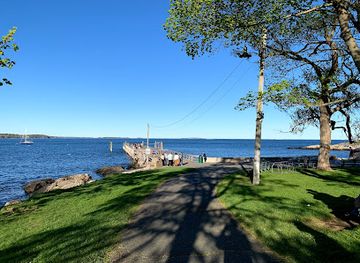
Salem's most recognisable landmarks embody two connected histories: the city's seventeenth-century crisis and its maritime rise. The Salem Witch Trials Memorial, designed around rough stone walls and the names of the nineteen people executed, is a place of remembrance beside the historic Charter Street Cemetery. The Witch House, associated with judge Jonathan Corwin, is one of the city's most important surviving buildings linked directly to the 1692 proceedings. Along the harbour, Salem Maritime National Historic Site includes the Custom House and Derby Wharf, landmarks of the port's overseas trading era. The House of the Seven Gables, with its harbour-facing grounds and literary association with Nathaniel Hawthorne, adds architectural and cultural significance. Washington Square, Salem Common and the city's historic streets contribute a broader townscape in which Federal-era houses, civic buildings, burial grounds and waterfront structures can be read together rather than as isolated monuments.
-
Historical landmark
The House of the Seven Gables
Discover the literary and historical charm of The House of the Seven Gables in Salem, MA, a must-visit landmark steeped in rich storytelling.
-
Historical place museum
The Witch House at Salem
Discover the haunting history of Salem at The Witch House, a historical museum that brings the witch trials of 1692 to life through immersive exhibits.
-
Historical place
Salem Maritime National Historic Site
Explore the fascinating maritime history and beautiful waterfront views at Salem Maritime National Historic Site in Massachusetts.
-
Historical landmark
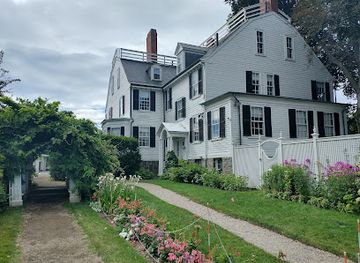
Ropes Mansion and Garden
Explore the historic Ropes Mansion and Garden in Salem, a beautiful blend of history, architecture, and stunning gardens perfect for every traveler.
Explore Salem on the map
Plan your trip on one map. See where the top attractions, landmarks, restaurants and hotels are, and book hotels and experiences in a few clicks.
Best hotels in Salem
Best restaurants in Salem
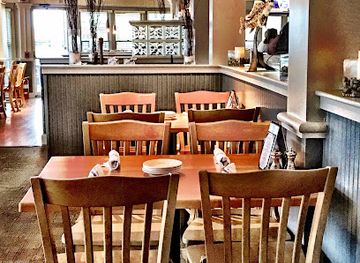
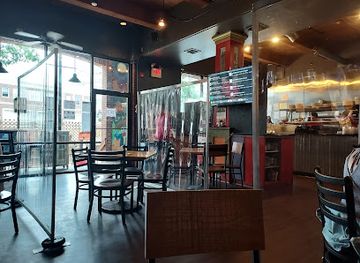
Salem's dining scene reflects its coastal setting, historic commercial centre and diverse modern population. Restaurants, cafés, bakeries, pubs and takeaway venues are concentrated around Essex Street, Washington Street, Derby Street and the waterfront, with additional choices in nearby residential areas. Seafood is widely available, alongside New England staples such as clam chowder, fried clams and lobster rolls, although menus vary by establishment and season. Visitors will also find international cuisines, vegetarian and contemporary American cooking, coffee shops and casual food suited to a day spent visiting museums. The city is more generously supplied than the smaller communities around the North Shore, but queues and limited availability are common during October and major events. Farm stands, speciality food shops and regional producers can add a local dimension, while visitors seeking broader choice can use neighbouring Beverly, Marblehead or Boston, clearly outside Salem itself.
-
Seafood
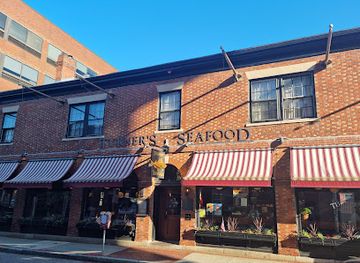
Turner's Seafood at Lyceum Hall -Salem
Experience fresh New England seafood at Turner's Seafood in Salem - where tradition meets modern culinary artistry.
-
Seafood
Sea Level Oyster Bar
Experience fresh oysters and local seafood at Sea Level Oyster Bar in Salem - where culinary excellence meets stunning waterfront views.
-
Seafood
Finz Salem
Experience exquisite seafood dining at Finz Seafood and Grill in Salem - where fresh flavors meet stunning waterfront views.
-
Mexican
Howling Wolf Taqueria
Experience authentic Mexican flavors at Howling Wolf Taqueria in Salem – where every dish tells a story.
Best bars in Salem
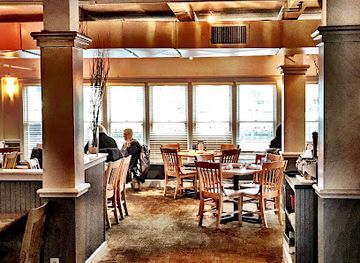
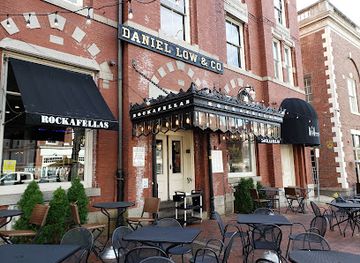
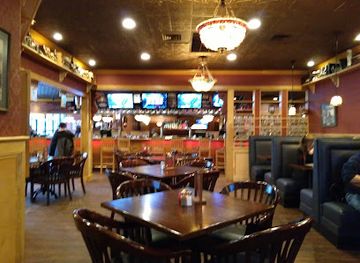
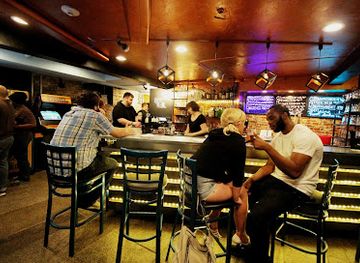
Salem's evening scene is centred on pubs, traditional taverns, restaurants with bars, craft-beverage venues and occasional live music or cultural programming rather than a large nightclub district. Essex Street, Washington Street, Derby Street and the waterfront offer the greatest concentration of places to spend an evening, although the character and opening patterns of individual venues change. Historic associations often influence the city's themed entertainment, but visitors will also find ordinary local hospitality away from the witch-trial imagery. October brings street activity and special programming but also heavy crowds, so the atmosphere can be more event-focused than on a typical evening. Nearby Beverly and Boston provide a wider range of late-night entertainment, while Salem itself is best suited to a sociable meal, drinks in a pub or a cultural event rather than an all-night club circuit.
-
Seafood
Finz Salem
Experience the best of Salem's seafood at Finz Seafood and Grill, where fresh flavors meet stunning waterfront views.
-
American
Rockafellas Restaurant
Discover Rockafellas Restaurant in Salem, where American cuisine meets a vibrant atmosphere, perfect for every dining occasion.
-
American
Village Tavern
Discover the vibrant atmosphere and delicious American cuisine at Village Tavern, a popular dining spot in the heart of Salem, Massachusetts.
-
Bar
Bit Bar Salem
Discover the ultimate blend of dining, drinks, and arcade fun at Bit Bar Salem, where nostalgia meets modern flavors in a vibrant setting.
Best nightclubs in Salem
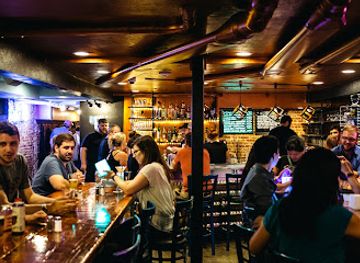
Salem's evening scene is centred on pubs, traditional taverns, restaurants with bars, craft-beverage venues and occasional live music or cultural programming rather than a large nightclub district. Essex Street, Washington Street, Derby Street and the waterfront offer the greatest concentration of places to spend an evening, although the character and opening patterns of individual venues change. Historic associations often influence the city's themed entertainment, but visitors will also find ordinary local hospitality away from the witch-trial imagery. October brings street activity and special programming but also heavy crowds, so the atmosphere can be more event-focused than on a typical evening. Nearby Beverly and Boston provide a wider range of late-night entertainment, while Salem itself is best suited to a sociable meal, drinks in a pub or a cultural event rather than an all-night club circuit.
-
Bar
Bit Bar Salem
Discover Bit Bar Salem: A unique blend of culinary delights, craft beverages, and retro arcade fun in the heart of Massachusetts.
-
American
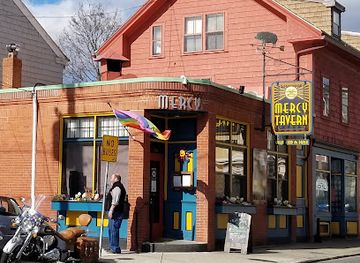
Mercy Tavern
Experience the vibrant flavors of American cuisine and delightful barbecue at Mercy Tavern in Salem, the perfect dining spot for tourists.
-
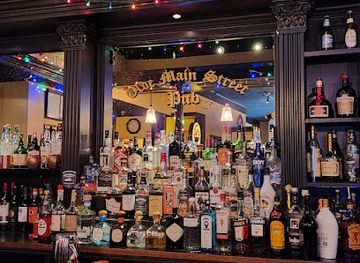
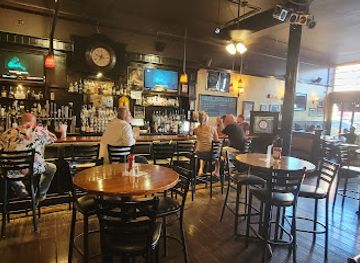
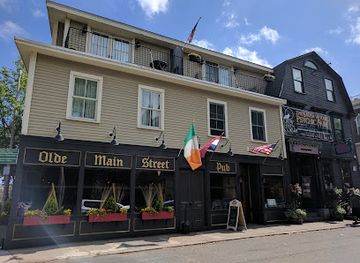
Irish
Olde Main Street Pub
Discover the authentic taste of Ireland at Olde Main Street Pub in Salem, MA, where hearty meals and a friendly atmosphere await.
-
Irish pub
O'Neills Pub & Restaurant
Discover the authentic Irish experience at O'Neills Pub & Restaurant in Salem, MA, where every meal is a celebration of culture and flavor.
Best shops in Salem
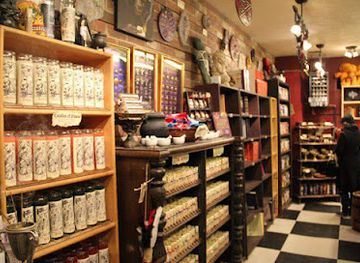
Shopping in Salem is concentrated around the Essex Street pedestrian area, Washington Street, Derby Street and adjoining historic streets. Independent bookshops, galleries, clothing retailers, gift shops, speciality food businesses and stores inspired by the city's maritime and witch-trial identity sit alongside everyday local commerce. Visitors can look for locally made art, jewellery, prints, homeware and regional food products, although stock and participating businesses change over time. The strongest retail activity usually accompanies the city's cultural calendar, particularly in October, when themed merchandise is prominent. Salem has no need to be treated as an extensive shopping destination: its appeal lies in browsing compact independent businesses between museums and historic sites. Larger commercial centres are available in surrounding North Shore communities and Boston, but these are outside Salem and offer a different, less heritage-focused retail experience.
-
Shopping mall
Witch City Mall
Explore the charm of Salem at Witch City Mall, where unique shopping experiences meet the rich history of the Witch City.
-
Metaphysical supply store
Crow Haven Corner
Discover the magic of Salem at Crow Haven Corner, your ultimate destination for metaphysical supplies and enchanting witchcraft items.
-
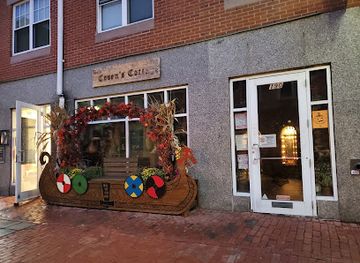
Gift shop
The Coven's Cottage
Experience the magical allure of The Coven's Cottage, Salem's premier gift shop and metaphysical supply store, brimming with spiritual treasures and unique finds.
-
Metaphysical supply store
Hex Old World Witchery
Explore the enchanting world of Hex Old World Witchery in Salem, a must-visit metaphysical supply store for every spiritual seeker.

Get your free copy of our complete guide to Salem, delivered straight to you.
Everything on this page, from attractions and restaurants to essentials and local phrases, in one PDF you can read offline, print or share.
Already have an account? Sign in
Your Salem guide is ready.
We'll send it to · Not you? Sign out

Getting your guide ready…
We are putting together a fresh copy of the Salem guide. This can take up to a minute.
This can take a few moments. If your browser asks, choose Allow so the download can start. You'll find the guide in your Downloads folder.
Nothing happened? Download it again
Sorry, the guide is taking longer than usual. Please try again in a minute, or get it by email instead.
Salem essentials
Currency and Payment
Safety
Emergency Situations
Do's and Don'ts
Local Tips
From Eve
Local phrases worth knowing
You don't need to get them perfect. A few words go a long way, and locals appreciate the effort.
Basics
| English | Local | Say it |
|---|---|---|
| Hello | Hey there | [hey thair] |
| Goodbye | See ya | [see yah] |
| Yes | Yep | [yep] |
| No | Nah | [nah] |
| Please/You're welcome | Please/No problem | [pleez/no problum] |
| Thank you | Thanks a lot | [thanks uh lot] |
| Excuse me/Sorry | Pardon me/My bad | [pahrdn me/my bad] |
| How are you? | How are ya? | [how are yah] |
| Fine. And you? | Good. How about you? | [good. how uhbout yah] |
| Do you speak English? | Ya speak English? | [yah speak inglish] |
| I don't understand | I don't get it | [ai dohnt get it] |
Eating & Drinking
| English | Local | Say it |
|---|---|---|
| I'd like to see the menu, please | Can I check out the menu? | [can ai chek out the menu] |
| I don't eat meat | I'm a vegetarian | [aim uh vejdterian] |
| Cheers! | Cheers! | [cheers] |
| I would like to pay, please | I want to settle the bill, please | [ai wawnt to setl thuh bil pleez] |
Emergencies
| English | Local | Say it |
|---|---|---|
| Help! | Help! | [help] |
| Go away! | Get lost! | [get lost] |
| Call the Police! | Call the cops! | [call thuh cops] |
| Call a doctor! | Get a doctor! | [get uh dokter] |
| I'm lost | I'm lost | [aim lost] |
| I'm ill | I'm sick | [aim sik] |
Shopping
| English | Local | Say it |
|---|---|---|
| I'd like to buy... | I wanna purchase... | [ai wannah purrchuss] |
| I'm just looking | Just browsing | [just brohzing] |
| How much is it? | What's the price? | [whats thuh price] |
| That's too expensive | That's pricey | [thats prahsee] |
| Can you lower the price? | Can you give a discount? | [can yah giv uh diskaunt] |
Time & Numbers
| English | Local | Say it |
|---|---|---|
| What time is it? | What's the time? | [whats thuh time] |
| It's one o'clock | It's one | [its wun] |
| Half past (10) | Ten thirty | [ten thurtee] |
| Morning | Morning | [morning] |
| Afternoon | Afternoon | [afternoon] |
| Evening | Evening | [evening] |
| Yesterday | Yesterday | [yesterday] |
| Today | Today | [today] |
| Tomorrow | Tomorrow | [tomorrow] |
| 1 | One | [wun] |
| 2 | Two | [too] |
| 3 | Three | [three] |
| 4 | Four | [four] |
| 5 | Five | [five] |
| 6 | Six | [six] |
| 7 | Seven | [seven] |
| 8 | Eight | [ate] |
| 9 | Nine | [nine] |
| 10 | Ten | [ten] |
Transport & Directions
| English | Local | Say it |
|---|---|---|
| Where's a/the...? | Where can I find...? | [where can ai fynd] |
| What's the address? | What's the street? | [whats thuh street] |
| Can you show me (on the map)? | Can you guide me (on the map)? | [can yah gahyd me on thuh map] |
| When's the next (bus)? | When's the next bus? | [whens thuh nekst bus] |
| A ticket (to ....) | A pass (to ....) | [uh pass to] |
History of Salem
Indigenous Land and English Settlement
The area now called Salem lies within the traditional homeland of the Naumkeag, an Indigenous people of the region. English settlement began in the early seventeenth century, and Salem was incorporated as a town in 1629. Its position on a sheltered harbour helped the settlement develop as both an agricultural community and a port. The name Salem derives from the biblical city of Salem, reflecting the religious aspirations of some of the colony's English founders, although the community's development was shaped by complex relations, conflict and exchange between colonists and Indigenous peoples.
The Witch Trials of 1692
In 1692, accusations of witchcraft spread through Salem Village and neighbouring communities, producing examinations, imprisonments and trials in the wider county. Nineteen people were executed by hanging, while another accused man, Giles Corey, died under torture after refusing to enter a plea. The proceedings were conducted in a broader colonial setting rather than solely within present-day Salem, and the central court moved between communities. The crisis ended when colonial authorities rejected the use of spectral evidence, but its consequences remained part of local memory and later became a defining element of Salem's public history.
A Port of Commerce and Privateering
During the eighteenth century, Salem expanded as a maritime trading centre. Merchants and seafarers connected the port with the Caribbean, Europe, Africa, India and the Far East, importing goods and exporting regional products. Salem vessels also took part in privateering during periods of war, while local shipbuilders, rope-makers, sail-makers and other trades supported the harbour economy. The surviving waterfront buildings and Derby Wharf reflect this era, although the benefits of overseas commerce were unevenly distributed and depended on systems of labour and trade that included enslavement and colonial power.
Industrial Change and Cultural Institutions
Salem's maritime prominence declined as larger ports and changing patterns of trade reshaped New England commerce, but the city developed new industries and civic institutions. Tanneries, shoe manufacturing and other businesses became important, while historic houses and collections attracted growing interest from preservationists and scholars. The Essex Institute, founded in 1848, later became part of the Peabody Essex Museum, helping establish Salem as a centre for the study and display of American, Asian and maritime art. This combination of industrial history and cultural collecting remains visible in the city's museums and historic districts.
Preservation and Public Memory
Twentieth-century preservation transformed Salem's historic waterfront and older residential areas into a major heritage destination. Salem Maritime National Historic Site, established in 1938 as the first National Historic Site in the United States, helped protect buildings and landscapes connected with the port. The city also developed museums, memorials and restored historic properties devoted to the 1692 trials and the region's wider past. Contemporary interpretation increasingly places the witch trials within their colonial, religious and social context, while acknowledging the people who were accused and executed rather than treating the episode only as folklore.
Salem in Photos
Browse through our photo collection highlighting the charm and character of the destination.
Neighbouring destination travel guides
The closest destinations to Salem, if you have time for more than one.
-

-

-
-

-


Swipe for more destinations
Explore more

Explore more of North Shore
Explore North Shore Massachusetts for Salem history, fishing harbours, rocky coves, Atlantic beaches, seafood and expansive salt-marsh landscapes.
Explore North Shore
Explore more of Massachusetts
Discover Massachusetts: A blend of rich history, stunning landscapes, and vibrant culture. From Boston's historic sites to Cape Cod's beaches, it's the heart of New England.
Explore Massachusetts