

Free The Islands Travel Guide & Mobile App
Explore The Islands with free travel guides. Discover regional history, expert tips, proposed trips, and audio guides on web or mobile app.


Explore Massachusetts’s Islands for historic harbour towns, Wampanoag heritage, beaches, dunes, seafood and distinctive coastal landscapes.
Read more about The Islands
Getting to and around The Islands
How to get there
Transportation
Top city travel guides in The Islands
The cities of The Islands, and the easiest places to base yourself.

Swipe for more cities
Best attractions in The Islands
The Islands offer a balance of maritime history, coastal scenery and outdoor activity rather than one concentrated collection of attractions. On Martha’s Vineyard, visitors can explore the harbour towns of Vineyard Haven, Oak Bluffs and Edgartown, travel west to Aquinnah’s clay cliffs and lighthouse, or follow roads through Chilmark, West Tisbury and Menemsha. Beaches, salt marshes, conservation land and open farmland support walking, cycling, birdwatching, kayaking and sailing. Chappaquiddick adds a more remote landscape of dunes and wetlands. Nantucket combines museums and historic buildings in Nantucket Town with beaches, moors, cranberry-growing country and protected habitats around the island. The Nantucket Whaling Museum explains the port’s maritime past, while lighthouses, old shipyards and historic villages reveal the hazards and prosperity of the whaling era. Seasonal boat trips, fishing, wildlife observation and arts events broaden the offering, but weather and ferry capacity can affect plans. The most rewarding itineraries leave time for landscapes between the headline towns rather than treating either island as a single waterfront resort.
-
Market
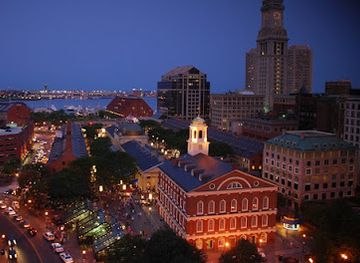
Faneuil Hall Marketplace
Explore Faneuil Hall Marketplace in Boston, where historic charm meets vibrant shopping, dining, and entertainment for an unforgettable experience.
-
City park
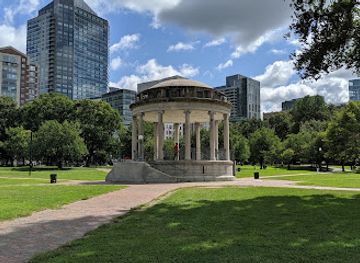
Boston Common
Explore Boston Common, the historic heart of Boston, where lush landscapes and cultural landmarks await your discovery.
-
Escape room center
Breakout Games
Experience the thrill of adventure at Breakout Games, where every escape room offers a unique challenge for family and friends in Marlborough, MA.
-
Tourist attraction
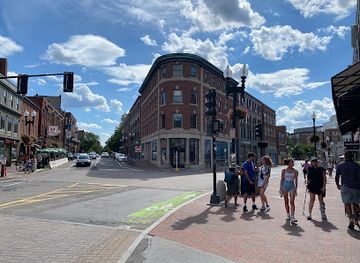
Harvard Square
Explore the vibrant heart of Cambridge at Harvard Square, where history, culture, and modern life blend seamlessly.

Best landmarks in The Islands
The Islands’ most recognisable landmarks express their maritime, religious and coastal history. On Martha’s Vineyard, the Gay Head Lighthouse stands above the clay cliffs at Aquinnah, an area of geological and cultural importance to the Wampanoag Tribe of Gay Head (Aquinnah). Oak Bluffs’ Wesley Hotel and densely arranged Carpenter Gothic cottages recall the town’s nineteenth-century Methodist camp-meeting origins, while Edgartown Lighthouse overlooks a harbour once central to whaling and shipping. Nantucket Town is itself a landmark landscape: cobbled streets, grey-shingled houses, former counting houses and brick merchant buildings preserve the physical scale of a major whaling port. Brant Point Lighthouse marks the approach to Nantucket Harbour, and Sankaty Head Light stands near the island’s eastern edge above a shifting coastline. The Old Mill in Nantucket’s western district reflects an earlier agricultural economy, while the long beaches, dunes and moors provide natural landmarks shaped by wind, waves and erosion. These places are significant not merely for appearance but for the economic and cultural forces they represent.
-
Bridge
Jaws Bridge
Discover the enchanting Jaws Bridge in Edgartown, a captivating landmark that connects cinematic history with stunning coastal views.
-
Building
99 Main St
Explore the charming coastal town of Edgartown, where history meets stunning vistas in the heart of Martha's Vineyard.

Explore The Islands on the map
Plan your trip on one map. See where the top cities, national parks and sights are, and book hotels and experiences in a few clicks.
Best hotels in The Islands
Best restaurants in The Islands
Island dining is closely tied to the sea, with oysters, clams, scallops, lobster, striped bass and other locally landed or regionally sourced seafood commonly appearing on menus. Martha’s Vineyard’s harbour communities support seafood shacks, bakeries, cafés, pubs and restaurants ranging from casual seasonal counters to more polished dining rooms, while farm stands and community markets showcase produce from the island’s agricultural districts. Nantucket offers a similarly maritime menu, alongside bread, pastries, ice cream and produce suited to a strong summer trade. Menemsha is particularly associated with a working fishing setting and informal seafood eating, although the availability of catches and businesses changes. Restaurants are busiest in summer, and smaller communities may have limited evening choice outside the main season. Visitors should distinguish genuinely local products from dishes simply marketed with an island theme; the strongest regional identity comes from fresh seafood, farm produce and the continuing relationship between food, boats and working waterfronts.
-
Seafood
Union Oyster House
Discover Boston's iconic Union Oyster House: where historic charm meets exquisite seafood dining experiences.
-
Seafood
Neptune Oyster
Experience Boston's premier oyster bar at Neptune Oyster—where fresh seafood meets creative culinary artistry.
-
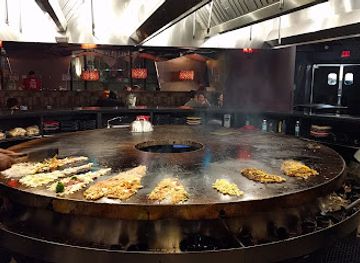
Buffet
FiRE+iCE Interactive Grill & Bar
Discover the excitement of interactive dining at FiRE+iCE Interactive Grill & Bar in Boston's Back Bay - where your meal is your creation!
-
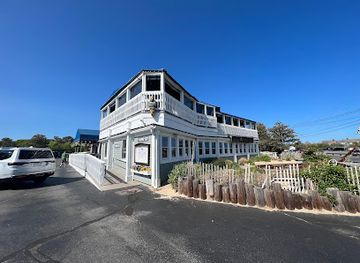
Seafood
The Skipper Restaurant and Chowder House
Experience the best seafood at The Skipper Restaurant and Chowder House in South Yarmouth, where fresh flavors meet cozy ambiance.

Best bars in The Islands
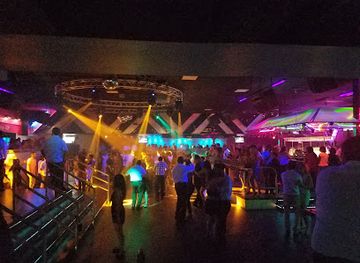
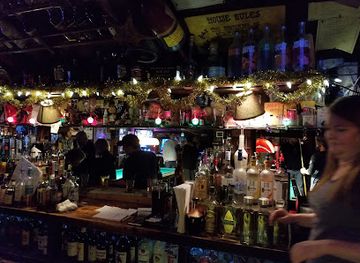
The Islands’ evening life is generally sociable and seasonal rather than centred on a large nightclub scene. In Edgartown, Oak Bluffs, Vineyard Haven and Nantucket Town, visitors find traditional pubs, hotel bars, restaurants with late seating, wine bars and places offering live music during the busier months. Oak Bluffs has a particularly active summer social calendar, while Nantucket Town concentrates much of Nantucket’s evening choice within walkable historic streets. Outside the main centres, evenings tend to revolve around coastal restaurants, village inns, small music events and private gatherings rather than dedicated clubs. Breweries and craft-drink venues form part of the contemporary offer, but opening patterns and entertainment schedules vary by season. Taxis and buses may be less frequent late at night, so arranging transport in advance is sensible, especially after travelling between towns or staying in a rural area.
-
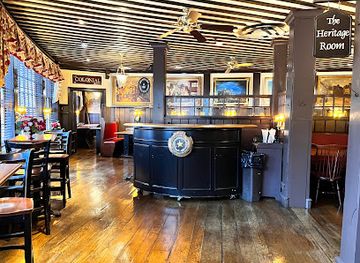
Bar
Bostonia Public House
Experience the vibrant atmosphere and delectable New England cuisine at Bostonia Public House, a top dining spot in Downtown Boston.
-
Seafood
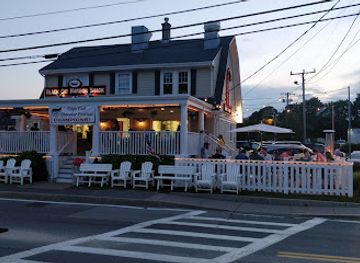
Black Cat Tavern
Experience the best of coastal dining at Black Cat Tavern in Hyannis, where fresh seafood meets a vibrant atmosphere.
-
Resort hotel
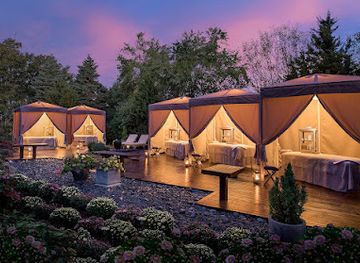
Chatham Bars Inn
Experience coastal luxury at Chatham Bars Inn, a premier resort hotel in Chatham, Massachusetts, offering stunning views and exceptional dining.
-
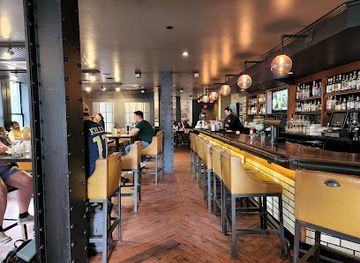
Pub
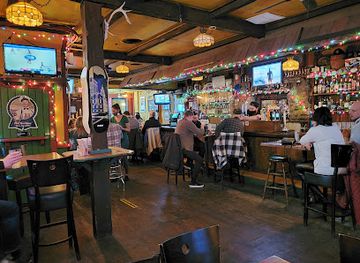
Biddy Early's
Discover Biddy Early's, a lively pub in Boston offering a great selection of craft beers and a warm, inviting atmosphere that captures the city's vibrant nightlife.
Best nightclubs in The Islands
The Islands’ evening life is generally sociable and seasonal rather than centred on a large nightclub scene. In Edgartown, Oak Bluffs, Vineyard Haven and Nantucket Town, visitors find traditional pubs, hotel bars, restaurants with late seating, wine bars and places offering live music during the busier months. Oak Bluffs has a particularly active summer social calendar, while Nantucket Town concentrates much of Nantucket’s evening choice within walkable historic streets. Outside the main centres, evenings tend to revolve around coastal restaurants, village inns, small music events and private gatherings rather than dedicated clubs. Breweries and craft-drink venues form part of the contemporary offer, but opening patterns and entertainment schedules vary by season. Taxis and buses may be less frequent late at night, so arranging transport in advance is sensible, especially after travelling between towns or staying in a rural area.
-
Night club
Waterclub Marina Bay
Discover the ultimate nightlife experience at Waterclub Marina Bay, where dining, dancing, and stunning views come together for unforgettable nights.
-
Night club
The Grand Boston
Experience the electrifying nightlife at The Grand Boston, where vibrant music, innovative cocktails, and unforgettable energy come together.
-
Night club
Vincent's Nightclub
Discover the vibrant nightlife at Vincent's Nightclub, where top DJs and a lively atmosphere make every night unforgettable.
-
Lounge
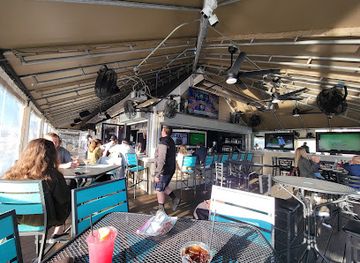
Quarterdeck Lounge
Discover the inviting atmosphere of Quarterdeck Lounge in Hyannis, where great drinks and friendly faces await you!

Best shops in The Islands
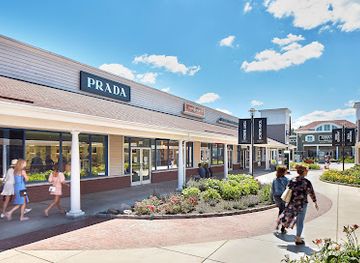
Shopping is concentrated in the historic centres of Edgartown, Oak Bluffs, Vineyard Haven and Nantucket Town, where independent clothing shops, bookshops, galleries, homeware stores, jewellers and maritime-themed retailers occupy restored buildings. Nantucket is particularly associated with locally styled textiles, basketry, art and design, while Martha’s Vineyard offers galleries, craft goods, island-made food products and shops reflecting the different character of its harbour towns and rural communities. Farm stands and seasonal markets are useful for produce, baked goods, preserves and other edible gifts, although availability follows the agricultural calendar. Visitors can also find ceramics, paintings, photography and handmade work from artists with connections to the islands. Retail selection is broader in summer and more restricted in winter, when some seasonal businesses close. The most appropriate souvenirs are durable products made by identifiable local artists or producers rather than generic nautical merchandise, and visitors should respect restrictions on purchasing or removing natural materials from protected beaches and conservation land.
-
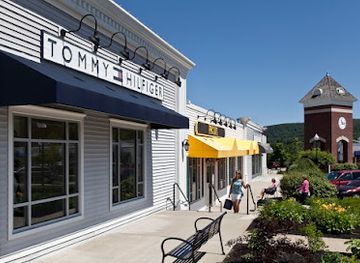
Outlet mall
Wrentham Village Premium Outlets
Discover unbeatable deals at Wrentham Village Premium Outlets, your ultimate shopping destination in Massachusetts.
-
Outlet mall
Assembly Row
Discover Assembly Row, a premier outlet mall in Somerville, MA, offering shopping, dining, and entertainment for all visitors.
-
Outlet mall
Lee Premium Outlets
Discover unbeatable deals on top brands amidst the stunning landscapes of Lee Premium Outlets in Massachusetts.
-
Gift shop
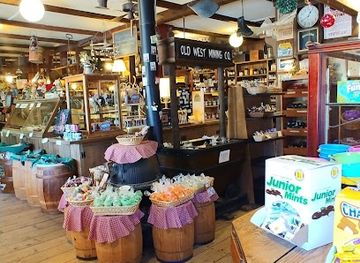
Old Country Store & Emporium
Explore the Old Country Store & Emporium: a charming gift shop in Buzzards Bay offering antiques, candies, and unique finds that capture local culture.
Get your free copy of our complete guide to The Islands, delivered straight to you.
Everything on this page, from attractions and restaurants to essentials and local phrases, in one PDF you can read offline, print or share.
Already have an account? Sign in
Your The Islands guide is ready.
We'll send it to · Not you? Sign out

Getting your guide ready…
We are putting together a fresh copy of the The Islands guide. This can take up to a minute.
This can take a few moments. If your browser asks, choose Allow so the download can start. You'll find the guide in your Downloads folder.
Nothing happened? Download it again
Sorry, the guide is taking longer than usual. Please try again in a minute, or get it by email instead.
The Islands essentials
Currency and Payment
Safety
Emergency Situations
Do's and Don'ts
Local Tips
From Eve
Local phrases worth knowing
You don't need to get them perfect. A few words go a long way, and locals appreciate the effort.
Basics
| English | Local | Say it |
|---|---|---|
| Hello | Howdy | [Haud-ee] |
| Goodbye | See ya | [See yah] |
| Yes | Yep | [Yep] |
| No | Nah | [Nah] |
| Please/You're welcome | Sure thing | [Shoor thing] |
| Thank you | Thanks a lot | [Thangs a lot] |
| Excuse me/Sorry | Pardon me | [Pardon me] |
| How are you? | How's it going? | [How's it goin'?] |
| Fine. And you? | Good. You? | [Good. You?] |
| Do you speak English? | You speakin' English? | [You speakin' English?] |
| I don't understand | I ain't followin' | [I ain't followin'] |
Eating & Drinking
| English | Local | Say it |
|---|---|---|
| I'd like to see the menu, please | Can I see the menu? | [Can I see the menu?] |
| I don't eat meat | I ain't eatin' meat | [I ain't eatin' meat] |
| Cheers! | Cheers! | [Cheers!] |
| I would like to pay, please | Can I get the check? | [Can I get the check?] |
Emergencies
| English | Local | Say it |
|---|---|---|
| Help! | Help! | [Help!] |
| Go away! | Get outta here! | [Get outta here!] |
| Call the Police! | Call the cops! | [Call the cops!] |
| Call a doctor! | Get a doc! | [Get a doc!] |
| I'm lost | I'm turned around | [I'm turned around] |
| I'm ill | I don't feel good | [I don't feel good] |
Shopping
| English | Local | Say it |
|---|---|---|
| I'd like to buy... | I wanna buy... | [I wanna buy...] |
| I'm just looking | Just browsin' | [Just browsin'] |
| How much is it? | What’s the price? | [What’s the price?] |
| That's too expensive | That's a bit pricey | [That's a bit pricey] |
| Can you lower the price? | Can you knock down the price? | [Can you knock down the price?] |
Time & Numbers
| English | Local | Say it |
|---|---|---|
| What time is it? | What time we got? | [What time we got?] |
| It's one o'clock | It's one o'clock | [It's one o'clock] |
| Half past (10) | Half past ten | [Half past ten] |
| Morning | Mornin' | [Mornin'] |
| Afternoon | Afternoon | [Afternoon] |
| Evening | Evenin' | [Evenin'] |
| Yesterday | Yesterday | [Yesterday] |
| Today | Today | [Today] |
| Tomorrow | Tomorrow | [Tomorrow] |
| 1 | One | [One] |
| 2 | Two | [Two] |
| 3 | Three | [Three] |
| 4 | Four | [Four] |
| 5 | Five | [Five] |
| 6 | Six | [Six] |
| 7 | Seven | [Seven] |
| 8 | Eight | [Eight] |
| 9 | Nine | [Nine] |
| 10 | Ten | [Ten] |
Transport & Directions
| English | Local | Say it |
|---|---|---|
| Where's a/the...? | Where's the...? | [Where's the...?] |
| What's the address? | What's the address? | [What's the address?] |
| Can you show me (on the map)? | Can you point it out? | [Can you point it out?] |
| When's the next (bus)? | When's the next bus? | [When's the next bus?] |
| A ticket (to ....) | One ticket to... please | [One ticket to... please] |
History of The Islands
Wampanoag Homelands before European Settlement
Martha’s Vineyard and Nantucket are part of the ancestral homelands of the Wampanoag people, whose communities developed sophisticated coastal economies based on fishing, shellfishing, farming, hunting and trade. The islands’ waters, beaches and wetlands were not empty landscapes but lived-in cultural environments with established place names and seasonal movements. Wampanoag communities survived the severe disruption brought by European settlement, epidemic disease and land loss. On Martha’s Vineyard, the Wampanoag Tribe of Gay Head (Aquinnah) remains a federally recognised nation, and Aquinnah continues to be an important centre of Wampanoag identity and cultural life.
Seventeenth-Century English Colonisation
English settlement expanded across the islands during the seventeenth century, following the establishment of colonial communities on Martha’s Vineyard and Nantucket. Land ownership, religious activity and political authority were contested and negotiated between settlers and Wampanoag communities. Nantucket became associated with Quaker influence, while Martha’s Vineyard developed several separate townships rather than one dominant urban centre. Many present-day roads, town boundaries and settlement patterns have roots in this colonial period, although the surviving landscape must be understood alongside the continuing history of the Wampanoag people.
Maritime Trade and Coastal Communities
Before whaling transformed the islands, residents depended on fishing, farming, small-scale trade, pilotage and other maritime work. Harbours such as Edgartown, Vineyard Haven and Nantucket Town connected the islands to mainland ports and the wider Atlantic economy. Their exposed locations demanded practical knowledge of shoals, currents and changing weather, while island communities developed distinctive relationships with Cape Cod, New England and overseas trade. The continued presence of working fleets, ferry terminals, boatyards and fishing villages reflects this earlier maritime economy.
The Whaling Era
From the late eighteenth century through much of the nineteenth century, Nantucket became one of the world’s leading whaling ports, while Edgartown and other Martha’s Vineyard communities also benefited from maritime commerce and whaling. Nantucket’s ships travelled extensively in pursuit of sperm and right whales, bringing considerable wealth but also exposing crews and families to dangerous, lengthy voyages. The industry supported merchants, sailmakers, coopers and other trades. Its decline, caused by changing markets, depleted whale populations and the emergence of petroleum, left a powerful architectural and cultural legacy in Nantucket Town and across the region.
Nineteenth-Century Summer Resorts
Improved steamship connections and changing ideas about seaside recreation brought growing numbers of summer visitors during the nineteenth century. Oak Bluffs developed from a Methodist camp-meeting community into a major resort, retaining its closely packed, vividly decorated Carpenter Gothic cottages. Nantucket’s whaling wealth produced substantial houses and commercial buildings that later helped define its historic character. Martha’s Vineyard also became associated with African American summer life and the community of Oak Bluffs, whose social and cultural importance grew over generations.
Conservation and the Modern Island Economy
During the twentieth century, the islands increasingly balanced tourism and second-home development with efforts to protect fragile coastal environments and historic character. Land trusts, public agencies and community organisations helped preserve dunes, moors, wetlands, farmland and open views, while historic-preservation measures shaped the appearance of Nantucket and several Martha’s Vineyard towns. The economy now combines tourism, hospitality, fishing, farming, construction, public services and creative work. Seasonal population changes remain a defining practical and social feature of island life.
The Islands in Photos
Browse through our photo collection highlighting the charm and character of the destination.
Neighbouring regions of The Islands
The closest regions to The Islands, if you have time for more than one.
-

-

-

-

-


Swipe for more regions
Explore more

Explore more of Massachusetts
Discover Massachusetts: A blend of rich history, stunning landscapes, and vibrant culture. From Boston's historic sites to Cape Cod's beaches, it's the heart of New England.
Explore Massachusetts