

Free Nantucket County Travel Guide & Mobile App
Explore Nantucket County with free travel guides. Discover regional history, expert tips, proposed trips, and audio guides on web or mobile app.


Nantucket County combines a historic whaling port, Atlantic beaches, lighthouses, conservation trails and seafood traditions on Massachusetts’ offshore island.
Read more about Nantucket County
Getting to and around Nantucket County
How to get there
Transportation
Top city travel guides in Nantucket County
The cities of Nantucket County, and the easiest places to base yourself.

Swipe for more cities
Best attractions in Nantucket County
Nantucket’s attractions range from the compact historic centre to beaches, conservation lands and maritime sites distributed across the island. The Nantucket Whaling Museum is the principal place to understand the port’s international whaling history, while the town’s streets provide a living architectural landscape of merchants’ houses, Quaker buildings and post-1846 commercial structures. Brant Point Lighthouse, the Old Mill and the Jethro Coffin House add more specific chapters of local history. Away from town, visitors can walk through protected coastal habitats, explore the dunes and beaches around Madaket and Cisco, or reach the village character and shoreline of ‘Sconset. The Shipwreck & Lifesaving Museum interprets the dangers of the surrounding waters, while gardens, galleries and small cultural institutions add variety in town. Birdwatching, swimming, surfing, sailing, kayaking and cycling are important outdoor pursuits, although conditions and access change with weather and season. The island’s attraction landscape is defined less by a long list of major complexes than by the relationship between a preserved port, working maritime traditions and a fragile Atlantic environment.
-
Museum
Nantucket Whaling Museum
Discover Nantucket's maritime heritage at the Nantucket Whaling Museum, where history, art, and culture converge in a stunning seaside setting.
-
Museum
Whaling Museum
Explore the Whaling Museum in Nantucket for a deep dive into maritime history, showcasing artifacts and stories from the island's whaling legacy.
-
Government office
Nantucket Downtown Historic District
Discover Nantucket Downtown Historic District, a perfect blend of history, culture, and vibrant local life in Massachusetts.
-
Beach
Madaket Beach
Discover the serene beauty of Madaket Beach in Nantucket, where stunning sunsets and tranquil waters create the perfect escape for relaxation and adventure.


Best landmarks in Nantucket County
Nantucket town itself is the county’s most important architectural landmark, with a dense historic district of weathered shingle houses, brick commercial buildings, narrow lanes and harbour-front warehouses that express the prosperity and later contraction of the whaling era. Brant Point Lighthouse, near the entrance to Nantucket Harbour, is one of the island’s most recognisable maritime symbols and reflects the hazards faced by ships approaching the port. Sankaty Head Lighthouse stands at the island’s eastern edge above the coastline, while Great Point Lighthouse marks the northern tip in a landscape of shifting sand and open sea. The Old Mill, a preserved eighteenth-century smock mill, recalls the practical infrastructure of an earlier island community. The Jethro Coffin House, one of Nantucket’s oldest surviving houses, represents the island’s early colonial period, while the Quaker Meeting House embodies the religious and civic influence of Friends. The small-scale cottages and lanes of Siasconset, together with its coastal position, form another distinctive built landmark landscape. These places matter because they connect Nantucket’s visual identity to settlement, belief, navigation, commerce and adaptation to an exposed island environment.
-
Cemetery
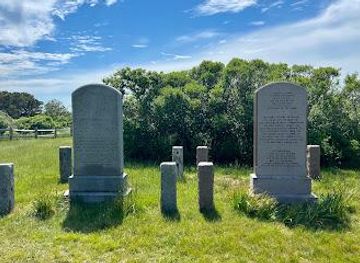
Founder's Cemetery
Explore the serene Founder's Cemetery in Nantucket, a historic resting place that reflects the island's rich maritime past and captivating stories.
Explore Nantucket County on the map
Plan your trip on one map. See where the top cities, national parks and sights are, and book hotels and experiences in a few clicks.
Best hotels in Nantucket County
Best restaurants in Nantucket County
Nantucket dining is closely connected to the Atlantic and to the island’s seasonal economy. Menus commonly feature local seafood such as oysters, clams, lobster and fish, while Nantucket bay scallops are a particularly associated speciality when available in season. Restaurants range from harbour-side and town dining rooms to informal seafood counters, cafés, bakeries, pubs and rural establishments, with summer produce and farm products supplementing the catch. The historic centre offers the broadest choice and the greatest concentration of evening dining, while outlying districts provide a more dispersed, destination-led experience. Markets and specialist food shops are useful for picnic supplies, prepared foods and island-made products. Reservations are prudent in high summer, when demand can exceed the capacity of the small island. Visitors should distinguish genuinely local ingredients from broader New England fare: clam chowder, lobster rolls and fried seafood are regional favourites, but Nantucket’s strongest culinary identity lies in its maritime setting, bay scallops and seasonal produce rather than in a single exclusive dish.
-
American
Brotherhood of Thieves
Experience delightful American cuisine at Brotherhood of Thieves in Nantucket - where flavor meets comfort in a charming setting.
-
American
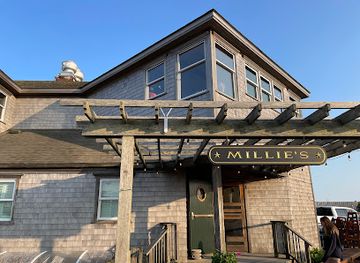
Millie's
Discover Millie's in Nantucket: Where fresh seafood meets family-friendly dining in a relaxed atmosphere.
-
American
The Rose and Crown
Experience Nantucket's vibrant culture at The Rose and Crown—where American cuisine meets family fun and nightlife excitement.
-
American
Island Kitchen | Restaurant & Catering
Experience the essence of American cuisine at Island Kitchen in Nantucket – where fresh ingredients meet island charm.
Best bars in Nantucket County
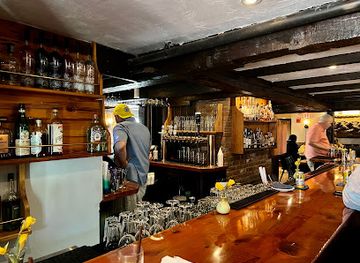
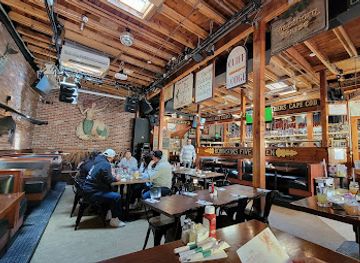
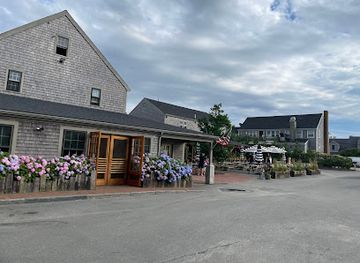
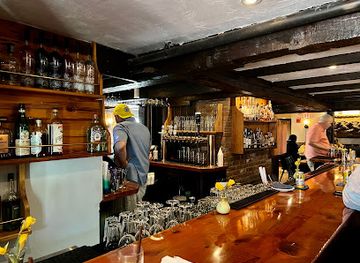
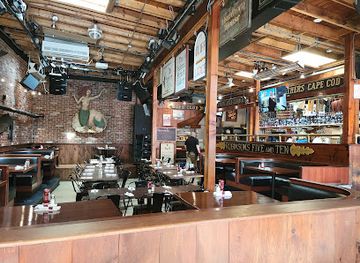
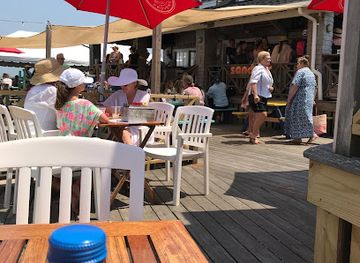
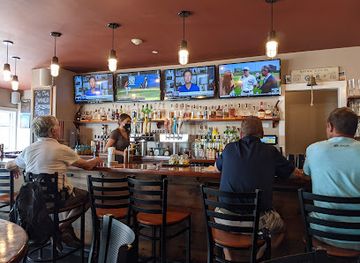
Nantucket’s evening life is concentrated in Nantucket town and is more associated with pubs, restaurants, hotel bars, live music and waterfront socialising than with a large nightclub scene. Historic inns and longstanding public houses provide traditional settings, while contemporary cocktail bars and wine-focused venues reflect the island’s affluent summer market. Seasonal live music and cultural programming can extend the evening, especially in and around town, but availability changes throughout the year. Outside the main settlement, nightlife is quieter and usually centres on dining, informal gatherings and occasional local events rather than dedicated clubs. Summer brings the greatest choice and the latest activity, while spring, autumn and winter have a more residential pace. Visitors should arrange late-night transport in advance if staying away from town, since distances, limited services and seasonal schedules can make spontaneous journeys difficult. Drinking is not necessary to appreciate Nantucket’s evening culture, which also includes harbour walks, performances, galleries and relaxed meals.
-
American
Brotherhood of Thieves
Experience the essence of Nantucket at the Brotherhood of Thieves, a historic American restaurant with delightful cuisine and a warm atmosphere.
-
American
The Rose and Crown
Experience the vibrant atmosphere, delicious American cuisine, and lively entertainment at The Rose and Crown in Nantucket.
-
Grill
Sandbar at Jetties Beach Bar & Restaurant
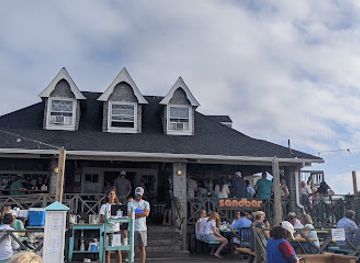
Experience coastal dining at its best at Sandbar at Jetties Beach, where ocean views meet delicious grill flavors in a laid-back atmosphere.
-
Barbecue
B-ACK Yard BBQ
Experience the best barbecue in Nantucket at B-ACK Yard BBQ, where smoky flavors and friendly service create unforgettable dining moments.
Best nightclubs in Nantucket County
Nantucket’s evening life is concentrated in Nantucket town and is more associated with pubs, restaurants, hotel bars, live music and waterfront socialising than with a large nightclub scene. Historic inns and longstanding public houses provide traditional settings, while contemporary cocktail bars and wine-focused venues reflect the island’s affluent summer market. Seasonal live music and cultural programming can extend the evening, especially in and around town, but availability changes throughout the year. Outside the main settlement, nightlife is quieter and usually centres on dining, informal gatherings and occasional local events rather than dedicated clubs. Summer brings the greatest choice and the latest activity, while spring, autumn and winter have a more residential pace. Visitors should arrange late-night transport in advance if staying away from town, since distances, limited services and seasonal schedules can make spontaneous journeys difficult. Drinking is not necessary to appreciate Nantucket’s evening culture, which also includes harbour walks, performances, galleries and relaxed meals.
-
American
The Rose and Crown
Experience the lively atmosphere and delicious American cuisine at The Rose and Crown, Nantucket's favorite family restaurant and night club.
-
Grill
Sandbar at Jetties Beach Bar & Restaurant
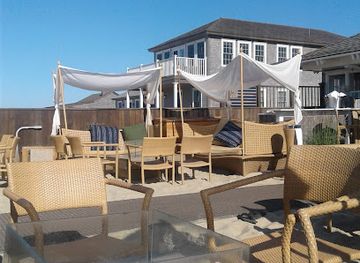
Discover the perfect beachside dining experience at Jetties Beach Sandbar, where delicious food meets breathtaking views in Nantucket.
-
Seafood
Galley Beach
Savor exquisite seafood and stunning ocean views at Galley Beach, Nantucket's premier dining destination.
-
Bar
The Chicken Box
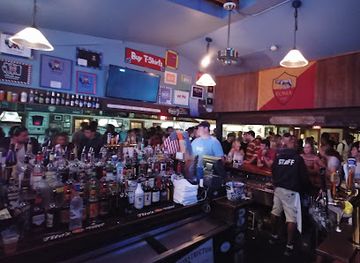
Experience the vibrant nightlife of Nantucket at The Chicken Box, a popular bar and nightclub known for its delicious food and live music.

Best shops in Nantucket County
Shopping is concentrated in Nantucket town, where historic streets contain independent clothing shops, galleries, jewellers, bookshops, homeware stores and retailers selling maritime-inspired goods. The emphasis is on seasonal island style, art and design rather than large shopping centres, with many premises occupying preserved buildings that make the retail experience part of the town’s architecture. Food shops and markets offer seafood, baked goods, preserves, local produce and other provisions suitable for a picnic or gifts. Craft objects, prints, ceramics, textiles and work by artists connected with Nantucket provide more distinctive souvenirs than generic beach merchandise. Small shops also appear in villages and outlying districts, although their opening patterns can be seasonal. Prices may reflect the island’s logistics and high-season demand, so compare specialist goods carefully and pack purchases securely for ferry or air travel. Visitors should also remember that protected landscapes and beaches are not places to collect shells, plants or other natural materials without checking applicable rules.
-
Gift shop
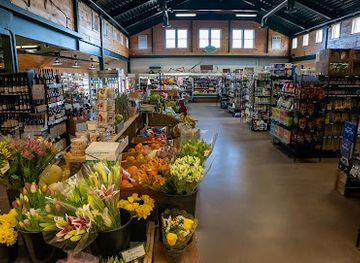
Bartlett's Farm
Discover Bartlett's Farm in Nantucket: your destination for fresh produce, artisan goods, and unique gifts in a charming farm setting.
-
Gift shop
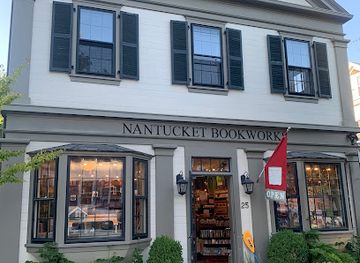
Nantucket Bookworks
Explore Nantucket Bookworks, a charming gift shop and bookstore offering unique finds and local treasures in the heart of Nantucket.
-
Clothing store
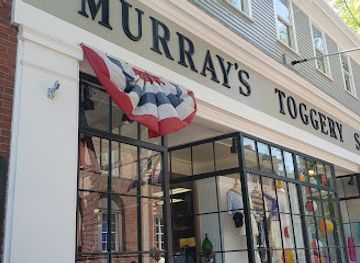
Murray's Toggery Shop
Explore Murray's Toggery Shop, Nantucket's iconic clothing store offering stylish apparel and accessories for the whole family.
-
Gift shop
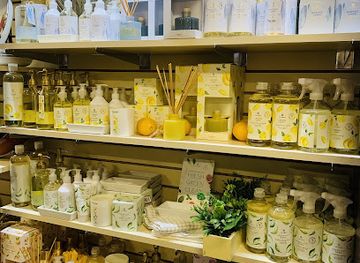
Island Variety
Explore Island Variety in Nantucket for unique gifts, local crafts, and delightful toys, perfect for souvenirs and special occasions.
Get your free copy of our complete guide to Nantucket County, delivered straight to you.
Everything on this page, from attractions and restaurants to essentials and local phrases, in one PDF you can read offline, print or share.
Already have an account? Sign in
Your Nantucket County guide is ready.
We'll send it to · Not you? Sign out

Getting your guide ready…
We are putting together a fresh copy of the Nantucket County guide. This can take up to a minute.
This can take a few moments. If your browser asks, choose Allow so the download can start. You'll find the guide in your Downloads folder.
Nothing happened? Download it again
Sorry, the guide is taking longer than usual. Please try again in a minute, or get it by email instead.
Nantucket County essentials
Currency and Payment
Safety
Emergency Situations
Do's and Don'ts
Local Tips
From Eve
Local phrases worth knowing
You don't need to get them perfect. A few words go a long way, and locals appreciate the effort.
Basics
| English | Local | Say it |
|---|---|---|
| Hello | Ahoy | [uh-hoy] |
| Goodbye | Fair winds | [fair winds] |
| Yes | Aye | [ai] |
| No | Nay | [nay] |
| Please/You're welcome | You’re welcome | [yoor wel-kum] |
| Thank you | Thanks a lot | [thangs a lot] |
| Excuse me/Sorry | Pardon me | [par-don mee] |
| How are you? | How's it going? | [how's it go-ing?] |
| Fine. And you? | Good. And you? | [good. and yoo?] |
| Do you speak English? | Do you talk English? | [do yoo talk ing-glish?] |
| I don't understand | I don't get it | [I don't get it] |
Eating & Drinking
| English | Local | Say it |
|---|---|---|
| I'd like to see the menu, please | Can I see the menu? | [can I see the men-yoo?] |
| I don't eat meat | I’m not a meat eater | [I'm not a meet ee-ter] |
| Cheers! | Cheers! | [cheers] |
| I would like to pay, please | Can I get the check, please? | [can I get the chek, pleez?] |
Emergencies
| English | Local | Say it |
|---|---|---|
| Help! | Help! | [help] |
| Go away! | Leave me be! | [leave me bee] |
| Call the Police! | Call the cops! | [call the cops] |
| Call a doctor! | Get a doctor! | [get a doc-tor] |
| I'm lost | I'm turned around | [I'm turned a-round] |
| I'm ill | I'm not feeling well | [I'm not feel-ing well] |
Shopping
| English | Local | Say it |
|---|---|---|
| I'd like to buy... | I want to buy... | [I want to buy...] |
| I'm just looking | Just browsing | [just brow-zing] |
| How much is it? | What's the price? | [what's the price?] |
| That's too expensive | That's pricey | [that's pry-see] |
| Can you lower the price? | Can you make it cheaper? | [can you make it chee-per?] |
Time & Numbers
| English | Local | Say it |
|---|---|---|
| What time is it? | What time is it? | [what time is it?] |
| It's one o'clock | It's one o'clock | [it's one o'clock] |
| Half past (10) | Half past ten | [half past ten] |
| Morning | Morning | [mor-ning] |
| Afternoon | Afternoon | [af-ter-noon] |
| Evening | Evening | [ee-ven-ing] |
| Yesterday | Yesterday | [yes-ter-day] |
| Today | Today | [to-day] |
| Tomorrow | Tomorrow | [to-mor-row] |
| 1 | One | [wun] |
| 2 | Two | [too] |
| 3 | Three | [three] |
| 4 | Four | [for] |
| 5 | Five | [fiv] |
| 6 | Six | [siks] |
| 7 | Seven | [sev-en] |
| 8 | Eight | [ate] |
| 9 | Nine | [nain] |
| 10 | Ten | [ten] |
Transport & Directions
| English | Local | Say it |
|---|---|---|
| Where's a/the...? | Where's the...? | [where's the...?] |
| What's the address? | What's the address? | [what's the ad-dress?] |
| Can you show me (on the map)? | Can you point it out? | [can you point it out?] |
| When's the next (bus)? | When's the next bus? | [when's the next bus?] |
| A ticket (to ....) | A ticket to ... | [a tik-et to ...] |
History of Nantucket County
Wampanoag Nantucket Before English Settlement
Nantucket was inhabited and used by Wampanoag people long before English colonisation. Communities maintained seasonal relationships with the island’s ponds, marshes, shorelines and surrounding waters, drawing on fishing, shellfish, hunting and plant resources. Nantucket’s Indigenous history is sometimes obscured by the later prominence of whaling and colonial architecture, but it remains fundamental to understanding the island. The Wampanoag presence also connects Nantucket to the wider Indigenous cultural landscape of southeastern Massachusetts and Cape Cod, rather than treating the island as an isolated maritime settlement.
English Settlement and the Nantucket Town Proprietors
English settlers began establishing a permanent presence on Nantucket in the 1640s, following land transactions and arrangements involving Indigenous leaders and colonial proprietors. The island’s early communities developed around farming, fishing and maritime trade, while Nantucket town gradually became the principal port. The settlement pattern established in the seventeenth century remains visible in the narrow streets and closely spaced buildings of the historic district. English colonisation also brought profound changes to Indigenous life, landholding and political authority.
Quaker Influence in the Eighteenth Century
Quakerism became a major influence on Nantucket society during the eighteenth century. Friends, as Quakers are also known, shaped local religious, commercial and community life, and their meetinghouses formed important institutions on the island. The tradition encouraged networks of education, trade and mutual support that extended beyond Nantucket. Although many Quaker buildings and customs later changed, the measured architecture and civic history of Nantucket town still reflect the denomination’s long presence.
The Rise of the Nantucket Whaling Port
During the eighteenth and early nineteenth centuries, Nantucket grew into a leading whaling port. Ships and crews sailed into the Atlantic and beyond, bringing back whale oil used for lighting and other industrial purposes. The trade created wealth for merchants and shipowners while exposing ordinary sailors and their families to long absences, danger and an international maritime economy. The surviving waterfront, merchants’ houses and the collections of the Nantucket Whaling Museum help explain how profoundly the whale fishery shaped the island’s buildings, social structure and global connections.
The Great Fire of 1846 and Economic Change
A major fire in 1846 destroyed much of Nantucket town’s commercial centre. Rebuilding produced the brick-lined streetscape and fire-resistant architecture that remain among the town’s defining features. By this period, the island’s whaling economy was already facing pressure from new lighting technologies, changing markets and competition from other ports. Nantucket’s commercial decline followed, and its population and prosperity contracted. The post-fire town nevertheless preserved a coherent nineteenth-century character that later became central to the island’s heritage value.
Shipwrecks, Lifesaving and the Atlantic Edge
Nantucket’s position amid shoals, shifting sandbars and busy Atlantic routes made shipwrecks a recurring part of its history. Local mariners, lifesaving crews and lighthouse keepers assisted vessels in difficult conditions, while structures such as Brant Point Lighthouse and the former lifesaving stations marked the hazards of the coast. Maritime rescue developed into an organised national system in the nineteenth century and later became part of the United States Coast Guard. The island’s museums and coastal landmarks preserve this practical, often dangerous side of seafaring history.
From Commercial Decline to Heritage and Tourism
After whaling and related commerce declined, Nantucket increasingly became valued for its historic environment, beaches, summer climate and distinctive island landscape. Improvements in transport from the mainland made seasonal visitation more practical, while preservation efforts protected large parts of Nantucket town and many rural areas from wholesale redevelopment. Tourism remains economically important, but it exists alongside conservation, residential life, fishing and the management of a fragile coastal environment. The modern county is therefore shaped both by its heritage economy and by continuing negotiations over land, access and environmental change.
Nantucket County in Photos
Browse through our photo collection highlighting the charm and character of the destination.
Neighbouring regions of Nantucket County
The closest regions to Nantucket County, if you have time for more than one.
-

-

-

-

-


Swipe for more regions
Explore more

Explore more of Massachusetts
Discover Massachusetts: A blend of rich history, stunning landscapes, and vibrant culture. From Boston's historic sites to Cape Cod's beaches, it's the heart of New England.
Explore Massachusetts