

Free Dukes County Travel Guide & Mobile App
Explore Dukes County with free travel guides. Discover regional history, expert tips, proposed trips, and audio guides on web or mobile app.


Dukes County combines Martha’s Vineyard beaches, Wampanoag heritage, historic villages, lighthouses, seafood and island landscapes in coastal Massachusetts.
Read more about Dukes County
Getting to and around Dukes County
How to get there
Transportation
Top city travel guides in Dukes County
The cities of Dukes County, and the easiest places to base yourself.
-

-

-


Swipe for more cities
Best attractions in Dukes County
Dukes County’s attractions combine coastal scenery, historic villages and outdoor recreation rather than concentrating in a single major complex. Martha’s Vineyard’s beaches range from the broad Atlantic shore near Katama to the calmer waters around Menemsha Pond, while Manuel F. Correllus State Forest provides wooded roads and paths near the centre of the island. The western landscape around Aquinnah is valued for its cliffs, lighthouse views and Wampanoag heritage, and Chappaquiddick offers a quieter setting of beaches, ponds and conservation land. Historic experiences include the Martha’s Vineyard Museum, the Edgartown waterfront, Oak Bluffs’ Camp Meeting cottages and the island’s surviving lighthouses. Polly Hill Arboretum in West Tisbury provides a cultivated landscape with a strong connection to the island’s horticultural tradition. Wildlife watching, sailing, kayaking, swimming, cycling and walking are central to the visitor experience, although access, parking and seasonal facilities vary. Farms, galleries and small cultural organisations add interest beyond the shoreline, while the island’s harbours remain working places rather than purely scenic backdrops.
-
Scenic spot
Aquinnah Cliffs Overlook
Discover the stunning Aquinnah Cliffs Overlook, where breathtaking views and cultural heritage come together in a picturesque setting on Martha's Vineyard.
-
Scenic spot
Nobska Lighthouse
Discover the historic Nobska Lighthouse in Falmouth, Massachusetts, and enjoy breathtaking coastal views and rich maritime heritage.
-
Island
Martha's Vineyard
Explore the stunning landscapes, charming towns, and vibrant culture of Martha's Vineyard, an enchanting island in Massachusetts.
-
Bridge
Jaws Bridge
Experience the charm of Jaws Bridge in Edgartown, Massachusetts, a scenic landmark blending cinematic history with stunning coastal views.


Best landmarks in Dukes County
The Gay Head Cliffs at Aquinnah are among Dukes County’s most recognisable natural landmarks, with vividly coloured layers shaped by erosion and a long history of importance to the Wampanoag community. Nearby Gay Head Lighthouse, moved inland in the twentieth century to protect it from erosion, represents the island’s maritime navigation history. In Edgartown, the Old Whaling Church, the historic waterfront and rows of eighteenth- and nineteenth-century houses express the wealth and social structure created by the maritime economy. Oak Bluffs’ Camp Meeting grounds form a different architectural landmark: hundreds of brightly painted Carpenter Gothic cottages surround the Tabernacle, creating a settlement unlike any other on the island. East Chop Lighthouse and Edgartown Lighthouse mark important harbour approaches, while the broad coastal landscapes of Chappaquiddick, Menemsha and Katama provide geographical reference points as well as scenic appeal. These places are significant not simply because they photograph well, but because they reveal the county’s Indigenous, religious, maritime and seasonal histories.
-
Scenic spot
Aquinnah Cliffs Overlook
Experience the stunning beauty and rich heritage of Aquinnah Cliffs Overlook, a scenic gem on Martha's Vineyard with breathtaking coastal views.
-
Tourist attraction
Gay Head Light
Explore the historic Gay Head Light, a breathtaking lighthouse on Martha's Vineyard offering stunning ocean views and rich maritime history.
-
Bus stop
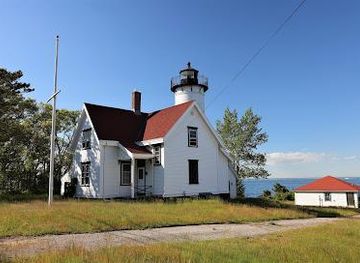
West Chop Lighthouse
Discover the beauty and history of West Chop Lighthouse, a picturesque landmark on Martha's Vineyard offering stunning ocean views and a glimpse into maritime heritage.
-
Bridge
Woods Hole Draw Bridge
Discover the enchanting Woods Hole Draw Bridge, a picturesque landmark that showcases the beauty of Massachusetts' coastal scenery and maritime heritage.



Explore Dukes County on the map
Plan your trip on one map. See where the top cities, national parks and sights are, and book hotels and experiences in a few clicks.
Best hotels in Dukes County
Best restaurants in Dukes County
Food in Dukes County reflects the island’s maritime setting and agricultural pockets. Seafood is central, with local menus commonly featuring oysters, clams, scallops, lobster, striped bass and other regional catches when available, while Menemsha and the island’s other fishing communities retain a visible connection to working waterfronts. Farm produce, berries, greens, bread, cheese and meat from island producers appear in restaurants, cafés and seasonal markets. Dining ranges from informal seafood shacks and harbour counters to bakeries, pizzerias, pubs, contemporary restaurants and rural establishments in converted houses or farm settings. Edgartown, Oak Bluffs and Vineyard Haven have the broadest concentration of food businesses, while the western villages offer a more dispersed choice. Prices can be high during the summer, and advance reservations are sensible for popular evening dining. Visitors should distinguish genuinely local produce from food simply marketed with an island theme, and should expect some establishments to close or reduce service outside the main season.
-
Seafood
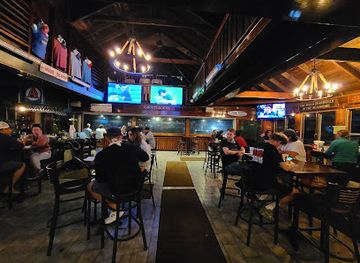
Lookout Tavern
Discover Lookout Tavern in Oak Bluffs - where fresh seafood meets breathtaking ocean views for an unforgettable dining experience.
-
Seafood
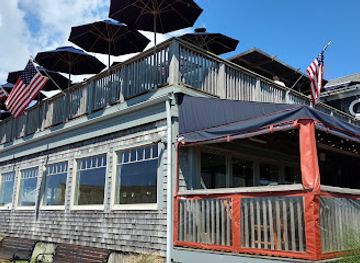
The Seafood Shanty
Experience fresh seafood delights at The Seafood Shanty in Edgartown—where coastal charm meets culinary excellence.
-
Family-friendly
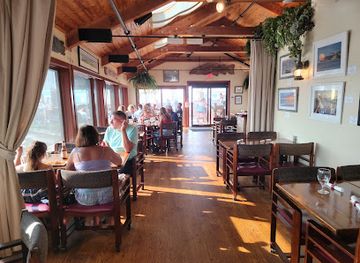
Nancy's Restaurant
Experience delicious Middle Eastern and seafood cuisine at Nancy's Restaurant in Oak Bluffs - perfect for families seeking delightful meals with stunning harbor views.
-
American
The Black Dog Tavern
Discover delightful American cuisine at The Black Dog Tavern in Vineyard Haven - where every meal is an experience!
Best bars in Dukes County
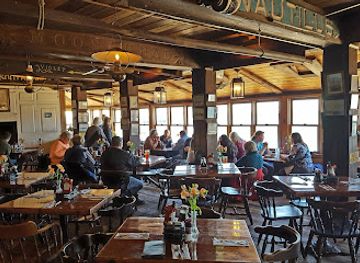
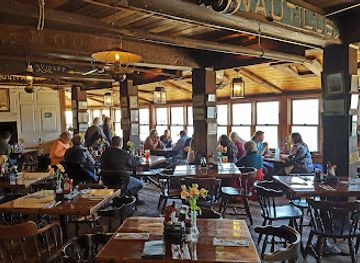
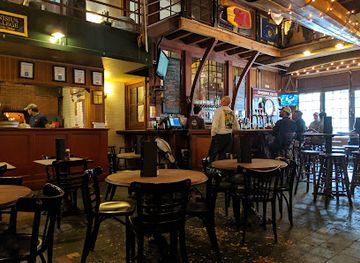
Evening life in Dukes County is shaped more by pubs, restaurants, harbour walks, live music and seasonal events than by a large nightclub industry. Edgartown, Oak Bluffs and Vineyard Haven provide the greatest choice of bars and late-opening restaurants, with venues ranging from traditional American bars and waterfront establishments to cocktail-focused rooms and places offering live performances. Oak Bluffs has a particularly visible summer social scene, while Edgartown’s evening activity is closely connected with its dining and harbour areas. In smaller communities such as Chilmark and West Tisbury, evenings are quieter and tend to centre on local restaurants, inns or community events. Opening arrangements vary considerably by season, and some venues close or operate reduced hours in winter. Responsible drinking, pre-arranged transport and attention to the last bus or ferry connection are important on an island where distances and late-night alternatives are limited.
-
Seafood
Lookout Tavern
Experience the best seafood in Oak Bluffs at Lookout Tavern, where fresh flavors meet stunning ocean views in a welcoming atmosphere.
-
American
The Black Dog Tavern
Experience the best of American cuisine at The Black Dog Tavern in Vineyard Haven, where delicious food meets a cozy seaside atmosphere.
-
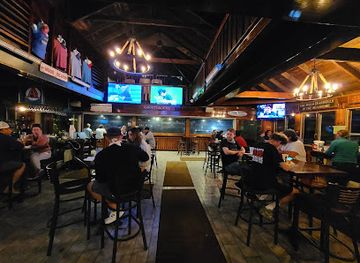
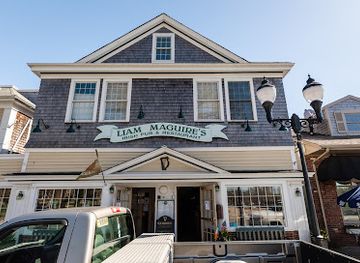
Irish pub
Liam Maguire's Irish Pub
Discover the spirit of Ireland at Liam Maguire's Irish Pub, a family-friendly venue with live music, karaoke, and delicious Irish cuisine in Falmouth, MA.
-
Brewpub
Offshore Ale Co
Discover the best of local craft brews and delicious pub fare at Offshore Ale Co, a top brewpub in Oak Bluffs, Massachusetts.
Best nightclubs in Dukes County
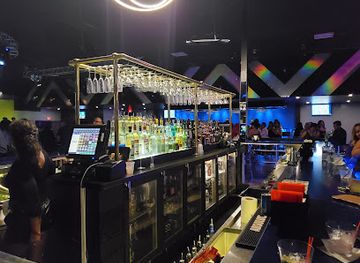
Evening life in Dukes County is shaped more by pubs, restaurants, harbour walks, live music and seasonal events than by a large nightclub industry. Edgartown, Oak Bluffs and Vineyard Haven provide the greatest choice of bars and late-opening restaurants, with venues ranging from traditional American bars and waterfront establishments to cocktail-focused rooms and places offering live performances. Oak Bluffs has a particularly visible summer social scene, while Edgartown’s evening activity is closely connected with its dining and harbour areas. In smaller communities such as Chilmark and West Tisbury, evenings are quieter and tend to centre on local restaurants, inns or community events. Opening arrangements vary considerably by season, and some venues close or operate reduced hours in winter. Responsible drinking, pre-arranged transport and attention to the last bus or ferry connection are important on an island where distances and late-night alternatives are limited.
-
Night club
Vincent's Nightclub
Experience the vibrant nightlife at Vincent's Nightclub in Randolph, MA, where dance, music, and memories come alive every weekend.
-
Grill
Town Bar and Grill MV
Discover the vibrant flavors of Edgartown at Town Bar and Grill MV, where grilled delights meet fresh sushi in a lively atmosphere.
-
Bar
The Belmont Club
Experience the vibrant nightlife at The Belmont Club in Fall River, where live music, karaoke, and crafted cocktails come together for an unforgettable evening.
-
Bar
Pelican Club
Discover Pelican Club in Edgartown, where exquisite sushi and innovative cocktails meet coastal charm in a vibrant setting.
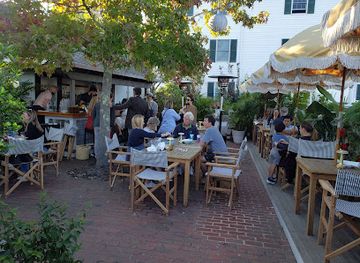
Best shops in Dukes County
Shopping in Dukes County is concentrated in the village centres rather than in large commercial districts. Edgartown, Oak Bluffs and Vineyard Haven offer independent clothing shops, bookshops, galleries, jewellery stores, homeware businesses and retailers selling practical beach and boating goods. West Tisbury and Chilmark have a more rural mix of farm stands, art galleries, craft studios and small food producers, with many businesses operating most actively during the warmer months. Seasonal farmers’ markets provide opportunities to buy island-grown vegetables, fruit, baked goods and prepared foods, while local shops commonly stock regional honey, preserves, sauces, seafood products and other edible souvenirs. Pottery, paintings, photography, textiles and handmade jewellery are more meaningful purchases than generic resort merchandise, and many galleries reflect the island’s long association with artists and summer residents. Opening hours and stock can change outside the main season, so visitors should not assume that every village business operates year-round.
-
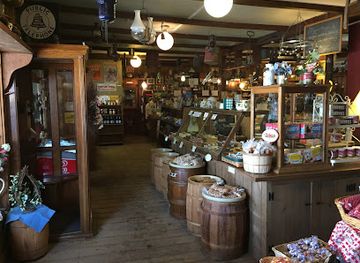
Gift shop
Old Country Store & Emporium
Explore the Old Country Store & Emporium in Buzzards Bay for unique gifts, antiques, and delicious candies in a charming, nostalgic atmosphere.
-
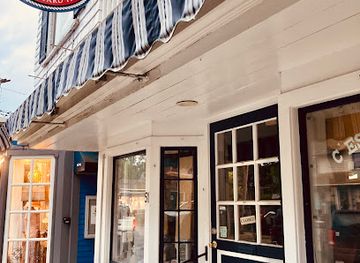
Gift shop
C'est La Vie
Discover unique Vineyard souvenirs and gifts at C'est La Vie in Oak Bluffs, a charming destination for every tourist.
-
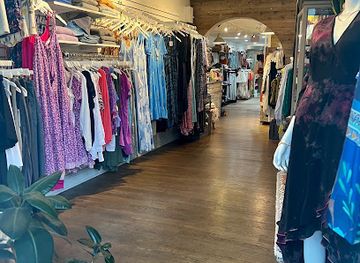
Boutique
Suka Boutique
Discover unique women's fashion at Suka Boutique in Edgartown, a stylish haven for trendy clothing and accessories.
-
Game store
The Lazy Frog
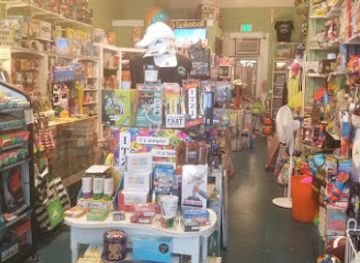
Discover The Lazy Frog in Oak Bluffs - a vibrant game store, kite shop, and outdoor sports retailer, perfect for family fun and adventure.
Get your free copy of our complete guide to Dukes County, delivered straight to you.
Everything on this page, from attractions and restaurants to essentials and local phrases, in one PDF you can read offline, print or share.
Already have an account? Sign in
Your Dukes County guide is ready.
We'll send it to · Not you? Sign out

Getting your guide ready…
We are putting together a fresh copy of the Dukes County guide. This can take up to a minute.
This can take a few moments. If your browser asks, choose Allow so the download can start. You'll find the guide in your Downloads folder.
Nothing happened? Download it again
Sorry, the guide is taking longer than usual. Please try again in a minute, or get it by email instead.
Dukes County essentials
Currency and Payment
Safety
Emergency Situations
Do's and Don'ts
Local Tips
From Eve
Local phrases worth knowing
You don't need to get them perfect. A few words go a long way, and locals appreciate the effort.
Basics
| English | Local | Say it |
|---|---|---|
| Hello | Hi there | [Hai thair] |
| Goodbye | See ya | [See yah] |
| Yes | Yup | [Yup] |
| No | Nah | [Nah] |
| Please/You're welcome | Sure thing | [Shur thing] |
| Thank you | Thanks a lot | [Thangs a lot] |
| Excuse me/Sorry | Pardon me | [Pardon me] |
| How are you? | How ya doin'? | [How yah doin'?] |
| Fine. And you? | Good. And you? | [Gooood. And you?] |
| Do you speak English? | Can you talk English? | [Can you talk English?] |
| I don't understand | I don’t get it | [I dont get it] |
Eating & Drinking
| English | Local | Say it |
|---|---|---|
| I'd like to see the menu, please | Can I see the menu? | [Can I see the menu?] |
| I don't eat meat | I’m a vegetarian | [I'm a vegetarian] |
| Cheers! | Cheers! | [Cheers!] |
| I would like to pay, please | Can I get the check? | [Can I get the check?] |
Emergencies
| English | Local | Say it |
|---|---|---|
| Help! | Help! | [Help!] |
| Go away! | Leave me alone! | [Leave me alone!] |
| Call the Police! | Call the cops! | [Call the cops!] |
| Call a doctor! | Get a doctor! | [Get a doctor!] |
| I'm lost | I’m lost | [I’m lost] |
| I'm ill | I’m not feeling well | [I’m not feeling well] |
Shopping
| English | Local | Say it |
|---|---|---|
| I'd like to buy... | I wanna buy... | [I wanna buy...] |
| I'm just looking | Just browsing | [Just browsing] |
| How much is it? | What’s the price? | [What’s the price?] |
| That's too expensive | That’s a bit pricey | [That’s a bit pricey] |
| Can you lower the price? | Can you make it cheaper? | [Can you make it cheaper?] |
Time & Numbers
| English | Local | Say it |
|---|---|---|
| What time is it? | What time is it? | [What time is it?] |
| It's one o'clock | It's one o'clock | [It's one o'clock] |
| Half past (10) | Half past ten | [Half past ten] |
| Morning | Morning | [Morning] |
| Afternoon | Afternoon | [Afternoon] |
| Evening | Evening | [Evening] |
| Yesterday | Yesterday | [Yesterday] |
| Today | Today | [Today] |
| Tomorrow | Tomorrow | [Tomorrow] |
| 1 | One | [One] |
| 2 | Two | [Two] |
| 3 | Three | [Three] |
| 4 | Four | [Four] |
| 5 | Five | [Five] |
| 6 | Six | [Six] |
| 7 | Seven | [Seven] |
| 8 | Eight | [Eight] |
| 9 | Nine | [Nine] |
| 10 | Ten | [Ten] |
Transport & Directions
| English | Local | Say it |
|---|---|---|
| Where's a/the...? | Where's the...? | [Where's the...?] |
| What's the address? | What’s the address? | [What’s the address?] |
| Can you show me (on the map)? | Can you point it out? | [Can you point it out?] |
| When's the next (bus)? | When’s the next bus? | [When’s the next bus?] |
| A ticket (to ....) | A ticket to ... | [A ticket to ...] |
History of Dukes County
Wampanoag Homeland and Aquinnah
Martha’s Vineyard has long been home to Wampanoag communities, whose relationship with the island’s waters, forests and coastal lands predates European settlement by many centuries. Aquinnah, at the western end of the island, remains the home of the Wampanoag Tribe of Gay Head. The red and ochre cliffs, ponds and shoreline there are not merely scenic features but part of a continuing cultural landscape. Archaeological evidence and oral traditions record longstanding Indigenous use of the island, while later colonial history brought profound changes through land pressure, disease and political transformation.
English Settlement and the Formation of Dukes County
English colonists began establishing permanent settlements on Martha’s Vineyard during the seventeenth century, including communities that developed into present-day Edgartown, Tisbury and West Tisbury. Dukes County was created in 1683, when the islands were governed within the English colonial world; its territorial history later changed as Nantucket became a separate county. Towns grew around harbours, agricultural clearings and coastal routes, creating the settlement pattern that still distinguishes the island from a single urban centre.
Whaling, Fishing and Maritime Trade
During the eighteenth and nineteenth centuries, Martha’s Vineyard participated in the wider maritime economy of New England. Edgartown and other ports supplied, crewed and supported vessels involved in whaling, fishing and coastal commerce. The industry brought wealth to some families and linked the island to ports across the Atlantic, while shipbuilding, rope-making and other maritime trades supported harbour communities. Surviving captains’ houses, waterfront buildings and harbour layouts provide visible reminders of the period, although the decline of commercial whaling eventually required the island to develop new economic foundations.
Lighthouses and Coastal Navigation
The surrounding shoals and changing channels made reliable navigation important to the island’s maritime life. Lighthouses were established at prominent points, including Gay Head, East Chop and the approaches to Edgartown. Gay Head Lighthouse, first established in the late eighteenth century and later rebuilt in brick, became both a navigational aid and a landmark on the western cliffs. These structures reflect the federal investment in safer coastal navigation and the continuing significance of shipping, fishing and ferry travel to Dukes County.
The Methodist Camp Meeting Movement
Oak Bluffs grew from a Methodist camp-meeting settlement established in the nineteenth century. Worshippers initially gathered in temporary tents, but the community gradually acquired hundreds of small, highly decorated cottages in the Carpenter Gothic style. The central Tabernacle remains the symbolic heart of the Camp Meeting grounds. This religious summer community helped establish Martha’s Vineyard as a seasonal retreat and created one of the island’s most distinctive architectural landscapes, where narrow lanes and ornate houses preserve the visual character of the movement.
African American Summer Life in Oak Bluffs
From the nineteenth century onwards, Oak Bluffs became an important destination for African American travellers who encountered discrimination and exclusion in many other holiday resorts. Black visitors, professionals and families developed enduring social networks on the island, and Oak Bluffs became associated with independent Black leisure, home ownership and cultural life. The tradition was strengthened in the twentieth century through family holidays, civic organisations and the visits of prominent figures. It remains an essential part of the town’s identity and of Martha’s Vineyard’s broader social history.
Tourism, Preservation and Year-Round Island Life
As whaling and other maritime industries declined, seasonal tourism became increasingly important to the island economy. Ferries, improved roads and the growth of summer accommodation made Martha’s Vineyard more accessible, while historic preservation helped protect Edgartown’s nineteenth-century buildings, Oak Bluffs’ cottages and the island’s lighthouses. At the same time, year-round residents continued to maintain farms, fishing businesses, schools, public services and community institutions. Contemporary Dukes County therefore combines a major summer visitor economy with established island communities and a strong interest in conserving its natural and cultural landscape.
Dukes County in Photos
Browse through our photo collection highlighting the charm and character of the destination.
Neighbouring regions of Dukes County
The closest regions to Dukes County, if you have time for more than one.
-

-

-

-

-


Swipe for more regions
Explore more

Explore more of Massachusetts
Discover Massachusetts: A blend of rich history, stunning landscapes, and vibrant culture. From Boston's historic sites to Cape Cod's beaches, it's the heart of New England.
Explore Massachusetts