

Free Cape Cod Travel Guide & Mobile App
Explore Cape Cod with free travel guides. Discover regional history, expert tips, proposed trips, and audio guides on web or mobile app.


Explore Cape Cod's beaches, dunes, lighthouses, fishing harbours, nature trails and historic villages across Massachusetts' Atlantic peninsula.
Read more about Cape Cod
Getting to and around Cape Cod
How to get there
Transportation
Top city travel guides in Cape Cod
The cities of Cape Cod, and the easiest places to base yourself.

Swipe for more cities
Destinations in Cape Cod
Resorts, valleys and scenic spots worth a trip of their own.

Swipe for more destinations
Best attractions in Cape Cod
Cape Cod's attractions combine open landscape with maritime and cultural history. The Cape Cod National Seashore is the defining natural experience, protecting Atlantic beaches, dune systems, kettle ponds, salt marshes and walking trails across Eastham, Wellfleet, Truro and Provincetown. The Cape Cod Rail Trail offers a practical way to see pine woods, ponds and small communities by bicycle, while conservation areas throughout the peninsula provide quieter walks and birdwatching. Historic villages, maritime museums, artists' studios and heritage houses add a human dimension to the scenery. The western and southern Cape are well suited to harbour visits, family beaches and gentle cycling, whereas the Lower and outer Cape have a stronger sense of exposure to the Atlantic, with surf beaches, dunes and migrating wildlife. Seasonal whale-watching trips depart from Provincetown and other ports, and local aquariums, nature centres and museums interpret marine life and coastal ecology. Visitors should distinguish between public beaches, privately managed stretches and conservation land, since access, parking and swimming arrangements vary by town.
-

Cape Cod National Seashore
Experience the unspoiled beauty of Cape Cod National Seashore, a coastal paradise offering stunning beaches, scenic trails, and rich maritime history.
-
Pilgrim Monument and Provincetown Museum
Explore the Pilgrim Monument and Provincetown Museum for stunning views and a deep dive into the history of America's first landing.
-
Heritage Museums & Gardens
Experience the beauty of nature and history at Heritage Museums & Gardens in Sandwich, Massachusetts, a must-visit cultural gem for all travelers.
-
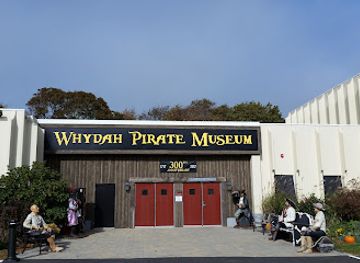
Whydah Pirate Museum
Discover the thrilling world of piracy at the Whydah Pirate Museum in West Yarmouth, where history and adventure come to life through real artifacts and interactive exhibits.


Best landmarks in Cape Cod
The Pilgrim Monument in Provincetown is Cape Cod's most conspicuous historic structure, commemorating the Mayflower's arrival in Provincetown Harbour and the signing of the Mayflower Compact. The Cape Cod Canal and its bridges form a major engineered landmark at the peninsula's western entrance, while the canal's towpaths provide a close view of passing vessels. Chatham Lighthouse, Nauset Light in Eastham and Highland Light in Truro represent the navigational heritage of a coastline long associated with storms and shipwrecks; Nauset Light is also one of the Cape's most recognisable symbols. The Old King's Highway, broadly following Route 6A through Sandwich, Barnstable, Yarmouth and Dennis, links historic villages, old houses and churchyards rather than a single monument. At the outer edge, the Atlantic dunes of Race Point, Province Lands and the National Seashore are geographical landmarks as much as scenic places. Heritage structures such as the Sandwich Glass Museum's historic setting, the Captain Bangs Hallet House in Barnstable and the restored windmills found in several towns add architectural scale to the Cape's maritime landscape.
-
Museum
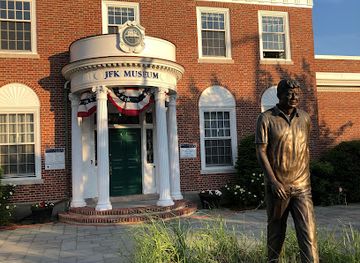
John F. Kennedy Hyannis Museum
Discover the rich history of John F. Kennedy at the Hyannis Museum, where his legacy comes to life through engaging exhibits and personal artifacts.
-
Park
Veterans Memorial Park
Explore Veterans Memorial Park in Hyannis, a serene tribute to military heroes, blending beautiful landscapes with rich history and solemn remembrance.
-
Park
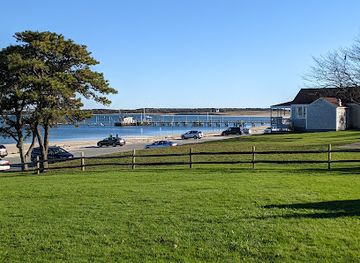
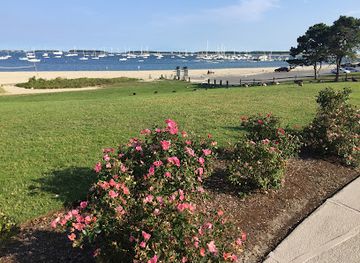
Veterans Park Beach
Experience the beauty and tranquility of Veterans Park Beach in Hyannis, Massachusetts, a perfect family-friendly destination on Cape Cod.
-
Candy store
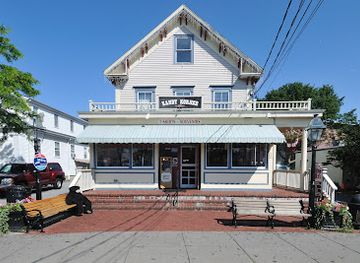
Kandy Korner
Discover a whimsical experience at Kandy Korner, the sweetest candy store in Hyannis, offering delightful treats and unique gifts for all ages.
Explore Cape Cod on the map
Plan your trip on one map. See where the top cities, national parks and sights are, and book hotels and experiences in a few clicks.
Best hotels in Cape Cod
Best restaurants in Cape Cod
Cape Cod dining remains closely tied to the Atlantic, with oysters, clams, lobster, scallops and locally landed fish appearing in seafood shacks, harbour restaurants, polished dining rooms and traditional New England venues. Fried clams are strongly associated with the Cape's seaside food culture, while clam chowder, lobster rolls and fish sandwiches are widely available but belong to the broader coastal cuisine of New England rather than to Cape Cod alone. Wellfleet is particularly associated with oysters, and cranberry products reflect the wetlands and farms of the interior, especially around Harwich and the mid-Cape. Farmers' markets and farm stands add seasonal vegetables, berries, baked goods and local preserves. Provincetown offers the broadest concentration of restaurants, cafés and international influences, while small towns and villages favour seafood counters, breakfast cafés, pubs and informal family restaurants. Menus and opening patterns are highly seasonal, so advance planning is sensible in summer and choices may be more limited outside the main tourist period.
-
Brazilian
Brazilian Grill
Experience authentic Brazilian cuisine at Brazilian Grill in Hyannis with succulent meats and vibrant flavors in an inviting atmosphere.
-
Seafood
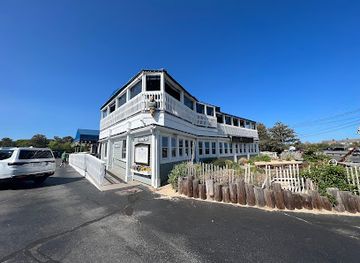
The Skipper Restaurant and Chowder House
Experience authentic New England seafood at The Skipper Restaurant and Chowder House in South Yarmouth - a true coastal culinary gem.
-
Irish
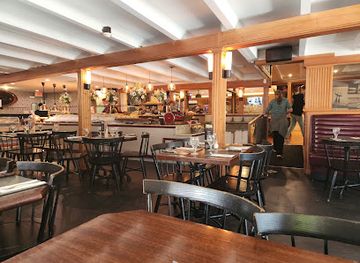
Keltic Kitchen
Experience authentic Irish cuisine at Keltic Kitchen in West Yarmouth - where every breakfast feels like a warm hug.
-
Seafood
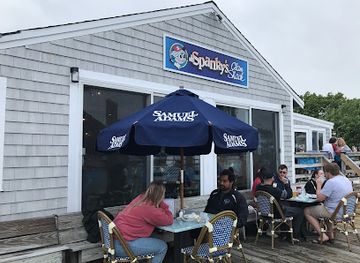
Spanky's Clam Shack and Seaside Saloon
Discover delicious seafood delights at Spanky's Clam Shack and Seaside Saloon in Hyannis – your ultimate destination for coastal cuisine.

Best bars in Cape Cod
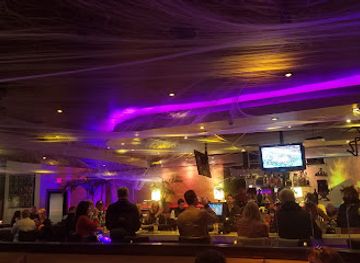
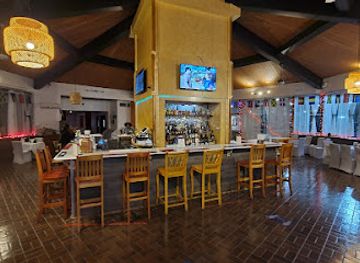
Cape Cod's evening life is diverse but generally low-key outside the busiest summer centres. Provincetown has the most concentrated nightlife, with bars, cabaret, live performances, dance venues and LGBTQ+ establishments along and near Commercial Street. Hyannis provides a broader mix of pubs, restaurants, live music and late-evening venues, while Falmouth, Chatham, Wellfleet and other larger villages offer cocktail bars, breweries, wine-focused venues and seasonal entertainment. Across the peninsula, traditional pubs and historic inns remain important social spaces, often serving food and local or regional beer rather than operating as nightclubs. Summer brings outdoor music and fuller calendars, but schedules and opening patterns change considerably by season. In smaller coastal and rural communities, evening activity often centres on dinner, a harbour walk, theatre, cinema or a local performance, making it wise to check current arrangements rather than expect a late-night scene in every town.
-
Bar
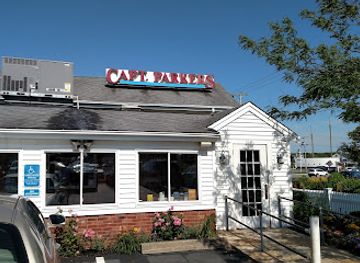
Captain Parker's Pub
Experience authentic New England cuisine at Captain Parker's Pub, a top seafood and pub destination in West Yarmouth, Massachusetts.
-
Seafood
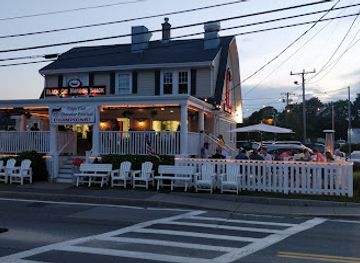
Black Cat Tavern
Experience the best seafood and American classics at Black Cat Tavern in Hyannis, where coastal charm meets culinary excellence.
-
Chatham Bars Inn
Discover the luxurious Chatham Bars Inn, a premier resort hotel on Cape Cod, offering breathtaking ocean views, fine dining, and endless outdoor adventures.
-
Bar
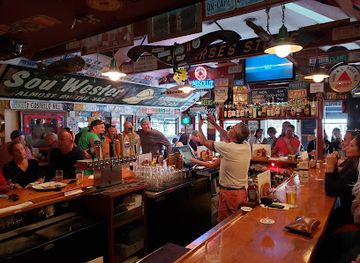
Chatham Squire
Experience the heart of Chatham at Chatham Squire, where delightful cuisine meets vibrant entertainment in a cozy setting.

Best nightclubs in Cape Cod
Cape Cod's evening life is diverse but generally low-key outside the busiest summer centres. Provincetown has the most concentrated nightlife, with bars, cabaret, live performances, dance venues and LGBTQ+ establishments along and near Commercial Street. Hyannis provides a broader mix of pubs, restaurants, live music and late-evening venues, while Falmouth, Chatham, Wellfleet and other larger villages offer cocktail bars, breweries, wine-focused venues and seasonal entertainment. Across the peninsula, traditional pubs and historic inns remain important social spaces, often serving food and local or regional beer rather than operating as nightclubs. Summer brings outdoor music and fuller calendars, but schedules and opening patterns change considerably by season. In smaller coastal and rural communities, evening activity often centres on dinner, a harbour walk, theatre, cinema or a local performance, making it wise to check current arrangements rather than expect a late-night scene in every town.
-
American
DJ's Family Sports Pub
Experience the best of American comfort food and sports at DJ's Family Sports Pub in Hyannis, a family-friendly restaurant loved by locals and tourists alike.
-
American
emBargo
Experience the vibrant flavors and nightlife at emBargo, the premier American restaurant and cocktail bar in Hyannis, Massachusetts.
-
Bar
Aqua Bar
Experience the best cocktails and stunning waterfront views at Aqua Bar in Provincetown, a must-visit for every traveler.
-
Bar
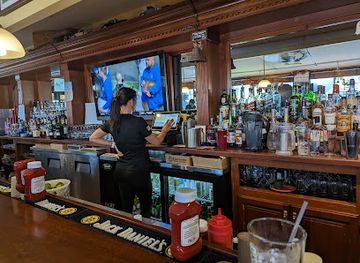
The Karibbean Lounge
Experience the vibrant flavors and tropical ambiance of The Karibbean Lounge, a premier Caribbean restaurant and tiki bar in Hyannis, MA.

Best shops in Cape Cod
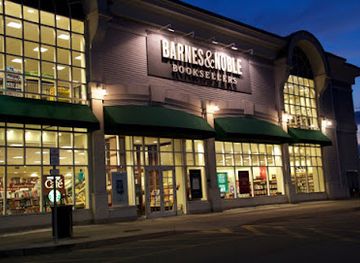
Shopping on Cape Cod is organised around village high streets, harbours, seasonal markets, galleries and independent food producers rather than large urban retail districts. Provincetown's Commercial Street is the most distinctive browsing area, with art galleries, studios, books, clothing, homewares and locally made gifts reflecting the town's artistic and LGBTQ+ communities. Falmouth, Chatham, Sandwich, Orleans and other established villages offer a mixture of independent shops, antiques, craft goods and practical seaside retail, while Hyannis has the region's broadest concentration of conventional shopping. Farm stands and farmers' markets sell cranberries, preserves, baked goods, seafood and seasonal produce; availability varies by town and time of year. Pottery, paintings, photography, jewellery and nautical objects are common locally made purchases, but visitors should distinguish genuinely local work from generic coastal souvenirs. Summer has the fullest retail choice, whereas some independent businesses close or reduce hours in winter.
-
Shopping mall
Cape Cod Mall
Experience shopping bliss at Cape Cod Mall, the top retail destination in Hyannis, MA with diverse stores and family-friendly fun.
-
Gift shop
Kandy Korner
Discover the sweet side of Hyannis at Kandy Korner, your one-stop gift shop for candy, clothing, and unforgettable souvenirs.
-
Department store
T.J. Maxx
Explore unbeatable fashion finds and great deals at T.J. Maxx in Hyannis - a shopper's paradise offering stylish clothing and accessories for the whole family.
-
Gift shop
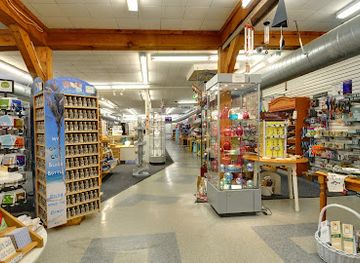
Old Country Store & Emporium
Explore the Old Country Store & Emporium in Buzzards Bay for unique antiques, handcrafted furniture, and delightful candies in a charming setting.


Get your free copy of our complete guide to Cape Cod, delivered straight to you.
Everything on this page, from attractions and restaurants to essentials and local phrases, in one PDF you can read offline, print or share.
Already have an account? Sign in
Your Cape Cod guide is ready.
We'll send it to · Not you? Sign out

Getting your guide ready…
We are putting together a fresh copy of the Cape Cod guide. This can take up to a minute.
This can take a few moments. If your browser asks, choose Allow so the download can start. You'll find the guide in your Downloads folder.
Nothing happened? Download it again
Sorry, the guide is taking longer than usual. Please try again in a minute, or get it by email instead.
Cape Cod essentials
Currency and Payment
Safety
Emergency Situations
Do's and Don'ts
Local Tips
From Eve
Local phrases worth knowing
You don't need to get them perfect. A few words go a long way, and locals appreciate the effort.
Basics
| English | Local | Say it |
|---|---|---|
| Hello | Hiya | [Hah-yah] |
| Goodbye | See ya | [See yah] |
| Yes | Yup | [Yup] |
| No | Nah | [Nah] |
| Please/You're welcome | Sure thing | [Shoor thing] |
| Thank you | Thanks | [Thangs] |
| Excuse me/Sorry | Pardon me | [Pardon mee] |
| How are you? | How's it going? | [Hows it goin'?] |
| Fine. And you? | Good. You? | [Good. You?] |
| Do you speak English? | You speakin' English? | [Yoo speakin' Inglish?] |
| I don't understand | I ain't gettin' it | [I ain't gettin' it] |
Eating & Drinking
| English | Local | Say it |
|---|---|---|
| I'd like to see the menu, please | Can I see the menu? | [Can I see th' menu?] |
| I don't eat meat | I'm not a meat eater | [I'm not a meat eeder] |
| Cheers! | Cheers! | [Cheers!] |
| I would like to pay, please | Can I get the check? | [Can I get th' check?] |
Emergencies
| English | Local | Say it |
|---|---|---|
| Help! | Help! | [Help!] |
| Go away! | Beat it! | [Beat it!] |
| Call the Police! | Call the cops! | [Call the cops!] |
| Call a doctor! | Get a doctor! | [Get a doctor!] |
| I'm lost | I'm all turned around | [I'm all turned 'round] |
| I'm ill | I'm not feelin' well | [I'm not feelin' well] |
Shopping
| English | Local | Say it |
|---|---|---|
| I'd like to buy... | I wanna buy... | [I wanna buy...] |
| I'm just looking | Just browsing | [Just browsin'] |
| How much is it? | What's the damage? | [What's th' damage?] |
| That's too expensive | That's pricey | [That's pricey] |
| Can you lower the price? | Can you knock it down? | [Can you knock it down?] |
Time & Numbers
| English | Local | Say it |
|---|---|---|
| What time is it? | What time ya got? | [What time ya got?] |
| It's one o'clock | It's one | [It's one] |
| Half past (10) | Half past ten | [Half past ten] |
| Morning | Mornin' | [Mornin'] |
| Afternoon | Afternoon | [Afternoon] |
| Evening | Evenin' | [Evenin'] |
| Yesterday | Yesterday | [Yesterday] |
| Today | Today | [Today] |
| Tomorrow | Tomorrow | [Tomorrow] |
| 1 | One | [One] |
| 2 | Two | [Two] |
| 3 | Three | [Three] |
| 4 | Four | [Four] |
| 5 | Five | [Five] |
| 6 | Six | [Six] |
| 7 | Seven | [Seven] |
| 8 | Eight | [Eight] |
| 9 | Nine | [Nine] |
| 10 | Ten | [Ten] |
Transport & Directions
| English | Local | Say it |
|---|---|---|
| Where's a/the ...? | Where's the ...? | [Where's th' ...?] |
| What's the address? | What’s the address? | [What’s th' address?] |
| Can you show me (on the map)? | Can ya show me on the map? | [Can ya show me on th' map?] |
| When's the next (bus)? | When's the next bus? | [When's th' next bus?] |
| A ticket (to ...) | A ticket to ... | [A ticket to ...] |
History of Cape Cod
Wampanoag Homelands and Early Indigenous Settlement
Cape Cod lies within the traditional homeland of the Wampanoag people, who developed long-standing communities around the peninsula's ponds, estuaries, woodlands and coastal waters. Fishing, shellfishing, hunting and cultivation were adapted to a landscape shaped by tides and glacial soils. The Mashpee Wampanoag retain an important cultural and civic presence on Cape Cod, particularly around Mashpee and the wider south-eastern part of the peninsula. Indigenous history is not confined to the colonial period: it remains part of the region's present-day identity, interpretation and public life.
The Pilgrims at Provincetown, 1620
Before reaching Plymouth, the Mayflower anchored in Provincetown Harbour in November 1620. The passengers signed the Mayflower Compact there, an agreement that became an important early statement of self-government in English colonial America. The newcomers also encountered an inhabited landscape with established Wampanoag communities and resources. Provincetown's Pilgrim Monument and nearby historic sites commemorate this episode, although the larger story includes the consequences of colonisation, disease, dispossession and conflict for Indigenous peoples.
Colonial Towns, Maritime Trade and Agriculture
English settlement expanded across Cape Cod during the seventeenth and eighteenth centuries, establishing towns such as Sandwich, Barnstable, Yarmouth, Chatham and Falmouth. Poor sandy soils encouraged a mixed economy of fishing, shellfishing, small-scale farming, salt hay production, coastal trade and craft work. Harbours connected Cape communities with Boston, the Caribbean and other Atlantic ports. The Cape's surviving meetinghouses, town greens, cemeteries and early houses reflect the dispersed settlement pattern and the importance of local maritime commerce.
Whaling, Fishing and the Sea Economy
During the eighteenth and nineteenth centuries, Cape Cod men took part in the Atlantic whaling industry, while local vessels also pursued cod, mackerel and other fisheries. Sea captains, shipbuilders, pilots and coastal traders prospered in some communities, and maritime earnings shaped houses and civic institutions. The waters around the peninsula were also dangerous: shoals, storms and fog produced frequent wrecks, giving rise to lifesaving stations and a powerful tradition of coastal rescue. Chatham, Provincetown and other harbour towns preserve visible links to this seafaring economy.
The Cape Cod Canal and Modern Connections
The Cape Cod Canal opened in 1914, cutting across the western neck of the peninsula between Bourne and Sandwich and allowing vessels to avoid the long route around Provincetown. Its construction transformed local transport and established a major navigation corridor between Cape Cod Bay and Buzzards Bay. Railways and improved roads had already begun connecting the peninsula with mainland markets and visitors. The canal, bridges and former railway routes remain among the clearest physical signs of Cape Cod's transition from relatively isolated maritime communities to a connected regional destination.
Tourism, Conservation and the Modern Cape
Improved rail and road access brought increasing numbers of holidaymakers during the late nineteenth and twentieth centuries. Artists, writers and architects were drawn to the distinctive light and coastal scenery, while beaches and summer houses reshaped the economy of many towns. Concern about development and erosion helped lead to the creation of Cape Cod National Seashore in 1961, protecting a substantial stretch of the outer coast. Contemporary Cape Cod balances tourism, residential life, commercial fishing, environmental stewardship and the continuing cultural presence of the Wampanoag community.
Cape Cod in Photos
Browse through our photo collection highlighting the charm and character of the destination.
Neighbouring regions of Cape Cod
The closest regions to Cape Cod, if you have time for more than one.
-

-

-

-

-


Swipe for more regions
Explore more

Explore more of Massachusetts
Discover Massachusetts: A blend of rich history, stunning landscapes, and vibrant culture. From Boston's historic sites to Cape Cod's beaches, it's the heart of New England.
Explore Massachusetts