

Free Worcester Travel Guide & Mobile App
Plan your Worcester trip with Evendo. Get free guides to top attractions, restaurants, hotels, and bars. Web access or download the mobile app.


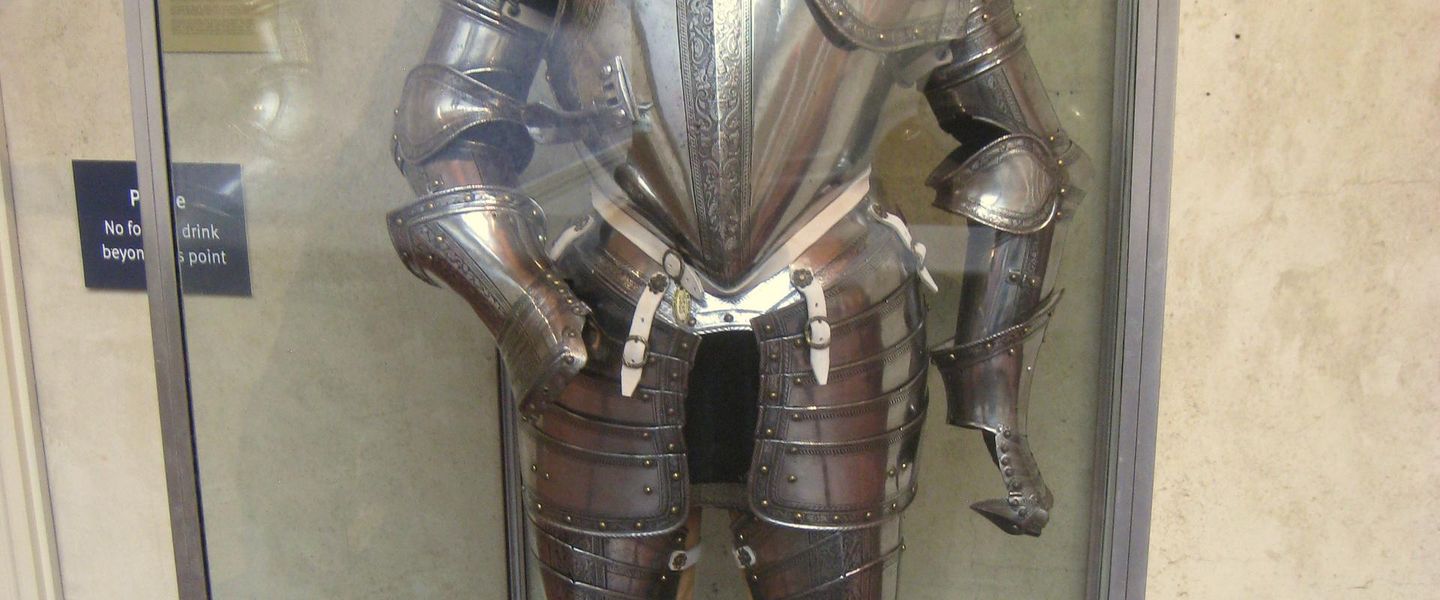


Worcester, Massachusetts blends industrial history, acclaimed museums, Elm Park, live arts and a diverse dining scene in central New England.
A City of Seven Hills
Worcester rises across central Massachusetts, roughly midway between Boston and Springfield, with a landscape of wooded slopes, reservoirs and older neighbourhoods shaped by industry. Known locally as the Heart of the Commonwealth, it is a substantial regional city whose identity extends beyond its historic mills. Downtown streets, college districts and residential avenues reflect successive waves of New England life, from early settlement and manufacturing to immigration, education and contemporary arts.Read more about Worcester
Museums, Music and Public Spaces
Neighbourhoods with Independent Spirit
When is the best time to visit Worcester?
Best: June, August–September · 22–26°C| Month | High (°C) | Rainfall (mm) |
|---|---|---|
| January | 1 | 82 |
| February | 3 | 78 |
| March | 8 | 92 |
| April | 15 | 92 |
| May | 20 | 94 |
| June (best) | 25 | 97 |
| July | 27 | 99 |
| August (best) | 26 | 100 |
| September (best) | 22 | 90 |
| October | 16 | 94 |
| November | 9 | 99 |
| December | 3 | 93 |
Getting to and around Worcester
How to get there
Transportation
Best attractions in Worcester
Worcester's principal attractions range from art and science to parks and performance spaces. The Worcester Art Museum presents an unusually broad collection, including ancient art, European painting and American works, while its setting near Institute Park makes the cultural quarter rewarding to explore on foot. At the EcoTarium, natural-history displays, live animals and outdoor exhibits introduce New England's environment through family-friendly science. Elm Park, among the country's oldest public parks, combines open lawns, mature trees and paths on the west side. Downtown brings together Worcester Common, City Hall and Union Station, and the Canal District offers a changing landscape of former industrial buildings, public events and independent businesses. For evening culture, Mechanics Hall and The Hanover Theatre provide music, performance and touring productions, while the DCU Center hosts major concerts, exhibitions and sporting events. Each attraction reveals a different aspect of the city's industrial, civic or cultural development.
-
Park
Elm Park
Explore Elm Park, a historic oasis in Worcester, MA, where nature, history, and community come together in a stunning landscape.
8 min walk · 0.7 km from city centre
-
Tourist attraction
Green Hill Park
Explore Green Hill Park, Worcester's expansive urban oasis with scenic trails, recreational activities, and peaceful ponds for a perfect day outdoors.
8 min drive · 2.7 km from city centre
-
Tourist attraction
EcoTarium
Explore the EcoTarium in Worcester, MA: a dynamic museum that celebrates science, nature, and hands-on learning for all ages.
10 min drive · 3.5 km from city centre
-
Tourist attraction
Worcester Art Museum
Experience the Worcester Art Museum, a vibrant cultural hub showcasing diverse art collections and programs in the heart of Massachusetts.
7 min walk · 0.6 km from city centre


Best landmarks in Worcester
Worcester's landmarks express its development from county town to industrial city. Mechanics Hall, completed in 1857, is a celebrated nineteenth-century concert and lecture hall whose auditorium remains an important part of the city's cultural identity. Worcester City Hall, built in the late nineteenth century in a Romanesque Revival style, and nearby Worcester Common form the centre of the civic landscape. Union Station represents the era when railways made Worcester a major inland junction, while the restored Hanover Theatre for the Performing Arts occupies a richly detailed historic theatre building downtown. Bancroft Tower, a stone memorial structure on Salisbury Street, adds a more romantic landmark to the city's hills. The Worcester Art Museum is significant not only for its collections but also for its architectural growth around a long-established cultural institution. Together these buildings document civic ambition, transport, art and public entertainment across several generations.
-
Auditorium
Palladium
Discover the vibrant atmosphere of The Palladium, Worcester's premier auditorium and live music venue, showcasing diverse performances all year round.
9 min walk · 0.7 km from city centre
-
Park
Elm Park
Immerse yourself in the natural beauty of Elm Park, Worcester's tranquil escape featuring lush landscapes, recreational activities, and vibrant community events.
8 min walk · 0.7 km from city centre
-
Park
Green Hill Park
Discover Green Hill Park, Worcester's ultimate destination for outdoor fun, family activities, and serene nature experiences.
8 min drive · 2.7 km from city centre
-
Science museum
EcoTarium
Discover the EcoTarium, where science and nature come alive for a fun-filled educational experience in Worcester, Massachusetts.
10 min drive · 3.5 km from city centre


Explore Worcester on the map
Plan your Worcester trip on one map. See where the top attractions, landmarks, restaurants, bars and hotels are, find what's near where you're staying, and book hotels and experiences in a few clicks.
Best hotels in Worcester
Best restaurants in Worcester
Worcester's dining scene reflects its history as an industrial city shaped by immigration, colleges and a large regional population. Shrewsbury Street is the best-known restaurant corridor, with long-established Italian-American traditions alongside newer Asian, Latin American and contemporary menus. The Canal District has brought cafés, breweries and restaurants into former warehouse and rail settings, while Worcester Public Market gathers food stalls and small vendors under one roof. Diners will find New England staples, pizza, sandwiches, seafood and bakeries as well as cuisines associated with the city's South Asian, Southeast Asian, Caribbean and Latin American communities. Coffee shops and casual eateries are prominent around downtown and the universities, and the city's food culture often favours generous, informal meals over elaborate ceremony. Local dining is most interesting when neighbourhood history and present-day migration are considered together, rather than reduced to a single regional speciality.
-
Hamburger
The Fix Burger Bar
Discover Worcester's culinary gem at The Fix Burger Bar, where gourmet burgers meet a vibrant atmosphere perfect for any foodie.
11 min walk · 0.9 km from city centre
-
Restaurant
The Boynton Restaurant & Spirits
Experience the best of American cuisine at The Boynton Restaurant & Spirits in Worcester - where great food meets great company.
1 min walk · 0.1 km from city centre
-
Seafood
The Sole Proprietor
Experience the freshest seafood in Worcester at The Sole Proprietor - where exceptional taste meets inviting ambiance.
1 min walk · 0.1 km from city centre
-
Restaurant
George's Coney Island
Experience the essence of American comfort food at George's Coney Island—home of delicious hot dogs in Worcester.
18 min walk · 1.5 km from city centre


Best bars in Worcester
Worcester's evening life is centred more on restaurants, live performance, college audiences and event nights than on a large club scene. The Canal District has bars, breweries and music-oriented venues in converted industrial surroundings, while Shrewsbury Street offers a concentration of places for a sociable meal followed by drinks. Downtown is strongest when Mechanics Hall, The Hanover Theatre or the DCU Center has a concert, performance, game or touring event, bringing audiences into the civic core after dark. The city also has smaller music, comedy and arts events connected with its colleges and independent cultural organisations. Evening activity varies considerably by venue and calendar, so quieter nights can feel distinctly different from a major performance or festival. Visitors should plan transport after events, particularly when returning to accommodation outside the central districts.
-
Irish
O'Connor's Restaurant & Bar
Discover the rich flavors of Ireland at O'Connor's Restaurant & Bar, a Worcester gem offering authentic cuisine and a vibrant atmosphere.
22 min drive · 7.4 km from city centre
-
Bar
Armsby Abbey
Experience the unique blend of craft beer and seasonal cuisine at Armsby Abbey, Worcester's premier bar and restaurant.
8 min walk · 0.6 km from city centre
-
Bar
Ralph's Diner
Discover Ralph's Diner: A lively Worcester hotspot for delicious food and electrifying live music, where every meal is a celebration.
12 min walk · 1.0 km from city centre
-
Grill
Funky Murphys
Discover the vibrant flavors and atmosphere at Funky Murphys, Worcester's top grill destination for food and fun.
7 min drive · 2.3 km from city centre


Best nightclubs in Worcester
Worcester's evening life is centred more on restaurants, live performance, college audiences and event nights than on a large club scene. The Canal District has bars, breweries and music-oriented venues in converted industrial surroundings, while Shrewsbury Street offers a concentration of places for a sociable meal followed by drinks. Downtown is strongest when Mechanics Hall, The Hanover Theatre or the DCU Center has a concert, performance, game or touring event, bringing audiences into the civic core after dark. The city also has smaller music, comedy and arts events connected with its colleges and independent cultural organisations. Evening activity varies considerably by venue and calendar, so quieter nights can feel distinctly different from a major performance or festival. Visitors should plan transport after events, particularly when returning to accommodation outside the central districts.
-
Night club
Whiskey On Water
Discover the excitement of Worcester's nightlife at Whiskey On Water, a premier bar and nightclub featuring great music and an extensive drink menu.
6 min drive · 1.9 km from city centre
-
Bar
Rascals
Discover the lively atmosphere of Rascals, Worcester's premier bar for drinks, entertainment, and unforgettable nightlife experiences.
17 min drive · 5.5 km from city centre
-
Night club
Cedar Box Lounge
Cedar Box Lounge: Your ultimate destination for nightlife in Worcester, MA, with karaoke, hookah, and a vibrant atmosphere.
8 min drive · 2.5 km from city centre
-
Bar
The Cosmopolitan Club
Discover the vibrant nightlife at The Cosmopolitan Club in Worcester, a lively bar with great drinks and live entertainment.
8 min drive · 2.8 km from city centre


Best shops in Worcester
Shopping in Worcester is a mixture of independent retail, food businesses, practical city-centre stores and creative enterprises in reused industrial buildings. Crompton Collective in the Canal District brings together vintage goods, antiques, homeware, art and work from small makers, giving the former mill area a distinctly local retail character. Worcester Public Market is more focused on food and drink, with vendors offering prepared dishes, specialist products and ingredients suited to an informal browse. Downtown Main Street has a changing mix of independent businesses and services, while Shrewsbury Street is known primarily for dining but also provides specialist food shopping. Visitors looking for souvenirs may find locally made art, books, vintage objects and regional edible products more representative than generic merchandise. Retail availability shifts over time, particularly in smaller independent premises, so the city's shopping is best approached as a collection of districts rather than one continuous high street.
-
Comic book store
That's Entertainment
Explore a vibrant world of comics, games, and collectibles at That's Entertainment in Worcester, Massachusetts.
13 min walk · 1.1 km from city centre
-
Shopping mall
The Worcester Fair
Discover a shopping haven at The Worcester Fair in Massachusetts, where retail, dining, and entertainment come together for an unforgettable experience.
19 min drive · 6.4 km from city centre
-
Department store
Kohl's
Explore unbeatable deals and a vast selection at Kohl's department store in Worcester, Massachusetts – your ultimate shopping destination!
12 min drive · 4.1 km from city centre
-
Gift shop
Crompton Collective
Explore Crompton Collective in Worcester, MA for unique antiques, vintage clothing, and unforgettable collectibles in a vibrant shopping atmosphere.
5 min drive · 1.8 km from city centre


Get your free copy of our complete guide to Worcester, delivered straight to you.
Everything on this page, from attractions and restaurants to essentials and local phrases, in one PDF you can read offline, print or share.
Already have an account? Sign in
Your Worcester guide is ready.
We'll send it to · Not you? Sign out

Getting your guide ready…
We are putting together a fresh copy of the Worcester guide. This can take up to a minute.
This can take a few moments. If your browser asks, choose Allow so the download can start. You'll find the guide in your Downloads folder.
Nothing happened? Download it again
Sorry, the guide is taking longer than usual. Please try again in a minute, or get it by email instead.
Worcester essentials
Currency and Payment
Safety
Emergency Situations
Do's and Don'ts
Local Tips
From Eve
Local phrases worth knowing
You don't need to get them perfect. A few words go a long way, and locals appreciate the effort.
Basics
| English | Local | Say it |
|---|---|---|
| Hello | Hi | [haɪ] |
| Goodbye | Bye | [baɪ] |
| Yes | Yeah | [jɛ] |
| No | Nah | [nɑ] |
| Please/You're welcome | Please/No problem | [pliːz/no ˈprɑ.bləm] |
| Thank you | Thanks | [θæŋks] |
| Excuse me/Sorry | Excuse me/My bad | [ɪkˈskjuz mi/maɪ bæd] |
| How are you? | How are you? | [haʊ ɑr juː] |
| Fine. And you? | Good. And you? | [ɡʊd. ænd juː] |
| Do you speak English? | Do you speak English? | [du juː spiːk ˈɪŋɡlɪʃ] |
| I don't understand | I don't get it | [aɪ doʊnt ˈʌndərˌstænd] |
Eating & Drinking
| English | Local | Say it |
|---|---|---|
| I'd like to see the menu, please | Can I see the menu, please | [kæn aɪ siː ðə ˈmɛnjuː pliːz] |
| I don't eat meat | I don't eat meat | [aɪ doʊnt it mit] |
| Cheers! | Cheers! | [ʧɪrz] |
| I would like to pay, please | I would like to pay, please | [aɪ wʊd laɪk tu peɪ pliːz] |
Emergencies
| English | Local | Say it |
|---|---|---|
| Help! | Help! | [hɛlp] |
| Go away! | Get out! | [ɡɛt aʊt] |
| Call the Police! | Call the cops! | [kɔl ðə kɑps] |
| Call a doctor! | Call a doc! | [kɔl ə dɑk] |
| I'm lost | I'm lost | [aɪm lɔst] |
| I'm ill | I'm sick | [aɪm sɪk] |
Shopping
| English | Local | Say it |
|---|---|---|
| I'd like to buy... | I wanna buy... | [aɪ ˈwɑnə baɪ] |
| I'm just looking | I'm just looking | [aɪm ˈdʒʌst ˈlʊkɪŋ] |
| How much is it? | How much does it cost? | [haʊ mʌt ˈdʌz ɪt kɑst] |
| That's too expensive | That's way too pricey | [ðæts weɪ tuː ˈpraɪsi] |
| Can you lower the price? | Can you drop the price? | [kæn juː drɑp ðə praɪs] |
Time & Numbers
| English | Local | Say it |
|---|---|---|
| What time is it? | What's the time? | [wɑts ðə taɪm] |
| It's one o'clock | It's one o'clock | [ɪts wʌn əˈklɑk] |
| Half past (10) | Half past ten | [hæf pæst tɛn] |
| Morning | Morning | [ˈmɔrnɪŋ] |
| Afternoon | Afternoon | [ˌæftərˈnun] |
| Evening | Evening | [ˈivnɪŋ] |
| Yesterday | Yesterday | [ˈjɛstərˌdeɪ] |
| Today | Today | [təˈdeɪ] |
| Tomorrow | Tomorrow | [təˈmɑroʊ] |
| 1 | One | [wʌn] |
| 2 | Two | [tuː] |
| 3 | Three | [θriː] |
| 4 | Four | [fɔr] |
| 5 | Five | [faɪv] |
| 6 | Six | [sɪks] |
| 7 | Seven | [ˈsɛvən] |
| 8 | Eight | [eɪt] |
| 9 | Nine | [naɪn] |
| 10 | Ten | [tɛn] |
Transport & Directions
| English | Local | Say it |
|---|---|---|
| Where's a/the...? | Where's the...? | [wɛərz ðə] |
| What's the address? | What's the address? | [wɑts ðə ˈæˌdrɛs] |
| Can you show me (on the map)? | Can you show me (on the map)? | [kæn juː ʃoʊ miː (ɒn ðə mæp)] |
| When's the next (bus)? | When's the next (bus)? | [wɛnz ðə nɛkst (bʌs)] |
| A ticket (to ....) | A ticket (to ....) | [ə ˈtɪkɪt (tu ....)] |
History of Worcester
Nipmuc Homeland and Colonial Settlement
The Worcester area lies within the traditional homeland of the Nipmuc, an Indigenous people whose communities and seasonal movements long predated English settlement. Colonial expansion accelerated in the early eighteenth century, and Worcester was incorporated as a town in 1722. Its position among inland waterways and overland routes helped it develop as a service and trading centre between eastern and western Massachusetts. The colonial town occupied a landscape of hills, farms and ponds rather than the dense urban form visible today. Worcester's early history was therefore shaped by both Indigenous displacement and the wider process of English settlement, land division and agricultural development in central New England.
Revolutionary Politics and Civic Growth
Worcester became an important centre of revolutionary politics before the American War of Independence. Meetings and public debate in the town reflected growing opposition to British taxation and imperial authority, while local participation connected Worcester to the wider Massachusetts movement. Following independence, the community expanded as a county seat and administrative centre. Worcester County was established in 1731, strengthening the town's legal and civic importance. Roads improved and commercial activity grew, allowing Worcester to serve farms and smaller settlements across the interior. The town's later urban development rested on this combination of county institutions, transport connections and a growing population.
Canals, Railways and Industrialisation
Nineteenth-century transport transformed Worcester from a market town into an industrial city. The Blackstone Canal, opened in 1828, linked Worcester with Providence, although the canal's commercial importance was soon overtaken by railways. Rail connections made the city a major inland junction and attracted factories producing wire, machinery, textiles, shoes and other manufactured goods. Water power from local rivers and ponds supported early mills, while later steam and electrical systems allowed industry to spread. Worcester was incorporated as a city in 1848, and its streets filled with substantial commercial, civic and residential buildings that expressed the confidence of a rapidly industrialising New England centre.
Immigration and the Industrial City
Industrial expansion drew workers from Ireland, French Canada, Sweden, Italy, Poland and many other communities, creating the ethnic and religious diversity that remains central to Worcester's identity. Neighbourhoods developed around factories, churches, mutual-aid organisations and commercial streets, while newspapers and social clubs served different language communities. The city's manufacturing economy also generated labour activism and debates about working conditions, wages and political representation. Brick mills, churches and densely built worker districts preserve traces of this period, even where production has ended. Worcester's social history is therefore inseparable from the people who arrived to work in its factories and reshaped its civic culture.
Civic Institutions and Cultural Ambition
As Worcester prospered, its leaders and residents invested in institutions intended to give the industrial city an enduring cultural and educational life. Mechanics Hall opened in 1857 and became a major venue for concerts, lectures and public gatherings. The Worcester Art Museum was founded in 1898, reflecting the period's interest in collecting, education and civic improvement. Elm Park, developed from land acquired by the city in the nineteenth century, provided public recreation amid urban growth. Colleges, libraries, hospitals and imposing municipal buildings added further layers to the city, helping Worcester develop a reputation as a centre of learning and the arts as well as manufacturing.
Modernisation and Urban Renewal
Twentieth-century manufacturing decline brought factory closures, population shifts and difficult decisions about the future of the older industrial city. New highways and redevelopment altered downtown and displaced some historic urban fabric, while institutions such as its museums, colleges and hospitals continued to anchor the economy. In recent decades, former industrial areas including the Canal District have seen new housing, restaurants, creative enterprises and public events. This renewal has not erased Worcester's manufacturing past; instead, mills, rail infrastructure and civic buildings have become part of a layered urban landscape. Today's city combines an expanding cultural life with the continuing challenges of post-industrial reinvention.
Worcester in Photos
Browse through our photo collection highlighting the charm and character of the destination.
Cities near Worcester
The closest cities to Worcester, if you have time for more than one stop.
-
-
-

-
-


Swipe for more cities
Explore more

Explore more of Massachusetts
Discover Massachusetts: A blend of rich history, stunning landscapes, and vibrant culture. From Boston's historic sites to Cape Cod's beaches, it's the heart of New England.
Explore Massachusetts