

Free Boston Travel Guide & Mobile App
Plan your Boston trip with Evendo. Get free guides to top attractions, restaurants, hotels, and bars. Web access or download the mobile app.


Boston blends Revolutionary history, harbour walks, world-class museums, brownstone streets and lively neighbourhoods into a richly rewarding American city break.
Revolutionary Streets and Atlantic Character
Boston occupies a compact stretch of Massachusetts coastline where the Charles River meets Boston Harbor, combining the atmosphere of an old port with the energy of a major university and cultural centre. Its historic core is shaped by the events that helped create the United States: the Old State House, Faneuil Hall, Paul Revere House and Old North Church all stand within districts where colonial streets, brick meetinghouses and later Victorian buildings reveal successive layers of the city’s development. The Freedom Trail links many of these sites on foot, while Beacon Hill’s gas-lit lanes and Federal-style houses offer a more intimate view of Boston’s architectural heritage.Read more about Boston
Neighbourhoods with Distinctive Identities
When is the best time to visit Boston?
Best: June, August–September · 23–28°C| Month | High (°C) | Rainfall (mm) |
|---|---|---|
| January | 2 | 78 |
| February | 3 | 74 |
| March | 7 | 90 |
| April | 14 | 89 |
| May | 19 | 89 |
| June (best) | 25 | 87 |
| July | 28 | 88 |
| August (best) | 28 | 88 |
| September (best) | 23 | 87 |
| October | 18 | 88 |
| November | 11 | 89 |
| December | 4 | 85 |
Getting to and around Boston
How to get there
Transportation
Best attractions in Boston
Boston’s principal attractions trace the city’s political, artistic and maritime identities. The Freedom Trail links sites including the Massachusetts State House, Old State House, Paul Revere House and Old North Church, turning a walk through downtown and the North End into a readable account of the American Revolution. Boston Common and the Public Garden provide landscaped space at the centre of the city, with the swan boats operating seasonally on the Garden lagoon. The Museum of Fine Arts ranges from ancient objects to modern art, while the Isabella Stewart Gardner Museum presents its collection within a Venetian-inspired setting. Along the harbour, the New England Aquarium and Boston Harborwalk offer marine displays and open water views. Fenway Park provides a vivid connection with Boston’s baseball culture, and the USS Constitution in Charlestown brings naval history to life beside the Charlestown Navy Yard.
-
Stadium
Fenway Park
Explore Fenway Park, the historic home of the Boston Red Sox, where baseball legends and unforgettable moments come to life in a vibrant atmosphere.
10 min drive · 3.5 km from city centre
-
Tourist attraction
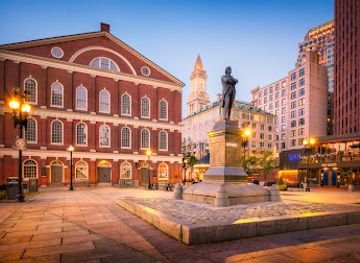
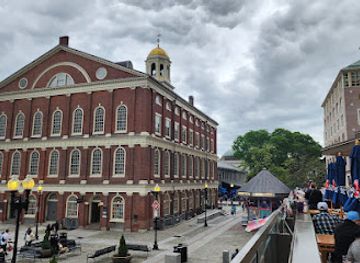
Faneuil Hall Marketplace
Discover the essence of Boston at Faneuil Hall Marketplace, a historic destination for shopping, dining, and entertainment in the heart of the city.
4 min walk · 0.3 km from city centre
-
Tourist attraction
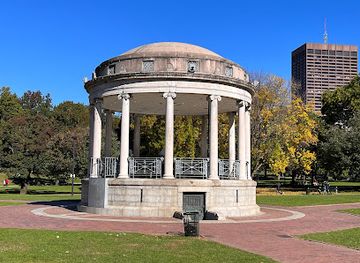
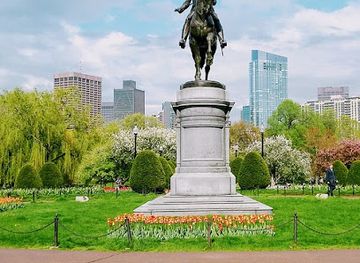
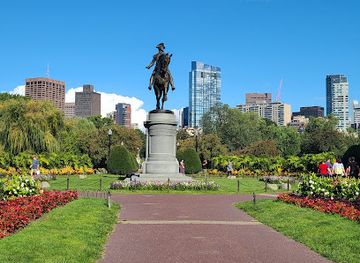
Boston Common
Discover the historic beauty and vibrant atmosphere of Boston Common, the heart of Boston's urban landscape and a must-visit for all tourists.
10 min walk · 0.8 km from city centre
-
Tourist attraction
Boston Common
Discover Boston Common, America's oldest public park, where history, nature, and community converge in the heart of Boston.
10 min walk · 0.8 km from city centre


Best landmarks in Boston
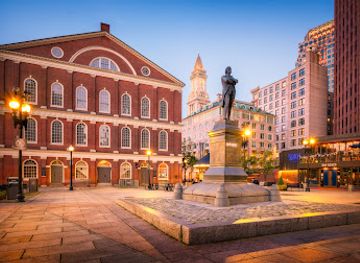
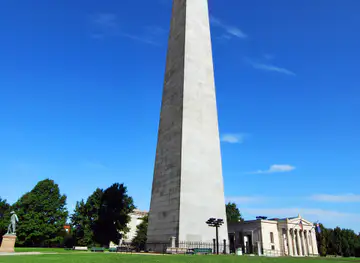
Boston’s landmarks concentrate the city’s political, religious and architectural history. The Massachusetts State House crowns Beacon Hill with its gilded dome, while the red-brick Old State House marks the former centre of colonial government and stands close to the site associated with the Boston Massacre. Faneuil Hall has served as a marketplace and public meeting place since the eighteenth century, and Old North Church remains a significant example of colonial religious architecture. In the North End, Paul Revere House preserves one of the city’s oldest surviving dwellings. Trinity Church and the Boston Public Library define Copley Square with contrasting Romanesque and historicist forms, while the brownstone terraces of Back Bay express the ambitions of nineteenth-century urban expansion. Across the Charles River, the Bunker Hill Monument commemorates a major Revolutionary War battle, and the USS Constitution represents the city’s enduring naval connection.
-
Stadium
Fenway Park
Discover the historic Fenway Park, home to the Boston Red Sox, and immerse yourself in America's favorite pastime in a vibrant and iconic setting.
10 min drive · 3.5 km from city centre
-
Shopping mall
Faneuil Hall Marketplace
Experience the charm of Faneuil Hall Marketplace, where shopping, dining, and history come together in the heart of Boston.
4 min walk · 0.3 km from city centre
-
City park
Boston Common
Discover Boston Common, the historic park that blends natural beauty with rich history, right in the heart of Boston.
10 min walk · 0.8 km from city centre
Explore Boston on the map
Plan your Boston trip on one map. See where the top attractions, landmarks, restaurants, bars and hotels are, find what's near where you're staying, and book hotels and experiences in a few clicks.
Neighbourhoods in Boston
-

-

-
-

-


Swipe for more neighbourhoods
Best hotels in Boston
Best restaurants in Boston
Boston’s food culture reflects its Atlantic setting, immigrant communities and long history as a trading port. New England staples include clam chowder, lobster, oysters, fried clams, baked beans and brown bread, while the wider region’s seafood appears in both traditional dining rooms and contemporary restaurants. The North End is known for Italian-American restaurants, espresso bars, pastry shops and dishes such as cannoli, while Chinatown offers Cantonese, Sichuan, Taiwanese and other Asian cuisines. Restaurants and food businesses cluster around Downtown Crossing, the South End, Back Bay, Seaport and Cambridge, with the South End particularly associated with independent dining and modern American cooking. Quincy Market is a busy historic food hall near Faneuil Hall, whereas neighbourhood markets and bakeries provide a less formal way to encounter everyday local tastes. Seasonal produce, craft beer and New England cheeses also feature strongly.
-
Seafood
Union Oyster House
Experience Boston's rich culinary history at Union Oyster House - America's oldest continuously operating restaurant serving fresh seafood delights.
3 min walk · 0.2 km from city centre
-
New England
Bostonia Public House
Experience New England's finest cuisine at Bostonia Public House - where delicious food meets vibrant atmosphere in downtown Boston.
5 min walk · 0.4 km from city centre
-
New American
Yvonne's
Experience the vibrant flavors of New American cuisine at Yvonne's in Boston - where culinary innovation meets stylish ambiance.
7 min walk · 0.5 km from city centre
-
American
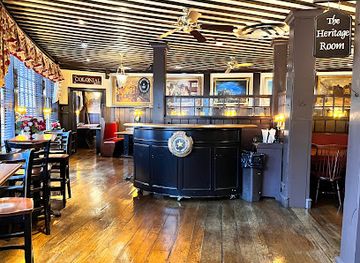
Bell in Hand
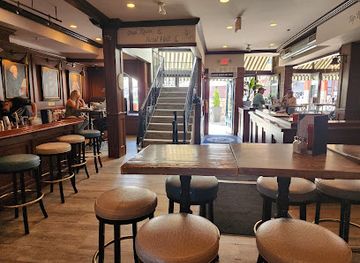
America's oldest tavern since 1795: historic Boston pub pours cold beers, New England seafood, and pub classics in a lively, timber-beamed haven open till 2am daily.
3 min walk · 0.2 km from city centre
Best bars in Boston
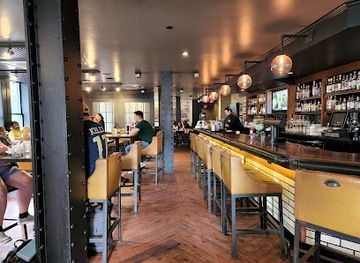
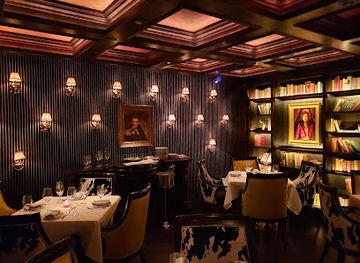
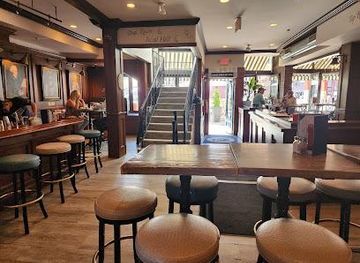
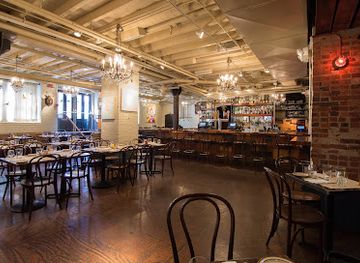
Boston’s evening life ranges from historic pubs and student-oriented bars to cocktail lounges, music venues and theatre. Faneuil Hall and the surrounding waterfront attract visitors to pubs and large bars, while the South End, Back Bay and Fenway offer a broader mix of restaurants with evening drinks, wine bars and live entertainment. Cambridge’s Harvard Square and Central Square have long supported smaller venues, independent music and late-night social activity. The city has strong traditions of Irish-style pubs, jazz and rock, with established performance venues such as the House of Blues, Paradise Rock Club and the Berklee Performance Center contributing to its music scene. Theatre productions, concerts and comedy provide alternatives to nightlife centred on alcohol. Massachusetts law regulates alcohol service, and many venues require government-issued identification, so evening plans should allow for venue-specific entry rules.
-
Irish pub
The Black Rose
Experience the warmth of Irish hospitality at The Black Rose, Boston's beloved Irish pub offering authentic cuisine and a lively atmosphere.
5 min walk · 0.4 km from city centre
-
Bar
The Bell In Hand Tavern
Explore Boston's vibrant nightlife at The Bell In Hand Tavern, a historic bar offering delicious food, craft drinks, and live music in the heart of the city.
3 min walk · 0.2 km from city centre
-
American
Beehive Restaurant
Experience the vibrant fusion of American cuisine and live jazz at The Beehive in Boston's South End.
6 min drive · 2.0 km from city centre
-
Spanish
Barcelona Wine Bar
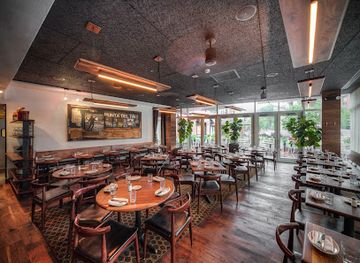
Discover the vibrant flavors of Spain at Barcelona Wine Bar in Boston's South End, featuring authentic tapas and an extensive selection of wines.
6 min drive · 2.0 km from city centre
Best nightclubs in Boston
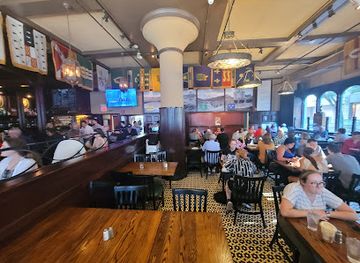
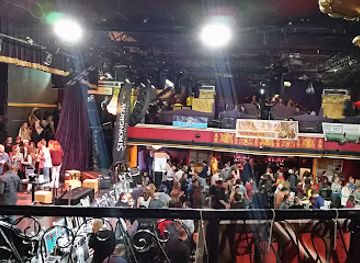
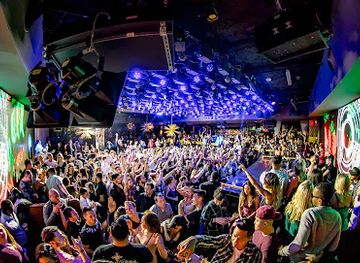
Boston’s evening life ranges from historic pubs and student-oriented bars to cocktail lounges, music venues and theatre. Faneuil Hall and the surrounding waterfront attract visitors to pubs and large bars, while the South End, Back Bay and Fenway offer a broader mix of restaurants with evening drinks, wine bars and live entertainment. Cambridge’s Harvard Square and Central Square have long supported smaller venues, independent music and late-night social activity. The city has strong traditions of Irish-style pubs, jazz and rock, with established performance venues such as the House of Blues, Paradise Rock Club and the Berklee Performance Center contributing to its music scene. Theatre productions, concerts and comedy provide alternatives to nightlife centred on alcohol. Massachusetts law regulates alcohol service, and many venues require government-issued identification, so evening plans should allow for venue-specific entry rules.
-
Night club
Royale
Discover the pulsating nightlife at Royale, Boston’s ultimate night club, featuring live music and a stylish lounge atmosphere for an unforgettable night.
16 min walk · 1.2 km from city centre
-
Night club
The Grand Boston
Discover the vibrant nightlife at The Grand Boston, where stylish design meets electrifying entertainment in the heart of the city.
15 min walk · 1.2 km from city centre
-
Night club
Bijou Nightclub
Experience the electrifying nightlife at Bijou Nightclub in Boston, where music, dancing, and style come together for an unforgettable night.
14 min walk · 1.1 km from city centre
-
Night club
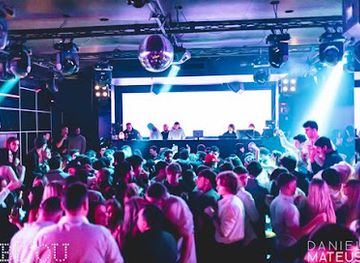
Venu Nightclub
Experience Boston's vibrant nightlife at Venu Nightclub, featuring top DJs, exquisite cocktails, and a lively atmosphere for unforgettable nights out.
15 min walk · 1.2 km from city centre

Best shops in Boston
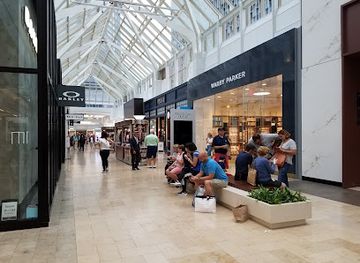
Boston shopping combines historic market buildings, established commercial streets, independent boutiques and neighbourhood retail. Newbury Street in Back Bay is known for galleries, clothing shops, cafés and design-led businesses in nineteenth-century brownstones, while nearby Boylston Street and Copley Place provide larger-scale retail. Downtown Crossing has department stores, chain shops and everyday shopping, and the Prudential Center adds a major indoor complex. Quincy Market and the surrounding Faneuil Hall area sell food, gifts and Boston-themed souvenirs, though the atmosphere is primarily visitor-oriented. The South End and Beacon Hill are better suited to browsing smaller design, book, homeware and speciality shops. Typical purchases include New England food products, local beer, maritime-themed goods, sports merchandise and locally made crafts; visitors should distinguish regional products from generic souvenirs marketed as Boston memorabilia.
-
Shopping mall
Faneuil Hall Marketplace
Discover the heart of Boston at Faneuil Hall Marketplace, a lively shopping destination brimming with unique shops, diverse dining options, and rich history.
4 min walk · 0.3 km from city centre
-
Shopping mall
Prudential Center
Explore the Prudential Center in Boston: A shopping haven with dining, stunning views, and vibrant events in the heart of the city.
7 min drive · 2.4 km from city centre
-
Market
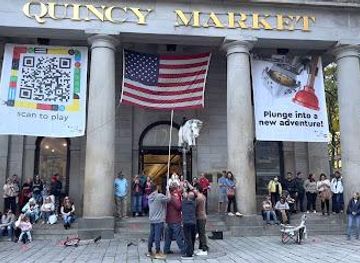
Quincy Market
Experience the heart of Boston at Quincy Market, a historic marketplace filled with diverse culinary delights and vibrant local culture.
4 min walk · 0.3 km from city centre
-
Outlet mall
Assembly Row
Experience shopping and dining like never before at Assembly Row, a lively outlet mall in Somerville, Massachusetts, perfect for every traveler.
12 min drive · 4.1 km from city centre
Get your free copy of our complete guide to Boston, delivered straight to you.
Everything on this page, from attractions and restaurants to essentials and local phrases, in one PDF you can read offline, print or share.
Already have an account? Sign in
Your Boston guide is ready.
We'll send it to · Not you? Sign out

Getting your guide ready…
We are putting together a fresh copy of the Boston guide. This can take up to a minute.
This can take a few moments. If your browser asks, choose Allow so the download can start. You'll find the guide in your Downloads folder.
Nothing happened? Download it again
Sorry, the guide is taking longer than usual. Please try again in a minute, or get it by email instead.
Boston essentials
Currency and Payment
Safety
Emergency Situations
Do's and Don'ts
Local Tips
From Eve
Local phrases worth knowing
You don't need to get them perfect. A few words go a long way, and locals appreciate the effort.
Basics
| English | Local | Say it |
|---|---|---|
| Hello | Hey there | [Hey there] |
| Goodbye | See ya | [See ya] |
| Yes | Yeah | [Yeah] |
| No | Nah | [Nah] |
| Please/You're welcome | Please/You're welcome | [Please/You're welcome] |
| Thank you | Thanks | [Thanks] |
| Excuse me/Sorry | Pardon me/My bad | [Pardon me/My bad] |
| How are you? | How you doin'? | [How you doin'?] |
| Fine. And you? | Good. You? | [Good. You?] |
| Do you speak English? | Ya speak English? | [Ya speak English?] |
| I don't understand | I don't get it | [I don't get it] |
Eating & Drinking
| English | Local | Say it |
|---|---|---|
| I'd like to see the menu, please | Can I check out the menu? | [Can I check out the menu?] |
| I don't eat meat | I don't do meat | [I don't do meat] |
| Cheers! | Cheers! | [Cheers!] |
| I would like to pay, please | I wanna settle up, please | [I wanna settle up, please] |
Emergencies
| English | Local | Say it |
|---|---|---|
| Help! | Help! | [Help!] |
| Go away! | Get lost! | [Get lost!] |
| Call the Police! | Call the cops! | [Call the cops!] |
| Call a doctor! | Get a doc! | [Get a doc!] |
| I'm lost | I'm all turned around | [I'm all turned around] |
| I'm ill | I'm sick | [I'm sick] |
Shopping
| English | Local | Say it |
|---|---|---|
| I'd like to buy... | I wanna buy... | [I wanna buy...] |
| I'm just looking | Just browsing | [Just browsing] |
| How much is it? | How much? | [How much?] |
| That's too expensive | Too pricey | [Too pricey] |
| Can you lower the price? | Can you do better? | [Can you do better?] |
Time & Numbers
| English | Local | Say it |
|---|---|---|
| What time is it? | What's the time? | [What's the time?] |
| It's one o'clock | It's one | [It's one] |
| Half past (10) | Half past ten | [Half past ten] |
| Morning | Mornin' | [Mornin'] |
| Afternoon | Afternoon | [Afternoon] |
| Evening | Evenin' | [Evenin'] |
| Yesterday | Yestuhday | [Yestuhday] |
| Today | Today | [Today] |
| Tomorrow | Tomorruh | [Tomorruh] |
| 1 | One | [One] |
| 2 | Two | [Two] |
| 3 | Three | [Three] |
| 4 | Four | [Four] |
| 5 | Five | [Five] |
| 6 | Six | [Six] |
| 7 | Seven | [Seven] |
| 8 | Eight | [Eight] |
| 9 | Nine | [Nine] |
| 10 | Ten | [Ten] |
Transport & Directions
| English | Local | Say it |
|---|---|---|
| Where's a/the...? | Where's the...? | [Where's the...?] |
| What's the address? | What's the addy? | [What's the addy?] |
| Can you show me (on the map)? | Can you show me (on the map)? | [Can you show me (on the map)?] |
| When's the next (bus)? | When's the next (bus)? | [When's the next (bus)?] |
| A ticket (to ....) | A ticket (to ....) | [A ticket (to ....)] |
History of Boston
Indigenous Land and English Settlement
The Boston area was inhabited for centuries by Indigenous peoples, including communities connected with the Massachusett, before English colonisation transformed the region. Boston was founded in 1630 by Puritan settlers led by John Winthrop, who established a town on the Shawmut Peninsula after arriving from England. The settlement’s position on the harbour supported maritime trade, while its meetinghouses and civic institutions reflected the religious and political organisation of the Massachusetts Bay Colony. The peninsula’s narrow, irregular streets and former shoreline continue to influence the layout of the oldest parts of the city. Colonisation brought devastating disease, dispossession and violence to Indigenous communities, and the city’s early prosperity depended on Atlantic commerce and systems of inequality that shaped colonial New England.
A Port of Trade and Dissent
During the seventeenth and eighteenth centuries, Boston developed into one of British North America’s most important ports. Merchants traded in fish, timber, rum and other goods across the Atlantic, while craftsmen, sailors and enslaved people formed part of the colonial economy. The town also became a centre of political debate as residents challenged taxation and imperial authority. Events including the Boston Massacre in 1770 and the Boston Tea Party in 1773 intensified conflict between Britain and the colonies. The Old State House, Faneuil Hall and Old North Church are physical reminders of this period, although their stories also reflect competing interpretations of power, loyalty and resistance. Boston’s print culture and public meetings helped spread arguments that eventually led to war.
The Revolutionary War and New Republic
The opening phase of the American Revolutionary War unfolded around Boston in 1775 and 1776. Fighting at Lexington and Concord led to the Siege of Boston, while the Battle of Bunker Hill demonstrated that colonial forces could challenge the British army despite heavy losses. British troops evacuated the town in March 1776 after George Washington’s forces fortified Dorchester Heights, an event commemorated by the annual Evacuation Day observance. Independence changed Boston’s political and commercial circumstances, but the new republic inherited social divisions involving wealth, race, gender and citizenship. The city gradually developed from a colonial port into an important centre of American shipping, finance, education and political life.
Maritime Prosperity and Urban Expansion
During the nineteenth century, Boston’s economy expanded through maritime trade, manufacturing, finance and the growth of regional transport. The city’s original peninsula became increasingly crowded, encouraging land reclamation and the development of new districts. Back Bay was created on filled land during the later nineteenth century and planned with broad streets, uniform brownstone façades and public institutions, while the South End gained its characteristic rows of houses. Immigration from Ireland, Italy and other parts of Europe reshaped neighbourhoods, labour and political life. Boston also became a major centre of abolitionism, publishing and education. Institutions such as Boston Public Library expressed the civic ambitions of a city whose influence extended beyond its port.
Industry, Immigration and Reform
By the late nineteenth and early twentieth centuries, Boston was a densely populated industrial city marked by striking contrasts. Immigrant communities sustained factories, construction, commerce and domestic work, while reformers confronted poor housing, workplace dangers and public-health problems. The North End, South Boston and other neighbourhoods developed strong local identities through churches, mutual-aid societies, newspapers and businesses. The city’s universities, hospitals and cultural organisations also expanded, strengthening its role as a centre of learning and professional life. The Great Boston Fire of 1872 led to extensive rebuilding in the downtown area, and later infrastructure projects altered the waterfront and street pattern. These transformations created much of the urban framework visible today.
Modern Boston and Urban Renewal
Twentieth-century Boston experienced economic decline in some traditional industries, suburbanisation, major immigration and ambitious redevelopment. The city’s universities, hospitals, financial services and technology-related businesses became increasingly important as manufacturing and port activity changed. Urban-renewal projects reshaped areas such as the West End and parts of the waterfront, sometimes destroying established communities and provoking lasting criticism. The Central Artery project, completed in the early twenty-first century, placed a major highway underground and created what is now the Rose Fitzgerald Kennedy Greenway. Contemporary Boston remains marked by debates about housing, inequality, development and the preservation of historic neighbourhoods. Its present identity combines colonial memory, immigrant cultures, academic influence, medical expertise and a changing harbour economy.
Boston in Photos
Browse through our photo collection highlighting the charm and character of the destination.
Cities near Boston
The closest cities to Boston, if you have time for more than one stop.
-

-
-

-

-


Swipe for more cities
Explore more

Explore more of Massachusetts
Discover Massachusetts: A blend of rich history, stunning landscapes, and vibrant culture. From Boston's historic sites to Cape Cod's beaches, it's the heart of New England.
Explore Massachusetts