

Free Quincy Travel Guide & Mobile App
Plan your Quincy trip with Evendo. Get free guides to top attractions, restaurants, hotels, and bars. Web access or download the mobile app.


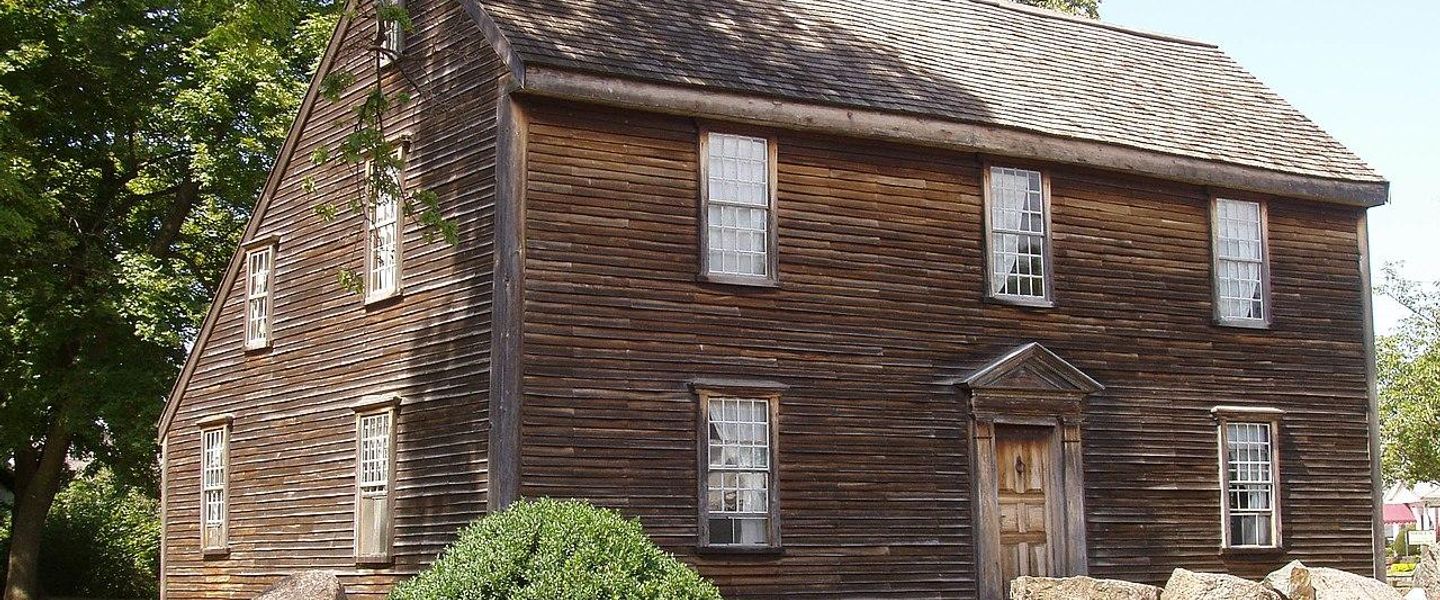


Quincy, Massachusetts blends Adams family history, granite heritage, waterfront walks and diverse dining near Boston, with museums, quarries and historic homes.
A City Shaped by the Sea
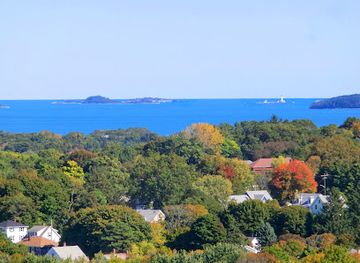
Quincy occupies a long stretch of Massachusetts coastline south of Boston, where tidal inlets, working waterfronts and residential neighbourhoods meet the broad waters of Boston Harbour. Its identity is unusually layered: it is the birthplace of two United States presidents, a major centre of nineteenth-century granite production, and a contemporary city shaped by generations of immigration. The result is a place where historic houses and colonial burial grounds stand alongside busy commercial streets, Asian restaurants and modern waterfront developments.Read more about Quincy
The Adams Legacy
Granite, Industry and Everyday Life
When is the best time to visit Quincy?
Best: June, August–September · 23–28°C| Month | High (°C) | Rainfall (mm) |
|---|---|---|
| January | 3 | 86 |
| February | 5 | 84 |
| March | 8 | 107 |
| April | 14 | 102 |
| May | 19 | 97 |
| June (best) | 25 | 94 |
| July | 29 | 91 |
| August (best) | 28 | 99 |
| September (best) | 23 | 96 |
| October | 17 | 98 |
| November | 11 | 105 |
| December | 5 | 99 |
Getting to and around Quincy
How to get there
Transportation
Best attractions in Quincy
Adams National Historical Park is Quincy’s central cultural attraction, preserving the birthplaces of John Adams and John Quincy Adams, the family estate at Peacefield and associated historic buildings. The United First Parish Church and Hancock Cemetery extend the story into the surrounding village, where colonial streets and civic landmarks create a coherent historic landscape. Quincy Quarries Reservation offers a very different experience: its former granite workings form a dramatic outdoor setting used for walking, climbing and views towards Boston Harbour and the metropolitan skyline. The Thomas Crane Public Library, with its historic architecture and civic role, adds an important local dimension, while the city’s waterfront areas reveal its shipbuilding and industrial past. Commercial districts around Hancock Street, North Quincy and Wollaston provide opportunities to explore contemporary Quincy through restaurants, bakeries, markets and independent businesses. Together, these attractions show a city that is not simply a presidential birthplace but also a working coastal community shaped by stone, ships and migration.
-
Zoo
Franklin Park Zoo
Explore the captivating world of wildlife at Franklin Park Zoo, a family-friendly destination in Boston's beautiful Franklin Park.
28 min drive · 9.3 km from city centre
-
Tourist attraction
Quincy Quarries Reservation
Explore the scenic beauty and rich history of Quincy Quarries Reservation, a unique state park with thrilling outdoor activities and breathtaking views.
9 min drive · 2.8 km from city centre
-
Brewery
Dorchester Brewing Company
Experience the local craft beer culture at Dorchester Brewing Company, a vibrant brewery offering handcrafted brews and community events in Boston.
27 min drive · 9.2 km from city centre
-
Tourist attraction
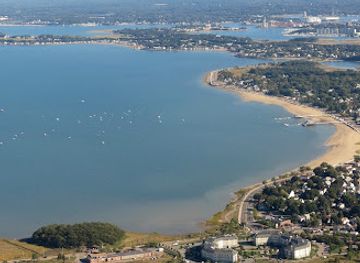
Squantum Point Park
Explore Squantum Point Park for breathtaking views and a tranquil escape in Quincy, Massachusetts, perfect for nature lovers and history enthusiasts alike.
17 min drive · 5.8 km from city centre
Best landmarks in Quincy
Quincy’s most important landmarks express its political, religious and industrial history. The John Adams and John Quincy Adams birthplaces and Peacefield, preserved within Adams National Historical Park, connect the city to two generations of national leadership. The United First Parish Church, a notable nineteenth-century stone church known as the Church of the Presidents, contains the tombs of John and Abigail Adams and John Quincy and Louisa Catherine Adams. Hancock Cemetery records earlier generations of the community, while the Dorothy Quincy Homestead preserves a colonial domestic setting associated with a prominent local family. Away from the historic village, Quincy Quarries Reservation gives physical form to the granite industry that helped transform the town’s economy. The Thomas Crane Public Library is another civic landmark, representing the city’s commitment to public education and communal life through distinctive historic architecture and a continuing public role.
-
State park
Quincy Quarries Reservation
Explore Quincy Quarries Reservation: A stunning state park with historical significance, perfect for hiking, picnicking, and enjoying nature in Quincy, MA.
9 min drive · 2.8 km from city centre
-
Shopping mall
The Galleria at Presidents Place
Discover a vibrant shopping experience at The Galleria at Presidents Place in Quincy, MA, featuring diverse stores, delightful eateries, and entertainment for all ages.
2 min walk · 0.1 km from city centre
-
Park
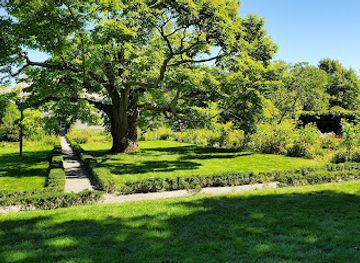
Adams National Historical Park
Experience the rich history of the Adams family at Adams National Historical Park, a must-visit for history lovers in Quincy, Massachusetts.
11 min walk · 0.9 km from city centre
-
Historical landmark
John Adams and John Quincy Adams Birthplaces - Adams National Historical Park
Discover the historic birthplaces of Presidents John Adams and John Quincy Adams in Quincy, Massachusetts, at Adams National Historical Park.
5 min drive · 1.5 km from city centre



Explore Quincy on the map
Plan your Quincy trip on one map. See where the top attractions, landmarks, restaurants, bars and hotels are, find what's near where you're staying, and book hotels and experiences in a few clicks.
Best hotels in Quincy
Best restaurants in Quincy
Quincy’s dining scene reflects its long history of migration and its position within metropolitan Boston. Commercial streets around Hancock Street, North Quincy and Wollaston are particularly associated with Chinese and other East Asian restaurants, while Vietnamese, Korean and Brazilian businesses broaden the range of flavours and ingredients available. Visitors can find regional Chinese cooking, noodle and dumpling dishes, Vietnamese soups and rice plates, Korean barbecue and Brazilian specialities alongside American diners, cafés, bakeries and familiar casual restaurants. The city’s food culture is less concentrated in one formal quarter than spread through neighbourhood shopping areas, where restaurants sit among grocers, specialist food shops and everyday services. This makes dining part of Quincy’s lived-in character rather than a separate visitor district. Menus and payment practices vary considerably, so checking individual businesses is sensible, particularly for smaller establishments.
-
Seafood
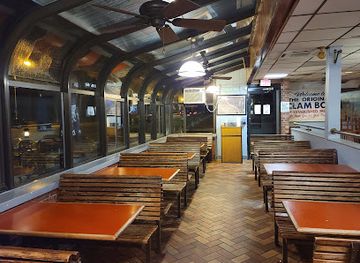
The Clam Box
Experience fresh seafood at The Clam Box in Quincy - a must-visit destination for seafood lovers seeking authentic New England flavors.
8 min drive · 2.7 km from city centre
-
Seafood
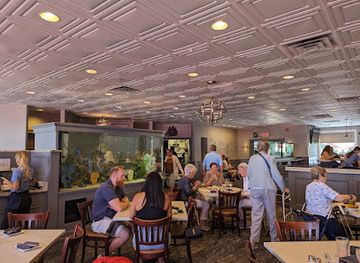
Bay Pointe Waterfront Restaurant
Experience exquisite seafood dining with stunning waterfront views at Bay Pointe Waterfront Restaurant in Quincy.
7 min drive · 2.2 km from city centre
-
Seafood
The Lobster Stop
Discover fresh seafood delights at The Lobster Stop in Quincy - where every bite brings you closer to the ocean's best flavors!
8 min drive · 2.7 km from city centre
-
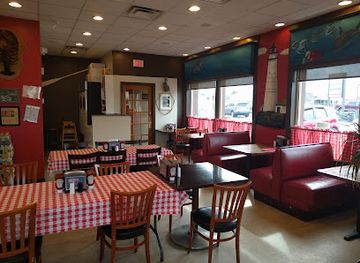
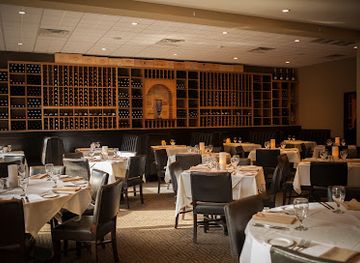
Steak
Alba Restaurant
Experience exquisite steaks and Mediterranean delights at Alba Restaurant in Quincy, MA - where flavor meets elegance.
6 min walk · 0.5 km from city centre
Best bars in Quincy
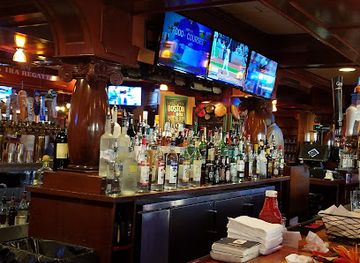
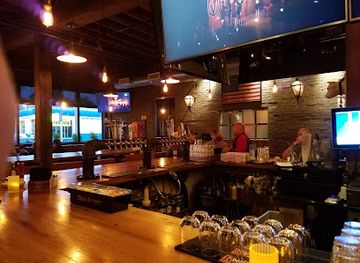
Quincy’s evening scene is primarily neighbourhood-based rather than built around a large nightclub district. Quincy Center, Wollaston and North Quincy offer pubs, casual bars, restaurants and cafés where residents meet after work, while the city’s diverse commercial areas provide evening dining with Chinese, Vietnamese, Korean, Brazilian and other international influences. Entertainment is often social and local in scale, with occasional live music, community events and performances supplemented by the much broader theatre, concert and nightlife programme in nearby Boston. Waterfront developments around Marina Bay provide a more contemporary setting for restaurants and drinks, although activity varies by venue and season. Public transport can be less convenient late at night than during the day, so visitors should check the final MBTA services and arrange a taxi or other transport when necessary. Quincy is better suited to relaxed evenings and dining than to an intense club circuit.
-
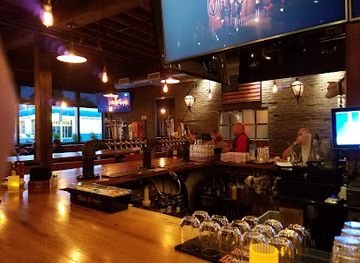
Bar
The Fours
Discover Quincy’s vibrant sports bar scene at The Fours, where every game is a celebration with delicious food and drinks.
6 min walk · 0.5 km from city centre
-
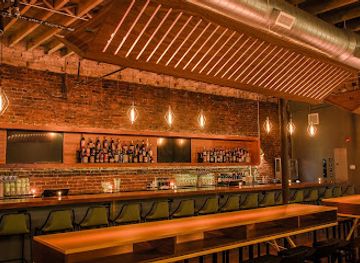
Grill
Brick & Beam
Discover Brick & Beam: Quincy’s premier grill restaurant offering an unforgettable dining experience with a diverse menu and inviting atmosphere.
8 min drive · 2.6 km from city centre
-
American
Fox and Hound Tavern
Experience the heart of American comfort food at Fox and Hound Tavern in Quincy, where hearty dishes and a welcoming atmosphere await.
12 min walk · 1.0 km from city centre
-
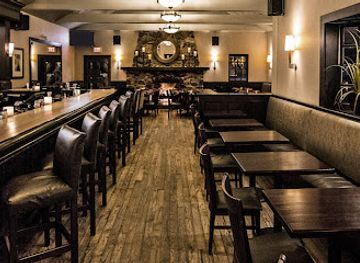
Bar
Idle Hour
Discover the vibrant atmosphere of Idle Hour in Quincy, where delightful brunches and crafted cocktails await in a cozy lounge setting.
6 min walk · 0.5 km from city centre
Best nightclubs in Quincy
Quincy’s evening scene is primarily neighbourhood-based rather than built around a large nightclub district. Quincy Center, Wollaston and North Quincy offer pubs, casual bars, restaurants and cafés where residents meet after work, while the city’s diverse commercial areas provide evening dining with Chinese, Vietnamese, Korean, Brazilian and other international influences. Entertainment is often social and local in scale, with occasional live music, community events and performances supplemented by the much broader theatre, concert and nightlife programme in nearby Boston. Waterfront developments around Marina Bay provide a more contemporary setting for restaurants and drinks, although activity varies by venue and season. Public transport can be less convenient late at night than during the day, so visitors should check the final MBTA services and arrange a taxi or other transport when necessary. Quincy is better suited to relaxed evenings and dining than to an intense club circuit.
-
Grill
Brick & Beam
Experience the flavors of Quincy at Brick & Beam, a grill restaurant offering a warm atmosphere and a diverse menu for every palate.
8 min drive · 2.6 km from city centre
-
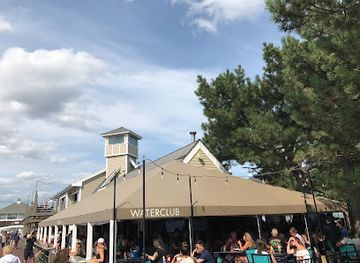
Night club
Waterclub Marina Bay
Experience the vibrant nightlife and exquisite dining at Waterclub Marina Bay, a premier destination in Quincy, Massachusetts.
17 min drive · 5.6 km from city centre
-
Night club
Vincent's Nightclub
Unleash your inner party animal at Vincent's Nightclub in Randolph, MA—where electrifying music and vibrant dance floors await every weekend!
23 min drive · 7.6 km from city centre
-
Bar
Sly Fox Tavern
Discover the lively atmosphere of Sly Fox Tavern in Quincy, MA - where great drinks and unforgettable nights await you.
6 min drive · 1.9 km from city centre
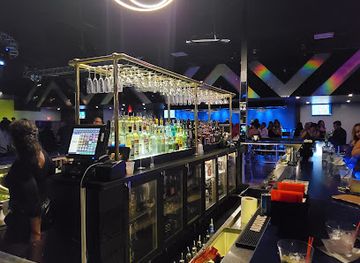

Best shops in Quincy
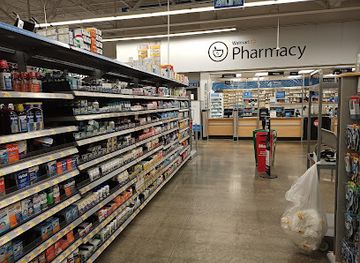
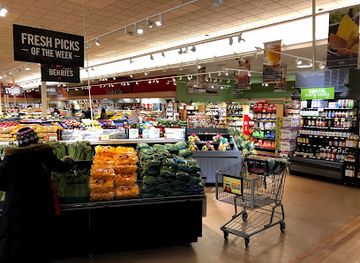
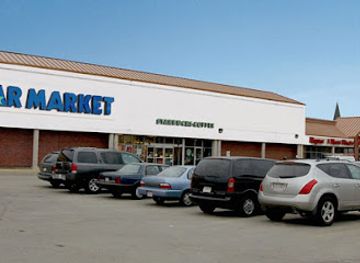
Shopping in Quincy is woven into its neighbourhoods rather than concentrated in a single grand retail district. Hancock Street, Quincy Center, North Quincy and Wollaston combine practical shops, cafés, restaurants, Asian supermarkets, specialist food retailers and independent businesses. The city’s most distinctive purchases are often culinary: Chinese, Vietnamese, Korean, Brazilian and other imported ingredients, teas, sweets and prepared foods reflect the communities that have made Quincy home. Visitors interested in local history may find books and interpretive material connected with the Adams family and the city’s granite heritage, while nearby commercial areas provide everyday clothing, gifts and household goods rather than a specialist souvenir market. Major shopping centres and larger retail clusters lie elsewhere in the Boston metropolitan area, but Quincy’s neighbourhood businesses offer a more direct sense of its contemporary culture and immigrant influences.
-
Department store
Walmart
Discover Walmart in Quincy, MA, where convenience meets affordability, offering a diverse range of products for every traveler.
7 min drive · 2.3 km from city centre
-
Grocery store
Stop & Shop
Explore Stop & Shop in Quincy for a delightful grocery shopping experience offering fresh produce and local specialties at moderate prices.
9 min drive · 2.9 km from city centre
-
Grocery store
Star's at Quincy
Discover the perfect blend of grocery shopping and dining at Star's at Quincy, your go-to destination for fresh produce and delicious meals.
12 min walk · 0.9 km from city centre
-
Grocery store
Roxie's Market of Quincy
Discover the vibrant flavors of Massachusetts at Roxie's Market of Quincy, your go-to grocery store for fresh produce and local specialties.
6 min walk · 0.5 km from city centre
Get your free copy of our complete guide to Quincy, delivered straight to you.
Everything on this page, from attractions and restaurants to essentials and local phrases, in one PDF you can read offline, print or share.
Already have an account? Sign in
Your Quincy guide is ready.
We'll send it to · Not you? Sign out

Getting your guide ready…
We are putting together a fresh copy of the Quincy guide. This can take up to a minute.
This can take a few moments. If your browser asks, choose Allow so the download can start. You'll find the guide in your Downloads folder.
Nothing happened? Download it again
Sorry, the guide is taking longer than usual. Please try again in a minute, or get it by email instead.
Quincy essentials
Currency and Payment
Safety
Emergency Situations
Do's and Don'ts
Local Tips
From Eve
Local phrases worth knowing
You don't need to get them perfect. A few words go a long way, and locals appreciate the effort.
Basics
| English | Local | Say it |
|---|---|---|
| Hello | Hey | [Hey] |
| Goodbye | See ya | [See ya] |
| Yes | Yeah | [Yeah] |
| No | Nah | [Nah] |
| Please/You're welcome | Please/No problem | [Please/No problem] |
| Thank you | Thanks | [Thanks] |
| Excuse me/Sorry | Sorry | [Sorry] |
| How are you? | How you doin'? | [How you doin'?] |
| Fine. And you? | Good. You? | [Good. You?] |
| Do you speak English? | You speak English? | [You speak English?] |
| I don't understand | I don't get it | [I don't get it] |
Eating & Drinking
| English | Local | Say it |
|---|---|---|
| I'd like to see the menu, please | Menu, please | [Menu, please] |
| I don't eat meat | No meat for me | [No meat for me] |
| Cheers! | Cheers! | [Cheers!] |
| I would like to pay, please | Check, please | [Check, please] |
Emergencies
| English | Local | Say it |
|---|---|---|
| Help! | Help! | [Help!] |
| Go away! | Get lost! | [Get lost!] |
| Call the Police! | Call the cops! | [Call the cops!] |
| Call a doctor! | Get a doctor! | [Get a doctor!] |
| I'm lost | I'm lost | [I'm lost] |
| I'm ill | I'm sick | [I'm sick] |
Shopping
| English | Local | Say it |
|---|---|---|
| I'd like to buy... | I wanna buy... | [I wanna buy...] |
| I'm just looking | Just browsing | [Just browsing] |
| How much is it? | How much? | [How much?] |
| That's too expensive | Too pricey | [Too pricey] |
| Can you lower the price? | Can you do better? | [Can you do better?] |
Time & Numbers
| English | Local | Say it |
|---|---|---|
| What time is it? | What time is it? | [What time is it?] |
| It's one o'clock | It's one | [It's one] |
| Half past (10) | Ten thirty | [Ten thirty] |
| Morning | Morning | [Morning] |
| Afternoon | Afternoon | [Afternoon] |
| Evening | Evening | [Evening] |
| Yesterday | Yesterday | [Yesterday] |
| Today | Today | [Today] |
| Tomorrow | Tomorrow | [Tomorrow] |
| 1 | One | [One] |
| 2 | Two | [Two] |
| 3 | Three | [Three] |
| 4 | Four | [Four] |
| 5 | Five | [Five] |
| 6 | Six | [Six] |
| 7 | Seven | [Seven] |
| 8 | Eight | [Eight] |
| 9 | Nine | [Nine] |
| 10 | Ten | [Ten] |
Transport & Directions
| English | Local | Say it |
|---|---|---|
| Where's a/the...? | Where's the...? | [Where's the...?] |
| What's the address? | What's the address? | [What's the address?] |
| Can you show me (on the map)? | Can you show me (on the map)? | [Can you show me (on the map)?] |
| When's the next (bus)? | When's the next (bus)? | [When's the next (bus)?] |
| A ticket (to ....) | A ticket (to ....) | [A ticket (to ....)] |
History of Quincy
Massachusett Homeland and Early Settlement
The area now called Quincy lies within the historic homeland of the Massachusett people, whose communities used the coast, tidal waters and inland resources long before English settlement. English colonists established a settlement at Mount Wollaston in 1625 under Captain Richard Wollaston, although the community was soon absorbed into the expanding Puritan settlement of Braintree. Agriculture, coastal access and nearby granite outcrops shaped the early colonial economy. The surviving historic landscape around Adams National Historical Park, Hancock Cemetery and the Dorothy Quincy Homestead reflects the gradual development of farms, roads, churches and family estates rather than the plan of a single medieval-style town centre.
From Braintree Parish to Quincy Town
For much of the colonial period, the area formed part of Braintree, whose residents participated in the political and religious life of Massachusetts Bay. The town was incorporated as Quincy in 1792, taking its name from Colonel John Quincy, a local civic figure and the maternal grandfather of Abigail Adams. The change coincided with the rise of the Adams family, whose homes and public careers connected the community to the revolutionary generation and the creation of the United States. Quincy’s churches, burial grounds and surviving domestic architecture preserve the social world of prosperous farmers, merchants, ministers and public officials who helped shape the early town.
The Adams Family and the Republic
John Adams was born in Quincy in 1735, and his son John Quincy Adams was born nearby in 1767. Both became presidents of the United States, while Abigail Adams and Louisa Catherine Adams also played important roles in the family’s correspondence, political life and historical legacy. Adams National Historical Park brings together the John Adams and John Quincy Adams birthplaces, Peacefield and other associated buildings. The United First Parish Church, completed in 1828, became the burial place of both presidents and their wives. These sites help explain how a Massachusetts farming community became closely identified with the nation’s founding and early political development.
Granite and Industrial Expansion
Quincy’s granite industry expanded during the nineteenth century as local stone was quarried for construction in Boston and elsewhere. The quarries on the Blue Hills’ eastern edge became known for durable granite and for the Granite Railway, opened in 1826 to carry stone from the quarries to the Neponset River. Often described as the first commercial railway in the United States, it represented an important step in the mechanisation of regional transport. The same period brought shipbuilding and other waterfront industries, transforming Quincy from a predominantly agricultural town into a commercially connected industrial community.
Shipbuilding and a Changing Waterfront
Quincy’s relationship with the sea deepened through shipbuilding and marine industry, particularly around the Fore River. The Fore River Shipyard became one of the region’s major industrial enterprises, producing naval and commercial vessels and providing employment for a large workforce. Shipbuilding connected the city to national defence, international commerce and successive waves of migration. Industrial activity also altered the shoreline, transport links and settlement pattern, encouraging denser neighbourhoods around railway and streetcar routes. Parts of the waterfront remain industrial or working in character, while other areas have been reimagined for housing, dining and public access.
Immigration and Modern Quincy
During the nineteenth and twentieth centuries, Quincy absorbed workers and families from Ireland, Italy and other parts of Europe, followed later by substantial Asian, Latin American and other immigrant communities. These arrivals reshaped local businesses, religious institutions, schools and food culture. The city’s Chinese and Vietnamese communities are especially visible in commercial areas around North Quincy and Hancock Street, while Brazilian and Korean influences add to its international character. Today, Quincy combines historic preservation with the routines of a large urban suburb: rapid transit connects it to Boston, former industrial land continues to evolve, and the Adams legacy remains part of a broader, multicultural civic identity.
Quincy in Photos
Browse through our photo collection highlighting the charm and character of the destination.
Cities near Quincy
The closest cities to Quincy, if you have time for more than one stop.
-

-

-
-

-


Swipe for more cities
Explore more

Explore more of Massachusetts
Discover Massachusetts: A blend of rich history, stunning landscapes, and vibrant culture. From Boston's historic sites to Cape Cod's beaches, it's the heart of New England.
Explore Massachusetts