

Free Assaba Travel Guide & Mobile App
Explore Assaba with free travel guides. Discover regional history, expert tips, proposed trips, and audio guides on web or mobile app.


Assaba offers Kiffa’s bead traditions, Sahelian scenery, inland markets and long-road journeys through south-eastern Mauritania.
Read more about Assaba
When is the best time to visit Assaba?
Best: December–February · 27–31°C| Month | High (°C) | Rainfall (mm) |
|---|---|---|
| January (best) | 27 | 0 |
| February (best) | 31 | 0 |
| March | 35 | 0 |
| April | 38 | 1 |
| May | 40 | 1 |
| June | 43 | 1 |
| July | 44 | 3 |
| August | 44 | 5 |
| September | 41 | 3 |
| October | 37 | 1 |
| November | 32 | 0 |
| December (best) | 28 | 0 |
Getting to and around Assaba
How to get there
Transportation
Best landmarks in Assaba
Kiffa itself is Assaba’s principal urban landmark, not because of a single monumental building but because its streets, market areas and transport activity express the region’s role as a meeting point between settled commerce and pastoral hinterlands. The town is also the place most closely associated with Kiffa beads, whose patterned glass forms are a recognisable symbol of local craft heritage. Beyond Kiffa, the Affolé uplands and their rocky escarpments provide the region’s most distinctive natural landmarks, contrasting with broad sandy and grassy plains across the Sahelian lowlands. Seasonal wadis, wells and isolated rock formations are important geographical reference points even when they lack formal visitor facilities. Settlements such as Guerou, Barkéol and Boumdeid offer modest examples of inland Mauritanian townscape, with public buildings, mosques, compounds and market spaces shaped by climate and local materials. These places are living communities rather than preserved monuments, so visitors should observe from public areas and seek permission before entering or photographing private and religious spaces. Assaba’s landmark value lies in the relationship between terrain, water, movement and settlement.
-
Tourist attraction
Richat Structure
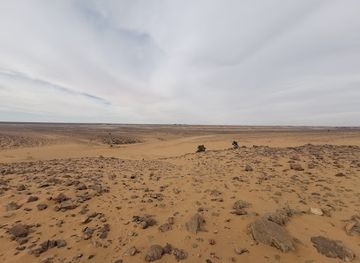
Discover the Richat Structure, a captivating geological wonder in the Sahara Desert, showcasing nature's artistry and the Earth's geological history.
-
National park
Banc d'Arguin National Park
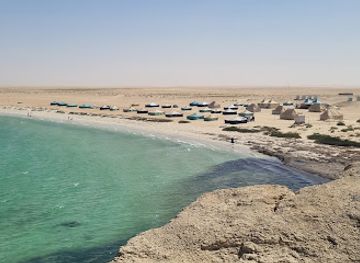
Explore the breathtaking Banc d'Arguin National Park in Mauritania - a paradise of stunning landscapes and vibrant wildlife waiting to be discovered.
-
Shopping mall
Marche Capitale
Explore the vibrant Marche Capitale in Nouakchott for a unique shopping experience filled with local culture, crafts, and delicious Mauritanian cuisine.
-
Art gallery
Galerie Zeinart
Explore the vibrant art scene at Galerie Zeinart, a cultural gem in Nouakchott showcasing local and international artistry.

Explore Assaba on the map
Plan your trip on one map. See where the top cities, national parks and sights are, and book hotels and experiences in a few clicks.
Best hotels in Assaba
Best restaurants in Assaba
Dining in Assaba is closely connected to Mauritanian household cooking, market supply and hospitality rather than to a formal restaurant scene. In Kiffa, modest cafés and local eateries may offer rice, couscous, meat, beans, breads and sweet mint tea, with menus shaped by what is available locally and brought along the national road network. Camel, goat and mutton are important in the wider culinary culture, while dairy products, dates and grain-based dishes reflect pastoral and Sahelian food traditions. Tea is central to social visits and is commonly served slowly in several rounds. Travellers should expect simple surroundings and variable opening arrangements rather than a broad choice of international cuisine. In smaller Assaba settlements, food options may be limited, so carrying supplementary provisions is sensible on road journeys. Markets can provide fruit, dates, bread, bottled water and other supplies, but inspect packaging and storage carefully in hot conditions. Sharing food or tea is often part of hospitality; accept graciously when appropriate and explain dietary restrictions clearly.
-
Restaurant
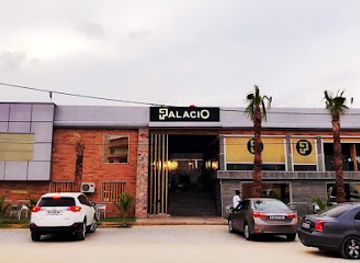
مطعم بالاسيو Palacio
Experience authentic Mauritanian cuisine at Palacio Restaurant in Nouakchott - where every meal is a celebration of flavors.
-
Indian
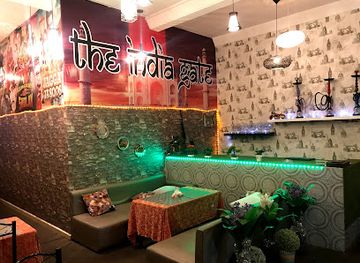
The India Gate الطعام الهندي
Experience the vibrant flavors of India at The India Gate Restaurant in Nouakchott - where every dish tells a story.
-
Restaurant
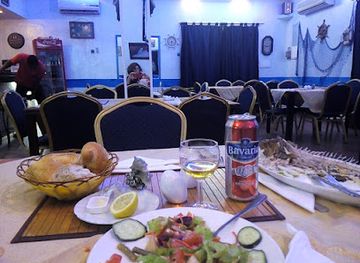
Tafarit Restaurant
Discover the exquisite seafood cuisine at Tafarit Restaurant in Nouakchott – where every dish tells a story.
-
Restaurant
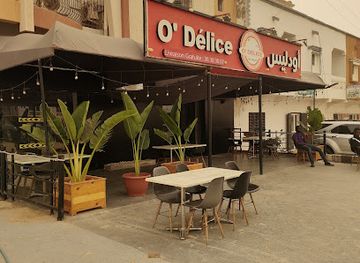
O Délice
Discover the flavors of Mauritania at O Délice - where delicious hamburgers meet tantalizing tacos in an inviting atmosphere.
Best bars in Assaba
Assaba does not have a conventional bar and nightclub scene. Mauritania is a predominantly Muslim country where alcohol is restricted, and visitors should not expect licensed drinking venues or a nightlife district in Kiffa or the smaller towns. Evening social life centres more on family visits, tea, cafés, market conversations and gatherings connected with community or work. Kiffa offers the greatest chance of finding a simple café open after dark, but opening arrangements and facilities vary. Outside town, nights are quiet and shaped by the heat of the day, domestic routines and pastoral activity rather than organised entertainment. Eating out late, loud music, public intoxication and intrusive photography can be inappropriate. Travellers seeking evening interest should focus on respectful conversation, local food, the changing activity around town streets before nightfall and the clear skies of the rural Sahel, while following local advice about where and how to spend time after dark.
-
Restaurant
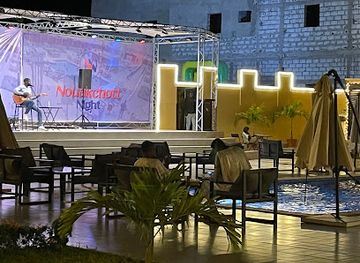
Nouakchott Night
Savor the vibrant flavors of Mauritania at Nouakchott Night, where culinary delights meet a lively atmosphere for an unforgettable dining experience.
-
Restaurant
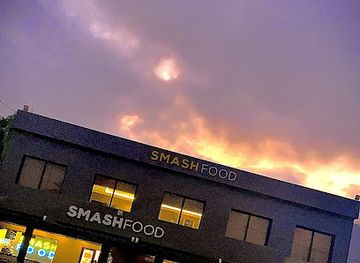
SMASH FOOD
Discover the culinary delights of Nouakchott at SMASH FOOD, a restaurant offering an eclectic menu in a vibrant and welcoming atmosphere.
-
 Restaurant
Auberge Vasque chez Zaïda
Discover the charm of Ouadane at Auberge Vasque chez Zaïda, where exquisite Mauritanian cuisine meets warm hospitality in a cozy inn setting.
-
Restaurant
Restaurant Aioun
Discover the authentic taste of Mauritania at Restaurant Aioun in Guérou, where local cuisine meets warm hospitality.
Best nightclubs in Assaba
Assaba does not have a conventional bar and nightclub scene. Mauritania is a predominantly Muslim country where alcohol is restricted, and visitors should not expect licensed drinking venues or a nightlife district in Kiffa or the smaller towns. Evening social life centres more on family visits, tea, cafés, market conversations and gatherings connected with community or work. Kiffa offers the greatest chance of finding a simple café open after dark, but opening arrangements and facilities vary. Outside town, nights are quiet and shaped by the heat of the day, domestic routines and pastoral activity rather than organised entertainment. Eating out late, loud music, public intoxication and intrusive photography can be inappropriate. Travellers seeking evening interest should focus on respectful conversation, local food, the changing activity around town streets before nightfall and the clear skies of the rural Sahel, while following local advice about where and how to spend time after dark.
-
Restaurant
Nouakchott Night
Immerse Yourself in the Lively Atmosphere and Authentic Cuisine of Nouakchott Night - A Must-Visit Dining Experience in Mauritania's Capital.
-
Restaurant
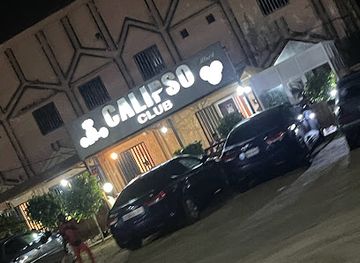
Calipso Club
Experience the vibrant flavors of Mauritania at Calipso Club, a culinary gem in Nouakchott offering a taste of local tradition.
-
Lounge
Afroport Lounge
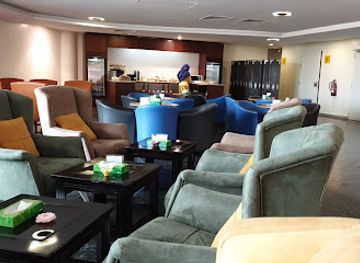
Experience tranquility and comfort at Afroport Lounge, the perfect airport oasis in Nouakchott for travelers needing a break.
-
Night club
zeinebou club
Discover the heartbeat of Rachid's nightlife at Zeinebou Club, where music, dance, and culture unite for an unforgettable experience.
Best shops in Assaba
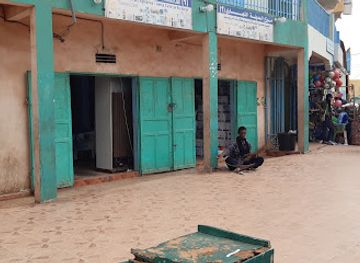
Shopping in Assaba is concentrated in Kiffa’s markets and small independent stores rather than in organised retail centres. The best regional purchase to look for is a locally made Kiffa bead or bead ornament, but buyers should ask about its provenance and production because modern reproductions and imported items can appear alongside traditional work. Markets also sell dates, tea, grain, fabrics, leather goods, household equipment and practical supplies for the surrounding pastoral districts. In smaller towns, retail choice is very limited but local stalls can reveal how food, livestock-related goods and everyday necessities circulate through the region. Bargaining may be customary for some market items, although it should be conducted politely and without turning a modest price difference into a confrontation. Pack food products securely for travel, check dates and seals, and remember that cash in ouguiya is normally needed. Assaba is not a destination for extensive fashion or luxury shopping; its most meaningful purchases are portable craft objects and regional provisions bought with respect for the people who make and sell them.
-
Shopping mall
Marche Capitale
Explore Marche Capitale: Nouakchott's premier shopping destination featuring local crafts, dining, and a lively atmosphere in the heart of Mauritania.
-
Grocery store
First Musani Grocery
Experience the flavors of Mauritania at First Musani Grocery in Guérou, where local ingredients and friendly service meet.
-
Shopping mall
Market Weld Kbar
Explore the vibrant Market Weld Kbar in Kiffa, Mauritania, where local culture meets modern shopping in a lively environment.
-
Produce market
سوق أونيجة | Marché d'Onéga
Dive into the heart of Mauritania's agricultural culture at Marché d'Onéga, a vibrant produce market brimming with local flavors and community spirit.


Get your free copy of our complete guide to Assaba, delivered straight to you.
Everything on this page, from attractions and restaurants to essentials and local phrases, in one PDF you can read offline, print or share.
Already have an account? Sign in
Your Assaba guide is ready.
We'll send it to · Not you? Sign out

Getting your guide ready…
We are putting together a fresh copy of the Assaba guide. This can take up to a minute.
This can take a few moments. If your browser asks, choose Allow so the download can start. You'll find the guide in your Downloads folder.
Nothing happened? Download it again
Sorry, the guide is taking longer than usual. Please try again in a minute, or get it by email instead.
Assaba essentials
Currency and Payment
Safety
Emergency Situations
Do's and Don'ts
Local Tips
From Eve
Local phrases worth knowing
You don't need to get them perfect. A few words go a long way, and locals appreciate the effort.
Basics
| English | Local | Say it |
|---|---|---|
| Hello | سلام | [salaam] |
| Goodbye | إلى اللقاء | [ila al-liqaa] |
| Yes | نعم | [na'am] |
| No | لا | [laa] |
| Please/You're welcome | من فضلك | [min fadlik] |
| Thank you | شكرا | [shukran] |
| Excuse me/Sorry | عفوا | [afwan] |
| How are you? | كيف حالك؟ | [kayfa halak?] |
| Fine. And you? | بخير. وأنت؟ | [bikhayr. wa anta?] |
| Do you speak English? | هل تتحدث الإنجليزية؟ | [hal tatahaddath al-ingliziyya?] |
| I don't understand | لا أفهم | [laa afham] |
Eating & Drinking
| English | Local | Say it |
|---|---|---|
| I'd like to see the menu, please | أود رؤية القائمة، من فضلك | [awad ru'yat al-qa'ima, min fadlik] |
| I don't eat meat | أنا لا آكل اللحم | [ana la akul al-lahm] |
| Cheers! | في صحتك! | [fi sihhatak!] |
| I would like to pay, please | أود الدفع، من فضلك | [awad ad-daf', min fadlik] |
Emergencies
| English | Local | Say it |
|---|---|---|
| Help! | نجدة! | [najda!] |
| Go away! | ابتعد! | [ibta'id!] |
| Call the Police! | اتصل بالشرطة! | [ittasil bil-shurta!] |
| Call a doctor! | اتصل بالطبيب! | [ittasil bil-tabeeb!] |
| I'm lost | أنا ضائع | [ana da'i'] |
| I'm ill | أنا مريض | [ana marid] |
Shopping
| English | Local | Say it |
|---|---|---|
| I'd like to buy... | أود شراء... | [awad shira'] |
| I'm just looking | أنا فقط أنظر | [ana faqat anzur] |
| How much is it? | كم ثمنه؟ | [kam thamanuh?] |
| That's too expensive | هذا غالي جدا | [hatha ghali jiddan] |
| Can you lower the price? | هل يمكنك تخفيض السعر؟ | [hal yumkinuka takhfid as-si'r?] |
Time & Numbers
| English | Local | Say it |
|---|---|---|
| What time is it? | كم الساعة؟ | [kam as-saa'a?] |
| It's one o'clock | الساعة الواحدة | [as-saa'a al-wahidah] |
| Half past (10) | النصف بعد (10) | [an-nisf ba'd (10)] |
| Morning | صباح | [sabah] |
| Afternoon | بعد الظهر | [ba'd al-zuhur] |
| Evening | مساء | [masa'] |
| Yesterday | أمس | [ams] |
| Today | اليوم | [alyawm] |
| Tomorrow | غدا | [ghadan] |
| 1 | واحد | [wahid] |
| 2 | اثنان | [ithnan] |
| 3 | ثلاثة | [thalatha] |
| 4 | أربعة | [arba'a] |
| 5 | خمسة | [khamsa] |
| 6 | ستة | [sitta] |
| 7 | سبعة | [sab'a] |
| 8 | ثمانية | [thamaniya] |
| 9 | تسعة | [tis'a] |
| 10 | عشرة | [ashara] |
Transport & Directions
| English | Local | Say it |
|---|---|---|
| Where's a/the...? | أين هو...؟ | [ayna huwa...?] |
| What's the address? | ما هو العنوان؟ | [ma huwa al-'unwan?] |
| Can you show me (on the map)? | هل يمكنك أن تريني (على الخريطة)؟ | [hal yumkinuka an turini (ala al-kharita)?] |
| When's the next (bus)? | متى يأتي (الباص) القادم؟ | [mataa ya'ti (al-baas) al-qaadim?] |
| A ticket (to ....) | تذكرة (إلى ...) | [tadhkira (ila ...)] |
History of Assaba
Early Sahelian settlement and pastoral landscapes
Assaba’s landscape has long supported shifting combinations of herding, seasonal cultivation and settlement around dependable water sources. Archaeological traces across the wider Sahel show that the region was more humid at various points in the distant past than it is today, while later communities adapted to increasing aridity through mobility and careful water management. Much of this history is not represented by monumental ruins; it survives instead in settlement patterns, wells, grazing routes and the continuing importance of seasonal rainfall.
Trans-Saharan and regional exchange
The area that is now Assaba lay within the wider network of exchange linking the western Sahara with the Senegal River basin and inland Sahel. Caravans and local traders moved livestock, salt, dates, grain, cloth and manufactured goods through a landscape where wells and market settlements were strategically important. Assaba was not an isolated frontier: its communities participated in the commercial and cultural circulation that connected present-day Mauritania with neighbouring parts of Mali and Senegal.
Islamic scholarship and emirate-era society
From the medieval period onwards, Islam became central to political authority, education and social life across the western Sahel. Religious teachers, pastoral groups and trading communities helped connect settlements across what is now southern Mauritania. Assaba’s later social landscape was influenced by emirate-era structures and by relationships among tribal, clerical, pastoral and agricultural communities. These historical formations shaped local authority and movement, although modern Mauritanian society cannot be reduced to the categories of the pre-colonial past.
French colonial expansion
French control over Mauritania developed unevenly during the late nineteenth and early twentieth centuries, and inland regions such as Assaba were incorporated through military pressure, negotiated authority and administrative restructuring. Colonial rule altered trade routes, taxation and systems of political control without ending older forms of mobility. Kiffa and other settlements gained importance as administrative and commercial points within a territory increasingly governed from colonial centres and connected to wider transport networks.
Independence and the growth of Kiffa
Mauritania became independent in 1960, after which the new state expanded administration, schools, roads and public services into interior regions. Kiffa developed as a major urban centre for Assaba, drawing together pastoral communities, traders, civil servants and rural migrants. The town’s growth reflects a broader national transformation from dispersed and mobile livelihoods towards a more urban and administratively connected society, while livestock keeping and seasonal agriculture remain important in the surrounding countryside.
Drought, sedentarisation and contemporary change
Severe droughts affecting the Sahel during the 1970s and 1980s intensified pressure on pastoral livelihoods throughout southern Mauritania. Many families moved towards towns or more reliable water points, while aid programmes, wells and new roads influenced where people lived and traded. Assaba today combines older pastoral practices with settled agriculture, wage work, public administration and cross-regional commerce. Climate variability continues to affect grazing, harvests, water access and the condition of rural roads.
Kiffa bead-making as a regional craft tradition
Kiffa beads became associated with a distinctive Mauritanian glass-working tradition, particularly noted by collectors during the twentieth century. Traditionally, makers formed beads from powdered or recycled glass and created coloured patterns without relying on modern industrial production. The craft reflects both local skill and wider Saharan traditions of personal adornment and exchange. Contemporary availability is uneven, and the market includes reproductions, but the beads remain one of Assaba’s most recognisable cultural associations.
Assaba in Photos
Browse through our photo collection highlighting the charm and character of the destination.
Neighbouring regions of Assaba
The closest regions to Assaba, if you have time for more than one.
-

-

-

-

-


Swipe for more regions
Explore more

Explore more of Mauritania
Discover Mauritania's vast Sahara Desert, ancient cities, and rich cultural heritage. Experience the stunning landscapes and warm hospitality of this West African gem.
Explore Mauritania