

Free Hodh El Gharbi Travel Guide & Mobile App
Explore Hodh El Gharbi with free travel guides. Discover regional history, expert tips, proposed trips, and audio guides on web or mobile app.


Hodh El Gharbi reveals Mauritania’s Sahelian landscapes, pastoral traditions and regional towns through slow, carefully planned overland travel.
Read more about Hodh El Gharbi
When is the best time to visit Hodh El Gharbi?
Best: November–January · 27–30°C| Month | High (°C) | Rainfall (mm) |
|---|---|---|
| January (best) | 28 | 0 |
| February | 31 | 0 |
| March | 35 | 0 |
| April | 38 | 1 |
| May | 41 | 1 |
| June | 43 | 3 |
| July | 41 | 5 |
| August | 37 | 8 |
| September | 36 | 5 |
| October | 34 | 2 |
| November (best) | 30 | 0 |
| December (best) | 27 | 0 |
Getting to and around Hodh El Gharbi
How to get there
Transportation
Explore Hodh El Gharbi on the map
Plan your trip on one map. See where the top cities, national parks and sights are, and book hotels and experiences in a few clicks.
Best hotels in Hodh El Gharbi
Best restaurants in Hodh El Gharbi
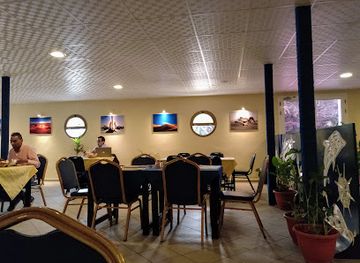
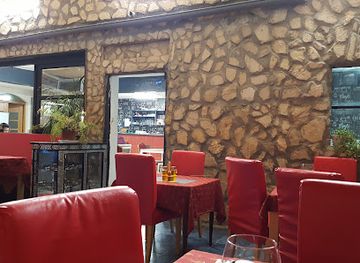
Dining in Hodh El Gharbi is modest and closely connected to local markets, household cooking and the staples of Mauritania’s Sahelian interior. In Aïoun el Atrouss and other principal towns, visitors can find simple cafés and eateries serving rice, couscous, pasta, meat, beans and tea, with menus shaped by supply and season rather than by a formal regional cuisine. Camel, goat, sheep and beef may appear in local meals, while milk and dairy products remain important in pastoral communities. Sweet mint tea is central to hospitality and is commonly prepared through a leisurely sequence of pours. Fresh produce is more dependable in larger markets than in remote settlements, where provisions may be limited. Travellers covering long distances should carry suitable food and safe drinking water, and should not expect refrigeration, fixed opening hours or extensive choice outside the main towns. Eating respectfully with local hosts, when invited, is often more meaningful than seeking a specialised restaurant scene.
-
Restaurant
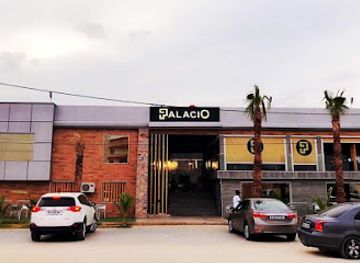
مطعم بالاسيو Palacio
Experience authentic Mauritanian cuisine at Palacio Restaurant - a must-visit dining destination in Nouakchott.
-
Indian
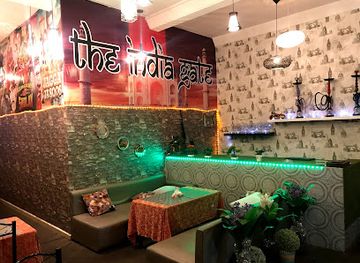
The India Gate الطعام الهندي
Savor the essence of India in Nouakchott with authentic dishes at The India Gate Restaurant – a culinary fusion of flavors.
-
Restaurant
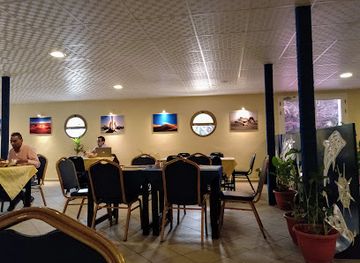
Tafarit Restaurant
Discover authentic Mauritanian seafood at Tafarit Restaurant in Nouakchott - where every dish tells a story.
-
Restaurant
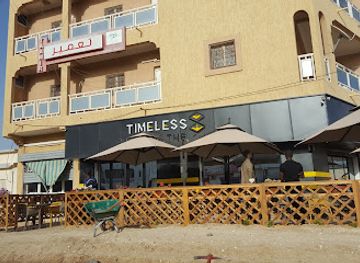
Timeless
Experience authentic Mauritanian cuisine at Timeless in Nouakchott – where tradition meets flavor in every bite.
Best bars in Hodh El Gharbi
Hodh El Gharbi does not have a conventional bar or nightclub scene. Mauritania is an Islamic country, and public nightlife is generally centred on tea, conversation, family visits and informal social gatherings rather than alcohol-led entertainment. In Aïoun el Atrouss and the larger towns, evening activity may include cafés, market streets and modest restaurants, while smaller settlements become quiet after daily business and travel have ended. There are no reliable grounds for planning around named clubs, live-music programmes or late-night venues. Visitors should dress and behave discreetly, avoid expecting alcohol service and follow local customs in mixed public spaces. The most characteristic evening experience is often a tea gathering or a slow walk through a settled area, arranged with local guidance and without intruding on private community life.
-
Tafarit Restaurant
Experience authentic Mauritanian cuisine at Tafarit Restaurant, where local flavors and warm hospitality create memorable dining moments.
-
Restaurant
مطعم جلوفة
Experience the rich flavors of Mauritania at Glofa Restaurant, where culinary excellence meets local hospitality in Nouadhibou.
-
Restaurant
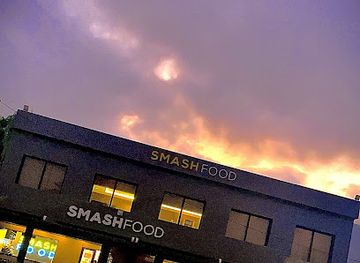
SMASH FOOD
Discover the essence of Mauritanian cuisine at SMASH FOOD, a vibrant restaurant in Nouakchott serving delicious dishes in a lively atmosphere.
-
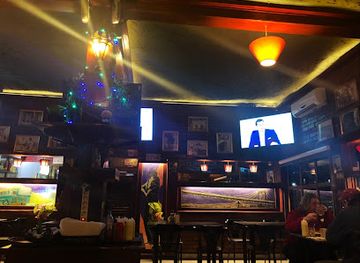
Le Frisco
Discover the culinary delights of Le Frisco in Nouakchott, where local flavors meet international cuisine in a cozy setting.
Best nightclubs in Hodh El Gharbi
Hodh El Gharbi does not have a conventional bar or nightclub scene. Mauritania is an Islamic country, and public nightlife is generally centred on tea, conversation, family visits and informal social gatherings rather than alcohol-led entertainment. In Aïoun el Atrouss and the larger towns, evening activity may include cafés, market streets and modest restaurants, while smaller settlements become quiet after daily business and travel have ended. There are no reliable grounds for planning around named clubs, live-music programmes or late-night venues. Visitors should dress and behave discreetly, avoid expecting alcohol service and follow local customs in mixed public spaces. The most characteristic evening experience is often a tea gathering or a slow walk through a settled area, arranged with local guidance and without intruding on private community life.
-
Restaurant
Nouakchott Night
Discover the lively atmosphere of Nouakchott Night, where Mauritania's rich culinary flavors meet vibrant nightlife, ideal for tourists looking for unforgettable experiences.
Best shops in Hodh El Gharbi
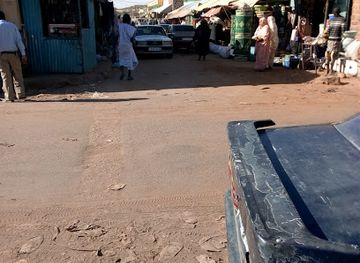
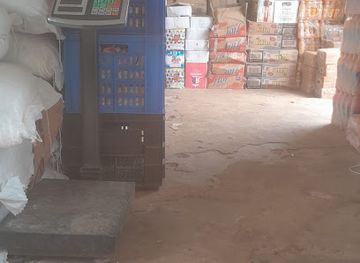
Shopping in Hodh El Gharbi is practical and market-based. Aïoun el Atrouss offers the broadest choice of provisions, clothing, household goods, tea, mobile-phone supplies and locally traded livestock, while markets in Tintane, Kobeni and Tamchekett serve surrounding rural communities. Stock and market activity vary with transport, seasonal demand and the arrival of pastoral groups, so smaller towns should not be expected to provide a permanent tourist retail scene. Useful purchases include Mauritanian tea, dates, textiles and everyday craft items, provided their origin and quality are clear. Local clothing and leather goods may be available through informal traders, but bargaining should remain courteous and proportionate. Carry cash in small denominations and inspect goods carefully, particularly where packaging or storage conditions matter. The region is better for observing how commerce supports pastoral and town life than for luxury shopping, branded retail or a large selection of dedicated souvenir outlets.
-
Market
Marché Aioun
Discover the vibrant culture and local flavors at Marché Aioun, the heart of Ayoun el Atrous, Mauritania.
-
Clothing store
متجر ملابس نسائي mgh
Explore MGH Women's Clothing Store in Mauritania for stylish, culturally-inspired fashion that enhances your travel experience.
-
 Store
Storeوالراقة اطفيلة 1
Experience the vibrant culture and unique products at والراقة اطفيلة 1 in Ayoun el Atrous, a must-visit store for every traveler.
-
Gourmet grocery store
مجمع 7أكتوبر
Explore gourmet delights and local flavors at 7 October Mall in Awaynat Izbil, a must-visit for food enthusiasts.
Get your free copy of our complete guide to Hodh El Gharbi, delivered straight to you.
Everything on this page, from attractions and restaurants to essentials and local phrases, in one PDF you can read offline, print or share.
Already have an account? Sign in
Your Hodh El Gharbi guide is ready.
We'll send it to · Not you? Sign out

Getting your guide ready…
We are putting together a fresh copy of the Hodh El Gharbi guide. This can take up to a minute.
This can take a few moments. If your browser asks, choose Allow so the download can start. You'll find the guide in your Downloads folder.
Nothing happened? Download it again
Sorry, the guide is taking longer than usual. Please try again in a minute, or get it by email instead.
Hodh El Gharbi essentials
Currency and Payment
Safety
Emergency Situations
Do's and Don'ts
Local Tips
From Eve
Local phrases worth knowing
You don't need to get them perfect. A few words go a long way, and locals appreciate the effort.
Basics
| English | Local | Say it |
|---|---|---|
| Hello | سلام | [Salam] |
| Goodbye | وداعا | [Wada'a] |
| Yes | نعم | [Na'am] |
| No | لا | [La] |
| Please/You're welcome | من فضلك | [Min fadlik] |
| Thank you | شكرا | [Shukran] |
| Excuse me/Sorry | عفوا | [Afwan] |
| How are you? | كيف حالك؟ | [Kayfa halak?] |
| Fine. And you? | بخير. وأنت؟ | [Bikhayr. Wa anta?] |
| Do you speak English? | هل تتحدث الإنجليزية؟ | [Hal tatahaddath al-ingliziyya?] |
| I don't understand | لا أفهم | [La afham] |
Eating & Drinking
| English | Local | Say it |
|---|---|---|
| I'd like to see the menu, please | أود أن أرى القائمة، من فضلك | [Awad an ara al-qa'ima, min fadlik] |
| I don't eat meat | لا أتناول اللحم | [La atanawal al-lahm] |
| Cheers! | في صحتك! | [Fi sihtak!] |
| I would like to pay, please | أود أن أدفع، من فضلك | [Awad an adfa', min fadlik] |
Emergencies
| English | Local | Say it |
|---|---|---|
| Help! | مساعدة! | [Musaa'da!] |
| Go away! | ابتعد! | [Ibt'id!] |
| Call the Police! | اتصل بالشرطة! | [Ittasil bil-shurta!] |
| Call a doctor! | اتصل بالطبيب! | [Ittasil bil-tabeeb!] |
| I'm lost | أنا ضائع | [Ana da'i'] |
| I'm ill | أنا مريض | [Ana marid] |
Shopping
| English | Local | Say it |
|---|---|---|
| I'd like to buy... | أود أن أشتري... | [Awad an ashtari...] |
| I'm just looking | أنا فقط أنظر | [Ana faqat anzur] |
| How much is it? | كم ثمنه؟ | [Kam thamanu?] |
| That's too expensive | هذا مكلف جدا | [Hatha mukallaf jiddan] |
| Can you lower the price? | هل يمكنك خفض السعر؟ | [Hal yumkinuka khafdh al-si'r?] |
Time & Numbers
| English | Local | Say it |
|---|---|---|
| What time is it? | كم الساعة؟ | [Kam al-saa'a?] |
| It's one o'clock | الساعة الواحدة | [Al-saa'a al-wahidah] |
| Half past (10) | نصف الساعة (10) | [Nisf al-saa'a (10)] |
| Morning | صباح | [Sabah] |
| Afternoon | بعد الظهر | [Ba'd al-zuhur] |
| Evening | مساء | [Masa'] |
| Yesterday | أمس | [Ams] |
| Today | اليوم | [Al-yawm] |
| Tomorrow | غدا | [Ghadan] |
| 1 | 1 | [Wahid] |
| 2 | 2 | [Ithnayn] |
| 3 | 3 | [Thalatha] |
| 4 | 4 | [Arba'a] |
| 5 | 5 | [Khamsa] |
| 6 | 6 | [Sitta] |
| 7 | 7 | [Sab'a] |
| 8 | 8 | [Thamaniya] |
| 9 | 9 | [Tis'a] |
| 10 | 10 | [Ashara] |
Transport & Directions
| English | Local | Say it |
|---|---|---|
| Where's a/the...? | أين هو/هي ...؟ | [Ayn huwa/hiya ...?] |
| What's the address? | ما هو العنوان؟ | [Ma huwa al-'unwan?] |
| Can you show me (on the map)? | هل يمكنك أن تريني (على الخريطة)؟ | [Hal yumkinuka an turini (ala al-kharita)?] |
| When's the next (bus)? | متى يأتي (الباص) التالي؟ | [Mata ya'ti (al-bas) al-tali?] |
| A ticket (to ....) | تذكرة (إلى ...) | [Tadhkara (ila ...)] |
History of Hodh El Gharbi
Ancient Pastoral Landscapes
The Hodh basin has long supported human movement between the Sahara and the wetter Sahel. Earlier communities adapted to changing rainfall, using wells, seasonal watercourses and grazing grounds whose availability varied across the year. Much of this early heritage is archaeological or environmental rather than monumental, and visible remains are less concentrated than in Mauritania’s better-known historic towns. The continuing importance of livestock, water access and seasonal mobility reflects this deep geographical history.
Trans-Saharan and Sahelian Exchange
For centuries, the Hodh formed part of a wider network linking western Saharan oases, Sahelian settlements and territories south of the desert. Salt, livestock, textiles and other goods moved along routes governed by access to wells and by relationships between trading and pastoral communities. These routes were not a single permanent road but a shifting geography of knowledge, protection and seasonal opportunity. Their legacy remains visible in the region’s outward connections and mobile pastoral culture.
Islamic Learning and Local Authority
Islam spread through the western Sahara and Sahel through scholars, merchants, religious families and travelling teachers. In Hodh El Gharbi, Islamic practice became interwoven with Hassaniya-speaking society and with communities whose cultural links extend towards the southern Sahel. Local authority was historically negotiated through tribal, scholarly and pastoral structures rather than concentrated in large cities. Religious life, oral history and customary relationships remain important parts of the region’s social landscape.
Pastoral Confederations and Seasonal Mobility
Before modern administrative borders, the Hodh was a zone of movement for camel, cattle, sheep and goat herders. Communities organised access to wells and pasture through customary agreements, kinship and political alliances, while seasonal migration connected northern desert areas with southern grazing lands. Rainfall could alter the practical importance of particular routes from one year to the next. This pastoral history still shapes settlement patterns and the regional economy, even as many families combine herding with trade and town-based work.
French Colonial Administration
French control expanded across Mauritania during the early twentieth century, gradually replacing older political arrangements with colonial posts, administrative divisions and military routes. In Hodh El Gharbi, colonial rule strengthened the role of emerging centres such as Aïoun and altered the relationship between mobile communities and state administration. The period also fixed borders that cut across older social and trading geographies, including connections extending towards present-day Mali. Many regional administrative patterns have their origins in this era.
Mauritanian Statehood and Regional Development
After Mauritania gained independence in 1960, Hodh El Gharbi became one of the country’s administrative regions, with Aïoun el Atrouss as its capital. Roads, public services, schools, health facilities and livestock markets gradually expanded, although provision remains uneven because settlements are dispersed and the environment is demanding. Droughts in the Sahel, especially during the late twentieth century, accelerated changes in pastoral life and encouraged greater movement towards towns. Today the region combines established urban centres with continuing rural and mobile livelihoods.
Hodh El Gharbi in Photos
Browse through our photo collection highlighting the charm and character of the destination.
Neighbouring regions of Hodh El Gharbi
The closest regions to Hodh El Gharbi, if you have time for more than one.
-

-

-

-

-


Swipe for more regions
Explore more

Explore more of Mauritania
Discover Mauritania's vast Sahara Desert, ancient cities, and rich cultural heritage. Experience the stunning landscapes and warm hospitality of this West African gem.
Explore Mauritania