

Free Gorgol Travel Guide & Mobile App
Explore Gorgol with free travel guides. Discover regional history, expert tips, proposed trips, and audio guides on web or mobile app.


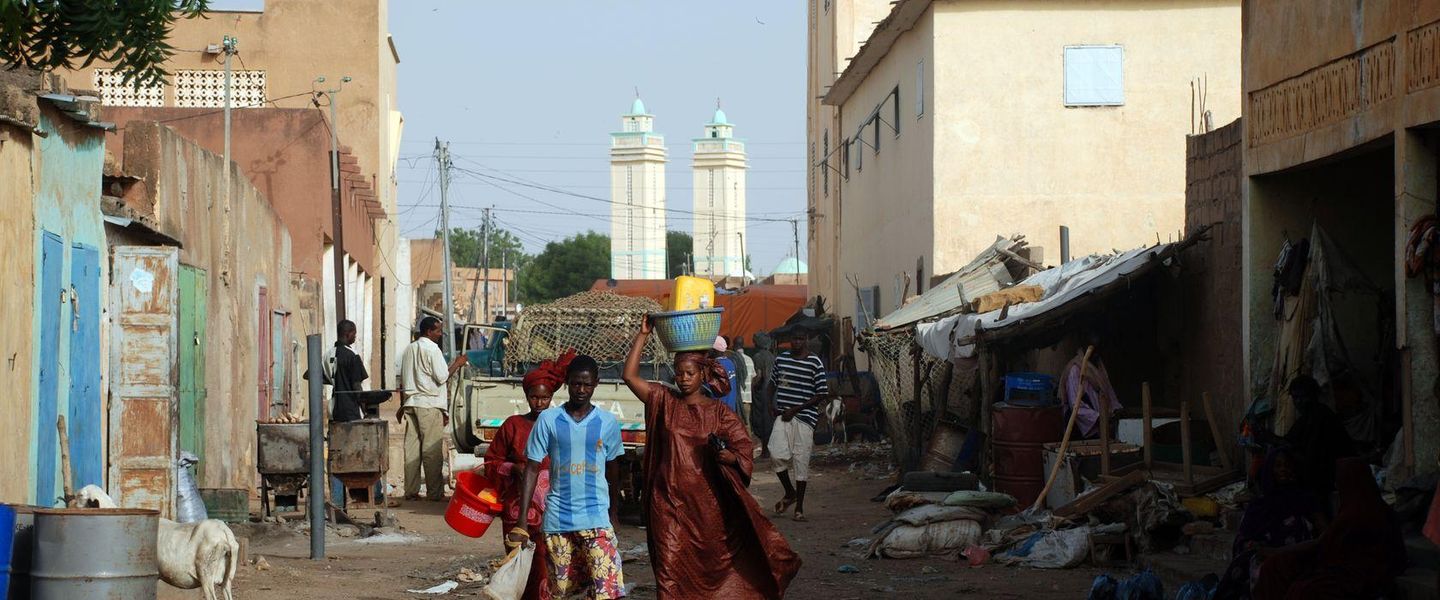

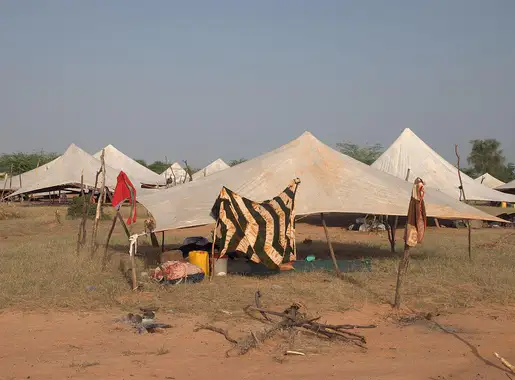
Discover Gorgol, Mauritania: A serene blend of lush landscapes, rich culture, and warm hospitality, offering a unique escape from the desert surroundings.
Read more about Gorgol
When is the best time to visit Gorgol?
Best: December–February · 30–33°C| Month | High (°C) | Rainfall (mm) |
|---|---|---|
| January (best) | 30 | 0 |
| February (best) | 33 | 0 |
| March | 37 | 1 |
| April | 41 | 2 |
| May | 45 | 2 |
| June | 48 | 3 |
| July | 49 | 5 |
| August | 48 | 6 |
| September | 45 | 4 |
| October | 39 | 2 |
| November | 34 | 1 |
| December (best) | 32 | 0 |
Getting to and around Gorgol
How to get there
Transportation
Explore Gorgol on the map
Plan your trip on one map. See where the top cities, national parks and sights are, and book hotels and experiences in a few clicks.
Best hotels in Gorgol
Best restaurants in Gorgol
In Gorgol, visitors can indulge in an authentic Mauritanian dining experience that is as rich and diverse as its cultural tapestry. The local eateries and street food vendors offer an array of traditional dishes, with hearty stews like 'thieboudienne'—a flavorful fish and rice dish—as a staple. Dining in Gorgol often means savoring the succulent flavors of freshly roasted lamb, known as 'mechoui,' and enjoying the delicate balance of spices in 'marou,' a popular couscous-based meal. Visitors can expect fresh ingredients and warm hospitality, often dining in communal settings that reflect the region's strong sense of community. Whether it's enjoying a leisurely meal in a rustic restaurant or grabbing a quick bite from a street vendor, the culinary landscape of Gorgol is sure to provide an unforgettable gastronomic adventure.
-
Restaurant
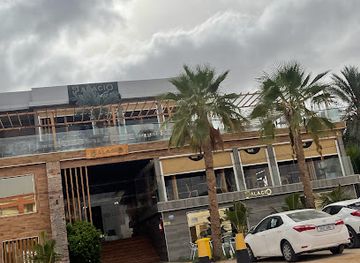
مطعم بالاسيو Palacio
Discover authentic Mauritanian flavors at Palacio Restaurant - a culinary oasis in Nouakchott offering delightful dishes and warm hospitality.
-
Restaurant
Rotana Café
Experience authentic Mauritanian cuisine in a warm and welcoming atmosphere at Rotana Café in Nouakchott.
-
Indian
The India Gate الطعام الهندي
Discover authentic Indian cuisine at The India Gate in Nouakchott - a culinary haven filled with flavor and warmth.
-
Restaurant
Tafarit Restaurant
Discover authentic Mauritian seafood at Tafarit Restaurant in Nouakchott - a culinary gem for food lovers!
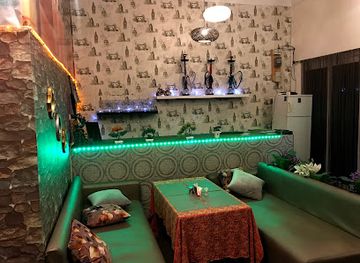
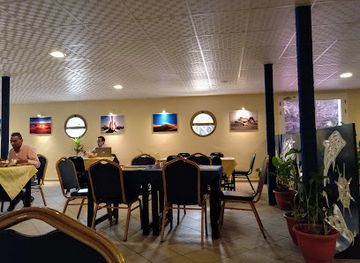
Best bars in Gorgol
As the sun sets over the verdant landscapes of Gorgol, Mauritania, the nightlife scene awakens with a unique blend of cultural vibrancy and local charm. Visitors can expect to immerse themselves in traditional Mauritanian music and dance at lively, open-air gatherings where the rhythmic beat of drums and the melodies of stringed instruments fill the night air. Small, intimate bars and cafés offer an inviting atmosphere to unwind, often featuring impromptu performances by local musicians. Savor the taste of traditional Mauritanian tea and local delicacies while engaging in spirited conversations with friendly locals, making for an authentic and memorable evening experience. The nightlife in Gorgol is not about flashy clubs or neon lights but rather a soulful journey through the rich cultural tapestry of this enchanting region.
-
Restaurant
Fast Foot Kanel
Experience authentic Senegalese cuisine at Fast Foot Kanel, a must-visit restaurant in the heart of Kanel.
-
DONDOU
Experience the rich blend of Southwestern French cuisine and local Senegalese flavors in the heart of Dondou, Senegal.
-
 Restaurant
مطعم ماشاء الله
Experience the authentic flavors of Mauritania at مطعم ماشاء الله in Kaédi, where delicious local cuisine meets warm hospitality.
-
Restaurant
Restaurant Ibrahima Dia
Savor authentic Senegalese cuisine at Restaurant Ibrahima Dia in Matam, where local flavors come to life in a warm, inviting atmosphere.
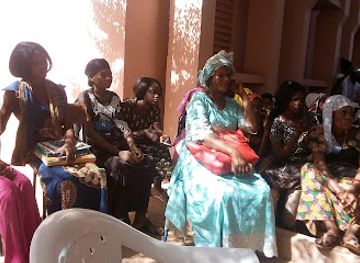
Best nightclubs in Gorgol
As the sun sets over the verdant landscapes of Gorgol, Mauritania, the nightlife scene awakens with a unique blend of cultural vibrancy and local charm. Visitors can expect to immerse themselves in traditional Mauritanian music and dance at lively, open-air gatherings where the rhythmic beat of drums and the melodies of stringed instruments fill the night air. Small, intimate bars and cafés offer an inviting atmosphere to unwind, often featuring impromptu performances by local musicians. Savor the taste of traditional Mauritanian tea and local delicacies while engaging in spirited conversations with friendly locals, making for an authentic and memorable evening experience. The nightlife in Gorgol is not about flashy clubs or neon lights but rather a soulful journey through the rich cultural tapestry of this enchanting region.
-
Restaurant
Nouakchott Night
Discover the culinary delights and vibrant nightlife of Nouakchott at Nouakchott Night, a popular restaurant for locals and tourists alike.
-
Men's clothing store
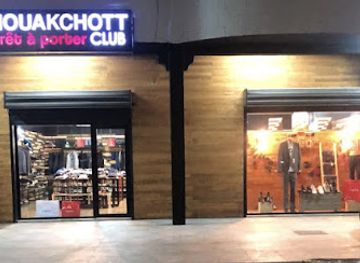
NOUAKCHOTT CLUB
Explore the essence of Mauritanian style at Nouakchott Club, a premier men’s clothing store offering a blend of tradition and modernity.
-
Restaurant
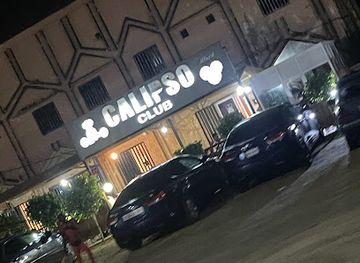
Calipso Club
Experience the vibrant flavors of Mauritania at Calipso Club, a lively restaurant in the heart of Nouakchott, perfect for tourists and locals alike.
-
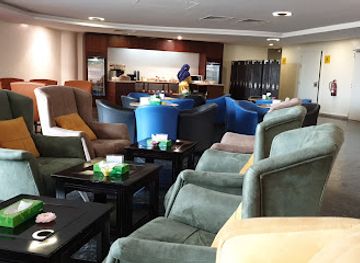
Lounge
Afroport Lounge
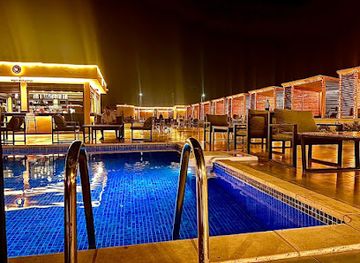
Experience comfort and tranquility at Afroport Lounge, the perfect retreat within Nouakchott Oumtounsy International Airport.
Best shops in Gorgol
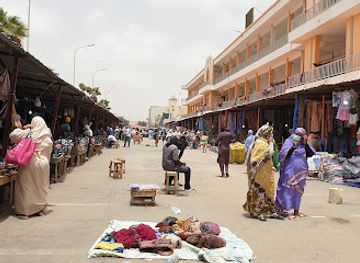
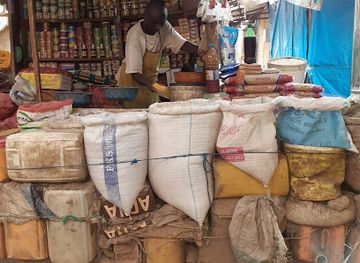
In the heart of Gorgol, visitors can immerse themselves in a vibrant shopping scene that weaves together the rich tapestry of Mauritanian culture and craftsmanship. Wander through bustling markets where the air is fragrant with exotic spices and the stalls are brimming with colorful textiles, handmade jewelry, and intricate leather goods. The local artisans proudly display their wares, each piece telling a story of tradition and skill passed down through generations. As you navigate the lively souks, you'll find unique treasures like traditional Mauritanian garments, decorative pottery, and beautifully woven mats, all offering an authentic taste of the region's heritage. Whether you're looking for a memorable keepsake or a unique gift, the shopping experience in Gorgol promises to be a captivating journey through the culture and creativity of this enchanting part of Mauritania.
-
Shopping mall
Marche Capitale
Discover the vibrant Marche Capitale in Nouakchott, a shopping mall that encapsulates the heart of Mauritania's culture and commerce.
-
Art gallery
Galerie Zeinart
Discover the artistic heart of Nouakchott at Galerie Zeinart, showcasing Mauritania's vibrant culture and creativity through diverse art forms.
-
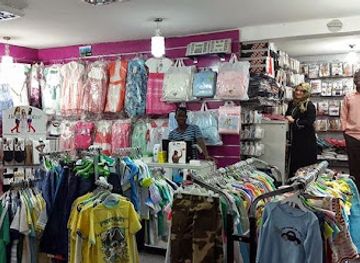
Clothing store
Marche Boutique Ftb
Experience the vibrant fashion scene at Marche Boutique Ftb, where Senegalese culture meets modern style in a charming clothing store.
-
Clothing store
MARCHE TURC
Explore the vibrant Marche Turc in Nouakchott, a fashion hub offering unique clothing, accessories, and a taste of local shopping culture.

Get your free copy of our complete guide to Gorgol, delivered straight to you.
Everything on this page, from attractions and restaurants to essentials and local phrases, in one PDF you can read offline, print or share.
Already have an account? Sign in
Your Gorgol guide is ready.
We'll send it to · Not you? Sign out

Getting your guide ready…
We are putting together a fresh copy of the Gorgol guide. This can take up to a minute.
This can take a few moments. If your browser asks, choose Allow so the download can start. You'll find the guide in your Downloads folder.
Nothing happened? Download it again
Sorry, the guide is taking longer than usual. Please try again in a minute, or get it by email instead.
Gorgol essentials
Currency and Payment
Safety
Emergency Situations
Do's and Don'ts
Local Tips
From Eve
Local phrases worth knowing
You don't need to get them perfect. A few words go a long way, and locals appreciate the effort.
Basics
| English | Local | Say it |
|---|---|---|
| Hello | Salam | [sah-lahm] |
| Goodbye | Ma'as-salama | [mah-as-sah-lah-mah] |
| Yes | Na'am | [nah-am] |
| No | La | [lah] |
| Please/You're welcome | Afwan | [ahf-wan] |
| Thank you | Shukran | [shoo-krahn] |
| Excuse me/Sorry | Aasif | [ah-see-f] |
| How are you? | Kayfa halak? | [kay-fah ha-lak] |
| Fine. And you? | Bikhayr. Wa anta? | [bi-khayr. wah an-ta] |
| Do you speak English? | Hal tatakallam al-ingliziya? | [hal ta-ta-kal-lam al-in-gli-zi-ya] |
| I don't understand | Ana la afham | [ah-nah lah af-ham] |
Eating & Drinking
| English | Local | Say it |
|---|---|---|
| I'd like to see the menu, please | Aريد أن أرى القائمة، من فضلك | [a-ree-d an ah-ra al-qa-i-ma, min fa-dlik] |
| I don't eat meat | Ana la akul lahm | [ah-nah lah ah-kul lahm] |
| Cheers! | Fi safar! | [fee sa-far] |
| I would like to pay, please | Aريد أن أدفع، من فضلك | [a-ree-d an ad-fa', min fa-dlik] |
Emergencies
| English | Local | Say it |
|---|---|---|
| Help! | Ainnee! | [ain-nee] |
| Go away! | Izhab! | [iz-hab] |
| Call the Police! | Ittasil bil-shurta! | [it-ta-sil bil-shur-ta] |
| Call a doctor! | Ittasil bi-doctor! | [it-ta-sil bi-doc-tor] |
| I'm lost | Ana dhahabtu | [ah-nah dhah-ab-tu] |
| I'm ill | Ana marid | [ah-nah ma-rid] |
Shopping
| English | Local | Say it |
|---|---|---|
| I'd like to buy... | Aريد أن أشتري... | [a-ree-d an ash-ta-ree] |
| I'm just looking | Ana just an-nazhar | [ah-nah just an-naz-har] |
| How much is it? | Kam thamanuh? | [kam tha-ma-nuh] |
| That's too expensive | Hatha ghali jidan | [ha-tha ghal-i jee-dan] |
| Can you lower the price? | Hal yumkinuka khafdh as-saeer? | [hal yum-ki-nu-ka khaf-dh as-saeer] |
Time & Numbers
| English | Local | Say it |
|---|---|---|
| What time is it? | Ay waqt? | [ay waqt] |
| It's one o'clock | As-saa'a wahida | [as-saa-a wah-i-da] |
| Half past (10) | Nisf min (10) | [nisf min (10)] |
| Morning | Sabaah | [sa-bah] |
| Afternoon | Ba'd al-zuhur | [ba'd al-zuh-ur] |
| Evening | Masa'a | [ma-sa-a] |
| Yesterday | Amس | [am-s] |
| Today | Al-yawm | [al-yawm] |
| Tomorrow | Ghad | [ghad] |
| 1 | Wahid | [wah-id] |
| 2 | Ithnan | [ith-nan] |
| 3 | Thalatha | [tha-la-tha] |
| 4 | Arba'a | [ar-ba-a] |
| 5 | Khamsa | [khams-a] |
| 6 | Sitta | [sit-ta] |
| 7 | Sab'a | [sab-a] |
| 8 | Thamaniya | [tha-ma-ni-ya] |
| 9 | Tis'a | [tis-a] |
| 10 | Ashara | [a-sha-ra] |
Transport & Directions
| English | Local | Say it |
|---|---|---|
| Where's a/the...? | Aina ...? | [ai-na] |
| What's the address? | Ma huwa al-'unwan? | [ma hoo-wa al-un-wan] |
| Can you show me (on the map)? | Hal يمكنك أن تري لي (على الخريطة)؟ | [hal yum-kin-uka an tu-ree li (ala al-khari-ta)] |
| When's the next (bus)? | Mata al-hafila al-qadima? | [ma-ta al-ha-fi-la al-qa-di-ma] |
| A ticket (to ....) | Tazkara (ila ...) | [taz-ka-ra (ila ...)] |
History of Gorgol
Ancient Settlement and Early Inhabitants
Gorgol, a region in southern Mauritania, has a rich history dating back to ancient times. Archaeological evidence suggests that the area was inhabited by various ethnic groups, including the Soninke people. These early settlers engaged in agriculture, animal husbandry, and trade, laying the foundation for the region's diverse cultural heritage.
The Ghana Empire Influence
During the height of the Ghana Empire (c. 300 to 1200 AD), Gorgol was part of the empire's expansive territory. The Ghana Empire, known for its wealth and trade in gold, significantly influenced the cultural and economic landscape of Gorgol. The empire's decline in the 12th century saw the region transition to other local powers.
Islamic Influence and Expansion
In the 11th century, the Almoravid movement, a Berber Muslim dynasty, brought Islam to the region, including Gorgol. The spread of Islam transformed social structures, education, and trade practices. Islamic scholars and traders played a crucial role in integrating the region into broader Islamic networks.
Colonial Era and French Control
In the late 19th and early 20th centuries, Gorgol, like much of Mauritania, came under French colonial rule. The French established administrative control, built infrastructure, and introduced new agricultural practices. The colonial period also brought significant social and economic changes, some of which are still evident today.
Post-Independence Developments
Mauritania gained independence from France in 1960, and Gorgol played a role in the newly formed nation's development. The post-independence era saw efforts to modernize agriculture, improve education, and integrate Gorgol more fully into the national framework. Despite challenges, the region has made strides in various sectors, reflecting its resilience and adaptability.
Cultural Heritage and Traditions
Gorgol is a melting pot of cultural traditions, influenced by its diverse ethnic groups, including the Soninke, Fulani, and Wolof. Traditional music, dance, and crafts are integral to the region's cultural identity. Festivals and community gatherings showcase the rich heritage and foster a sense of unity and pride among the residents.
Agricultural Significance
Agriculture is the backbone of Gorgol's economy, with the Senegal River providing essential water resources for irrigation. The region is known for its production of millet, sorghum, and maize. Agricultural practices have evolved over time, incorporating both traditional methods and modern techniques to enhance productivity.
Environmental Challenges and Adaptations
Gorgol faces environmental challenges such as desertification and water scarcity. Efforts to combat these issues include sustainable farming practices, reforestation projects, and community-led conservation initiatives. These measures aim to protect the environment while ensuring the livelihoods of the local population.
Gorgol in Photos
Browse through our photo collection highlighting the charm and character of the destination.
Neighbouring regions of Gorgol
The closest regions to Gorgol, if you have time for more than one.
-
 Guidimaka
Discover the untouched beauty and rich cultural heritage of Guidimaka in Mauritania, where history, nature, and tradition come together in harmony.
Guidimaka
Discover the untouched beauty and rich cultural heritage of Guidimaka in Mauritania, where history, nature, and tradition come together in harmony.
-
 Assaba
Discover Assaba, the hidden jewel of Mauritania, where natural beauty meets cultural heritage in a serene and captivating landscape.
Assaba
Discover Assaba, the hidden jewel of Mauritania, where natural beauty meets cultural heritage in a serene and captivating landscape.
-
 Brakna
Discover the hidden beauty of Brakna, Mauritania, where desert meets river, and culture thrives in a landscape of contrasts.
Brakna
Discover the hidden beauty of Brakna, Mauritania, where desert meets river, and culture thrives in a landscape of contrasts.
-
 Trarza
Explore the captivating sands and cultural riches of Trarza in Mauritania, where the Sahara desert meets the vibrant life along the Senegal River.
Trarza
Explore the captivating sands and cultural riches of Trarza in Mauritania, where the Sahara desert meets the vibrant life along the Senegal River.
-
 Hodh El Gharbi
Discover Hodh El Gharbi: Mauritania's hidden gem where desert landscapes, ancient ruins, and rich local culture await the intrepid traveler.
Hodh El Gharbi
Discover Hodh El Gharbi: Mauritania's hidden gem where desert landscapes, ancient ruins, and rich local culture await the intrepid traveler.
Swipe for more regions

