

Savanne, Mauritius Travel Guide
Discover the serene beauty of Savanne in Mauritius, where lush forests, pristine beaches, and rich cultural heritage offer a perfect escape from the ordinary.
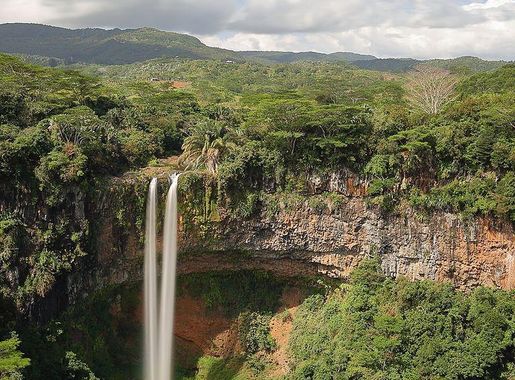
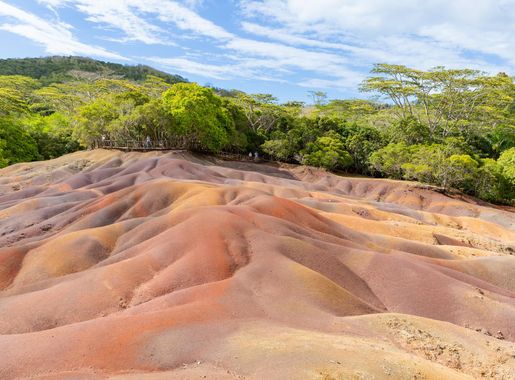
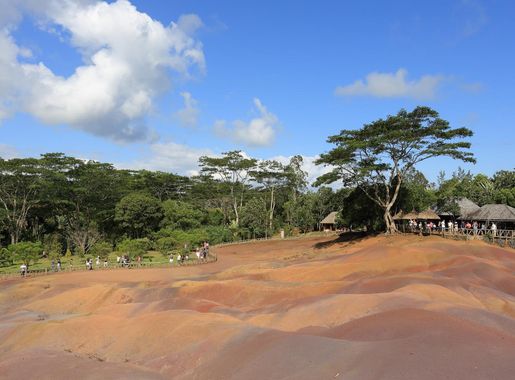
Nestled in the southern part of Mauritius, Savanne offers a truly unique experience, far removed from the bustling tourist hotspots. Characterized by its lush greenery, dramatic cliffs, and serene beaches, Savanne is the perfect escape for those seeking tranquility and natural beauty. One of the highlights of Savanne is the Black River Gorges National Park, a vast area of protected forest that is home to a variety of endemic species. Visitors can embark on numerous hiking trails that wind through the dense forest, offering breathtaking views of waterfalls, rivers, and rare bird species. The park also provides a fantastic opportunity to immerse oneself in the local flora and fauna. Savanne is also famous for its coastal scenery. The village of Bel Ombre, situated along the coast, boasts pristine beaches and luxury resorts. Here, you can enjoy water sports such as snorkeling and kite surfing or simply relax by the crystal-clear waters. The area is also known for its historical sugar plantations, which offer guided tours that reveal the rich cultural heritage of the region. For a cultural experience, a visit to the village of Chamarel is a must. Known for its Seven Colored Earths, a natural phenomenon resulting in vibrant, multi-colored sand dunes, Chamarel also features a rum distillery where visitors can learn about the rum-making process and sample local varieties. The village is also home to the majestic Chamarel Waterfall, the tallest on the island, providing an excellent backdrop for memorable photos.

Know before you go
Hi, I'm Eve. Here are a few practical things to know before exploring Savanne.
- Visit early in the morning to enjoy the Black River Gorges National Park before it gets crowded.
- Rent a car for greater flexibility when exploring the remote and scenic spots in Savanne.
- Carry insect repellent for hikes and outdoor activities.
- Try the local cuisine at small eateries for an authentic Mauritian experience.
- Pack a swimsuit and snorkeling gear to fully enjoy the coastal areas and marine life.
Explore Savanne: Things to Do, Places to Eat, Hotels & More
Handpicked recommendations for top attractions, local dining, accommodations, and more

Top Attractions & Sightseeing in Savanne
Top-rated picks
Best Attractions
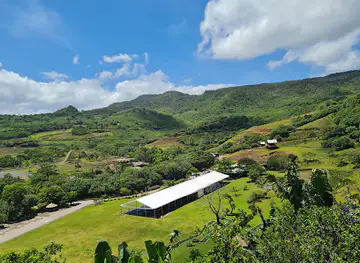
La Vallée Des Couleurs Nature Park
Discover the vibrant colors and thrilling adventures at La Vallée Des Couleurs Nature Park, a natural gem in Mauritius for every nature lover.

Chamarel Waterfall
Explore the breathtaking Chamarel Waterfall, a stunning natural gem in Mauritius, surrounded by lush landscapes and vibrant flora and fauna.

Gris Gris Beach
Experience the breathtaking views and serene atmosphere of Gris Gris Beach, a hidden gem in Souillac, Mauritius, perfect for relaxation and exploration.

Rochester Falls
Discover the breathtaking beauty of Rochester Falls in Mauritius, a serene escape surrounded by nature and stunning waterfalls.

Best landmarks in Savanne
Top-rated picks
Best Landmarks
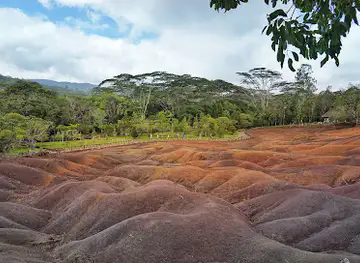
Chamarel Seven Colored Earth Geopark
Explore the captivating Chamarel Seven Colored Earth Geopark, a natural wonder showcasing vibrant hues and breathtaking landscapes in Mauritius.

Casela Nature Parks
Experience the thrilling adventures and natural wonders at Casela Nature Parks, Mauritius' premier amusement park and zoo.

Chamarel Waterfall
Experience the breathtaking beauty of Chamarel Waterfall, a stunning natural attraction in Mauritius surrounded by lush landscapes and rich biodiversity.

La Vanille Nature Park
Discover La Vanille Nature Park: A Unique Animal Park in Mauritius Offering Diverse Wildlife and Scenic Nature Trails.

Best restaurants in Savanne
Top-rated picks
Best Restaurants

Le Bois Cheri Restaurant
Experience exquisite Mauritian cuisine with breathtaking views at Le Bois Cheri Restaurant in Mauritius.

Domaine Anna
Experience exquisite dining at Domaine Anna in Flic en Flac - where Mauritian flavors meet serene landscapes.

Le Chamarel Restaurant
Experience exquisite Mauritian cuisine with stunning views at Le Chamarel Restaurant in beautiful Chamarel.

Le Sapin d'Or
Discover authentic Mauritian cuisine at Le Sapin d'Or in Curepipe - a delightful restaurant known for its vibrant flavors and welcoming ambiance.

Best bars in Savanne
Top-rated picks
Best Bars

The Irish Pub & Restaurant
Experience the vibrant atmosphere and delicious Irish cuisine at The Irish Pub & Restaurant in Quatre Bornes, Mauritius.

Big Willy's
Experience the lively atmosphere of Big Willy's, where delicious tapas and vibrant nightlife come together in the heart of Mauritius.

Shotz
Discover Shotz, Flic en Flac’s vibrant pub, where delightful drinks and a lively atmosphere create unforgettable memories by the sea.
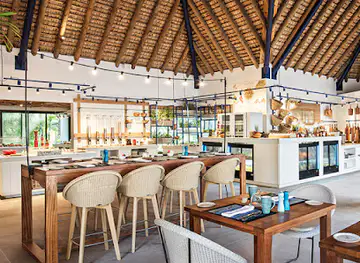
C Beach Club
Discover C Beach Club, a tropical paradise in Bel Ombre, offering exquisite dining, exciting water sports, and vibrant nightlife for an unforgettable experience.

Best nightclubs in Savanne
Top-rated picks
Best Nightclubs

Banana Beach Club
Unwind at Banana Beach Club in Grand Baie, where delicious grill flavors meet the magic of live jazz music for an unforgettable evening.

Shotz
Discover the lively Shotz Pub in Flic en Flac, Mauritius – the perfect spot for drinks, socializing, and entertainment by the beach.

Queen's Club
Experience the vibrant nightlife of Quatre Bornes at Queen's Club, where local music and dancing come alive in a stylish atmosphere.

Insomnia Night Club
Discover the electrifying nightlife at Insomnia Night Club in Grand Baie, where music, dance, and vibrant energy come together for an unforgettable experience.

Best shops in Savanne
Top-rated picks
Best Shops

Bagatelle Mall of Mauritius
Experience the best of shopping, dining, and entertainment at Bagatelle Mall of Mauritius, the ultimate destination for tourists and locals alike.

Cascavelle Shopping Mall
Discover a shopping paradise at Cascavelle Shopping Mall with top brands, delicious dining, and vibrant entertainment in a stunning Mauritius setting.

Ruisseau Creole
Discover the charm of Ruisseau Creole - a vibrant shopping hub in La Preneuse, Mauritius offering unique local finds and delightful dining experiences.

Voiliers de l'océan (Ship Models)
Explore the exquisite craftsmanship of ship models and dive into the rich maritime heritage at Voiliers de l'océan in Curepipe.

Explore Savanne on the Map
A handpicked selection of must-see spots in Savanne, mapped for you.
Savanne Essentials
-
Savanne is located in the southern part of Mauritius. The nearest international airport is Sir Seewoosagur Ramgoolam International Airport (MRU), approximately 30 kilometers away. From the airport, you can take a taxi, which takes about 45 minutes to reach Savanne. Alternatively, you can arrange for a private transfer or rent a car at the airport for more flexibility.
-
Getting around Savanne is relatively easy. Taxis are widely available and are a convenient option for short distances. Public buses operate within the area and connect to other parts of Mauritius, though they may not run very frequently. Renting a car or a scooter is a popular choice for tourists wanting to explore at their own pace. Bicycle rentals are also available for those who prefer eco-friendly transportation.
-
The official currency is the Mauritian Rupee (MUR). Credit cards are widely accepted in hotels, restaurants, and larger shops. However, it's advisable to carry some cash for small purchases and when visiting rural areas. ATMs are available in major towns within Savanne, but it’s always a good idea to have sufficient cash on hand.
-
Savanne is generally a safe destination for tourists. However, it is advisable to take standard precautions. Avoid walking alone at night, especially in poorly lit or unfamiliar areas. Petty crimes like pickpocketing can occur in crowded places, so keep an eye on your belongings. There aren't specific high-crime areas targeting tourists, but staying vigilant is always wise.
-
In case of an emergency, dial 999 for police, ambulance, or fire services. There are medical facilities available in Savanne, including hospitals and clinics. It is advisable to have travel insurance that covers medical emergencies. For minor health issues, you can visit local pharmacies to purchase over-the-counter medications.
-
Fashion: Do dress modestly, especially when visiting religious sites. Avoid wearing overly revealing clothing. Religion: Do respect local customs and traditions. Remove your shoes when entering temples and cover your head if required. Public Transport: Do be respectful and give up your seat to elderly passengers. Don't eat or drink on public transport. Greetings: Do greet people with a smile and a handshake. A slight bow is also a sign of respect. Eating & Drinking: Do try local delicacies and accept food offerings graciously. Don't refuse hospitality, as it is considered impolite.
-
To experience Savanne like a local, visit the local markets where you can buy fresh produce and traditional Mauritian goods. Engage with locals; they are often friendly and willing to share stories about their culture and history. Don't miss visiting the Black River Gorges National Park and the Rochester Falls for a unique natural experience. For an authentic culinary experience, try the street food vendors and local restaurants.
When is the best time to visit Savanne?
Useful Local Phrases for Savanne
You don't need to speak the language perfectly. Even learning a few simple words can make conversations warmer—and locals usually appreciate the effort.
— Eve

Here are the phrases I use most often in Savanne. Try a few—you'll be surprised how far they go! 😊
❤️
-
- HelloSalutations
[sah-loo-tah-syon] - GoodbyeAu revoir
[oh ruh-vwahr] - YesOui
[wee] - NoNon
[noh] - Please/You're welcomeS'il vous plaît
[seel voo pleh] - Thank youMerci
[mehr-see] - Excuse me/SorryExcusez-moi
[ex-kew-zay mwah] - How are you?Comment ça va?
[koh-mohn sah vah] - Fine. And you?Ça va bien. Et vous?
[sah vah byehn eh voo] - Do you speak English?Parlez-vous anglais?
[par-lay voo ahn-glay] - I don't understandJe ne comprends pas
[zhuh nuh kohm-prahn pah]
- HelloSalutations
-
- I'd like to see the menu, pleaseJe voudrais voir le menu, s'il vous plaît
[zhuh voo-dray vwar luh meh-nu seel voo pleh] - I don't eat meatJe ne mange pas de viande
[zhuh nuh mahnj pah duh vyahnd] - Cheers!Santé!
[sahn-tay] - I would like to pay, pleaseJe voudrais payer, s'il vous plaît
[zhuh voo-dray pay-ay seel voo pleh]
- I'd like to see the menu, pleaseJe voudrais voir le menu, s'il vous plaît
-
- Help!Au secours!
[oh suh-koor] - Go away!Allez-vous-en!
[ah-lay voo zahn] - Call the Police!Appelez la police!
[ah-peh-lay lah poh-lees] - Call a doctor!Appelez un médecin!
[ah-peh-lay uhn may-deh-sahn] - I'm lostJe suis perdu
[zhuh swee pehr-due] - I'm illJe suis malade
[zhuh swee mah-lahd]
- Help!Au secours!
-
- I'd like to buy...Je voudrais acheter...
[zhuh voo-dray ah-sheh-tay] - I'm just lookingJe regarde juste
[zhuh ruh-gard zhoost] - How much is it?C'est combien?
[seh kohm-byen] - That's too expensiveC'est trop cher
[seh troh shair] - Can you lower the price?Pouvez-vous baisser le prix?
[poo-vay voo beh-say luh pree]
- I'd like to buy...Je voudrais acheter...
-
- What time is it?Quelle heure est-il?
[kel uhr eh-teel] - It's one o'clockIl est une heure
[eel eh ewn uhr] - Half past (10)Dix heures et demie
[dees uhr eh deh-mee] - MorningMatin
[mah-tan] - AfternoonAprès-midi
[ah-pray mee-dee] - EveningSoir
[swahr] - YesterdayHier
[ee-ehr] - TodayAujourd'hui
[oh-zhoor dwee] - TomorrowDemain
[deh-mahn] - 1Un
[uhn] - 2Deux
[duh] - 3Trois
[trwah] - 4Quatre
[katr] - 5Cinq
[sank] - 6Six
[sees] - 7Sept
[set] - 8Huit
[weet] - 9Neuf
[nuhf] - 10Dix
[dees]
- What time is it?Quelle heure est-il?
-
- Where's a/the...?Où est un/une...?
[oo eh uhn/oon] - What's the address?Quelle est l'adresse?
[kel eh la-dress] - Can you show me (on the map)?Pouvez-vous me montrer (sur la carte)?
[poo-vay voo muh mahn-tray (sur lah kart)] - When's the next (bus)?Quand est le prochain (bus)?
[kahn eh luh pro-shen (boos)] - A ticket (to ....)Un billet (pour ....)
[uhn bee-yay (poor)]
- Where's a/the...?Où est un/une...?
History of Savanne
-
Savanne's history dates back to the early days of colonial Mauritius. Originally part of the Dutch settlement in the 17th century, the region saw significant development under French rule from 1715 to 1810. The French established sugar plantations, which became the backbone of the local economy, and constructed key infrastructure that laid the foundation for Savanne's growth.
-
In 1810, Mauritius was ceded to the British, marking another pivotal chapter in Savanne's history. Under British rule, the sugar industry continued to flourish, and new agricultural practices were introduced. The British also invested in the development of transportation networks, including roads and railways, further integrating Savanne into the broader Mauritian economy.
-
Savanne, like much of Mauritius, was deeply affected by the transatlantic slave trade. Enslaved Africans were brought to work on the sugar plantations, enduring harsh conditions. The abolition of slavery in 1835 was a significant turning point, leading to the arrival of indentured laborers from India. This migration profoundly influenced the cultural and demographic landscape of Savanne.
-
One of Savanne's most notable landmarks, Chamarel, gained prominence during the 19th century. Known for its stunning natural beauty, including the Chamarel Waterfall and the Seven Colored Earths, Chamarel became a symbol of the region's unique geological and ecological features. The village also played a role in the development of eco-tourism in Mauritius.
-
Savanne's cultural landscape is a rich tapestry woven from the diverse communities that have settled in the region. From the Creole traditions of the descendants of African slaves to the vibrant Indian customs brought by indentured laborers, Savanne is a microcosm of Mauritius's multicultural identity. Festivals, cuisine, and religious practices in Savanne reflect this harmonious blend of influences.
-
Following Mauritius's independence in 1968, Savanne underwent significant socio-economic changes. The government invested in education, healthcare, and infrastructure, improving the quality of life for its residents. New industries, such as textiles and tourism, emerged alongside the traditional sugar sector, diversifying the local economy and fostering growth.
-
Savanne is home to several protected areas and natural reserves, highlighting the region's commitment to environmental conservation. The Black River Gorges National Park, which partially lies in Savanne, is a prime example. Efforts to preserve the unique flora and fauna of the region have made it a hub for eco-tourism and research, attracting visitors and scientists alike.
Neighbouring Regions of Savanne
The closest regions to Savanne, if you have time for more than one.


Your all‑in‑one travel companion app
Explore expert travel guides, compare and book tours, experiences, hotels, and more—all from the palm of your hand. Download now for seamless trip planning wherever your wanderlust takes you.


Explore More of Mauritius
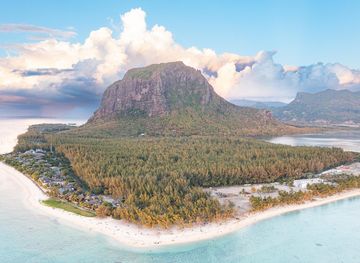
Looking beyond Savanne? Discover Mauritius for broader travel guides, local hot-spots, and regional highlights.
Explore MauritiusSavanne in Photos
Browse through our photo collection highlighting the charm and character of the destination.





Savanne: The Untouched Jewel of Mauritius
Nestled in the southern part of Mauritius, Savanne offers a truly unique experience, far removed from the bustling tourist hotspots. Characterized by its lush greenery, dramatic cliffs, and serene beaches, Savanne is the perfect escape for those seeking tranquility and natural beauty. One of the highlights of Savanne is the Black River Gorges National Park, a vast area of protected forest that is home to a variety of endemic species. Visitors can embark on numerous hiking trails that wind through the dense forest, offering breathtaking views of waterfalls, rivers, and rare bird species. The park also provides a fantastic opportunity to immerse oneself in the local flora and fauna. Savanne is also famous for its coastal scenery. The village of Bel Ombre, situated along the coast, boasts pristine beaches and luxury resorts. Here, you can enjoy water sports such as snorkeling and kite surfing or simply relax by the crystal-clear waters. The area is also known for its historical sugar plantations, which offer guided tours that reveal the rich cultural heritage of the region. For a cultural experience, a visit to the village of Chamarel is a must. Known for its Seven Colored Earths, a natural phenomenon resulting in vibrant, multi-colored sand dunes, Chamarel also features a rum distillery where visitors can learn about the rum-making process and sample local varieties. The village is also home to the majestic Chamarel Waterfall, the tallest on the island, providing an excellent backdrop for memorable photos.