

Free Dzaoudzi Travel Guide & Mobile App
Explore Dzaoudzi with free travel guides. Discover regional history, expert tips, proposed trips, and audio guides on web or mobile app.


Explore Dzaoudzi’s historic islet, volcanic landscapes, lagoon views, local culture and gateway connections across Mayotte’s Petite-Terre.
Read more about Dzaoudzi
When is the best time to visit Dzaoudzi?
Best: July–September · 26–27°C| Month | High (°C) | Rainfall (mm) |
|---|---|---|
| January | 30 | 200 |
| February | 30 | 170 |
| March | 30 | 150 |
| April | 29 | 120 |
| May | 28 | 80 |
| June | 27 | 50 |
| July (best) | 26 | 40 |
| August (best) | 26 | 40 |
| September (best) | 27 | 40 |
| October | 28 | 50 |
| November | 29 | 100 |
| December | 30 | 170 |
Getting to and around Dzaoudzi
How to get there
Transportation
Destinations in Dzaoudzi
Resorts, valleys and scenic spots worth a trip of their own.
-

-


Swipe for more destinations
Best attractions in Dzaoudzi
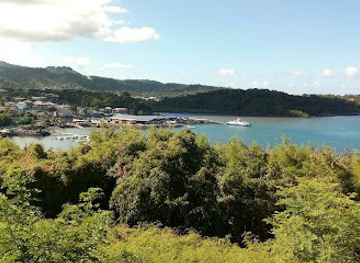
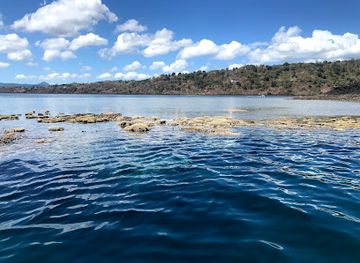
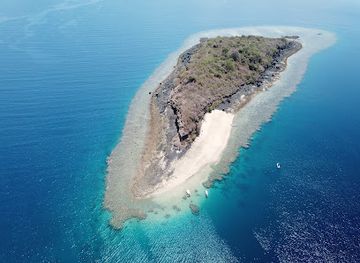
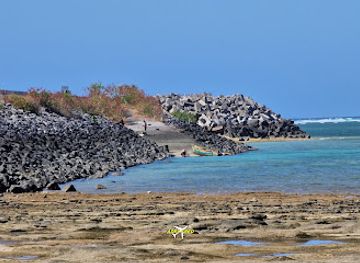
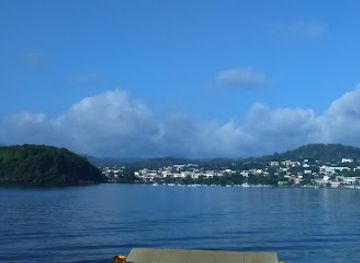
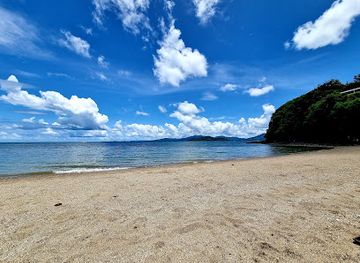
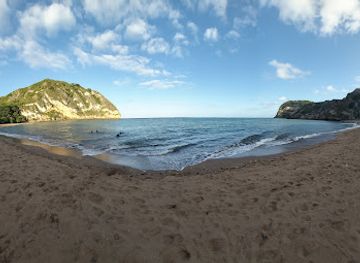
Dzaoudzi’s attractions combine historic buildings, volcanic scenery and lagoon-based experiences within a compact area of Petite-Terre. The old islet is the principal cultural focus, with the former governor’s residence and the Musée de Mayotte offering context on settlement, maritime exchange, crafts and the territory’s layered identity when facilities are open. Waterfront walks and viewpoints reveal the relationship between Dzaoudzi, the lagoon and Grande-Terre. In Labattoir, the crater lake of Dziani Dzaha provides a striking geological excursion, while northern and eastern coastal areas offer beaches, volcanic slopes and views across the water. The surrounding lagoon supports boat trips, fishing activity and seasonal wildlife observation, including excursions associated with marine mammals, though sightings are never guaranteed and responsible operators should be preferred. Local markets, mosques, neighbourhood streets and small food businesses are also part of the visitor experience, especially for travellers interested in contemporary Mayotte rather than formal monuments alone. Petite-Terre’s scale makes several sites accessible in one day, but heat, traffic and limited pedestrian infrastructure mean that a realistic itinerary should not be overcrowded.
-
Hiking area
Pointe Mahabou
Discover the stunning trails and breathtaking views at Pointe Mahabou, a natural paradise in Mayotte for every hiking enthusiast.
-
Tourist attraction
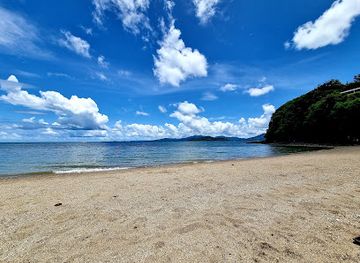
Plage du Faré
Experience the tranquil beauty of Plage du Faré, a stunning beach in Dzaoudzi, Mayotte, where relaxation meets adventure in paradise.
-
Boat tour agency
Mayotte Découverte
Experience the breathtaking beauty and vibrant marine life of Mayotte with unforgettable boat tours from Mayotte D'écouverte.
-
Boat tour agency
Lagon Aventure
Experience the breathtaking beauty of Mayotte with Lagon Aventure’s unforgettable boat tours showcasing vibrant marine life and stunning landscapes.
Best landmarks in Dzaoudzi
The most recognisable landmark is the rocky historic islet of Dzaoudzi itself, whose position in the lagoon explains its long administrative and strategic importance. The former governor’s residence, now associated with the Musée de Mayotte, is a key surviving building from the period when Dzaoudzi was the colonial capital. Nearby religious and civic buildings add to the old quarter’s architectural character, while the causeway linking the islet with Labattoir makes the settlement’s island geography immediately visible. In the wider commune, Dziani Dzaha is the defining natural landmark: a volcanic crater containing a vividly coloured lake, surrounded by the geological forms of Petite-Terre. Coastal viewpoints around Labattoir and the northern part of the commune frame the lagoon, Grande-Terre and the channels used by local boats. These places should be understood as a connected landscape rather than isolated photo stops, since Dzaoudzi’s significance comes from the relationship between volcanic terrain, maritime movement, settlement and colonial administration.
-
International airport
Dzaoudzi–Pamandzi International Airport
Dzaoudzi–Pamandzi International Airport is your gateway to the stunning natural beauty and vibrant culture of Mayotte, a hidden gem in the Indian Ocean.
-
Restaurant
Le Tour du Monde
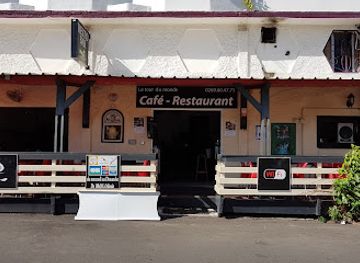
Discover the flavors of Mayotte at Le Tour du Monde, where delicious crepes, gourmet burgers, and fine wines await in a vibrant atmosphere.
-
Tourist attraction
Plage du Faré
Discover the serene beauty of Plage du Faré, a tropical paradise in Mayotte with stunning beaches, vibrant marine life, and rich cultural experiences.
-
Tourist attraction
Plage de Petite Moya
Experience the tranquility of Plage de Petite Moya, a hidden gem in Mayotte with soft sands, clear waters, and vibrant marine life.
Explore Dzaoudzi on the map
Plan your trip on one map. See where the top cities, national parks and sights are, and book hotels and experiences in a few clicks.
Best hotels in Dzaoudzi
Best restaurants in Dzaoudzi
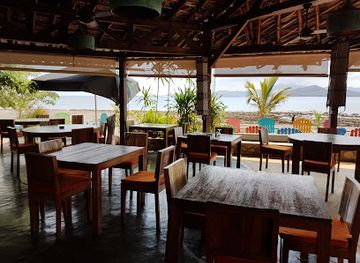
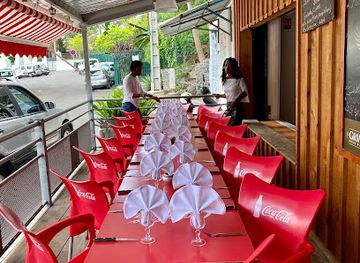
Dzaoudzi and Labattoir offer a modest but distinctive dining scene shaped by Comorian, Malagasy, African, French and Indian Ocean influences. Look for rice-based meals, grilled fish, fragrant stews, plantains, cassava, spices and coconut, alongside French-style bread, pastries and café fare. Seafood is important in a lagoon community, although availability varies with season, weather and supply. Small family-run eateries and informal food stalls often provide the clearest introduction to everyday flavours, while hotel and town restaurants may offer a broader range of French and regional dishes. Fresh fruit, including bananas, mangoes and other tropical produce, appears in markets and drinks, and ginger or other spices may accompany sweet and savoury foods. Dining times can be more flexible than in mainland France, particularly in smaller establishments, so it is sensible to confirm service arrangements before making a long journey. Visitors should distinguish local island cooking from general French cuisine, while recognising that menus reflect the territory’s mixed cultural connections rather than a single culinary tradition.
-
Restaurant
Le Faré
Experience exquisite local flavors at Le Faré in Dzaoudzi - a culinary oasis on the enchanting island of Mayotte.
-
Restaurant
Hippocampe Restaurant
Experience authentic Mayotte cuisine at Hippocampe Restaurant in Mamoudzou – where every meal tells a story.
-
French
Le Moya
Experience authentic French cuisine at Le Moya in Labattoir, Mayotte - where every dish tells a story.
-
Restaurant
Le Tour du Monde
Discover Le Tour du Monde: where local flavors meet global cuisine in a cozy Dzaoudzi setting.

Best bars in Dzaoudzi
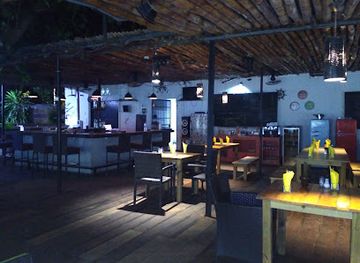
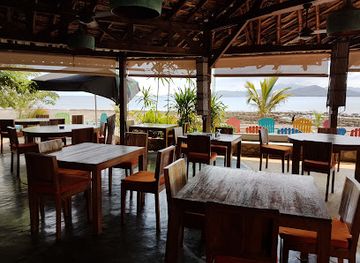
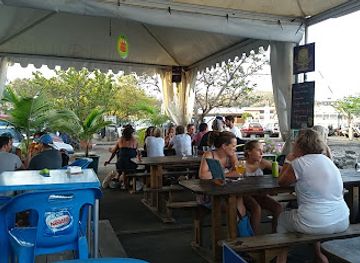
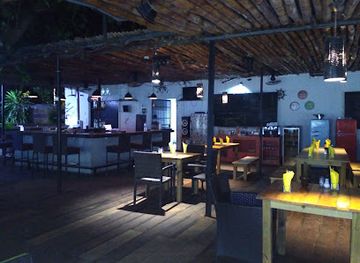
Nightlife in Dzaoudzi is relatively low-key and centres on restaurants, cafés, hotel bars, waterfront socialising and occasional live music rather than a large club circuit. Labattoir has more everyday evening activity because it is the commune’s main settled area, while the historic islet is quieter after the daytime visitors have left. Mayotte’s Muslim cultural context means that alcohol is not central to public life, and availability varies between establishments; visitors should follow the rules of each venue and avoid drinking in inappropriate public settings. Evening meals, conversation and gatherings around local cafés are more characteristic than late-night entertainment. Some larger hotels or organised events may provide music and drinks, but opening arrangements and programming can change. For a broader urban evening scene, travellers may cross to Mamoudzou, which is outside Dzaoudzi and depends on current barge or alternative transport arrangements.
-
Restaurant
Le Faré
Experience the unique flavors of Mayotte at Le Faré, where local cuisine meets a welcoming atmosphere.
-
Bar
Barakili
Experience the vibrant atmosphere of Barakili, a premier bar in Mamoudzou offering local drinks and lively nightlife.
-
Bar
Le Camion Blanc
Experience the vibrant atmosphere and local culture at Le Camion Blanc, a top bar in Mamoudzou, Mayotte, perfect for unwinding and socializing.
-
French
Le Moya
Discover the essence of French cuisine at Le Moya, a charming restaurant in Labattoir, Mayotte, renowned for its exquisite dishes and warm hospitality.

Best nightclubs in Dzaoudzi
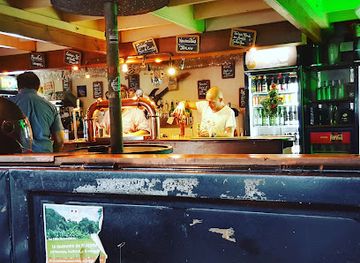
Nightlife in Dzaoudzi is relatively low-key and centres on restaurants, cafés, hotel bars, waterfront socialising and occasional live music rather than a large club circuit. Labattoir has more everyday evening activity because it is the commune’s main settled area, while the historic islet is quieter after the daytime visitors have left. Mayotte’s Muslim cultural context means that alcohol is not central to public life, and availability varies between establishments; visitors should follow the rules of each venue and avoid drinking in inappropriate public settings. Evening meals, conversation and gatherings around local cafés are more characteristic than late-night entertainment. Some larger hotels or organised events may provide music and drinks, but opening arrangements and programming can change. For a broader urban evening scene, travellers may cross to Mamoudzou, which is outside Dzaoudzi and depends on current barge or alternative transport arrangements.
-
Bar
Barakili
Experience the vibrant nightlife of Mamoudzou at Barakili, where refreshing drinks and lively atmosphere await you.
-
Bar
Le Tour du Monde
Explore the rich flavors of Mayotte at Le Tour du Monde, where culinary diversity meets a vibrant atmosphere in Dzaoudzi.
-
Bar
M'biwi
Discover M'biwi: A lively bar in Mamoudzou offering local flavors, vibrant ambiance, and a taste of Mayotte's rich cultural scene.
-
Bar
Le Sympa
Experience the flavors of Mayotte at Le Sympa, a lively bar and restaurant offering stunning ocean views and delicious local cuisine.

Best shops in Dzaoudzi
Shopping in Dzaoudzi is mainly local and practical, with the strongest character found in neighbourhood shops, market stalls and small food businesses rather than large retail complexes. Visitors can look for tropical fruit, spices, prepared foods, woven items, locally produced crafts and souvenirs reflecting Mayotte’s Comorian and Malagasy connections. The commercial streets of Labattoir are more useful for everyday supplies, while the historic islet is better suited to browsing heritage surroundings than seeking extensive retail. Small independent traders may sell textiles, jewellery, baskets or decorative objects, but quality and provenance vary, so ask questions before buying anything described as locally made. French pharmacy, grocery and household products are also widely available, reflecting Mayotte’s constitutional relationship with France. Carry cash for informal purchases, and do not buy archaeological objects, coral, shells or wildlife products whose removal may be illegal or damaging to the lagoon environment. For a wider selection of shops, Mamoudzou across the water is a nearby commercial alternative, not part of Dzaoudzi.
-
Shopping mall
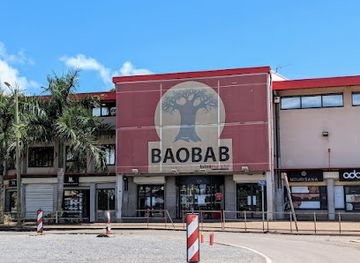
Centre Commercial Baobab
Discover the lively Centre Commercial Baobab in Mamoudzou, a shopping paradise with local flavors and a vibrant atmosphere.
-
Pastries
Le Péché Gourmand
Discover the sweet essence of Mayotte at Le Péché Gourmand, where exquisite pastries and a charming atmosphere await.
-
Fashion designer
Choumi Créations
Explore the exquisite fashion and unique linens at Choumi Créations, a boutique showcasing the best of Mayotte's local craftsmanship and design.
-
Fabric store
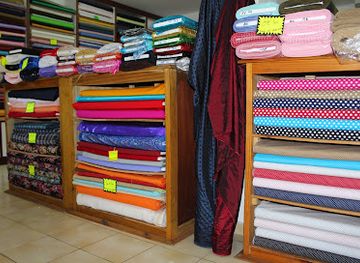
Comema
Discover a vibrant world of fabrics and creativity at Comema in Labattoir, Mayotte. Perfect for crafters and textile lovers!

Get your free copy of our complete guide to Dzaoudzi, delivered straight to you.
Everything on this page, from attractions and restaurants to essentials and local phrases, in one PDF you can read offline, print or share.
Already have an account? Sign in
Your Dzaoudzi guide is ready.
We'll send it to · Not you? Sign out

Getting your guide ready…
We are putting together a fresh copy of the Dzaoudzi guide. This can take up to a minute.
This can take a few moments. If your browser asks, choose Allow so the download can start. You'll find the guide in your Downloads folder.
Nothing happened? Download it again
Sorry, the guide is taking longer than usual. Please try again in a minute, or get it by email instead.
Dzaoudzi essentials
Currency and Payment
Safety
Emergency Situations
Do's and Don'ts
Local Tips
From Eve
Local phrases worth knowing
You don't need to get them perfect. A few words go a long way, and locals appreciate the effort.
Basics
| English | Local | Say it |
|---|---|---|
| Hello | Salama | [sah-lah-mah] |
| Goodbye | Sayo | [sah-yoh] |
| Yes | Ehe | [eh-heh] |
| No | Ala | [ah-lah] |
| Please/You're welcome | Tafadhali | [tah-fah-dah-lee] |
| Thank you | Asante | [ah-sahn-teh] |
| Excuse me/Sorry | Pole | [poh-leh] |
| How are you? | Habari gani? | [hah-bah-ree gah-nee] |
| Fine. And you? | Nzuri. Na wewe? | [n-zoo-ree nah weh-weh] |
| Do you speak English? | Unazungumza Kiingereza? | [oo-nah-zoo-ngum-zah kee-ing-eh-reh-zah] |
| I don't understand | Sielewi | [see-eh-leh-wee] |
Eating & Drinking
| English | Local | Say it |
|---|---|---|
| I'd like to see the menu, please | Ningependa kuona menyu, tafadhali | [neen-geh-pen-dah koo-nah men-yoo tah-fah-dah-lee] |
| I don't eat meat | Sili nyama | [see-lee nyah-mah] |
| Cheers! | Kikombe! | [kee-kohm-beh] |
| I would like to pay, please | Ningependa kulipa, tafadhali | [neen-geh-pen-dah koo-lee-pah tah-fah-dah-lee] |
Emergencies
| English | Local | Say it |
|---|---|---|
| Help! | Nisaidie! | [nee-sigh-dee-eh] |
| Go away! | Nenda mbali! | [nen-dah m-bah-lee] |
| Call the Police! | Piga simu polisi! | [pee-gah see-moo poh-lee-see] |
| Call a doctor! | Piga simu daktari! | [pee-gah see-moo dahk-tah-ree] |
| I'm lost | Nimepotea | [nee-meh-poh-teh-ah] |
| I'm ill | Niko mgonjwa | [nee-koh m-gohn-jwah] |
Shopping
| English | Local | Say it |
|---|---|---|
| I'd like to buy... | Ningependa kununua... | [neen-geh-pen-dah koo-noo-noo-ah] |
| I'm just looking | Natazama tu | [nah-tah-zah-mah too] |
| How much is it? | Ni kiasi gani? | [nee kee-ah-see gah-nee] |
| That's too expensive | Hiyo ni ghali sana | [hee-yoh nee gah-lee sah-nah] |
| Can you lower the price? | Unaweza kupunguza bei? | [oo-nah-weh-zah koo-puhn-goo-zah beh-ee] |
Time & Numbers
| English | Local | Say it |
|---|---|---|
| What time is it? | Ni saa ngapi? | [nee sah nah-gee] |
| It's one o'clock | Ni saa moja | [nee sah moh-jah] |
| Half past (10) | Nusu ya (10) | [noo-soo yah (10)] |
| Morning | Asubuhi | [ah-soo-boo-hee] |
| Afternoon | Mchana | [m-chah-nah] |
| Evening | Jioni | [jee-oh-nee] |
| Yesterday | Jana | [jah-nah] |
| Today | Leo | [leh-oh] |
| Tomorrow | Kesho | [keh-shoh] |
| 1 | Moja | [moh-jah] |
| 2 | Mbili | [mbee-lee] |
| 3 | Tatu | [tah-too] |
| 4 | Nne | [n-neh] |
| 5 | Tano | [tah-noh] |
| 6 | Sita | [see-tah] |
| 7 | Saba | [sah-bah] |
| 8 | Nane | [nah-neh] |
| 9 | Tisa | [tee-sah] |
| 10 | Kumi | [koo-mee] |
Transport & Directions
| English | Local | Say it |
|---|---|---|
| Where's a/the...? | Iko wapi...? | [ee-koh wah-pee] |
| What's the address? | Anwani ni ipi? | [ahn-wah-nee nee ee-pee] |
| Can you show me (on the map)? | Unaweza kunionesha (katika ramani)? | [oo-nah-weh-zah koo-nee-oh-neh-shah kah-tee-kah rah-mah-nee] |
| When's the next (bus)? | Basi inayofuata ni lini? | [bah-see ee-nah-yoh-foo-ah-tah nee lee-nee] |
| A ticket (to ....) | Tiketi (ya ....) | [tee-keh-tee yah] |
History of Dzaoudzi
Early Settlement and Indian Ocean Networks
Petite-Terre has long formed part of the western Indian Ocean world rather than existing in isolation. Archaeological evidence and historical traditions point to successive links with African mainland communities, Madagascar, the Comoros and wider maritime trading networks. Islam, introduced and developed through these connections, became an important influence on Mayotte’s society and settlements. Dzaoudzi’s sheltered position helped make it a natural place for anchorage, exchange and political activity, while the surrounding lagoon connected local communities with seafaring routes across the Mozambique Channel.
Sultanates and Shirazi Influence
During the medieval and early modern periods, Mayotte was shaped by Muslim sultanates and by cultural influences often associated with Shirazi settlers from the Persian Gulf region. These influences were expressed through religious practice, architecture, political titles and commercial relationships, alongside strong African and Malagasy connections. Dzaoudzi and neighbouring settlements developed within this Comorian political and cultural sphere. The surviving importance of Islam in Mayotte, including the prominence of mosques and religious schools, reflects this long historical formation rather than a recent outside influence.
Mayotte’s Transfer to France in 1843
In 1841, Sultan Andriantsouli ceded Mayotte to France, and French control was formally established in 1843. Dzaoudzi became the principal centre of the new colonial administration, benefiting from its defensible position and harbour access. French officials developed administrative, military and residential buildings around the historic islet, creating the architectural layer that visitors see today. The transfer placed Mayotte on a different political path from the other islands of the Comoros, a distinction that remains central to understanding the territory’s modern status.
Colonial Administration and the Historic Islet
For much of the nineteenth and twentieth centuries, Dzaoudzi served as Mayotte’s administrative capital. The former governor’s residence, military structures, churches and waterfront spaces reflect this period, although the colonial landscape also depended on local labour and existing communities. Dzaoudzi’s location made it a centre for government, shipping and communication, while Labattoir and other parts of Petite-Terre continued to develop as inhabited settlements. The old administrative quarter is therefore both a heritage site and a reminder of the unequal structures of colonial rule.
The Comoros Question and the Choice to Remain French
When the Comoros became independent in 1975, Mayotte chose to remain part of France through separate votes, a decision that has been disputed by the Union of the Comoros and supported by successive French administrations. The political question altered the archipelago’s regional relationships and encouraged substantial French investment in public services and infrastructure. Dzaoudzi, as the historic administrative centre and principal arrival area on Petite-Terre, became closely associated with this continuing constitutional and geopolitical story.
From Overseas Collectivity to Department
Mayotte gradually moved towards closer integration with France, becoming an overseas department and region in 2011. It subsequently forms part of the European Union’s outermost regions, although its tropical geography and development challenges distinguish it from mainland France. In 1977, the territorial capital was transferred from Dzaoudzi to Mamoudzou on Grande-Terre, reducing Dzaoudzi’s administrative primacy while leaving its historic and transport importance intact. Today, the commune combines heritage, residential life, transport infrastructure and access to the lagoon.
Dzaoudzi in Photos
Browse through our photo collection highlighting the charm and character of the destination.
Neighbouring regions of Dzaoudzi
The closest regions to Dzaoudzi, if you have time for more than one.
-

-

-

-

-


Swipe for more regions
Explore more

Explore more of Mayotte
Discover Mayotte, the untouched paradise of the Indian Ocean, where stunning beaches, vibrant marine life, and a unique cultural blend await you.
Explore Mayotte