

Free Pamandzi Travel Guide & Mobile App
Explore Pamandzi with free travel guides. Discover regional history, expert tips, proposed trips, and audio guides on web or mobile app.


Explore Pamandzi in Mayotte for volcanic beaches, Mahoran food, airport access and easy links across Petite-Terre.
Read more about Pamandzi
When is the best time to visit Pamandzi?
Best: June–August · 27–28°C| Month | High (°C) | Rainfall (mm) |
|---|---|---|
| January | 29 | 250 |
| February | 30 | 200 |
| March | 30 | 150 |
| April | 29 | 100 |
| May | 29 | 50 |
| June (best) | 28 | 25 |
| July (best) | 27 | 25 |
| August (best) | 27 | 25 |
| September | 28 | 50 |
| October | 28 | 100 |
| November | 29 | 150 |
| December | 29 | 250 |
Getting to and around Pamandzi
How to get there
Transportation
Best attractions in Pamandzi
Pamandzi’s attractions are primarily coastal, volcanic and community-based rather than centred on large purpose-built tourism complexes. The Moya beaches, set within old volcanic crater formations on the southern coast, are the commune’s most distinctive natural outing, combining dark rock, tropical vegetation and open views across the Indian Ocean. Plage du Faré and other nearby shorelines suit short walks, informal picnics and quiet observation when sea conditions permit, although visitors should not expect consistent lifeguard cover or resort facilities. Elevated roads and viewpoints provide broad perspectives over Petite-Terre, the channel and the densely settled coast. The airport itself marks Pamandzi’s unusual role as Mayotte’s principal arrival point and a place where island life, aviation and international movement meet. Nearby Dzaoudzi, outside Pamandzi, adds historic streets, waterfront areas and access towards Grande-Terre, making it a useful companion excursion rather than a local attraction to be merged into the commune. Outdoor interests include coastal photography, bird observation and short exploratory walks, but heat, exposed terrain, tides and limited signage require preparation. The strongest experience is the contrast between Pamandzi’s busy urban life and its raw volcanic shoreline.
-
Tourist attraction
Beach N'Gouja
Experience the unspoiled beauty of Beach N'Gouja in Mayotte, where pristine sands meet tranquil waters for an unforgettable escape.
-
Beach
N’Gouja
Experience the tranquil beauty of N’Gouja Beach in Mayotte, where pristine sands meet vibrant marine life in a tropical paradise.
-
Stadium
Cavani Stadium
Experience the lively atmosphere of Cavani Stadium in Mayotte, where local sports and community spirit come together for exciting events.
-
Dive club
Abalone Plongée
Discover the breathtaking underwater world of Mayotte with Abalone Plongée, where every dive is an adventure filled with vibrant marine life.



Best landmarks in Pamandzi
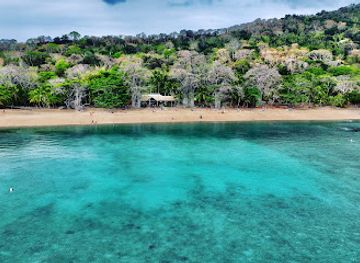
Pamandzi’s most recognisable landmarks are shaped by its volcanic geology, airport role and position on the southern coast of Petite-Terre. The Moya crater coastline is the commune’s defining natural landmark: former volcanic formations meet the sea in a rugged landscape of dark rock, beach and steep, weathered edges. The area is visually distinctive and geologically important, even though it has fewer formal visitor facilities than a developed resort. Dzaoudzi–Pamandzi International Airport is another prominent local marker, its runway and terminal symbolising Mayotte’s links with France and the wider western Indian Ocean. Roads rising from the coast provide changing views towards Grande-Terre and the channel, while the urban fabric of Pamandzi records the growth of a settlement transformed by aviation, public services and population movement. Historic landmarks associated with the former capital, including the old fortified and administrative areas of Dzaoudzi, lie in the neighbouring commune and should be described as nearby rather than as Pamandzi sites. Together, the volcanic shore, airport and elevated coastal outlooks express the commune’s central themes: geological force, maritime geography and modern connectivity.
-
Tourist attraction
Beach N'Gouja
Discover the serene beauty of Beach N'Gouja, a tropical paradise in Mayotte known for its stunning waters and vibrant marine life.
-
Hotel
Le Jardin Maore
Discover the serene beauty of Mayotte at Le Jardin Maore, your perfect hotel for relaxation, diving adventures, and local culinary delights.
-
Island
Grande-Terre
Experience the tranquil beauty and rich culture of Grande-Terre, an idyllic island in Mayotte, perfect for relaxation and adventure.
-
International airport
Dzaoudzi–Pamandzi International Airport
Discover the enchanting beauty of Mayotte through Dzaoudzi–Pamandzi International Airport, your gateway to tropical adventures and cultural experiences.


Explore Pamandzi on the map
Plan your trip on one map. See where the top cities, national parks and sights are, and book hotels and experiences in a few clicks.
Best hotels in Pamandzi
Best restaurants in Pamandzi
Pamandzi’s food scene reflects Mayotte’s Indian Ocean position and the everyday cooking of Mahoran households. Rice is a common staple, accompanied by fish, chicken, meat or legumes and seasoned with coconut, garlic, ginger, chilli and other spices. Seafood is particularly appropriate in a coastal commune, while tropical fruit and locally grown produce appear in markets, small shops and informal food stalls. Visitors may encounter dishes and flavours shared across the Comoros and Madagascar, alongside French-style bread, pastries and café fare. Small restaurants and takeaway counters tend to offer the most direct introduction to local food, while hotel and airport-area dining is more likely to include familiar international options. Ask about preparation and ingredients if you have allergies, as recipes can vary and sauces may contain coconut, nuts or chilli. Mahoran cuisine should be understood as part of a wider regional tradition rather than reduced to a single signature dish; its character lies in the combination of island produce, Indian Ocean techniques and family-based cooking.
-
Restaurant
Le Faré
Experience authentic Mayotte cuisine with stunning views at Le Faré - a culinary gem in Dzaoudzi.
-
Restaurant
Hippocampe Restaurant
Experience authentic Mayotte cuisine at Hippocampe Restaurant in Mamoudzou - where fresh ingredients meet island charm.
-
Crêperie
Crêperie La Bigoudene
Experience authentic Brittany cuisine at Crêperie La Bigoudene in Mamoudzou – where every crêpe tells a delicious story!
-
French
Le Moya
Experience authentic French cuisine at Le Moya in Labattoir, Mayotte - where local flavors meet classic culinary techniques.



Best bars in Pamandzi
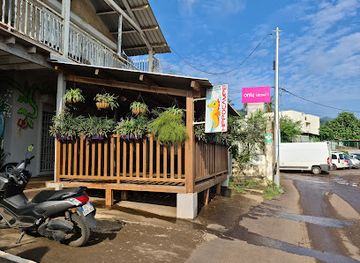
Pamandzi does not have the concentrated nightclub culture of a major metropolitan destination. Evening life is more commonly found in restaurants, cafés, informal meeting places and family settings, with the busiest activity linked to local streets, accommodation areas and transport connections. Mayotte is predominantly Muslim, so alcohol is not the defining feature of social life and visitors should not assume that every venue serves it or stays open late. Hotel bars and selected restaurants may provide a quieter evening option, while larger nightlife choices are more likely to be found elsewhere on Petite-Terre or in Mamoudzou on Grande-Terre, outside Pamandzi. Live music, community celebrations and seasonal events can be important, but their timing and location are changeable. Dress neatly, respect residential quiet and confirm current arrangements locally rather than relying on outdated online listings. For many visitors, the more characteristic evening experience is a relaxed meal, conversation and the cooler air of the coast rather than a formal club circuit.
-
Restaurant
Le Faré
Experience the culinary heart of Mayotte at Le Faré, where local flavors meet stunning views in an unforgettable dining atmosphere.
-
Bar
Barakili
Experience the vibrant nightlife of Mamoudzou at Barakili, where refreshing drinks and lively atmosphere await every visitor.
-
Bar
Le Camion Blanc
Experience the vibrant nightlife at Le Camion Blanc, a premier bar in Mamoudzou, Mayotte, offering cocktails and local culture in a lively atmosphere.
-
French
Le Moya
Experience the exquisite flavors of French cuisine at Le Moya, nestled in the heart of Labattoir, Mayotte, where culinary tradition meets tropical charm.


Best nightclubs in Pamandzi
Pamandzi does not have the concentrated nightclub culture of a major metropolitan destination. Evening life is more commonly found in restaurants, cafés, informal meeting places and family settings, with the busiest activity linked to local streets, accommodation areas and transport connections. Mayotte is predominantly Muslim, so alcohol is not the defining feature of social life and visitors should not assume that every venue serves it or stays open late. Hotel bars and selected restaurants may provide a quieter evening option, while larger nightlife choices are more likely to be found elsewhere on Petite-Terre or in Mamoudzou on Grande-Terre, outside Pamandzi. Live music, community celebrations and seasonal events can be important, but their timing and location are changeable. Dress neatly, respect residential quiet and confirm current arrangements locally rather than relying on outdated online listings. For many visitors, the more characteristic evening experience is a relaxed meal, conversation and the cooler air of the coast rather than a formal club circuit.
-
Bar
Barakili
Discover the vibrant atmosphere and refreshing drinks of Barakili, a must-visit bar in the heart of Mamoudzou, Mayotte.
-
Bar
Le Camion Blanc
Experience the lively ambiance and delightful drinks at Le Camion Blanc, a must-visit bar in Mamoudzou, Mayotte.
-
Bar
Le Sympa
Discover Le Sympa in Pamanzi, a vibrant bar and restaurant offering local flavors and refreshing drinks in a cozy atmosphere.
-
Bar
Le Mermoz
Discover vibrant cocktails and delicious tapas at Le Mermoz, Mamoudzou's premier bar and lounge for a taste of Mayotte's nightlife.


Best shops in Pamandzi
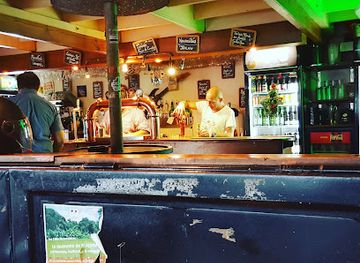
Shopping in Pamandzi is practical and local rather than centred on a large fashion district. Small shops, neighbourhood businesses and food sellers provide everyday supplies, snacks, drinks and locally used ingredients, while the airport area may offer limited travel essentials and gifts. Visitors looking for Mahoran products should explore markets and independent sellers across Petite-Terre, comparing produce, woven goods, spices, coconut-based foods and locally made crafts where available. Regional food products make useful souvenirs, but check packaging, freshness and airline or customs restrictions before buying perishable items. Traditional textiles and clothing can be attractive purchases, although designs and quality vary between sellers; ask respectfully about how an item was made and whether it is locally produced. Dzaoudzi and Mamoudzou, outside Pamandzi, offer broader retail choices, from supermarkets and pharmacies to larger collections of independent shops. Bargaining is not automatically expected in every setting, so establish the price politely rather than assuming that market transactions follow tourist-market conventions.
-
Shopping mall
Centre Commercial Baobab
Explore the vibrant Centre Commercial Baobab in Mamoudzou, offering diverse shopping, dining, and cultural experiences in the heart of Mayotte.
-
Supermarket
Sodifram de Pamandzi
Discover local flavors at Sodifram de Pamandzi, the premier supermarket in Pamanzi, Mayotte, offering a wide selection of fresh produce and local delicacies.
-
Fashion designer
Choumi Créations
Explore Choumi Créations, a stylish boutique in Pamandzi, Mayotte, offering unique fashion designs and accessories that celebrate local craftsmanship.
-
Store
SUNDAY
Discover stylish beachwear, lingerie, and swimwear at SUNDAY in Mamoudzou, your ultimate shopping destination for a tropical getaway.


Get your free copy of our complete guide to Pamandzi, delivered straight to you.
Everything on this page, from attractions and restaurants to essentials and local phrases, in one PDF you can read offline, print or share.
Already have an account? Sign in
Your Pamandzi guide is ready.
We'll send it to · Not you? Sign out

Getting your guide ready…
We are putting together a fresh copy of the Pamandzi guide. This can take up to a minute.
This can take a few moments. If your browser asks, choose Allow so the download can start. You'll find the guide in your Downloads folder.
Nothing happened? Download it again
Sorry, the guide is taking longer than usual. Please try again in a minute, or get it by email instead.
Pamandzi essentials
Currency and Payment
Safety
Emergency Situations
Do's and Don'ts
Local Tips
From Eve
Local phrases worth knowing
You don't need to get them perfect. A few words go a long way, and locals appreciate the effort.
Basics
| English | Local | Say it |
|---|---|---|
| Hello | Salama | [sah-lah-mah] |
| Goodbye | Tsy hia | [tsi hee-ah] |
| Yes | Eny | [eh-nee] |
| No | Tsia | [tsee-ah] |
| Please/You're welcome | Azafady | [ah-zah-fah-dee] |
| Thank you | Misaotra | [mee-sah-oh-trah] |
| Excuse me/Sorry | Azafady | [ah-zah-fah-dee] |
| How are you? | Inona ny vaovao? | [ee-no-nah nee vah-vah-oh] |
| Fine. And you? | Tsara. Ary ianao? | [tsah-rah. ah-ree ee-nah-o] |
| Do you speak English? | Miteny anglisy ve ianao? | [mee-teh-nee ahn-glee-see veh ee-nah-o] |
| I don't understand | Tsy azoko | [tsi ah-zoh-ko] |
Eating & Drinking
| English | Local | Say it |
|---|---|---|
| I'd like to see the menu, please | Tiako ny hijery ny menio, azafady | [tee-ah-ko nee hee-jeh-ree nee meh-nee-oh, ah-zah-fah-dee] |
| I don't eat meat | Tsy mihinana hena aho | [tsi mee-hee-nah-nah heh-nah ah-ho] |
| Cheers! | Sakafo! | [sah-kah-fo] |
| I would like to pay, please | Tiako ny handoa, azafady | [tee-ah-ko nee han-do-ah, ah-zah-fah-dee] |
Emergencies
| English | Local | Say it |
|---|---|---|
| Help! | Vonjeo! | [vohn-jay-oh] |
| Go away! | Mandehana! | [mahn-deh-hah-nah] |
| Call the Police! | Antsoy ny polisy! | [ahn-tsoi nee poh-lee-see] |
| Call a doctor! | Antsoy dokotera! | [ahn-tsoi doh-koh-teh-rah] |
| I'm lost | Very very | [veh-ree veh-ree] |
| I'm ill | Marary aho | [mah-rah-ree ah-ho] |
Shopping
| English | Local | Say it |
|---|---|---|
| I'd like to buy... | Tiako ny hividy... | [tee-ah-ko nee hee-vee-dee] |
| I'm just looking | Mijery fotsiny aho | [mee-jeh-ree fo-tsin-ee ah-ho] |
| How much is it? | Ohatrinona izany? | [oh-ah-tree-no-nah zah-nee] |
| That's too expensive | Lany loatra izany | [lah-nee loh-ah-trah zah-nee] |
| Can you lower the price? | Afaka manakina ny vidiny ve? | [ah-fah-kah mah-nah-kee-nah nee vee-dee-nee veh] |
Time & Numbers
| English | Local | Say it |
|---|---|---|
| What time is it? | Ahoana ny ora? | [ah-wah-nah nee oh-rah] |
| It's one o'clock | Tsy iray ora | [tsi ee-rah-ee oh-rah] |
| Half past (10) | Sivy sy sasany | [see-vee see sah-sah-nee] |
| Morning | Maraina | [mah-rah-ee-nah] |
| Afternoon | Tontolo | [tohn-toh-lo] |
| Evening | Hariva | [hah-ree-vah] |
| Yesterday | Omaly | [oh-mah-lee] |
| Today | Anio | [ah-nee-oh] |
| Tomorrow | Rahampitso | [rah-hahm-pee-tso] |
| 1 | Iray | [ee-rah-ee] |
| 2 | Roa | [roh-ah] |
| 3 | Telo | [teh-lo] |
| 4 | Efatra | [eh-fah-trah] |
| 5 | Dimy | [dee-mee] |
| 6 | Enina | [eh-nee-nah] |
| 7 | Fito | [fee-toh] |
| 8 | Valo | [vah-lo] |
| 9 | Sivy | [see-vee] |
| 10 | Folo | [foh-lo] |
Transport & Directions
| English | Local | Say it |
|---|---|---|
| Where's a/the...? | Aiza ny...? | [ah-ee-zah nee] |
| What's the address? | Inona ny adiresy? | [ee-no-nah nee ah-dee-reh-see] |
| Can you show me (on the map)? | Afaka mampiseho ahy ve? | [ah-fah-kah mahm-pee-seh-ho ah-ee veh] |
| When's the next (bus)? | Rahoviana ny bus manaraka? | [rah-hoh-vee-ah-nah nee boos mah-nah-rah-kah] |
| A ticket (to ....) | Tapakila (manaraka...) | [tah-pah-kee-lah mah-nah-rah-kah] |
History of Pamandzi
Early settlement and Austronesian-Comorian connections
Mayotte’s earliest human history belongs to the wider settlement of the western Indian Ocean. Maritime communities connected to Madagascar, the Comoros, the African coast and Arab trading networks used the islands over many centuries. Archaeological evidence from Mayotte indicates long-term movement of people, goods and ideas rather than an isolated island society. Petite-Terre’s sheltered position beside the channel and its usable coastal landing places helped make the island a place of contact. Pamandzi’s modern urban form is recent, but its setting belongs to this much older history of seafaring, exchange and settlement.
Islamic influence and the sultanates
From the medieval period onwards, Islam became a major force in Mayotte’s political and cultural life, introduced and strengthened through contacts with the Comoros, the Swahili coast and wider Indian Ocean commerce. Local rulers governed through sultanates whose authority shifted over time, while villages and family networks sustained agricultural and maritime life. The religious landscape visible in Mayotte today, including mosques and Islamic festivals, reflects this long history. In Pamandzi, contemporary urban life retains Comorian cultural and linguistic influences alongside the institutions of the French state.
French acquisition and colonial transformation
France took possession of Mayotte in 1841 after the island’s sultan ceded it to the French crown. Mayotte then followed a colonial trajectory distinct from the other islands of the Comoros, which remained under French rule until independence in 1975. French administration altered landholding, education, commerce and public institutions, while plantation activity and labour movements reshaped the population. Petite-Terre gained particular importance because of its harbour, administrative functions and position at the entrance to the island group. Pamandzi developed within this changing political and economic framework.
The twentieth-century growth of Petite-Terre
During the twentieth century, transport links, public administration and population growth made Petite-Terre increasingly important within Mayotte. Roads, port facilities and aviation connected the islands more closely to one another and to the wider French world. The airport serving Mayotte was established at Pamandzi, reinforcing the commune’s role as the territory’s principal air gateway. Urban expansion brought housing, shops and public services to areas that had previously been more rural. This growth also created pressures on land, traffic, water supply and coastal environments.
Mayotte’s political choice and departmental status
When the Comoros became independent in 1975, Mayotte voted to remain connected to France, a choice reaffirmed in subsequent referendums despite continuing regional dispute over sovereignty. Mayotte became a French département in 2011 and also a French outermost region within the European Union. This status brought national legal and administrative frameworks, public investment and access to French institutions, while social and economic conditions remained markedly different from metropolitan France. Pamandzi reflects this dual reality: French infrastructure and services operate within a strongly Indian Ocean society.
Contemporary urban and environmental pressures
Pamandzi and neighbouring Petite-Terre have experienced rapid population growth, intensified mobility and expanding construction. The airport, ferry routes and the concentration of services make the island a crucial gateway, but limited land and heavy traffic complicate everyday life. Coastal erosion, waste management, water security and protection of marine habitats are continuing concerns across Mayotte. These pressures form part of the region’s current history, alongside efforts to improve infrastructure and preserve beaches, volcanic landscapes and the cultural character of Mahoran communities.
Pamandzi in Photos
Browse through our photo collection highlighting the charm and character of the destination.
Neighbouring regions of Pamandzi
The closest regions to Pamandzi, if you have time for more than one.
-

-

-

-

-


Swipe for more regions
Explore more

Explore more of Mayotte
Discover Mayotte, the untouched paradise of the Indian Ocean, where stunning beaches, vibrant marine life, and a unique cultural blend await you.
Explore Mayotte