

Free Petite-Terre Travel Guide & Mobile App
Explore Petite-Terre with free travel guides. Discover regional history, expert tips, proposed trips, and audio guides on web or mobile app.


Petite-Terre in Mayotte combines volcanic lakes, turtle beaches, historic Dzaoudzi and easy access to the islands’ famed lagoon.
Read more about Petite-Terre
When is the best time to visit Petite-Terre?
Best: June–August · 25–26°C| Month | High (°C) | Rainfall (mm) |
|---|---|---|
| January | 29 | 350 |
| February | 29 | 300 |
| March | 29 | 250 |
| April | 28 | 150 |
| May | 27 | 100 |
| June (best) | 26 | 50 |
| July (best) | 25 | 30 |
| August (best) | 25 | 30 |
| September | 26 | 50 |
| October | 27 | 70 |
| November | 28 | 120 |
| December | 29 | 250 |
Getting to and around Petite-Terre
How to get there
Transportation
Destinations in Petite-Terre
Resorts, valleys and scenic spots worth a trip of their own.
-

-


Swipe for more destinations
Best attractions in Petite-Terre
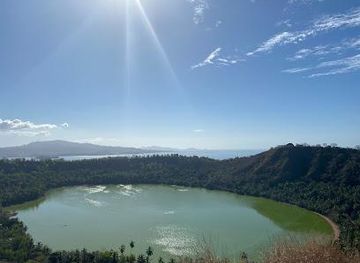
Petite-Terre’s attractions bring together volcanic scenery, maritime history and accessible coastal nature. Dzaoudzi’s old quarter and rocky waterfront provide the clearest introduction to the island’s sultanate and colonial past, while the Musée de Mayotte presents local historical and cultural material when open according to current arrangements. North of the main settlements, Lac Dziani occupies a volcanic crater and offers a short, rewarding walk to an unusual coloured lake. The route and viewing areas are natural rather than heavily developed, so water, sun protection and sensible footwear are useful. On the southern coast, Moya’s beaches are valued for their rugged setting and importance as sea-turtle nesting grounds; access and visitor behaviour are subject to conservation needs. Boat excursions from Petite-Terre or nearby Grande-Terre open access to Mayotte’s coral lagoon, although operators, departure points and weather conditions vary. Urban markets, neighbourhood streets and ferry activity add a cultural dimension, showing how transport, commerce and family life shape this densely settled island. Petite-Terre is less suited to a resort-style programme than to a mixture of short walks, historical exploration, wildlife-sensitive beach visits and locally arranged marine excursions.
-
Lake
Dziani Dzaha
Explore the natural beauty and tranquil waters of Dziani Dzaha, a stunning lake in Mayotte perfect for adventure and relaxation.
-
Visitor center
Tourist Office
Explore Mayotte's stunning landscapes and vibrant culture with expert guidance from the Tourist Office in Mamoudzou.
-
 Tourist attraction
Plage de Poujou
Experience the tranquil charm of Plage de Poujou, a stunning beach in Dzaoudzi, Mayotte, perfect for relaxation and marine exploration.
Best landmarks in Petite-Terre
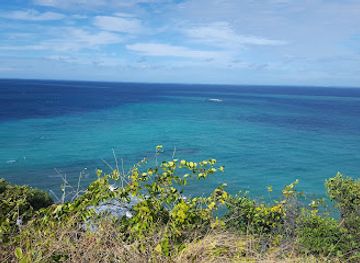
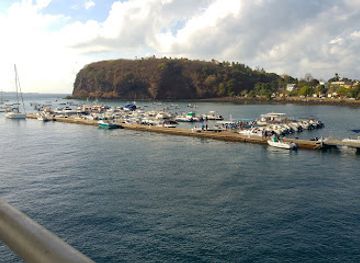
The most recognisable historic landmark on Petite-Terre is the rocky old quarter of Dzaoudzi, whose position helped make the settlement a political and administrative centre of the Comorian sultanates and later French Mayotte. Its historic buildings and waterfront preserve the memory of successive layers of authority, even though the town has been reshaped by modern development. The Rocher de Dzaoudzi, associated with the old settlement, is a distinctive coastal feature and a visual marker of the island’s former capital. Lac Dziani provides Petite-Terre’s most memorable natural landmark: a volcanic crater lake whose unusual colour contrasts with the dry, dark terrain around it. The Moya coast and its beaches form another important landscape landmark, combining exposed volcanic shoreline with habitat used by nesting sea turtles. Viewed together, these places explain the island’s character more clearly than a single monument could: Dzaoudzi represents maritime power and administration, Dziani reveals the volcanic geology beneath the settled landscape, and Moya connects the island to the wider protected ecology of Mayotte’s lagoon and coast.
-
Ferry service
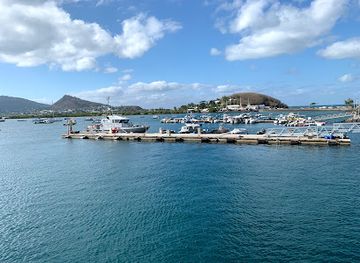
La Barge Dzaoudzi - Quai Issoufali
Discover the breathtaking islands of Mayotte with La Barge Dzaoudzi - your gateway to adventure and natural beauty.
-
International airport
Dzaoudzi–Pamandzi International Airport
Explore the natural beauty of Mayotte through Dzaoudzi–Pamandzi International Airport, your gateway to unforgettable adventures.
-
Restaurant
Le Tour du Monde
Discover the vibrant flavors of the world at Le Tour du Monde, a must-visit restaurant and bar in Dzaoudzi, Mayotte.
-
Tourist attraction
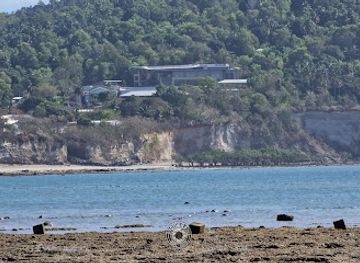
Plage du Faré
Experience the tranquility and beauty of Plage du Faré, a hidden gem in Dzaoudzi, Mayotte, perfect for relaxation and adventure.
Explore Petite-Terre on the map
Plan your trip on one map. See where the top cities, national parks and sights are, and book hotels and experiences in a few clicks.
Best hotels in Petite-Terre
Best restaurants in Petite-Terre
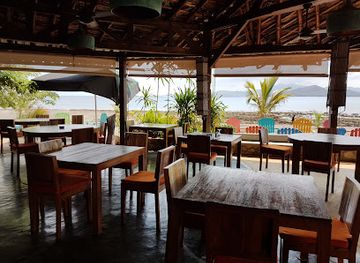
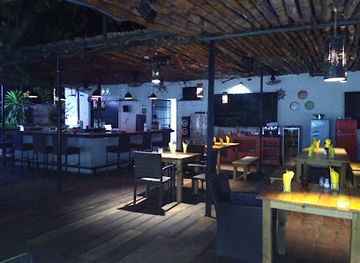
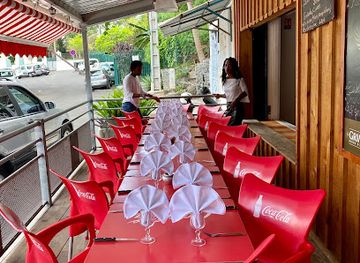
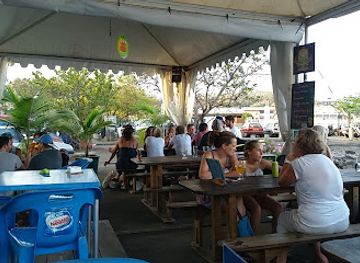
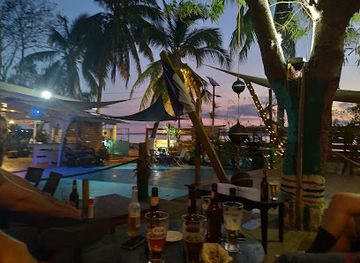
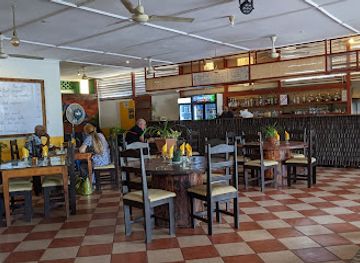
Dining on Petite-Terre is shaped by Mayotte’s Comorian, Malagasy, African and French influences. Small restaurants and informal eateries commonly serve rice with grilled or stewed fish, chicken, legumes, plantain and richly spiced sauces, while coconut, ginger, chilli and tropical fruit appear in many home-style dishes. Seafood is particularly natural to an island community, though responsible visitors should ask about provenance and seasonal availability. In Dzaoudzi, Labattoir and Pamandzi, look for modest cafés, takeaway counters and family-run restaurants rather than a concentrated fine-dining district. French staples and bakery products are also widely available because of Mayotte’s constitutional connection with France. Markets and neighbourhood shops are useful for fruit, spices, drinks and snacks, while local celebrations may bring more elaborate shared meals. Restaurant hours can be irregular, especially outside the main urban areas, and menus may be limited by supply and the day’s catch. A little French is helpful when asking about ingredients, prices and whether a dish contains meat or seafood.
-
Restaurant
Le Faré
Discover authentic flavors and delightful dining experiences at Le Faré in Dzaoudzi, Mayotte's culinary gem.
-
Restaurant
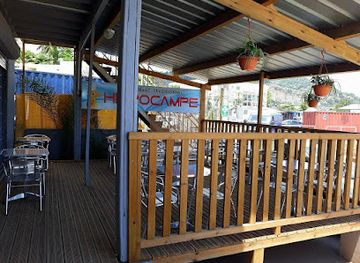
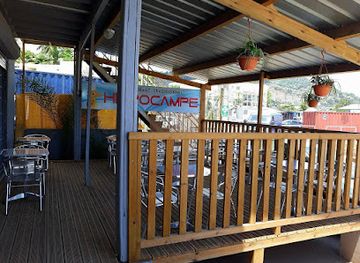
Hippocampe Restaurant
Experience authentic Mayotte cuisine at Hippocampe Restaurant - where every dish tells a story!
-
French
Le Moya
Savor authentic French cuisine at Le Moya in Labattoir, Mayotte – where culinary artistry meets warm hospitality.
-
Restaurant
Le Tour du Monde
Discover global flavors at Le Tour du Monde - where crepes meet gourmet burgers in a charming Dzaoudzi setting.
Best bars in Petite-Terre
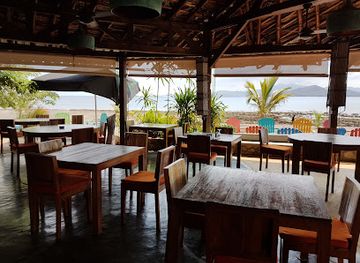
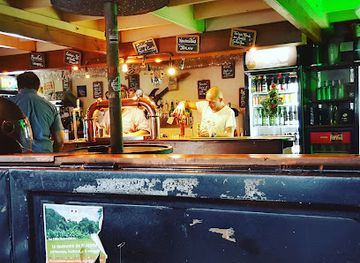
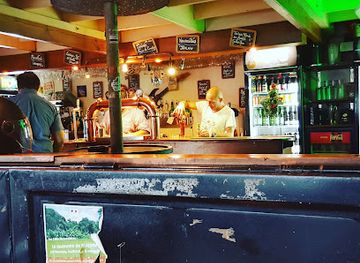
Petite-Terre’s evening life is generally low-key and social rather than centred on a large nightclub circuit. Dzaoudzi, Labattoir and Pamandzi offer cafés, hotel bars, restaurants and informal meeting places, with activity often following local routines rather than fixed tourist nightlife hours. Some venues provide music or occasional entertainment, but availability can change and should not be assumed year-round. Traditional social life, family gatherings and religious observance are important parts of the island’s rhythm, and alcohol is not central to every community setting. Visitors seeking an evening out should ask accommodation staff or trusted local contacts about currently operating places and arrange transport in advance, particularly after crossing from Grande-Terre. Sunset walks, waterfront dining and early-evening conversation are often more representative of Petite-Terre than late-night clubbing. Respect dress expectations and local sensitivities when moving between commercial areas and residential or religious neighbourhoods.
-
Restaurant
Le Faré
Discover the flavors of Mayotte at Le Faré, a cozy restaurant in Dzaoudzi offering a delightful menu and warm hospitality.
-
Bar
Barakili
Experience the lively atmosphere and local flavors at Barakili, a must-visit bar in Mamoudzou, Mayotte for every traveler.
-
Restaurant
Hippocampe Restaurant
Experience the authentic flavors of Mayotte at Hippocampe Restaurant, where local cuisine meets a warm, inviting atmosphere.
-
Bar
Le Camion Blanc
Discover the lively bar scene at Le Camion Blanc in Mamoudzou, Mayotte, where local culture meets refreshing drinks and a vibrant atmosphere.
Best nightclubs in Petite-Terre
Petite-Terre’s evening life is generally low-key and social rather than centred on a large nightclub circuit. Dzaoudzi, Labattoir and Pamandzi offer cafés, hotel bars, restaurants and informal meeting places, with activity often following local routines rather than fixed tourist nightlife hours. Some venues provide music or occasional entertainment, but availability can change and should not be assumed year-round. Traditional social life, family gatherings and religious observance are important parts of the island’s rhythm, and alcohol is not central to every community setting. Visitors seeking an evening out should ask accommodation staff or trusted local contacts about currently operating places and arrange transport in advance, particularly after crossing from Grande-Terre. Sunset walks, waterfront dining and early-evening conversation are often more representative of Petite-Terre than late-night clubbing. Respect dress expectations and local sensitivities when moving between commercial areas and residential or religious neighbourhoods.
-
Bar
Barakili
Experience the vibrant atmosphere and local flavors at Barakili, Mamoudzou's favorite bar, where every sip tells a story.
-
Restaurant
Le 5/5
Experience the vibrant fusion of food, music, and fun at Le 5/5 in Mamoudzou, Mayotte, perfect for a lively night out.
-
Bar
Le Sympa
Experience the vibrant ambiance and local flavors at Le Sympa, the perfect bar and restaurant in Pamanzi, Mayotte.
-
Restaurant
Le Voulé
Experience the vibrant flavors and lively ambiance of Le Voulé, a must-visit restaurant and music bar in Mamoudzou, Mayotte.
Best shops in Petite-Terre
Shopping on Petite-Terre is concentrated in the urban areas of Dzaoudzi, Labattoir and Pamandzi, where small supermarkets, convenience shops, market stalls and independent retailers serve local residents as well as visitors. Markets are the best places to look for tropical fruit, spices, prepared snacks and everyday ingredients, although layouts and trading days can change. French groceries and bakery products are easy to find, while locally influenced food products make more useful souvenirs than generic resort merchandise. Visitors may also encounter woven items, textiles, shell-related crafts and small works reflecting Comorian or Malagasy influences; quality and provenance vary, so buy respectfully and avoid anything made from protected marine life. Dzaoudzi is more suitable for browsing historic streets and small shops, while Pamandzi and Labattoir provide practical provisions and everyday retail. Petite-Terre is not a major luxury-shopping destination, and retail choice is narrower than in large French cities. Carry cash for informal stalls, compare prices politely and pack purchases securely when travelling onward by air or barge.
-
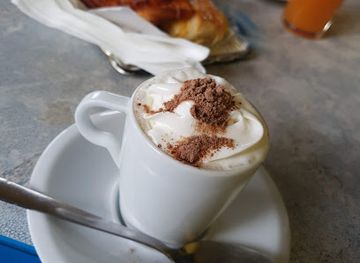
Pastries
Le Péché Gourmand
Discover the sweet side of Dzaoudzi at Le Péché Gourmand, a pastry haven for dessert lovers featuring exquisite creations and local flavors.
-
Sportswear store
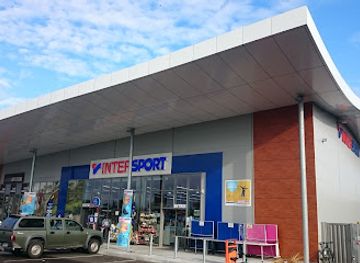
Intersport MAYOTTE
Explore Intersport MAYOTTE for top-quality sportswear, bicycles, and outdoor gear in the heart of Mamoudzou.
-
Fashion designer
Choumi Créations
Explore Choumi Créations in Pamandzi, Mayotte - your go-to boutique for unique fashion designs and local artisan products.
-
Supermarket
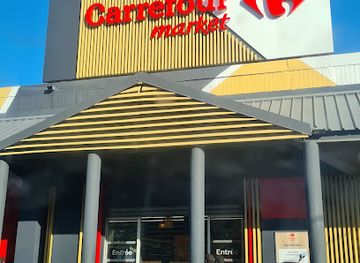
Carrefour Market Petite Terre
Explore Carrefour Market Petite Terre in Mayotte for an authentic taste of local and international flavors, perfect for all your travel needs.
Get your free copy of our complete guide to Petite-Terre, delivered straight to you.
Everything on this page, from attractions and restaurants to essentials and local phrases, in one PDF you can read offline, print or share.
Already have an account? Sign in
Your Petite-Terre guide is ready.
We'll send it to · Not you? Sign out

Getting your guide ready…
We are putting together a fresh copy of the Petite-Terre guide. This can take up to a minute.
This can take a few moments. If your browser asks, choose Allow so the download can start. You'll find the guide in your Downloads folder.
Nothing happened? Download it again
Sorry, the guide is taking longer than usual. Please try again in a minute, or get it by email instead.
Petite-Terre essentials
Currency and Payment
Safety
Emergency Situations
Do's and Don'ts
Local Tips
From Eve
Local phrases worth knowing
You don't need to get them perfect. A few words go a long way, and locals appreciate the effort.
Basics
| English | Local | Say it |
|---|---|---|
| Hello | Salama | [sah-lah-mah] |
| Goodbye | Tsy ny | [tsee nee] |
| Yes | Iye | [ee-yeh] |
| No | Ala | [ah-lah] |
| Please/You're welcome | Tsy ny | [tsee nee] |
| Thank you | Misaotra | [mee-sah-oh-trah] |
| Excuse me/Sorry | Azafady | [ah-zah-fah-dee] |
| How are you? | Salama ve ianao? | [sah-lah-mah veh ee-ah-now] |
| Fine. And you? | Tsara. Ary ianao? | [tsah-rah. ah-ree ee-ah-now] |
| Do you speak English? | Miteny anglisy ve ianao? | [mee-teh-nee ahn-glee-see veh ee-ah-now] |
| I don't understand | Tsy azoko | [tsee ah-zoh-koo] |
Eating & Drinking
| English | Local | Say it |
|---|---|---|
| I'd like to see the menu, please | Tiako jerena ny menu, azafady | [tee-ah-koh jeh-reh-nah nee meh-noo, ah-zah-fah-dee] |
| I don't eat meat | Tsy mihinana hena aho | [tsee mee-hee-nah-nah heh-nah ah-hoo] |
| Cheers! | Misaotra! | [mee-sah-oh-trah] |
| I would like to pay, please | Tiako handoa, azafady | [tee-ah-koh hahn-doo-ah, ah-zah-fah-dee] |
Emergencies
| English | Local | Say it |
|---|---|---|
| Help! | Vonjeo! | [vohn-jeh-oh] |
| Go away! | Mandehana! | [mahn-deh-hah-nah] |
| Call the Police! | Antsoy ny Polisy! | [ahn-tsoh-ee nee poh-lee-see] |
| Call a doctor! | Antsoy dokotera! | [ahn-tsoh-ee doh-koh-teh-rah] |
| I'm lost | Very very | [veh-ree veh-ree] |
| I'm ill | Marary aho | [mah-rah-ree ah-hoo] |
Shopping
| English | Local | Say it |
|---|---|---|
| I'd like to buy... | Tiako hividy... | [tee-ah-koh hee-vee-dee] |
| I'm just looking | Mijery fotsiny aho | [mee-jeh-ree foht-see-nee ah-hoo] |
| How much is it? | Ohatrinona izany? | [oh-hah-tree-noh-nah ee-zah-nee] |
| That's too expensive | Maro loatra izany | [mah-roh loo-ah-trah ee-zah-nee] |
| Can you lower the price? | Afaka manapa-kevitra ve ianao? | [ah-fah-kah mah-nah-pah-keh-vree-tah veh ee-ah-now] |
Time & Numbers
| English | Local | Say it |
|---|---|---|
| What time is it? | Firy ora izao? | [fee-ree oh-rah ee-zah-oo] |
| It's one o'clock | Tsy iray ora | [tsee ee-rah-ee oh-rah] |
| Half past (10) | Iray sy antsasaky ny folo | [ee-rah-ee see ahn-tsah-sah-kee nee fo-loo] |
| Morning | Maraina | [mah-rah-ee-nah] |
| Afternoon | Tohiny | [toh-hee-nee] |
| Evening | Hariva | [hah-ree-vah] |
| Yesterday | Omaly | [oh-mah-lee] |
| Today | Androany | [ahn-droh-ah-nee] |
| Tomorrow | Rahampitso | [rah-hahm-peet-soo] |
| 1 | Iray | [ee-rah-ee] |
| 2 | Roa | [roh-ah] |
| 3 | Telo | [teh-loo] |
| 4 | Efatra | [eh-fah-trah] |
| 5 | Dimy | [dee-mee] |
| 6 | Enina | [eh-nee-nah] |
| 7 | Fito | [fee-toh] |
| 8 | Valo | [vah-loh] |
| 9 | Sivy | [see-vee] |
| 10 | Folo | [foh-loh] |
Transport & Directions
| English | Local | Say it |
|---|---|---|
| Where's a/the...? | Aiza ny...? | [ah-ee-zah nee] |
| What's the address? | Inona ny adiresy? | [ee-noh-nah nee ah-dee-reh-see] |
| Can you show me (on the map)? | Afaka mampiseho ahy ve ianao? | [ah-fah-kah mahm-pee-seh-ho ah-ee veh ee-ah-now] |
| When's the next (bus)? | Rahoviana ny bus manaraka? | [rah-hoh-vee-ah-nah nee boos mah-nah-rah-kah] |
| A ticket (to ....) | Tapakila (manaraka ...) | [tah-pah-kee-lah mah-nah-rah-kah] |
History of Petite-Terre
Early Indian Ocean Settlement
Mayotte’s position between East Africa, Madagascar and the Comoros brought successive waves of maritime contact. Archaeological evidence indicates settlement over many centuries, with communities participating in Indian Ocean trading networks and adopting influences from African, Malagasy, Arab and Persian-speaking seafarers. On Petite-Terre, the sheltered coast and defensible promontory at Dzaoudzi helped make the island an important place for habitation and exchange. The cultural landscape that visitors encounter today, including local languages, Islamic traditions and foodways, reflects this long history of movement rather than a single origin.
Dzaoudzi and the Comorian Sultanates
During the nineteenth century, Mayotte was governed through the political world of the Comorian sultanates. Dzaoudzi, on Petite-Terre, became a significant seat of authority because its rocky site offered protection and controlled access through the channel. Rivalries among regional rulers, changing alliances and the strategic value of the harbour shaped the island’s fortunes. Remains of this period survive in the old settlement and in traditions associated with the sultanate, although much of the historic fabric has been altered by later urban development.
French Annexation in 1841
In 1841, Sultan Andriantsoly ceded Mayotte to France. The agreement followed political conflict in the Comoros and reflected France’s growing interest in strategic positions in the western Indian Ocean. Dzaoudzi became the centre of French administration in the archipelago, giving Petite-Terre a lasting institutional importance disproportionate to its small size. Colonial rule introduced new administrative structures, military and maritime facilities, Christian institutions and changing patterns of land ownership, while local Islamic and Comorian social life continued alongside them.
Colonial Dzaoudzi and the Development of Petite-Terre
Under French rule, Dzaoudzi served for many years as the administrative capital of Mayotte and the wider Comoros. Government buildings, religious foundations, port activity and transport links concentrated on Petite-Terre, while Pamandzi and Labattoir developed in relation to the administrative centre. The island’s built environment consequently contains layers of local, colonial and contemporary architecture. This period also strengthened Petite-Terre’s role as the principal point of entry for officials, traders and later visitors arriving by sea or air.
Mayotte’s Choice to Remain with France
When the Comoros moved towards independence, Mayotte voted in successive referendums to retain its connection with France. The decision remains central to the political history of the archipelago and explains Mayotte’s present constitutional status. The Comoros claims the island, while France administers it as an overseas department. For travellers, this means that French public institutions, the euro and French emergency arrangements operate alongside a strongly Comorian cultural environment.
Departmentalisation in 2011
Mayotte became France’s 101st department in 2011, after a long political campaign for closer integration with the French Republic. Departmentalisation brought the prospect of expanded public services, infrastructure and legal alignment, but development has remained uneven and social pressures are substantial. Petite-Terre illustrates both sides of this transformation: it contains the airport, ferry infrastructure and much administrative activity, yet also faces congestion, housing pressure and environmental strain. Contemporary Mayotte is therefore shaped by continuing negotiation between local identity, French institutions and regional realities.
Petite-Terre in Photos
Browse through our photo collection highlighting the charm and character of the destination.
Neighbouring regions of Petite-Terre
The closest regions to Petite-Terre, if you have time for more than one.
-

-

-

-

-


Swipe for more regions
Explore more

Explore more of Mayotte
Discover Mayotte, the untouched paradise of the Indian Ocean, where stunning beaches, vibrant marine life, and a unique cultural blend await you.
Explore Mayotte