

Free Mtsamboro Travel Guide & Mobile App
Explore Mtsamboro with free travel guides. Discover regional history, expert tips, proposed trips, and audio guides on web or mobile app.


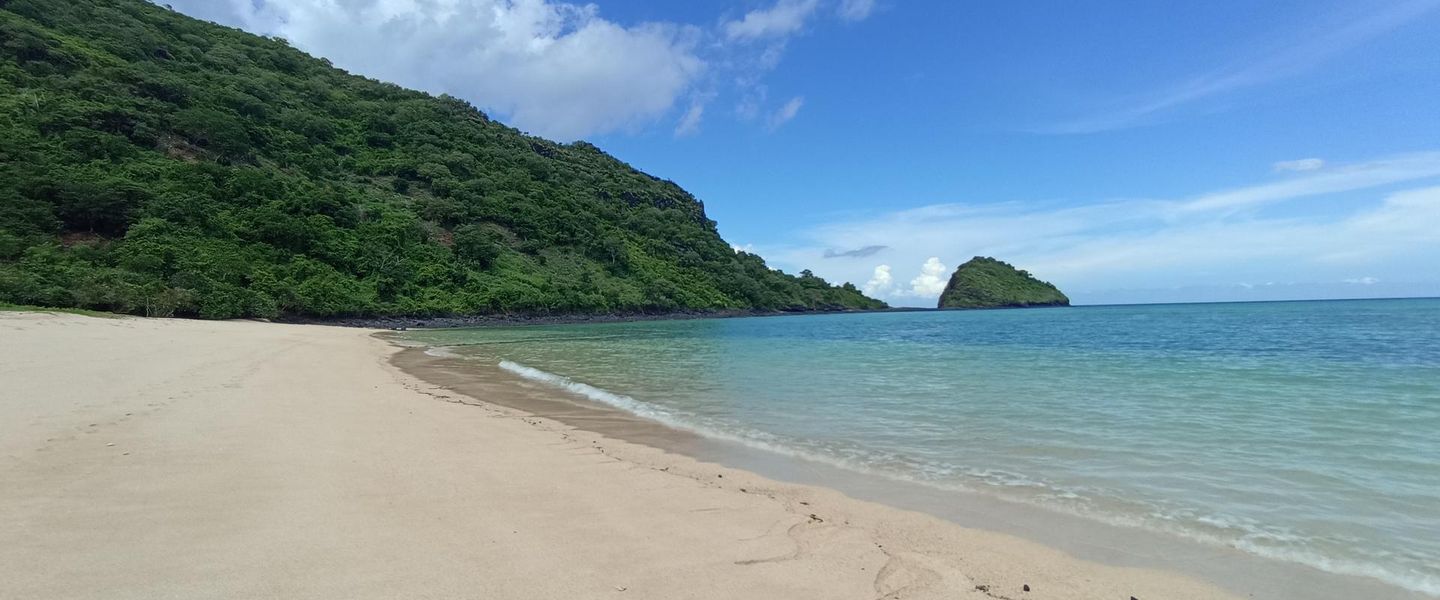


Explore Mtsamboro in northern Mayotte for volcanic villages, coral lagoons, mangroves, local food and boat trips to secluded offshore islets.
Read more about Mtsamboro
When is the best time to visit Mtsamboro?
Best: June–August · 27°C| Month | High (°C) | Rainfall (mm) |
|---|---|---|
| January | 29 | 250 |
| February | 30 | 250 |
| March | 29 | 200 |
| April | 29 | 150 |
| May | 28 | 100 |
| June (best) | 27 | 50 |
| July (best) | 27 | 30 |
| August (best) | 27 | 30 |
| September | 27 | 50 |
| October | 28 | 100 |
| November | 29 | 150 |
| December | 29 | 200 |
Getting to and around Mtsamboro
How to get there
Transportation
Top city travel guides in Mtsamboro
The cities of Mtsamboro, and the easiest places to base yourself.

Swipe for more cities
Best attractions in Mtsamboro
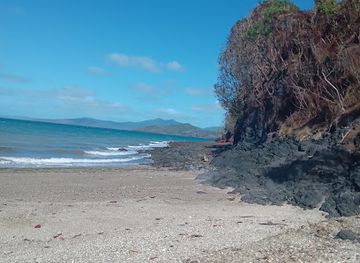
Mtsamboro’s attractions are primarily coastal, maritime and community-based rather than built around large commercial facilities. Boat excursions to the Mtsamboro and Choazil islets reveal pale sand, volcanic outcrops and the shallow waters of the northern lagoon, with opportunities for swimming, kayaking and observing the reef when conditions are suitable. The mainland coast around Mtsamboro, Mtsahara and Hamjago offers beaches, mangrove edges, fishing activity and views towards the offshore islands. Short walks through villages and cultivated hills provide a closer look at northern Mayotte’s everyday landscape, while guided outings can explain local plants, fishing methods and Islamic cultural traditions. The commune is also a useful setting for birdwatching and nature observation, although wildlife should be approached quietly and without feeding. Facilities are limited outside the villages, so visitors should plan water, shade and transport rather than expect a developed resort shoreline. Those seeking museums, larger markets or extensive evening entertainment will need to travel elsewhere on Grande-Terre, while Mtsamboro’s appeal lies in its lagoon, rural setting and access to the northern seascape.
-
Boat tour agency
RAND O PALMA
Discover breathtaking marine adventures with RAND O PALMA, the ultimate boat tour agency in Mtsamboro, Mayotte.
-
Island
Chissioua Mtsamboro
Explore Chissioua Mtsamboro, an enchanting island in Mayotte known for its stunning landscapes, vibrant ecosystems, and rich cultural experiences.
-
Beach
plage ville Mtsamboro
Discover the serene beauty of Mtsamboro Beach in Mayotte, a perfect escape for sun lovers and adventure seekers alike, where nature meets tranquility.
-
Plaza
Town Hall Square
Discover the vibrant cultural heart of Mtsamboro at Town Hall Square, where community life and local traditions thrive amidst stunning scenery.
Best landmarks in Mtsamboro
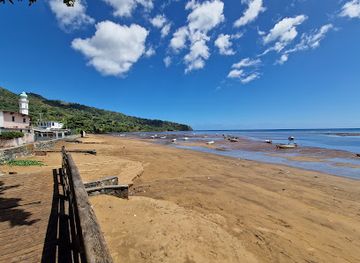
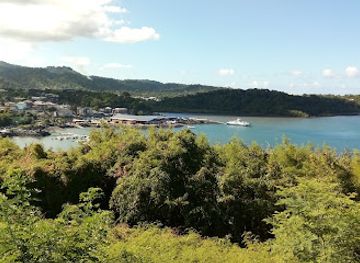
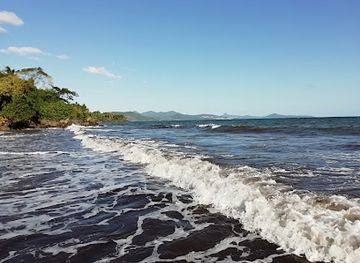
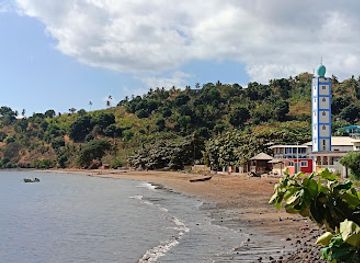
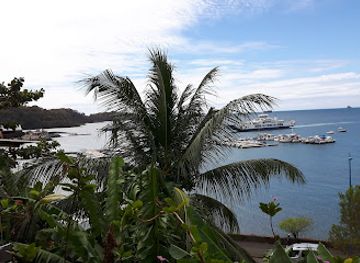
The most distinctive landmarks of Mtsamboro are natural and maritime. The offshore Mtsamboro Islet is a defining feature of the local horizon, its volcanic form and surrounding reef waters linking the commune visually to the northern lagoon. The Choazil islets provide another recognisable group of rocky offshore landmarks, valued for their beaches, marine setting and boat-accessed viewpoints. On land, the coastline around Mtsamboro, Mtsahara and Hamjago is marked by volcanic hills, cultivated slopes, small bays and mangrove margins rather than monumental architecture. Village mosques and established settlement patterns express the enduring Islamic and Comorian character of northern Mayotte, although they should be treated as places of worship rather than casual sightseeing venues. The contrast between steep green land and sheltered blue water is itself central to the area’s identity. Because the commune has limited large-scale historic construction, its most meaningful landmarks are the relationship between villages, hills, beaches and islets, together with the coastal views that explain why maritime access has shaped local life for centuries.
-
Hiking area
Pointe Mahabou
Explore the breathtaking landscapes and tranquil trails of Pointe Mahabou, a hiking paradise in Mayotte, perfect for nature lovers and adventure seekers alike.
-
Tourist attraction
Plage De Tanaraki
Discover the serene beauty of Plage De Tanaraki, an idyllic beach in Mayotte perfect for relaxation, aquatic adventures, and breathtaking sunsets.
-
Restaurant
Le Choizil
Experience the vibrant flavors of Mayotte at Le Choizil, where delicious pizzas and creative cocktails await in a welcoming atmosphere.
-
Tourist attraction
Plage du Faré
Explore the captivating Plage du Faré in Mayotte, a paradise of soft sands and vibrant marine life, perfect for relaxation and adventure.
Explore Mtsamboro on the map
Plan your trip on one map. See where the top cities, national parks and sights are, and book hotels and experiences in a few clicks.
Best hotels in Mtsamboro
Best restaurants in Mtsamboro
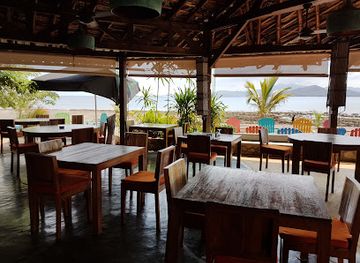
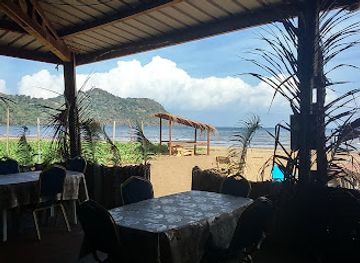
Dining in Mtsamboro is generally informal and locally oriented, with meals shaped by the wider culinary traditions of Mayotte and the Comorian world. Rice, cassava, plantain, coconut, beans, spices and grilled or stewed fish are common elements, while meat and poultry may be prepared with aromatic sauces influenced by Indian Ocean cooking. Small family-run eateries, village food stalls and pre-arranged meals are more typical than a concentrated restaurant district. Fresh seafood depends on the day’s catch and should not be assumed at every establishment. Fruit such as banana, coconut and tropical varieties may appear in drinks or desserts, and French influences are visible in bread, pastries and packaged goods. Travellers with dietary requirements should explain them clearly, preferably in advance, because choices can be limited in smaller villages. Larger settlements elsewhere on Grande-Terre provide a broader selection, but eating in Mtsamboro rewards visitors who plan ahead and accept a slower, less formal dining rhythm.
-
Restaurant
Le Faré
Discover the flavors of Mayotte at Le Faré, where culinary excellence meets a warm island atmosphere.
-
Restaurant
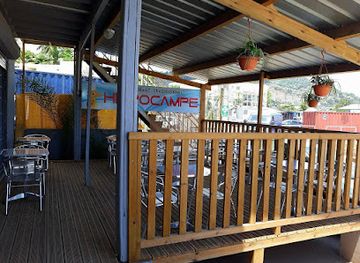
Hippocampe Restaurant
Experience authentic Mayotte cuisine at Hippocampe Restaurant - a must-visit culinary destination in Mamoudzou.
-
Restaurant
Auberge du Rond-point
Experience authentic Mayotte cuisine at Auberge du Rond-point in Mamoudzou - where every dish tells a story.
-
Restaurant
Restaurant La Marine
Discover authentic flavors at Restaurant La Marine in Acoua - where local cuisine meets warm hospitality.
Best bars in Mtsamboro
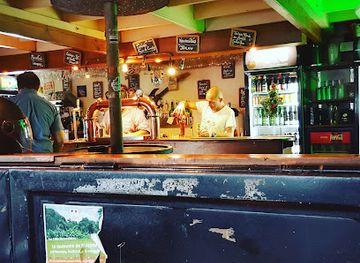
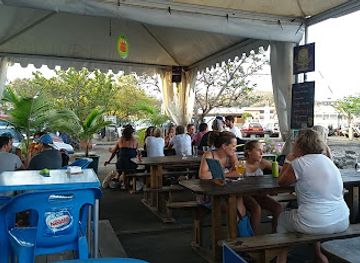
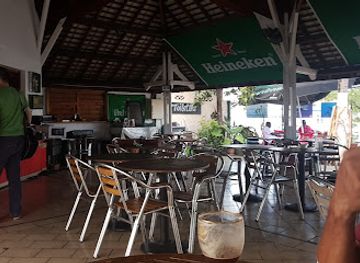
Mtsamboro does not have a major nightclub scene, and evening life is more closely associated with family gatherings, cafés, informal food venues and community activity than with late-night entertainment. Visitors may find modest places to sit and socialise in the villages, but opening arrangements and available services can vary. Alcohol is not central to public life in this predominantly Muslim area, so nightlife should not be approached in the style of a resort or European entertainment district. The best evening experiences are often quiet: watching the coast after sunset, sharing a locally prepared meal or attending a permitted cultural or community occasion. Anyone returning from a boat trip or travelling between villages at night should arrange transport in advance, as public options may be limited. For a wider choice of bars, restaurants and entertainment, visitors generally need to travel towards larger centres on Grande-Terre.
-
Bar
Barakili
Experience the lively atmosphere and refreshing drinks at Barakili in Mamoudzou, a must-visit bar in Mayotte for tourists seeking local culture.
-
Bar
Le Camion Blanc
Experience the vibrant atmosphere and local culture at Le Camion Blanc, a must-visit bar in Mamoudzou, Mayotte.
-
Restaurant
Le 5/5
Experience the vibrant atmosphere of Le 5/5 in Mamoudzou, where delicious pizza, cocktails, and live music come together for a memorable night out.
-
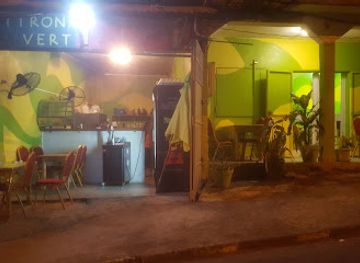
Restaurant
Le Citron Vert
Discover the vibrant flavors of Mayotte at Le Citron Vert, a must-visit restaurant in Mamoudzou offering a delightful blend of local cuisine and warm hospitality.
Best nightclubs in Mtsamboro
Mtsamboro does not have a major nightclub scene, and evening life is more closely associated with family gatherings, cafés, informal food venues and community activity than with late-night entertainment. Visitors may find modest places to sit and socialise in the villages, but opening arrangements and available services can vary. Alcohol is not central to public life in this predominantly Muslim area, so nightlife should not be approached in the style of a resort or European entertainment district. The best evening experiences are often quiet: watching the coast after sunset, sharing a locally prepared meal or attending a permitted cultural or community occasion. Anyone returning from a boat trip or travelling between villages at night should arrange transport in advance, as public options may be limited. For a wider choice of bars, restaurants and entertainment, visitors generally need to travel towards larger centres on Grande-Terre.
-
Bar
Barakili
Discover Barakili in Mamoudzou, your go-to bar for refreshing drinks and a taste of Mayotte's vibrant nightlife.
-
Restaurant
Le Voulé
Discover the culinary delight of Le Voulé, a vibrant restaurant in Mamoudzou, offering local flavors and live music for an unforgettable dining experience.
-
Bar
Coco Lodge Mayotte
Experience the warmth of Mayotte at Coco Lodge, where island hospitality meets delicious cuisine and relaxing accommodations.
-
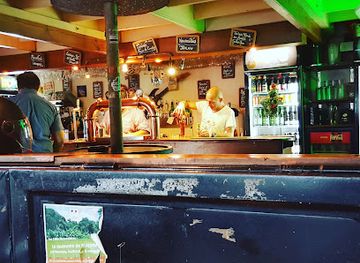
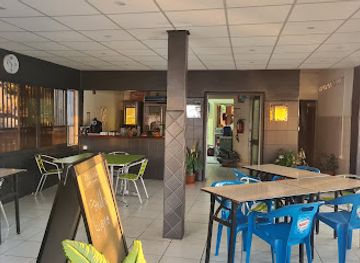
Restaurant
Le Choizil
Discover Le Choizil, a vibrant restaurant in Mtsamboro, Mayotte, offering delicious pizzas and refreshing cocktails in a welcoming atmosphere.
Best shops in Mtsamboro
Shopping in Mtsamboro is small-scale and practical rather than centred on a large retail district. Village shops provide everyday provisions, while informal stalls and local sellers may offer fruit, prepared food or seasonal produce. Visitors should not expect a permanent craft market or extensive choice of souvenirs, and availability can change from one day to the next. Useful regional purchases may include spices, coconut-based products, local snacks and small handmade items, but buyers should ask about prices and provenance rather than assume that every product is traditionally made in the commune. The larger commercial centres of Grande-Terre offer more dependable access to clothing, household goods and formal retail, while Mamoudzou has the broadest selection on the island. Carrying some cash is sensible for small purchases. When buying from local producers, respectful bargaining should be modest, and visitors should avoid purchasing coral, shells or wildlife products that have been taken from the lagoon.
-
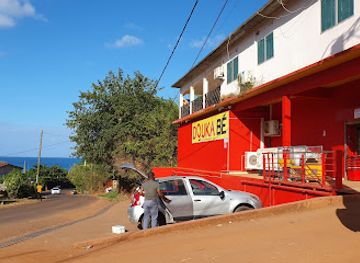
Supermarket
Douka Bé Mtsangamboua
Discover the vibrant essence of Mayotte at Douka Bé Mtsangamboua, where local flavors meet everyday shopping.
-
Store
MAY ADDA SHOP
Explore authentic Mayotte craftsmanship at May Adda Shop, where local culture meets unique shopping in Mtsamboro.
-
 Grocery store
Chez M'assani
Discover authentic local flavors at Chez M'assani, the heart of Bandraboua's grocery shopping experience.
-
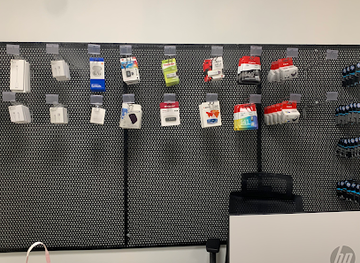
Computer store
M INFORMATIK
Discover M INFORMATIK in Mtsamboro for all your computer and phone repair needs, ensuring your devices are in top shape during your travels.

Get your free copy of our complete guide to Mtsamboro, delivered straight to you.
Everything on this page, from attractions and restaurants to essentials and local phrases, in one PDF you can read offline, print or share.
Already have an account? Sign in
Your Mtsamboro guide is ready.
We'll send it to · Not you? Sign out

Getting your guide ready…
We are putting together a fresh copy of the Mtsamboro guide. This can take up to a minute.
This can take a few moments. If your browser asks, choose Allow so the download can start. You'll find the guide in your Downloads folder.
Nothing happened? Download it again
Sorry, the guide is taking longer than usual. Please try again in a minute, or get it by email instead.
Mtsamboro essentials
Currency and Payment
Safety
Emergency Situations
Do's and Don'ts
Local Tips
From Eve
Local phrases worth knowing
You don't need to get them perfect. A few words go a long way, and locals appreciate the effort.
Basics
| English | Local | Say it |
|---|---|---|
| Hello | Salama | [sah-lah-mah] |
| Goodbye | Sio | [see-oh] |
| Yes | Iye | [ee-yeh] |
| No | Ayi | [ah-yee] |
| Please/You're welcome | Tafadhali | [tah-fah-dah-lee] |
| Thank you | Asante | [ah-sahn-teh] |
| Excuse me/Sorry | Pole | [poh-leh] |
| How are you? | Habari gani? | [hah-bah-ree gah-nee] |
| Fine. And you? | Nzuri. Na wewe? | [n-zoo-ree nah weh-weh] |
| Do you speak English? | Unazungumza Kiingereza? | [oo-nah-zoon-gum-zah kee-een-geh-reh-zah] |
| I don't understand | Sielewi | [see-eh-leh-wee] |
Eating & Drinking
| English | Local | Say it |
|---|---|---|
| I'd like to see the menu, please | Ningependa kuona menyu, tafadhali | [neen-geh-pen-dah koo-oh-nah men-yoo tah-fah-dah-lee] |
| I don't eat meat | Sikula nyama | [see-koo-lah nyah-mah] |
| Cheers! | Afya! | [ah-fyah] |
| I would like to pay, please | Ningependa kulipa, tafadhali | [neen-geh-pen-dah koo-lee-pah tah-fah-dah-lee] |
Emergencies
| English | Local | Say it |
|---|---|---|
| Help! | Nisaidie! | [nee-sah-ee-dee-eh] |
| Go away! | Ondoka! | [on-doh-kah] |
| Call the Police! | Piga simu polisi! | [pee-gah see-moo poh-lee-see] |
| Call a doctor! | Piga simu daktari! | [pee-gah see-moo dahk-tah-ree] |
| I'm lost | Nimepotea | [nee-meh-poh-teh-ah] |
| I'm ill | Nina ugonjwa | [nee-nah oo-gon-jwah] |
Shopping
| English | Local | Say it |
|---|---|---|
| I'd like to buy... | Ningependa kununua... | [neen-geh-pen-dah koo-noo-noo-ah] |
| I'm just looking | Natazama tu | [nah-tah-zah-mah too] |
| How much is it? | Ni kiasi gani? | [nee kee-ah-see gah-nee] |
| That's too expensive | Hiyo ni ghali sana | [hee-yoh nee gah-lee sah-nah] |
| Can you lower the price? | Unaweza kupunguza bei? | [oo-nah-weh-zah koo-poon-gah-zee beh-ee] |
Time & Numbers
| English | Local | Say it |
|---|---|---|
| What time is it? | Saa ngapi? | [sah ngah-pee] |
| It's one o'clock | Ni saa moja | [nee sah moh-jah] |
| Half past (10) | Nusu ya saa kumi | [noo-soo yah sah koo-mee] |
| Morning | Asubuhi | [ah-soo-boo-hee] |
| Afternoon | Mchana | [m-chah-nah] |
| Evening | Jioni | [jee-oh-nee] |
| Yesterday | Jana | [jah-nah] |
| Today | Leo | [leh-oh] |
| Tomorrow | Kesho | [keh-shoh] |
| 1 | Moja | [moh-jah] |
| 2 | Mbili | [m-bee-lee] |
| 3 | Tatu | [tah-too] |
| 4 | Nne | [n-eh] |
| 5 | Tano | [tah-noh] |
| 6 | Sita | [see-tah] |
| 7 | Saba | [sah-bah] |
| 8 | Nane | [nah-neh] |
| 9 | Tisa | [tee-sah] |
| 10 | Kumi | [koo-mee] |
Transport & Directions
| English | Local | Say it |
|---|---|---|
| Where's a/the...? | Iko wapi...? | [ee-koh wah-pee] |
| What's the address? | Anwani ni ipi? | [ahn-wah-nee nee ee-pee] |
| Can you show me (on the map)? | Unaweza kunionyesha (katika ramani)? | [oo-nah-weh-zah koo-nee-oh-ny-eh-shah kah-tee-kah rah-mah-nee] |
| When's the next (bus)? | Basi inayofuata ni lini? | [bah-see ee-nah-yoh-foo-ah-tah nee lee-nee] |
| A ticket (to ....) | Tiketi (kwenda ....) | [tee-keh-tee kwen-dah] |
History of Mtsamboro
Early Settlement and Indian Ocean Connections
The northern coast of Grande-Terre formed part of the wider settlement history of the Comoros and western Indian Ocean. Maritime routes connected Mayotte with Madagascar, the African coast and other islands, bringing Swahili, Malagasy and Islamic influences. Archaeological evidence elsewhere on Mayotte indicates long-established coastal occupation, trade and agriculture, while the villages of the north developed within this broader network rather than in isolation. Fishing, cultivation and seaborne movement remained important foundations of community life.
Islamic Sultanates and Coastal Communities
From the medieval period, political authority in Mayotte was associated with local Muslim rulers and the sultanates of the Comoros. Coastal settlements were shaped by Islamic institutions, maritime commerce and relationships between village communities and ruling families. In Mtsamboro, as elsewhere in northern Mayotte, the continuing importance of Islam is visible in mosques, religious observance and the organisation of community life. The historical record is closely connected to the wider Comorian world, with authority and alliances changing over time.
The Nineteenth-Century French Takeover
France acquired Mayotte from Sultan Andriantsoly in 1841, beginning a colonial transformation that distinguished the island from the other islands of the Comorian archipelago. French administration gradually expanded through changes to landholding, government, education and economic life. Northern villages such as those in the Mtsamboro area remained primarily agricultural and maritime communities, but became part of a new colonial territory whose political and commercial links were increasingly directed towards France.
Plantations, Labour and Colonial Society
During the colonial period, Mayotte’s economy included plantations and agricultural production alongside subsistence cultivation, fishing and local trade. The nineteenth-century plantation system depended on unequal labour relations and contributed to social and economic changes across the island. Although Mtsamboro is now experienced mainly through its villages and lagoon, the landscape of cultivated slopes and coastal settlements reflects this long interaction between local agriculture, external administration and Indian Ocean commerce.
Mayotte’s Separation from the Comoros
When the Comoros became independent in 1975, Mayotte voted to remain politically connected to France. The decision created a lasting constitutional and diplomatic dispute with the Union of the Comoros, which continues to regard Mayotte as part of its territory. For residents, the choice shaped access to French institutions, public services and legal systems, while also reinforcing Mayotte’s distinct political path within the Comorian cultural and geographical world.
Departmentalisation and Contemporary Change
Mayotte became an overseas department of France in 2011, bringing further administrative integration while also exposing major pressures involving population growth, housing, infrastructure, employment and public services. Mtsamboro remains more rural than Mamoudzou, but it is affected by these island-wide changes. Contemporary Mayotte combines French departmental institutions with strong Comorian cultural traditions, Islamic religious life, multilingual communities and an economy increasingly connected to public administration, services and tourism.
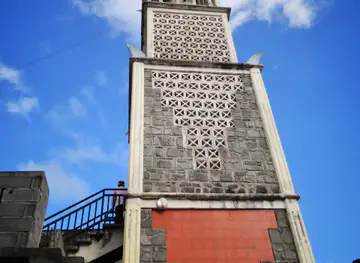
Mtsamboro in Photos
Browse through our photo collection highlighting the charm and character of the destination.
Neighbouring regions of Mtsamboro
The closest regions to Mtsamboro, if you have time for more than one.
-
-

-

-

-


Swipe for more regions
Explore more

Explore more of Mayotte
Discover Mayotte, the untouched paradise of the Indian Ocean, where stunning beaches, vibrant marine life, and a unique cultural blend await you.
Explore Mayotte