

Free Huichol Sierra Travel Guide & Mobile App
Explore Huichol Sierra with free travel guides. Discover regional history, expert tips, proposed trips, and audio guides on web or mobile app.


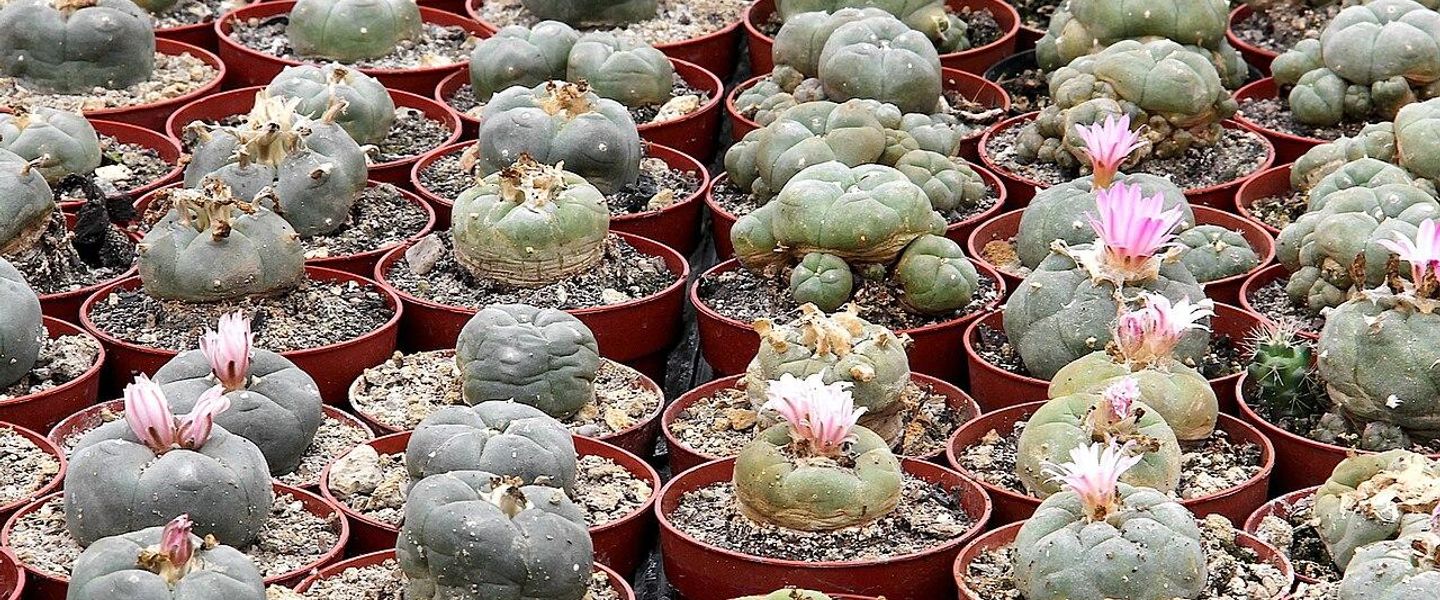


Explore Mexico's remote Huichol Sierra through Wixárika culture, pine forests, deep canyons, living traditions and carefully arranged community visits.
Read more about Huichol Sierra
When is the best time to visit Huichol Sierra?
Best: April–May, October · 24–26°C| Month | High (°C) | Rainfall (mm) |
|---|---|---|
| January | 21 | 7 |
| February | 21 | 7 |
| March | 23 | 7 |
| April (best) | 24 | 8 |
| May (best) | 26 | 15 |
| June | 28 | 20 |
| July | 28 | 25 |
| August | 28 | 25 |
| September | 27 | 20 |
| October (best) | 24 | 15 |
| November | 22 | 7 |
| December | 21 | 7 |
Getting to and around Huichol Sierra
How to get there
Transportation
Best attractions in Huichol Sierra
The Huichol Sierra's attractions are primarily its mountain landscapes and living cultural communities, not a conventional chain of ticketed sites. Pine and oak forests, high ridges, dry valleys and deep barrancas provide opportunities for guided walking, birdwatching, landscape photography and observation of changing vegetation across altitude. Settlements such as San Andrés Cohamiata, Santa Catarina Cuexcomatitlán, San Sebastián Teponahuaxtlán and Tuxpan de Bolaños are important cultural places, but they should be visited only through prior arrangements and with respect for community rules. Wixárika workshops and cooperatives may offer insight into beadwork, yarn painting and textile traditions when artists choose to share that process. Rural roads, viewpoints and small churches can be meaningful, though access and photography are not automatically permitted. There is little conventional nightlife or large-scale visitor infrastructure, and sacred sites should not be treated as attractions for casual exploration. The region is best approached as a guided cultural and landscape journey, with expectations adjusted to limited accommodation, changing road conditions and the privacy of communities whose ceremonial life is not a public performance.
-
Tourist attraction
Guayabitos beach
Discover the natural beauty and vibrant culture of Guayabitos Beach, a tropical paradise perfect for relaxation and adventure in Mexico.
-
Tourist attraction
rincon de nayarit
Experience the serene beauty and vibrant culture of Rincón de Nayarit, a coastal paradise perfect for relaxation and adventure.
-
Tourist attraction
Magical Xochimilco Trajineras
Discover the vibrant canals of Xochimilco Trajineras, where colorful boats, mariachi music, and traditional cuisine create a magical cultural experience.
-
Tourist attraction
Plaza de las Culturas
Explore the rich culture and history at Plaza de las Culturas, a stunning park filled with monuments and serene landscapes in Piedras Negras, Mexico.


Explore Huichol Sierra on the map
Plan your trip on one map. See where the top cities, national parks and sights are, and book hotels and experiences in a few clicks.
Best hotels in Huichol Sierra
Best restaurants in Huichol Sierra
Dining in the Huichol Sierra is generally local, informal and arranged through households, community projects or small establishments in gateway towns rather than through a developed restaurant scene. Maize remains central, appearing in tortillas, drinks and regional preparations alongside beans, squash, chile and stews shaped by household and seasonal ingredients. In the higher country, food may be simple and practical, while market towns provide a wider choice of cafés, fondas and provisions for the road. Visitors should not assume that a community visit includes meals; confirm this when arranging accommodation or a guided programme, and carry suitable supplies for remote journeys. Regional cooking belongs to the wider food culture of western and northern Mexico, but eating with a host can offer a more direct understanding of local routines than ordering a themed menu. Bottled or treated water is prudent, and dietary requirements should be discussed in Spanish or through a local intermediary before departure.
-
Seafood
EL TORO GÜERO SEAFOOD
Experience authentic Mexican seafood at El Toro Güero Seafood in San José del Cabo – fresh flavors await you!
-
Restaurant
La Sierra Restaurant
Discover authentic Mexican flavors at La Sierra Restaurant in Tepic - where tradition meets taste in every bite.
-
Restaurant
Restaurante Tierra Santa - Piedras Negras
Experience authentic Mexican flavors at Restaurante Tierra Santa in Piedras Negras - where every meal is a celebration of culinary heritage.
-
Mexican
El jalisquillo
Experience authentic Mexican flavors at El Jalisquillo in Piedras Negras—where tradition meets taste in a vibrant setting.


Best bars in Huichol Sierra
The Huichol Sierra does not have a significant nightclub circuit, and evening life is generally centred on family homes, community gatherings, small restaurants and modest bars in gateway towns. In places such as Huejuquilla el Alto, Mezquitic, Bolaños or Jesús María, visitors may find basic cantinas and cafés, but opening arrangements and atmosphere vary considerably. Remote communities may have no public venue suitable for visitors after dark, and drinking should never be treated as part of a cultural encounter or ceremony. Evening entertainment is more likely to involve conversation, local events or a quiet stay with a host than organised nightlife. Arrive before nightfall where possible, since mountain roads are difficult to navigate after dark and roadside services are sparse. Ask locally about appropriate places to spend the evening rather than wandering through a community unfamiliar with independent visitors.
-
Grill
Mango Deck
Experience the vibrant flavors and lively atmosphere of Mango Deck, Cabo San Lucas' premier beachside grill for unforgettable dining.
-
Cocktail bar
Licorería Limantour
Discover Licorería Limantour, a top cocktail bar in Mexico City, blending creativity and flavor in a vibrant atmosphere.
-
Cocktail bar
Alquimia Bar
Experience the vibrant nightlife at Alquimia Bar, a top cocktail destination in Querétaro with innovative drinks and a lively atmosphere.
-
Bar
La Clandestina
Discover La Clandestina, a vibrant bar in La Condesa serving innovative cocktails and a lively atmosphere perfect for nightlife enthusiasts.


Best nightclubs in Huichol Sierra
The Huichol Sierra does not have a significant nightclub circuit, and evening life is generally centred on family homes, community gatherings, small restaurants and modest bars in gateway towns. In places such as Huejuquilla el Alto, Mezquitic, Bolaños or Jesús María, visitors may find basic cantinas and cafés, but opening arrangements and atmosphere vary considerably. Remote communities may have no public venue suitable for visitors after dark, and drinking should never be treated as part of a cultural encounter or ceremony. Evening entertainment is more likely to involve conversation, local events or a quiet stay with a host than organised nightlife. Arrive before nightfall where possible, since mountain roads are difficult to navigate after dark and roadside services are sparse. Ask locally about appropriate places to spend the evening rather than wandering through a community unfamiliar with independent visitors.
-
Night club
Mandala Puerto Vallarta
Unleash your inner party animal at Mandala Puerto Vallarta, where electrifying music and vibrant energy create an unforgettable nightlife experience.
-
Bar
Mandala Nightclub
Dive into the electrifying atmosphere of Mandala Nightclub, Cancun's top spot for nightlife, featuring great music, vibrant crowds, and unforgettable experiences.
-
Disco club
Cokobongo Tijuana
Experience Tijuana's vibrant nightlife at Cokobongo, a lively disco club featuring open bars, diverse music, and an electrifying atmosphere.
-
Bar
Mandala Playa del Carmen
Immerse yourself in the electrifying nightlife of Mandala Playa del Carmen, a premier bar and disco that promises an unforgettable party experience.




Best shops in Huichol Sierra
Shopping in the Huichol Sierra is concentrated in gateway towns, community workshops and organised cultural projects rather than dedicated retail districts. Wixárika beadwork, yarn paintings, embroidered clothing, woven items and small household objects are the principal regional purchases, with designs that may carry cultural meanings beyond their decorative appearance. Buy directly from named artists, cooperatives or trusted community organisations where possible, ask whether an object is suitable for sale, and avoid reproductions that use sacred imagery without context. Gateway markets and small shops also sell maize products, beans, chiles, coffee from wider western Mexico and practical supplies for mountain travel. Prices may be negotiable in informal markets, but fair payment is more important than seeking the lowest price from an individual maker. Carry cash in Mexican pesos, protect fragile artwork during rough journeys and remember that not every ceremonial object or design is an appropriate souvenir.
-
Handicraft fair
Mercado de Artesanías La Ciudadela
Discover unique handicrafts at Mercado de Artesanías La Ciudadela, where vibrant culture and artisan creativity meet in the heart of Mexico City.
-
Shopping mall
Samara Shops
Discover the vibrant shopping experience at Samara Shops, a premier destination in Santa Fe, Mexico City, blending luxury with local flair.
-
Bazar
El Bazar Sábado
Discover the cultural heart of Mexico City at El Bazar Sábado, a weekly market bursting with local art, crafts, and delicious cuisine.
-
Hotel
Hotel Fray Junípero Serra
Discover the heart of Tepic at Hotel Fray Junípero Serra, where comfort meets the vibrant culture of Nayarit.


Get your free copy of our complete guide to Huichol Sierra, delivered straight to you.
Everything on this page, from attractions and restaurants to essentials and local phrases, in one PDF you can read offline, print or share.
Already have an account? Sign in
Your Huichol Sierra guide is ready.
We'll send it to · Not you? Sign out

Getting your guide ready…
We are putting together a fresh copy of the Huichol Sierra guide. This can take up to a minute.
This can take a few moments. If your browser asks, choose Allow so the download can start. You'll find the guide in your Downloads folder.
Nothing happened? Download it again
Sorry, the guide is taking longer than usual. Please try again in a minute, or get it by email instead.
Huichol Sierra essentials
Currency and Payment
Safety
Emergency Situations
Do's and Don'ts
Local Tips
From Eve
Local phrases worth knowing
You don't need to get them perfect. A few words go a long way, and locals appreciate the effort.
Basics
| English | Local | Say it |
|---|---|---|
| Hello | Naka | [Nah-kah] |
| Goodbye | Naka ne | [Nah-kah neh] |
| Yes | Eka | [Eh-kah] |
| No | Naka | [Nah-kah] |
| Please/You're welcome | Naka, eekari | [Nah-kah, ee-kah-ree] |
| Thank you | Eekari | [Ee-kah-ree] |
| Excuse me/Sorry | Naka eekari | [Nah-kah ee-kah-ree] |
| How are you? | Naka hiyari? | [Nah-kah hee-yah-ree?] |
| Fine. And you? | Naka eekari. Naka hiyari? | [Nah-kah ee-kah-ree. Nah-kah hee-yah-ree?] |
| Do you speak English? | Naka eekari English? | [Nah-kah ee-kah-ree English?] |
| I don't understand | Naka eekari nakas | [Nah-kah ee-kah-ree nah-kahs] |
Eating & Drinking
| English | Local | Say it |
|---|---|---|
| I'd like to see the menu, please | Naka eekari menu, naka | [Nah-kah ee-kah-ree meh-noo, nah-kah] |
| I don't eat meat | Naka eekari charro | [Nah-kah ee-kah-ree chah-rroh] |
| Cheers! | Naka eekari! | [Nah-kah ee-kah-ree!] |
| I would like to pay, please | Naka eekari pagar, naka | [Nah-kah ee-kah-ree pah-gahr, nah-kah] |
Emergencies
| English | Local | Say it |
|---|---|---|
| Help! | Naka hiyari! | [Nah-kah hee-yah-ree!] |
| Go away! | Naka eekari! | [Nah-kah ee-kah-ree!] |
| Call the Police! | Naka eekari Policía! | [Nah-kah ee-kah-ree Poh-lee-see-ah!] |
| Call a doctor! | Naka eekari doctor! | [Nah-kah ee-kah-ree dohkt-or!] |
| I'm lost | Naka eekari nakas | [Nah-kah ee-kah-ree nah-kahs] |
| I'm ill | Naka eekari enfermo | [Nah-kah ee-kah-ree en-fehr-moh] |
Shopping
| English | Local | Say it |
|---|---|---|
| I'd like to buy... | Naka eekari comprar... | [Nah-kah ee-kah-ree kohm-prahr...] |
| I'm just looking | Naka eekari mirando | [Nah-kah ee-kah-ree mee-rahn-doh] |
| How much is it? | Naka eekari halato? | [Nah-kah ee-kah-ree hah-lah-toh?] |
| That's too expensive | Naka eekari halato nakas | [Nah-kah ee-kah-ree hah-lah-toh nah-kahs] |
| Can you lower the price? | Naka eekari bajari halato? | [Nah-kah ee-kah-ree bah-hah-ree hah-lah-toh?] |
Time & Numbers
| English | Local | Say it |
|---|---|---|
| What time is it? | Naka eekari tiempo? | [Nah-kah ee-kah-ree tee-em-poh?] |
| It's one o'clock | Naka eekari uno | [Nah-kah ee-kah-ree oo-noh] |
| Half past (10) | Naka eekari media (10) | [Nah-kah ee-kah-ree meh-dee-ah (10)] |
| Morning | Naka eekari mañana | [Nah-kah ee-kah-ree mah-nyah-nah] |
| Afternoon | Naka eekari tarde | [Nah-kah ee-kah-ree tahr-deh] |
| Evening | Naka eekari anoche | [Nah-kah ee-kah-ree ah-noh-cheh] |
| Yesterday | Naka eekari ayer | [Nah-kah ee-kah-ree ah-yehr] |
| Today | Naka eekari hoy | [Nah-kah ee-kah-ree oy] |
| Tomorrow | Naka eekari mañana | [Nah-kah ee-kah-ree mah-nyah-nah] |
| 1 | Uno | [Oo-noh] |
| 2 | Dos | [Dohs] |
| 3 | Tres | [Trehs] |
| 4 | Cuatro | [Kwah-troh] |
| 5 | Cinco | [Seen-koh] |
| 6 | Seis | [Says] |
| 7 | Siete | [Syay-teh] |
| 8 | Ocho | [Oh-choh] |
| 9 | Nueve | [Nweh-veh] |
| 10 | Diez | [Dyehs] |
Transport & Directions
| English | Local | Say it |
|---|---|---|
| Where's a/the...? | Naka eekari...? | [Nah-kah ee-kah-ree...?] |
| What's the address? | Naka eekari dirección? | [Nah-kah ee-kah-ree dee-rek-see-ohn?] |
| Can you show me (on the map)? | Naka eekari mostrar (en el mapa)? | [Nah-kah ee-kah-ree mohs-trar (en el mah-pah)?] |
| When's the next (bus)? | Naka eekari siguiente (bus)? | [Nah-kah ee-kah-ree see-gien-teh (boos)?] |
| A ticket (to ....) | Naka eekari boleto (a ....) | [Nah-kah ee-kah-ree boh-leh-toh (ah ....)] |
History of Huichol Sierra
Ancient Sierra Madre Settlement
Long before the modern term Huichol was applied to the region, peoples of the Sierra Madre Occidental adapted to a difficult environment of ridges, ravines and seasonal watercourses. Archaeological evidence across western Mexico points to changing patterns of cultivation, trade and settlement, although the remote interior remains less extensively documented than the major pre-Hispanic centres of central Mexico. Maize agriculture, the use of local forests and knowledge of mountain routes created the environmental and cultural foundations on which later Indigenous communities developed.
Wixárika Communities before Spanish Rule
The Wixárika developed social, religious and economic connections across a broad territory rather than within a neatly bounded modern region. Their ceremonial geography links communities in the Sierra Madre with other sacred landscapes, and their traditions preserve detailed relationships between ancestors, animals, plants and places. Spanish sources often recorded Indigenous names inaccurately, which is why historical literature contains several spellings and labels. Contemporary Wixárika identity is better understood through the communities' own languages, authorities and ceremonial traditions.
Colonial Frontier and Mission Expansion
Spanish expansion into the western mountain ranges was gradual. Missionaries, miners, ranchers and colonial officials sought access to the Sierra, while Indigenous communities negotiated, resisted and adapted to changing pressures. Distance and difficult terrain limited permanent colonial control in many areas, although missions, settlements and administrative claims altered patterns of land use. Epidemics, forced labour systems and the spread of Christianity affected Indigenous societies, while local communities retained important languages, land relationships and ceremonial practices.
Nineteenth-Century Isolation and Conflict
After Mexican independence, the mountain region remained politically marginal and difficult for governments to administer. Expanding ranching, mining interests and disputes over land brought repeated pressure on Indigenous communities. At the same time, the Sierra's remoteness helped Wixárika communities preserve a degree of autonomy in comparison with more accessible parts of western Mexico. Roads and commercial links developed slowly, leaving many settlements connected more strongly to neighbouring communities and regional market towns than to distant state capitals.
Agrarian Reform and Communal Land Rights
Twentieth-century Mexican agrarian policy formalised or contested land claims in many Indigenous areas, with consequences that varied from community to community. Recognition of communal holdings did not end disputes over boundaries, forests, grazing or access routes. For Wixárika communities, land is also inseparable from ceremonial responsibilities and sacred geography, so legal and ecological questions cannot be reduced to property administration alone. Contemporary land-rights campaigns continue to draw attention to the relationship between territory, cultural survival and self-government.
Wixárika Art and Cultural Visibility
During the twentieth century, Wixárika beadwork, yarn paintings, textiles and ceremonial designs gained national and international visibility. This created income and wider recognition but also brought risks, including unauthorised commercial reproduction, the removal of symbols from their cultural context and confusion between sacred objects and decorative merchandise. Today, artists and community organisations use cultural production to support livelihoods and explain Wixárika perspectives, while also defending intellectual property, ceremonial privacy and the right to determine how Indigenous culture is represented.
Contemporary Territorial and Environmental Advocacy
Modern Wixárika communities continue to address land disputes, road development, mining proposals, water access and the protection of sacred places. These issues extend beyond the immediate mountain settlements because Wixárika ceremonial geography crosses state boundaries and connects the Sierra with pilgrimage destinations elsewhere in Mexico. Environmental degradation, migration and limited public services add further pressures. Visitors encounter this history not through a single museum or monument but through living communities seeking control over their territory and the terms on which outsiders enter it.
Huichol Sierra in Photos
Browse through our photo collection highlighting the charm and character of the destination.
Neighbouring regions of Huichol Sierra
The closest regions to Huichol Sierra, if you have time for more than one.
-

-

-

-

-


Swipe for more regions
Explore more

Explore more of Mexico
Discover Mexico: A land of ancient ruins, vibrant culture, and stunning natural landscapes. Experience diverse cuisine, rich traditions, and warm hospitality.
Explore Mexico