

Free Bajio Travel Guide & Mobile App
Explore Bajio with free travel guides. Discover regional history, expert tips, proposed trips, and audio guides on web or mobile app.


Explore Mexico’s Bajío for UNESCO-listed cities, mining heritage, vineyards, markets and highland landscapes linking Guanajuato, Querétaro and Aguascalientes.
Read more about Bajio
When is the best time to visit Bajio?
Best: February–March, October · 25–27°C| Month | High (°C) | Rainfall (mm) |
|---|---|---|
| January | 22 | 7 |
| February (best) | 25 | 7 |
| March (best) | 27 | 6 |
| April | 29 | 6 |
| May | 31 | 9 |
| June | 30 | 9 |
| July | 29 | 10 |
| August | 29 | 11 |
| September | 28 | 10 |
| October (best) | 26 | 8 |
| November | 23 | 8 |
| December | 21 | 8 |
Getting to and around Bajio
How to get there
Transportation
Top city travel guides in Bajio
The cities of Bajio, and the easiest places to base yourself.
-

-

-


Swipe for more cities
Best attractions in Bajio
The Bajío’s attractions range from UNESCO-recognised historic centres to working landscapes and contemporary cultural venues. Guanajuato combines former silver mines, museums, theatres, plazas and hillside streets, while Querétaro offers churches, convents, civic buildings and the remains of its colonial water system. San Miguel de Allende is valued for its preserved urban fabric and arts scene, and Dolores Hidalgo links independence history with ceramic workshops and local food traditions. León provides museums, galleries and an industrial heritage shaped by leather craftsmanship. Outside the cities, visitors can explore vineyards and haciendas around Querétaro, hot-spring and rural landscapes near Aguascalientes, and archaeological sites such as La Cañada de la Virgen near San Miguel de Allende. The region also suits walking, cycling and scenic driving, although summer rain can affect rural routes and access. Museums and cultural festivals are particularly important in Guanajuato, while markets, artisan studios and historic parish churches give smaller towns their character. Because the Bajío is economically and geographically varied, its attractions are not confined to colonial monuments: modern manufacturing centres, agricultural plains and living craft traditions reveal how the region continues to change.
-
Tourist attraction
Callejón del Beso
Explore the romantic Callejón del Beso in Guanajuato, where love stories intertwine with vibrant architecture and rich history.
-
Tourist attraction
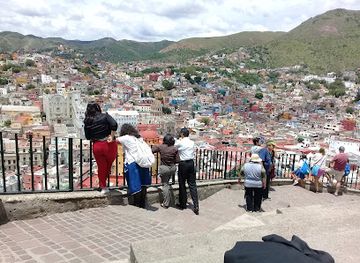
Monumento Al Pipila
Experience the breathtaking views and rich history at Monumento Al Pipila, Guanajuato's iconic tribute to local heroism and stunning landscapes.
-
Tourist attraction
Museum of the Mummies of Guanajuato
Unravel the mysteries of life and death at the Museum of the Mummies of Guanajuato, a captivating journey through history and culture.
-
Tourist attraction
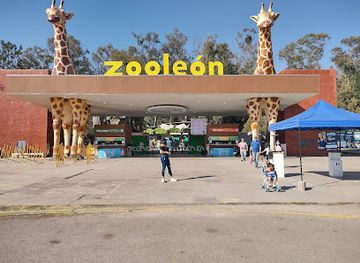
Parque Zoológico de León
Discover the enchanting Parque Zoológico de León, an ecological oasis teeming with diverse wildlife and immersive conservation experiences.


Best landmarks in Bajio
The Bajío’s most recognisable landmarks express its combination of mining wealth, religious power, independence history and highland urbanism. In Guanajuato, the Basilica of Our Lady of Guanajuato, the Teatro Juárez, the Alhóndiga de Granaditas and the Monument to El Pípila create a civic and historical sequence extending from the colonial era to independence and the modern cultural city. Querétaro’s monumental aqueduct is one of the region’s defining works of eighteenth-century infrastructure, while the historic centre contains substantial baroque churches, convents and civic architecture. San Miguel de Allende is marked by the neo-Gothic façade of the Parroquia de San Miguel Arcángel and the surrounding colonial streets of its central district. Dolores Hidalgo’s parish church and independence-related civic sites recall the opening of the 1810 uprising. In Aguascalientes, the historic centre, Government Palace and Exedra reflect the city’s civic development, while former railway buildings recall its nineteenth-century transport importance. La Cañada de la Virgen, outside San Miguel de Allende, provides a different kind of landmark: a pre-Hispanic ceremonial and settlement complex set within the highland landscape.
-
Tourist attraction
Callejón del Beso
Explore the romantic Callejón del Beso in Guanajuato, where legends of love and stunning colonial architecture create an unforgettable experience.
-
Community garden
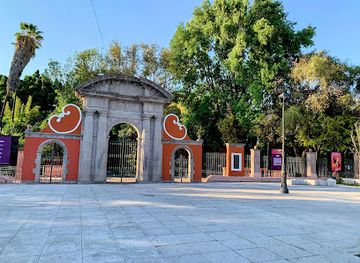
Alameda Hidalgo
Discover the tranquility and cultural richness of Alameda Hidalgo, a beautiful community garden and museum in the historic heart of Querétaro.
-
 Observation deck
Monumento Al Pipila
Experience breathtaking views and rich history at Monumento Al Pipila, an iconic observation deck in Guanajuato, Mexico.
-
Garden
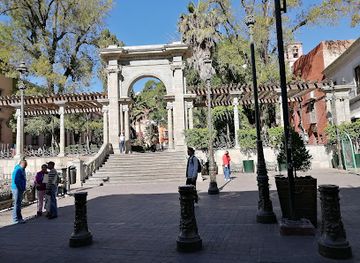
Zenea Garden
Discover the beauty of Zenea Garden in Santiago de Querétaro, a serene city park filled with lush greenery and cultural experiences.
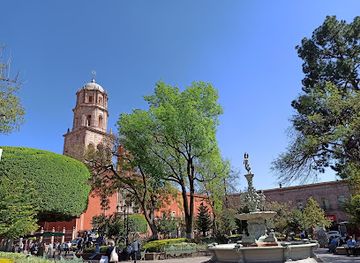
Explore Bajio on the map
Plan your trip on one map. See where the top cities, national parks and sights are, and book hotels and experiences in a few clicks.
Best hotels in Bajio
Best restaurants in Bajio
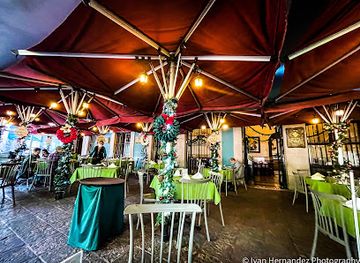
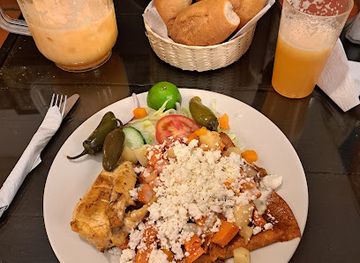
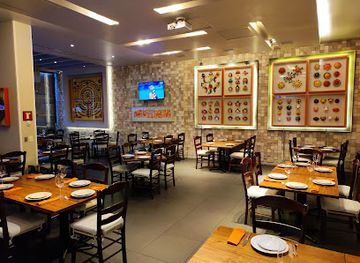
Dining in the Bajío combines central Mexican staples with local produce, market cooking and increasingly polished contemporary restaurants. Guanajuato is associated with enchiladas mineras, a sauced and filled tortilla dish whose name reflects the city’s mining history, while markets across the region offer tacos, tamales, soups, fresh fruit, aguas frescas and seasonal snacks. Dolores Hidalgo is known for traditional ice creams and regional sweets, and its food culture is closely tied to the town’s independence heritage. Querétaro’s restaurants draw on surrounding farms, vineyards and semi-arid landscapes, with cheeses, preserves, wines and cactus and agave products appearing in many local specialities. Aguascalientes has a strong market and cantina tradition alongside modern dining. León’s restaurants reflect its large urban population and industrial connections, offering both regional Mexican cooking and international styles. Rural inns, vineyard kitchens, bakeries and family-run fondas can provide a more direct link to local ingredients than formal dining rooms, while food markets remain valuable for understanding the everyday cuisine of the region.
-
Mexican
Chucho El Roto
Experience authentic Mexican flavors at Chucho El Roto in Santiago de Querétaro – where every dish tells a story.
-
Mexican
Truco 7 Restaurant
Discover Truco 7 Restaurant in Guanajuato for an unforgettable blend of Mexican and American flavors in a vibrant atmosphere.
-
Mexican
El Bajío Polanco
Discover authentic Mexican flavors at El Bajío Polanco, where traditional recipes meet modern culinary artistry in a vibrant atmosphere.
-
Restaurant
Casa Valadez · Anfitrión & Gourmet
Experience authentic Mexican cuisine at Casa Valadez in Guanajuato, where tradition meets taste in an inviting atmosphere.

Best bars in Bajio
Evening life in the Bajío varies sharply between historic university cities, industrial centres and smaller rural towns. Guanajuato has the broadest cultural nightlife, with traditional cantinas, intimate bars, live music, theatre and festival performances woven into its steep historic centre. Querétaro offers a larger selection of cocktail bars, cafés, restaurants and live-music venues, particularly around the central districts, while San Miguel de Allende has an established evening scene shaped by restaurants, galleries, hotel bars and music venues. León and Aguascalientes provide the most extensive urban choice outside those historic centres, including contemporary bars, concert spaces and late-night venues. In smaller communities, the evening usually centres on a plaza, family restaurant, cantina or local event rather than a dedicated nightclub district. Festival periods can transform nightlife and accommodation demand, so visitors should check current programmes and transport arrangements rather than relying on normal weekly patterns.
-
Bar
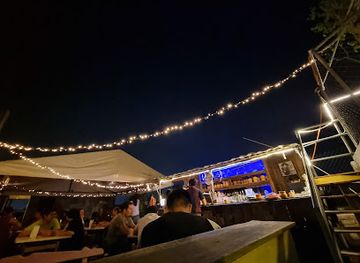
Museo del Viento
Museo del Viento: A Cultural Oasis in León de los Aldama - Experience Art, Coffee, and Local Flavors at This Must-Visit Bar.
-
Bar
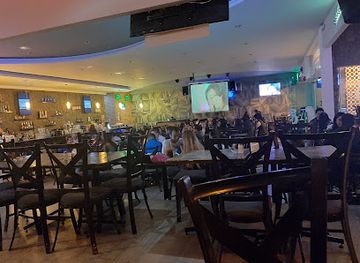
Cielo De Mexico
Discover the essence of Mexican nightlife at Cielo De Mexico, a lively bar and restaurant in León, perfect for food and drink lovers.
-
Bar
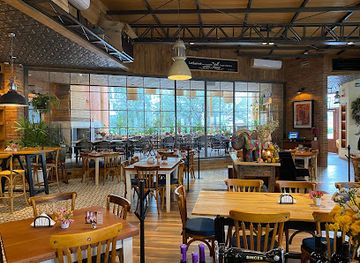
Coffee Bar 500 Noches León
Discover a vibrant blend of coffee culture and local cuisine at Coffee Bar 500 Noches in León, a must-visit for every traveler.
-
Bar
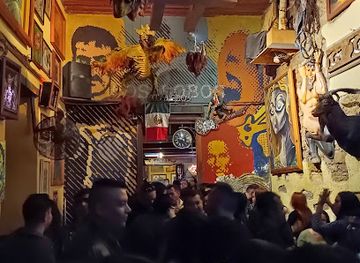
Los Lobos
Experience the vibrant nightlife at Los Lobos, a lively bar in Guanajuato with eclectic decor, affordable drinks, and a welcoming atmosphere.
Best nightclubs in Bajio
Evening life in the Bajío varies sharply between historic university cities, industrial centres and smaller rural towns. Guanajuato has the broadest cultural nightlife, with traditional cantinas, intimate bars, live music, theatre and festival performances woven into its steep historic centre. Querétaro offers a larger selection of cocktail bars, cafés, restaurants and live-music venues, particularly around the central districts, while San Miguel de Allende has an established evening scene shaped by restaurants, galleries, hotel bars and music venues. León and Aguascalientes provide the most extensive urban choice outside those historic centres, including contemporary bars, concert spaces and late-night venues. In smaller communities, the evening usually centres on a plaza, family restaurant, cantina or local event rather than a dedicated nightclub district. Festival periods can transform nightlife and accommodation demand, so visitors should check current programmes and transport arrangements rather than relying on normal weekly patterns.
-
Bar
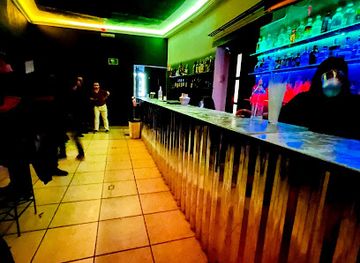
W Club
W Club in Guanajuato: Where Music, Dance, and Culture Collide for an Unforgettable Night Out!
-
Night club
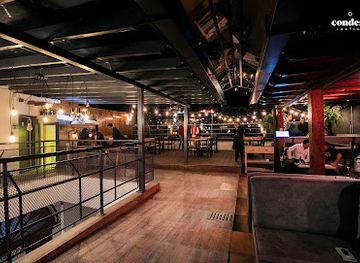
Condesa Rooftop
Experience the vibrant nightlife of Guanajuato at Condesa Rooftop, where stunning views and exceptional cocktails await.
-
Night club
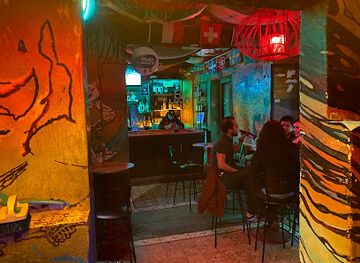
Bar Fly
Experience the vibrant nightlife of Guanajuato at Bar Fly, where great drinks, live music, and unforgettable memories await.
-
Gastropub
Greek Zunzet Leon
Discover the ultimate nightlife experience at Greek Zunzet Leon, a gastropub offering exquisite cuisine and vibrant dance parties high above the city.

Best shops in Bajio
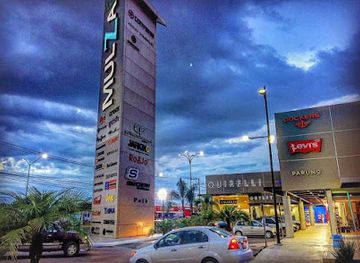
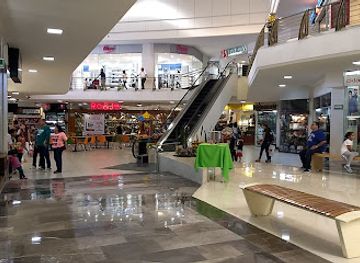
Shopping in the Bajío is strongest in historic market towns and specialist manufacturing centres rather than in one continuous retail district. Guanajuato and Querétaro have central markets, independent shops, galleries and boutiques selling ceramics, textiles, jewellery, books, food products and contemporary Mexican design. San Miguel de Allende is particularly associated with art, decorative objects, furnishings and higher-end craft retail, although prices and quality vary between establishments. Dolores Hidalgo is a useful place to look for painted ceramics, Talavera-influenced pottery and regional sweets, with workshops and shops spread through and around the town. León is Mexico’s best-known regional centre for leather goods and footwear, offering everything from practical belts and bags to made-to-measure products; compare materials, construction and return policies before buying. Aguascalientes has traditional markets alongside modern shopping areas, while Querétaro’s surrounding wine country supplies bottles, cheeses and preserves suitable for travel when packaged correctly. Markets are generally better for everyday local food and small crafts, whereas galleries and specialist workshops offer more distinctive purchases.
-
Shopping mall
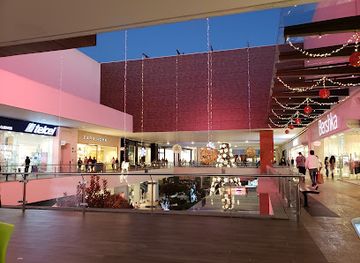
Altacia Mall
Discover Altacia Mall, León de los Aldama's premier shopping destination, blending fashion, dining, and entertainment for the perfect day out.
-
Shopping mall
MULZA Footwear Outlet
Explore the ultimate footwear destination at MULZA Footwear Outlet in León, where style meets affordability in a vibrant shopping experience.
-
Shopping mall
Galerías Celaya
Discover Galerías Celaya, a bustling shopping mall in Guanajuato with diverse stores, dining, and entertainment perfect for every tourist.
-
Outlet mall
Plaza del Zapato
Discover unbeatable deals at Plaza del Zapato, León’s premier outlet mall for shoes and accessories in a lively shopping atmosphere.

Get your free copy of our complete guide to Bajio, delivered straight to you.
Everything on this page, from attractions and restaurants to essentials and local phrases, in one PDF you can read offline, print or share.
Already have an account? Sign in
Your Bajio guide is ready.
We'll send it to · Not you? Sign out

Getting your guide ready…
We are putting together a fresh copy of the Bajio guide. This can take up to a minute.
This can take a few moments. If your browser asks, choose Allow so the download can start. You'll find the guide in your Downloads folder.
Nothing happened? Download it again
Sorry, the guide is taking longer than usual. Please try again in a minute, or get it by email instead.
Bajio essentials
Currency and Payment
Safety
Emergency Situations
Do's and Don'ts
Local Tips
From Eve
Local phrases worth knowing
You don't need to get them perfect. A few words go a long way, and locals appreciate the effort.
Basics
| English | Local | Say it |
|---|---|---|
| Hello | Hola | [Oh-lah] |
| Goodbye | Adiós | [Ah-dee-ohs] |
| Yes | Sí | [See] |
| No | No | [No] |
| Please/You're welcome | Por favor/De nada | [Por fah-vor/Deh nah-dah] |
| Thank you | Gracias | [Grah-syahs] |
| Excuse me/Sorry | Disculpe/Lo siento | [Dees-kool-peh/Lo syen-toh] |
| How are you? | ¿Cómo estás? | [Koh-moh es-tahs] |
| Fine. And you? | Bien. ¿Y tú? | [Byen. Ee too?] |
| Do you speak English? | ¿Hablas inglés? | [Ah-blahs een-gles] |
| I don't understand | No entiendo | [No en-tyen-doh] |
Eating & Drinking
| English | Local | Say it |
|---|---|---|
| I'd like to see the menu, please | Me gustaría ver el menú, por favor | [Meh goo-stah-ree-ah vehr el meh-noo, por fah-vor] |
| I don't eat meat | No como carne | [No koh-mo kar-neh] |
| Cheers! | ¡Salud! | [Sah-lood] |
| I would like to pay, please | Me gustaría pagar, por favor | [Meh goo-stah-ree-ah pah-gar, por fah-vor] |
Emergencies
| English | Local | Say it |
|---|---|---|
| Help! | ¡Ayuda! | [Ah-yoo-dah] |
| Go away! | ¡Vete! | [Veh-teh] |
| Call the Police! | ¡Llame a la policía! | [Yah-meh ah lah poh-lee-see-ah] |
| Call a doctor! | ¡Llame a un médico! | [Yah-meh ah oon meh-dee-koh] |
| I'm lost | Estoy perdido | [Es-toy per-dee-doh] |
| I'm ill | Estoy enfermo/a | [Es-toy en-fer-mo/ah] |
Shopping
| English | Local | Say it |
|---|---|---|
| I'd like to buy... | Quisiera comprar... | [Kee-syeh-rah kom-prar] |
| I'm just looking | Solo estoy mirando | [Soh-lo es-toy mee-ran-do] |
| How much is it? | ¿Cuánto cuesta? | [Kwan-toh kwes-tah] |
| That's too expensive | Eso es muy caro | [Eh-so es moo-ee kah-ro] |
| Can you lower the price? | ¿Puedes bajar el precio? | [Pweh-des bah-har el preh-syo] |
Time & Numbers
| English | Local | Say it |
|---|---|---|
| What time is it? | ¿Qué hora es? | [Ke oh-rah es] |
| It's one o'clock | Es la una | [Es lah oo-nah] |
| Half past (10) | Diez y media | [Dyez ee meh-dee-ah] |
| Morning | Mañana | [Mah-nyah-nah] |
| Afternoon | Tarde | [Tar-deh] |
| Evening | Noche | [Noh-cheh] |
| Yesterday | Ayer | [Ah-yer] |
| Today | Hoy | [Oy] |
| Tomorrow | Mañana | [Mah-nyah-nah] |
| 1 | Uno | [Oo-no] |
| 2 | Dos | [Dohs] |
| 3 | Tres | [Tres] |
| 4 | Cuatro | [Kwah-tro] |
| 5 | Cinco | [Seen-koh] |
| 6 | Seis | [Says] |
| 7 | Siete | [See-eh-teh] |
| 8 | Ocho | [Oh-cho] |
| 9 | Nueve | [Nweh-beh] |
| 10 | Diez | [Dyez] |
Transport & Directions
| English | Local | Say it |
|---|---|---|
| Where's a/the...? | ¿Dónde hay un/una...? | [Don-deh eye oon/oo-nah] |
| What's the address? | ¿Cuál es la dirección? | [Kwahl es lah dee-rek-syohn] |
| Can you show me (on the map)? | ¿Puedes mostrarme (en el mapa)? | [Pweh-des mos-trar-meh (en el mah-pah)] |
| When's the next (bus)? | ¿Cuándo sale el próximo (autobús)? | [Kwan-doh sah-leh el prohk-si-mo (ow-toh-boos)] |
| A ticket (to ....) | Un boleto (a ....) | [Oon boh-leh-toh (ah ....)] |
History of Bajio
Pre-Hispanic Settlements and Chichimeca Borderlands
Before Spanish colonisation, the Bajío was inhabited and influenced by several Indigenous peoples, including Otomí, Purépecha and other communities, while its northern margins formed part of the broad frontier known by the Spanish as the Gran Chichimeca. Settlements, farming areas and trade routes connected the central highlands, although political control varied considerably across the region. Archaeological sites such as La Cañada de la Virgen near San Miguel de Allende preserve evidence of complex pre-Hispanic ceremonial and agricultural life. Indigenous languages, foodways, crafts and community traditions remain part of the region’s living cultural landscape.
Spanish Conquest and the Founding of Colonial Towns
During the sixteenth century, Spanish authorities established settlements, missions, estates and mining centres across the Bajío. Querétaro became an important colonial town located on routes linking Mexico City with the northern frontier, while Guanajuato grew around silver discoveries and the development of mines. Spanish landholding, Catholic institutions and Indigenous labour reshaped the landscape, producing churches, haciendas, roads and urban plazas. The region’s fertile plains also became an important agricultural zone, supplying growing mining and urban communities.
Silver, Agriculture and Eighteenth-Century Prosperity
The Bajío’s silver economy reached great importance during the colonial period, particularly in Guanajuato, one of the world’s major silver-producing districts at various points in its history. Mining wealth financed churches, mansions, public works and religious foundations, many of which still define historic centres today. At the same time, haciendas and farming settlements cultivated grain and raised livestock across the plains. Querétaro prospered as a commercial and textile centre, while road networks connected the region’s mines, farms and markets with Mexico City and northern Mexico.
The Opening of the Mexican War of Independence
The Bajío was central to the beginning of Mexico’s independence movement in 1810. Miguel Hidalgo issued his call to rebellion at Dolores, now Dolores Hidalgo Cuna de la Independencia Nacional, and insurgent forces moved through San Miguel el Grande, today San Miguel de Allende, before capturing Guanajuato. The Alhóndiga de Granaditas, a fortified grain storehouse in Guanajuato, became the scene of a decisive and violent early confrontation. These events gave the region a lasting place in national historical memory, represented through museums, civic ceremonies and public monuments.
Railways, Reform and Industrial Change
During the nineteenth century, political reform, commercial expansion and railway construction altered the Bajío’s economy and connections. Railways linked mining districts, agricultural centres and cities with national markets, reducing the isolation of some highland settlements. Aguascalientes developed railway workshops and became an important transport and industrial centre, while León strengthened its leather and footwear production. Querétaro and other cities combined agricultural commerce with textiles, food processing and manufacturing. These developments created the foundations for the region’s present-day industrial corridors.
Revolutionary and Post-Revolutionary Transformation
The Mexican Revolution affected the Bajío through military movements, political upheaval and the redistribution of land and power. In the decades that followed, agrarian reform, irrigation, roads and public education reshaped rural society. Urban populations grew as manufacturing expanded, while historic buildings were adapted for civic, religious and commercial uses. The region’s agricultural plains remained productive, but its cities increasingly became centres of engineering, vehicle production, food processing, leather goods and other industries.
Modern Heritage, Festivals and Global Industry
Since the late twentieth century, the Bajío has combined industrial growth with the conservation and promotion of historic urban areas. Guanajuato and Querétaro have become important heritage and cultural destinations, while San Miguel de Allende developed a strong arts and design profile. Festivals such as the Festival Internacional Cervantino in Guanajuato and the Feria Nacional de San Marcos in Aguascalientes draw national and international audiences. At the same time, manufacturing, logistics, aerospace, automotive and food industries have made the region one of Mexico’s major economic corridors.
Bajio in Photos
Browse through our photo collection highlighting the charm and character of the destination.
Neighbouring regions of Bajio
The closest regions to Bajio, if you have time for more than one.
-

-

-

-

-


Swipe for more regions
Explore more

Explore more of Mexico
Discover Mexico: A land of ancient ruins, vibrant culture, and stunning natural landscapes. Experience diverse cuisine, rich traditions, and warm hospitality.
Explore Mexico